
Green Film Algae Gone: The Tang Species That Excel at Surface Cleaning

Welcome to Aquarium Mastery!
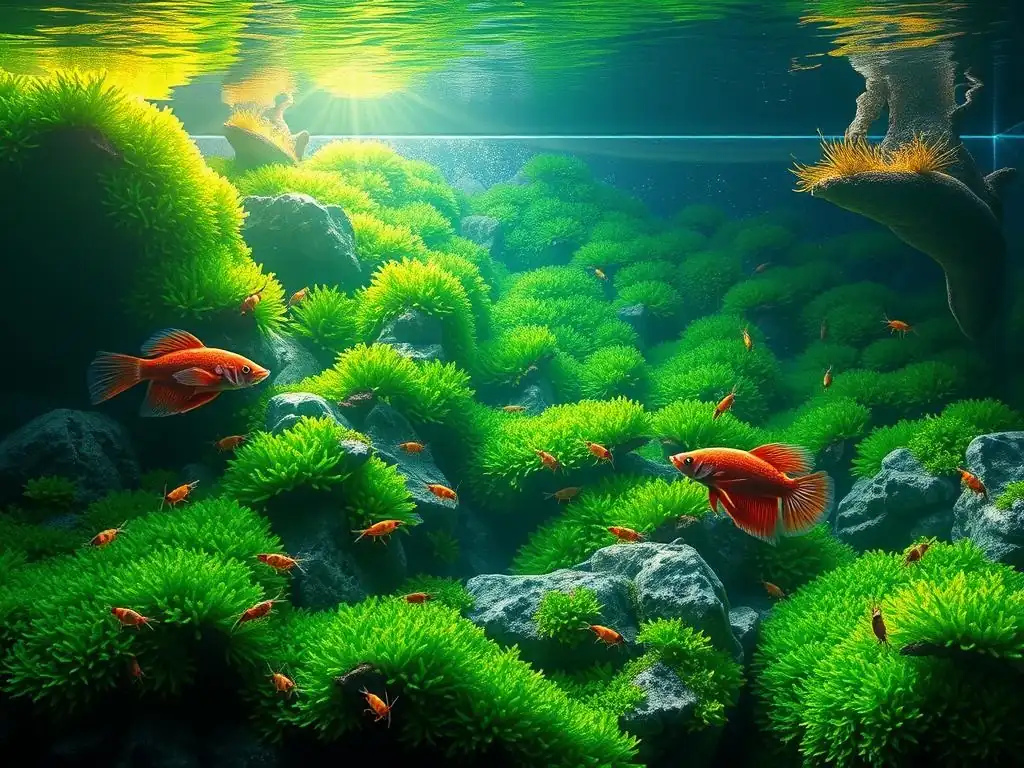
Ever stared into your saltwater aquarium and sighed at that persistent green film algae? You're not alone! Discover the secrets to a sparkling clean tank with our guide to Green Algae Removal Tips. We'll introduce you to the amazing tang species that are natural algae grazers, and how they can revolutionize your aquarium's health and beauty. Intrigued? Dive in to learn more and say goodbye to that unsightly green film!
- Effective Algae Control in Reef Aquariums: The Role of Tangs
- Understanding Algae in Saltwater Aquariums
- Tangs: Natural Algae Grazers for Reef Aquariums
- Top Tang Species for Algae Control
- Optimizing Your Tank for Tang Health and Algae Control
- Algae Control Tips: Combining Tang Power with Other Methods
- Preventing Algae Blooms: Proactive Strategies for a Clean Tank
- Selecting the Right Tang: Considerations Before You Buy
- Troubleshooting Common Tang-Related Algae Control Issues
- Conclusion: Harnessing the Power of Tangs for Effective Algae Control
-
Frequently Asked Questions
- How effective are tangs at removing green film algae, and are there specific types that are particularly good at it?
- What size aquarium is required to house a tang that specializes in green algae removal?
- Besides tangs, what other methods can be used to control green film algae in an aquarium?
- What are the potential downsides or risks of introducing a tang to an aquarium solely for algae control?
- How often should I expect to see a reduction in green film algae after introducing a suitable tang to my aquarium?
- Final Reflection: Embracing Nature's Cleaners
- Dive Deeper: Unlock a Crystal-Clear Aquarium!
Effective Algae Control in Reef Aquariums: The Role of Tangs
Understanding Algae in Saltwater Aquariums
Types of Algae and Their Impact on Reef Tanks
Saltwater aquariums, particularly reef tanks, are prone to various forms of nuisance algae, each presenting unique challenges. Among the most common are diatoms, which form brownish films during tank cycling, and cyanobacteria, often appearing as slimy red or green mats. However, perhaps the most ubiquitous and persistent is green film algae, which coats glass, rockwork, and equipment with a thin, verdant layer. While initially just an aesthetic issue, these algal blooms can quickly degrade water quality by consuming oxygen at night and competing with corals for essential nutrients.
Beyond the visible green film, more aggressive forms like hair algae (filamentous green algae) and bubble algae (Valonia) can rapidly proliferate, smothering corals and blocking light. For instance, a severe outbreak of hair algae can reduce light penetration by over 30% in dense patches, directly impacting coral photosynthesis. Unchecked, certain algae types, especially cyanobacteria, can also release toxins, further stressing or even killing sensitive invertebrates and fish, making effective green algae removal tips critical for long-term tank health.
Factors Contributing to Algae Growth in Reef Tanks
The primary drivers of nuisance algae growth in reef aquariums are excess nutrients, particularly nitrates and phosphates. These nutrients commonly enter the tank through overfeeding, decaying organic matter (uneaten food, fish waste, dead detritus), or the use of unfiltered tap water high in phosphates. For example, if a 100-gallon reef tank consistently receives 5 grams of uneaten food per day, this decaying matter can contribute significantly to a rise in phosphate levels from an ideal 0.03 ppm to over 0.1 ppm within a week, fueling rapid green film algae growth.
Inadequate lighting practices and poor water flow also significantly contribute to algae proliferation. Using old or incorrect spectrum light bulbs, or maintaining an excessively long photoperiod (e.g., 12+ hours daily), provides an ideal environment for algae to thrive. Furthermore, areas within the tank with stagnant water flow allow detritus to accumulate, creating nutrient-rich pockets where green film algae and other nuisance algae can quickly establish themselves. A tank with insufficient flow, perhaps less than 10 times its volume per hour, often exhibits more localized algae issues.
The Importance of Algae Control for Aquarium Health and Aesthetics
Maintaining an algae-free or minimally algaed reef aquarium is paramount for both its aesthetic appeal and the health of its inhabitants. A tank coated in unsightly green film algae not only detracts from the vibrant colors of corals and fish but also signifies an underlying imbalance in the ecosystem. Hobbyists often spend thousands on corals and equipment, only to have their efforts overshadowed by a pervasive green hue.
From a biological perspective, uncontrolled algae outbreaks directly compete with corals for vital resources like light and dissolved nutrients. Fast-growing algae can outcompete slower-growing corals, leading to coral recession or even death. Moreover, large algal blooms can cause significant diurnal pH swings, with pH dropping notably at night as algae respire and consume oxygen, potentially stressing sensitive marine life. Implementing effective green algae removal tips and strategies is thus not merely about cleanliness but about fostering a stable, thriving, and visually stunning reef environment.
Tangs: Natural Algae Grazers for Reef Aquariums
Why Tangs are Effective Algae Eaters
Tangs, also known as surgeonfish, are renowned in the marine aquarium hobby for their voracious appetites for algae. In their natural habitats, these fish are primarily herbivores, spending the majority of their day grazing on benthic algae that grows on rocks and coral rubble. This continuous feeding behavior translates directly to their utility in a home aquarium, where they act as living, breathing algae scrubbers. Their specialized mouthparts, which vary slightly by species, are perfectly adapted for scraping and tearing various forms of algae from surfaces.
The efficiency of tangs as algae eaters stems from their constant activity and dedicated herbivorous diet. Unlike some other fish that might occasionally nibble on algae, tangs actively seek it out as their primary food source. For instance, a healthy Yellow Tang (Zebrasoma flavescens) can spend up to 70% of its active hours grazing, making a significant impact on the amount of green film algae accumulating on glass and rockwork. This makes them one of the most effective and natural green algae removal tips available to aquarists.
The Unique Feeding Habits of Tangs
Different species of tangs possess unique feeding adaptations that make them excel at consuming specific types of algae. For example, the Bristletooth Tangs (Ctenochaetus genus), such as the Kole Tang and Tomini Tang, have bristle-like teeth and a specialized mouth that allows them to sift through sand and detritus, consuming not only green film algae but also fine filamentous algae and diatoms. They are particularly adept at cleaning the nooks and crannies of live rock.
Conversely, tangs from the Zebrasoma genus, like the Yellow Tang and Scopas Tang, have more pointed mouths and razor-sharp teeth suited for scraping tougher, more established green film algae from flat surfaces like glass and larger rock faces. Their continuous, methodical grazing patterns ensure that large areas of the tank are kept clean. This diversity in feeding habits means that a carefully chosen tang can target specific algae problems, providing tailored green algae removal tips through their natural behavior.
The Role of Tangs in Maintaining a Balanced Aquarium Ecosystem
Tangs play a crucial role in maintaining the ecological balance of a reef aquarium by actively participating in nutrient cycling. By consuming nuisance algae, they effectively remove excess nitrates and phosphates that have been absorbed by the algae, preventing these nutrients from re-entering the water column as the algae dies and decomposes. This biological export of nutrients helps to keep water parameters stable and minimizes the fuel available for future algae blooms.
Moreover, the presence of tangs can reduce the need for constant manual intervention, such as scrubbing glass or siphoning detritus from rocks. While manual removal is still necessary, tangs significantly lighten the workload, allowing the aquarist to focus on other aspects of tank maintenance. Their constant movement also helps to stir up settled detritus, making it more accessible for mechanical filtration to remove, further contributing to overall tank cleanliness and health. Incorporating tangs is a cornerstone of effective green algae removal tips for a thriving reef.
Top Tang Species for Algae Control
Yellow Tang (Zebrasoma flavescens): A Popular Choice for Algae Control
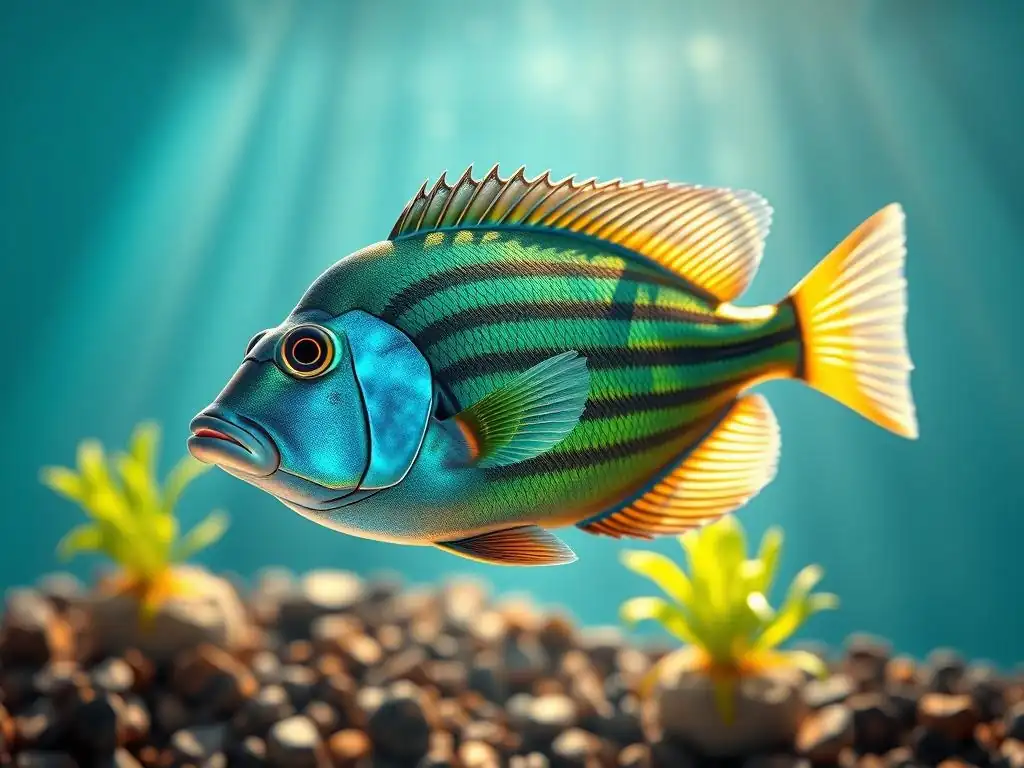
The Yellow Tang is arguably one of the most iconic and popular choices for algae control in reef aquariums, celebrated for its vibrant yellow hue and diligent grazing habits. Growing up to 8 inches (approximately 20 cm), this species requires a minimum tank size of 75 gallons for an adult to thrive, providing ample swimming space. They are exceptionally efficient at keeping glass and rockwork free of thin green film algae, constantly picking at surfaces throughout the day.
While generally peaceful, Yellow Tangs can exhibit territorial behavior, especially towards other tangs or similarly shaped fish, making careful tank mate selection essential. Their primary diet in the aquarium should be supplemented with dried seaweed (nori) and high-quality pellet foods to ensure optimal nutrition. Their unwavering dedication to grazing makes them an excellent, active green algae removal tip for any established reef tank.
Kole Tang (Ctenochaetus strigosus): The Bristletooth Algae Specialist
The Kole Tang, also known as the Yellow Eye Kole Tang, is a highly effective algae eater distinguished by its specialized bristle-like teeth, which are perfectly adapted for sifting through detritus and scraping tougher microalgae from rock crevices and sand beds. Reaching a maximum size of about 7 inches (approximately 18 cm), this species is suitable for tanks of 70 gallons or more, making it a viable option for slightly smaller reef setups.
Unlike some other tangs that prefer open surfaces, Kole Tangs excel at cleaning the intricate details of live rock, consuming diatoms, cyanobacteria, and various green film algae that accumulate in less accessible areas. They are generally more peaceful than many Zebrasoma tangs and can often be kept with other fish without major aggression issues. Their unique grazing strategy makes them an invaluable component of comprehensive green algae removal tips.
Tomini Tang (Ctenochaetus tominiensis): A Peaceful and Effective Algae Grazer
The Tomini Tang is a more moderately sized and exceptionally peaceful tang, making it an ideal candidate for community reef tanks that might not accommodate larger, more aggressive species. Growing to about 6 inches (approximately 15 cm), they can thrive in tanks as small as 60 gallons, provided there is adequate rockwork for grazing and hiding. Their distinctive coloration, transitioning from a dark anterior to a lighter posterior with a red tail, adds aesthetic appeal.
Tomini Tangs are relentless grazers, constantly sifting through the sand and picking at rocks, consuming a wide variety of green film algae, diatoms, and detritus. Their consistent feeding helps to maintain pristine surfaces and reduce nutrient build-up. Their docile nature means they are less likely to harass other tank inhabitants, making them a harmonious addition and a reliable source of continuous green algae removal tips.
Scopas Tang (Zebrasoma scopas): A Hardy and Versatile Algae Consumer
The Scopas Tang, often confused with the Yellow Tang when young due to similar body shapes, is a hardy and versatile algae consumer that undergoes significant color changes as it matures, often developing intricate patterns. Reaching 8 to 10 inches (20-25 cm) in length, they require a minimum tank size of 90 gallons to accommodate their active swimming and adult size.
Scopas Tangs are excellent grazers of a wide range of algae, including green film algae, hair algae, and even some types of bubble algae. They are active swimmers and will tirelessly patrol the tank, keeping surfaces clean. While generally robust, they can be territorial towards other tangs, particularly those of similar size or shape. Their adaptability and comprehensive grazing habits make them a robust choice among green algae removal tips.
Optimizing Your Tank for Tang Health and Algae Control
Tank Size and Compatibility Considerations for Tangs
Providing adequate space is paramount for tang health and their effectiveness as algae grazers. Most tang species are active swimmers and require significant horizontal swimming room. For instance, a Yellow Tang, which can reach 8 inches, ideally needs a tank of at least 75 gallons, while larger species like the Scopas Tang (up to 10 inches) benefit greatly from tanks of 90 gallons or more. Insufficient space can lead to stress, stunted growth, increased aggression, and a compromised immune system, making them less effective at green algae removal tips.
Compatibility with existing tank inhabitants is another critical factor. Tangs can be territorial, especially towards conspecifics or fish with similar body shapes. Introducing multiple tangs into a single tank often requires a very large system (e.g., 180 gallons or more for a pair of Yellow Tangs) and careful planning, such as introducing them simultaneously or ensuring ample hiding spots and visual barriers. Always research the specific temperament of your chosen tang species to avoid conflicts that could stress all tank occupants.
Providing the Right Diet and Supplementation for Healthy Tangs
While tangs are excellent natural algae grazers, relying solely on tank algae for their nutrition is often insufficient, especially in well-maintained tanks with minimal nuisance algae. Their diet should be generously supplemented with high-quality dried seaweed (nori) several times a week. For example, a 3x3 inch sheet of nori can be offered daily or every other day, secured with a veggie clip, ensuring they receive essential vitamins and minerals.
In addition to nori, offer a varied diet that includes spirulina flakes, high-quality marine pellets, and occasionally frozen foods like mysis shrimp or brine shrimp, which can be gut-loaded with nutrients. Supplementation with Vitamin C, either through vitamin-enriched foods or directly into the water, is crucial for preventing conditions like Head and Lateral Line Erosion (HLLE), a common ailment in tangs often linked to nutritional deficiencies. A well-fed, healthy tang will be a more enthusiastic and effective green algae removal tip in your aquarium.
Maintaining Optimal Water Parameters for Algae Control and Tang Health
Stable and pristine water parameters are fundamental for both controlling algae growth and ensuring the long-term health of your tangs. Key parameters to monitor include salinity (1.023-1.026), temperature (76-82°F or 24-28°C), pH (8.1-8.4), alkalinity (8-12 dKH), calcium (400-450 ppm), and magnesium (1200-1350 ppm). Consistent testing, perhaps weekly using reliable test kits, allows for timely adjustments before issues escalate.
Crucially, maintaining ultra-low levels of nitrates (ideally below 10 ppm) and phosphates (below 0.03 ppm) is essential for starving nuisance algae, including green film algae. High nutrient levels not only fuel algae blooms but also contribute to poor water quality that can stress tangs, making them susceptible to disease. Regular water changes, robust filtration, and judicious feeding are key practices that underpin these optimal parameters, providing the foundation for effective green algae removal tips.
Algae Control Tips: Combining Tang Power with Other Methods
Manual Algae Removal Techniques to Complement Tang Grazing
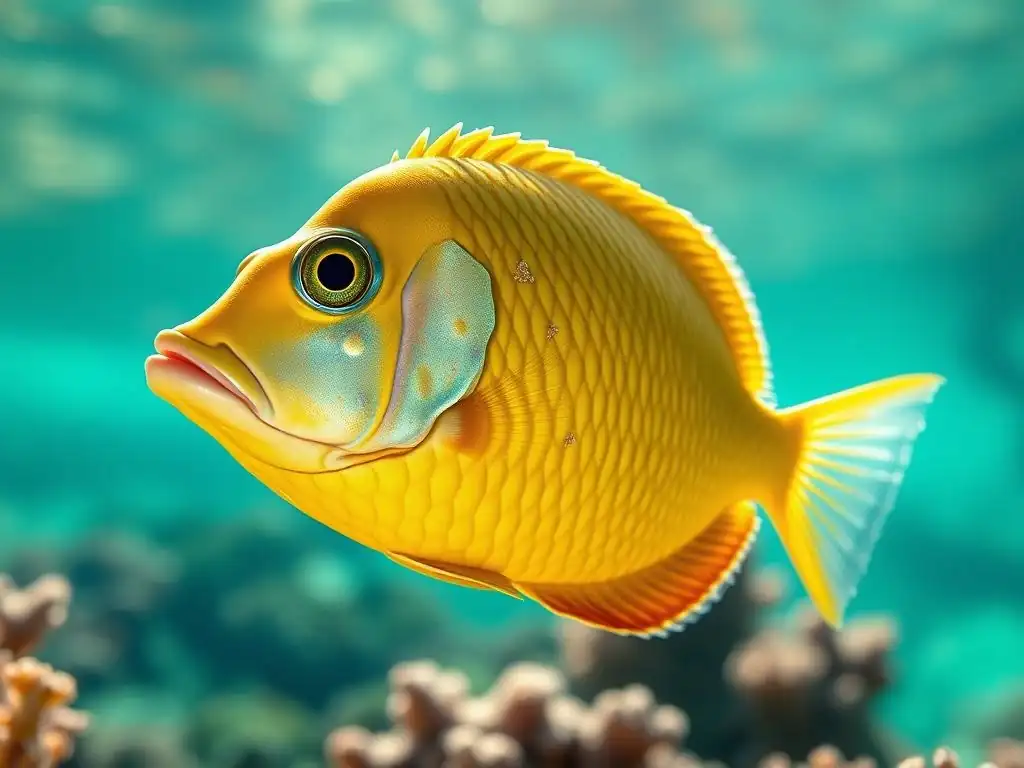
While tangs are incredibly effective at keeping green film algae at bay, they cannot reach every nook and cranny, nor can they instantly eradicate a severe outbreak. Therefore, manual algae removal remains an indispensable part of comprehensive algae control. Regular scraping of the aquarium glass with a magnetic cleaner or a blade scraper, perhaps every 2-3 days for the front pane, ensures crystal-clear viewing.
For stubborn patches on rocks or in hard-to-reach areas, a toothbrush or specialized aquarium brush can be used to scrub away green film algae. It is crucial to siphon out any dislodged algae during this process to prevent it from decaying and releasing nutrients back into the water. This combination of diligent manual scrubbing and the continuous grazing of tangs provides a powerful two-pronged approach to green algae removal tips.
The Benefits of a Refugium for Natural Algae Control
A refugium, typically a separate compartment in the sump, is an excellent natural method for controlling nuisance algae by outcompeting it for nutrients. By cultivating fast-growing macroalgae like Chaetomorpha (commonly known as "Chaeto") in a refugium, you create an environment where these beneficial algae absorb nitrates and phosphates from the water column before they can fuel undesirable green film algae in the display tank.
A well-lit refugium with a tumbling mass of Chaeto can significantly reduce nutrient levels. For instance, in a 100-gallon system, a healthy refugium can process enough nitrates to reduce levels from 20 ppm to under 5 ppm within a few weeks, provided the Chaeto is harvested regularly (e.g., removing a handful every 1-2 weeks). This natural biological filtration complements the grazing efforts of tangs, offering a powerful green algae removal tip.
Using Phosphate and Nitrate Control Methods to Limit Algae Growth
Beyond biological and manual methods, chemical filtration plays a vital role in limiting the nutrients available for algae growth. Granular Ferric Oxide (GFO) is a popular media highly effective at adsorbing phosphates from the water column. When used in a media reactor, GFO can reduce phosphate levels from problematic levels (e.g., 0.1 ppm) to undetectable levels (below 0.03 ppm) within days, starving green film algae.
Similarly, biopellets or carbon dosing methods can be employed to reduce nitrates by promoting beneficial bacterial growth that consumes these nutrients. These methods, when used correctly and monitored with regular water testing, can maintain ultra-low nutrient environments. Combining these advanced chemical methods with the natural grazing of tangs provides the most comprehensive and effective green algae removal tips for long-term algae suppression.
Preventing Algae Blooms: Proactive Strategies for a Clean Tank
Regular Water Changes and Proper Filtration Techniques
Proactive prevention is the cornerstone of effective algae control. Regular water changes are critical for exporting accumulated nutrients and replenishing essential trace elements. A consistent schedule of 10-20% water changes weekly or bi-weekly for a reef tank helps to dilute nitrates and phosphates before they can fuel significant green film algae blooms. For example, in a 100-gallon tank with 20 ppm nitrates, a 20% water change can reduce levels to 16 ppm, and repeated changes effectively lower them over time.
Beyond water changes, robust mechanical filtration is essential. Using filter socks or sponges in the sump, and changing them frequently (e.g., filter socks every 2-3 days), effectively removes particulate organic matter from the water column before it can break down into dissolved nutrients. Proper protein skimming also removes dissolved organic compounds before they can contribute to the nutrient load, significantly reducing the potential for algae outbreaks.
Avoiding Overfeeding and Nutrient Imbalances
Overfeeding is one of the most common causes of nutrient imbalances and subsequent algae blooms, including green film algae. Fish should only be fed what they can consume within 1-2 minutes, 1-2 times per day. Any uneaten food quickly decays, releasing phosphates and nitrates into the water. For instance, feeding a teaspoon of flake food when only half is consumed can quickly elevate phosphate levels.
Furthermore, being mindful of the type of food used is important. Some foods are richer in phosphates than others. Thawing frozen foods and rinsing them in RO/DI water before feeding can help remove excess phosphates that accumulate in the packing water. A balanced feeding regimen, coupled with the grazing efforts of tangs, is a powerful preventative green algae removal tip.
Maintaining Adequate Lighting and Circulation
Maintaining proper lighting parameters is crucial for preventing algae. Reef tanks typically require a consistent light cycle of 8-10 hours per day, including ramp-up and ramp-down periods. Excessive photoperiods (e.g., 12+ hours) provide more time for algae to photosynthesize and grow. Additionally, older fluorescent or LED bulbs can shift their spectrum over time, sometimes favoring algae growth, so replacing them according to manufacturer recommendations (e.g., fluorescent bulbs every 9-12 months) is advisable.
Adequate and turbulent water circulation is equally important. Strong flow prevents detritus from settling in dead spots on the substrate or rockwork, which can become localized nutrient sinks and breeding grounds for green film algae. Aim for a total water turnover rate of 10-20 times the tank volume per hour, distributed by multiple powerheads, to ensure all areas of the tank are well-oxygenated and free of stagnant zones.
Selecting the Right Tang: Considerations Before You Buy
Researching the Specific Needs of Different Tang Species
Before purchasing a tang, thorough research into the specific needs of different species is paramount. Not all tangs are suitable for every home aquarium. For example, while the Yellow Tang is popular, a Sohal Tang (Acanthurus sohal) can grow up to 16 inches and is highly aggressive, making it unsuitable for most hobbyist tanks under 300 gallons. Understand their adult size, temperament, minimum tank size requirements, and specific dietary preferences.
Some tangs are better at consuming certain types of algae than others. Bristletooth tangs like the Kole Tang excel at sifting through sand and cleaning tight crevices, while Zebrasoma tangs are more adept at scraping flat surfaces. Knowing these distinctions will help you select the most effective tang for your specific green algae removal tips needs and tank setup.
Ensuring Compatibility with Existing Tank Inhabitants
Introducing a new tang requires careful consideration of its compatibility with your existing tank inhabitants. Tangs can be notoriously territorial, especially towards other tangs or fish with similar body shapes. If you plan to keep multiple tangs, a very large tank with ample rockwork for hiding and breaking sight lines is essential. For instance, adding a new tang to an established tank with another tang of the same genus can often lead to severe aggression.
Always observe the temperament of your existing fish. Introducing a smaller, more peaceful tang like a Tomini Tang into a tank with larger, more aggressive species might lead to bullying and stress. Plan your stocking list in advance, and if possible, introduce new tangs when the tank lights are off or rearrange the aquascape to disrupt existing territories.
Quarantining New Tangs Before Introducing Them to the Main Tank
One of the most crucial steps to ensure the long-term health of your aquarium and its inhabitants is to quarantine all new fish, especially tangs, for at least 3-4 weeks. A separate quarantine tank allows you to observe the new fish for signs of disease, such as marine ich (Cryptocaryon irritans) or velvet (Amyloodinium ocellatum), which tangs are particularly susceptible to.
During quarantine, you can treat any diseases without exposing your main display tank, protecting your existing fish and invertebrates. It also provides an opportunity to ensure the tang is eating well and acclimating to prepared foods, which is essential for its long-term health and its ability to contribute to green algae removal tips in your display tank. Introducing a healthy, well-adjusted tang significantly increases its chances of thriving.
What to Do if Your Tang Isn't Eating Algae
If your tang, despite its reputation, isn't actively grazing on algae, several factors could be at play. First, check your water parameters; elevated nitrates or phosphates, or unstable pH, can stress a tang and reduce its appetite. Ensure the tang isn't being overfed with supplemental foods like nori or pellets, as a full belly might reduce its motivation to graze on nuisance algae. Try reducing supplemental feedings for a few days to encourage natural grazing.
Observe the tang for any signs of illness, such as clamped fins, labored breathing, or white spots, which could indicate stress or disease. A sick tang will not graze effectively. Also, consider the amount of natural algae available; if your tank is already very clean, the tang might not have much to graze on. In some cases, offering a different type or brand of nori can entice a picky eater.
Addressing Aggression or Competition Between Tangs
Aggression or competition between tangs is a common issue, especially in tanks that are too small or house multiple tangs of similar appearance or genus. If aggression occurs, immediately evaluate tank size and stocking density. Providing more hiding spots and visual breaks in the rockwork can help reduce direct confrontations. Rearranging the aquascape can sometimes disrupt established territories and create new ones, momentarily alleviating tension.
In severe cases where one tang is constantly harassing or injuring another, separation may be the only viable solution. This might involve removing the aggressor to a separate tank or rehoming one of the fish. Introducing new tangs simultaneously to a very large tank can sometimes help distribute aggression, but single tangs are often the safest bet for most home aquariums.
Recognizing and Treating Common Tang Diseases
Tangs are unfortunately prone to certain diseases, with marine ich (Cryptocaryon irritans) and velvet (Amyloodinium ocellatum) being particularly common. Look for signs like small white spots resembling salt grains (ich) or a dusty, gold/brown film (velvet) on the fish's body and fins. Rapid breathing, scratching against rocks, and lethargy are also indicators. Prompt treatment in a separate hospital tank is crucial, typically using copper-based medications or hyposalinity, as these diseases are highly contagious and lethal in reef tanks.
Another prevalent issue in tangs is Head and Lateral Line Erosion (HLLE), characterized by pitting and lesions along the lateral line and around the head. While the exact cause is debated, it's often linked to poor water quality, nutritional deficiencies (especially lack of Vitamin C), and sometimes prolonged exposure to activated carbon without proper replacement. Addressing these underlying issues, such as performing more frequent water changes and ensuring a varied, vitamin-rich diet, is key to preventing and treating HLLE.
Conclusion: Harnessing the Power of Tangs for Effective Algae Control
Frequently Asked Questions
How effective are tangs at removing green film algae, and are there specific types that are particularly good at it?
Tangs are generally very effective at grazing on green film algae. Some of the best include the Kole Tang, Yellow Tang, and Tomini Tang, known for their constant grazing habits.
What size aquarium is required to house a tang that specializes in green algae removal?
Tangs need plenty of swimming space, with most requiring a tank of at least 75 gallons for smaller species and 125 gallons or more for larger ones. This ensures their well-being and natural behavior.
Besides tangs, what other methods can be used to control green film algae in an aquarium?
Other methods include reducing light intensity, improving water circulation, using algae-eating snails, and maintaining proper nutrient levels through regular water changes.
What are the potential downsides or risks of introducing a tang to an aquarium solely for algae control?
Introducing a tang without proper research can lead to aggression towards other fish, competition for food, and stress for the tang if the algae is insufficient. Proper quarantine and acclimation are crucial.
How often should I expect to see a reduction in green film algae after introducing a suitable tang to my aquarium?
With a healthy tang and appropriate tank conditions, you should see a noticeable reduction in green film algae within 1-2 weeks. Consistent monitoring of water parameters is essential for long-term success.
Final Reflection: Embracing Nature's Cleaners
The insights shared throughout this article highlight the remarkable potential of Acrochaetium species, or tang algae, as a natural and sustainable solution for green algae removal. No longer must we rely solely on harsh chemicals and abrasive methods; nature offers a gentler, more effective approach to maintaining pristine surfaces, especially in aquatic environments. This shift towards biological solutions is not just a trend, but a necessary evolution in our understanding of ecosystem balance and responsible resource management.
This journey into the world of tang algae has profoundly underscored the importance of observing and learning from nature's intricate systems. The realization that a seemingly simple organism can offer such a powerful cleaning solution challenges our preconceived notions about problem-solving and encourages us to seek inspiration from the natural world. As the demand for eco-friendly alternatives grows, the role of tang algae in green algae removal becomes increasingly significant. Look deep into nature, and then you will understand everything better.
- Albert Einstein. This quote resonates deeply as we consider the untapped potential hidden within the simplest of organisms.
Now, armed with these "green algae removal tips" and a newfound appreciation for the power of tang algae, I invite you to reflect on your own practices. How can you incorporate more natural solutions into your life, whether it's in your aquarium, your garden, or even your cleaning routine? Embrace the wisdom of nature, and discover the remarkable benefits that await. Let's cultivate a future where sustainability and effectiveness go hand in hand, creating a cleaner and healthier world for all.
Dive Deeper: Unlock a Crystal-Clear Aquarium!
Thanks for exploring the fascinating world of tangs and their algae-eating superpowers! Now that you know which tang species are the ultimate green film algae cleaners, it’s time to take action and create a healthier, more vibrant aquarium.
Here’s how you can continue your journey:
- Prioritize a quarantine tank: Before introducing any new tang to your main tank, ensure its health and safety and prevent potential disease outbreaks by setting up a dedicated quarantine tank.
- Share your success! Post a photo of your algae-free aquarium featuring your algae-eating tang on social media and tag Aquarium Mastery to inspire others.
- Explore less common algae-eating fish like Bristlenose Plecos or Nerite Snails: Diversifying your cleanup crew can create a more balanced ecosystem and target different types of algae.
What's one small change you can make in your tank setup this week to boost algae consumption and create a better environment for your tang(s)?