
Is a Sump Right for You? Pros, Cons, and Top Sump Systems Reviewed

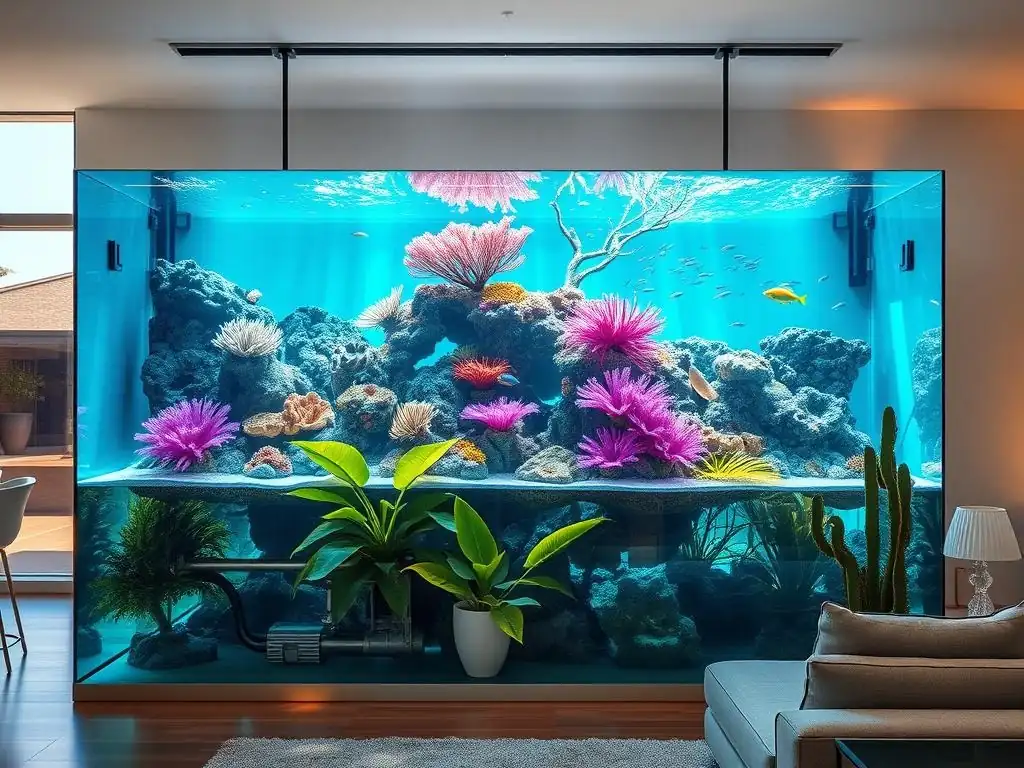
Welcome to Aquarium Mastery, where your aquatic dreams come to life! Ever wondered if a sump could be the secret to a thriving, crystal-clear aquarium? Our latest guide dives deep into the sump system benefits aquarium, exploring the pros, cons, and even showcasing some top-rated systems. Ready to unlock a new level of aquarium mastery and discover if a sump is the missing piece of your aquatic puzzle? Let's get started!
- Understanding Aquarium Sumps: An Introduction to Sump Filtration
- Sump System Benefits for Aquariums: Exploring the Advantages
- Sump System Drawbacks: Weighing the Disadvantages
- Choosing the Right Sump System for Your Aquarium
- Top Sump Systems Reviewed: Our Expert Recommendations
- Setting Up Your Aquarium Sump: A Step-by-Step Guide
- Maintaining Your Aquarium Sump: Tips and Best Practices
- Optimizing Your Sump for a Healthier Aquarium Environment
- Is a Sump Right for Your Aquarium? Making the Final Decision
-
Frequently Asked Questions
- ### What exactly is a sump system and how does it relate to my aquarium?
- ### What are the main sump system benefits aquarium owners should consider?
- ### Are there any drawbacks to using a sump system in my aquarium setup?
- ### What type of aquarium is a sump system most beneficial for?
- ### How do I choose the right sump system for my specific aquarium needs?
- Final Reflection: The Silent Guardian of Your Aquatic World
- Dive Deeper: Transform Your Aquarium Today!
Understanding Aquarium Sumps: An Introduction to Sump Filtration
What is an Aquarium Sump and How Does it Work?
An aquarium sump is an external reservoir, typically placed below the main display tank, that serves as an extension of the aquarium's water volume and filtration system. It's essentially a separate tank designed to house various filtration components and equipment, keeping them out of sight from the main display. Water from the main aquarium flows by gravity into the sump, passes through different filtration stages, and is then pumped back into the display tank. This continuous circulation creates a robust and versatile filtration loop.
The basic operation involves an overflow box in the main tank, which skims surface water and directs it down a drain pipe into the sump. Inside the sump, a series of baffles or dividers create distinct compartments for mechanical, biological, and chemical filtration media, as well as dedicated spaces for equipment like protein skimmers, heaters, and return pumps. After passing through these stages, a return pump pushes the filtered water back up to the main aquarium, completing the cycle. This setup allows for significantly more comprehensive and customizable filtration than many in-tank or hang-on-back filter options.
The Role of Sumps in Aquarium Filtration Explained
Sumps play a pivotal role in advanced aquarium filtration by offering unparalleled flexibility and capacity. Unlike compact internal filters or hang-on-back units that have limited space for media, a sump provides ample volume for multiple layers of filtration. This typically begins with mechanical filtration, often utilizing filter socks or sponges to remove particulate matter like uneaten food and detritus. Following this, water usually flows through biological media, such as bio-balls, ceramic rings, or marine pure blocks, which provide vast surface areas for beneficial nitrifying bacteria to colonize and break down harmful ammonia and nitrite.
Beyond these core functions, sumps excel in chemical filtration, allowing for the easy integration of media reactors for activated carbon to remove dissolved organics and yellowing compounds, or granular ferric oxide (GFO) to absorb phosphates. The large, open nature of a sump also accommodates specialized equipment like protein skimmers, which are crucial for removing organic waste from saltwater aquariums, and even refugiums, dedicated sections for growing macroalgae that naturally export nitrates and phosphates. This multifaceted approach ensures superior water quality and a healthier aquatic environment.
Why Consider a Sump for Your Aquarium?
Considering a sump for your aquarium opens up a world of possibilities for advanced water management and aesthetic improvement. The primary driver for many aquarists is the significant enhancement in filtration capacity and water stability that a sump provides. By increasing the total water volume of your system, a sump helps to dilute pollutants, stabilize critical water parameters like temperature and pH, and reduce the impact of sudden changes. This creates a much more forgiving and consistent environment for your aquatic inhabitants.
Beyond the technical advantages, a major appeal of a sump is its ability to hide unsightly equipment from the main display tank. Heaters, thermometers, protein skimmers, dosing lines, and return pumps can all be neatly tucked away in the sump, leaving the display tank pristine and natural-looking. This aesthetic benefit, combined with the ease of maintenance and the potential for a more stable ecosystem, makes a sump a compelling upgrade for many aquarists seeking to optimize their setup. The comprehensive sump system benefits aquarium health and visual appeal in profound ways.
Sump System Benefits for Aquariums: Exploring the Advantages
Enhanced Filtration Capabilities with Sump Systems
One of the most compelling sump system benefits aquarium owners experience is the dramatically enhanced filtration capabilities. Unlike conventional filters that often have limited space for media, a sump provides a large, customizable area for mechanical, biological, and chemical filtration. For instance, a typical 75-gallon reef tank utilizing a 20-gallon sump can dedicate specific chambers to high-capacity filter socks, a large protein skimmer capable of processing 200-300 gallons per hour, and multiple reactors for activated carbon and GFO. This multi-stage approach ensures that organic waste, toxins, and unsightly particulates are efficiently removed from the water column.
The modular nature of a sump allows aquarists to tailor their filtration to specific needs, whether it's battling algae with phosphate-removing media or ensuring crystal-clear water with polishing pads. For example, a freshwater planted tank might prioritize a large biological filtration section with ceramic media to support a high bio-load, while a saltwater reef tank would heavily rely on a robust protein skimmer and chemical media to manage dissolved organics.
This adaptability means that a sump can evolve with your aquarium's needs, providing a long-term, highly efficient filtration solution that surpasses the performance of most all-in-one or canister filter systems.
Increased Water Volume and Stability via Sump Use
Another significant sump system benefits aquarium environments by substantially increasing the total water volume of the system. For example, adding a 20-gallon sump to a 75-gallon display tank increases the total system volume by approximately 27%, bringing it to 95 gallons. This expanded water volume acts as a buffer against rapid fluctuations in water parameters such as temperature, pH, and salinity. In a smaller volume of water, a single event like a power outage or a slight overfeeding can cause drastic swings, potentially stressing or harming inhabitants.
With a larger water volume, any changes are diluted across a greater quantity of water, resulting in slower, less severe shifts. This stability is crucial for sensitive aquatic species, particularly in marine reef environments where parameters like alkalinity, calcium, and magnesium need to remain very consistent. The increased thermal mass also helps maintain a more stable temperature, reducing the workload on heaters and chillers. This inherent stability provided by the additional water volume is a foundational sump system benefits aquarium inhabitants by creating a more forgiving and resilient ecosystem.
Improved Oxygenation and Gas Exchange Using an Aquarium Sump
The design of a sump system inherently promotes superior oxygenation and gas exchange, which is a vital sump system benefits aquarium health. As water flows from the main display tank, typically through an overflow box, it travels down a drain pipe and often cascades over baffles within the sump. This continuous movement and agitation of the water surface within the sump creates significant turbulence. This turbulence maximizes the contact between the water and the air, allowing for efficient off-gassing of carbon dioxide and uptake of oxygen.
For instance, the "waterfall" effect created by water flowing over the baffles in a multi-chamber sump dramatically increases the surface area exposed to the air. This active gas exchange helps maintain consistently high levels of dissolved oxygen, which is essential for the respiration of fish, invertebrates, and the beneficial aerobic bacteria thriving in the biological filtration media.
In tanks with high bio-loads or those prone to low oxygen levels, this constant aeration provided by the sump can be a critical factor in preventing fish stress and supporting a robust biological filter, making it a key sump system benefits aquarium inhabitants rely on.
Hiding Aquarium Equipment: The Aesthetic Benefits of a Sump
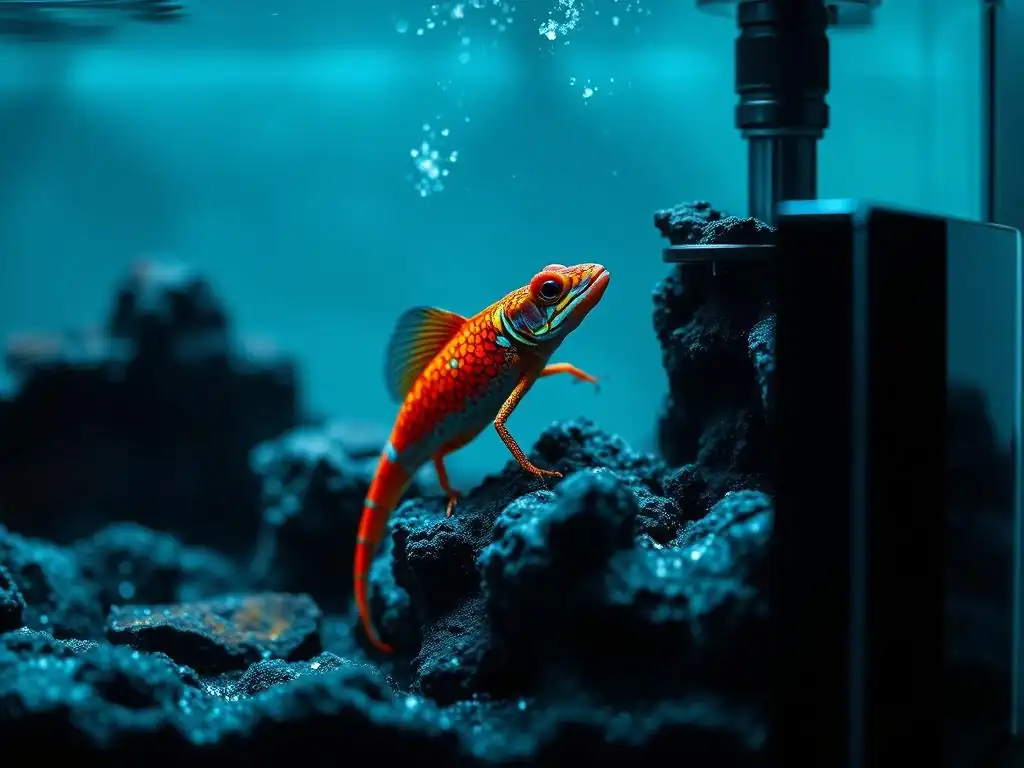
Beyond the functional aspects, one of the most immediately appreciated sump system benefits aquarium owners enjoy is the ability to hide unsightly equipment. In a typical aquarium setup without a sump, heaters, thermometers, protein skimmers, powerheads, and even filter intakes and outputs can clutter the display tank, detracting from its natural beauty. A sump provides a dedicated, out-of-sight space for all these essential pieces of gear.
By relocating bulky equipment to the sump, the main display tank remains clean, uncluttered, and aesthetically pleasing. This allows for a more natural aquascape, where the focus remains on the fish, corals, or plants, rather than on the machinery. For example, a large protein skimmer, which can be quite imposing, is completely out of view within the sump cabinet, yet it continues to perform its vital function. This significant visual improvement is a major sump system benefits aquarium enthusiasts who prioritize the natural beauty of their aquatic display.
Simplifying Aquarium Maintenance with a Sump System
While the initial setup might seem complex, a significant long-term sump system benefits aquarium maintenance by simplifying many routine tasks. The accessible nature of a sump means that equipment like protein skimmers, reactors, and heaters can be easily removed for cleaning or adjustment without disturbing the main display tank or its inhabitants. For instance, cleaning a protein skimmer's collection cup is a quick task when it's located in the open sump, compared to struggling with an in-tank model.
Furthermore, sumps make water changes considerably easier. Instead of siphoning water directly from the display tank, which can stress fish and dislodge substrate, water can be drained directly from the sump. This allows for precise water removal and replenishment, and any accidental spills are contained within the sump area. Dosing pumps for supplements like calcium, alkalinity, or trace elements can also be neatly plumbed into the sump's return section, ensuring consistent and safe delivery. This streamlined approach to maintenance frees up time and reduces effort, making aquarium keeping more enjoyable and efficient.
Sump System Drawbacks: Weighing the Disadvantages
Initial Cost and Complexity of Setting Up a Sump
While the sump system benefits aquarium health significantly, the initial investment and setup complexity can be a notable drawback. Acquiring a sump system typically involves more than just the sump itself; it requires an overflow box, plumbing pipes, bulkheads, a return pump, and often specialized equipment like a protein skimmer or media reactors.
For a moderate-sized 75-gallon tank, a basic sump setup could range from $300 to $800, excluding the display tank and stand, and more advanced setups can easily exceed $1,000. This is considerably more expensive than a simple hang-on-back or canister filter, which might cost $50 to $200.
Beyond the monetary cost, the installation process demands a certain level of plumbing knowledge and DIY aptitude. Incorrectly installed bulkheads or poorly sealed PVC joints can lead to leaks, which can be disastrous. Aquarists must consider overflow rates, return pump head pressure, and anti-siphon measures to ensure safe and efficient operation. This complexity means that setting up a sump is not a plug-and-play solution, and those uncomfortable with basic plumbing or with limited time for research and installation might find it a daunting task.
Space Requirements for Installing an Aquarium Sump
Another practical consideration that can be a drawback is the significant space requirement for installing an aquarium sump. Sumps are external filtration systems and typically reside in the cabinet directly underneath the main display tank. This means that the aquarium stand must be designed with adequate internal dimensions to accommodate the sump, its associated plumbing, and any additional equipment. A common 20-gallon long sump, for instance, measures approximately 30 inches in length, 12 inches in width, and 12 inches in height, necessitating a stand that is at least 36 inches wide to allow for plumbing and access.
For smaller apartments or homes with limited floor space, dedicating a large cabinet area to a sump might not be feasible. Some aquarists opt for remote sumps placed in a different room or basement, but this introduces even more complex plumbing challenges and longer pipe runs, which can affect pump efficiency. The need for a dedicated, spacious cabinet directly below the tank is a non-negotiable requirement, and failing to account for this can lead to frustrating installation challenges or the inability to use a sump at all.
Potential for Noise and Overflow Issues
While a sump system benefits aquarium in many ways, it also introduces potential sources of noise and the risk of overflow if not properly designed and maintained. Noise can originate from several points: the water draining from the main tank into the sump (e.g., the "gurgling" sound of an open drain), the return pump itself, and the splashing of water within the sump's chambers. While modern pumps are often quiet, and plumbing techniques like Durso standpipes or Herbie overflows can significantly reduce drain noise, some level of ambient sound is almost inevitable.
More critically, there's a risk of overflow if the system is not set up correctly. If the return pump fails (e.g., due to a power outage or mechanical malfunction) and the drain lines are not equipped with proper anti-siphon holes or emergency drains, water from the main tank can continue to siphon into the sump, causing it to overflow onto the floor. Similarly, a clogged drain line can lead to the main tank overflowing. These potential issues necessitate careful planning, redundant safety measures, and regular maintenance checks to ensure peace of mind for the aquarist.
Increased Evaporation and the Need for Top-Off
A frequently overlooked drawback of using a sump is the increased rate of water evaporation. Because a sump significantly increases the total surface area of water exposed to the air (both within the sump chambers and from the flow into and out of the sump), more water evaporates compared to a closed-loop filtration system or an aquarium without a sump. For example, a 75-gallon tank with a sump might experience daily evaporation of 0.5 to 1 gallon, especially in dry climates or homes with air conditioning, whereas a tank without a sump might lose half that amount.
This elevated evaporation rate means that aquarists must perform more frequent "top-offs" to replace the evaporated water and maintain stable salinity (in saltwater tanks) and water levels. While manual top-offs can be done daily or every other day, many aquarists invest in an automatic top-off (ATO) system, which uses a sensor and a small pump to automatically replenish evaporated water from a freshwater reservoir. While an ATO system mitigates the manual chore, it adds another piece of equipment, another reservoir to maintain, and an additional upfront cost, which contributes to the overall complexity and expense of a sump system.
Choosing the Right Sump System for Your Aquarium
Determining the Ideal Sump Size for Your Tank
Choosing the ideal sump size is a critical first step, as it directly impacts the sump system benefits aquarium stability and filtration capacity. A general rule of thumb suggests that a sump should have a volume equivalent to 15-30% of your main display tank's volume. For instance, if you have a 100-gallon aquarium, a sump in the range of 15 to 30 gallons would be appropriate. However, the exact size also depends on the specific equipment you plan to house and your filtration goals.
Consider the physical dimensions of the protein skimmer you intend to use, as this is often the bulkiest piece of equipment. Ensure there's sufficient space for a refugium if desired, and dedicated sections for mechanical filtration (like filter socks or sponges) and chemical media reactors. A larger sump provides greater water volume, enhancing stability, and offers more flexibility for future upgrades or additions. Always measure the available space within your aquarium stand or cabinet meticulously before making a purchase, ensuring not only the sump fits but also that there's adequate room for plumbing and maintenance access.
Materials and Construction: What to Look for in a Sump
When selecting a sump, the material and construction quality are paramount for long-term durability and performance. The two primary materials used are acrylic and glass. Acrylic sumps are generally lighter, more impact-resistant, and easier to modify (e.g., drilling new holes, adding baffles) if you need to customize later. They often feature clean, precise seams and can be designed with complex internal layouts. However, acrylic can be more prone to scratching and is typically more expensive than glass.
Glass sumps, on the other hand, are heavier and more resistant to scratches. They are often more budget-friendly and offer excellent clarity. The key aspect to inspect in a glass sump is the quality of the silicone seams; look for smooth, consistent beads without air bubbles or gaps, as these indicate a strong, leak-proof construction.
Regardless of the material, ensure the baffles are securely bonded and the overall design appears robust enough to withstand the constant flow of water and the weight of equipment. A well-constructed sump will enhance the sump system benefits aquarium owners seek, providing reliable operation for years.
Essential Features to Consider When Buying a Sump
Beyond size and material, several essential features can significantly enhance the functionality and ease of use of your sump, contributing to the overall sump system benefits aquarium setup.
- Filter Sock Holders: Dedicated holders for filter socks (typically 4-inch or 7-inch diameter) are crucial for mechanical filtration, making sock changes quick and mess-free. Some sumps include multiple holders for redundancy.
- Skimmer Section: A properly sized and baffled compartment for your protein skimmer is vital, ensuring stable water levels for optimal skimmer performance. Look for sumps with adjustable skimmer sections if you anticipate changing skimmer models.
- Refugium Section: If you plan to incorporate a refugium for natural nutrient export or copepod breeding, ensure the sump has a dedicated, adequately sized chamber for this purpose, often with provisions for lighting.
- Return Pump Chamber: This final chamber must be large enough to accommodate your chosen return pump and maintain a consistent water level, even during power outages or when the main tank drains down.
- Probe Holders: Integrated holders for pH, temperature, or salinity probes keep them neatly organized and secure.
- Automatic Top-Off (ATO) Reservoir: Some sumps include a built-in freshwater reservoir for ATO systems, which is a convenient space-saving feature.
- Durable Bulkheads and Plumbing: While not always part of the sump itself, consider if the sump design facilitates easy plumbing connections and if it includes high-quality bulkheads for drains and returns.
DIY vs. Pre-Built Sumps: Which is Right for You?
Deciding between a DIY (Do-It-Yourself) sump and a pre-built commercial sump depends largely on your budget, technical skills, and desired level of customization. A DIY sump, typically constructed from acrylic or glass sheets, offers significant cost savings and unparalleled customization. You can design the exact chamber layout, dimensions, and features to perfectly fit your specific needs and available space.
For instance, an aquarist with a unique protein skimmer or a desire for an oversized refugium might find DIY the only way to achieve their vision. However, this option requires proficiency with cutting, bonding, and sealing materials, and any errors can lead to leaks or structural weaknesses.
Pre-built sumps, on the other hand, offer convenience, reliability, and professional aesthetics. They are designed by experienced manufacturers, ensuring proper baffling, strong seams, and often include thoughtful features like adjustable skimmer sections or integrated probe holders. While they are generally more expensive than DIY alternatives, the peace of mind that comes with a professionally constructed, leak-tested unit is invaluable for many.
Pre-built sumps are ideal for aquarists who prefer a plug-and-play solution, want guaranteed quality, and are willing to pay a premium for it. Ultimately, both options can deliver the core sump system benefits aquarium owners seek, but the choice boils down to balancing cost, skill, and convenience.
Top Sump Systems Reviewed: Our Expert Recommendations
Trigger Systems Ruby 30S: A Detailed Review
The Trigger Systems Ruby 30S is a highly regarded sump in the aquarium hobby, particularly among reef enthusiasts, known for its robust construction and thoughtful design. This sump is crafted from high-quality, cell-cast acrylic, ensuring durability and a sleek, professional appearance.
It features a triple-baffle design that creates distinct sections for mechanical filtration (typically via two 4-inch filter socks), a spacious skimmer/equipment chamber, and a large return pump section that can also double as a small refugium if desired. The Ruby 30S is designed for aquariums generally up to 120 gallons, with dimensions around 30"L x 15"W x 16"H, making it a compact yet capable option for many standard stands.
Key Features and Specifications
- Material: High-quality, laser-cut cell-cast acrylic.
- Dimensions: Approximately 30"L x 15"W x 16"H.
- Filter Socks: Two 4-inch filter sock holders included.
- Chamber Layout: Three main chambers with precision-cut baffles for optimal flow.
- Drain Input: Designed for dual drain lines, often with a dedicated emergency drain input.
- Skimmer Section: Generous 10.5" x 14.5" skimmer chamber, accommodating large protein skimmers.
Pros and Cons
- Pros:
- Exceptional build quality and durability.
- Clean, professional aesthetic.
- Efficient baffling for quiet operation and effective filtration.
- Ample space for large protein skimmers and other equipment.
- Easy to clean and maintain due to smooth acrylic surfaces.
- Cons:
- Premium price point, making it a significant investment.
- Fixed dimensions may not fit all custom stands.
- No integrated refugium section, though the return chamber can be adapted.
Who is this Sump Best For?
The Trigger Systems Ruby 30S is best suited for serious saltwater reef aquarists who prioritize top-tier build quality, efficient design, and a clean aesthetic. It's an excellent choice for those running tanks from 60 to 120 gallons who plan to use high-performance protein skimmers and appreciate a well-organized sump. Its durable construction ensures it can provide the sump system benefits aquarium owners desire for years to come.
Reef Octopus Classic S 110INT: A Detailed Review
The Reef Octopus Classic S 110INT is a distinctive sump system, primarily known for its integrated protein skimmer. This design philosophy aims to provide a compact, all-in-one filtration solution, particularly appealing to saltwater aquarists with space constraints or those seeking a streamlined setup. The sump itself is often constructed from durable acrylic, with dimensions typically around 18"L x 10"W x 18"H, making it suitable for smaller to medium-sized reef tanks, generally in the 50 to 90-gallon range. The "INT" in its name signifies its internal, integrated skimmer, which is specifically designed to fit within the sump's footprint.
Key Features and Specifications
- Material: High-quality acrylic construction.
- Dimensions: Approximately 18"L x 10"W x 18"H (can vary slightly by model).
- Integrated Skimmer: Comes with a pre-installed Reef Octopus protein skimmer (e.g., Classic 110-S), designed for optimal performance within the sump.
- Chamber Layout: Typically features a small mechanical filtration section (often for a filter sock), a primary chamber housing the skimmer, and a return pump area.
- Compact Footprint: Engineered to maximize filtration in minimal space.
Pros and Cons
- Pros:
- Excellent space-saving design due to the integrated skimmer.
- Convenient all-in-one solution, simplifying equipment selection.
- Reliable performance from the included Reef Octopus skimmer.
- Good build quality and clean appearance.
- Reduces plumbing complexity for the skimmer.
- Cons:
- Limited space for additional equipment like media reactors or a refugium.
- If the integrated skimmer needs replacement or upgrade, it might require replacing the whole sump or significant modification.
- May not be suitable for aquariums larger than its specified range.
Who is this Sump Best For?
The Reef Octopus Classic S 110INT is ideal for saltwater aquarists who are setting up a new reef tank (50-90 gallons) and want a compact, efficient, and largely pre-assembled filtration system. It's particularly well-suited for those with limited cabinet space who still want the significant sump system benefits aquarium owners appreciate, especially robust protein skimming. It's a great option for beginners to intermediate reefers looking for a reliable, integrated solution.
Eshopps RS-75 Sump: A Detailed Review
The Eshopps RS-75 Sump is part of a popular series (including RS-100, RS-200, etc.) known for its straightforward design, versatility, and accessibility, making it a favorite among both freshwater and saltwater aquarists.
These sumps are often constructed from durable glass or acrylic, offering a balance between cost and quality. The RS-75 model is specifically designed for aquariums up to 75 gallons, with typical dimensions around 24"L x 12"W x 16"H. It features a basic yet effective three-chamber layout: an initial mechanical filtration section (often accommodating a single filter sock), a central chamber for a protein skimmer or other equipment, and a final return pump chamber.
Key Features and Specifications
- Material: Available in high-quality glass or acrylic (verify specific model).
- Dimensions: Approximately 24"L x 12"W x 16"H.
- Filter Sock: Designed for one 4-inch filter sock (often included).
- Chamber Layout: Three standard chambers for mechanical, equipment, and return.
- Drain Input: Single or dual drain inputs depending on the specific model.
Pros and Cons
- Pros:
- Cost-effective, offering great value for its features.
- Simple, reliable, and easy to understand design.
- Widely available and a popular choice for many setups.
- Versatile enough for both freshwater and saltwater applications.
- Good entry-level sump for those new to external filtration.
- Cons:
- Less aesthetically refined than some higher-end acrylic sumps.
- May have less internal flexibility for highly specialized equipment compared to custom sumps.
- Some models might require separate purchase of filter sock holders or specific drain fittings.
Who is this Sump Best For?
The Eshopps RS-75 Sump is an excellent choice for aquarists with tanks up to 75 gallons who are looking for a functional, reliable, and budget-friendly sump. It's particularly well-suited for beginners transitioning to sumps, or for those who need a solid foundation for their filtration without breaking the bank. Both freshwater and saltwater enthusiasts can benefit from its straightforward design, which provides the core sump system benefits aquarium owners seek without unnecessary complexity.
Setting Up Your Aquarium Sump: A Step-by-Step Guide
Plumbing Your Sump: Essential Connections and Considerations
Properly plumbing your sump is crucial for a leak-free and efficient system, maximizing the sump system benefits aquarium owners desire. The process begins with the overflow system from your main display tank. This typically involves bulkheads installed in the tank's bottom or back, connecting to PVC pipes that carry water down to the sump.
For quiet operation and safety, consider using a "Durso standpipe" or "Herbie method" for the main drain, which minimizes gurgling and ensures a full siphon. An emergency drain line, positioned slightly higher than the main drain, is also essential to prevent the display tank from overflowing if the primary drain becomes clogged.
Once the water reaches the sump, it flows through the various chambers, eventually reaching the return pump section. The return pump, located in this final chamber, pushes the filtered water back up to the main display tank via another PVC pipe. It's critical to install a check valve on the return line (above the water level) or drill a small anti-siphon hole just below the water surface in the return nozzle to prevent back-siphoning into the sump during a power outage.
Use unions on all major connections (drain, return, pump) to allow for easy disassembly for maintenance or equipment changes. Ensure all PVC joints are properly cleaned, primed, and glued for a permanent, watertight seal, and allow adequate drying time before filling the system with water.
Setting Up the Sump Stages: Mechanical, Biological, Chemical
Optimizing the flow through your sump's stages is key to leveraging the full sump system benefits aquarium filtration provides. The typical order for filtration media is mechanical, followed by biological, and then chemical. Water first enters the mechanical filtration section, which is usually the first chamber after the drain line. Here, filter socks, sponges, or filter floss are used to physically remove particulate matter like detritus, uneaten food, and suspended debris. This step is crucial as it prevents larger particles from clogging subsequent biological and chemical media, thereby maintaining their efficiency.
After mechanical filtration, the water flows into the biological filtration chamber. This area is designed to house media that provides a large surface area for beneficial bacteria to colonize, such as bio-balls, ceramic rings, MarinePure blocks, or live rock rubble. These bacteria are responsible for the nitrification cycle, converting toxic ammonia and nitrite into less harmful nitrates.
Finally, the water passes through the chemical filtration stage, which often involves media reactors or bags containing activated carbon (to remove dissolved organics and yellowing compounds) or granular ferric oxide (GFO) to absorb phosphates. This multi-stage approach ensures comprehensive water purification before the water is returned to the main display.
Priming the Sump and Testing for Leaks
After all plumbing is installed and media is in place, priming the sump and rigorously testing for leaks are critical steps to ensure the sump system benefits aquarium without incident. Begin by slowly filling the main display tank with water. As the tank fills, water will naturally start to flow into the sump via the overflow. Monitor the water level in the sump as it rises. Once the sump has enough water to fully submerge your return pump, you can plug in the pump and initiate water flow back to the display tank.
During this initial startup, meticulously inspect every single plumbing connection, bulkhead, and seam for any signs of drips or leaks. Pay close attention to areas where pipes connect to the sump, the overflow box, and the return pump. It's advisable to place paper towels or newspapers under all connections to easily spot any moisture.
Allow the system to run for several hours, or even a full day, while continuously monitoring for leaks and observing water levels in both the display tank and the sump to ensure they stabilize. Address any leaks immediately by tightening connections or re-gluing joints as necessary, as even a small drip can lead to significant damage over time.
Adjusting Flow Rates for Optimal Sump Performance
Adjusting the flow rates is essential for optimizing the sump system benefits aquarium filtration. The primary goal is to match the flow rate of your return pump with the maximum flow rate of your overflow system. If the return pump pushes water back to the display tank faster than the overflow can drain it, the display tank will eventually overflow. Conversely, if the overflow drains water faster than the return pump can handle, the sump will run dry, risking damage to the pump.
Most modern return pumps come with adjustable flow rates or can be controlled with a gate valve on the return line. Begin by setting the return pump to a moderate flow. Observe the water level in the overflow box and the sump. If the overflow box is running too high or making excessive noise, you might need to increase the return pump's flow or open the drain valve further.
If the sump water level is dropping too low, reduce the return pump's flow. Fine-tune these adjustments until the water levels in both the display tank and sump remain stable, the overflow is running quietly, and the water flow through your filtration media is sufficient for proper contact time. Achieving this balance ensures maximum filtration efficiency and system stability.
Maintaining Your Aquarium Sump: Tips and Best Practices
Regular Cleaning and Maintenance Schedule
Maintaining your aquarium sump with a regular cleaning schedule is crucial for maximizing the sump system benefits aquarium water quality. Unlike the display tank, the sump is designed to collect detritus and house filtration media, so it requires consistent attention. A good schedule involves:
- Weekly: Replace or thoroughly rinse filter socks or sponges. These mechanical filtration elements trap a significant amount of waste and can quickly become clogged, leading to nutrient buildup if not cleaned regularly.
- Monthly: Siphon out any accumulated detritus from the bottom of the sump chambers. Over time, fine particles can settle, creating anaerobic zones if left undisturbed. Also, inspect and clean your return pump's impeller to ensure optimal flow, and wipe down the sump walls to prevent algae or biofilm buildup.
- Quarterly/Bi-annually: Perform a more thorough deep clean of the sump, which might involve temporarily shutting down the system to remove and clean all media (except biological media, which should only be rinsed lightly in old tank water to preserve beneficial bacteria). Replace chemical media like activated carbon or GFO as per manufacturer recommendations, typically every 2-4 weeks for carbon and every 1-3 months for GFO, depending on the tank's needs.
Consistent adherence to this schedule prevents the sump from becoming a source of pollution and ensures all filtration stages operate at peak efficiency.
Monitoring Water Parameters in Your Sump
Monitoring water parameters directly within your sump is an excellent practice for effective aquarium management, leveraging the sump system benefits aquarium access. Because the sump is where all the water from your display tank eventually flows and where much of the biological and chemical processing occurs, it often provides the earliest indications of potential water quality issues. Regularly testing parameters such as pH, alkalinity, salinity (for saltwater tanks), temperature, and nutrient levels (nitrate, phosphate) in the sump gives you a comprehensive overview of your system's health.
Many aquarists place monitoring probes (e.g., for pH, temperature, or ORP) directly into the sump's dedicated probe holders, allowing for continuous or easy spot checks. For instance, a sudden drop in pH in the sump might indicate increased CO2 levels or a crash in alkalinity, prompting immediate corrective action.
Similarly, consistently high nitrate or phosphate readings in the sump signal that your nutrient export methods (like biological filtration or chemical media) might be overwhelmed and need adjustment. By proactively monitoring these parameters in the sump, you can identify and address problems before they significantly impact the main display tank and its inhabitants.
Troubleshooting Common Sump Issues
Even with careful setup, common sump issues can arise, but understanding how to troubleshoot them helps maintain the sump system benefits aquarium stability.
- Excessive Noise:
- Gurgling Drains: Often caused by inefficient overflow plumbing. Adjusting a gate valve on the main drain or modifying the Durso standpipe or Herbie overflow can create a full siphon and reduce noise.
- Pump Noise: Check for vibrations (add a rubber mat under the pump), air in the pump (ensure pump is fully submerged), or a dirty/damaged impeller.
- Splashing: Adjust baffles or add filter media to break the water fall.
- Microbubbles in Display Tank:
- This usually indicates air is being introduced into the return pump. Check the protein skimmer for over-foaming, ensure baffles are effectively trapping bubbles before the return pump chamber, or verify the return pump is fully submerged. Sometimes, adding a small piece of filter floss in the return chamber can help polish out bubbles.
- Sump Overflowing:
- This is a critical issue. The most common cause is a clogged drain line from the display tank. Inspect the overflow box for blockages (e.g., snails, algae). Another cause is a return pump that is too powerful for the drain capacity, leading to the main tank emptying too quickly into the sump. Ensure the return pump's flow rate matches the overflow's capacity.
- Main Tank Overflowing:
- This happens if the return pump fails or is shut off, and water from the display tank continues to siphon into the sump without a proper anti-siphon hole or emergency drain. Ensure your return line has an anti-siphon hole drilled just below the water line in the display tank, or that your overflow system includes an emergency standpipe.
- Low Flow from Return Pump:
- Check for blockages in the return line, a dirty pump impeller, or air trapped in the pump. Ensure the water level in the sump is sufficient to fully submerge the pump intake.
Addressing these issues promptly ensures the sump continues to function effectively, protecting your aquarium.
Optimizing Your Sump for a Healthier Aquarium Environment
Adding a Refugium to Your Sump for Natural Filtration
Adding a refugium to your sump is an excellent way to harness natural filtration, greatly expanding the sump system benefits aquarium ecosystems. A refugium is a dedicated chamber within the sump designed to provide a safe, low-flow environment for the growth of macroalgae (like Chaetomorpha or Caulerpa) and the proliferation of beneficial microfauna, such as copepods and amphipods.
Macroalgae act as natural nutrient exporters, consuming nitrates and phosphates from the water, effectively competing with undesirable nuisance algae in the main display tank. For instance, a well-lit 10-gallon refugium section in a sump can remove 0.5-1.0 ppm of nitrates daily in a moderately stocked 75-gallon reef tank.
Beyond nutrient export, the refugium serves as a breeding ground for copepods and amphipods, which are tiny crustaceans that are a vital food source for many fish and corals, particularly in reef aquariums. These organisms constantly "seed" the main display tank, enhancing biodiversity and providing natural grazing opportunities. To be effective, a refugium needs its own dedicated light source (often a full-spectrum LED) on a reverse daylight schedule from the main tank to help stabilize pH and maximize nutrient uptake. This natural approach to water purification and food production makes a refugium a powerful addition to any sump setup.
Using a Protein Skimmer in Your Sump for Waste Removal
For saltwater aquariums, incorporating a protein skimmer into your sump is arguably one of the most significant sump system benefits aquarium systems can offer. A protein skimmer uses a process called foam fractionation to remove dissolved organic compounds (DOCs) from the water column before they can break down into harmful nitrates and phosphates. Water is mixed with fine air bubbles within the skimmer body; organic waste adheres to the surface of these bubbles and is then carried up into a collection cup, where it is removed from the system.
Placing the protein skimmer in the sump allows for optimal performance and convenient maintenance. Sumps provide the stable water level necessary for efficient skimmer operation and keep the often bulky and noisy skimmer out of the main display.
A high-quality protein skimmer, properly sized for your tank's volume and bio-load (e.g., a skimmer rated for 150 gallons on a 75-gallon tank), can dramatically reduce the organic load, leading to clearer water, lower nutrient levels, and a healthier environment for fish and corals. Regular cleaning of the skimmer's collection cup (daily to weekly, depending on waste production) is essential to maximize its effectiveness.
Incorporating a UV Sterilizer in Your Sump
Incorporating a UV (Ultraviolet) sterilizer into your sump system is another advanced technique that significantly enhances the sump system benefits aquarium health and clarity. A UV sterilizer works by passing aquarium water through a chamber containing a UV-C light bulb. The ultraviolet light irradiates free-floating microorganisms such as bacteria, algae spores, and parasites, damaging their DNA and preventing them from reproducing. This effectively reduces the prevalence of common aquarium diseases like Ich (white spot disease), combats green water algae blooms, and generally improves water clarity.
For optimal effectiveness, a UV sterilizer needs to be correctly sized for your tank's volume and plumbed to ensure the water flows through it at the appropriate rate. Too fast a flow rate will not provide sufficient contact time for sterilization, while too slow may reduce overall filtration.
Typically, a UV sterilizer is placed in the return section of the sump, after all other filtration stages, to treat the cleanest possible water before it returns to the display tank. While not a substitute for good husbandry, a properly integrated UV sterilizer can act as a powerful preventative measure against pathogens and contribute to a noticeably healthier and clearer aquarium.
Is a Sump Right for Your Aquarium? Making the Final Decision
Considering Your Aquarium's Needs and Your Budget
Deciding whether a sump is right for your aquarium ultimately boils down to a careful consideration of your specific aquatic needs and your financial budget. For smaller, less demanding freshwater setups, such as a 20-gallon community tank with resilient fish and minimal plant requirements, the significant initial cost and complexity of a sump might outweigh its benefits. A quality hang-on-back filter or canister filter could provide perfectly adequate filtration for such a system at a fraction of the price and with much simpler installation.
However, for larger aquariums (typically 40 gallons and above), heavily stocked tanks, or specialized setups like saltwater reef tanks with sensitive corals and fish, the sump system benefits aquarium health and stability become almost indispensable. The enhanced filtration, increased water volume, and ability to house advanced equipment are critical for maintaining the pristine conditions these environments demand. Evaluate your long-term goals for the aquarium, the specific needs of your chosen inhabitants, and your willingness to invest both financially and in terms of setup time.
Weighing the Pros and Cons Based on Your Specific Situation
To make an informed decision, it's crucial to weigh the comprehensive pros and cons of a sump system against your unique situation. On the "pros" side, consider the significant sump system benefits aquarium stability, superior multi-stage filtration capabilities, the ability to hide unsightly equipment, and the simplified routine maintenance. These advantages can lead to a healthier, more aesthetically pleasing, and ultimately more enjoyable aquarium experience, especially for demanding setups.
On the "cons" side, factor in the higher initial cost, the increased complexity of plumbing and setup, the need for dedicated cabinet space, and the potential for noise or overflow issues if not meticulously installed. Also, remember the increased evaporation rate and the need for frequent top-offs or an ATO system.
If you have limited space, a tight budget, or prefer a truly minimalist approach to equipment, a sump might not be the best fit. Conversely, if you're an ambitious aquarist aiming for optimal water quality, maximum stability, and a clean display tank, the benefits of a sump system will likely far outweigh its drawbacks, making it a worthwhile investment.
Resources for Further Learning About Aquarium Sumps
To deepen your understanding of aquarium sumps and ensure you make the best decision for your specific setup, numerous resources are available. Comprehensive online guides and forums dedicated to aquarium husbandry offer a wealth of information, from detailed plumbing diagrams to discussions on various sump designs and common troubleshooting tips. Many experienced aquarists share their personal sump builds and maintenance routines, providing invaluable real-world insights.
Additionally, local fish stores that specialize in advanced aquarium setups often have knowledgeable staff who can offer personalized advice based on your tank size and goals. They can also demonstrate different sump models and discuss their features. By leveraging these educational resources, you can gain a thorough grasp of how sumps function, what to look for in a system, and how to successfully integrate one into your aquarium, ultimately maximizing the sump system benefits aquarium owners can achieve.
Frequently Asked Questions
### What exactly is a sump system and how does it relate to my aquarium?
A sump system is essentially a secondary tank typically located below the main aquarium. It's used to increase water volume, house equipment like protein skimmers, and improve overall water quality.
### What are the main sump system benefits aquarium owners should consider?
The key sump system benefits aquarium owners see include improved filtration, increased water volume leading to more stable parameters, and a dedicated space for equipment which frees up space in the main display tank.
### Are there any drawbacks to using a sump system in my aquarium setup?
Yes, some drawbacks include the initial cost of purchasing the sump and related equipment, the increased complexity of the setup, and the potential for flooding if not properly designed and maintained.
### What type of aquarium is a sump system most beneficial for?
Sump systems are generally most beneficial for larger aquariums, particularly saltwater or reef tanks, where water quality is critical and more extensive filtration and equipment are often required.
### How do I choose the right sump system for my specific aquarium needs?
Consider your tank size, the types of filtration you need (mechanical, biological, chemical), the equipment you want to house, and the available space for the sump. Research different models and read reviews before making a purchase.
Final Reflection: The Silent Guardian of Your Aquatic World
The exploration of sump systems, as we've seen, extends far beyond mere equipment reviews; it delves into the very heart of maintaining a thriving and balanced aquarium ecosystem. The benefits, while often unseen, are undeniably crucial for the long-term health and vitality of our aquatic companions, making the decision of whether or not to incorporate a sump a pivotal one for any serious aquarist.
The impact of a well-chosen and properly implemented sump system resonates deeply within the aquarium hobby. It's not just about clearer water or more stable parameters; it's about creating a more natural and sustainable environment for the creatures we cherish. This pursuit of excellence in aquarium keeping often leads us to reflect on our responsibility as caretakers. The best aquarium is not just a display of beautiful fish, but a testament to the aquarist's dedication to their well-being.
As you consider the information presented, remember that the ultimate decision rests with you. Take a moment to reflect on your current aquarium setup, your long-term goals, and your commitment to providing the best possible environment for your aquatic life. Let the insights gained here empower you to make an informed choice, ensuring that your aquarium thrives for years to come, a testament to your dedication and care.
Dive Deeper: Transform Your Aquarium Today!
Thanks for exploring the world of sumps with us! Now that you understand the benefits and challenges, it's time to take the next step towards a healthier, more vibrant aquarium.
Here are a few things you can do:
- Choose the perfect sump for your needs. Explore the top sump systems reviewed and select one that fits your aquarium size and livestock.
- Delve into advanced filtration techniques. Research protein skimmers and refugiums for even greater water clarity.
- Share this guide with fellow aquarium enthusiasts. Help them discover the benefits of using a sump!
Ready to take the plunge and upgrade your aquarium's filtration? What unique challenges are you hoping a sump will solve for your aquarium?