
Investing in Control: A Buyer's Guide to HighTech pH, Temp, and Salinity Monitors

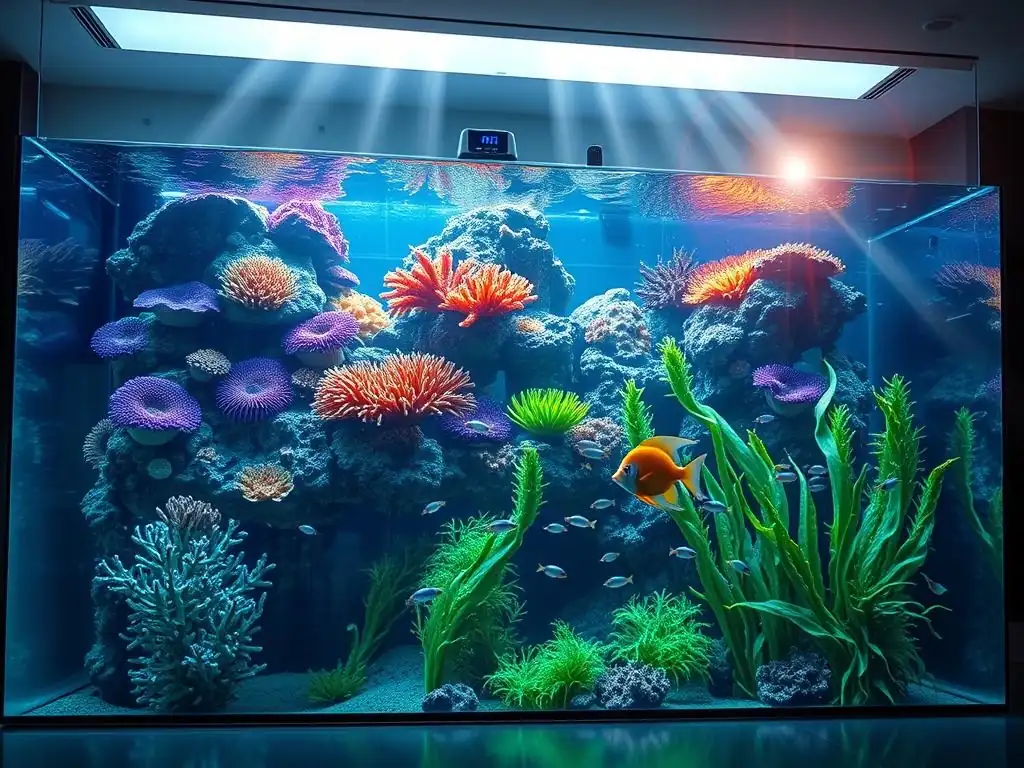
Welcome to Aquarium Mastery, where we help you unlock the secrets to a thriving underwater world!
Ever wondered how the pros keep their aquariums so pristine and stable? Get ready to dive deep into the world of HighTech aquarium monitors and discover how these essential tools can transform your aquarium experience. This guide, "Investing in Control: A Buyer's Guide to HighTech pH, Temp, and Salinity Monitors," will reveal everything you need to know before you buy. Intrigued? Let's get started!
- Investing in Aquarium Health: A Buyer's Guide to Advanced Monitoring Systems
- Why Consider an Advanced Aquarium Monitoring System?
-
Key Features to Consider in an Advanced Aquarium Monitor
- Accuracy and Reliability: Prioritizing Precise Measurements
- Parameter Monitoring: pH, Temperature, Salinity, and More
- Data Logging and Analysis: Tracking Trends and Identifying Issues
- Alert Systems and Notifications: Preventing Disasters Before They Happen
- Remote Access and Control: Managing Your Aquarium from Anywhere
- Calibration and Maintenance: Ensuring Long-Term Accuracy
- Comparing Advanced Aquarium Monitors
- Choosing the Right Monitor for Your Aquarium
- Integrating Your Advanced Monitor into Your Aquarium Setup
- Maximizing the Value of Your Advanced Aquarium Monitor
- Conclusion: Investing in a Thriving Aquarium
-
Frequently Asked Questions
- What are the key benefits of using a high-tech aquarium monitor?
- How do I choose the right high-tech monitor for my aquarium type (freshwater vs. saltwater)?
- What features should I prioritize when buying a high-tech pH, temperature, and salinity monitor?
- How often do I need to calibrate a high-tech aquarium monitor?
- What are some common issues that high-tech aquarium monitors can help me prevent?
- Final Reflection: Cultivating Precision in Aquatic Ecosystems
- Dive Deeper: Unleash Your Aquarium's Potential!
Investing in Aquarium Health: A Buyer's Guide to Advanced Monitoring Systems
Why Consider an Advanced Aquarium Monitoring System?
Understanding the Importance of Stable Water Parameters
Maintaining consistent water parameters is the cornerstone of a thriving aquarium. Even minor fluctuations in pH, temperature, or salinity can induce severe stress in aquatic inhabitants, leading to weakened immune systems, disease, and potentially fatal outcomes. For instance, a rapid pH swing of just 0.2 to 0.3 units can be highly detrimental to sensitive fish like Discus or delicate coral species, disrupting their biological processes and causing osmotic shock.
Beyond immediate distress, prolonged exposure to unstable conditions can inhibit crucial biological functions. In a reef aquarium, inconsistent alkalinity or calcium levels, often linked to pH stability, can significantly impede the calcification rates of stony corals, leading to stunted growth or even tissue necrosis. Similarly, fluctuating temperatures can trigger outbreaks of common parasitic diseases such as Ich (white spot disease), which thrives when fish are stressed by environmental instability.
The Benefits of Continuous Monitoring for a Healthy Aquarium Ecosystem
Continuous monitoring provides real-time data, offering aquarists an invaluable window into their aquarium's health that snapshot testing simply cannot match. Unlike daily or weekly manual tests, an advanced monitoring system can detect subtle, gradual shifts in parameters over hours or even minutes. For example, a slow but steady pH drop from 8.2 to 7.8 over a few hours, perhaps due to a CO2 leak or an undetected biological process, would be immediately flagged by a continuous monitor, allowing for prompt intervention before livestock is affected.
This proactive approach significantly reduces the risk of catastrophic tank crashes and saves considerable time and financial investment in the long run. By identifying deviations early, aquarists can address issues like failing heaters, pump malfunctions, or nutrient imbalances before they escalate into widespread disease or the loss of expensive fish and corals. The peace of mind derived from knowing vital parameters are constantly under watch, even when away from home, is an immeasurable benefit for any dedicated aquarist considering high-tech aquarium monitor buying.
Beyond Basic Testing: The Limitations of Traditional Methods
Traditional aquarium testing methods, such as liquid reagent test kits and test strips, offer limited insights into dynamic water chemistry. These methods provide only a single point-in-time measurement, a snapshot that fails to capture the fluctuations that can occur between tests. For instance, a manual ammonia test conducted at 9 AM might show 0 ppm, but a sudden protein skimmer malfunction or overfeeding incident at 2 PM could cause ammonia to spike to dangerous levels (e.g., 0.5 ppm) by evening, going completely undetected until the next scheduled test.
Furthermore, traditional methods are prone to human error, from inaccurate reagent dosing to subjective color interpretation, leading to less precise results. They also require manual effort and time, which can be a deterrent for busy aquarists. In contrast, high-tech aquarium monitor buying options provide automated, precise, and frequent data points, revealing trends and critical changes that manual tests simply cannot. This fundamental difference transforms aquarium management from reactive problem-solving to proactive environmental control.
Key Features to Consider in an Advanced Aquarium Monitor
Accuracy and Reliability: Prioritizing Precise Measurements
The efficacy of any advanced aquarium monitor hinges on the accuracy and reliability of its sensors. Precision in readings is paramount; for instance, a pH sensor should ideally offer an accuracy of +/- 0.01 pH units, while a temperature sensor should be accurate to at least +/- 0.1°C to provide meaningful data. Reputable manufacturers typically specify these tolerances and the expected lifespan of probes, which can range from 12 to 24 months for pH probes before replacement is recommended.
Reliability extends beyond initial accuracy to the consistent performance of the system over time. This includes the durability of the probes, often featuring robust materials like glass for pH electrodes or titanium for temperature probes, and the stability of the electronic components. Investing in a high-tech aquarium monitor buying option with proven accuracy and robust construction prevents misleading data, which could otherwise lead to incorrect interventions that harm, rather than help, your aquatic ecosystem.
Parameter Monitoring: pH, Temperature, Salinity, and More
pH Monitoring: Maintaining Optimal Acidity Levels for Fish and Coral
pH is a critical parameter, influencing everything from nutrient availability for plants to the calcification rates of corals and the overall health of fish. Freshwater aquariums typically thrive within a pH range of 6.5 to 7.5, while saltwater and reef systems require a more alkaline environment, ideally between 8.0 and 8.4. Deviations outside these narrow windows can severely stress aquatic life; for example, a sustained pH below 7.8 in a reef tank can significantly inhibit the growth of stony corals by making it harder for them to deposit calcium carbonate.
Advanced monitoring systems provide continuous pH readings, allowing aquarists to track subtle fluctuations and implement automated responses. Many high-tech aquarium monitor buying choices can be programmed to activate a CO2 injection system if pH rises too high (in planted freshwater tanks) or trigger an alarm if pH crashes due to an unforeseen event. This continuous oversight ensures that the delicate acid-base balance essential for biological processes is maintained, preventing stress and promoting long-term health.
Temperature Control: Preventing Thermal Shock and Stress
Temperature stability is non-negotiable for aquatic life, with most tropical freshwater fish thriving between 24-27°C (75-80°F) and marine systems ideally maintained at 25-26.5°C (77-79.7°F). Rapid temperature swings or prolonged deviations can severely compromise fish immune systems, making them highly susceptible to common diseases like Ich or bacterial infections. A sudden drop of just 2-3°C can induce thermal shock, leading to immediate stress and potential fatalities.
High-tech aquarium monitor buying options often integrate seamlessly with heaters and chillers, providing precise temperature control and automation. For instance, if the monitored temperature rises above a user-defined threshold, say 27.5°C, the system can automatically shut off the heater and activate cooling fans or a chiller connected to its outlets. This proactive management ensures that the aquarium remains within its optimal thermal range, preventing stress-related illnesses and ensuring the well-being of all inhabitants.
Salinity Measurement: Ensuring Proper Osmotic Balance (Saltwater Aquariums)
For saltwater and reef aquariums, maintaining stable salinity is paramount, typically targeted at a specific gravity of 1.025-1.026 (or 35 parts per thousand, ppt). Marine organisms are highly sensitive to osmotic balance; even small, rapid fluctuations in salinity can cause severe cellular stress, leading to a condition known as osmotic shock. For example, a sudden drop in specific gravity from 1.025 to 1.020 can cause marine fish cells to absorb too much water, swell, and potentially burst.
Advanced monitors employ highly accurate conductivity probes to provide continuous, real-time salinity readings. Many high-tech aquarium monitor buying solutions can also integrate with auto top-off (ATO) systems, ensuring that evaporated freshwater is precisely replaced, thus maintaining consistent salinity. This automation is crucial for preventing the osmotic stress that can decimate a marine or reef tank, offering a level of stability that manual testing and top-off simply cannot achieve.
Data Logging and Analysis: Tracking Trends and Identifying Issues
One of the most powerful features of an advanced aquarium monitoring system is its ability to log historical data. Instead of merely providing a current reading, these systems record parameter values over hours, days, weeks, and even months. This extensive dataset allows aquarists to identify subtle trends that might otherwise go unnoticed, such as a gradual pH decline due to increasing bioload, a slow but consistent temperature creep from an aging heater, or the consumption rate of alkalinity supplements.
Analyzing these trends is invaluable for diagnosing underlying issues and optimizing husbandry practices. For example, if corals in a reef tank begin to show signs of stress, reviewing the historical logs for pH, alkalinity, and temperature might reveal minor but persistent fluctuations that a manual test would miss, guiding the aquarist to adjust dosing schedules or improve ventilation. This data-driven approach elevates aquarium management from reactive troubleshooting to proactive optimization.
Alert Systems and Notifications: Preventing Disasters Before They Happen
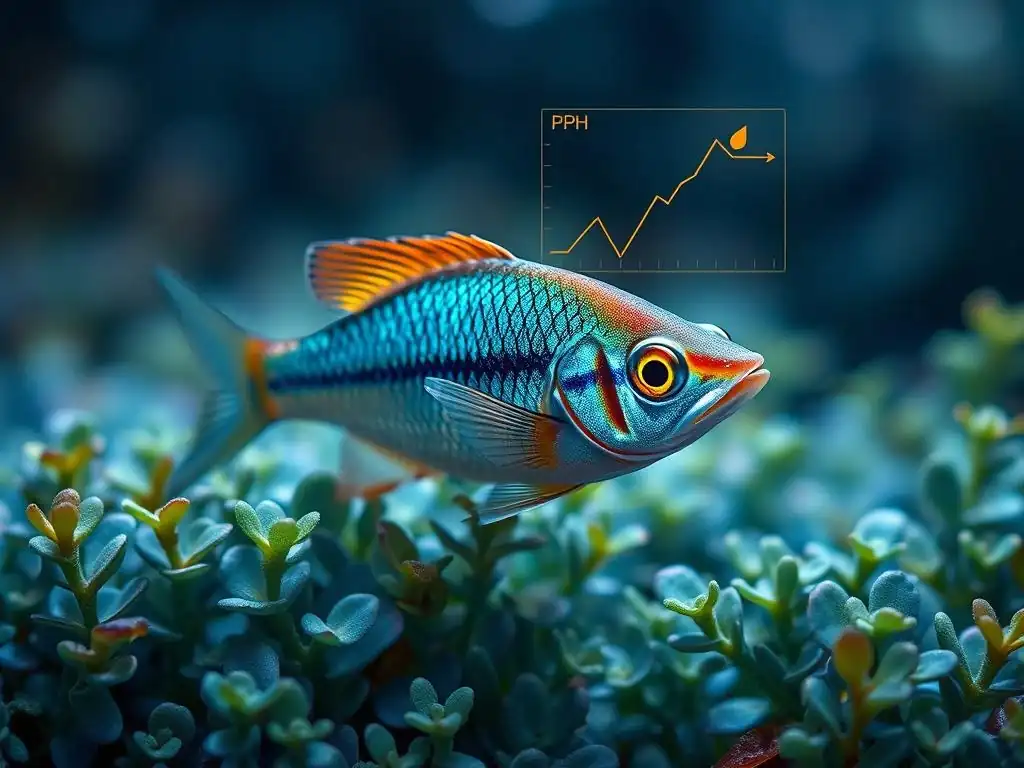
A critical component of any high-tech aquarium monitor buying decision is its alert system, designed to notify aquarists immediately when parameters deviate from predefined safe ranges. These alerts can be configured for various critical events: a power outage detected by the system, a pH crash below 7.8, an overheating event above 28°C, or a pump failure indicated by a flow sensor. Notifications are typically sent via email, SMS, or push notifications through a dedicated mobile app.
The ability to receive immediate alerts is often the difference between a minor issue and a catastrophic loss. For instance, an alert about a heater malfunction at 3 AM could prompt an aquarist to intervene within minutes, potentially saving an entire tank of sensitive fish or corals that might otherwise succumb to thermal shock within a few hours. This proactive warning system provides unparalleled peace of mind, knowing that critical issues will be flagged instantly.
Remote Access and Control: Managing Your Aquarium from Anywhere
Modern advanced aquarium monitors leverage Wi-Fi or Ethernet connectivity to provide remote access and control, allowing aquarists to manage their systems from virtually anywhere in the world via a smartphone, tablet, or computer. This feature is particularly invaluable for individuals with busy schedules, those who travel frequently, or anyone who simply desires greater flexibility in their aquarium maintenance.
The practical applications of remote access are extensive. An aquarist can check water parameters while on vacation, adjust light schedules from their office, or even remotely activate a dosing pump if a specific parameter (like alkalinity) needs immediate correction. This level of oversight means that even if a critical issue arises while you are away, you can be informed and potentially take corrective action, offering an unprecedented degree of control and peace of mind for high-tech aquarium monitor buying.
Calibration and Maintenance: Ensuring Long-Term Accuracy
Even the most sophisticated high-tech aquarium monitor buying options require regular calibration and maintenance to ensure their long-term accuracy. Probes, particularly pH and ORP (Oxidation-Reduction Potential) electrodes, naturally drift over time due to wear, fouling, and chemical changes. Regular calibration using fresh, high-quality calibration solutions (e.g., pH 7.0 and pH 10.0 buffers) is essential, with manufacturers often recommending monthly or quarterly calibration for pH probes.
Beyond calibration, routine maintenance includes cleaning probes to remove any bio-film, algae, or mineral buildup that can impede accurate readings. For instance, a pH probe covered in algae will provide inaccurate data. Probes also have a finite lifespan; pH probes typically last 12-24 months and should be replaced periodically. Neglecting these maintenance tasks can render even the most advanced monitoring system unreliable, undermining the very purpose of your investment.
Comparing Advanced Aquarium Monitors
Apex Systems by Neptune Systems: Comprehensive Control
Apex System Features: Control, Customization, and Expandability
Neptune Systems' Apex controllers are renowned for their comprehensive control capabilities, modular design, and extensive customization options. The core system typically includes multiple probe inputs for essential parameters like pH, ORP, temperature, and salinity, alongside a robust power bar with individually controllable outlets. The intuitive software interface and mobile app allow for complex programming, enabling automated control of heaters, chillers, protein skimmers, return pumps, and even specialized accessories like automatic feeders (AFS) or flow monitoring modules (FMM).
The Apex ecosystem is designed for significant expandability, allowing aquarists to add modules as their needs evolve. For example, an Apex can automatically dim lighting during a power outage, shut off equipment if a leak is detected by a water sensor, or regulate CO2 injection based on pH readings. Its ability to integrate a wide array of accessories and automate complex routines makes it a top-tier choice for high-tech aquarium monitor buying, offering unparalleled control and flexibility.
Apex System Pricing and Packages: Value and Scalability
Entry-level Apex kits, such as the Apex EL, typically start around $300-$400, providing essential monitoring and control features for basic setups. More advanced bundles, like the Apex Classic or Apex A3 Series, can range from $800 to over $1500, depending on the included probes, power bars, and additional modules. The cost scales significantly with the number of accessories and advanced features integrated, such as a magnetic stirrer for dosing or a Trident for automated alkalinity, calcium, and magnesium testing.
While the initial investment for an Apex system can be substantial, its value proposition lies in its comprehensive control, reliability, and long-term scalability. By preventing costly livestock losses due to parameter instability or equipment failure, an Apex can often pay for itself over time. For serious aquarists seeking a robust and future-proof high-tech aquarium monitor buying solution, the Apex line represents a significant and often justified investment.
Example: Automating Water Changes with an Apex System
A practical example of an Apex system's automation prowess is the precise execution of automated partial water changes. By connecting a water change pump to a controllable outlet on an Apex power bar and integrating a flow monitoring module (FMM), the system can be programmed to remove a precise volume of old aquarium water. Once the removal is complete, the Apex can then activate another pump to add an exact volume of fresh, mixed saltwater from a dedicated reservoir.
This automation ensures consistent water change schedules, even when the aquarist is away or busy, reducing manual labor and minimizing stress on tank inhabitants from inconsistent maintenance. For instance, an Apex can be set to perform a 15% water change every Sunday morning at 9:00 AM, pausing if the new water reservoir runs low, ensuring a stable environment and freeing up the aquarist's time.
GHL Profilux Aquarium Controller: Precision and Advanced Features
Profilux Features: Dosing, Light Control, and Automation
The GHL Profilux Aquarium Controller is highly regarded for its exceptional precision and advanced control capabilities, particularly in the realms of lighting and dosing. It offers highly granular control over a vast array of LED lighting fixtures, supporting various protocols like 1-10V, PWM, and DALI. This allows for the creation of incredibly realistic and complex light cycles, including simulated sunrise/sunset, cloud cover, and even lightning effects, which can significantly benefit sensitive corals and fish. Its integrated, highly accurate dosing pump control is also a standout feature.
The Profilux ecosystem boasts a wide array of available sensors for pH, ORP, conductivity, temperature, and more, providing comprehensive monitoring. For example, a Profilux can automatically adjust the duration of CO2 injection in a planted tank based on real-time pH readings, or vary the intensity of blue LEDs to precisely mimic natural moonlight cycles. This level of sophisticated environmental control makes it a top-tier choice for aquarists prioritizing precision and intricate automation in their high-tech aquarium monitor buying decision.
Profilux Pricing and Modules: Customization Options
The base GHL Profilux models, such as the Profilux 4, typically start around $600-$700. However, the total cost can increase significantly with the addition of expansion cards, power bars (Powerbars), and specialized modules. For instance, adding a 4-channel dosing pump (Doser 2.1) or additional sensor inputs will elevate the overall investment. GHL's modular design allows aquarists to build a highly customized system tailored to their exact needs, from basic monitoring to advanced automation for high-end reef tanks.
While the initial outlay for a Profilux system can be substantial, its reputation for reliability, precision, and advanced features often justifies the investment for serious aquarists. For those managing complex reef systems with intricate lighting schedules, precise dosing requirements, and a need for robust environmental control, the Profilux offers capabilities that can ultimately save money by preventing livestock loss and optimizing equipment performance.
Example: Optimizing Coral Growth with Profilux Light Cycling
A GHL Profilux excels at optimizing coral growth through its unparalleled light cycling capabilities. Instead of simple on/off lighting, a Profilux can simulate a natural 24-hour day-night cycle with remarkable accuracy. For example, it can gradually ramp up blue light over 45 minutes to simulate dawn, followed by a slow increase in white light over another hour to reach peak midday intensity. In the evening, the process reverses for a realistic sunset, and a faint blue lunar cycle can be introduced at night.
This sophisticated light programming reduces stress on corals from sudden light changes, promotes more efficient photosynthesis, and can enhance the vibrant coloration of various species. By mimicking natural conditions so closely, the Profilux contributes directly to a healthier, more stable, and aesthetically pleasing reef ecosystem, showcasing the power of high-tech aquarium monitor buying for advanced setups.
Hydros Control XP8: User-Friendly and Versatile
Hydros Control XP8 Features: Easy Setup and Expandability
The Hydros Control XP8, part of the CoralVue Hydros system, is gaining popularity for its user-friendly interface, straightforward setup, and robust performance. It integrates essential features into a single unit, including multiple sensor ports for pH, ORP, temperature, and salinity, along with eight individually controllable outlets. Its intuitive mobile app makes programming and monitoring accessible even for those new to advanced controllers.
The Hydros system emphasizes expandability through its range of modules, such as the XP4 for additional power outlets, the WaveEngine for advanced pump control, and various Auto Top-Off (ATO) systems. For instance, an XP8 can effectively monitor temperature and pH, control a heater, protein skimmer, and return pump, and then seamlessly integrate with a Hydros ATO unit for precise water level management. This combination of ease of use and expandability positions it as an attractive high-tech aquarium monitor buying option.
Hydros Control XP8 Pricing and Packages: Cost-Effective Solution
The Hydros Control XP8 typically retails around $500-$600 for the base unit, making it a competitively priced option within the advanced aquarium controller market. Its integrated design, combining multiple sensor inputs and power outlets in one unit, often reduces the need for purchasing numerous separate devices, potentially offering cost savings compared to building a complex system from individual components.
This competitive price-to-feature ratio makes advanced monitoring more accessible to a wider range of aquarists who might be hesitant about the higher initial investment of some premium systems. The Hydros Control XP8 provides a robust and effective solution for essential monitoring and control, positioning itself as a strong contender for those seeking a powerful yet relatively affordable high-tech aquarium monitor buying solution without compromising on core functionalities.
Example: Controlling Multiple Devices with the Hydros Control XP8
The Hydros Control XP8 demonstrates its versatility by simultaneously managing multiple critical aquarium devices with intelligent programming. For example, a single XP8 unit can power and control a primary return pump, a protein skimmer, a dedicated aquarium heater, and two powerheads for circulation. All of these devices can be programmed to respond to sensor readings or specific schedules.
If the tank temperature, as read by the XP8's temperature probe, exceeds a set maximum (e.g., 27.5°C), the controller can be programmed to automatically shut off the heater and activate a cooling fan connected to another outlet. This integrated control not only simplifies wiring but also provides a layer of automated protection, ensuring optimal conditions and preventing equipment conflicts.
Choosing the Right Monitor for Your Aquarium
Freshwater vs. Saltwater Considerations: Different Requirements
The type of aquarium you maintain significantly influences the requirements for your advanced monitoring system. Freshwater aquariums primarily need robust monitoring for pH and temperature, and sometimes TDS (Total Dissolved Solids) or ORP (Oxidation-Reduction Potential) for specialized setups. Saltwater and reef aquariums, however, have far more stringent and complex demands, critically relying on stable salinity, alkalinity, and calcium levels, in addition to pH and temperature.
Therefore, your high-tech aquarium monitor buying decision must align with these specific needs. A freshwater setup might thrive with a simpler controller focusing on core parameters, while a reef tank necessitates a system with highly accurate conductivity (salinity) probes, the capacity to integrate with multi-channel dosing pumps for alkalinity and calcium, and potentially ORP monitoring. Choosing a system designed for your specific aquatic environment is crucial for success.
Budgetary Constraints: Balancing Features and Affordability
Advanced aquarium monitoring systems represent a significant investment, with costs ranging from a few hundred dollars for entry-level units to well over a thousand for comprehensive, feature-rich controllers. Before embarking on your high-tech aquarium monitor buying journey, it's essential to establish a realistic budget. This will help narrow down the vast array of options available and prevent overspending on features you may not immediately need.
When balancing features and affordability, consider prioritizing the most critical functionalities for your specific tank. For a new reef tank, a system that reliably monitors pH, temperature, and salinity, and offers basic outlet control, might be a more prudent initial investment than a fully loaded controller with advanced automation features like automatic water changes or complex light simulations. You can always expand the system later as your needs and budget allow.
Aquarium Size and Complexity: Matching the Monitor to Your System
The physical size and biological complexity of your aquarium system are key determinants in selecting the appropriate advanced monitor. Larger, more intricate setups—such as multi-tank systems, dedicated frag tanks, or elaborate reef sumps with multiple reactors and refugiums—will benefit immensely from advanced controllers offering numerous probe inputs, extensive power outlet control, and modular expandability. A small 20-gallon nano tank, conversely, might find a top-tier, highly complex controller to be overkill.
Consider the number of devices you intend to monitor and control: heaters, return pumps, protein skimmers, powerheads, dosing pumps, and specialized reactors. The total number of controllable outlets and the overall processing power and expandability of the monitor should directly match your current and anticipated system complexity. A well-matched high-tech aquarium monitor buying decision ensures that the system is neither underutilized nor overwhelmed by your setup.
Ease of Use and Setup: Prioritizing User-Friendliness
While the power and sophistication of advanced aquarium monitors are appealing, some systems come with a steeper learning curve due to their extensive customization options and complex programming interfaces. For many aquarists, particularly those new to controllers, an intuitive mobile app, clear setup instructions, and a straightforward programming process are paramount. A system that is difficult to configure can lead to frustration and underutilization of its valuable features.
Before committing to a high-tech aquarium monitor buying decision, research user reviews regarding setup difficulty and the clarity of the software interface. Many manufacturers offer online manuals or demo videos that can provide insight into the user experience. Prioritizing a system that is easy to set up and manage ensures that you can quickly leverage its benefits and confidently troubleshoot any issues that may arise, rather than being bogged down by complex programming.
Integrating Your Advanced Monitor into Your Aquarium Setup
Placement and Installation: Optimizing Sensor Readings
Proper placement and installation are crucial for maximizing the accuracy and effectiveness of your advanced aquarium monitor. pH and ORP probes should ideally be placed in a high-flow area of the sump or display tank, away from direct light, air bubbles, or the discharge of dosing lines, to ensure consistent and accurate readings. Temperature probes are generally more forgiving and can be placed anywhere within the water column where flow is present.
The main controller unit itself should typically be installed in a dry, well-ventilated area, preferably near the sump but elevated to prevent splashes or accidental water exposure. Meticulous cable management is also vital; organize and secure all power cords and probe wires to prevent tangles, reduce clutter, and ensure electrical safety. This careful setup ensures that your high-tech aquarium monitor buying investment performs optimally.
Setting Up Alerts and Notifications: Customizing Your Warning System
Once installed, configuring the alert system is a critical next step to harness the preventative power of your advanced monitor. Begin by defining the safe operating ranges for each monitored parameter (e.g., temperature between 25°C and 26.5°C, pH between 8.0 and 8.4, salinity between 1.025 and 1.026). Set high and low thresholds that, if crossed, will trigger an immediate notification.
Customize your notification preferences, choosing between email, SMS text messages, or push notifications via the dedicated mobile app. For critical parameters, consider setting up redundant alerts to multiple contacts or via different methods to ensure maximum awareness in an emergency. Regularly test these alerts to confirm they are functioning correctly, providing peace of mind from your high-tech aquarium monitor buying decision.
Using Data to Improve Aquarium Management
The data logging capabilities of your advanced monitor are not just for emergencies; they are a powerful tool for optimizing your aquarium management. Regularly review the historical data and trends provided by your high-tech aquarium monitor buying investment. This continuous record can reveal subtle patterns that might otherwise go unnoticed, such as a consistent daily pH dip, a gradual increase in salinity over several days, or the exact rate at which your tank consumes alkalinity.
This historical data empowers you to make informed adjustments to your husbandry practices. For example, if you observe a consistent pH drop during the night, it might indicate insufficient surface agitation or CO2 buildup, prompting you to increase air stone use or adjust a CO2 scrubber. By understanding these trends, you can proactively address minor imbalances before they escalate into significant problems, leading to a more stable and thriving ecosystem.
Connecting to Smart Home Systems: Expanding Functionality
The integration of aquarium controllers with broader smart home ecosystems is a growing trend, expanding their functionality beyond dedicated aquarium management. Many advanced monitors can be connected to platforms like Google Home, Amazon Alexa, or IFTTT (If This Then That), allowing for voice commands or automated actions based on aquarium parameters.
For instance, you could simply ask, "Alexa, what's my tank temperature?" or set up an IFTTT rule: "If the aquarium controller detects a power outage, then flash my smart home lights." This level of integration adds convenience and an extra layer of awareness, making your high-tech aquarium monitor buying decision even more versatile within your connected home environment.
Maximizing the Value of Your Advanced Aquarium Monitor
Regular Calibration and Maintenance: Keeping Your System Accurate
To truly maximize the value of your high-tech aquarium monitor buying investment, consistent calibration and maintenance are non-negotiable. All probes, particularly pH, ORP, and salinity, require routine calibration using fresh, high-quality calibration solutions. Using expired or contaminated solutions will lead to inaccurate readings, undermining the very purpose of your monitoring system. For instance, pH probes typically need calibration monthly or quarterly, depending on usage and brand.
Beyond calibration, regularly clean your probes to remove any bio-film, algae, or mineral deposits that can accumulate and impede accurate readings. A dirty probe can provide wildly inaccurate data. Additionally, be mindful of the finite lifespan of probes; pH probes, for example, typically last 12-24 months and should be replaced according to manufacturer recommendations. Treating probes as consumables vital to the system's integrity ensures long-term accuracy and reliability.
Troubleshooting Common Issues: Solving Problems
Even with the most advanced high-tech aquarium monitor buying choice, occasional issues may arise. Common problems include inaccurate readings, probe drift, connectivity issues, and false alarms. When readings seem off, the first step should always be to re-calibrate the affected probe with fresh solutions. For connectivity problems, ensure your Wi-Fi network is stable and the controller is within range.
For more complex issues, consult the manufacturer's troubleshooting guides, which are often comprehensive and available online. Engaging with online forums and user communities dedicated to your specific controller brand can also provide invaluable insights and solutions based on collective experience. Proactively learning how to troubleshoot common problems ensures you can quickly resolve minor glitches and maintain the continuous operation of your monitoring system.
Many advanced aquarium monitoring systems allow for easy export of data logs, providing an excellent opportunity to share insights and collaborate with fellow aquarists. Discussing unusual trends or seeking advice on optimizing parameters within online communities or local fish clubs can be highly beneficial. For example, sharing a graph of a persistent pH fluctuation can help others identify similar vulnerabilities in their setups or suggest novel solutions.
This collaborative approach fosters a deeper understanding of aquarium dynamics and improves overall husbandry practices within the hobby. By sharing your experiences and the data from your high-tech aquarium monitor buying investment, you contribute to a collective knowledge base that benefits everyone, transforming individual challenges into shared learning opportunities.
Upgrading and Expanding Your System: Adapting to Your Needs
One of the significant advantages of many high-tech aquarium monitor buying options is their modularity and expandability. As your aquarium hobby evolves—perhaps you upgrade to a larger tank, decide to keep more challenging corals, or venture into automatic dosing—your monitoring system can often adapt with you. Instead of purchasing an entirely new controller, you can typically add specific modules, additional probes, or more power bars to expand its capabilities.
This scalability protects your initial investment. For example, if you initially focused on basic monitoring, you might later add a dosing pump module for alkalinity and calcium, or an ORP probe for advanced reef keeping. This ensures that your advanced monitoring system remains relevant and effective as your needs grow, allowing you to gradually enhance your aquarium's automation and control without starting from scratch.
Conclusion: Investing in a Thriving Aquarium
The Long-Term Benefits of Advanced Monitoring
Investing in a high-tech aquarium monitor buying solution is more than just purchasing a gadget; it's a strategic decision for the long-term health and stability of your aquatic ecosystem. The unparalleled stability it provides, coupled with early problem detection, significantly reduces the likelihood of catastrophic tank crashes and the associated loss of valuable livestock. While the initial cost may seem substantial, the prevention of disease, equipment failure, and environmental instability often outweighs the upfront expense, transforming reactive problem-solving into proactive environmental management.
Ultimately, these advanced systems elevate aquarium keeping from a manual chore to a data-driven science. They offer aquarists peace of mind, knowing that critical parameters are continuously monitored and controlled, even when they are away from home. This level of oversight leads to a more successful, less stressful, and ultimately more enjoyable experience for both the aquarist and their thriving aquatic inhabitants.
Making an Informed Decision
Choosing the right advanced aquarium monitor requires careful consideration of your specific needs, budgetary constraints, and desired level of automation. It's crucial to research different brands and models, paying close attention to accuracy, reliability, ease of use, and expandability. The ideal high-tech aquarium monitor buying choice is a personalized one, tailored to your unique aquarium setup and personal preferences.
By making an informed decision, you are investing in a powerful tool that will significantly contribute to the health, stability, and longevity of your aquarium. This intelligent investment empowers you to maintain optimal conditions, prevent potential disasters, and cultivate a truly thriving aquatic environment for years to come.
Frequently Asked Questions
What are the key benefits of using a high-tech aquarium monitor?
High-tech aquarium monitors provide real-time data on crucial parameters like pH, temperature, and salinity. This allows for early detection of issues and prevents potentially harmful fluctuations, ultimately promoting a healthier aquarium ecosystem. They also often offer remote monitoring capabilities.
How do I choose the right high-tech monitor for my aquarium type (freshwater vs. saltwater)?
Consider the specific needs of your aquarium. Saltwater aquariums require monitors that accurately measure salinity levels, while freshwater setups focus on pH and temperature stability. Look for monitors with sensors designed for the appropriate water type for accurate readings.
What features should I prioritize when buying a high-tech pH, temperature, and salinity monitor?
Prioritize accuracy and reliability of the sensors. Also, consider features like data logging, alarm systems for parameter deviations, and ease of calibration. Check user reviews and compare specifications.
How often do I need to calibrate a high-tech aquarium monitor?
Calibration frequency depends on the specific monitor and usage. Generally, calibrate every few weeks or months for optimal accuracy. Always follow the manufacturer's instructions for proper calibration procedures.
What are some common issues that high-tech aquarium monitors can help me prevent?
These monitors help prevent issues like pH swings, temperature spikes, and salinity imbalances which can stress or even kill fish and invertebrates. They also aid in preventing issues related to algae blooms and nitrate buildup.
Final Reflection: Cultivating Precision in Aquatic Ecosystems
The journey through the world of high-tech aquarium monitors underscores a vital truth: informed control is the cornerstone of thriving aquatic environments. No longer are we bound by guesswork and intuition; instead, we can leverage sophisticated technology to understand and respond to the intricate needs of our underwater ecosystems. This shift empowers aquarists to move beyond mere maintenance and into the realm of proactive stewardship, fostering healthier and more vibrant aquatic life.
This evolution in aquarium keeping reflects a broader trend towards data-driven decision-making in all aspects of our lives. The ability to precisely measure and respond to environmental factors, whether in a sprawling reef tank or a humble freshwater setup, highlights the profound impact of technology on our connection with nature. The future belongs to those who understand the power of data and use it to create a better world.
This sentiment resonates deeply within the context of aquarium keeping, where data-driven insights unlock the potential for unparalleled success and sustainability.
As you embark on your own journey to select the perfect high-tech aquarium monitor, remember that you are not simply purchasing a device; you are investing in the well-being of a delicate ecosystem. Take the knowledge you've gained here, and use it to cultivate an environment where life flourishes. Let precision be your guide, and let your dedication to understanding the nuances of your aquatic world inspire others to embrace the power of informed stewardship.
Dive Deeper: Unleash Your Aquarium's Potential!
Thanks for exploring the world of high-tech aquarium monitoring! We hope you’ve found valuable insights to enhance your understanding and management of your aquatic environment. Now, let's take those insights and turn them into action!
Here are some steps you can take right now:
- Prioritize your aquarium's health: Start researching and comparing the best high-tech pH, temperature, and salinity monitors: based on your specific aquarium needs and budget. Your fish will thank you!
- Share your newfound knowledge! Spread the word by sharing this article with other aquarium enthusiasts who could benefit from these insights. Let's build a community of informed hobbyists.
- Consider joining an aquarium forum or local club to discuss monitor options and your unique experiences, and to discover what unexpected insights other hobbyists have discovered.
What crucial parameter will you prioritize monitoring in your aquarium first, and why? Let's discuss in the comments!