
The Fascinating World of Anabantoids: Beyond Betta and Gourami

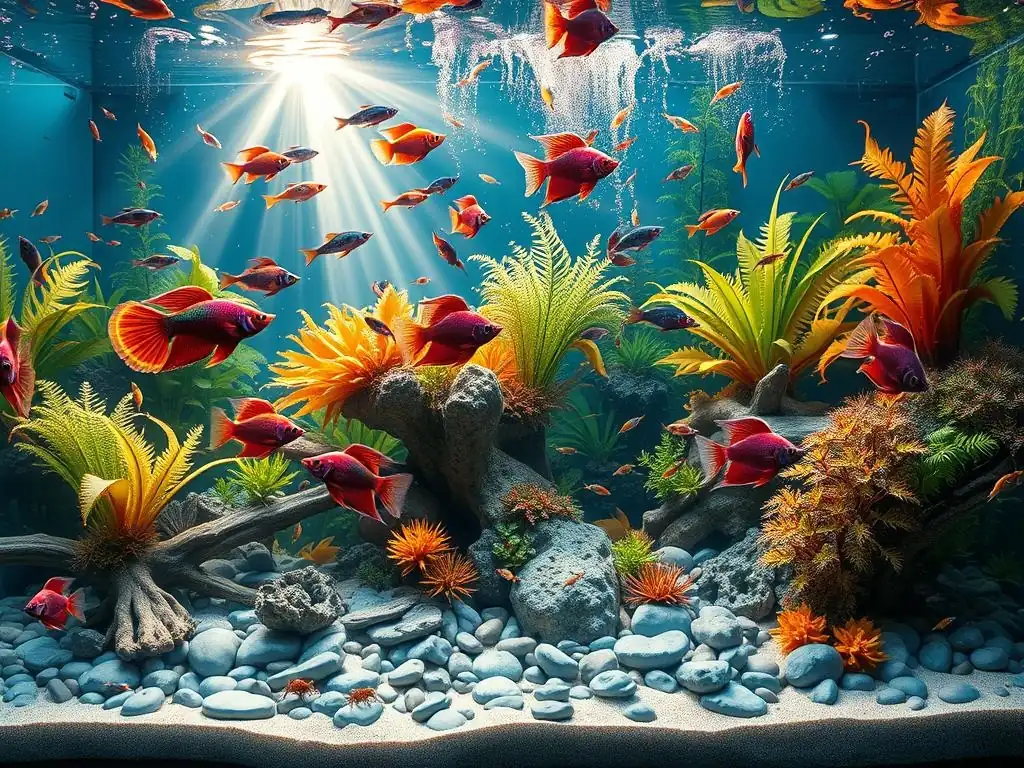
Welcome to Aquarium Mastery!
Ever been captivated by the labyrinthine organ of a Betta, or the shimmering iridescence of a Gourami? Dive deeper! Anabantoid fish offer a world of captivating personalities and unique care requirements beyond the familiar faces. Ready to unlock the secrets to thriving Anabantoid care and discover the lesser-known gems of this fascinating family? Let's explore!
- The Fascinating World of Anabantoids: More Than Betta and Gourami
- Understanding Anabantoids: More Than Just Bettas
- Essential Anabantoid Fish Care Tips for a Thriving Aquarium
- Choosing the Right Anabantoid for Your Aquarium
- Anabantoid Breeding and Reproduction: A Detailed Guide
- Common Anabantoid Diseases and Treatments
- Exploring Different Types of Anabantoids: Species Profiles
- Advanced Anabantoid Care: Going Beyond the Basics
- Anabantoid Fish: A Comprehensive Care Guide Summary
-
Frequently Asked Questions
- What are Anabantoid fish and what makes them unique?
- What are some common mistakes people make when caring for Anabantoid fish?
- How often should I feed my Anabantoid fish, and what type of food is best?
- What are the ideal water parameters for keeping Anabantoid fish healthy?
- How can I prevent common diseases in Anabantoid fish?
- Final Reflection: Breathing Life into Understanding Anabantoids
- Unleash Your Anabantoid Adventure!
The Fascinating World of Anabantoids: More Than Betta and Gourami
Understanding Anabantoids: More Than Just Bettas
What Defines an Anabantoid Fish? The Labyrinth Organ Explained
Anabantoids, often referred to as labyrinth fish, are a unique group of freshwater fish belonging to the order Anabantiformes, which includes families like Osphronemidae, Helostomatidae, and Anabantidae. What truly sets them apart from most other fish species is their specialized respiratory organ known as the labyrinth organ.
This intricate organ, located in a chamber above their gills, allows them to breathe atmospheric air directly from the surface, supplementing the oxygen absorbed through their gills. This remarkable adaptation enables them to thrive in environments with low dissolved oxygen levels, such as stagnant ponds, slow-moving streams, and rice paddies, which are common in their native Southeast Asian and African habitats.
The labyrinth organ is a highly vascularized, folded structure that functions much like a rudimentary lung. Fish like the popular Betta fish ( Betta splendens) and various gourami species regularly dart to the surface to gulp air, a behavior indicative of their reliance on this organ. This ability provides a significant survival advantage in their natural, often oxygen-depleted, environments. Understanding the function of this organ is a fundamental aspect of providing proper Anabantoid fish care tips, as it influences tank setup, water level, and even the type of lid required for their aquarium.
Anabantoid Diversity: Exploring Lesser-Known Species
While the Siamese fighting fish ( Betta splendens) and various gouramis (such as the Pearl Gourami, Trichopodus leerii, and Dwarf Gourami, Trichopodus lalius) are the most widely recognized Anabantoids, the group encompasses a surprising array of lesser-known species, each with unique characteristics and specific care requirements. Beyond these common aquarium staples, enthusiasts can explore the fascinating world of species like the Paradise Fish ( Macropodus opercularis), one of the oldest aquarium fish, known for its vibrant colors and engaging personality.
Other intriguing members include the Licorice Gouramis ( Parosphromenus spp. ), which are small, often iridescent fish requiring very specific soft, acidic blackwater conditions.
Further expanding the diversity are the Croaking Gouramis ( Trichopsis spp. ), named for the audible sounds they produce, and the Badis species ( Badis badis), sometimes referred to as "chameleon fish" due to their ability to change coloration. These less common Anabantoids offer a rewarding challenge for advanced aquarists, often demanding highly specialized Anabantoid fish care tips regarding water parameters, diet, and tank setup. Their unique behaviors, from intricate spawning rituals to subtle communication, make them captivating subjects for dedicated hobbyists.
Essential Anabantoid Fish Care Tips for a Thriving Aquarium
Water Parameters for Anabantoids: Maintaining Optimal Conditions
Maintaining stable and appropriate water parameters is paramount for the health and longevity of Anabantoid fish. Generally, these fish thrive in soft to moderately hard water with a pH range of 6.0 to 7.5, though specific species may prefer slightly more acidic or neutral conditions. The ideal temperature range typically falls between 75°F and 82°F (24°C to 28°C), reflecting their tropical origins.
Consistency is key; sudden fluctuations in temperature or chemistry can cause significant stress, weakening their immune systems and making them susceptible to disease. Regular testing with a reliable aquarium test kit for pH, ammonia, nitrite, and nitrate levels is an essential part of effective Anabantoid fish care.
Beyond these core parameters, water quality management through routine partial water changes is critical. A weekly or bi-weekly water change of 20-30% helps to dilute accumulated nitrates and replenish essential minerals, preventing the buildup of harmful toxins. While Anabantoids can tolerate lower oxygen levels due to their labyrinth organ, clean, well-maintained water is still vital for their overall health and vibrant coloration. Stagnant, dirty water can lead to fin rot, bacterial infections, and general decline, underscoring the importance of diligent water quality management as a cornerstone of Anabantoid fish care tips.
Anabantoid Diet and Feeding: Providing a Balanced Nutrition
A varied and nutritious diet is crucial for the optimal health, coloration, and breeding success of Anabantoid fish. Most Anabantoids are omnivores with a preference for protein-rich foods. A high-quality flake or pellet food designed for tropical fish should form the staple of their diet, providing essential vitamins and minerals. However, relying solely on dry foods can lead to nutritional deficiencies. Therefore, supplementing their diet with frozen or live foods is highly recommended.
Excellent protein sources include frozen bloodworms, brine shrimp, daphnia, and mosquito larvae. Live foods, such as newly hatched brine shrimp, microworms, and small insects, not only provide superior nutrition but also stimulate natural hunting behaviors, enriching the fish's environment. Feed your Anabantoids small amounts once or twice a day, only what they can consume within two to three minutes. Overfeeding can lead to digestive issues, poor water quality from uneaten food, and an increased risk of disease. Observing their feeding habits and adjusting portion sizes is an important part of comprehensive Anabantoid fish care.
Tank Size and Setup: Creating an Ideal Habitat for Anabantoids
The appropriate tank size and setup are fundamental to providing a stress-free and thriving environment for Anabantoid fish. While a single Betta fish ( Betta splendens) can be housed in a 5-gallon tank, most other Anabantoids, such as Dwarf Gouramis ( Trichopodus lalius), require a minimum of 10-20 gallons for a single specimen or a pair, and larger species like Pearl Gouramis ( Trichopodus leerii) need at least 30 gallons for a pair or small group.
The tank should ideally be wider than it is tall to provide ample horizontal swimming space and a large surface area for air exchange. A secure lid is essential, not only to prevent jumping but also to maintain a warm, humid layer of air above the water surface, which is vital for the development and function of their labyrinth organ.
When setting up the tank, mimic their natural habitat by including dense live plants, both rooted and floating. Plants like Java Fern, Anubias, Cryptocoryne species, and various floating plants (e.g., Water Lettuce, Frogbit) provide crucial hiding spots, reduce territorial aggression, and offer anchor points for bubble nests. Driftwood, smooth rocks, and ceramic caves can also enhance the aquascape, offering additional shelter and breaking up lines of sight.
A gentle filtration system, such as a sponge filter or a baffled hang-on-back filter, is preferred to avoid strong currents, which can stress these fish. These specific tank setup considerations are vital Anabantoid fish care tips for their well-being.
Choosing the Right Anabantoid for Your Aquarium
Compatibility Considerations: Anabantoid Tank Mates Guide
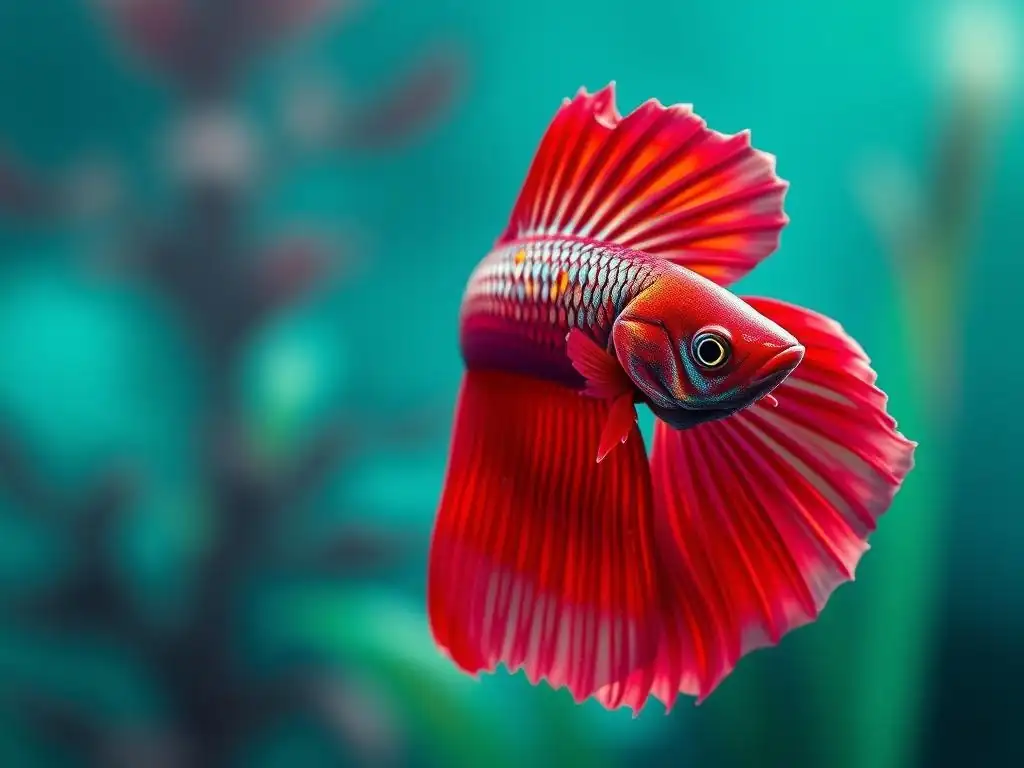
Selecting appropriate tank mates is a critical aspect of successful Anabantoid fish care, as their temperament can range from highly aggressive to remarkably peaceful. For solitary species like male Betta splendens, tank mates are generally not recommended in smaller setups, as they are notoriously territorial and can attack or stress other fish. However, for more communal Anabantoids like Pearl Gouramis or Honey Gouramis, peaceful, similarly sized, and non-fin-nipping species can make excellent companions. Ideal tank mates often include bottom dwellers like Corydoras catfish or Otocinclus, which occupy different tank levels and are generally docile.
Mid-water dwelling fish such as peaceful tetras (e.g., Neon Tetras, Ember Tetras), Rasboras (e.g., Harlequin Rasboras, Chili Rasboras), and small, peaceful species of Danios can also be suitable. It is crucial to avoid highly active or aggressive fish that might stress the Anabantoids or nip at their often-flowing fins. Also, avoid housing multiple male Anabantoids of the same or similar species in smaller tanks, as territorial disputes can escalate quickly. Thorough research into the specific temperament and compatibility requirements of your chosen Anabantoid species is a key Anabantoid fish care tip to ensure a harmonious community aquarium.
The temperament of Anabantoid fish varies significantly across species and even within individuals of the same species, making understanding their social behavior a crucial part of Anabantoid fish care. Male Betta splendens are famously aggressive towards other males of their kind, leading to their common name, "Siamese fighting fish," and necessitating individual housing in most cases. However, female Betta sororities can sometimes be maintained in larger, heavily planted tanks with careful monitoring, though aggression can still arise. Dwarf Gouramis ( Trichopodus lalius) can exhibit territoriality, particularly among males, which may display aggression towards each other or similarly shaped fish.
In contrast, species like the Pearl Gourami ( Trichopodus leerii) and Honey Gourami ( Trichopodus chuna) are generally much more peaceful and shy, making them suitable for community tanks with other docile species. Some Anabantoids, like the Chocolate Gourami ( Sphaerichthys osphromenoides), are notoriously timid and require very specific, calm environments. Observing individual fish behavior, providing ample hiding spots, and ensuring adequate tank size can help mitigate aggression and promote natural, less stressful social interactions among these fascinating fish.
Selecting Healthy Anabantoids: What to Look for When Buying
When acquiring new Anabantoid fish, careful inspection is a fundamental step in ensuring you bring home healthy specimens and avoid introducing diseases into your existing aquarium. Begin by observing the fish's behavior: healthy Anabantoids should be active and alert, swimming naturally, and showing interest in their surroundings. Avoid fish that are lethargic, sitting at the bottom of the tank, or constantly hiding, as these can be signs of stress or illness. Their fins should be fully extended, without any signs of clamping, tears, or rot, which often indicate bacterial infections or poor water quality.
Visually inspect the fish for any physical abnormalities such as white spots (Ich), fuzzy growths (fungus), discolored patches, bloated bellies (dropsy), or frayed gills. Their eyes should be clear and bright, not cloudy or sunken. Check the water quality in the retail tank; clear, well-maintained water indicates a responsible seller.
Inquire about the fish's diet and origin, if possible. Once purchased, always quarantine new Anabantoids in a separate tank for at least two to four weeks before introducing them to your main aquarium. This crucial Anabantoid fish care tip helps prevent the spread of potential diseases to your established fish.
Anabantoid Breeding and Reproduction: A Detailed Guide
Setting Up a Breeding Tank for Anabantoids
Successful breeding of Anabantoid fish requires a dedicated breeding tank setup that mimics their natural spawning conditions and provides optimal care for eggs and fry. A separate 10-20 gallon tank is typically suitable, with the water level kept shallower, around 6-8 inches, to make it easier for the male to tend to the bubble nest and for fry to reach the surface for air. The tank should have minimal water flow, ideally using a gentle sponge filter to prevent disturbance of the bubble nest and to avoid sucking up delicate fry.
Crucially, the breeding tank should be equipped with ample floating plants such as Water Sprite, Hornwort, or Frogbit. These plants provide anchor points for the male's bubble nest and offer security for the female during courtship. Indian almond leaves (Catappa leaves) can be added to release tannins, creating blackwater conditions that many Anabantoids prefer for spawning and which also offer mild antimicrobial properties.
A tightly fitting lid is essential to maintain a warm, humid layer of air above the water, which is critical for the developing labyrinth organ of the fry. These specific Anabantoid fish care tips related to breeding setup significantly increase the chances of successful reproduction.
Anabantoid Fry Care: Raising Healthy Baby Fish
Raising Anabantoid fry requires meticulous attention to detail, particularly concerning their initial feeding and the critical development of their labyrinth organ. Once the fry become free-swimming, typically within 2-5 days depending on the species, they are extremely tiny and require microscopic food. Infusoria, liquid fry food, or green water are excellent initial food sources for the first few days. As they grow, usually after 3-5 days, they can transition to newly hatched brine shrimp or microworms, which provide essential protein for rapid growth. Feeding should occur multiple times a day in very small quantities to avoid polluting the water.
The most critical period for Anabantoid fry is when their labyrinth organ develops, usually between 3 to 6 weeks of age. During this time, they begin to gulp atmospheric air. It is absolutely vital that the air above the water surface in the breeding tank is warm and humid, matching the water temperature.
Any sudden drop in air temperature or a draft can fatally chill the delicate developing labyrinth organ. Maintaining a consistent temperature, often around 80-82°F (27-28°C), and ensuring a secure, tightly fitting lid are paramount Anabantoid fish care tips for raising healthy baby fish. Gradual, small water changes with aged water are also necessary to maintain pristine water quality without shocking the sensitive fry.
Encouraging Spawning: Simulating Natural Conditions
To encourage Anabantoid fish to spawn, aquarists often need to simulate the natural conditions that trigger their reproductive cycles. This typically involves conditioning the breeding pair with a high-protein diet of live and frozen foods for several weeks prior to introduction into the breeding tank.
Foods like bloodworms, brine shrimp, and daphnia are excellent for this purpose, providing the necessary energy and nutrients for egg development. Gradually increasing the water temperature by a few degrees within their optimal range (e.g., from 78°F to 80°F) can also act as a trigger, mimicking the onset of a rainy season in their natural habitats.
Once introduced to the breeding tank, the male Anabantoid, particularly species like Bettas and Gouramis, will typically begin to construct a bubble nest at the water surface, often utilizing floating plants for support. This nest serves as a protective incubator for the eggs. The female, if receptive, will then engage in a courtship ritual with the male, leading to the spawning embrace where eggs are released and fertilized.
After spawning, it is generally recommended to remove the female, as the male will take on the sole responsibility of guarding the eggs and fry until they are free-swimming. Some species may require the male to also be removed once the fry are free-swimming to prevent predation. These precise steps are essential Anabantoid fish care tips for successful breeding.
Common Anabantoid Diseases and Treatments
Identifying Anabantoid Illnesses: Recognizing Early Symptoms
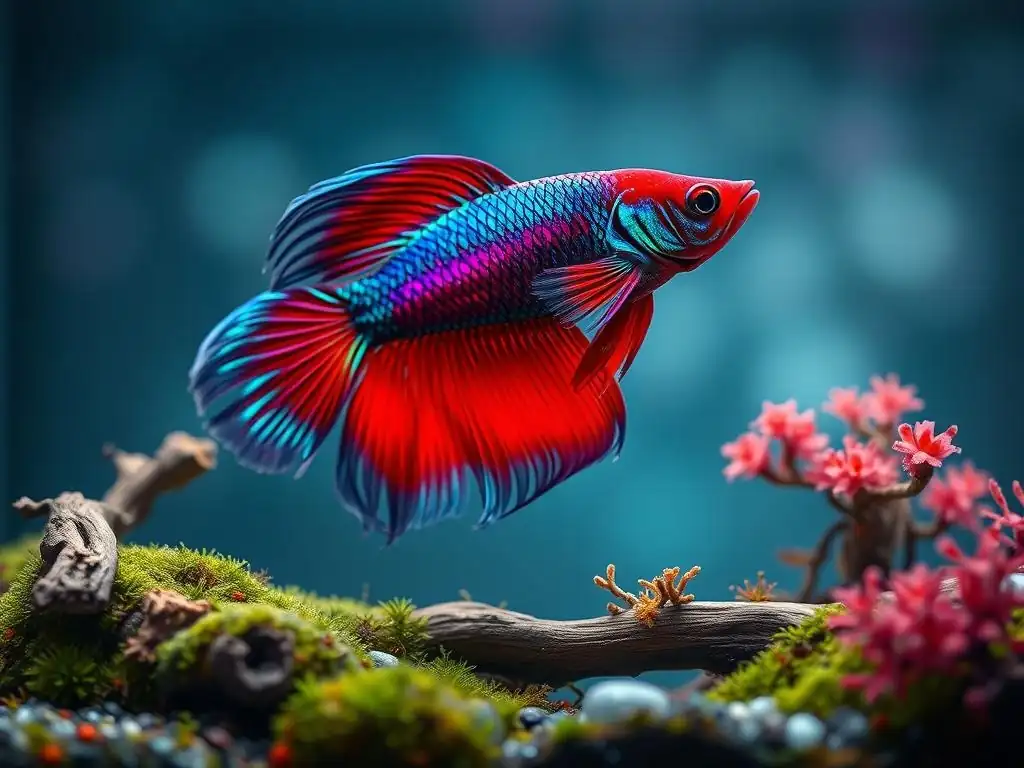
Prompt identification of illnesses is a cornerstone of effective Anabantoid fish care, as early intervention significantly improves treatment outcomes. Observing changes in your fish's behavior is often the first indicator of a problem. Look for signs such as lethargy, hiding more than usual, clamped fins, erratic swimming, rubbing against tank decorations (flashing), or a sudden loss of appetite. Physical symptoms can include white spots resembling salt grains (Ich), fuzzy white or grey patches (fungus), frayed or rotting fins (fin rot), cloudy eyes, visible parasites, or unusual growths.
Changes in coloration, such as fading or darkening, can also signal stress or illness. A bloated body or scales sticking out like a pinecone (dropsy) are severe symptoms often indicative of internal organ failure. Any deviation from the fish's normal appearance or behavior warrants immediate investigation. Poor water quality is a leading cause of stress and disease in Anabantoids, so always check your water parameters first if you suspect an illness. Recognizing these early symptoms is a vital Anabantoid fish care tip for maintaining a healthy aquarium.
Treating Common Anabantoid Diseases: Effective Medications and Methods
Once an illness is identified, prompt and appropriate treatment is crucial. For common parasitic infections like Ich (white spot disease), the primary treatment involves gradually raising the tank temperature to 82-84°F (28-29°C) over 24 hours, combined with adding aquarium salt (1 tablespoon per 5 gallons) or a commercial Ich medication containing malachite green or formalin. Fin rot, typically a bacterial infection caused by poor water quality, is best treated by improving water conditions through frequent water changes and, if severe, with broad-spectrum antibacterial medications like Furan-2 or Maracyn.
Fungal infections, often appearing as white, cotton-like growths, can be treated with antifungal medications containing phenoxyethanol or methylene blue, along with addressing any underlying water quality issues. Bloat or dropsy, which often indicates severe internal bacterial infection or organ damage, is more challenging to treat; Epsom salt baths (1 teaspoon per gallon) can help alleviate swelling, and medicated foods with antibiotics may be attempted, though success rates vary.
Always follow medication instructions precisely and perform treatments in a separate quarantine tank to avoid harming beneficial bacteria in your main aquarium. These targeted Anabantoid fish care tips are essential for effective disease management.
Preventing Anabantoid Health Problems: Proactive Care Strategies
Prevention is undoubtedly the most effective strategy in Anabantoid fish care, significantly reducing the likelihood of disease outbreaks and ensuring the long-term health of your fish. The cornerstone of prevention is maintaining consistently pristine water quality. This involves regular water testing for ammonia, nitrite, and nitrate, combined with routine partial water changes (e.g., 20-30% weekly). A well-cycled filter and appropriate filtration system are also essential to manage waste effectively.
Providing a balanced and varied diet, as discussed previously, strengthens the fish's immune system. Avoiding overfeeding and ensuring the tank is not overstocked are crucial to prevent excess waste and stress. Furthermore, a properly sized and thoughtfully aquascaped tank with ample hiding spots and appropriate tank mates reduces stress, a major contributor to illness. Finally, quarantining all new fish, plants, and even decorations for at least 2-4 weeks before introducing them to the main tank is a non-negotiable Anabantoid fish care tip that acts as a vital barrier against the introduction of pathogens.
Exploring Different Types of Anabantoids: Species Profiles
Trichogaster Species: Pearl Gourami ( Trichogaster leerii) Care
The Pearl Gourami ( Trichogaster leerii) is a truly stunning and relatively peaceful Anabantoid, making it a popular choice for community aquariums. Originating from Southeast Asia, these fish are characterized by their iridescent, pearl-like spots covering a brownish-silver body, often accented by a dark lateral line. Males typically develop a vibrant orange-red coloration on their throat and fins, especially during breeding. They can grow to an impressive size of 4-5 inches (10-12 cm), requiring a tank of at least 30 gallons for a pair or small group to thrive.
Pearl Gouramis are generally docile and can coexist peacefully with other similarly sized, calm community fish. They prefer soft to medium-hard water with a pH of 6.0-7.5 and temperatures between 75-82°F (24-28°C). Their care involves a varied diet of high-quality flakes, pellets, and regular supplements of frozen or live foods like bloodworms and brine shrimp. A heavily planted tank with plenty of floating vegetation provides the ideal environment, offering security and dimming the light, which they appreciate. These specific Anabantoid fish care tips highlight their relatively easy-going nature compared to some other labyrinth fish.
Colisa Species: Honey Gourami ( Trichogaster chuna) Care
The Honey Gourami ( Trichogaster chuna), formerly classified as Colisa chuna, is a delightful and much smaller Anabantoid, typically reaching only about 2 inches (5 cm) in length. Renowned for their vibrant yellow to orange coloration, particularly in males during breeding, they are a peaceful and shy species, making them an excellent choice for smaller community tanks or even nano aquariums (minimum 10-15 gallons). Their small size and gentle temperament mean they are less prone to the territorial aggression sometimes seen in larger gourami species.
Honey Gouramis prefer similar water parameters to other Anabantoids: soft to medium-hard water with a pH of 6.0-7.5 and temperatures between 75-82°F (24-28°C). They thrive in well-planted aquariums with plenty of hiding spots and floating vegetation to provide a sense of security.
Their diet should consist of high-quality micro pellets or flakes, supplemented with small frozen or live foods such as daphnia, microworms, and newly hatched brine shrimp. Due to their peaceful nature, they are best kept with other small, docile tank mates, making them a rewarding species for those seeking specific Anabantoid fish care tips for a tranquil setup.
Beyond the more common Trichogaster and Colisa species, the genus Parosphromenus, commonly known as Licorice Gouramis, represents a fascinating but more challenging group within the Anabantoid family. These miniature fish, typically reaching only 1 to 1.5 inches (2.5-4 cm), are native to highly specialized blackwater habitats in Southeast Asia, such as peat swamps and forest streams. Their care requirements are significantly more stringent than those of their larger gourami cousins, making them suitable only for experienced aquarists. They are characterized by their intricate fin patterns and often iridescent, almost metallic, coloration under the right lighting.
Licorice Gouramis demand extremely soft and acidic water, with a pH often as low as 4.0-6.0 and very low hardness (0-5 dGH). Temperatures should be stable, around 75-80°F (24-27°C). Their tank setup requires a species-specific environment, often a 5-10 gallon aquarium, heavily planted with dense vegetation and abundant leaf litter (e.g., Indian almond leaves) to release tannins and mimic their natural blackwater conditions.
Filtration should be minimal, ideally a gentle sponge filter, to avoid any significant current. Their diet must consist almost exclusively of tiny live foods, such as microworms, daphnia, and newly hatched brine shrimp, as they often refuse dry or frozen foods. These highly specialized Anabantoid fish care tips underscore the delicate balance required for these exquisite micro-fish.
Advanced Anabantoid Care: Going Beyond the Basics
Planted Tanks for Anabantoids: Choosing the Right Vegetation
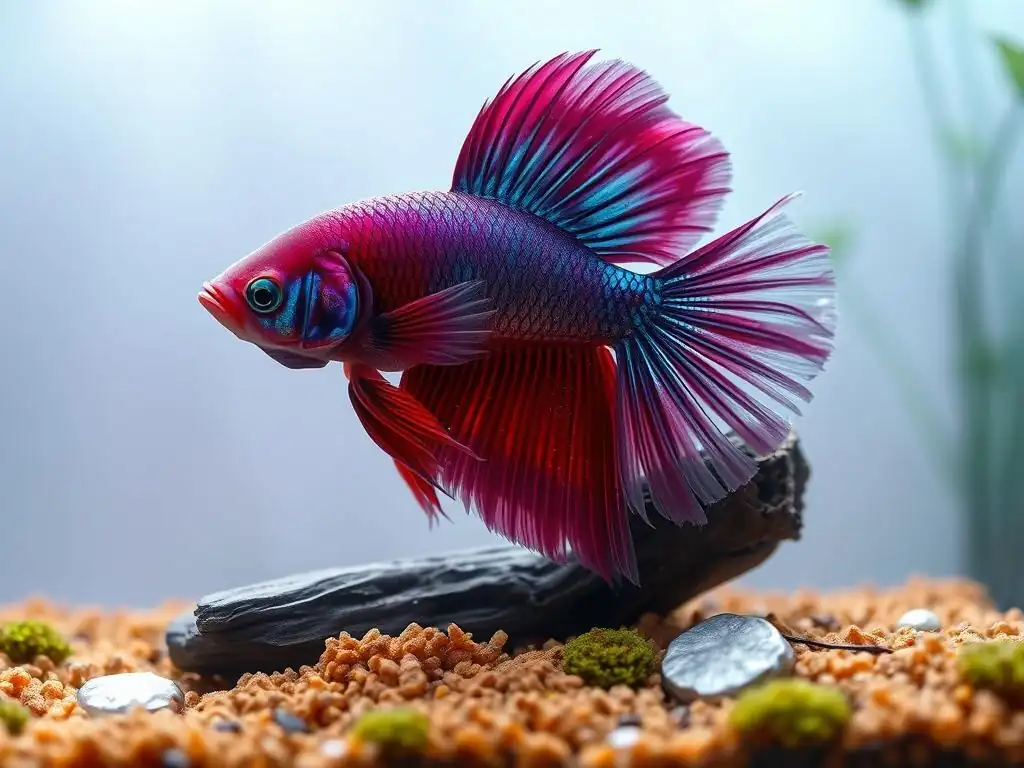
For Anabantoid fish, a heavily planted aquarium is not merely aesthetically pleasing; it is a critical component of their well-being and a key advanced Anabantoid fish care tip. Live plants offer numerous benefits: they provide essential hiding spots and territories, reducing stress and aggression; they help maintain water quality by absorbing nitrates; and they mimic the dense vegetation found in the fish's natural habitats. When selecting plants, prioritize species that thrive in low to moderate light conditions and can tolerate soft, slightly acidic water, which aligns with typical Anabantoid preferences.
Excellent choices for rooted plants include Java Fern ( Microsorum pteropus), Anubias species ( Anubias barteri), Cryptocoryne species ( Cryptocoryne wendtii, Cryptocoryne undulata), and various Swords ( Echinodorus spp.). These provide lush greenery and vertical structure. Equally important are floating plants such as Water Lettuce ( Pistia stratiotes), Frogbit ( Limnobium laevigatum), and Dwarf Water Lily ( Nymphaea pubescens). Floating plants diffuse intense lighting, creating a dimmer, more comfortable environment, and critically, provide anchor points for bubble nests, which is essential for breeding Anabantoids.
Aquascaping for Anabantoids: Creating a Natural Environment
Effective aquascaping for Anabantoids goes beyond mere decoration; it's about creating a functional, naturalistic environment that caters to their specific behavioral and biological needs. The goal is to replicate the dense, often dimly lit, and sheltered conditions of their native habitats. This means incorporating a generous amount of driftwood, smooth rocks, and ceramic caves, which provide additional hiding spots and break up lines of sight, minimizing territorial disputes, especially among males. A fine sand or smooth gravel substrate is preferred, as these fish often sift through it or rest near the bottom.
Adding natural leaf litter, such as Indian almond leaves (Catappa leaves), not only enhances the natural aesthetic but also slowly releases tannins into the water. These tannins can lower the pH, soften the water, and provide mild antibacterial properties, creating the "blackwater" conditions that many Anabantoids, particularly those from peat swamps, thrive in. The overall design should prioritize a sense of security and complexity, allowing the fish to explore, hide, and establish small territories, thereby promoting natural behaviors and significantly contributing to comprehensive Anabantoid fish care.
Anabantoid Behavior Enrichment: Encouraging Natural Behaviors
Behavioral enrichment is an often-overlooked aspect of advanced Anabantoid fish care, focusing on stimulating their natural instincts and preventing boredom or stress. Beyond providing a properly aquascaped environment, there are specific strategies to encourage their innate behaviors. For instance, offering live foods like small insects, daphnia, or mosquito larvae allows them to engage in natural hunting and foraging, which is mentally stimulating and physically beneficial. This contrasts with simply dropping flakes into the tank.
Introducing varied structures within the tank, such as different types of plants, small ceramic tubes, or carefully placed driftwood, encourages exploration and allows them to establish temporary territories or resting spots. For species known to build bubble nests, ensuring a calm water surface and suitable floating plants provides the necessary conditions for this complex reproductive behavior. Observing and understanding your Anabantoids' individual personalities and reactions to different stimuli can help tailor enrichment efforts, leading to more active, vibrant, and healthy fish.
Anabantoid Fish: A Comprehensive Care Guide Summary
Key Takeaways for Successful Anabantoid Keeping
Successful Anabantoid fish care hinges on a few core principles that, when consistently applied, lead to thriving and vibrant fish. Firstly, understanding their unique physiology, particularly the labyrinth organ, is fundamental, influencing everything from tank lids to water levels. Secondly, maintaining stable and appropriate water parameters—specifically a pH range of 6.0-7.5 and temperatures between 75-82°F (24-28°C)—through regular testing and diligent water changes is non-negotiable. Thirdly, a diverse and high-quality diet, incorporating both dry and live/frozen foods, is essential for optimal health and coloration.
Finally, providing an appropriately sized and thoughtfully aquascaped environment that mimics their natural habitat—featuring dense planting, hiding spots, and gentle filtration—is crucial for reducing stress and encouraging natural behaviors. Careful consideration of tank mates and understanding the specific temperament of your chosen Anabantoid species are also paramount. Adhering to these Anabantoid fish care tips will establish a solid foundation for any aquarist looking to keep these fascinating labyrinth fish.
Resources for Further Learning about Anabantoids
For aquarists eager to deepen their knowledge and refine their Anabantoid fish care techniques, a wealth of resources is available beyond this guide. Specialized books dedicated to labyrinth fish, such as those focusing on Betta species or various Gouramis, offer in-depth information on genetics, breeding complexities, and species-specific nuances. Reputable online aquatic forums and communities provide platforms for engaging with experienced hobbyists, asking specific questions, and sharing insights on challenges or successes in Anabantoid keeping.
Scientific journals and ichthyological databases can offer detailed information on the natural habitats, wild behaviors, and taxonomic classifications of lesser-known Anabantoid species. Furthermore, visiting local fish stores that specialize in rare or exotic fish can provide opportunities to observe different Anabantoids firsthand and consult with knowledgeable staff. Engaging with these diverse resources empowers aquarists to continuously learn, adapt, and provide the best possible Anabantoid fish care, ensuring the long-term well-being of these remarkable aquatic creatures.
Frequently Asked Questions
What are Anabantoid fish and what makes them unique?
Anabantoids, also known as labyrinth fish, are a group of freshwater fish distinguished by their labyrinth organ. This unique organ allows them to breathe atmospheric air, enabling them to survive in oxygen-poor waters. They include popular aquarium fish like bettas and gouramis.
What are some common mistakes people make when caring for Anabantoid fish?
Common mistakes include overcrowding the tank, neglecting water changes, and failing to provide a suitable environment for the specific species. Ignoring these factors can lead to stress, disease, and a shortened lifespan for your Anabantoids.
How often should I feed my Anabantoid fish, and what type of food is best?
Anabantoids should generally be fed once or twice a day with small portions of high-quality food. A varied diet consisting of flake food, frozen food like bloodworms, and live food options is ideal.
What are the ideal water parameters for keeping Anabantoid fish healthy?
While specific parameters vary depending on the species, generally Anabantoids prefer slightly acidic to neutral water (pH 6.0-7.0) and a temperature range of 72-82°F (22-28°C). Regular water testing and adjustments are crucial for their well-being.
How can I prevent common diseases in Anabantoid fish?
Preventative measures include maintaining excellent water quality, providing a stress-free environment, and quarantining new fish before introducing them to the main tank. Early detection and treatment of any signs of illness are also essential.
Final Reflection: Breathing Life into Understanding Anabantoids
The journey through the fascinating world of Anabantoids, far beyond the familiar Betta and Gourami, reveals a diverse and captivating group of fish. Understanding their unique labyrinth organ and specific care requirements is not just about keeping them alive, but about fostering a thriving ecosystem within our aquariums. This knowledge empowers us to move beyond mere ownership and embrace responsible stewardship of these remarkable creatures, ensuring their well-being and longevity in our care.
This exploration has highlighted the importance of informed decisions in aquascaping and fishkeeping. The ability to provide a suitable environment, understanding their social dynamics, and catering to their dietary needs is crucial for their health and happiness. The greatness of a nation and its moral progress can be judged by the way its animals are treated.
- Mahatma Gandhi. This quote, though broad, resonates deeply when considering the responsibility we undertake when bringing any animal, including Anabantoids, into our homes.
Now, armed with a deeper understanding of Anabantoid fish care, I invite you to reflect on your own practices. Are you providing the optimal environment for your finned friends? Are you continuously learning and adapting your approach to meet their evolving needs? Let's commit to becoming not just keepers, but true guardians of these incredible fish, ensuring they thrive and continue to captivate us with their beauty and unique adaptations for generations to come.
Unleash Your Anabantoid Adventure!
Thanks for diving into the captivating world of Anabantoids! We hope you found some fresh inspiration and a deeper appreciation for these unique fish. Now, let's turn that knowledge into action!
- Dive Deeper: Visit your local fish store and ask about less common Anabantoid species beyond Bettas and Gouramis – you might discover your next aquatic companion!
- Share the wonder: Post a picture of your favorite Anabantoid (or one you'd love to own!) on social media with #AquariumMasteryAnabantoids to spread the Anabantoid love.
- Join the Community: Head over to an aquarium forum or a fishkeeping community to share your own Anabantoid keeping tips, tricks, and stories with other fish lovers.
What's one thing you learned about Anabantoids that completely surprised you and how might you incorporate this info into your current fish keeping strategies?