
Stress in African Cichlids: The Silent Killer and How to Combat It

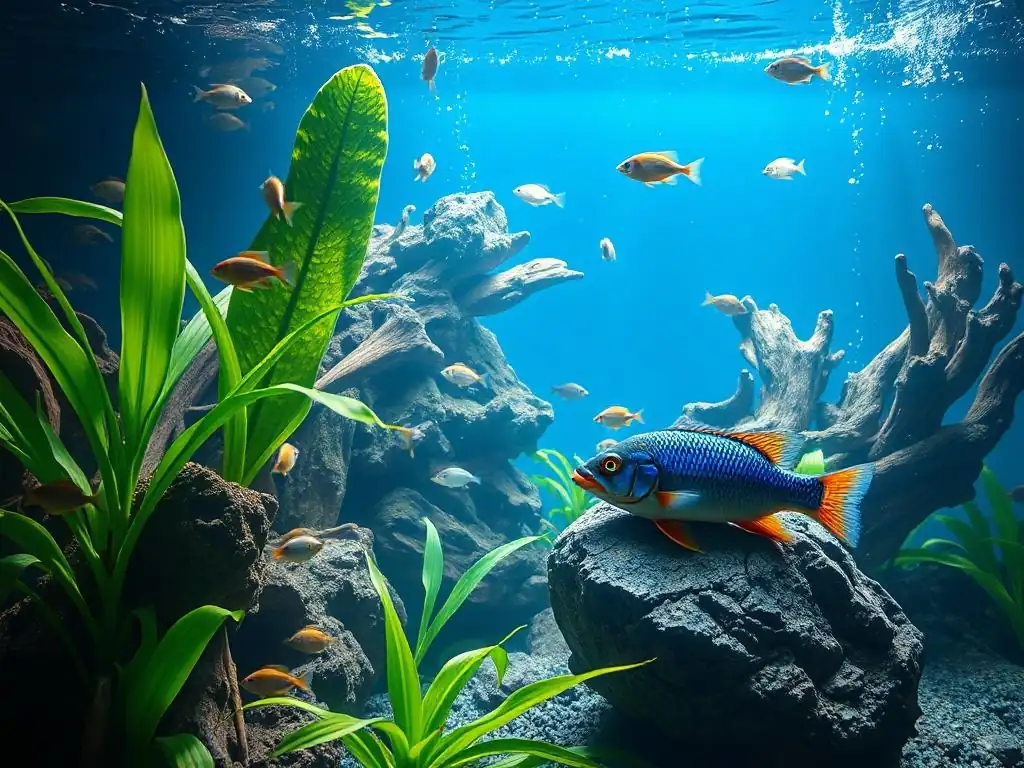
Welcome to Aquarium Mastery, where we unlock the secrets to thriving aquatic ecosystems! Ever noticed your vibrant African cichlids acting a bit off? In this guide, we delve into the often-overlooked world of African cichlid stress solutions, revealing the silent killers that can plague your tank and, more importantly, providing you with the knowledge to combat them. Curious to learn how to keep your cichlids happy and healthy? Let's dive in!
- Understanding Stress in African Cichlids
- Identifying the Causes of Stress in African Cichlid Tanks
- African Cichlid Stress Solutions: Practical Strategies
- Treating Stressed African Cichlids: Recovery and Prevention
- Conclusion: Promoting a Stress-Free Environment for Thriving African Cichlids
-
Frequently Asked Questions
- What are the most common signs of stress in African Cichlids?
- What is the ideal water chemistry for minimizing stress in African Cichlids?
- How does overcrowding contribute to stress in African Cichlids?
- What are some effective aquarium design strategies to reduce stress in African Cichlids?
- Besides water quality and tank size, what other environmental factors can cause stress in African Cichlids?
- Final Reflection: Cultivating Calm in the Cichlid Kingdom
- Revitalize Your Cichlids: End the Silent Suffering!
Understanding Stress in African Cichlids
Why African Cichlids Are Prone to Stress
African cichlids, originating from the vast and stable Great Rift Valley lakes like Malawi, Tanganyika, and Victoria, are inherently adapted to environments offering immense space and consistent water parameters. Their natural habitats allow for the establishment of large territories and the dispersion of aggression. When these highly territorial and often aggressive fish are confined to the relatively limited volume of an aquarium, their natural instincts for dominance and territory defense can become a constant source of low-level chronic stress. This is particularly true for Mbuna cichlids, which are rock-dwelling and fiercely territorial.
Furthermore, African cichlids operate within complex social hierarchies, especially noticeable in species like Pseudotropheus demasoni or Aulonocara (Peacock cichlids). Constant jockeying for dominance and the establishment of a pecking order, even among compatible species, can be a continuous stressor. Minor disruptions to this established hierarchy, such as introducing new fish or significantly altering tank decor, can trigger widespread stress responses. This constant state of alert, even without overt physical fighting, can significantly compromise their immune systems, making them vulnerable to disease.
The Silent Killer: Recognizing Stress Signals in Your Cichlids
Recognizing stress in African cichlids is crucial because, left unaddressed, it can lead to severe health deterioration and even death, earning it the moniker "the silent killer." Common stress signals include faded or dulled coloration, particularly in vibrant males who lose their display colors. Other signs are clamped fins (held close to the body), rapid and labored breathing (gilling), excessive hiding, loss of appetite, and abnormal swimming patterns such as darting erratically or rubbing against tank decorations. These indicators are often subtle at first, requiring keen observation by the aquarist.
Physiologically, chronic stress elevates cortisol levels in fish, similar to stress hormones in mammals. This sustained elevation suppresses the immune system, making stressed cichlids highly susceptible to common aquarium diseases. For instance, a stressed cichlid is far more likely to contract Ich (white spot disease), fungal infections, or bacterial infections. Perhaps the most devastating stress-related ailment in African cichlids, particularly Mbuna, is Malawi Bloat, a severe internal bacterial infection often triggered by stress and improper diet, which can lead to a mortality rate exceeding 70% in affected fish if not treated promptly.
Identifying the Causes of Stress in African Cichlid Tanks
Poor Water Quality: A Primary Stressor for Cichlids
Ammonia and Nitrite Spikes: The Invisible Threat
African cichlids, especially those from the hard, alkaline waters of the Rift Lakes, are exceptionally sensitive to nitrogenous waste products. Ammonia (NH3) and nitrite (NO2) are highly toxic, even at very low concentrations. For example, ammonia levels as low as 0.25 parts per million (ppm) can cause severe gill damage and internal organ stress, leading to lethargy and difficulty breathing. Nitrite, on the other hand, interferes with oxygen uptake in the blood, causing what is commonly known as "brown blood disease," where the fish suffocates despite ample oxygen in the water.
These dangerous spikes typically occur due to insufficient biological filtration, overfeeding, inadequate tank cycling, or infrequent water changes. Even brief exposure to elevated levels of these toxins can profoundly compromise a cichlid's health, leading to immediate stress responses and, over time, irreversible organ damage. Regular monitoring and proactive management of these parameters are non-negotiable African cichlid stress solutions.
Maintaining Optimal Water Parameters for African Cichlids
Maintaining stable and optimal water parameters is paramount for the well-being of African cichlids. Most Rift Lake cichlids thrive in water with a pH between 7.8 and 8.6, and very hard water with a General Hardness (GH) of 10-20 dGH and Carbonate Hardness (KH) of 10-20 dKH. While aiming for these specific ranges is important, stability is even more critical; sudden fluctuations, such as a rapid pH drop of just 0.5 units, can induce severe osmotic shock and stress.
Regular testing using a reliable liquid test kit is essential to monitor these parameters. Beyond pH and hardness, keeping nitrates (NO3) below 20 ppm is crucial, though many experienced aquarists strive for levels under 10 ppm for peak health. Consistent water quality, achieved through a robust filtration system and scheduled maintenance, forms the bedrock of effective African cichlid stress solutions.
Overcrowding and Tank Size: Stressful Living Conditions
Determining the Right Tank Size for Your Cichlid Population
While some aquarists advocate for "overstocking" African cichlids to diffuse aggression, this strategy often creates its own set of significant stressors due to increased bioload and limited personal space. A true African cichlid stress solution involves providing adequate tank volume. A minimum of 55 gallons (approximately 208 liters) is generally recommended for a small group of Mbuna, while Peacock cichlids and larger Haps often require 75 gallons (284 liters) or more. For example, a single adult male Aulonocara (Peacock cichlid) ideally needs at least 20 gallons (75 liters) of personal swimming space, not including space occupied by rockwork.
The common "one inch of fish per gallon" rule is completely inadequate for the size, bioload, and territorial nature of African cichlids. A more appropriate guideline, especially for Mbuna, is approximately 10-15 gallons per adult cichlid, assuming excellent filtration and abundant decor. For instance, a 75-gallon tank might comfortably house 10-15 adult Mbuna, but attempting to stock 30 would lead to severe overcrowding and chronic stress, regardless of filtration.
The Impact of Territory Disputes on Cichlid Stress Levels
The inherently territorial nature of African cichlids means they constantly establish and defend their personal spaces. In an overcrowded or inadequately decorated tank, these territorial boundaries become blurred or nonexistent, leading to incessant skirmishes and chases. Even if these confrontations do not result in immediate physical injury, the continuous threat and pursuit elevate stress hormones, particularly cortisol, in all fish involved.
Consider a dominant male Pseudotropheus demasoni in a tank lacking sufficient space and hiding spots. He might relentlessly harass subdominant males or even females, preventing them from feeding or resting. This chronic harassment depletes the bullied fish's energy reserves and severely suppresses its immune system. Such constant stress is a major contributing factor to the onset of stress-induced diseases like Malawi Bloat, which, as noted, often results in high mortality rates.
Incompatible Tank Mates: Aggression and Bullying
Choosing Peaceful Companions for Your African Cichlids
In the world of African cichlids, "peaceful" is a relative term. Compatibility primarily hinges on matching species with similar adult sizes, temperaments, and dietary needs. Mixing highly aggressive Mbuna, such as Melanochromis auratus (Auratus Cichlid), with more docile Peacocks or Haps, like Aulonocara jacobfreibergi, almost invariably results in the less assertive species being bullied to the point of severe stress or death. The Auratus, for instance, is notoriously aggressive and should never be housed with less assertive species like Labidochromis caeruleus (Electric Yellow Lab), despite both being Mbuna.
It is also crucial to avoid species with vastly different adult sizes or those that occupy the exact same niche in the tank, leading to direct competition. For many species, maintaining a ratio of one male to multiple females (e.g., 1 male to 3-4 females) is a vital strategy to diffuse male aggression, as the male's attention is spread across several females rather than concentrated on one or two, or worse, another male. Careful species selection is a foundational component of effective African cichlid stress solutions.
Managing Aggression in Mbuna and Peacock Cichlid Tanks
Beyond careful species selection, effective aquarium design plays a significant role in managing aggression. Providing an abundance of rockwork, caves, and other decor elements is crucial to break lines of sight and create numerous distinct territories. For example, a 75-gallon tank housing 10-15 Mbuna should ideally feature at least 20-30 distinct hiding spots or visual barriers, allowing subdominant fish to escape and dominant fish to establish their own domains.
For Peacock cichlids and Haps, employing a "harem" setup (one male with multiple females) helps to spread out the male's breeding aggression. Some aquarists also use a "target fish" strategy, introducing a few slightly more aggressive but still robust species that can withstand some harassment, thereby diverting attention from more vulnerable tank mates. However, this method requires careful monitoring to ensure no fish is excessively stressed or injured, making it a nuanced African cichlid stress solution.
Improper Diet: Nutritional Deficiencies and Stress
The Importance of a Balanced Diet for African Cichlids
The dietary needs of African cichlids vary significantly between different groups, and understanding these needs is critical for preventing stress and disease. Mbuna cichlids are primarily herbivorous or omnivorous with a strong herbivorous bias, naturally grazing on algae and periphyton found on rocks in their wild habitats. Consistently feeding them high-protein, meat-based foods can lead to severe digestive issues, most notably Malawi Bloat, due to their inability to properly process such diets. In contrast, Peacocks and many Haps are generally carnivorous or omnivorous, feeding on small invertebrates and occasional smaller fish.
Nutritional deficiencies or an inappropriate diet directly weaken the immune system and induce chronic stress. For instance, a Mbuna fed primarily on bloodworms or beef heart will lack essential plant matter and fiber, leading to chronic gut inflammation, poor nutrient absorption, and increased susceptibility to illness. Providing a species-appropriate and balanced diet is a fundamental African cichlid stress solution.
Avoiding Overfeeding and Food Competition
Overfeeding is a common mistake that leads to multiple problems: uneaten food decomposes rapidly, contributing to dangerous ammonia and nitrite spikes in the water. Furthermore, it can cause digestive issues in fish, leading to obesity and lethargy. Cichlids are opportunistic eaters and will often consume more food than they need, which is detrimental to their long-term health and a direct cause of stress on their internal systems.
Food competition is another significant stressor in a community tank. Dominant fish often hog the food, preventing subdominant or shy individuals from getting sufficient nutrition. This chronic undernourishment can lead to stunted growth, weakened immune systems, and increased susceptibility to disease for the less assertive fish. To mitigate this, feed small amounts multiple times a day or distribute food widely across the tank to ensure all fish have an opportunity to eat without excessive competition.
Lack of Hiding Places and Decor: Security Concerns
Creating a Stress-Free Environment with Rocks and Caves
African cichlids are highly territorial and require ample visual barriers and hiding spots to feel secure and reduce aggression. Rocks, caves, and carefully arranged artificial decor provide these essential elements. Without sufficient hiding places, subdominant fish have nowhere to escape the relentless pursuit of dominant individuals, leading to constant and overwhelming stress. For Mbuna, creating complex rock structures that mimic their natural rocky lake habitats is absolutely crucial for their well-being.
Consider stacking slate, lava rock, or Texas holey rock to construct intricate cave systems, overhangs, and tunnels. These structures not only offer refuge for stressed or submissive fish but also help to define territories, reducing direct confrontations and allowing dominant males to establish their domains without constantly harassing others. A tank lacking sufficient decor often results in fish exhibiting faded colors, constant pacing, and erratic behavior due as a direct result of insecurity.
The Role of Substrate in Cichlid Well-being
The choice and depth of substrate also play a significant role in cichlid well-being. Many African cichlids, particularly Peacocks and certain Haps, are natural diggers and sifting through substrate is an innate and important behavior for them. A fine sand substrate, such as aragonite sand, not only allows for this natural foraging and digging behavior but also contributes to buffering the water's pH and hardness, helping to maintain the stable parameters essential for Rift Lake cichlids.
Conversely, an inappropriate substrate, such as sharp or coarse gravel, can injure fish during digging or sifting. Moreover, a complete lack of suitable substrate can prevent these natural behaviors, leading to behavioral stress and unfulfilled instincts. A depth of at least 2-3 inches (5-7 cm) of fine sand is often recommended to allow for digging, provide a natural environment, and support a healthy bacterial bed, all of which contribute to African cichlid stress solutions.
African Cichlid Stress Solutions: Practical Strategies
Implementing Regular Water Changes for Optimal Health
Step-by-Step Guide to Water Changes in Cichlid Tanks
Regular water changes are arguably the most critical African cichlid stress solution. Begin by using a gravel vacuum to thoroughly clean the substrate, removing uneaten food and detritus that contribute to waste buildup. Remove 25-50% of the tank water weekly, adjusting the volume based on your tank's bioload and nitrate levels. For instance, in a heavily stocked 75-gallon Mbuna tank, a 40-50% weekly water change might be necessary to consistently keep nitrates below 20 ppm.
Always ensure the replacement water is temperature-matched (within 1-2°F or ~0.5-1°C) to prevent temperature shock, and always treat it with a high-quality water conditioner to neutralize chlorine and chloramines. For Rift Lake cichlids, adding a specialized cichlid salt mix or specific mineral supplements (e.g., magnesium and calcium) can help maintain the desired hardness and pH, providing a stable and healthy environment.
Monitoring Water Parameters: Testing for Ammonia, Nitrite, and Nitrate
Consistent monitoring of water parameters is non-negotiable for preventing stress in African cichlids. Weekly or bi-weekly testing for ammonia, nitrite, and nitrate using a reliable liquid test kit is essential. It's important to understand that even if your water appears crystal clear, dangerous levels of invisible toxins can be present. For example, a nitrate reading above 40 ppm in a cichlid tank is a strong indicator that your current water change schedule is insufficient to manage the bioload.
Any detectable levels of ammonia or nitrite require immediate and significant action, typically a large water change (50% or more) and a thorough check of your filtration system. Consistently high nitrate levels indicate the need for larger or more frequent water changes. Proactive monitoring allows aquarists to intervene before water quality issues escalate and cause severe stress, making it a cornerstone of effective African cichlid stress solutions.
Optimizing Tank Size and Stocking Levels
Rehoming or Separating Overly Aggressive Cichlids
Despite careful planning, some individual cichlids may prove to be overly aggressive, consistently bullying tank mates to the point of injury or severe stress. In such cases, rehoming the problematic fish to a larger tank or isolating it in a separate, dedicated tank (e.g., a 20-gallon long quarantine/hospital tank) is often the most effective and humane course of action. This prevents chronic stress for the entire community and ensures the well-being of the bullied fish.
Attempting to "wait it out" with an overly aggressive cichlid often leads to the death of other fish from stress-induced diseases like Malawi Bloat, or from constant physical harassment. Prompt removal of the aggressor is a direct and impactful African cichlid stress solution that prioritizes the health and stability of the entire aquarium ecosystem.
The Benefits of a Larger Tank for Reducing Stress
Investing in a larger aquarium is one of the most impactful African cichlid stress solutions. Larger tanks provide significantly more space for territories, allowing dominant fish to establish their domains without constant direct confrontation with subdominant individuals. This increased volume also helps to diffuse aggression, as bullied fish have more room to escape and hide. For example, a 125-gallon (473 liter) tank can house a much more diverse and less stressed African cichlid community than a 55-gallon tank, even with the same number of fish.
Beyond territorial benefits, increased water volume means that waste products are diluted more effectively, and water parameters are inherently more stable, reducing the impact of minor fluctuations. This enhanced stability, combined with ample swimming and hiding space, dramatically reduces chronic stress, leading to healthier, more colorful, and longer-lived cichlids.
Selecting Compatible Tank Mates for a Harmonious Community
Researching Temperaments and Compatibility Before Introducing New Fish
Thorough research is paramount before introducing any new fish to your African cichlid tank. Consult reliable sources, such as detailed species profiles on Aquarium Mastery, to understand each cichlid's adult size, inherent temperament (e.g., mild, moderately aggressive, highly aggressive), specific dietary needs, and ideal water parameter requirements. For example, never mix Tropheus species, which are extremely specialized herbivores and highly aggressive to conspecifics, with typical Mbuna or Peacocks, as their needs and aggression levels are fundamentally incompatible.
Avoid impulse purchases. Creating a successful and harmonious African cichlid community requires careful planning of the entire stocking list from the outset, considering how each species will interact. Pay close attention to male-to-female ratios, especially for species where males are highly territorial or prone to harassing females during breeding attempts. This proactive approach to stocking is critical for long-term African cichlid stress solutions.
Creating a Quarantine Tank for New Arrivals
A quarantine tank is an indispensable tool for any serious aquarist, especially those keeping African cichlids. This is typically a separate, bare-bottom tank (e.g., 10-20 gallons) equipped with a filter, heater, and a few PVC pipes or simple decor for hiding. New fish should be housed in this tank for a period of 2-4 weeks to allow for observation.
The primary purpose of a quarantine tank is to observe new fish for any signs of disease or stress before introducing them to your established main display tank. This prevents the introduction of pathogens, such as Ich, velvet, or columnaris, which could devastate an entire established community. It also allows new fish to acclimate to captivity without the immediate added stress of aggression from existing tank mates, making it a vital preventative African cichlid stress solution.
Providing a Balanced and Varied Diet
High-Quality Cichlid Pellets: The Foundation of a Healthy Diet
A high-quality, species-appropriate cichlid pellet should form the foundation of your African cichlids' diet. For herbivorous Mbuna, select spirulina-based or vegetable-rich pellets that list spirulina, kelp, or alfalfa as primary ingredients. For carnivorous or omnivorous Peacocks and Haps, choose pellets with a moderate protein content (typically 35-45%) that are easily digestible. Always ensure the pellet size is appropriate for the fish's mouth to prevent choking or difficulty eating.
Quality pellets provide a complete nutritional profile, including essential vitamins and minerals crucial for overall health. Feeding a consistent, high-quality staple diet minimizes nutritional deficiencies that contribute to stress and increase susceptibility to diseases like Malawi Bloat, making it a cornerstone of effective African cichlid stress solutions.
Supplementing with Live or Frozen Foods
Supplementing the staple pellet diet with appropriate live or frozen foods provides additional nutrients and enrichment, mimicking natural foraging behaviors. For herbivorous Mbuna, blanched vegetables such as zucchini slices, spirulina flakes, or dried nori sheets are excellent, healthy supplements. For carnivorous Peacocks and Haps, occasional treats of frozen brine shrimp, Mysis shrimp, or krill can provide valuable protein and fat. Always avoid fatty, terrestrial animal meats like beef heart for most cichlids, as they are difficult to digest.
Emphasize moderation and variety in supplementation. A diverse diet provides a broader spectrum of nutrients, enhancing overall health and reducing stress by stimulating natural feeding behaviors. However, overfeeding supplements can still lead to water quality issues. For example, offering frozen foods once or twice a week is typically sufficient to provide enrichment without compromising water quality.
Enhancing Tank Decor to Reduce Stress and Provide Security
Creating Territories and Visual Barriers
The strategic arrangement of rockwork is crucial for creating a stress-free environment for African cichlids. Arrange rocks to create numerous distinct caves, tunnels, and line-of-sight breaks. This allows subdominant fish to escape aggressive pursuits and provides dominant males with clear territories to establish and defend without constant direct confrontation. Aim for structures that extend vertically, almost to the water surface, to provide various levels of territorial claim.
Practical tips include using aquarium-safe silicone to secure unstable rock structures, preventing collapses that could injure or kill fish. Consider incorporating PVC pipes, cleverly disguised with rocks or plants, to create additional, easily accessible hiding spots. The more complex and varied the decor, the more opportunities there are for fish to establish their own space, significantly reducing African cichlid stress.
The Importance of Stable Rock Structures
Beyond aesthetic and functional benefits, the stability of rock structures is paramount for the safety and well-being of African cichlids. Cichlids, especially larger species, are powerful diggers and can dislodge rocks through their excavations or during aggressive displays. Unstable structures pose a significant risk of injury or even death to the fish, and in extreme cases, can cause tank breakage. Always build rock structures directly on the bare bottom glass of the aquarium before adding any substrate.
Stable structures provide permanent and secure hiding, resting, and breeding sites. This sense of permanence and security reduces anxiety in the fish, contributing to their overall well-being. A well-built, stable aquascape is not just aesthetically pleasing but a critical component of African cichlid stress solutions, ensuring a safe and secure environment for all inhabitants.
Treating Stressed African Cichlids: Recovery and Prevention
Recognizing and Addressing Early Signs of Stress
Daily, attentive observation is the first line of defense against stress-related issues in African cichlids. Look for even subtle changes in behavior: a slight fading of color, increased hiding, reduced activity, or minor nips on fins that weren't there before. Early detection allows for swift intervention before the stress escalates into a full-blown disease outbreak. For example, a male Peacock cichlid that suddenly stops displaying its vibrant colors might be showing signs of stress due to a new aggressor or declining water quality.
If stress signs appear, immediately check all water parameters. If issues such as elevated nitrates are detected, perform a partial water change. If aggression is the root cause, consider rearranging decor to break lines of sight or, if necessary, isolating the aggressor. Proactive response to these early warnings is a key component of successful African cichlid stress solutions.
Quarantine and Treatment Options for Sick Cichlids
When a cichlid exhibits clear signs of illness, often a direct result of prolonged stress, moving it to a dedicated quarantine or hospital tank is essential. This tank, typically at least 10 gallons, should have stable, optimal water parameters, good aeration, and a consistent temperature. Isolation prevents potential disease spread to the main tank and allows the sick fish to recover without further stress from tank mates.
Once isolated, identify the specific ailment if possible. For common stress-induced issues like Ich, slowly raise the temperature to 82-84°F (28-29°C) and add aquarium salt (1 tablespoon per 5 gallons) or a commercial Ich medication. For bacterial infections, which often manifest as secondary infections in stressed fish, broad-spectrum antibiotics may be necessary. Always follow product instructions meticulously for dosage and duration to ensure effective African cichlid stress solutions.
Long-Term Strategies for Preventing Stress in Your African Cichlid Tank
Maintaining a Consistent Routine for Feeding and Tank Maintenance
Consistency is vital for preventing stress in African cichlids. These fish thrive on predictability, and maintaining a consistent routine for feeding and tank maintenance significantly reduces their anxiety. Feed your cichlids at consistent times daily, typically two small feedings. Perform water changes and filter maintenance on a regular, scheduled basis, whether weekly or bi-weekly, to ensure stable water parameters.
Deviation from routine can be a significant stressor. Sudden, unpredictable changes in feeding times, infrequent maintenance leading to fluctuating water parameters, or prolonged periods of neglect can all trigger stress responses. A well-established and consistently followed routine is a fundamental aspect of long-term African cichlid stress solutions, promoting a sense of security and stability for your fish.
Regular Observation and Monitoring of Cichlid Behavior
Beyond routine maintenance, consistent and attentive observation of your cichlids' behavior is perhaps the most proactive long-term strategy for preventing stress. Spend 5-10 minutes each day simply watching your fish. Pay close attention to their swimming patterns, feeding enthusiasm, coloration, and interactions with tank mates. Note which fish are dominant, which are submissive, and if any individuals are being excessively harassed or are unusually withdrawn.
This continuous monitoring allows aquarists to detect subtle shifts in the tank's dynamics or the health of individual fish before they escalate into major problems. For example, noticing a new fish being subtly bullied allows for early intervention, such as rearranging decor, adding more hiding spots, or, if necessary, removing the aggressor. This vigilance is a cornerstone of effective African cichlid stress solutions, ensuring a healthy and thriving environment.
Conclusion: Promoting a Stress-Free Environment for Thriving African Cichlids
Frequently Asked Questions
What are the most common signs of stress in African Cichlids?
Common signs include loss of appetite, erratic swimming, and faded coloration. They may also hide more often than usual.
What is the ideal water chemistry for minimizing stress in African Cichlids?
Maintaining stable water parameters is crucial. This includes pH levels appropriate for the species, low ammonia and nitrite levels, and consistent temperature.
How does overcrowding contribute to stress in African Cichlids?
Overcrowding leads to increased competition for resources, territorial disputes, and poor water quality. These issues significantly elevate stress levels.
What are some effective aquarium design strategies to reduce stress in African Cichlids?
Providing ample hiding places, such as rocks and caves, and maintaining appropriate substrate are key. This allows cichlids to establish territories and feel secure.
Besides water quality and tank size, what other environmental factors can cause stress in African Cichlids?
Sudden changes in lighting, excessive noise, and aggressive tank mates can all contribute to stress. Consistent and stable conditions are vital.
Final Reflection: Cultivating Calm in the Cichlid Kingdom
The insights shared throughout this article highlight a critical truth: understanding and mitigating stress in African cichlids is paramount to their health and longevity. What might seem like a simple hobby of keeping fish transforms into a responsibility to provide an environment where these vibrant creatures can thrive, free from the silent killer that stress can become. Ignoring the subtle signs of distress can have devastating consequences, underscoring the importance of proactive care and informed decision-making.
This journey into the world of African cichlid stress has not only illuminated the scientific underpinnings of their well-being but also underscored the profound connection we share with the animals in our care. The responsibility to provide a nurturing environment extends beyond mere aesthetics; it demands a commitment to understanding their needs and responding with empathy. The greatness of a nation and its moral progress can be judged by the way its animals are treated.
- Mahatma Gandhi. This quote resonates deeply, reminding us that our actions, however small, reflect our values and shape the world around us.
Now, armed with knowledge of African cichlid stress solutions, I invite you to reflect on your own aquariums and practices. Are you truly providing the optimal environment for your cichlids to flourish? Take the time to observe, to learn, and to adapt. By actively combating stress, you're not just improving the lives of your fish; you're cultivating a deeper understanding of the delicate balance of nature and your role within it. Let's strive to create thriving aquatic ecosystems, one stress-free cichlid at a time.
Revitalize Your Cichlids: End the Silent Suffering!
Thank you for diving into the world of African Cichlids and understanding the hidden threat of stress. Now that you’re equipped with this knowledge, it's time to take action and create a thriving environment for your finned friends.
Here's how you can make a difference today:
- Implement a weekly, partial water change to drastically reduce stress hormones and create a cleaner, healthier environment. Make this your top priority!
- Observe your Cichlids' behavior closely for subtle signs of stress like clamped fins, erratic swimming, or loss of appetite, and adjust your tank parameters accordingly.
- Share this article with fellow Cichlid enthusiasts to spread awareness and help create a happier, healthier community of fish keepers.
What specific environmental enhancement will you prioritize this week to lower stress in your Cichlid tank?