
Inbreeding vs. Line Breeding: Understanding the Crucial Differences


Welcome to Aquarium Mastery!
Ever wondered how to refine specific traits in your beloved fish, while avoiding the pitfalls of inbreeding? Dive in as we explore the fascinating world of line breeding aquarium fish. Discover the crucial differences between inbreeding and line breeding, and unlock the secrets to selectively enhancing your freshwater beauties. Curious to learn more and achieve aquatic excellence? Let's get started!
- Inbreeding vs. Line Breeding: Understanding the Crucial Differences for Aquarium Fish
- Introduction: Navigating the Complexities of Fish Breeding in Aquariums
- Defining Inbreeding in Aquarium Fish: Risks and Consequences
- Line Breeding Aquarium Fish: A Controlled Approach to Genetic Management
- The Benefits of Line Breeding for Aquarium Fish Health and Aesthetics
-
Practical Guide to Line Breeding Swordtails and Variatus in Your Aquarium
- Step 1: Establishing a Foundation Stock for Line Breeding
- Step 2: Selecting Breeding Pairs Based on Desired Traits and Pedigree
- Step 3: Careful Record Keeping: Tracking Lineages and Genetic Contributions
- Step 4: Managing Water Quality and Tank Conditions for Optimal Breeding Success
- Step 5: Avoiding Common Mistakes in Line Breeding for Aquarium Fish
- Comparing Inbreeding and Line Breeding: A Side-by-Side Analysis
-
Frequently Asked Questions
- What is line breeding in the context of aquarium fish, and how does it differ from inbreeding?
- Why would an aquarist choose to practice line breeding with their fish?
- What are some potential risks associated with line breeding aquarium fish, and how can they be mitigated?
- How does water chemistry impact the success of line breeding programs for aquarium fish?
- Where can I find more detailed information on line breeding techniques and best practices for specific aquarium fish species?
- Final Reflection: Navigating the Nuances of Line Breeding
- Unleash the Potential: Breed Smarter, Not Harder!
Inbreeding vs. Line Breeding: Understanding the Crucial Differences for Aquarium Fish
The Importance of Understanding Breeding Techniques for Swordtails and Variatus
Understanding various breeding techniques is paramount for any aquarist aiming to propagate their fish, especially for popular livebearers like Swordtails (Xiphophorus hellerii) and Variatus Platies (Xiphophorus variatus). These species are widely cherished for their vibrant colors and active nature, but their rapid reproductive rates mean that genetic considerations quickly become critical. Without a clear grasp of practices like line breeding aquarium fish, hobbyists risk inadvertently compromising the health and vigor of their entire stock.
Proper breeding knowledge allows aquarists to not only maintain healthy populations but also to enhance desirable traits or even develop new, stable color forms and finnage. For instance, successfully achieving a consistent "Pineapple Variatus" or a "Red Wag Swordtail" phenotype across generations relies heavily on informed breeding decisions. This proactive approach ensures the long-term vitality of the species within the hobby, moving beyond mere reproduction to genuine genetic stewardship.
Why Proper Breeding Matters for the Health and Vigor of Your Aquarium Fish
The health and vigor of aquarium fish are directly influenced by their genetic makeup, which in turn is shaped by breeding practices. Uncontrolled breeding can lead to a decline in overall fitness, making fish more susceptible to disease, reducing their lifespan, and even causing physical deformities. This genetic degradation, often termed inbreeding depression, can manifest subtly at first, perhaps as reduced clutch sizes or slower growth rates, before becoming overtly apparent.
Conversely, intentional and knowledgeable breeding, such as line breeding aquarium fish, can significantly improve the resilience and aesthetic quality of a fish line. By carefully selecting individuals with strong immune systems, robust body structures, and vibrant coloration, breeders can cultivate strains that are not only beautiful but also more robust and adaptable to typical aquarium conditions. This deliberate genetic management is essential for sustaining thriving, healthy fish populations over many generations.
Defining Inbreeding in Aquarium Fish: Risks and Consequences
What is Inbreeding? Understanding Genetic Similarity
Inbreeding, in the context of aquarium fish, refers to the breeding of closely related individuals, such as siblings, parent-offspring, or half-siblings. This practice leads to an increased homozygosity within the offspring's genome, meaning they inherit identical alleles from both parents for a greater number of genes. While all individuals within a species share a high degree of genetic similarity, inbreeding dramatically elevates the chances of an offspring receiving two copies of a rare or potentially harmful recessive gene.
The genetic similarity resulting from inbreeding can be quantified through a coefficient of inbreeding, which estimates the probability that an individual inherits two identical genes by descent from a common ancestor. For example, breeding full siblings results in an offspring with an inbreeding coefficient of 0.25, meaning there's a 25% chance that any given gene pair is identical due to shared ancestry. This rapid increase in genetic homozygosity is the core mechanism through which inbreeding exerts its effects on a population.
The Dangers of Inbreeding: Increased Risk of Genetic Defects in Swordtails and Variatus
The primary danger of inbreeding lies in the increased risk of expressing deleterious recessive genes. Many genetic mutations that cause health problems are recessive, meaning an individual must inherit two copies of the gene (one from each parent) to display the trait. When closely related fish breed, the likelihood of both parents carrying the same recessive gene and passing it on to their offspring dramatically increases.
For Swordtails and Variatus, common inbreeding-related defects can include spinal deformities like "kinked spines," reduced fertility, smaller adult size, and a general weakening of the immune system. For instance, a Swordtail line subjected to continuous sibling-to-sibling breeding might see a 15-20% incidence of spinal curvature within just a few generations, significantly impacting the fish's quality of life and market value. Such genetic defects not only compromise the welfare of the individual fish but can also lead to the collapse of an entire breeding line if not addressed.
Identifying Signs of Inbreeding Depression in Your Fish Population
Inbreeding depression is the reduced biological fitness in a given population as a result of inbreeding. Recognizing its signs early is crucial for maintaining a healthy aquarium fish population. Common indicators include a noticeable decrease in overall growth rate, with fry developing more slowly and reaching smaller adult sizes compared to previous generations or unrelated stock. For example, if your Variatus fry consistently take 2-3 weeks longer to reach juvenile size than expected, inbreeding might be a factor.
Other significant signs include reduced fertility, manifested as smaller brood sizes, higher rates of unfertilized eggs (though less common in livebearers like Swordtails and Variatus), or increased mortality rates among fry and juveniles. A general decline in vigor, such as lethargy, poor coloration, and increased susceptibility to common aquarium diseases like Ich (Ichthyophthirius multifiliis) or fin rot, can also point towards inbreeding depression. If you observe your fish showing unusual susceptibility to a pathogen that previously had little impact on your tank, genetic weakening due to inbreeding should be considered.
Line Breeding Aquarium Fish: A Controlled Approach to Genetic Management
What is Line Breeding? Focusing on Specific Ancestral Traits
Line breeding is a highly controlled form of inbreeding that focuses on intensifying the genetic contribution of a specific, superior ancestor or group of ancestors within a breeding line. Instead of random close-kin matings, line breeding aquarium fish involves strategically pairing individuals that share a common, highly desirable ancestor, but are not necessarily direct siblings or parent-offspring. The goal is to "fix" or concentrate specific advantageous genes responsible for desired traits, while carefully managing the overall level of inbreeding to avoid its negative consequences.
This method typically involves breeding back to a grandparent or great-grandparent, or mating half-siblings that share a particularly strong parent. For example, if a male Swordtail exhibits exceptional color and finnage, his offspring might be bred back to him, or his daughters might be bred to his sons from a different female. This careful selection ensures that the beneficial genes from the "foundation" fish are propagated and reinforced throughout the line, leading to a more consistent expression of specific characteristics.
The Goals of Line Breeding: Enhancing Desirable Characteristics in Your Fish
The primary objective of line breeding aquarium fish is the systematic enhancement and stabilization of desirable characteristics. These traits can be aesthetic, such as achieving a specific vibrant red coloration in Swordtails or a unique pattern in Variatus Platies. For instance, a breeder might use line breeding to consistently produce Swordtails with a deep, uniform red body and a well-developed sword, a trait that might otherwise be inconsistent in general breeding populations.
Beyond aesthetics, line breeding also aims to improve physiological traits, including robust health, increased disease resistance, and greater longevity. By selecting for individuals that demonstrate strong vitality and resilience to common stressors, breeders can create strains that are more adapted to aquarium life and less prone to illness. This selective process, applied consistently over several generations, allows for the refinement of a fish line, making it more predictable in its appearance and more durable in its health.
Key Differences Between Inbreeding and Line Breeding in Aquarium Fish
The fundamental difference between general inbreeding and line breeding aquarium fish lies in intent, control, and genetic outcome. Inbreeding, often unintentional or haphazard, involves simply breeding any closely related individuals, leading to a rapid and often uncontrolled increase in overall homozygosity across the entire genome. This can quickly expose and amplify undesirable recessive genes, resulting in inbreeding depression and a decline in the population's fitness.
Line breeding, conversely, is a deliberate and controlled strategy. It selectively uses close relatives, but with a specific goal: to concentrate the genes of a superior ancestor responsible for specific desired traits. The breeder meticulously tracks lineage and carefully chooses pairings to manage the degree of inbreeding, aiming to maximize the expression of beneficial genes while minimizing the risks of deleterious ones. This careful management of the gene pool allows for the consistent production of high-quality fish with predictable characteristics, unlike the often unpredictable and detrimental results of random inbreeding.
The Benefits of Line Breeding for Aquarium Fish Health and Aesthetics
Improving Fish Health and Longevity Through Selective Line Breeding
One of the significant advantages of line breeding aquarium fish is its potential to improve the overall health and longevity of a specific strain. By consistently selecting breeding stock that exhibits strong vitality, good appetite, robust body conformation, and natural resistance to common diseases, breeders can gradually strengthen the genetic resilience of their fish. For example, a line-bred strain of Swordtails might show a significantly lower incidence of common bacterial infections or parasitic infestations compared to a randomly bred population, leading to fewer fish losses and reduced need for medication.
This selective pressure, applied over multiple generations, can lead to a more robust immune system and a greater ability to cope with environmental stressors. While no fish is entirely immune to disease, a well-managed line breeding program can produce fish that recover faster from minor ailments and generally live longer, more active lives. This commitment to health through genetic selection ultimately benefits both the fish and the aquarist, reducing maintenance challenges and enhancing the enjoyment of the hobby.
Enhancing Desirable Traits: Color, Fin Shape, and Body Conformation
Line breeding is arguably the most effective method for consistently enhancing and stabilizing specific aesthetic traits in aquarium fish. Whether it's achieving an intensified red coloration in a Swordtail, developing a specific lyretail fin shape in a Variatus, or perfecting a desired body conformation, line breeding allows for the isolation and propagation of the genes responsible for these characteristics. Through careful selection of parents exhibiting the desired trait most strongly, and then breeding their offspring back to them or to other similarly strong individuals, the expression of that trait becomes more uniform across the generations.
Consider the development of "Sunset Variatus" platies, known for their distinct orange-to-yellow gradient. This consistent coloration is not a random occurrence but the result of dedicated line breeding, where individuals with the clearest and most vibrant color transitions were repeatedly selected as breeders. This meticulous process ensures that a high percentage of offspring will display the desired phenotype, making the strain recognizable and highly sought after within the aquarium community.
Maintaining Genetic Diversity While Focusing on Specific Traits: The Key to Successful Line Breeding
A critical aspect of successful line breeding aquarium fish is the delicate balance between concentrating desired genes and maintaining sufficient genetic diversity within the breeding line. While line breeding involves a degree of inbreeding, responsible breeders understand the need to periodically introduce unrelated "outcross" individuals from healthy, high-quality stock. This strategic outcrossing helps to refresh the gene pool, reintroducing new alleles and preventing the accumulation of deleterious recessive genes that could eventually lead to inbreeding depression.
The key is not to eliminate all inbreeding, but to control it precisely. For instance, after several generations of line breeding to fix a specific fin shape, a breeder might notice a slight reduction in fertility or vigor. At this point, introducing a healthy, unrelated fish with a similar (though perhaps not identical) fin shape can infuse new genetic material, restoring vigor without completely diluting the progress made on the desired trait. This careful management ensures the long-term sustainability and health of the line, allowing for continued refinement of traits without sacrificing overall genetic robustness.
Practical Guide to Line Breeding Swordtails and Variatus in Your Aquarium
Step 1: Establishing a Foundation Stock for Line Breeding
The first and most crucial step in line breeding aquarium fish is to establish a strong foundation stock. This involves acquiring a small group of high-quality, healthy fish that exhibit the desired traits you wish to enhance. For Swordtails or Variatus, this might mean selecting individuals with excellent coloration, robust body shape, and active behavior. It's often beneficial to source these initial fish from different reputable breeders to ensure a broader genetic base, even if you plan to concentrate specific traits later.
Begin with at least 6-10 individuals, ideally from 2-3 different sources, to maximize initial genetic diversity. Observe them carefully for several weeks to confirm their health, temperament, and the consistent expression of the traits you value. These initial fish will serve as the genetic cornerstone of your entire line, making their quality paramount for the long-term success of your line breeding program.
Step 2: Selecting Breeding Pairs Based on Desired Traits and Pedigree
Once your foundation stock is established, the next step involves carefully selecting breeding pairs. This is where the "line" in line breeding truly begins. You will identify individuals that most strongly express the desired traits (e.g., the most vibrant red male Swordtail, the Variatus female with the best body shape) and plan matings that will concentrate these genes. Unlike random breeding, you'll be looking at the lineage (pedigree) of your fish, even if it's just your own recorded observations.
For instance, you might select a particularly outstanding male and breed him with several of his best daughters (a backcross to the father). Or, you might breed a male and female from different broods, but both sired by the same exceptional male (half-sibling cross). The key is to choose pairings that reinforce the desired characteristics while cautiously managing the level of relatedness. Keep detailed notes on which fish are paired, their specific traits, and your expectations for the offspring.
Step 3: Careful Record Keeping: Tracking Lineages and Genetic Contributions
Meticulous record keeping is indispensable for successful line breeding aquarium fish. Without accurate records, line breeding quickly devolves into random inbreeding. For each breeding pair, record the parents' identification (e.g., "Male A," "Female B"), the date of mating, and the date the fry are born. As the fry grow, observe and record their traits, noting which ones exhibit the desired characteristics most strongly and which show any undesirable traits or deformities.
A simple spreadsheet or notebook can be invaluable. For example, you might have entries like:
Pair: Male "Red Blaze" x Female "Fin Perfect"Date Bred: 2023-10-15Brood ID: B-001Fry Count: ~40Observations (4 weeks): 70% strong red, 10% slightly curved spine (cull), 20% average.
This allows you to track generations, identify which matings produce the best results, and make informed decisions about future pairings and potential outcrosses.
Step 4: Managing Water Quality and Tank Conditions for Optimal Breeding Success
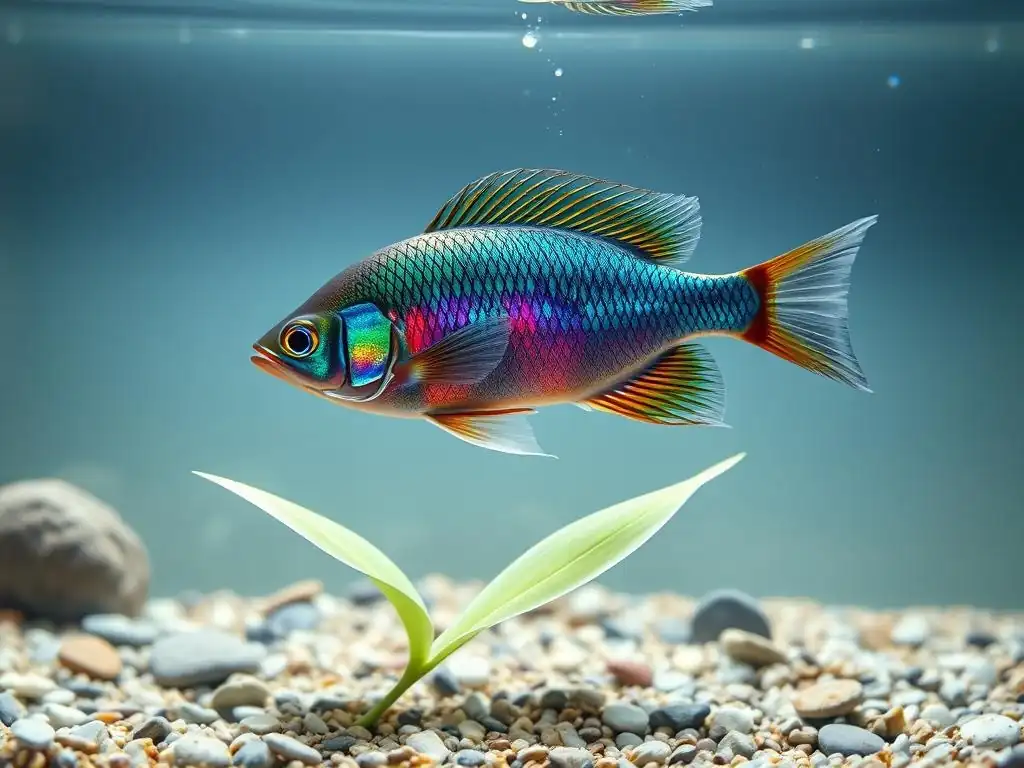
Optimal water quality and tank conditions are fundamental for successful breeding and the healthy development of fry in any line breeding aquarium fish program, especially for livebearers like Swordtails and Variatus. These species thrive in well-maintained freshwater tanks with stable parameters. Maintain a pH between 7.0 and 8.0, and a temperature range of 72-78°F (22-26°C). Regular partial water changes (e.g., 25-30% weekly) are crucial to keep nitrates low and replenish essential minerals.
Provide a well-planted tank with plenty of hiding spots for fry, as adult livebearers will readily consume their young. Fine-leaved plants like Java Moss or floating plants offer excellent cover. A varied diet of high-quality flakes, pellets, and live or frozen foods (like brine shrimp or daphnia) will ensure breeding adults are in prime condition and provide essential nutrients for rapid fry growth. Consistent, clean water and nutritious food are non-negotiable for producing healthy, vigorous offspring from your line breeding efforts.
Step 5: Avoiding Common Mistakes in Line Breeding for Aquarium Fish
Several common pitfalls can derail a line breeding aquarium fish program. One significant mistake is being too aggressive with selection, removing too many fish too quickly, and inadvertently narrowing the gene pool excessively without proper outcrossing. This can lead to inbreeding depression despite careful planning. Aim for a balanced approach, culling only the most undesirable individuals and maintaining a sufficient number of healthy fish to ensure genetic breadth within your chosen line.
Another error is neglecting to introduce new bloodlines (outcrosses) when necessary. While line breeding focuses on specific genes, periodic introductions of healthy, unrelated stock are vital to prevent genetic stagnation and maintain vigor. Failure to keep meticulous records is also a major pitfall, as it makes informed pairing decisions impossible. Finally, not providing optimal environmental conditions or a high-quality diet will compromise the health of your breeding stock and their offspring, regardless of genetic potential.
Comparing Inbreeding and Line Breeding: A Side-by-Side Analysis
Genetic Diversity: How Each Method Impacts the Gene Pool
| Method | Impact on Genetic Diversity
Frequently Asked Questions
What is line breeding in the context of aquarium fish, and how does it differ from inbreeding?
Line breeding is a form of selective breeding that aims to concentrate desirable traits by mating individuals within a family, but avoids extremely close relatives like siblings or parents and offspring. Inbreeding involves mating very closely related individuals, which can increase the risk of genetic defects.
Why would an aquarist choose to practice line breeding with their fish?
Aquarists use line breeding primarily to enhance and stabilize specific traits in their fish, such as color patterns, fin shapes, or body size. By carefully selecting breeding pairs, they can gradually improve the desired characteristics over generations.
What are some potential risks associated with line breeding aquarium fish, and how can they be mitigated?
While less risky than inbreeding, line breeding can still lead to a reduction in genetic diversity. To mitigate this, aquarists should periodically introduce unrelated individuals to the line to prevent the accumulation of harmful recessive genes.
How does water chemistry impact the success of line breeding programs for aquarium fish?
Optimal water chemistry is essential for the health and vitality of breeding fish and their offspring. Maintaining stable and appropriate parameters, like pH, temperature, and hardness, maximizes the chances of successful breeding and healthy fry development.
Where can I find more detailed information on line breeding techniques and best practices for specific aquarium fish species?
AquariumMastery.com offers detailed guides on breeding specific fish species, including information on line breeding techniques and species-specific considerations. Explore our articles organized by species profiles and breeding guides.
The exploration of inbreeding versus line breeding, particularly within the context of aquarium fish, reveals a delicate balance between preserving desired traits and mitigating potential genetic risks. Understanding these crucial differences is more relevant than ever, as hobbyists and breeders alike strive to improve the health, beauty, and resilience of their aquatic companions while avoiding the pitfalls of genetic bottlenecking.
This journey into the world of selective breeding has profoundly shaped, and continues to shape, the aquarium hobby. It underscores the responsibility we bear as custodians of these creatures, urging us to move beyond mere aesthetics and embrace a deeper understanding of genetics and ethical breeding practices. The goal of the breeder is to improve the breed, not just to perpetuate it.
This quote, though often applied to other animals, resonates deeply within the aquarium world, reminding us that responsible breeding is about progress and improvement, not simply replication.
As you consider the information presented, I encourage you to reflect on your own role in the aquarium hobby. Whether you're a seasoned breeder or a curious beginner, remember that knowledge is power. Embrace the principles of responsible line breeding, prioritize genetic diversity, and contribute to a future where aquarium fish thrive, not just survive. Let's cultivate a community that values both beauty and well-being, ensuring the long-term health and vitality of these captivating creatures for generations to come.
Unleash the Potential: Breed Smarter, Not Harder!
Thanks for diving deep into the nuances of inbreeding and line breeding. We hope this article clarified the critical distinctions and armed you with knowledge to enhance your aquarium breeding practices. Now, let's put that knowledge into action!
Here are some steps you can take to level up your breeding game:
- Start charting your lineage: Take the time to meticulously record the lineage of your fish. This will allow you to strategically plan your breeding program and avoid unintentional inbreeding.
- Explore related species: Research other, closely related species or strains that could introduce beneficial genetic diversity into your lines. Consider cautiously introducing new genes through outcrossing to revitalize your population.
- Share your experiences: Join online forums or local aquarium clubs to share your breeding experiences and learn from others' successes and failures.
What specific lineage tracking method will you implement to safeguard the genetic health of your aquatic pets?