
Enticing Picky Gouramis to Eat: Proven Tips and Tricks

Welcome to Aquarium Mastery!
Are you scratching your head trying to figure out why your gourami is being so picky about its food? You're not alone! Unlocking the secrets to enticing even the fussiest gourami to eat can be a real challenge, but we're here to help. Dive in to discover proven tips and tricks to satisfy your gourami's palate and ensure a thriving, healthy aquarium. Let's get started!
- Understanding Picky Gourami Eating Habits
- Proven Strategies to Encourage Feeding in Picky Gouramis
- Specific Feeding Techniques for Gouramis with Poor Appetites
- Overcoming Common Gourami Feeding Challenges
- Preventing Picky Eating Habits in Gouramis: Proactive Measures
- Troubleshooting: When Your Gourami Still Refuses to Eat
-
Frequently Asked Questions
- How can I tell if my gourami is a picky eater?
- What are some common reasons why gouramis become picky eaters?
- What types of food are gouramis most likely to find enticing?
- How can I encourage a picky gourami to accept new foods?
- What water parameters are crucial for keeping gouramis healthy and preventing picky eating?
- Final Reflection: Nurturing the Delicate Gourami
- Unlock Your Gourami's Appetite!
Understanding Picky Gourami Eating Habits
Common Reasons for Gourami Appetite Loss
Gouramis, known for their captivating beauty and unique labyrinth organ, can sometimes exhibit challenging picky gourami eating habits. One of the primary reasons for appetite loss in these fish is stress. New environments, such as being introduced to a new aquarium, can overwhelm them, leading to food refusal for 24 to 48 hours as they acclimate.
Aggressive tank mates that constantly nip or chase can also cause chronic stress, making a gourami too fearful to approach food, resulting in a significant decrease in their feeding drive. Poor water quality, including sudden pH fluctuations (e.g., a drop from 7.0 to 6.0 within a few hours) or elevated ammonia and nitrite levels, directly impacts their health and willingness to eat.
Beyond environmental stress, dietary monotony is a significant contributor to gourami appetite loss. Many gourami species, especially those recently imported or wild-caught, are accustomed to a varied diet of small insects, larvae, and plant matter. If suddenly presented with only a single type of dry flake food, they may simply not recognize it as food or find it unpalatable.
Furthermore, internal parasites or bacterial infections are common culprits behind a sudden refusal to eat. For instance, a gourami infected with parasitic worms might appear emaciated despite offering food, as the parasites are consuming vital nutrients, leading to a profound lack of interest in eating.
Identifying a Picky Eater vs. a Sick Gourami
Distinguishing between a genuinely picky gourami eating habit and a symptom of illness is crucial for appropriate intervention. A picky eater will typically ignore certain types of food (e.g., flakes) but show keen interest or readily consume others (e.g., frozen bloodworms or live brine shrimp). Such a fish usually remains active, exhibits normal swimming patterns, and maintains vibrant coloration. It might approach the food, mouth it, and then spit it out, indicating a preference rather than a complete inability or unwillingness to eat due to discomfort. Observing these selective preferences is key to understanding their finicky nature.
Conversely, a sick gourami will often display a range of other symptoms alongside appetite loss. These can include lethargy, clamped fins, labored or rapid breathing, visible lesions, bloating, abnormal swimming behavior (like darting or rubbing against objects), or significant changes in coloration (e.g., becoming pale or developing dark spots).
If a gourami refuses all types of food for more than 3 days, even highly palatable options, and shows any of the aforementioned physical or behavioral changes, it is highly probable that an underlying health issue is at play. A healthy gourami typically has a slightly rounded belly after feeding, whereas a sick one may appear visibly sunken or emaciated.
The Role of Water Parameters in Gourami Feeding Behavior
Optimal and stable water parameters are paramount for maintaining a healthy gourami appetite and preventing picky gourami eating habits. Gouramis thrive in specific conditions: a temperature range of 75-82°F (24-28°C), a pH between 6.0-7.5 (depending on the specific species, with some preferring slightly acidic water), and crucially, zero ammonia (0 ppm) and zero nitrite (0 ppm). Nitrate levels should ideally be kept below 20 ppm, as higher concentrations can cause chronic stress and suppress appetite. Any significant deviation from these ideal ranges, even for short periods, can induce stress and lead to a gourami refusing food.
For example, a sudden temperature drop of 5°F or more can shock a gourami's system, causing immediate food refusal and lethargy. Similarly, persistent high nitrate levels, even if not immediately lethal, can cause chronic low-level stress that manifests as a lack of interest in food and overall subdued behavior.
Regular partial water changes (e.g., 25% weekly for a moderately stocked tank) are essential to dilute nitrates and replenish essential minerals, thus maintaining the stable, pristine environment that encourages robust feeding behavior. Consistent monitoring with reliable test kits ensures these critical parameters remain within the safe and comfortable range for your gouramis.
Proven Strategies to Encourage Feeding in Picky Gouramis
Offer a Varied Diet to Stimulate Appetite
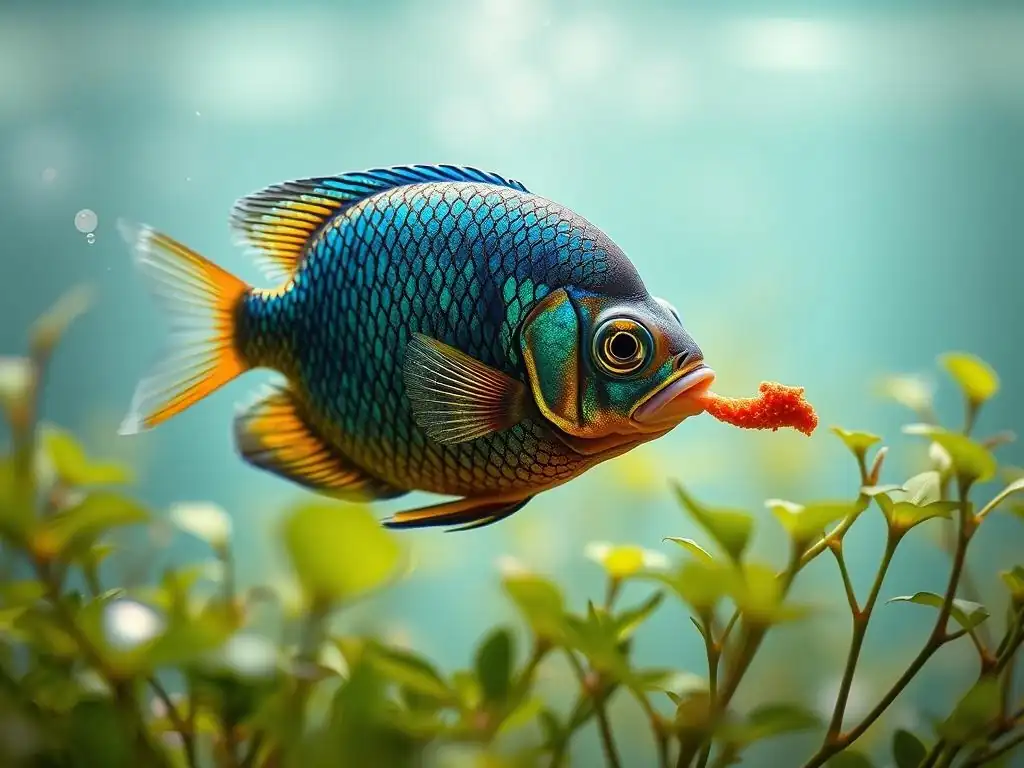
A varied diet is perhaps the most effective strategy to combat picky gourami eating habits and stimulate their appetite. Gouramis are naturally omnivorous, and in their wild habitats, they consume a diverse array of small invertebrates, insect larvae, and some plant matter. Providing a broad spectrum of food types mimics this natural intake, ensuring they receive all necessary nutrients and preventing the nutritional deficiencies that can lead to finicky behavior. The introduction of different textures, scents, and forms of food can trigger a feeding response that a monotonous diet simply cannot.
For instance, a gourami that consistently ignores dry flakes might instantly become active and eager when presented with live blackworms or frozen bloodworms. This is often due to the strong natural scent and movement of these foods, which appeal directly to their predatory instincts. Regularly rotating between different types of food – such as high-quality flakes, small pellets, frozen foods, and occasional live treats – keeps their interest piqued and ensures they are receiving a comprehensive nutritional profile. This proactive approach can significantly reduce the likelihood of gourami appetite issues arising in the first place.
Live Foods: The Irresistible Delicacy for Gouramis
Live foods are often the ultimate solution for enticing a gourami with picky gourami eating habits. Their natural movement and fresh scent are incredibly stimulating, often irresistible even to the most reluctant eaters. Common live foods include blackworms, bloodworms, brine shrimp, and daphnia. For example, a Dwarf Gourami (Trichogaster lalius) that has ignored all commercial foods for days may immediately snap up live blackworms, demonstrating the potent appeal of natural prey. The high protein content and natural enzymes in live foods also contribute to their nutritional value, promoting robust health.
When using live foods, it is crucial to source them from reputable suppliers to minimize the risk of introducing parasites or diseases into your aquarium. Always rinse live foods thoroughly before feeding to remove any potential contaminants. Offer live foods in small portions, as uneaten live food can quickly die and foul the water, leading to further stress for your gourami. While live foods are excellent appetite stimulants, they should be offered as a supplementary treat rather than the sole diet, unless specifically trying to condition a fish for breeding or recovery.
Frozen Foods: A Nutritious Alternative for Gourami Diets
Frozen foods offer a convenient and nutritious alternative to live foods, providing similar palatability without the same risks of disease transmission. Popular frozen options for gouramis include bloodworms, brine shrimp, mysis shrimp, and cyclops. These foods are typically flash-frozen, preserving much of their nutritional content, and many are fortified with vitamins and minerals, enhancing their overall value. For instance, frozen bloodworms are a widely recognized go-to for breaking picky gourami eating habits due to their scent and texture.
Before feeding, frozen foods should always be thawed thoroughly in a small amount of tank water. Never add frozen food directly to the aquarium, as it can cause temperature shock and severe digestive issues. Only feed what your gourami can consume within a few minutes to prevent uneaten food from decaying and impacting water quality. Thawed portions should not be refrozen. Offering a variety of frozen foods on a rotating basis helps ensure a balanced diet and keeps the gourami engaged and interested in feeding.
High-Quality Flake and Pellet Foods: Selecting the Right Formula
While live and frozen foods are excellent for stimulating appetite, high-quality flake and pellet foods should form the staple of a gourami's diet. When selecting these, prioritize brands that list fish meal or other animal proteins as the primary ingredients, with crude protein content often ranging from 40-50%. Avoid foods with excessive fillers or artificial colors. Look for formulas that include spirulina or other plant-based ingredients, as gouramis also benefit from vegetable matter in their diet. Reputable brands such as Hikari, Omega One, or New Life Spectrum often provide well-balanced formulas suitable for gouramis.
Consider the size and form of the food relative to your gourami's mouth. Smaller gouramis like Honey Gouramis (Trichogaster chuna) will benefit from finely crushed flakes or micro pellets, while larger species like Pearl Gouramis (Trichopodus leerii) can handle slightly larger flakes or small sinking pellets. Some gouramis prefer food that floats, while others, particularly those that forage near the bottom, might prefer slow-sinking options. Experimenting with a few different high-quality brands and types can help you find a formula that your specific gourami readily accepts, overcoming common picky gourami eating habits.
Optimizing the Feeding Environment for Gouramis
Reducing Stress to Improve Gourami Appetite
Gouramis are generally shy and easily stressed, and a calm, secure environment is fundamental to encouraging a healthy gourami appetite. Providing ample hiding spots, such as dense live or artificial plants, driftwood, and rock caves, allows them to retreat and feel safe. An overcrowded tank or the presence of aggressive tank mates (like certain barbs or cichlids) can lead to constant stress, making a gourami too timid to feed. For example, a Pearl Gourami housed with boisterous Tiger Barbs might spend most of its time hiding, leading to chronic food refusal.
Maintaining stable water parameters and avoiding sudden, drastic changes in tank conditions (e.g., large temperature swings or sudden bright light exposure) also significantly reduces stress. A predictable routine, including consistent feeding times and regular, but not disruptive, tank maintenance, contributes to a sense of security. When a gourami feels safe and unthreatened, it is far more likely to emerge and readily accept food, effectively countering picky gourami eating habits rooted in environmental anxiety.
Minimizing Tank Mate Competition During Feeding
Gouramis are often slow and deliberate eaters, making them vulnerable to competition from faster or more aggressive tank mates. In a community aquarium, swift-moving fish like many tetra species or active barbs can quickly consume all the food before a gourami even has a chance to approach. This constant competition can lead to a gourami becoming underfed and further developing picky gourami eating habits out of sheer frustration or fear.
To mitigate this, consider target feeding your gourami using a long pipette or turkey baster, delivering food directly to its vicinity. Alternatively, you can feed the more boisterous tank mates first with a small portion of their food, then introduce the gourami's preferred food to a different area of the tank. Some aquarists even scatter food at multiple points simultaneously to ensure all fish have access. Observing your specific gourami's feeding behavior in relation to its tank mates will help you tailor the best strategy to ensure it gets enough to eat.
Adjusting Lighting Conditions for Gourami Feeding
Lighting conditions can significantly influence a gourami's willingness to feed. Many gourami species, particularly those from densely vegetated or murky natural habitats, prefer subdued lighting. Bright, direct illumination can make them feel exposed and vulnerable, leading them to hide or remain inactive, consequently inhibiting their feeding response. This can exacerbate picky gourami eating habits as they may not feel secure enough to come out and eat.
Consider dimming the tank lights or even turning them off entirely for 10-15 minutes before and during feeding. This can encourage shy gouramis to emerge and feed more comfortably. Alternatively, feeding during twilight hours (just after the lights come on in the morning or just before they turn off at night) can mimic natural feeding times when many fish are more active and feel less exposed. Observe your gourami's behavior; if it consistently hides when the lights are bright, adjusting the illumination during feeding times might be a simple yet effective solution.
Dietary Supplements to Enhance Gourami Health and Appetite
Garlic-Enriched Foods: A Natural Appetite Stimulant
Garlic has long been recognized in the aquarium hobby as a natural appetite stimulant for a wide variety of fish, including gouramis. Its strong, appealing scent and flavor are believed to entice reluctant eaters, making otherwise ignored foods more palatable. Many high-quality commercial fish foods now incorporate garlic directly into their formulas, leveraging its known benefits. These pre-prepared garlic-enriched foods are an excellent starting point for addressing picky gourami eating habits.
For a more direct approach, you can prepare your own garlic-enhanced food. Obtain pure, aquarium-safe garlic extract (available at most pet stores) and soak your gourami's regular flakes, pellets, or even thawed frozen foods in a few drops of the extract for 10-15 minutes before feeding. This simple technique can significantly improve the appeal of the food, often prompting even the most stubborn gouramis to take an interest and begin eating. Always use garlic extract specifically formulated for fish, as human-grade garlic products may contain additives harmful to fish.
Vitamin Supplements for Gourami Nutrition
Vitamin deficiencies can lead to a host of health problems in fish, including lethargy, weakened immune systems, and, critically, a diminished appetite. Essential vitamins like B vitamins (crucial for metabolism and energy) and Vitamin C (an antioxidant vital for immune function and stress reduction) are particularly important for gourami health. If a gourami is not eating a varied diet, it may develop deficiencies that further contribute to its picky gourami eating habits.
Liquid vitamin supplements designed for aquarium use can be highly beneficial. While some can be added directly to the tank water, a more effective method is to soak dry or thawed frozen foods in the supplement solution for a few minutes before feeding. This ensures that the vitamins are directly ingested by the fish. For example, adding 2-3 drops of a high-quality liquid vitamin supplement to a thawed cube of frozen bloodworms before offering them can significantly boost their nutritional value and help restore a gourami's vigor and appetite over time.
Specific Feeding Techniques for Gouramis with Poor Appetites
Target Feeding: Ensuring Your Gourami Gets Enough Food
Target feeding is an invaluable technique for gouramis with picky gourami eating habits or those that are shy and easily outcompeted by tank mates. This method involves using a long, slender tool, such as a pipette, turkey baster, or even specialized feeding tongs, to deliver food directly to the gourami's vicinity. This ensures that the specific fish you are concerned about receives food, rather than it being scattered and consumed by other, more assertive tank inhabitants.
The benefits of target feeding are numerous. It minimizes waste, as food is placed precisely where it is needed, reducing the likelihood of uneaten particles decaying and fouling the water. More importantly, it allows for direct observation of the gourami's intake, enabling you to confirm whether it is actually eating and how much. For a gourami that is hesitant to feed in open water, presenting food directly and gently can reduce stress and encourage it to take a bite, slowly rebuilding its confidence in feeding.
Small, Frequent Meals: Mimicking Natural Feeding Patterns
In their natural environments, many fish, including gouramis, are not accustomed to consuming one large meal per day. Instead, they typically graze on small prey and plant matter throughout the day. Mimicking this natural feeding pattern by offering small, frequent meals can significantly benefit gouramis with poor appetites. Instead of one large feeding, consider providing 2-3 very small meals spread throughout the day, perhaps every 4-6 hours during daylight hours.
This approach has several advantages. It keeps the gourami interested and encourages more consistent feeding behavior, as they are never overwhelmed by a large quantity of food. It also reduces the metabolic stress that can come from processing a single, large meal. Furthermore, offering smaller portions at a time helps maintain better water quality by minimizing the amount of uneaten food that can decompose and release harmful compounds. This consistent, low-stress feeding schedule can often help overcome picky gourami eating habits by aligning with their natural instincts.
Using Feeding Rings: Controlling Food Dispersion
Feeding rings are simple, floating plastic rings that confine flake or pellet food to a specific area on the water's surface. While seemingly basic, they can be incredibly effective tools for gouramis, especially those that are slow eaters or exhibit picky gourami eating habits. When food is scattered across the entire surface, it can quickly be carried away by filter currents or consumed by faster-moving tank mates before the gourami has a chance to feed.
By using a feeding ring, food is kept in a concentrated area, allowing the gourami to approach at its leisure without the food drifting out of reach. This provides a more predictable and less competitive feeding zone. It also allows you to observe whether your gourami is actually eating the food placed within the ring. For particularly shy gouramis, placing the feeding ring near a favorite hiding spot can encourage them to venture out and feed more comfortably, knowing their meal will remain accessible.
Overcoming Common Gourami Feeding Challenges
Dealing with Newly Introduced Gouramis and Feeding
Newly introduced gouramis often present a unique feeding challenge. The stress of capture, transport, and acclimation to a new environment can cause them to refuse food for several days. It's not uncommon for a healthy gourami to go without eating for 1-3 days after being introduced to a new tank. During this period, it is crucial to minimize further stress. Keep the tank lights dim, provide plenty of hiding spots, and ensure water parameters are pristine and stable.
Avoid the temptation to overfeed during this initial period, as uneaten food will quickly degrade water quality, adding to the gourami's stress. After 24-48 hours, offer a very small amount of highly palatable food, such as live or frozen bloodworms, or high-quality garlic-enriched flakes. Place it gently near where the gourami is hiding. Patience is key; most healthy gouramis will eventually start eating once they feel secure in their new surroundings. If refusal persists beyond 3-5 days, it may indicate underlying health issues or extreme stress.
Addressing Food Rejection in Gouramis
When a gourami consistently rejects a specific type of food, it's a clear sign of picky gourami eating habits. The first step is to rotate through various food types daily. If flakes are refused, try small pellets, then move to thawed frozen foods like brine shrimp or bloodworms, and finally, consider live foods if necessary. Sometimes, a gourami simply has a strong preference for a particular texture, size, or scent, and finding that preferred food is critical.
If the gourami is eating something, even if it's only one type of food, ensure that particular food is nutritionally complete. Once they are consistently eating their preferred food, you can gradually introduce tiny amounts of new foods by mixing them with the accepted food. For instance, sprinkle a few new flakes into a portion of their favored frozen bloodworms. Over time, the gourami may become accustomed to the new food. Persistence and variety are the cornerstones of overcoming consistent food rejection.
Recognizing and Treating Underlying Health Issues Affecting Appetite
If all environmental and dietary adjustments fail, and your gourami continues to refuse food or shows other symptoms, it's highly probable that an underlying health issue is affecting its appetite. Beyond initial stress or pickiness, persistent food refusal (lasting more than 5-7 days) coupled with other signs like lethargy, odd swimming patterns, discoloration, clamped fins, bloating, or visible lesions (e.g., fin rot, white spots) warrants immediate investigation.
Common health issues that suppress appetite in gouramis include internal parasites (such as Hexamita, which can cause white stringy feces and emaciation), bacterial infections, or even fungal issues. For example, a gourami with an advanced internal bacterial infection might exhibit a sunken belly despite attempts to feed it, alongside labored breathing. Early diagnosis and appropriate treatment are crucial. This may involve specific medications (e.g., metronidazole for Hexamita, broad-spectrum antibiotics for bacterial infections), often administered in a hospital tank to avoid treating the entire display aquarium.
Preventing Picky Eating Habits in Gouramis: Proactive Measures
Starting with a Healthy Gourami: Selecting a Good Specimen
The journey to preventing picky gourami eating habits begins before you even bring the fish home. When selecting a gourami at your local fish store, take the time to observe the specimens carefully. Choose fish that are active, alert, and swimming freely. Look for clear eyes, intact fins without any tears or fraying, and vibrant coloration. Crucially, check for a full, rounded belly, which indicates the fish has been eating well. Avoid any gouramis that appear lethargic, are hiding excessively, have clamped fins, or exhibit a sunken or emaciated appearance.
Before purchase, inquire about the store's feeding regimen for their gouramis. Replicating that diet initially at home can significantly ease the transition and reduce stress, thereby preventing immediate food refusal. A healthy, well-nourished gourami from a reputable source is far less likely to develop picky gourami eating habits than one that is already stressed or malnourished upon arrival. This proactive selection process lays a strong foundation for a thriving, well-fed fish.
Establishing a Consistent Feeding Routine
Establishing and adhering to a consistent feeding routine is a simple yet highly effective measure to prevent picky gourami eating habits. Fish, like many animals, thrive on predictability. Feeding your gouramis at the same time(s) each day helps them anticipate meals, reduces stress, and encourages a more robust feeding response. For instance, feeding once in the morning and once in the evening, around the same hours each day, allows your gourami to learn and expect food.
This consistency also enables you to more easily monitor your gourami's appetite. If a fish that usually eagerly feeds at 8 AM suddenly shows no interest, it's a clear early warning sign that something might be amiss, allowing for quicker intervention. A routine also helps prevent overfeeding by discouraging the habit of constantly dropping food in the tank "just in case" the fish is hungry, which can lead to water quality issues.
Maintaining Optimal Water Quality for Gourami Health
Maintaining optimal and stable water quality is arguably the most critical proactive measure to ensure gourami health and prevent picky gourami eating habits. Poor water conditions are a leading cause of stress, illness, and appetite loss in aquarium fish. Regular partial water changes (e.g., 20-30% weekly) are essential to dilute accumulated nitrates, replenish essential minerals, and remove organic waste.
It is imperative to regularly test your aquarium water parameters, including ammonia, nitrite, nitrate, pH, and temperature, using reliable test kits. Ammonia and nitrite should always be at 0 ppm. Nitrates should be kept below 20 ppm. Stable pH and temperature within the species' preferred range are also vital. A clean, stable, and healthy aquatic environment minimizes stress on your gourami's immune system, making them less susceptible to illness and far more likely to maintain a consistent and healthy appetite.
Troubleshooting: When Your Gourami Still Refuses to Eat
Consulting an Experienced Aquarist or Veterinarian
If, despite implementing all the strategies discussed – offering a varied diet, optimizing the environment, using supplements, and employing specific feeding techniques – your gourami persistently refuses to eat for more than 5-7 days, or if its condition appears to be worsening, it's time to seek professional assistance. An experienced aquarist, whether at a reputable local fish store or within an online community, might be able to spot subtle signs or suggest solutions based on their extensive practical knowledge that you may have overlooked.
For more severe or persistent cases, especially if other symptoms of illness are present, consulting an aquatic veterinarian is the best course of action. An aquatic vet can perform a thorough examination, potentially conduct diagnostic tests (like skin scrapes, fin clips, or even fecal analysis), and accurately diagnose specific diseases that are beyond the scope of home remedies. They can then prescribe targeted medications or treatments, offering the best chance for your gourami's recovery.
Reviewing Water Parameters and Tank Conditions
When a gourami continues to refuse food, a meticulous review of all water parameters and tank conditions is absolutely essential, even if you believe they are fine. Sometimes, test kits can expire or become inaccurate, leading to false readings. Re-test ammonia, nitrite, nitrate, pH, and temperature with a fresh, reliable kit. Consider having your water tested at a local fish store for a second opinion. Check the functionality of your filter to ensure it's providing adequate mechanical and biological filtration, and confirm your heater is maintaining a stable temperature.
Beyond parameters, re-evaluate the tank environment itself. Is there enough cover for your gourami to feel secure? Are any tank mates exhibiting aggression, even subtly? Is the lighting too bright? Even minor, persistent stressors can contribute to picky gourami eating habits and overall poor health. As a last resort, if all parameters appear fine but the fish is still refusing food, a large water change (e.g., 50%) with temperature-matched, dechlorinated water can sometimes act as a "reset" for the tank environment, potentially alleviating an unknown irritant.
Considering Potential Medications or Treatments
If a thorough review of environmental factors and diet yields no improvement, and especially if other symptoms of illness are present, it may be necessary to consider medications or other treatments. However, it is crucial to exercise caution and avoid blindly using broad-spectrum medications. Indiscriminate use of medications can sometimes do more harm than good, especially if the underlying issue is not bacterial or parasitic, or if the fish is already weakened.
Ideally, medication should only be administered if a specific disease is suspected or, even better, confirmed by a professional diagnosis. For instance, if internal parasites are suspected due to emaciation and white stringy feces, an anti-parasitic medication might be appropriate. If possible, isolate the sick gourami in a dedicated hospital tank for treatment. This prevents unnecessary exposure of other tank inhabitants to medication and allows for more precise dosing and observation. Always follow dosage instructions precisely and complete the full course of treatment, even if symptoms improve quickly.
Frequently Asked Questions
How can I tell if my gourami is a picky eater?
A picky gourami will often refuse common aquarium foods and may only show interest in specific types of food. They might also spit out food or ignore it completely.
What are some common reasons why gouramis become picky eaters?
Stress from poor water quality, incompatible tank mates, or a lack of suitable hiding places can cause gouramis to become picky. They may also be suffering from illness or simply prefer a particular diet.
What types of food are gouramis most likely to find enticing?
Gouramis often enjoy live foods such as bloodworms, daphnia, and brine shrimp. They may also be tempted by high-quality frozen foods or slowly sinking granules.
How can I encourage a picky gourami to accept new foods?
Try offering small amounts of different foods to identify preferences. Soaking food in garlic juice can sometimes entice them. Vary the diet regularly to prevent boredom.
What water parameters are crucial for keeping gouramis healthy and preventing picky eating?
Maintain stable water parameters with a pH between 6.0 and 7.5, ammonia and nitrite levels at 0 ppm, and nitrate levels below 20 ppm. Ensure proper filtration and regular water changes to promote a healthy environment.
Final Reflection: Nurturing the Delicate Gourami
The journey to understanding and addressing picky gourami eating habits is more than just a practical guide; it's a testament to our dedication as aquarists to provide the best possible care for these fascinating creatures. The tips and tricks outlined in this article are not merely solutions to a problem, but rather a pathway to strengthening the bond between us and the delicate gouramis we welcome into our aquatic homes.
This exploration into the gourami's finicky palate has profoundly influenced my own approach to fishkeeping, highlighting the importance of observational skills and a willingness to adapt to the individual needs of each animal. It reminds us that responsible aquarism extends beyond simply providing food and shelter; it requires empathy and a deep understanding of the unique biological and behavioral characteristics of our aquatic companions. The greatness of a nation and its moral progress can be judged by the way its animals are treated.
- Mahatma Gandhi. This quote, though broad, resonates deeply when considering the responsibility we undertake in caring for any living being, especially those dependent on us for their well-being.
Now, as you close this article, I invite you to reflect on your own practices. Consider how you can further refine your approach to feeding your gouramis, and indeed, all your aquatic inhabitants. Let this be a starting point for a deeper understanding, a more compassionate approach, and a renewed commitment to providing the best possible life for these captivating creatures. Let's strive to be not just keepers, but true guardians of their well-being.
Unlock Your Gourami's Appetite!
Thanks for diving into the world of gourami feeding! We hope these tips have given you the confidence to address your gourami's picky eating habits. Now, let's put that knowledge into action!
Here are a few things you can do right now:
- Introduce a new, enticing food to your gourami's diet this week. Experiment with live, frozen, or high-quality flake foods to see what sparks their interest.
- Share this article with other gourami keepers and compare feeding strategies to find even more creative solutions.
- Monitor your gourami's feeding behavior closely for the next few days. Can you identify a specific time of day when they are more receptive to eating?
What's one new food you're excited to try with your gourami, and why do you think it will work?