
Coral Beauty Angelfish: The Perfect Beginner's Dwarf Angel? InDepth Profile

Welcome to Aquarium Mastery!
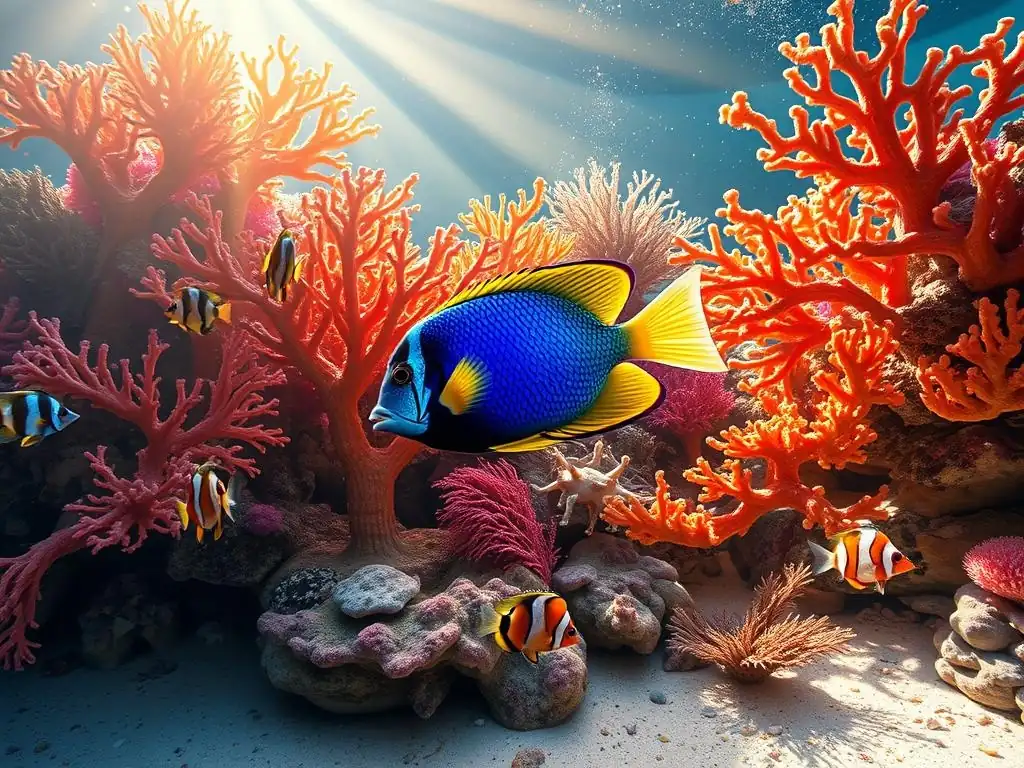
Ever been captivated by the vibrant hues of a Coral Beauty Angelfish? These stunning dwarf angels are a popular choice for saltwater aquarists, but are they truly the perfect beginner fish? Dive in to our in-depth profile and discover everything you need to know about Coral Beauty Angelfish care, from their ideal tank environment to potential challenges. Prepare to unlock the secrets to keeping these beauties thriving in your own slice of the ocean!
- Introduction to the Coral Beauty Angelfish
- Coral Beauty Angelfish Care: Essential Guidelines
- Coral Beauty Angelfish Diet and Feeding
- Coral Beauty Angelfish Temperament and Tank Mates
- Coral Beauty Angelfish: Reef Safe or Reef Nuisance?
- Identifying and Treating Common Coral Beauty Angelfish Diseases
- Coral Beauty Angelfish vs. Other Dwarf Angelfish Species
- Purchasing and Acclimation of Coral Beauty Angelfish
- Breeding Coral Beauty Angelfish: Is it Possible?
- Advanced Coral Beauty Angelfish Care Tips
- Conclusion: Is the Coral Beauty Angelfish the Ideal Dwarf Angel for Beginners?
-
Frequently Asked Questions
- What are the key considerations for Coral Beauty Angelfish water parameters?
- What is the recommended tank size for a Coral Beauty Angelfish?
- What type of diet does a Coral Beauty Angelfish require?
- Are Coral Beauty Angelfish reef safe?
- What are some common health issues affecting Coral Beauty Angelfish?
- Final Reflection: Embracing the Delicate Beauty of the Reef
- Unlock the Vibrant Reef Keeper in You!
Introduction to the Coral Beauty Angelfish
What Makes the Coral Beauty Angelfish a Popular Choice?
The Coral Beauty Angelfish, Centropyge bispinosa, stands out as one of the most widely recognized and sought-after dwarf angelfish in the saltwater aquarium hobby. Its striking coloration, featuring a deep blue body transitioning to vibrant orange or reddish-yellow on the flanks and fins, often with iridescent purple highlights, makes it an undeniable focal point in any tank. Beyond its aesthetic appeal, its relatively small adult size, typically reaching about 3 to 4 inches (7.5 to 10 cm), makes it suitable for a broader range of aquarium sizes compared to their larger angelfish relatives.
Beyond their captivating appearance, Coral Beauty Angelfish are generally known for their hardiness and adaptability once acclimated to a stable environment. They are active swimmers, constantly exploring the live rock and open water, adding dynamic movement to the aquarium. Their widespread availability in the aquarium trade, often at a more accessible price point than some other rare Centropyge species, further contributes to their popularity among both novice and experienced aquarists looking to expand their marine collection with a robust and beautiful specimen.
Is the Coral Beauty Angelfish Right for Your Saltwater Aquarium?
Deciding if a Coral Beauty Angelfish is the right fit for your saltwater aquarium involves careful consideration of your tank's maturity, size, and existing inhabitants. These fish thrive in established systems with stable water parameters and plenty of live rock for grazing and hiding. A minimum tank size of 70 gallons is generally recommended for a single specimen to provide adequate swimming space and reduce potential aggression, especially if other fish are present.
While often touted as a "beginner-friendly" dwarf angelfish, potential aquarists must be prepared for the specific Coral beauty angelfish care requirements, particularly regarding water quality and diet. They are generally peaceful but can display territorial behavior, especially towards similar-looking or shaped fish. Furthermore, their "reef-safe with caution" status means they may occasionally nip at certain corals, a factor that should influence your decision if you plan to keep a delicate reef system. Understanding these nuances is key to a successful long-term experience with this beautiful species.
Coral Beauty Angelfish Care: Essential Guidelines
Understanding Coral Beauty Angelfish Requirements
Effective Coral beauty angelfish care begins with a thorough understanding of their fundamental needs to ensure their long-term health and vibrancy. These dwarf angelfish require a well-established marine aquarium that has completed its nitrogen cycle, providing stable water chemistry. They are omnivores, with a significant portion of their natural diet consisting of algae and small invertebrates grazed from live rock. Therefore, a tank with ample live rock is not just for aesthetics and hiding spots but also serves as a crucial food source and enrichment.
Beyond their dietary and environmental needs, Coral Beauty Angelfish benefit greatly from consistent observation. Monitoring their behavior, appetite, and physical appearance daily can help identify potential health issues early, allowing for prompt intervention. Stress reduction, achieved through appropriate tank mates, adequate space, and stable conditions, is also a cornerstone of proper Coral beauty angelfish care, as stress can weaken their immune system and make them susceptible to disease.
Tank Size and Setup for Coral Beauty Angelfish
For a single Coral Beauty Angelfish, a minimum tank size of 70 gallons (approximately 265 liters) is recommended. While some sources might suggest smaller tanks, a 70-gallon setup provides sufficient swimming room, helps maintain more stable water parameters, and reduces the likelihood of territorial disputes, especially in a community tank. For multiple dwarf angelfish or a more diverse community, a tank of 100 gallons or larger would be more appropriate to mitigate aggression.
The ideal tank setup for a Coral Beauty Angelfish should mimic their natural reef environment. This includes an abundance of live rock structured to create numerous caves, crevices, and hiding spots. These provide security and allow the fish to establish territories. Open swimming areas are also essential for their active nature. A sand bed, efficient filtration (including protein skimming), and moderate water flow will contribute to a healthy and thriving habitat, which are critical elements of comprehensive Coral beauty angelfish care.
Water Parameters for Optimal Coral Beauty Angelfish Health
Maintaining stable and appropriate water parameters is paramount for the health and longevity of Coral Beauty Angelfish. They thrive within a narrow range, and consistency is often more important than hitting exact numbers. The recommended temperature range is 72-78°F (22-26°C), with a specific gravity (salinity) between 1.020 and 1.025. The pH level should be maintained between 8.1 and 8.4, typical for a healthy marine environment.
Beyond these primary parameters, it is crucial to keep ammonia and nitrite levels at zero (0 ppm), as even trace amounts can be highly toxic. Nitrate levels should be kept as low as possible, ideally below 20 ppm, through regular water changes and efficient filtration. Weekly testing of these parameters is a vital component of routine Coral beauty angelfish care, allowing aquarists to identify and correct any fluctuations before they impact the fish's well-being. A 10-20% weekly or bi-weekly water change regimen is typically sufficient to maintain pristine conditions.
Coral Beauty Angelfish Diet and Feeding
What Do Coral Beauty Angelfish Eat in the Wild?
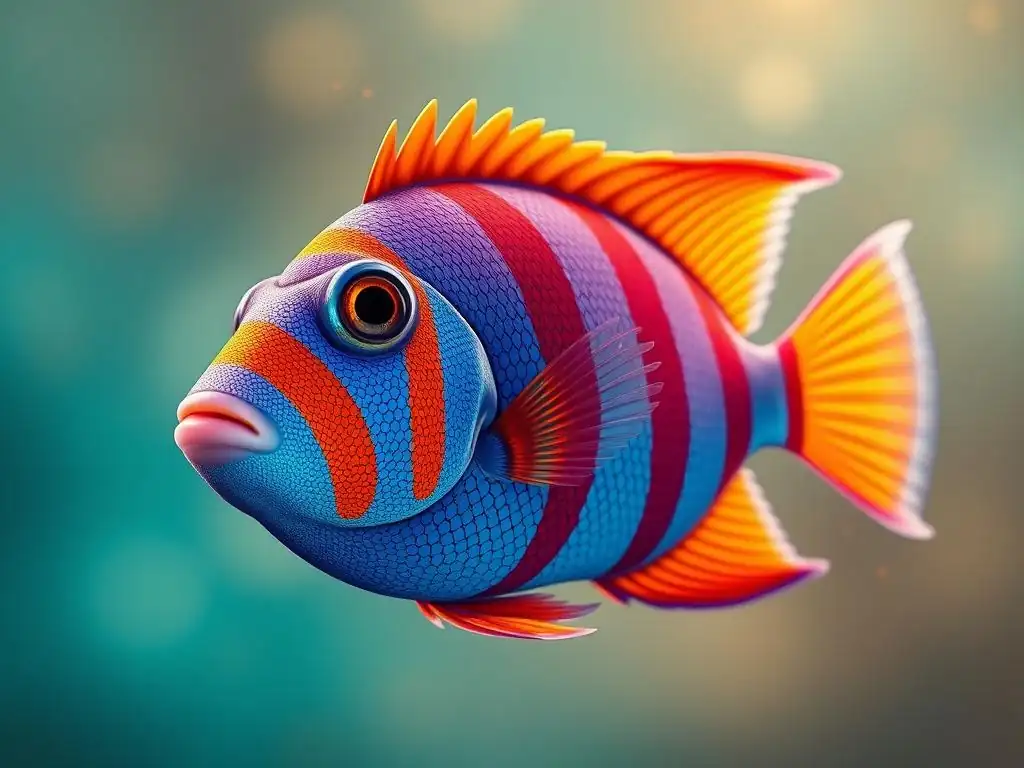
In their natural habitat across the Indo-Pacific, Coral Beauty Angelfish are opportunistic omnivores, primarily grazing on various types of algae that grow on live rock and coral. Their diet also includes detritus, small crustaceans, and other minute invertebrates they discover while foraging. This constant grazing activity is vital not only for their nutritional intake but also for their natural behavior and the health of their digestive system.
This natural diet provides them with the essential nutrients and pigments that contribute to their vibrant colors and overall health. Understanding their wild feeding habits is crucial for replicating a suitable diet in captivity, emphasizing the need for a varied diet rich in both vegetable matter and protein. Mimicking this natural grazing behavior by providing ample live rock and frequent, small feedings is a key aspect of successful Coral beauty angelfish care.
Best Food Choices for Captive Coral Beauty Angelfish
For captive Coral Beauty Angelfish, a diverse and high-quality diet is essential to mimic their natural foraging habits and ensure optimal health and coloration. A cornerstone of their diet should be marine-based flake and pellet foods specifically formulated for angelfish, ideally those that contain spirulina or other algae. Supplementing with frozen foods such as mysis shrimp, brine shrimp (enriched), and finely chopped marine algae or nori sheets is highly recommended.
Offering a variety of foods ensures they receive a full spectrum of nutrients, including essential vitamins and minerals. For instance, foods rich in astaxanthin can help maintain their vibrant orange and blue hues. Some aquarists also offer blanched spinach or broccoli as occasional treats. Providing a balanced diet is perhaps one of the most impactful aspects of Coral beauty angelfish care, directly influencing their immunity, energy levels, and overall longevity.
Feeding Schedule and Techniques for Healthy Growth
To promote healthy growth and maintain pristine water quality, it is best to feed Coral Beauty Angelfish two to three times per day in small quantities. This approach prevents overfeeding, which can lead to uneaten food decaying and fouling the water, thereby contributing to elevated nitrate levels and potentially harmful algae blooms. Each feeding should be consumed within a few minutes, indicating that the amount offered is appropriate.
Observe your Coral Beauty Angelfish during feeding times to ensure it is actively eating and not being outcompeted by more aggressive tank mates. If the fish appears shy or hesitant, scattering food in multiple locations or using a feeding clip for nori can encourage it to eat. Consistency in the feeding schedule and offering varied foods not only satisfies their nutritional needs but also contributes to their overall well-being and active behavior, reinforcing excellent Coral beauty angelfish care practices.
Coral Beauty Angelfish Temperament and Tank Mates
Understanding Coral Beauty Angelfish Behavior
The Coral Beauty Angelfish generally exhibits a peaceful temperament, making it a desirable addition to many community saltwater aquariums. However, like many angelfish species, they can display territorial tendencies, especially in smaller tanks or towards fish that are similar in shape or coloration. They are known to establish a territory among the live rock and may chase away perceived intruders, though serious aggression resulting in injury is uncommon.
When first introduced to an aquarium, Coral Beauties may be shy and spend a lot of time hiding in the rockwork. Once they acclimate to their new surroundings, they typically become more bold and active, constantly exploring the tank and grazing on algae. Their active swimming and curious nature contribute significantly to the dynamic appeal of a marine setup. Understanding these behavioral patterns is crucial for successful Coral beauty angelfish care and ensuring a harmonious tank environment.
Suitable Tank Mates for Coral Beauty Angelfish
Choosing appropriate tank mates for a Coral Beauty Angelfish is vital for a peaceful aquarium environment. Ideal companions are generally peaceful to semi-aggressive species that are not overly large or predatory. Good choices often include clownfish, gobies, blennies, chromis, cardinalfish, and certain wrasses. These species typically occupy different niches within the tank and are less likely to trigger the angelfish's territorial instincts.
When introducing new fish, it is often advisable to add the Coral Beauty Angelfish last, or introduce all fish simultaneously, to minimize territorial disputes. Ensuring the tank is adequately sized (70 gallons minimum for a single specimen) also helps reduce aggression by providing ample space for all inhabitants. Thoughtful selection of tank mates is a key aspect of comprehensive Coral beauty angelfish care, preventing stress and promoting the well-being of all fish.
Fish to Avoid Housing with Coral Beauty Angelfish
While generally peaceful, certain fish species are not suitable tank mates for Coral Beauty Angelfish. The most critical avoidance is housing them with other dwarf angelfish species unless the tank is exceptionally large (100+ gallons) and offers abundant hiding spots. Even then, aggression between Centropyge species, particularly those of similar size or coloration, is highly probable and can lead to stress, injury, or even death.
Additionally, avoid very large, aggressive, or predatory fish that could intimidate or prey upon the smaller Coral Beauty. Conversely, extremely timid or delicate species might be stressed or outcompeted for food by the more assertive angelfish. Examples of fish to generally avoid include large predatory groupers, lionfish, or very delicate pipefish. Careful consideration of potential interactions is a fundamental part of responsible Coral beauty angelfish care and tank planning.
Coral Beauty Angelfish: Reef Safe or Reef Nuisance?
Assessing the Reef Compatibility of Coral Beauty Angelfish
The reef compatibility of the Coral Beauty Angelfish is a topic of frequent discussion among aquarists, and it is best described as "reef safe with caution." While many individuals coexist peacefully in reef tanks, there is an inherent risk that they may nip at stony corals (both Small Polyp Stony, SPS, and Large Polyp Stony, LPS) and clam mantles. This behavior is often attributed to their natural grazing instincts, as corals can sometimes resemble the algae they forage on in the wild.
It's important to note that individual temperament plays a significant role; one Coral Beauty might be a perfect reef citizen, while another might develop a taste for expensive corals. They are generally less likely to bother soft corals or polyps, but exceptions exist. Thorough research and understanding this potential risk are crucial before introducing a Coral Beauty into a heavily invested reef system, making it a critical aspect of Coral beauty angelfish care for reef enthusiasts.
How to Minimize Reef Damage from Coral Beauty Angelfish
While there's no guaranteed method to make a Coral Beauty Angelfish 100% reef safe, several strategies can significantly minimize the risk of coral nipping. Firstly, ensure the fish is well-fed with a varied diet rich in spirulina and other vegetable matter. A hungry angelfish is more likely to seek alternative food sources, including corals. Providing ample live rock for natural grazing opportunities also helps satisfy their foraging instincts.
Secondly, introduce the angelfish into an established tank with healthy, robust corals. Stressed or unhealthy corals may be more susceptible to nipping. Closely observe the fish's behavior for the first few weeks after introduction. If nipping occurs, it's often directed at specific corals. In such cases, trying to increase feeding frequency or offer more varied veggie matter can help. If the nipping persists and becomes problematic, removing the angelfish may be the only solution to protect your corals, highlighting a delicate balance in Coral beauty angelfish care.
Alternative Reef-Safe Dwarf Angelfish Options
For aquarists prioritizing absolute reef safety, there are alternative dwarf angelfish species that are generally considered more reliable, though no angelfish is entirely without risk. The Flame Angelfish ( Centropyge loriculus) is often considered slightly more reef-safe than the Coral Beauty, though it too can occasionally nip. Similarly, the Lemonpeel Angelfish ( Centropyge flavissima) shares a similar "caution" status.
Other species like the Fisher's Angelfish ( Centropyge fisheri) or the Cherub Angelfish ( Centropyge argi) are often cited as having a better track record for reef compatibility, particularly with stony corals. However, their availability might be more limited, and their care requirements can vary. Regardless of the species chosen, continuous observation and providing an enriched environment with a diverse diet are fundamental aspects of responsible Coral beauty angelfish care in a reef setting.
Identifying and Treating Common Coral Beauty Angelfish Diseases
Recognizing Signs of Illness in Coral Beauty Angelfish
Early detection of illness is paramount for successful treatment and forms a critical part of diligent Coral beauty angelfish care. Healthy Coral Beauties are active, alert, and display vibrant coloration. Signs of illness can include clamped fins, indicating stress or discomfort, and labored or rapid breathing, which might suggest gill parasites or poor water quality. White spots on the body and fins often point to marine ich ( Cryptocaryon irritans), while a dusty, gold-like appearance may indicate velvet ( Amyloodinium ocellatum).
Other warning signs include cloudy eyes, fin rot (frayed or decaying fins), physical lesions or sores, and a general loss of appetite or lethargy. A noticeable fading of their characteristic bright colors can also be an indicator of stress or disease. Daily observation of your Coral Beauty Angelfish's behavior and appearance allows for prompt identification of these symptoms, enabling timely intervention and improving the chances of recovery.
Common Diseases Affecting Coral Beauty Angelfish
Coral Beauty Angelfish, like most marine fish, are susceptible to common saltwater diseases, primarily when stressed or introduced into an unstable environment. Marine ich ( Cryptocaryon irritans) is arguably the most prevalent parasitic infection, characterized by visible white spots resembling grains of salt on the fish's body and fins. Another common parasite is marine velvet ( Amyloodinium ocellatum), which appears as a fine, dusty coating and often causes rapid breathing.
Bacterial infections, such as fin rot or cloudy eye, can also occur, often as secondary infections to physical injury or prolonged stress from poor water quality. While less common, fungal infections can manifest, typically appearing as cotton-like growths on the skin or fins. Maintaining excellent water quality and minimizing stress are crucial preventative measures in comprehensive Coral beauty angelfish care, as these factors directly impact their immune response.
Treatment Options and Preventative Measures
Treatment for common Coral Beauty Angelfish diseases often involves transferring the affected fish to a dedicated hospital or quarantine tank to avoid medicating the main display. For parasitic infections like ich and velvet, hyposalinity (gradually reducing salinity) or copper-based medications are common and effective treatments. Bacterial infections typically respond to broad-spectrum antibiotics administered in the hospital tank. Always follow medication instructions precisely.
Preventative measures are the most effective strategy in Coral beauty angelfish care. A strict quarantine protocol for all new fish (ideally 3-4 weeks) is highly recommended to prevent the introduction of diseases into the main display. Maintaining stable, pristine water parameters, providing a balanced and nutritious diet, and ensuring a stress-free environment with appropriate tank mates are fundamental to building a robust immune system and promoting long-term health, significantly reducing the likelihood of disease outbreaks.
Coral Beauty Angelfish vs. Other Dwarf Angelfish Species
A Comparison of Care Requirements
When comparing the Coral Beauty Angelfish to other popular dwarf angelfish species within the Centropyge genus, their care requirements are generally quite similar, particularly concerning water parameters (temperature, salinity, pH, and low nitrates). However, the Coral Beauty is often considered one of the hardier and more adaptable species, making it a favorable choice for beginners. For instance, the Flame Angelfish ( Centropyge loriculus) is equally popular but can sometimes be more sensitive to shipping stress and require slightly more pristine conditions to thrive initially.
Minimum tank size recommendations also vary slightly. While a 70-gallon tank is suitable for a Coral Beauty, some more active or potentially aggressive dwarf angels might benefit from even larger enclosures. The Pygmy Angelfish ( Centropyge argi), being smaller, can potentially be housed in slightly smaller tanks (though not recommended for long-term health), whereas the larger Lemonpeel Angelfish ( Centropyge flavissima) often benefits from more space. Understanding these subtle differences is key to providing optimal Coral beauty angelfish care.
Differences in Temperament and Reef Compatibility
Temperament and reef compatibility are significant differentiating factors among dwarf angelfish species. The Coral Beauty is generally considered peaceful, though it can be territorial with similar-looking fish. Its "reef safe with caution" status means it may nip corals. In contrast, the Bicolor Angelfish ( Centropyge bicolor) is often considered more prone to coral nipping and can be more aggressive towards tank mates.
The Flame Angelfish is generally regarded as having a slightly better reef-safe reputation than the Coral Beauty, though occasional nipping can still occur. The Cherub Angelfish is often cited as one of the most reliably reef-safe dwarf angels, rarely bothering corals. However, this comes with the caveat that it can be more aggressive towards other small fish, especially in smaller tanks. These variations highlight the importance of researching specific species temperament to ensure successful Coral beauty angelfish care in a community or reef setting.
Which Dwarf Angelfish is Best for Your Aquarium?
Determining which dwarf angelfish is "best" for your aquarium ultimately depends on your specific tank setup, existing inhabitants, and personal priorities. If you are a beginner looking for a robust, beautiful, and relatively adaptable fish for a Fish-Only-With-Live-Rock (FOWLR) or mixed reef tank, the Coral Beauty Angelfish is an excellent choice, provided you commit to consistent Coral beauty angelfish care. Its vibrant colors and active nature make it a captivating addition.
However, if you have a delicate SPS-dominated reef and absolutely cannot risk any coral nipping, a more reliably reef-safe option like the Cherub Angelfish might be preferable, though you'd need to consider its potential aggression towards tank mates. For those seeking a similar aesthetic to the Coral Beauty but with potentially higher reef safety, the Flame Angelfish is often a good compromise. Thoroughly researching each species' specific needs and potential behaviors before purchase is the most responsible approach.
Purchasing and Acclimation of Coral Beauty Angelfish
Selecting a Healthy Coral Beauty Angelfish
The process of selecting a healthy Coral Beauty Angelfish is crucial for its long-term success in your aquarium and minimizes potential disease introduction. When at the fish store, observe the fish carefully. A healthy specimen will be active, swimming freely, and displaying vibrant, unfaded colors. Look for clear, bright eyes, full and intact fins without any tears or signs of fin rot, and a plump, well-fed belly. Avoid fish that are hiding excessively, breathing rapidly, have visible spots (white or dusty), or show any signs of physical lesions or emaciation.
Inquire about how long the fish has been at the store. Ideally, it should have been there for at least a week, demonstrating that it has settled in and is eating well. Ask to see it eat if possible. Purchasing from a reputable local fish store or online vendor with a good track record for healthy livestock significantly improves your chances of acquiring a robust specimen, laying a strong foundation for excellent Coral beauty angelfish care.
Acclimation Process for New Coral Beauty Angelfish
Proper acclimation is vital to minimize stress and shock when introducing a new Coral Beauty Angelfish to your aquarium. The drip acclimation method is highly recommended for marine fish due to its gentle approach to equalizing temperature and salinity. Start by floating the sealed bag in your tank for 15-20 minutes to equalize temperature. Then, transfer the fish and its water into a clean bucket.
Using airline tubing, create a siphon from your display tank into the bucket, allowing tank water to slowly drip into the bucket. Aim for a drip rate of 2-3 drops per second, allowing the water volume in the bucket to double over 30-60 minutes. Once acclimated, gently net the fish and transfer it to your tank, discarding the water from the bucket. Turning off your display tank lights for a few hours after introduction can help reduce stress on the new arrival, a key step in successful Coral beauty angelfish care.
Quarantine Procedures for New Arrivals
Implementing a quarantine procedure for new Coral Beauty Angelfish is arguably the most critical step in preventing disease outbreaks in your main display tank. A dedicated quarantine tank, typically 10-20 gallons, should be set up with a heater, simple filtration, and PVC pipes or other non-porous hiding spots. New arrivals should be housed in this tank for at least 3-4 weeks.
During quarantine, observe the fish daily for any signs of illness, such as white spots, labored breathing, or loss of appetite. This period allows you to treat any diseases that emerge without exposing your main tank inhabitants. It also gives the fish a stress-free environment to recover from shipping and begin eating consistently before being introduced to the potentially more competitive main display. This proactive approach to Coral beauty angelfish care safeguards your entire aquarium ecosystem.
Breeding Coral Beauty Angelfish: Is it Possible?
The Challenges of Breeding Coral Beauty Angelfish in Captivity
Breeding Coral Beauty Angelfish ( Centropyge bispinosa) in a home aquarium setting is exceptionally challenging and rarely achieved by hobbyists. Like most Centropyge species, they are pelagic spawners, meaning they release their eggs into the open water column, where they drift with currents. The eggs hatch into extremely small, delicate larvae that require specific, microscopic live foods and precise water conditions to survive their planktonic stage.
The primary difficulties lie in conditioning a pair to spawn consistently, providing an environment that encourages spawning, and, most significantly, successfully rearing the minuscule larvae. The larvae are notoriously difficult to feed and are highly susceptible to changes in water quality and bacterial infections. These factors make the process far more complex than breeding many other popular marine fish like clownfish.
Known Attempts and Successes in Breeding
While there have been anecdotal reports of Coral Beauty Angelfish spawning in hobbyist tanks, successful rearing of the larvae to a juvenile stage is almost unheard of outside of highly specialized aquaculture facilities. Most commercial aquaculture successes with Centropyge species have been limited to a very few, particularly difficult species like the Peppermint Angelfish ( Centropyge boylei) for research or conservation, often requiring years of dedicated scientific effort and advanced equipment.
For the Coral Beauty specifically, large-scale commercial breeding remains unfeasible, meaning virtually all Coral Beauties available in the aquarium trade are wild-caught. This highlights the immense difficulty of their reproductive biology and the current limitations of captive breeding technology for this species.
Alternative Methods for Obtaining Coral Beauty Angelfish
Given the immense challenges and near impossibility of breeding Coral Beauty Angelfish in a home aquarium, the primary method for obtaining these fish is through purchase from reputable fish stores or online livestock vendors. These fish are sourced from wild populations, primarily from the Indo-Pacific region.
When purchasing, it is crucial to select healthy specimens that have been properly handled and acclimated by the supplier. Supporting vendors who practice sustainable collection methods and responsible husbandry contributes to the overall health of the hobby and the wild populations. This reliance on wild-caught specimens underscores the importance of excellent Coral beauty angelfish care in captivity to ensure their longevity and well-being.
Advanced Coral Beauty Angelfish Care Tips
Maintaining Vibrant Colors in Coral Beauty Angelfish
Maintaining the stunning, vibrant colors of your Coral Beauty Angelfish requires attention to several key aspects of their care beyond basic survival. A diet rich in carotenoids and spirulina is paramount. Incorporate high-quality marine flakes or pellets that list spirulina or similar algae as a primary ingredient. Frozen foods like mysis shrimp and brine shrimp, often enriched with color-enhancing compounds like astaxanthin, should be offered regularly. Nori sheets clipped to the tank glass also provide essential vegetable matter and encourage natural grazing behavior.
Beyond diet, stable and pristine water parameters are crucial. Stress, often caused by fluctuating water quality or aggressive tank mates, can lead to faded coloration. Providing ample live rock for grazing and hiding helps reduce stress and mimics their natural environment, allowing them to display their full spectrum of blues, purples, and oranges. Consistent Coral beauty angelfish care, focusing on diet and environment, directly contributes to their brilliant hues.
Promoting Long-Term Health and Well-being
To promote the long-term health and well-being of your Coral Beauty Angelfish, a holistic approach to Coral beauty angelfish care is essential. This includes not only maintaining stable water parameters and providing a diverse, nutritious diet but also ensuring a stress-free environment. Adequate tank size (70 gallons minimum) provides sufficient swimming space and reduces territorial conflicts. Compatible tank mates that do not bully or outcompete the angelfish are also critical.
Regular observation is key; subtle changes in behavior, appetite, or appearance can be early indicators of underlying issues. Implementing a strict quarantine protocol for all new fish additions prevents disease introduction. Additionally, ensuring proper water flow and oxygenation within the tank, along with a robust filtration system, contributes to a thriving habitat where your Coral Beauty Angelfish can live out its full lifespan, which can exceed 5-7 years with optimal care.
Addressing Potential Behavioral Issues
While generally peaceful, Coral Beauty Angelfish can exhibit certain behavioral issues that aquarists should be prepared to address. Territorial aggression, particularly towards other dwarf angelfish or similarly shaped fish, is the most common concern. If aggression arises, evaluate tank size and stocking density. Sometimes, simply rearranging the live rock aquascape can disrupt established territories and reduce conflict.
If a Coral Beauty begins nipping at corals, which is a "with caution" aspect of their reef compatibility, first ensure they are well-fed with plenty of algae and protein. A hungry angelfish is more likely to seek out coral polyps. Providing more live rock for natural grazing can also help. In rare cases where nipping becomes persistent and severe, especially with valuable or delicate corals, the only solution may be to rehome the angelfish to a FOWLR system. Proactive Coral beauty angelfish care includes being ready to adapt to their individual temperament.
Conclusion: Is the Coral Beauty Angelfish the Ideal Dwarf Angel for Beginners?
Reviewing the Pros and Cons of Keeping Coral Beauty Angelfish
When evaluating the Coral Beauty Angelfish as a beginner-friendly dwarf angel, it's essential to weigh its advantages against its potential drawbacks. On the positive side, its stunning coloration and active swimming make it an undeniably beautiful and engaging addition to a marine aquarium. They are generally hardy and adaptable once settled, making them more forgiving than some other delicate marine species. Their relatively small size and widespread availability also contribute to their appeal for those new to the hobby.
However, there are nuances to consider. While considered "reef safe with caution," they do pose a risk of nipping at certain corals, which can be a significant concern for dedicated reef keepers. Their territorial nature, especially towards other angelfish or similar-looking species, requires careful tank mate selection and adequate space (minimum 70 gallons). Furthermore, like all marine fish, they demand stable, pristine water parameters and a varied, high-quality diet for optimal Coral beauty angelfish care.
Final Thoughts on Coral Beauty Angelfish Care and Suitability
Considering all factors, the Coral Beauty Angelfish can indeed be an excellent choice for a beginner aquarist, provided they are committed to learning and implementing proper Coral beauty angelfish care. Its resilience and striking appearance offer a rewarding experience for those transitioning into saltwater or looking for a vibrant centerpiece fish. The key to success lies in establishing a mature aquarium, maintaining consistent water quality, offering a diverse diet, and carefully selecting tank mates.
While not entirely without its quirks, particularly regarding reef compatibility, the Coral Beauty Angelfish stands out as one of the most accessible and captivating dwarf angelfish species. With thoughtful planning and diligent husbandry, it can thrive in a home aquarium for many years, providing endless enjoyment and a brilliant splash of color that truly embodies the beauty of a marine environment.
Frequently Asked Questions
What are the key considerations for Coral Beauty Angelfish water parameters?
Coral Beauty Angelfish require stable water conditions. Maintain a temperature of 72-78°F (22-26°C), a specific gravity of 1.023-1.025, and a pH of 8.1-8.4 for optimal health.
What is the recommended tank size for a Coral Beauty Angelfish?
A minimum tank size of 70 gallons is recommended for a Coral Beauty Angelfish. This provides adequate swimming space and helps maintain stable water parameters, which is crucial for their well-being.
What type of diet does a Coral Beauty Angelfish require?
Coral Beauty Angelfish are omnivores, so they need a varied diet. Offer a mix of high-quality flake food, frozen foods (like mysis shrimp), and algae-based foods to ensure they get all the necessary nutrients.
Are Coral Beauty Angelfish reef safe?
Coral Beauty Angelfish are considered semi-reef safe. They might nip at certain corals, especially soft corals and large-polyp stony (LPS) corals. Careful observation is needed.
What are some common health issues affecting Coral Beauty Angelfish?
Common issues include marine ich (white spot disease) and internal parasites. Proper quarantine procedures and maintaining excellent water quality are essential for prevention and treatment.
Final Reflection: Embracing the Delicate Beauty of the Reef
The journey into reef keeping, particularly with species like the Coral Beauty Angelfish, is more than just a hobby; it's an immersion into a delicate ecosystem that demands respect and understanding. The enduring popularity of the Coral Beauty, despite its specific needs, underscores our inherent fascination with the vibrant life beneath the waves and our growing responsibility to protect it. This article, exploring the nuances of Centropyge bispinosa care, serves as a reminder that even seemingly simple additions to our aquariums require informed decisions and dedicated stewardship.
The allure of the Coral Beauty lies not only in its striking colors but also in its manageable size, making it a tempting choice for beginner reef keepers. However, responsible reef keeping demands a deeper understanding of the fish's natural habitat, dietary requirements, and potential impact on the delicate balance of a reef aquarium. This understanding fosters a greater appreciation for the complexity of marine ecosystems and our role in their preservation. In the end, we will conserve only what we love; we will love only what we understand; and we will understand only what we are taught.
- Baba Dioum. This quote perfectly encapsulates the importance of education and informed decision-making in the aquarium hobby.
As you consider adding a Coral Beauty Angelfish to your aquarium, I urge you to reflect on the commitment you're making. Are you prepared to provide the necessary environment, diet, and care to ensure its well-being? Are you willing to continuously learn and adapt your practices to meet its evolving needs?
By embracing responsible reef keeping practices, you not only create a thriving underwater world in your home but also contribute to the preservation of these magnificent creatures and their natural habitats for generations to come. Let your aquarium be a testament to your dedication to the beauty and fragility of our oceans.
Unlock the Vibrant Reef Keeper in You!
Thanks for diving deep into the world of the Coral Beauty Angelfish with us! We hope you've gained valuable insights into keeping this stunning creature thriving in your home aquarium. Now, it's time to put that knowledge into action.
Here's how you can continue your journey:
- Take the plunge and research reputable local breeders or suppliers to find your own healthy Coral Beauty Angelfish, prioritizing ethical sourcing. This is your primary action!
- Explore the Aquarium Mastery community forum and share your insights or questions about Coral Beauty Angelfish, helping fellow enthusiasts along the way.
- Unexpected Action: Recreate the natural reef environment by starting a miniature coral frag propagation project, mirroring the Coral Beauty's habitat and fostering a deeper understanding of reef ecosystems.
Ready to create a slice of the ocean in your living room? What unique element will you add to your aquarium to make your Coral Beauty truly thrive?