
Are Swordtails Right for Your Aquarium? A Comprehensive Suitability Check

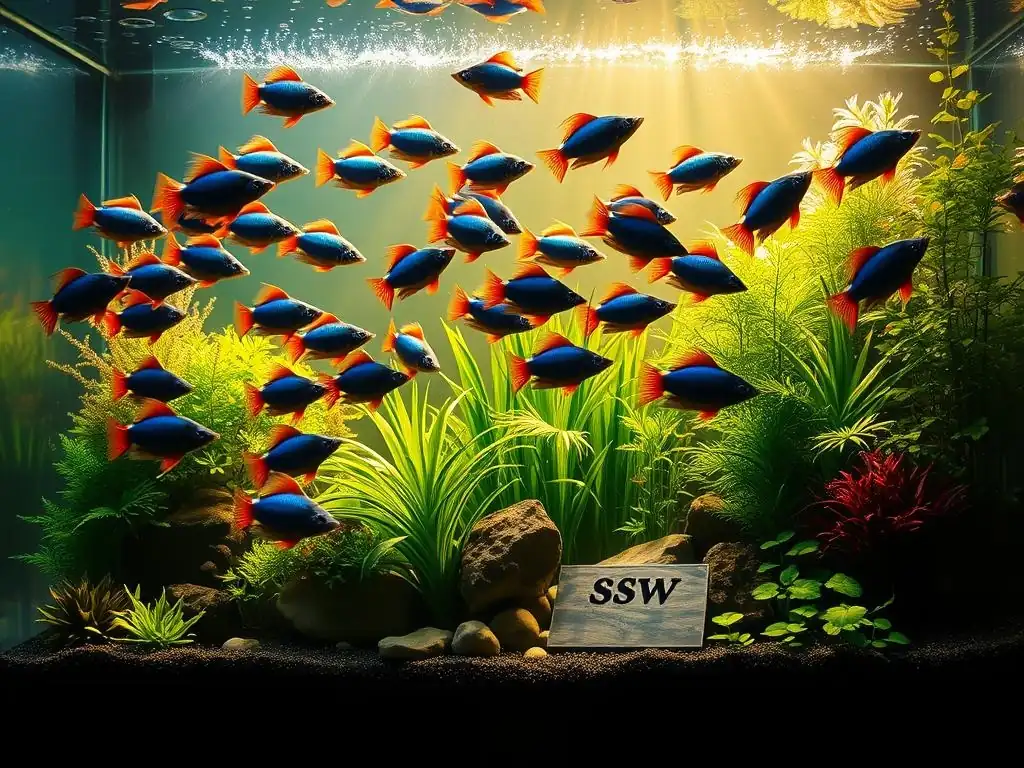
Welcome to Aquarium Mastery! Ever wondered if the vibrant flash of a Swordtail would be the perfect addition to your freshwater aquarium? Dive in and discover if these popular fish are the right fit in "Are Swordtails Right for Your Aquarium? A Comprehensive Suitability Check." Uncover essential insights into their care, compatibility, and tank requirements – let's ensure your aquatic dreams become a thriving reality! Curious to know more? Keep reading to unlock the secrets to a happy and healthy Swordtail community!
- Introduction: Exploring Swordtail Fish Aquarium Suitability
- Swordtail Fish: An Overview of Their Needs and Characteristics
- Assessing Your Aquarium: Is Your Tank Swordtail-Ready?
- Swordtail Tank Mates: Compatibility Considerations
- Swordtail Care: Maintaining a Healthy Environment
- Swordtail Breeding: What to Consider Before You Breed
- Potential Challenges of Keeping Swordtail Fish
- Alternatives to Swordtail Fish: Exploring Other Options
- Conclusion: Making an Informed Decision About Swordtail Fish Aquarium Suitability
-
Frequently Asked Questions
- What size aquarium is recommended for Swordtail fish?
- Are Swordtails compatible with other fish species in a community aquarium?
- What are the ideal water parameters for a Swordtail aquarium?
- What should I feed my Swordtail fish?
- What are some common health problems that affect Swordtail fish, and how can I prevent them?
- Final Reflection: Embracing Responsible Fishkeeping
- Ignite Your Aquarium Passion!
Introduction: Exploring Swordtail Fish Aquarium Suitability
Understanding the Appeal of Swordtails for Freshwater Aquariums
Swordtail fish, renowned for their vibrant colors and the distinctive elongated caudal fin (or "sword") of the males, have long been a staple in freshwater aquariums. Their active swimming patterns and relatively hardy nature make them a captivating addition to many community tanks. Popular varieties include the Red Swordtail, Green Swordtail, Pineapple Swordtail, and the elegant Lyretail Swordtail, each offering unique aesthetic appeal.
Beyond their visual charm, swordtails are livebearers, meaning they give birth to live, free-swimming fry, which adds an exciting dimension for aquarists interested in breeding. This trait, combined with their generally robust health, contributes significantly to their popularity among both novice and experienced hobbyists seeking a dynamic and colorful fish. Their adaptability to a range of water conditions also broadens their Swordtail fish aquarium suitability for various setups.
Defining "Suitable": What Makes a Good Aquarium Fish?
Defining what makes a fish "suitable" for an aquarium extends beyond mere survival; it encompasses the fish's ability to thrive, exhibit natural behaviors, and coexist peacefully within its environment. A truly suitable fish is one whose fundamental needs—regarding tank size, water parameters, diet, and social structure—can be consistently met by the aquarist. This proactive approach ensures the long-term well-being of the fish and the stability of the aquatic ecosystem.
Furthermore, suitability involves considering the fish's temperament and potential impact on other tank inhabitants. A fish that is prone to aggression in a confined space, or one that requires vastly different environmental conditions than its tank mates, would be deemed unsuitable for a harmonious community aquarium. Therefore, understanding the specific requirements and characteristics of swordtails is paramount in determining their Swordtail fish aquarium suitability for your setup.
Swordtail Fish: An Overview of Their Needs and Characteristics
Swordtail Temperament: Are They Peaceful Tank Mates?
Swordtail fish are generally considered peaceful community fish, making them a popular choice for mixed-species aquariums. They are active swimmers and will often explore all levels of the tank. However, it is crucial to note that male swordtails can exhibit territorial behavior, especially towards other males or similarly shaped fish, occasionally leading to fin nipping or chasing.
To mitigate potential aggression, particularly among males, it is highly recommended to maintain a ratio of at least two to three females for every male. This helps to diffuse the male's attention and reduces stress on individual females. While an individual swordtail may occasionally display more assertive behavior, proper stocking ratios and sufficient tank space contribute significantly to their overall peaceful demeanor and enhance Swordtail fish aquarium suitability in a community setting.
Swordtail Size and Lifespan: What to Expect
The size of swordtail fish can vary depending on their sex and specific strain. Male swordtails typically grow to about 4 to 5 inches (10 to 12.5 cm) in body length, with their distinctive "sword" adding an additional 2 to 4 inches (5 to 10 cm) to their overall length. Females are generally larger in body size, reaching up to 6 inches (15 cm), but lack the elongated caudal fin. Their active nature means they utilize this size effectively, requiring adequate swimming space.
With optimal care, including stable water parameters, a nutritious diet, and a low-stress environment, swordtail fish can enjoy a lifespan of 3 to 5 years. Some exceptionally well-cared-for individuals have been known to live up to 6 years. Factors such as poor water quality, overcrowding, or chronic stress can significantly reduce their lifespan, highlighting the importance of proper husbandry for long-term Swordtail fish aquarium suitability.
Swordtail Diet: Feeding Requirements for Healthy Growth
Swordtails are omnivorous, meaning their diet should consist of both plant and animal matter to ensure comprehensive nutrition. A high-quality flake or pellet food formulated for omnivorous tropical fish should form the staple of their diet. Due to their natural inclination towards grazing on algae and plant matter in the wild, incorporating foods rich in spirulina or other vegetable content, such as spirulina flakes, is highly beneficial for their digestive health and vibrant coloration.
To provide a complete and balanced diet, supplements of live or frozen foods should be offered regularly. Excellent choices include brine shrimp, bloodworms, daphnia, and mosquito larvae, which provide essential proteins and fats. It is advisable to feed swordtails small amounts two to three times a day, rather than one large meal, to prevent overfeeding and maintain optimal water quality, which is crucial for their Swordtail fish aquarium suitability and overall well-being.
Assessing Your Aquarium: Is Your Tank Swordtail-Ready?
Tank Size Considerations for Swordtail Fish
When considering Swordtail fish aquarium suitability, tank size is a critical factor due to their active nature and potential for aggression. A minimum tank size of 20 gallons (approximately 75 liters) is recommended for a small group of swordtails, such as one male and two to three females. This provides sufficient swimming room and helps to dilute any potential territorial disputes among males.
For a larger group or a more diverse community tank, a 29-gallon (approximately 110 liters) or larger aquarium is ideal. The increased horizontal swimming space in a larger tank is particularly beneficial for these fast-moving fish. Furthermore, a larger water volume is more stable in terms of water parameters and can better handle the bioload produced by a group of swordtails, contributing significantly to their long-term health and the overall Swordtail fish aquarium suitability.
Water Parameters: Ideal Conditions for Swordtail Health
Maintaining stable and appropriate water parameters is paramount for the health and longevity of swordtail fish. These parameters directly influence their immune system, stress levels, and overall well-being, thus dictating their Swordtail fish aquarium suitability for your setup. Regular testing with a reliable aquarium test kit is essential to monitor these conditions.
Temperature and pH Levels for Swordtails
Swordtail fish thrive in tropical freshwater conditions. The ideal water temperature range for swordtails is between 72°F and 82°F (22°C to 28°C). While they can tolerate slight fluctuations, maintaining a stable temperature within this range is crucial to prevent stress and susceptibility to disease. A reliable aquarium heater with a thermostat is indispensable for this purpose.
Regarding pH levels, swordtails prefer slightly alkaline water, with an optimal pH range of 7.0 to 8.0. While they can adapt to a small deviation from this range, sudden and drastic pH swings are highly detrimental. Consistency in pH is more important than hitting an exact number, as it minimizes stress on the fish's osmoregulation system and supports robust Swordtail fish aquarium suitability.
Water Hardness and Ammonia/Nitrite/Nitrate Levels
Swordtails prefer moderately hard to hard water, typically within a general hardness (GH) range of 10 to 25 dGH (degrees of General Hardness), which translates to approximately 180 to 450 parts per million (ppm). This hardness provides essential minerals that support their bodily functions and overall health. Soft water can be detrimental over time.
Crucially, ammonia (NH3) and nitrite (NO2) levels must always be at 0 ppm in a healthy aquarium, as both are highly toxic to fish. Nitrate (NO3) levels, the end product of the nitrogen cycle, should be kept below 20 ppm, ideally under 10 ppm, through regular water changes and efficient filtration. High nitrate levels indicate poor water quality and severely compromise Swordtail fish aquarium suitability.
Aquarium Setup: Plants, Substrate, and Decorations for Swordtails
An appropriately set up aquarium is vital for the comfort and well-being of swordtail fish, influencing their behavior and overall Swordtail fish aquarium suitability. Live plants play a significant role in creating a natural and beneficial environment. Heavily planted areas provide essential hiding spots for females to escape persistent male attention, and for fry to seek refuge from adult fish. Plants like Anubias, Java Fern, Hornwort, and Water Sprite are excellent choices, as they are hardy and provide dense cover.
For substrate, a fine to medium gravel is suitable, allowing for easy cleaning and plant rooting. Decorations such as driftwood, rocks, and artificial caves can also offer additional hiding places and break up lines of sight, which helps to reduce aggression among males. While providing plenty of cover, it's equally important to ensure ample open swimming space in the middle and upper levels of the tank, as swordtails are active swimmers and will utilize this area extensively.
Swordtail Tank Mates: Compatibility Considerations
Best Tank Mates for Swordtail Fish
Selecting appropriate tank mates is a key aspect of ensuring Swordtail fish aquarium suitability within a community setup. Ideal companions are other peaceful, similarly sized freshwater fish that thrive in comparable water parameters. Excellent choices include other livebearers such as Platies, Mollies (especially freshwater strains), and Guppies, which share similar hardiness and breeding habits.
Beyond livebearers, a variety of peaceful community fish can coexist harmoniously with swordtails. This includes larger schooling tetras like Black Skirt Tetras or Serpae Tetras (in sufficiently large tanks), various species of Rasboras, and bottom-dwelling fish such as Corydoras catfish and peaceful types of Plecos (e.g., Bristlenose Plecos). The key is to choose species that are not known fin-nippers and do not exhibit overly aggressive tendencies, ensuring a balanced and stress-free environment for all inhabitants.
Fish to Avoid Housing with Swordtails
To maintain a peaceful and healthy aquarium, certain fish species should be avoided as tank mates for swordtails. Highly aggressive or territorial fish, such as most Cichlids (with the exception of some dwarf, peaceful species), are generally unsuitable as they can bully or severely injure swordtails. Similarly, known fin-nippers like certain types of Barbs (e.g., Tiger Barbs, unless in a very large, species-specific setup) can damage the swordtail's flowing fins, leading to stress and potential infections.
Furthermore, avoid housing swordtails with very small, delicate fish that could be intimidated or even preyed upon by larger swordtails, especially if the swordtails are not well-fed. Fish that require vastly different water parameters, such as extremely soft or acidic water, should also be avoided to prevent stress and health issues for either species. Carefully considering these incompatibilities is vital for successful Swordtail fish aquarium suitability.
Swordtail fish are social creatures that thrive when kept in groups. However, their social dynamics are heavily influenced by their sex ratio. Male swordtails can be quite persistent in their pursuit of females, and without enough females to spread out this attention, individual females can become stressed and exhausted. Therefore, maintaining a minimum ratio of one male to at least two, preferably three or more, females is crucial for their well-being.
In a well-stocked and appropriately sized tank, swordtails will actively swim and interact with their environment and tank mates. They generally do not school tightly but will often swim together in loose groups. Observing their social behavior is important; signs of stress or aggression, such as excessive chasing, fin nipping, or hiding, indicate that the social structure or tank conditions may need adjustment to improve Swordtail fish aquarium suitability.
Swordtail Care: Maintaining a Healthy Environment
Regular Water Changes: The Key to Swordtail Health
Regular water changes are arguably the most critical aspect of maintaining a healthy environment for swordtail fish and are fundamental to their Swordtail fish aquarium suitability. Due to their active metabolism and the potential for prolific breeding, swordtails contribute significantly to the bioload of an aquarium. Weekly water changes of 20-30% are highly recommended to prevent the buildup of harmful nitrates and to replenish essential minerals that are consumed over time.
When performing water changes, it is important to use a gravel vacuum to remove accumulated waste and uneaten food from the substrate, which are major sources of ammonia and nitrites. Always treat tap water with a reputable water conditioner or dechlorinator before adding it to the aquarium, as chlorine and chloramines are toxic to fish. Consistent, routine water changes minimize stress on the fish, bolster their immune systems, and are the cornerstone of disease prevention.
Filtration and Aeration for Swordtail Aquariums
Robust filtration is indispensable for maintaining the water quality necessary for Swordtail fish aquarium suitability. A good filtration system, such as a hang-on-back (HOB) filter or an external canister filter, should provide mechanical, chemical, and biological filtration. Mechanical filtration removes particulate matter, chemical filtration removes dissolved pollutants, and biological filtration converts toxic ammonia and nitrites into less harmful nitrates. Ensure the filter is appropriately sized for your tank's volume and bioload.
In addition to filtration, adequate aeration is crucial for swordtail health. Swordtails are active fish and require a good supply of dissolved oxygen in the water. An air stone connected to an air pump, or the surface agitation created by a strong filter outflow, can significantly increase oxygen levels. Good aeration also aids in the off-gassing of carbon dioxide and helps maintain a stable pH, further enhancing the Swordtail fish aquarium suitability of the environment.
Preventing and Treating Common Swordtail Diseases
Proactive disease prevention is always preferable to treatment and is a major component of Swordtail fish aquarium suitability. Maintaining pristine water quality through regular water changes and efficient filtration, providing a balanced diet, and avoiding overcrowding are the primary defenses against illness. However, even in well-maintained tanks, fish can sometimes fall ill.
Identifying Common Swordtail Ailments
Swordtails, like most freshwater fish, are susceptible to common aquarium diseases if conditions are not optimal. Common ailments include Ich (Ichthyophthirius multifiliis), characterized by small white spots resembling salt grains on the body and fins; Fin Rot, which appears as frayed or deteriorating fins; and various bacterial or fungal infections that can manifest as cotton-like growths or reddened areas. Other signs of illness include lethargy, clamped fins, loss of appetite, abnormal swimming patterns, or visible lesions.
Stress, often induced by poor water parameters, sudden temperature fluctuations, or incompatible tank mates, significantly weakens a swordtail's immune system, making them more vulnerable to pathogens. Early detection of these symptoms is critical for successful treatment. Regularly observing your swordtails for any changes in appearance or behavior is an essential part of responsible fish keeping.
Treatment Options for Sick Swordtails
Upon identifying a sick swordtail, prompt action is necessary. For external parasitic infections like Ich, specific over-the-counter medications are available. Often, a slight increase in tank temperature (if suitable for all inhabitants, typically to 80-82°F or 27-28°C) in conjunction with medication can accelerate the parasite's life cycle, making it more vulnerable to treatment. For bacterial or fungal infections, broad-spectrum aquarium medications are typically used.
It is often beneficial to move sick fish to a separate "hospital tank" to prevent the spread of disease and to allow for targeted treatment without affecting the main aquarium's biological filter or sensitive invertebrates. Always follow medication instructions precisely, including dosage and duration. After treatment, a partial water change and activated carbon filtration can help remove residual medication. Remember, prevention through optimal care is the most effective strategy for ensuring long-term Swordtail fish aquarium suitability.
Swordtail Breeding: What to Consider Before You Breed
Understanding Swordtail Reproduction
Swordtail fish are livebearers, a characteristic that sets them apart from egg-laying species and makes their reproduction particularly fascinating. Instead of laying eggs, the female retains the eggs internally, and the fry develop within her body, emerging as miniature, free-swimming versions of the adults. The gestation period for swordtails is typically around 28 to 30 days, though this can vary based on temperature, diet, and individual fish.
A remarkable aspect of swordtail reproduction is the female's ability to store sperm for several months after a single mating event. This means a female can produce multiple batches of fry over an extended period without the continuous presence of a male. A single mature female can give birth to anywhere from 20 to over 100 fry per batch, depending on her size and age, leading to rapid population growth and impacting overall Swordtail fish aquarium suitability if not managed.
Setting Up a Breeding Tank for Swordtails
Given the prolific nature of swordtail breeding and the tendency of adult fish to prey on their own fry, setting up a dedicated breeding tank is highly recommended for successful fry survival. A 10-gallon (approximately 38-liter) tank is usually sufficient for this purpose. The breeding tank should be sparsely decorated but include plenty of floating plants like Hornwort, Guppy Grass, or Water Sprite, which provide essential hiding places for the newborn fry.
Alternatively, a breeding box or net can be used inside the main tank, though these can be stressful for the female and may not provide adequate space. Once the female appears gravid (her belly is noticeably swollen and a dark "gravid spot" near her anal fin becomes prominent), she can be moved to the breeding tank. After she gives birth, the female should be promptly returned to the main aquarium to prevent her from consuming the fry.
Caring for Swordtail Fry
Caring for swordtail fry is a delicate process that requires consistent attention to water quality and diet. Newborn swordtail fry are born relatively large and are immediately free-swimming, capable of feeding on their own. Their initial diet should consist of finely crushed high-quality flake food, specialized powdered fry food, or newly hatched brine shrimp. Feeding small amounts multiple times a day (e.g., 3-5 times) is crucial for their rapid growth and development.
Maintaining pristine water quality in the fry tank is paramount for their survival. Small, frequent water changes (e.g., 10-20% daily or every other day) are necessary to remove waste and uneaten food, as fry are particularly sensitive to ammonia and nitrite. Gentle filtration, such as a sponge filter, is recommended to prevent the fry from being sucked into the filter intake. With proper care, swordtail fry grow quickly, and their successful rearing contributes to the overall Swordtail fish aquarium suitability experience.
Potential Challenges of Keeping Swordtail Fish
Swordtail Aggression and Bullying
While generally peaceful, one of the most common challenges in keeping swordtail fish is managing potential aggression, particularly among males. Male swordtails can be territorial and may chase, nip fins, or bully other males, especially in smaller tanks or if there are insufficient females. This aggression can lead to stress, injury, and even death for the targeted fish.
To minimize aggression, ensuring an adequate tank size (20 gallons or more) and maintaining a proper male-to-female ratio (at least one male to three females) is crucial. Providing ample hiding spots and breaking up lines of sight with plants and decorations can also help diffuse tension. If severe bullying persists, separating the aggressive individual or rehoming some fish may be necessary to maintain a harmonious environment and ensure Swordtail fish aquarium suitability for all inhabitants.
Overpopulation Issues with Swordtails
The prolific livebearing nature of swordtail fish, while fascinating for breeding enthusiasts, can quickly lead to overpopulation in an aquarium. A single pair of swordtails can produce dozens of fry every month, and within a few months, a tank can become severely overcrowded. This rapid increase in bioload puts immense strain on the filtration system and water quality, leading to increased ammonia, nitrite, and nitrate levels.
Managing overpopulation requires proactive planning. Options include providing plenty of dense plant cover in the main tank, allowing for natural selection where some fry may be consumed by adults, or separating males and females to prevent breeding. Alternatively, aquarists must have a plan for rehoming excess fish, perhaps by selling them to a local fish store, gifting them to other hobbyists, or, in some cases, using them as feeder fish for larger predatory species (though this is not always ethically preferred). Addressing this potential issue is critical for Swordtail fish aquarium suitability.
Maintaining Water Quality with a Large Swordtail Population
A direct consequence of swordtail overpopulation is the significant challenge it poses to maintaining pristine water quality. As the number of fish in the tank increases, so does the amount of waste produced (feces, uneaten food, respiration byproducts). This leads to a rapid accumulation of nitrates and a higher risk of ammonia and nitrite spikes, even in a cycled tank.
To combat this, aquarists with a large swordtail population must commit to more frequent and larger water changes, often performing 30-50% changes twice a week instead of once. Upgrading to a more powerful filtration system with a higher flow rate and larger media capacity may also become necessary. Constant vigilance through regular water testing is essential to monitor parameters and prevent a decline in water quality, which can quickly lead to stressed, diseased, and dying fish, severely undermining Swordtail fish aquarium suitability.
Alternatives to Swordtail Fish: Exploring Other Options
Similar Freshwater Fish Species for Community Tanks
If swordtails, despite their appeal, do not perfectly align with your aquarium's specific conditions or your preferences, several other active, medium-sized freshwater fish species offer excellent freshwater fish aquarium suitability for community tanks. Rainbowfish, particularly species like the Dwarf Neon Rainbowfish (Melanotaenia praecox) or the larger Boeseman's Rainbowfish (Melanotaenia boesemani) for bigger tanks, are known for their vibrant colors and peaceful schooling behavior. They thrive in similar water parameters to swordtails, preferring slightly alkaline to neutral water.
Another group to consider are the various species of larger Rasboras, such as the Lambchop Rasbora (Trigonostigma espei) or the Scissortail Rasbora (Rasbora trilineata). These fish are generally very peaceful, active swimmers, and add a different dynamic to the mid-to-upper levels of a community aquarium. They are less prone to the territorial aggression sometimes seen in male swordtails, making them a more tranquil alternative for some setups.
Livebearers: Guppies, Platies, and Mollies
For those drawn to the livebearing characteristic of swordtails but seeking slightly different sizes or temperaments, Guppies, Platies, and Mollies are excellent alternatives that offer high livebearer aquarium suitability.
- Guppies (Poecilia reticulata) are smaller than swordtails, typically reaching 1.5 to 2.5 inches (4-6 cm). They are incredibly colorful, prolific breeders, and generally very peaceful, making them ideal for smaller community tanks (10-20 gallons).
- Platies (Xiphophorus maculatus) are closely related to swordtails but are smaller, growing to about 2 to 3 inches (5-7.5 cm). They share the same peaceful temperament and come in an astonishing array of colors and patterns, making them a very popular choice for beginners and experienced aquarists alike.
- Mollies (Poecilia sp.) are slightly larger than platies, with some strains reaching up to 4-5 inches (10-12.5 cm). While many mollies are tolerant of freshwater, some specific strains, particularly Sailfin Mollies, prefer or require slightly brackish water for optimal health. They are active and generally peaceful, though some individuals can be prone to fin nipping if overcrowded or stressed. All these livebearers share the ease of breeding and vibrant coloration that make swordtails appealing.
Peaceful Community Fish: Harlequin Rasboras, Neon Tetras, and Corydoras Catfish
For aquarists prioritizing a calm and entirely peaceful community tank, several other species offer excellent community fish aquarium suitability.
- Harlequin Rasboras (Trigonostigma heteromorpha) are small, schooling fish, typically reaching 1.5 to 2 inches (4-5 cm). Their striking reddish-orange bodies with a distinctive black wedge make them visually appealing. They are extremely peaceful and best kept in schools of at least 6-8 individuals, occupying the mid-level of the tank.
- Neon Tetras (Paracheirodon innesi) are iconic schooling fish, famous for their iridescent blue and red stripe. They are very peaceful, growing to about 1.5 inches (4 cm), and best kept in groups of 6 or more. While they prefer slightly softer, acidic water, they are quite adaptable to neutral pH in a stable environment.
- Corydoras Catfish (Corydoras sp.) are bottom-dwelling, peaceful scavengers. They are excellent for keeping the substrate clean and are very hardy. Ranging from 1 to 3 inches (2.5-7.5 cm) depending on the species, they should be kept in groups of at least three to five of their own kind. They require a sand or fine gravel substrate to protect their delicate barbels. These species provide diverse tank roles and contribute to a tranquil community.
Conclusion: Making an Informed Decision About Swordtail Fish Aquarium Suitability
Recapping the Key Factors for Swordtail Success
Determining Swordtail fish aquarium suitability for your setup hinges on several critical factors, each playing a vital role in their long-term health and your success as an aquarist. Firstly, tank size is paramount; a minimum of a 20-gallon (75-liter) long aquarium is necessary for a small group, with larger tanks (29 gallons or more) being ideal to accommodate their active swimming and manage potential aggression.
Secondly, maintaining stable and appropriate water parameters is non-negotiable: a temperature range of 72-82°F (22-28°C), a pH of 7.0-8.0, and moderately hard water (10-25 dGH) are essential. Coupled with this, diligent water quality management, including weekly water changes and robust filtration, is crucial to keep ammonia and nitrite at 0 ppm and nitrates below 20 ppm. Finally, a proper male-to-female ratio (at least 1 male to 3 females) and a well-planted environment with ample hiding spots significantly contribute to a peaceful and thriving swordtail community.
Final Thoughts: Is a Swordtail Aquarium Right for You?
Ultimately, the decision of whether swordtail fish are right for your aquarium rests on your ability and willingness to meet their specific needs. Their vibrant colors, active personalities, and fascinating livebearing reproduction can make them incredibly rewarding inhabitants. However, their potential for territorial behavior, particularly among males, and their prolific breeding habits require careful planning and consistent management to prevent issues like aggression and overpopulation.
If you are prepared to provide a spacious tank, commit to regular water changes and diligent water parameter monitoring, and manage their social dynamics and breeding potential, then swordtails can be an excellent choice, offering a dynamic and beautiful addition to your freshwater aquarium. If these commitments seem daunting, exploring the suggested alternative species might lead you to an equally fulfilling, yet potentially less demanding, aquatic experience that perfectly matches your Swordtail fish aquarium suitability assessment.
Frequently Asked Questions
What size aquarium is recommended for Swordtail fish?
Swordtails need a minimum of 20 gallons due to their activity level and potential size. Providing adequate space helps prevent stress and promotes healthy growth. Larger tanks are always preferable.
Are Swordtails compatible with other fish species in a community aquarium?
Swordtails are generally peaceful but can be semi-aggressive, especially males. Avoid keeping them with fin-nipping species or very small, delicate fish. Careful species selection is crucial for a harmonious tank.
What are the ideal water parameters for a Swordtail aquarium?
Swordtails thrive in slightly alkaline water with a pH of 7.0-8.0. Maintain a temperature of 68-82°F (20-28°C) and ensure excellent water quality through regular water changes. Stable water parameters are essential.
What should I feed my Swordtail fish?
Swordtails are omnivores and require a varied diet. Offer a mix of high-quality flake food, live or frozen foods like brine shrimp and bloodworms, and vegetable matter. Regular feeding promotes vibrant color and health.
What are some common health problems that affect Swordtail fish, and how can I prevent them?
Ich, fin rot, and fungal infections are common. Prevent these by maintaining pristine water conditions, providing a balanced diet, and quarantining new fish. Early detection and treatment are key.
Final Reflection: Embracing Responsible Fishkeeping
The journey of understanding whether Swordtail fish are truly suitable for your aquarium extends far beyond mere aesthetics. It delves into the ethical considerations of responsible fishkeeping, demanding a commitment to providing an environment that fosters their well-being, not just our visual pleasure. The information presented highlights the importance of meticulous research and honest self-assessment before introducing any living creature into our homes.
The enduring popularity of Swordtails underscores their vibrant appeal, yet it also necessitates a heightened awareness of their specific needs and the potential consequences of neglecting them. Their active nature and social dynamics require careful planning, and ignoring these aspects can lead to stress, disease, and ultimately, a diminished quality of life for these captivating creatures. The greatness of a nation and its moral progress can be judged by the way its animals are treated.
- Mahatma Gandhi. This quote resonates deeply, reminding us that our interactions with all living beings, even those within our aquariums, reflect our values and our capacity for empathy.
Now, as you consider the possibility of welcoming Swordtails into your aquarium, I urge you to reflect on the information shared and ask yourself: are you truly prepared to provide the space, the social structure, and the consistent care these fish require to thrive? Let this article serve not just as a guide, but as a catalyst for responsible decision-making, ensuring that your aquarium becomes a haven of health and happiness for all its inhabitants.
Ignite Your Aquarium Passion!
Thank you for exploring the vibrant world of swordtails with us! We hope this article has equipped you with valuable insights into whether these lively fish are the perfect addition to your aquatic haven. Now, let's take your aquarium enthusiasm to the next level!
- Dive Deeper: Visit your local fish store and observe swordtails in person, noting their behavior and interactions with other fish. This real-world experience is invaluable!
- Share the swordtail love! Recommend this article to a fellow aquarium enthusiast who's considering adding swordtails to their community tank.
- Feeling creative? Design a mock-up of your ideal swordtail aquarium, considering plants, tank mates, and decorations.
Ready to start planning your swordtail paradise? What unique plant or decoration do you envision being the centerpiece of your swordtail tank?