
Sargassum Triggerfish (Xanthichthys ringens): A Unique Open Water Species for Large Tanks

Welcome to Aquarium Mastery!
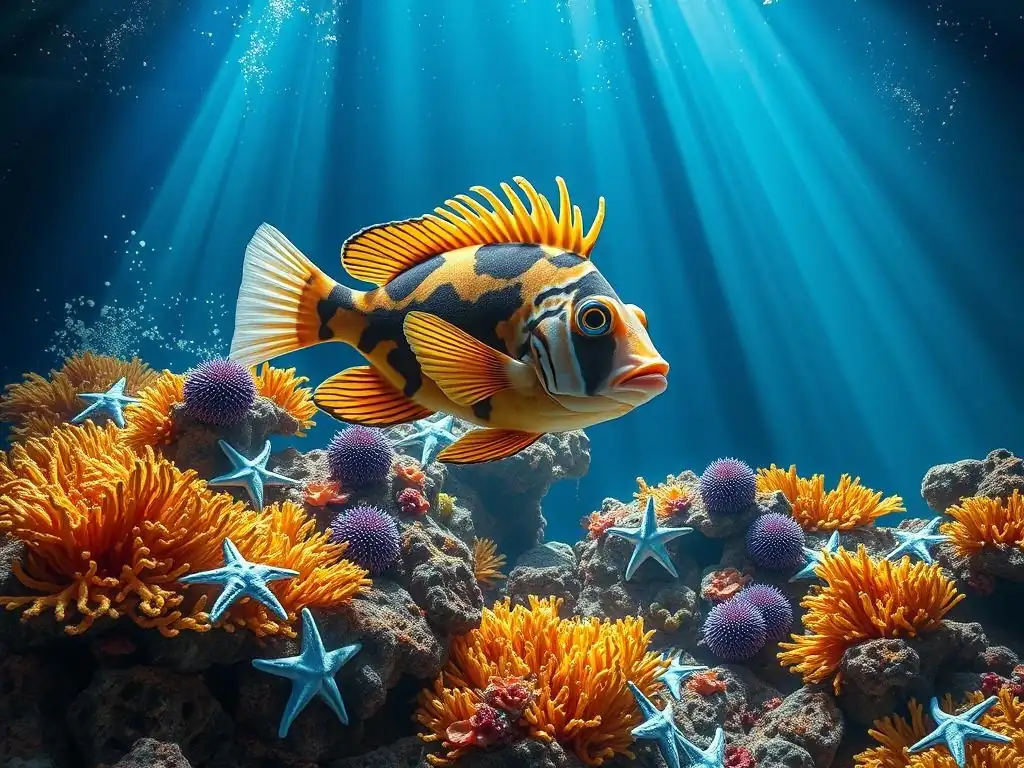
Intrigued by the vibrant and unusual world of open water species? Dive deep into our guide on Sargassum Triggerfish tank care and discover everything you need to know about keeping this captivating fish thriving in your saltwater aquarium. But that's just the beginning! Explore our comprehensive resources on saltwater fish, from profiles to breeding tips, and unlock the secrets to a truly masterful aquarium experience. Ready to learn more?
- Understanding the Sargassum Triggerfish: An Introduction to Xanthichthys ringens
- Optimal Sargassum Triggerfish Tank Care: Replicating Their Natural Environment
- Sargassum Triggerfish Diet and Feeding Habits: Ensuring Proper Nutrition
- Sargassum Triggerfish Tank Mates: Compatibility and Social Behavior
- Common Sargassum Triggerfish Health Issues and Prevention
- Advanced Sargassum Triggerfish Care: Breeding and Long-Term Health
- Finding and Selecting Healthy Sargassum Triggerfish for Your Aquarium
- The Appeal of Sargassum Triggerfish: Why Choose Xanthichthys ringens for Your Large Tank
- Troubleshooting Common Sargassum Triggerfish Tank Care Problems
- Frequently Asked Questions
- Final Reflection: Embracing the Open Ocean in Our Homes
- Unleash the Ocean's Mystery: Dive Deeper with Sargassum Triggerfish!
Understanding the Sargassum Triggerfish: An Introduction to Xanthichthys ringens
Identifying Key Features of the Sargassum Triggerfish
The Sargassum Triggerfish, Xanthichthys ringens, is a captivating marine species known for its distinct appearance. Adults typically reach a size of about 8 to 10 inches (20-25 cm) in captivity, though they can grow slightly larger in the wild.
Their body coloration is a striking blend of olive-brown to reddish-brown, often adorned with numerous small, iridescent blue or green spots that become more pronounced under proper lighting. A key identifying feature is the presence of three distinct dark bands or rings that often encircle the caudal peduncle, just before the tail fin, giving them their specific epithet "ringens," referring to these ring-like markings.
Furthermore, Xanthichthys ringens possesses the characteristic trigger mechanism of its family, Balistidae, featuring a dorsal fin with three spines, the first of which can be locked upright by the second, allowing the fish to wedge itself into crevices for security. Their mouth is small and terminal, equipped with strong, specialized teeth adapted for nipping at invertebrates. The eyes are relatively large, set high on the head, providing them with excellent vision, crucial for spotting prey in their open-water environments.
Natural Habitat and Behavior of Xanthichthys ringens in the Wild
In their natural environment, Sargassum Triggerfish are found predominantly in the tropical and subtropical waters of the Atlantic Ocean, including the Caribbean Sea, the Gulf of Mexico, and along the coastlines from Florida down to Brazil. Unlike many other triggerfish species that are closely associated with coral reefs, Xanthichthys ringens exhibits a more pelagic, or open-water, existence. They are often observed in depths ranging from 30 to over 200 feet (9 to 60 meters), frequently associating with floating Sargassum seaweed mats, which provide both shelter and a rich feeding ground.
Their behavior in the wild is notably less aggressive than that of many of their reef-dwelling triggerfish cousins. While they are still predatory, their diet primarily consists of zooplankton, small crustaceans, and other small invertebrates found within the sargassum ecosystem. This open-water lifestyle and diet contribute to their reputation as one of the more docile triggerfish species, making them a more manageable option for dedicated aquarists planning their Sargassum Triggerfish tank care strategy.
Optimal Sargassum Triggerfish Tank Care: Replicating Their Natural Environment
Essential Tank Size and Dimensions for Sargassum Triggerfish
Providing adequate space is paramount for successful Sargassum Triggerfish tank care. Due to their active swimming habits and potential adult size, a minimum tank size of 120 gallons (approximately 450 liters) is recommended for a single adult specimen.
However, a larger tank, ideally 180 gallons (around 680 liters) or more, is highly advisable to ensure ample swimming room, reduce stress, and facilitate a more stable environment. The tank's dimensions are also crucial; a longer tank (e.g., 6 feet or 1.8 meters in length) is preferable over a taller or wider one of the same volume, as it allows the Sargassum Triggerfish to exhibit its natural horizontal swimming patterns.
In multi-species setups, especially if considering more than one Xanthichthys ringens or other large, active fish, the tank size should be significantly increased. A tank of 250 gallons (about 950 liters) or more would be appropriate for a community setup that includes a Sargassum Triggerfish, providing enough territory for all inhabitants and minimizing potential territorial disputes. Adequate space is a cornerstone of effective Sargassum Triggerfish tank care, directly impacting their health, longevity, and behavior.
Water Parameters: Maintaining Ideal Conditions for Xanthichthys ringens
Temperature, Salinity, and pH Levels for Sargassum Triggerfish Health
Maintaining stable and appropriate water parameters is critical for optimal Sargassum Triggerfish tank care. The ideal temperature range for Xanthichthys ringens is between 74°F and 78°F (23°C to 26°C), mimicking their tropical oceanic habitat. Consistent temperature is vital, as sudden fluctuations can cause significant stress. Salinity should be maintained within a specific gravity range of 1.020 to 1.025, with 1.023 being a frequently targeted sweet spot, reflecting the stable oceanic conditions they are accustomed to.
The pH level for a Sargassum Triggerfish aquarium should consistently fall between 8.1 and 8.4. Regular monitoring of these parameters using reliable testing kits is indispensable. Deviations outside these ranges, even slight ones over time, can lead to chronic stress, weakened immune systems, and increased susceptibility to diseases, making diligent parameter management a core component of successful Sargassum Triggerfish tank care.
Importance of Water Quality: Filtration and Water Changes
Beyond the specific parameters, overall water quality is paramount for the health of Xanthichthys ringens. Excellent filtration is essential to manage the bioload of a large, active fish. A robust filtration system should include mechanical filtration to remove particulate matter, biological filtration (such as ample live rock and a deep sand bed) to process ammonia and nitrites, and chemical filtration (like activated carbon or specialized resins) to remove dissolved organic compounds and maintain water clarity. A high-quality protein skimmer is also highly recommended, as it efficiently removes organic waste before it breaks down, significantly contributing to stable water quality.
Regular water changes are a non-negotiable aspect of Sargassum Triggerfish tank care. A routine of 10-20% water changes every two to four weeks is generally effective, depending on the tank's bioload and nutrient levels. These changes help replenish essential trace elements, reduce nitrate accumulation, and dilute any unwanted pollutants. Consistent water quality management through effective filtration and scheduled water changes prevents the buildup of toxins and ensures a pristine environment for the Sargassum Triggerfish.
Substrate and Aquascaping Considerations for Sargassum Triggerfish
When setting up a tank for Xanthichthys ringens, the choice of substrate and aquascaping elements should cater to their natural behaviors and needs. A fine sand bed or a mix of sand and fine gravel is generally suitable, as Sargassum Triggerfish do not typically sift through the substrate extensively like some other species. The depth of the sand bed can vary, but a shallow to moderate depth (1-3 inches) is usually sufficient. While they do not burrow, a deeper sand bed can contribute to biological filtration in a reef system.
Aquascaping should prioritize ample open swimming space, particularly in the mid to upper water column, reflecting their pelagic nature. While they appreciate open areas, providing some rockwork with caves and crevices is still beneficial. These structures offer hiding spots and a sense of security, especially during initial acclimation or if they feel threatened. However, avoid overly cluttered aquascapes that restrict their movement. The use of robust, stable rock formations is important, as large, active fish can inadvertently dislodge loosely stacked rocks. For those aiming for a reef system, ensure corals are well-secured and allow plenty of room around them.
Sargassum Triggerfish Diet and Feeding Habits: Ensuring Proper Nutrition
Recommended Food Sources for Sargassum Triggerfish
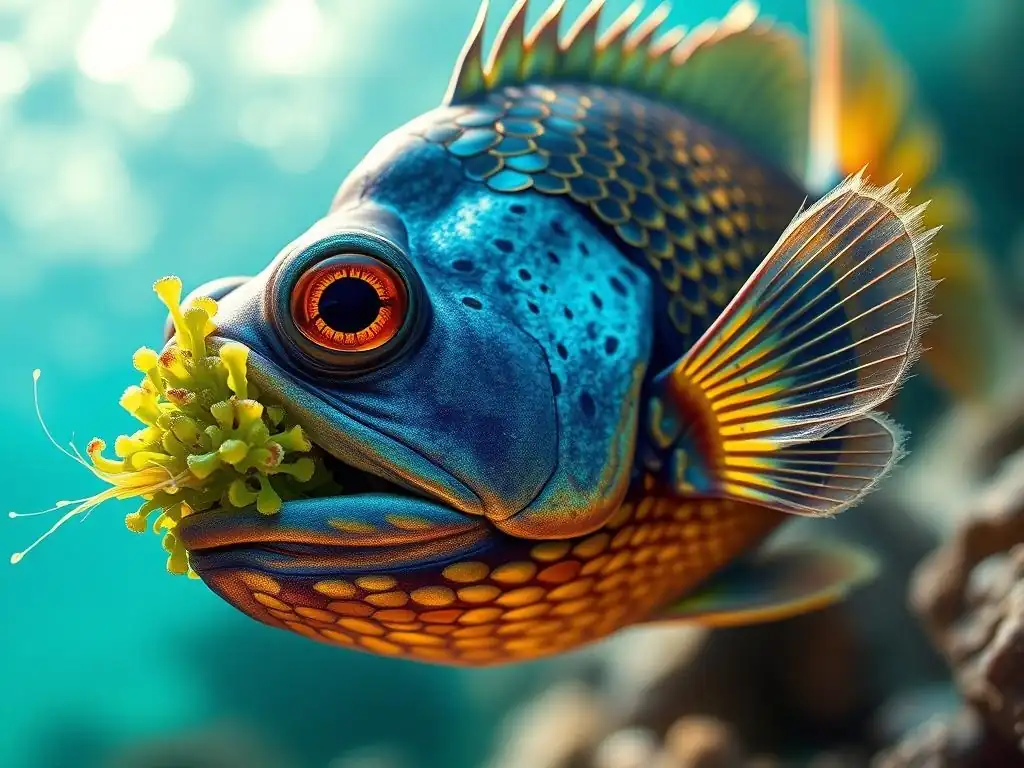
Ensuring a varied and nutritious diet is a cornerstone of effective Sargassum Triggerfish tank care. In the wild, Xanthichthys ringens primarily feeds on zooplankton and small benthic invertebrates, including crustaceans. To replicate this in captivity, a diverse diet consisting of high-quality, meaty frozen foods is essential. Excellent choices include mysis shrimp, enriched brine shrimp, krill, finely chopped squid, finely chopped clam, and various marine-based frozen preparations.
It is also beneficial to offer occasional pieces of fresh seafood, such as small bits of shrimp, scallop, or fish flesh (e.g., silversides), ensuring they are marine-sourced and free of any additives. Some aquarists also report success with high-quality pellet or flake foods formulated for marine carnivores, though these should only form a small part of the diet, as frozen and fresh foods offer superior nutritional value and palatability.
Feeding Schedule and Portion Control for Optimal Health
The feeding schedule for Sargassum Triggerfish should consider their active metabolism and growth rate. Juveniles and sub-adults generally benefit from being fed two to three times per day, while mature adults can thrive on one to two feedings daily. The key is to offer small, manageable portions that can be consumed within a few minutes. Overfeeding can lead to poor water quality, increased nitrate levels, and potential digestive issues for the fish.
Portion control is vital to prevent obesity and maintain optimal health. A good guideline is to feed an amount roughly equivalent to the size of the fish's eye, adjusting as needed based on the fish's activity level, size, and body condition. Observing the fish's response to feeding will help determine the ideal amount; they should appear eager but not overly gorged after meals. Consistent feeding practices are integral to Sargassum Triggerfish tank care, promoting robust health and vibrant coloration.
Supplementing the Diet of Xanthichthys ringens
While a varied diet of high-quality frozen and fresh foods provides many essential nutrients, supplementing the Sargassum Triggerfish's diet can further enhance their long-term health and vitality. Foods enriched with essential vitamins, particularly Vitamin C, and Omega-3 fatty acids (DHA and EPA) are highly beneficial. Many commercially prepared frozen foods are already enriched, but additional supplementation can be achieved by soaking foods in liquid vitamin supplements specifically designed for marine fish before feeding.
For instance, a few drops of a marine vitamin supplement added to a portion of thawed mysis shrimp or krill before feeding can significantly boost nutrient intake. Calcium and iodine supplements, though often naturally present in quality foods and replenished through water changes, can also be considered, especially if the fish is housed in a reef system. These supplements help support bone development, scale integrity, and overall immune function, contributing to the comprehensive Sargassum Triggerfish tank care regimen.
Suitable Tank Companions for Sargassum Triggerfish
When selecting tank mates for Xanthichthys ringens, it's important to remember their generally more peaceful disposition compared to other triggerfish, yet acknowledge their predatory instincts. Suitable tank companions should be robust, similarly sized, and not overly aggressive. Good choices often include large tangs (e.g., Yellow Tangs, Purple Tangs), large angelfish (e.g., Emperor Angelfish, Queen Angelfish), and certain wrasses (e.g., Leopard Wrasses, some Hogfish). These species are typically active swimmers and can hold their own without being intimidated by the triggerfish.
Other potential tank mates include larger butterflyfish, certain groupers (if space allows), and even some less aggressive lionfish, provided they are not small enough to be considered prey. The key is to introduce all fish carefully, ideally at a similar size, and ensure the tank is large enough to provide ample territory for all inhabitants. Successful Sargassum Triggerfish tank care in a community setting relies heavily on careful selection of compatible species.
Fish to Avoid: Incompatible Species for Xanthichthys ringens
Despite their relatively docile nature, there are several types of fish and invertebrates that should be avoided as tank mates for Sargassum Triggerfish. Small, delicate, or slow-moving fish are highly susceptible to predation, even by a Xanthichthys ringens. This includes small gobies, cardinalfish, and tiny wrasses. Their strong teeth are designed for crushing, and while they may not actively hunt larger fish, any small, vulnerable species could be seen as a snack.
Similarly, caution is advised with most ornamental invertebrates. While some aquarists have success with large, robust cleaner shrimp or snails, smaller crustaceans, crabs, and even some starfishes are likely to be consumed. Corals, especially large polyp stony (LPS) corals and soft corals, are generally safe as Sargassum Triggerfish are not known to nip at them, unlike some other triggerfish.
However, small colonial polyps or zoanthids might occasionally be disturbed if they are perceived as food. The goal of Sargassum Triggerfish tank care is to create a harmonious environment, which means avoiding species that are either too small to survive or too aggressive to coexist.
The social dynamics of Xanthichthys ringens are distinct within the triggerfish family. Unlike the highly territorial and often aggressive species like the Clown Triggerfish ( Balistoides conspicillum), Sargassum Triggerfish are generally more tolerant of tank mates, especially in adequately sized aquariums. They are typically solitary in the wild, though they can sometimes be seen in loose aggregations around sargassum mats. In captivity, a single specimen is usually recommended for most home aquariums.
While they can be housed with other large, semi-aggressive fish, introducing more than one Sargassum Triggerfish into the same tank is generally not advised unless the aquarium is exceptionally large (e.g., 300 gallons or more) and offers significant visual barriers. Even then, careful observation is necessary, as individual personalities can vary, and aggression might arise, particularly between two males. Understanding these social tendencies is crucial for successful Sargassum Triggerfish tank care and for fostering a peaceful community aquarium.
Common Sargassum Triggerfish Health Issues and Prevention
Identifying Signs of Disease in Xanthichthys ringens
Vigilant observation is a key component of proactive Sargassum Triggerfish tank care, allowing for early detection of health issues. Healthy Xanthichthys ringens are active swimmers, display vibrant coloration, and show a strong appetite. Any deviation from these norms can signal a problem. Common signs of disease include lethargy, evidenced by reduced swimming or resting on the bottom, clamped fins, or rapid, labored breathing.
Physical symptoms might manifest as white spots (indicative of marine Ich or Cryptocaryon irritans), velvet-like dust (Oodinium), cloudy eyes, red streaks on the body or fins, or open sores. A loss of appetite, refusal to eat, or changes in stool consistency can point to internal parasites or digestive issues. Fading or dull coloration and erratic swimming patterns are also red flags. Immediate action upon noticing these signs is crucial for effective Sargassum Triggerfish tank care and successful treatment.
Common Parasites and Infections Affecting Sargassum Triggerfish
Like many marine fish, Sargassum Triggerfish are susceptible to common saltwater parasites and bacterial infections, especially if stressed or housed in suboptimal conditions. Marine Ich ( Cryptocaryon irritans) is perhaps the most prevalent, appearing as tiny white spots resembling salt grains on the body and fins. Another common external parasite is Marine Velvet ( Amyloodinium ocellatum), which presents as a fine, dusty, golden-brown coating, often accompanied by rapid breathing. Both are highly contagious and can be fatal if left untreated.
Bacterial infections can manifest as fin rot, cloudy eyes, or body ulcers, often secondary to poor water quality or physical injury. Internal parasites, though less visible, can cause weight loss despite eating, bloated appearance, or stringy white feces. Prevention through excellent water quality, a nutritious diet, and robust quarantine procedures is far more effective than treatment when it comes to Sargassum Triggerfish tank care.
Quarantine Procedures for New Sargassum Triggerfish
Implementing a strict quarantine protocol for any new Sargassum Triggerfish before introducing it to the main display tank is perhaps the most critical preventive measure in Sargassum Triggerfish tank care. A dedicated quarantine tank (QT) of at least 30-50 gallons (110-190 liters) should be set up with basic filtration, a heater, and minimal décor. The new fish should be housed in this QT for a minimum of 4 to 6 weeks.
During this period, the fish can be observed for any signs of disease, allowing for treatment without risking the entire main tank population. Prophylactic treatments for common parasites like Ich and Velvet, often involving copper-based medications or hyposalinity, can be administered if deemed necessary. This quarantine period also allows the fish to acclimate to captive foods and recover from the stress of shipping, significantly increasing its chances of long-term success in its new home.
Advanced Sargassum Triggerfish Care: Breeding and Long-Term Health
Creating a Suitable Breeding Environment (If Applicable)
Breeding Sargassum Triggerfish ( Xanthichthys ringens) in a home aquarium setting is exceptionally rare and has not been widely documented with consistent success. Unlike some smaller, more prolific reef fish, triggerfish typically require very large, specialized environments to induce spawning. In their natural habitat, they are pelagic spawners, releasing eggs and sperm into the open water, which then drift as planktonic larvae. This contrasts sharply with substrate-spawning or nest-guarding species often bred in captivity.
To even consider the possibility, an enormous aquarium (several hundred gallons), pristine water quality, a highly stable environment, and a well-established, compatible pair would be absolute prerequisites. Specialized feeding regimens to condition the pair, along with precise control over lighting and water flow, would also be necessary. For the vast majority of aquarists, Sargassum Triggerfish tank care focuses solely on their display and health, rather than breeding, due to these significant challenges.
Understanding the Lifespan and Long-Term Care Needs of Xanthichthys ringens
With proper Sargassum Triggerfish tank care, Xanthichthys ringens can be a long-lived and rewarding addition to a large marine aquarium. In optimal conditions, they can live for 5 to 10 years or even longer, with some reports suggesting lifespans exceeding 15 years in exceptional cases. Achieving this longevity requires consistent dedication to their specific needs.
Long-term care involves unwavering commitment to maintaining pristine water parameters, providing a diverse and nutritious diet, and ensuring adequate tank space. Regular tank maintenance, including consistent water changes, filter cleaning, and equipment checks, is crucial to prevent the accumulation of nitrates and other pollutants that can degrade health over time. Proactive health monitoring and prompt action at the first sign of illness are also essential. Understanding that Sargassum Triggerfish represent a significant long-term commitment is vital before acquiring one, ensuring they receive the continuous, high-quality Sargassum Triggerfish tank care they require to thrive for many years.
Finding and Selecting Healthy Sargassum Triggerfish for Your Aquarium
Where to Purchase Sargassum Triggerfish
When seeking to add a Sargassum Triggerfish to your aquarium, selecting a reputable source is paramount for ensuring a healthy specimen. Local fish stores that specialize in saltwater fish and have a strong reputation for maintaining clean, well-cared-for livestock are an excellent option. These stores often have established relationships with reliable suppliers and can provide information on the fish's origin and recent history.
Online vendors specializing in marine fish also represent a viable option, particularly for those in areas without a dedicated local shop. When purchasing online, research the vendor's reviews, policies on live arrival guarantees, and their quarantine or holding practices. Reputable online suppliers will typically have robust shipping procedures to minimize stress on the fish during transit. Regardless of the source, inquire about the fish's feeding habits and how long it has been in their care before making a purchase, as this directly impacts its chances of thriving in your Sargassum Triggerfish tank care setup.
Evaluating the Health and Quality of Sargassum Triggerfish Before Purchase
A thorough visual inspection of any potential Sargassum Triggerfish is crucial before bringing it home. Observe the fish's behavior: it should be active, alert, and swimming freely in the water column, not hiding excessively or appearing lethargic. Its fins should be fully extended and intact, without any signs of tears, fraying, or fin rot. The eyes should be clear and bright, not cloudy, sunken, or bulging.
Inspect the body for any visible signs of disease, such as white spots (Ich), a dusty or velvet-like coating (Oodinium), red sores, cloudy patches, or unusual growths. The fish should appear plump and well-fed, not emaciated or bloated. Its coloration should be vibrant and natural for the species, without any unusual dullness or discoloration. Finally, if possible, observe the fish during feeding to ensure it has a healthy appetite and readily consumes offered food. Taking the time for this careful evaluation is a critical step in ensuring successful Sargassum Triggerfish tank care.
The Appeal of Sargassum Triggerfish: Why Choose Xanthichthys ringens for Your Large Tank
Unique Characteristics and Aesthetic Value of Sargassum Triggerfish
The Sargassum Triggerfish, Xanthichthys ringens, offers a unique blend of captivating aesthetics and intriguing personality, making it a highly desirable choice for the dedicated marine aquarist with a large tank. Their striking coloration, featuring an olive-brown to reddish base adorned with iridescent blue or green spots and distinctive caudal rings, makes them stand out. Unlike many drabber species, their beauty is subtle yet profound, truly coming alive under proper aquarium lighting.
Beyond their looks, their active swimming habits and curious nature provide constant entertainment. They are known to be intelligent fish, often observing their surroundings with keen interest. Their relatively peaceful demeanor compared to other triggerfish species allows them to be successfully housed with a wider range of tank mates, expanding aquascaping possibilities. The combination of their visual appeal, engaging behavior, and manageable temperament within the triggerfish family contributes significantly to the rewarding experience of Sargassum Triggerfish tank care.
The Role of Sargassum Triggerfish in a Reef or Fish-Only System
The Sargassum Triggerfish is remarkably versatile and can thrive in both fish-only with live rock (FOWLR) and appropriately designed reef systems, a characteristic not shared by many of their more aggressive triggerfish relatives. In a FOWLR setup, they are excellent centerpieces, commanding attention with their active swimming and vibrant colors. They utilize the live rock for occasional hiding spots but spend the majority of their time cruising the open water. Their predatory nature means that small ornamental invertebrates like crabs, shrimp, and snails should be introduced with caution or avoided entirely, as they may be seen as food.
For reef enthusiasts, Xanthichthys ringens is one of the few triggerfish that can be considered "reef-safe with caution." While they typically do not bother most stony or soft corals, their strong teeth and curious nature mean they might occasionally nip at small polyps or stir up sand near delicate coral bases. However, they are not known to be coral eaters.
Their primary focus remains on small crustaceans and zooplankton, which aligns with a well-fed reef system. This adaptability makes proper Sargassum Triggerfish tank care achievable in diverse setups, allowing aquarists to enjoy their beauty without compromising the integrity of a thriving reef.
Troubleshooting Common Sargassum Triggerfish Tank Care Problems
Addressing Aggression and Territoriality in Sargassum Triggerfish
While Sargassum Triggerfish are generally less aggressive than many other triggerfish species, instances of aggression or territoriality can still arise, particularly in smaller tanks or if new tank mates are introduced improperly. If a Sargassum Triggerfish exhibits aggression, the first step in troubleshooting its Sargassum Triggerfish tank care should be to assess the tank size. An undersized aquarium (under 120 gallons) can heighten territorial disputes. If tank size is an issue, upgrading is the most effective long-term solution.
Rearranging the aquascaping can also help by breaking up established territories and creating new visual barriers, which can diffuse tension. Introducing new tank mates simultaneously or ensuring the triggerfish is the last addition to the tank (after all other fish have established themselves) can sometimes minimize aggression. If aggression persists and causes harm to other inhabitants, relocating either the triggerfish or the targeted tank mates to separate aquariums may be necessary to ensure the well-being of all fish.
Resolving Feeding Issues and Nutritional Deficiencies
A loss of appetite or signs of nutritional deficiency in a Sargassum Triggerfish can be concerning and requires prompt attention as part of their Sargassum Triggerfish tank care. If a fish is refusing food, first check water parameters thoroughly (ammonia, nitrite, nitrate, pH, temperature, salinity) to rule out poor water quality as the cause. Stress from tank mates or environmental changes can also lead to a temporary loss of appetite.
If water parameters are optimal, try offering a variety of high-quality frozen foods, perhaps soaking them in garlic extract or a vitamin supplement to enhance palatability and nutrient content. Finely chopped fresh seafood can also entice a reluctant eater. If the fish appears thin despite eating, internal parasites might be a concern, requiring specific treatments. Observing the fish's feeding response and body condition consistently is key to preventing and resolving nutritional issues in Sargassum Triggerfish.
Managing Water Quality Problems Affecting Sargassum Triggerfish
Water quality issues, such as elevated nitrates, phosphates, or ammonia spikes, are common problems that can significantly impact the health of Sargassum Triggerfish. The most effective strategy for managing these issues in Sargassum Triggerfish tank care is prevention. This includes consistent execution of regular maintenance: performing routine 10-20% water changes every 2-4 weeks, meticulously cleaning mechanical filtration media (filter socks, sponges) at least weekly, and ensuring the protein skimmer is operating efficiently and emptied regularly.
If an ammonia or nitrite spike occurs, immediate action is required. This typically involves a large water change (30-50%), reducing feeding, and ensuring robust biological filtration is in place. For chronic high nitrates or phosphates, increasing water change frequency, reviewing feeding habits (overfeeding is a common cause), and possibly adding nitrate-reducing media or a refugium can help. Consistent monitoring with reliable test kits allows for early detection and proactive management, preventing water quality problems from escalating and compromising the health of Xanthichthys ringens.
Frequently Asked Questions
What size tank is recommended for a Sargassum Triggerfish?
Sargassum Triggerfish require a large tank, ideally 200 gallons or more. This is due to their active swimming habits and adult size.
What are the ideal water parameters for a Sargassum Triggerfish?
Maintain stable water parameters with a temperature of 72-78°F, a specific gravity of 1.023-1.025, and a pH of 8.1-8.4. Consistent water quality is crucial for their health.
What type of diet does a Sargassum Triggerfish need?
They are omnivores, requiring a varied diet including high-quality marine pellets, frozen foods like mysis shrimp, and occasional vegetable matter. A balanced diet ensures optimal health and coloration.
Are Sargassum Triggerfish reef safe?
Generally, Sargassum Triggerfish are considered reef safe with caution. They may nip at certain corals or invertebrates, particularly smaller ones.
What are some common health issues to watch out for with Sargassum Triggerfish?
Be vigilant for signs of ich (white spot disease) or other parasitic infections. Maintaining excellent water quality and providing a stress-free environment are key to prevention.
Final Reflection: Embracing the Open Ocean in Our Homes
The journey into understanding the Sargassum Triggerfish and its specific needs in captivity underscores the growing sophistication of modern aquarists. No longer content with simply keeping fish alive, we strive to replicate, as closely as possible, the natural environments that allow these magnificent creatures to thrive. This commitment to responsible aquarium keeping is crucial, especially as wild populations face increasing pressures.
The allure of the Xanthichthys ringens lies not only in its striking beauty but also in its unique open-water lifestyle, a stark contrast to the reef-dwelling species more commonly found in aquariums. This article, I hope, has illuminated the path towards successfully maintaining this fascinating fish, fostering a deeper appreciation for the delicate balance of the marine ecosystem. In the end, we will conserve only what we love; we will love only what we understand; and we will understand only what we are taught.
- Baba Dioum. This quote perfectly encapsulates the importance of knowledge in conservation, a principle that guides our efforts in responsible aquarium keeping.
As you consider adding a Sargassum Triggerfish to your large tank, remember that you are not just acquiring a pet, but becoming a steward of a small piece of the ocean. Let the information shared here inspire you to delve deeper into the intricacies of their care, to continuously learn and adapt, and to contribute to the ongoing effort of ensuring the well-being of these captivating creatures for generations to come.
Unleash the Ocean's Mystery: Dive Deeper with Sargassum Triggerfish!
Thanks for exploring the captivating world of the Sargassum Triggerfish! We hope you've gained valuable insights into caring for this unique open-water species. Now, let's translate that knowledge into action!
Here are a few ways to continue your journey:
- Plan a suitable habitat: Begin carefully assessing the size and compatibility of your aquarium, researching tankmates, and preparing a meticulously planned environment for potentially housing a Sargassum Triggerfish to ensure its long-term well-being.
- Delve into advanced reefkeeping practices and water chemistry to ensure that you are able to maintain the delicate stability and high water quality required for triggerfish in a reef environment.
- Share this article with fellow marine enthusiasts to spark conversation and promote responsible reefkeeping practices!
Ready to take the plunge and begin designing a slice of the Sargasso Sea in your own home aquarium?