
The "Nemo Effect": Responsible Clownfish Ownership & Sustainable Anemone Choices

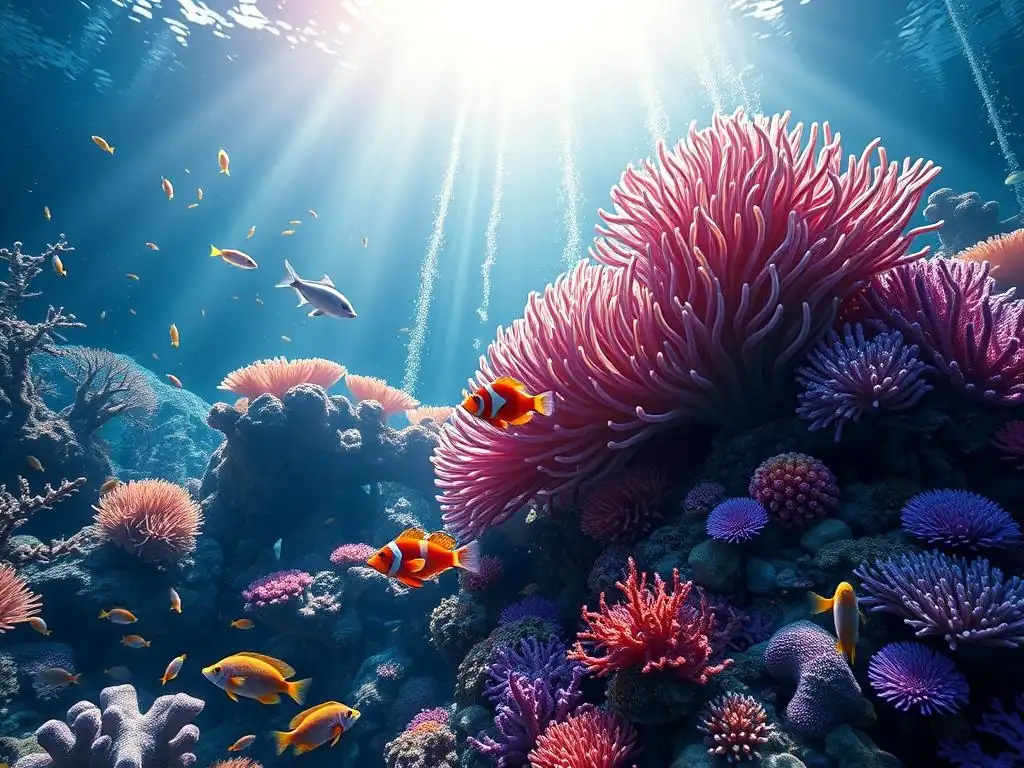
Welcome to Aquarium Mastery!
Ever wondered if you're truly prepared to bring the magic of Nemo into your home? Dive in and discover our essential guide to responsible clownfish anemone care tips. We'll help you navigate the "Nemo Effect" and ensure your aquarium is a thriving, sustainable haven for these iconic fish and their anemone partners. Ready to learn how to be a truly responsible clownfish owner? Let's get started!
- Responsible Reef Keeping: Clownfish, Anemones, and Sustainable Practices
- Understanding the Impact of Aquarium Demand on Reef Ecosystems
- Choosing Clownfish Responsibly: Species and Sourcing
- Selecting Anemones Sustainably: Host Compatibility and Origins
-
Essential Clownfish and Anemone Care: Maintaining a Thriving Reef
- Maintaining Optimal Water Parameters: Salinity, Temperature, and Alkalinity
- Proper Feeding Strategies: Diet and Frequency
- Providing Adequate Lighting and Flow: Meeting Species-Specific Needs
- Preventing and Treating Common Clownfish Diseases: Identification and Treatment
- Ensuring Anemone Health: Recognizing and Addressing Issues
- Creating a Symbiotic Reef Environment: Tank Setup and Acclimation
- Long-Term Commitment: Sustainable Reef Keeping Practices
- Clownfish Breeding: Contributing to Sustainable Supply
- Alternatives to Anemones: Responsible Clownfish Housing
- Addressing Common Concerns: Troubleshooting and Problem Solving
- Conclusion: Promoting Responsible Reef Keeping for Future Generations
- Frequently Asked Questions
- Final Reflection: A Ripple Effect of Responsibility
- Dive Deeper: Start Your Responsible Reef Journey!
Responsible Reef Keeping: Clownfish, Anemones, and Sustainable Practices
Understanding the Impact of Aquarium Demand on Reef Ecosystems
The Demand for Marine Ornamentals: A Growing Concern
The global demand for marine ornamental species, driven significantly by popular culture like the "Nemo Effect," has steadily increased over the past two decades. This industry is valued at an estimated $200-$300 million annually, with millions of individual fish and invertebrates traded worldwide each year. Clownfish, particularly the Ocellaris and Percula species, are among the most sought-after marine fish, leading to immense pressure on their natural habitats and the delicate coral reef ecosystems they inhabit.
This rising demand highlights a critical need for responsible clownfish anemone care tips and broader sustainable practices within the aquarium hobby. While hobbyists enjoy the beauty of these creatures, the sourcing methods often employed for wild-caught specimens can have devastating, long-lasting impacts on the very environments these animals call home. Understanding this connection is the first step toward becoming a truly responsible reef keeper.
The Problem: Habitat Destruction and Unsustainable Collection
A significant portion of marine ornamental fish, particularly in the past, was collected using destructive methods such as cyanide fishing. This illegal practice involves spraying sodium cyanide onto coral reefs to stun fish for easier capture, but it simultaneously kills coral polyps and other invertebrates, leaving behind vast stretches of dead or dying reef. Estimates suggest that cyanide fishing has damaged over 50% of the coral reefs in some parts of Southeast Asia, a major source region for marine ornamentals.
Beyond cyanide, other unsustainable collection practices, like overfishing specific species or damaging collection techniques, further degrade reef health. The high mortality rates during capture, transport, and acclimation—often exceeding 80% for some delicate species before reaching the consumer—underscore the immense waste and ecological toll associated with wild collection. These issues necessitate a shift towards ethical and sustainable responsible clownfish anemone care tips.
Why Responsible Reef Keeping Matters for Conservation
Responsible reef keeping plays a pivotal role in marine conservation by directly influencing the demand for sustainably sourced animals. Every decision made by an aquarist, from choosing captive-bred fish to supporting vendors committed to ethical practices, sends a clear message to the industry. By prioritizing sustainability, hobbyists can help reduce the pressure on wild populations and mitigate the damage caused by destructive collection methods.
Furthermore, responsible aquarists often become advocates for ocean conservation, educating others and supporting initiatives that protect coral reefs. As more hobbyists adopt responsible clownfish anemone care tips and sustainable practices, the market shifts, making it more viable for breeders and ethical collectors to thrive, ultimately benefiting the health and longevity of our planet's precious reef ecosystems.
Choosing Clownfish Responsibly: Species and Sourcing
Researching Clownfish Species: Temperament and Tank Size
Before acquiring a clownfish, thorough research into its specific species requirements is paramount for responsible clownfish anemone care tips. Different clownfish species vary significantly in size, temperament, and preferred host anemones.
For example, the Ocellaris Clownfish ( Amphiprion ocellaris) and Percula Clownfish ( Amphiprion percula) are relatively small, reaching about 3-4 inches, and are generally peaceful, making them suitable for tanks 20 gallons or larger. In contrast, the Maroon Clownfish ( Premnas biaculeatus) can grow up to 6 inches and is known for its aggressive and territorial nature, requiring a tank of at least 40-50 gallons, especially if kept with other fish.
Understanding these distinctions ensures that the chosen clownfish will thrive in its environment and coexist peacefully with tank mates. Overcrowding or housing incompatible species can lead to chronic stress, disease, and aggression, compromising the well-being of all inhabitants. A well-researched decision is a cornerstone of effective and responsible clownfish anemone care tips.
Ethical Sourcing: Prioritizing Captive-Bred Clownfish
One of the most impactful responsible clownfish anemone care tips is to prioritize captive-bred clownfish. The advancement in aquaculture technology has made it possible to breed many popular clownfish species in captivity, significantly reducing the reliance on wild-caught specimens. In fact, over 90% of the clownfish sold in the United States today are estimated to be captive-bred, a testament to the success of these programs.
Captive-bred clownfish offer numerous advantages: they are typically hardier, more accustomed to aquarium life and prepared foods, and significantly less likely to carry diseases or parasites compared to their wild counterparts. Their acquisition does not deplete natural reef populations, nor does it support destructive collection practices, making them the most ethical and sustainable choice for any aquarist.
Avoiding Wild-Caught Clownfish: Certification and Transparency
While the vast majority of clownfish are now captive-bred, some wild-caught specimens may still enter the trade. To ensure responsible clownfish anemone care tips, it is crucial to actively avoid these whenever possible. This requires diligence in questioning your local fish store or online vendor about the origin of their fish. Reputable suppliers will be transparent about their sourcing and can often provide information about the breeders or collection methods used.
Look for certifications or affiliations with organizations promoting sustainable aquaculture or responsible wild collection practices, although these are more common for wild-caught fish than for the widely available captive-bred clownfish. If a vendor cannot provide clear information about the fish's origin, it's best to err on the side of caution and seek out a different source that prioritizes ethical and sustainable practices.
Selecting Anemones Sustainably: Host Compatibility and Origins
Understanding Anemone Compatibility: Species and Tank Requirements
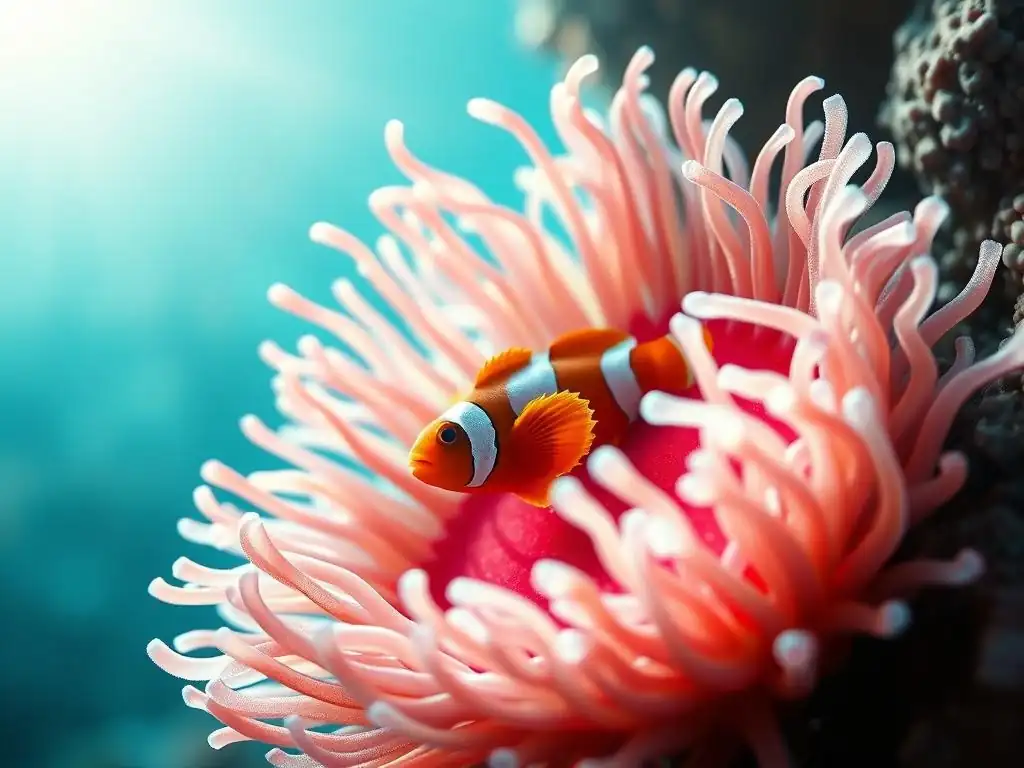
Selecting an anemone for a clownfish requires careful consideration of both species compatibility and the anemone's specific environmental needs. Not all anemones host clownfish, and not all clownfish host in the same anemone species. For instance, the Ocellaris and Percula clownfish commonly host in Bubble-Tip Anemones ( Entacmaea quadricolor), Magnificent Sea Anemones ( Heteractis magnifica), and Sebae Anemones ( Heteractis crispa). Each of these anemones has unique requirements for lighting, flow, and tank size.
Bubble-Tip Anemones, for example, are relatively hardy but still require stable water parameters, moderate to high lighting (PAR values typically between 150-300), and strong, turbulent flow. Magnificent Anemones, on the other hand, are more challenging, demanding very high light and significant flow, often needing a large, established tank (100 gallons or more) to truly thrive. Understanding these nuanced needs is a critical component of responsible clownfish anemone care tips, ensuring the well-being of both the clownfish and its potential host.
Choosing Tank-Bred Anemones: Availability and Benefits
Similar to clownfish, the availability of tank-bred or aquacultured anemones has increased, offering a more sustainable alternative to wild-collected specimens. While not as widespread as captive-bred clownfish, species like the Bubble-Tip Anemone are regularly propagated in captivity through asexual reproduction (fission). These aquacultured anemones are often hardier, more resilient to shipping stress, and better adapted to aquarium conditions than their wild counterparts.
Opting for tank-bred anemones is a cornerstone of responsible clownfish anemone care tips because it eliminates the environmental impact associated with wild collection. It also reduces the risk of introducing parasites or diseases into your aquarium, contributing to a healthier and more stable reef environment. Always inquire about the origin of an anemone before purchase, prioritizing those that are aquacultured.
Sustainable Anemone Acquisition: Supporting Reputable Vendors
When acquiring an anemone, supporting reputable vendors who prioritize sustainable practices is essential for responsible clownfish anemone care tips. These vendors often source their anemones from aquacultured facilities or from ethical collectors who adhere to strict environmental guidelines if wild collection is involved. A trustworthy vendor will be transparent about the origin of their anemones and can provide details on their care requirements.
Avoid purchasing anemones from sources that cannot verify their origin or that offer specimens at unusually low prices, as this can be a red flag for unsustainable or illegal collection practices. By choosing to support businesses committed to conservation and ethical sourcing, you contribute directly to the long-term health of marine ecosystems and promote a more responsible aquarium hobby.
Essential Clownfish and Anemone Care: Maintaining a Thriving Reef
Maintaining Optimal Water Parameters: Salinity, Temperature, and Alkalinity
Maintaining stable and optimal water parameters is fundamental to the health of both clownfish and anemones, forming the backbone of responsible clownfish anemone care tips. Salinity should be kept within a narrow range of 1.023 to 1.026 specific gravity, ideally at 1.025. Fluctuations can stress marine life, leading to osmotic shock. Temperature is equally crucial, ideally maintained between 75-80°F (24-27°C), with minimal daily swings. A stable temperature supports metabolic processes and prevents thermal stress.
Alkalinity, which measures the water's buffering capacity, should be maintained between 8-12 dKH (degrees of carbonate hardness). This parameter is vital for coral and anemone calcification and helps stabilize pH, which should ideally remain between 8.0 and 8.4. Regular testing, at least weekly, is indispensable to ensure these parameters remain within the healthy range. Implementing these precise measurements is a key aspect of responsible clownfish anemone care tips.
Proper Feeding Strategies: Diet and Frequency
Proper nutrition is vital for the longevity and vibrancy of clownfish and anemones. Clownfish are omnivores and should be fed a varied diet of high-quality marine pellets, flakes, and frozen foods such as mysis shrimp, brine shrimp, and spirulina-enriched foods. Feeding once or twice a day is generally sufficient, providing small amounts that can be consumed within a few minutes to prevent overfeeding and water quality degradation.
Anemones, while possessing symbiotic algae (zooxanthellae) that provide most of their energy through photosynthesis, also benefit from supplemental feeding. Depending on their size and species, they should be fed once or twice a week with meaty foods like chopped shrimp, silversides, or krill. Target feeding, ensuring the food lands directly on their tentacles, is effective. Overfeeding anemones can lead to water quality issues, so moderation is key for responsible clownfish anemone care tips.
Providing Adequate Lighting and Flow: Meeting Species-Specific Needs
Adequate lighting and appropriate water flow are non-negotiable for the health of photosynthetic anemones and indirectly benefit clownfish that host in them. Anemones, particularly those hosting clownfish like Bubble-Tip Anemones, require moderate to high intensity lighting, typically with PAR (Photosynthetically Active Radiation) values ranging from 150-300, depending on the species and tank depth. LED or T5 lighting systems are often used to provide the necessary spectrum and intensity.
Water flow is equally important; anemones prefer turbulent, indirect flow that prevents detritus buildup and brings food particles to their tentacles without blasting them. Too little flow can lead to waste accumulation and insufficient oxygen, while too much direct flow can prevent them from extending fully or cause them to detach. Observing your anemone's reaction to the flow is crucial for optimizing its placement and ensuring optimal responsible clownfish anemone care tips.
Preventing and Treating Common Clownfish Diseases: Identification and Treatment
Even with the best responsible clownfish anemone care tips, diseases can sometimes occur. Common clownfish diseases include Marine Ich ( Cryptocaryon irritans), Brooklynella ( Brooklynella hostilis), and Marine Velvet ( Amyloodinium ocellatum). Marine Ich presents as small white spots resembling salt grains; Brooklynella causes excessive mucus production and skin sloughing; and Marine Velvet appears as a fine, dusty coating. Prompt identification is crucial for effective treatment.
Treatment options vary by disease but often involve quarantine tank procedures. For Ich and Velvet, copper-based medications or hyposalinity (gradually reducing salinity to 1.009-1.010 for 2-4 weeks) are common. Brooklynella typically responds to formalin dips or metronidazole treatments. Always follow medication instructions carefully and remove activated carbon during treatment. Prevention through proper quarantine of new fish (minimum 4 weeks) and maintaining pristine water quality is the most effective strategy.
Ensuring Anemone Health: Recognizing and Addressing Issues
Anemone health is indicated by full inflation, vibrant color, and sticky tentacles. Signs of distress include prolonged shrinking, loss of color, deflated appearance, mouth gaping, or detachment from the rockwork. These symptoms often point to issues with water parameters, lighting, flow, or nutrient deficiencies, underscoring the importance of responsible clownfish anemone care tips.
If an anemone shows signs of distress, immediately check all water parameters (salinity, temperature, alkalinity, nitrates, phosphates). Ensure adequate lighting and appropriate flow. If parameters are stable, consider supplemental feeding. In severe cases, moving the anemone to a hospital tank with optimal conditions might be necessary. A dying anemone can crash an entire tank due to the release of toxins, so prompt action is vital.
Creating a Symbiotic Reef Environment: Tank Setup and Acclimation
Setting Up a Reef Tank: Substrate, Rockwork, and Equipment
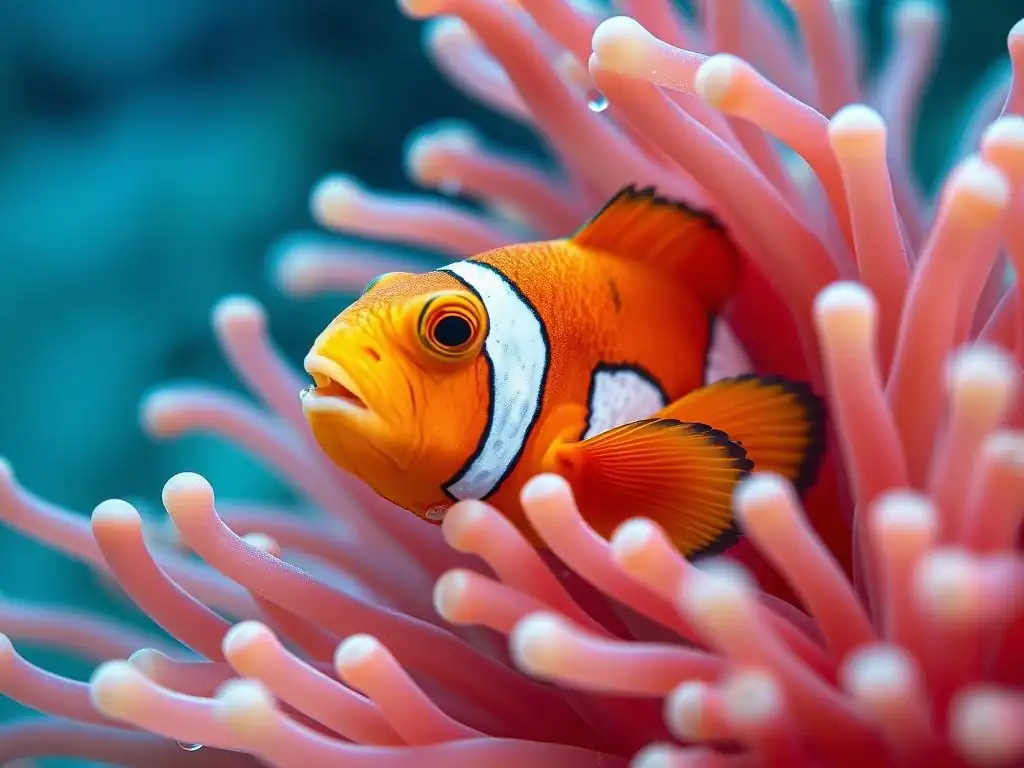
A successful reef tank for clownfish and anemones begins with careful planning of its physical components, a cornerstone of responsible clownfish anemone care tips. A sand bed of 1-3 inches (a shallow sand bed) is often preferred to reduce nitrate accumulation, though a bare bottom is also an option. Live rock is essential, providing biological filtration, hiding places for fish, and attachment points for anemones. Aim for 1 to 1.5 pounds of live rock per gallon of tank volume.
Key equipment includes a robust filtration system (sump with protein skimmer, refugium), appropriate lighting (LEDs or T5s capable of supporting high-light corals), and wavemakers or powerheads to provide adequate water flow. A reliable heater and an auto top-off (ATO) system for maintaining stable salinity are also crucial. Proper setup minimizes future problems and creates a stable environment for your marine inhabitants.
Introducing Clownfish and Anemones Carefully: Gradual Acclimation
The acclimation process is a critical step in responsible clownfish anemone care tips, minimizing stress and increasing survival rates. Both clownfish and anemones should undergo a slow drip acclimation, particularly for salinity and temperature sensitive anemones. This involves slowly introducing tank water into the bag or container where the new specimen is held, over a period of 30-60 minutes, to gradually equalize water parameters.
For anemones, it's also advisable to turn off powerheads during introduction to prevent them from being sucked into pumps or dislodged before they can attach. After acclimation, gently release the animal into the tank. For clownfish, a quarantine tank for at least 4 weeks is highly recommended to observe for diseases and ensure they are eating well before introduction to the main display tank.
Monitoring Interactions: Ensuring Compatibility and Health
Once clownfish and anemones are introduced, continuous monitoring of their interactions is vital for responsible clownfish anemone care tips. Observe if the clownfish attempts to host in the anemone, which can take days or even weeks. Note any signs of aggression from the clownfish towards other tank mates, especially if the anemone establishes a territory. Conversely, ensure the anemone is not being harassed or stressed by overly boisterous fish.
Regularly check the anemone's health indicators: full inflation, strong coloration, and firm attachment. If the anemone moves excessively or deflates often, it might be signaling discomfort with lighting, flow, or water quality. Pay attention to any signs of disease in the clownfish, such as spots, fin rot, or unusual swimming patterns. Early detection and intervention are key to maintaining a healthy and symbiotic reef environment.
Long-Term Commitment: Sustainable Reef Keeping Practices
Regularly Testing Water Chemistry: Maintaining Stability
Long-term stability in water chemistry is paramount for a thriving reef tank and represents a core pillar of responsible clownfish anemone care tips. Beyond the initial setup, consistent monitoring of parameters like salinity, temperature, alkalinity, calcium, magnesium, nitrates, and phosphates is essential. Calcium (400-450 ppm) and magnesium (1300-1400 ppm) are critical for anemone and coral growth, while low nitrates (<10 ppm) and phosphates (<0.03 ppm) prevent nuisance algae blooms.
Establishing a regular testing schedule, perhaps weekly for basic parameters and bi-weekly for others, allows for proactive adjustments. Investing in reliable test kits or sending water samples to a professional lab can provide accurate readings. Maintaining these parameters within their optimal ranges prevents stress, disease, and promotes long-term health for all inhabitants, demonstrating a true commitment to responsible clownfish anemone care tips.
Performing Regular Tank Maintenance: Water Changes and Filtration
Consistent tank maintenance is non-negotiable for long-term reef health. Regular water changes, typically 10-20% bi-weekly or monthly, replenish trace elements, remove accumulated nitrates and phosphates, and refresh the water's buffering capacity. Using high-quality reverse osmosis/deionization (RO/DI) water mixed with a good marine salt mix is crucial to avoid introducing undesirable contaminants.
Beyond water changes, routine cleaning of equipment, such as protein skimmers, powerheads, and filter socks, prevents buildup that can degrade water quality. Substrate vacuuming helps remove detritus, and algae scraping keeps the viewing panes clear. A well-maintained filtration system, including a protein skimmer operating efficiently, is vital for removing organic waste. These consistent practices are fundamental responsible clownfish anemone care tips.
Supporting Reef Conservation Efforts: Organizations and Initiatives
Beyond individual tank practices, a truly sustainable reef keeper actively supports broader reef conservation efforts. Many reputable organizations are dedicated to protecting and restoring coral reefs worldwide, such as the Coral Reef Alliance, The Nature Conservancy, and local marine conservation groups. Donating to these organizations, participating in citizen science projects, or volunteering for local cleanups are impactful ways to contribute.
Furthermore, advocating for policies that protect marine environments, reducing your personal carbon footprint, and making informed consumer choices (e.g., avoiding products sourced unsustainably) all contribute to the larger goal of reef conservation. By extending your responsible clownfish anemone care tips beyond your aquarium, you become a vital part of the solution for global reef health.
Clownfish Breeding: Contributing to Sustainable Supply
Creating a Breeding Environment: Tank Setup and Conditions
Breeding clownfish offers a rewarding way to contribute to sustainable supply and is an advanced aspect of responsible clownfish anemone care tips. A dedicated breeding tank, typically 20-40 gallons, is ideal, allowing for controlled conditions and easy access to eggs and fry. A pair of mature, healthy clownfish (often Ocellaris or Percula) that have bonded are necessary. The tank should include a smooth surface for egg laying, such as a terracotta pot, a piece of PVC pipe, or a flat rock.
Water parameters must be pristine and stable, mirroring the ideal ranges for a display tank. Gentle aeration and filtration (sponge filters are excellent as they won't harm delicate fry) are crucial. Some breeders include a small host anemone or a surrogate host like a toadstool leather coral to encourage spawning, though it's not strictly necessary for breeding to occur. The focus is on a low-stress environment conducive to pair bonding and reproduction.
Raising Clownfish Fry: Feeding and Water Quality
Raising clownfish fry is a delicate and demanding process, requiring meticulous attention to feeding and water quality. Newly hatched clownfish fry are extremely small, measuring just a few millimeters, and require microscopic food sources. Rotifers (e.g., Brachionus plicata) are the primary food for the first 7-10 days, fed multiple times a day to ensure a constant supply. After this, they can transition to newly hatched brine shrimp nauplii.
Maintaining pristine water quality in the fry tank is paramount due to their sensitivity to ammonia and nitrites. Small, frequent water changes (10-20% daily) are often necessary. Gentle aeration is crucial, but strong currents must be avoided as they can exhaust the tiny fry. Successful fry rearing significantly reduces the demand for wild-caught clownfish, embodying the spirit of responsible clownfish anemone care tips.
Reducing Reliance on Wild-Caught Specimens: Benefits of Captive Breeding
The ability to successfully breed clownfish in captivity has revolutionized the marine ornamental trade, offering substantial benefits in reducing reliance on wild-caught specimens. Every captive-bred clownfish purchased means one less fish taken from the ocean. This directly alleviates pressure on wild populations, allowing them to recover and thrive naturally.
Furthermore, captive-bred clownfish are generally hardier, healthier, and better adapted to aquarium life, leading to fewer mortalities for hobbyists. They are also free from parasites and diseases common in wild-caught fish, contributing to overall aquarium health. Supporting captive breeding through purchases and, for advanced hobbyists, through personal breeding efforts, is one of the most impactful responsible clownfish anemone care tips for sustainable aquarists.
Alternatives to Anemones: Responsible Clownfish Housing
Understanding the Risks of Anemone-Free Keeping: Stress and Behavior
While clownfish are famously known for their symbiotic relationship with anemones, it is entirely possible and often safer to keep them in an anemone-free tank. Many common clownfish species, especially captive-bred ones, have never encountered an anemone and will thrive without one. However, it's important to understand potential behavioral differences. In the absence of an anemone, some clownfish may become more territorial or exhibit "surrogate" hosting behaviors with corals or even powerhead cords.
The primary risk in anemone-free keeping is not to the clownfish's survival, but to its natural behavior and potential stress if it continuously searches for a host without finding one. While not life-threatening, this can manifest as repetitive swimming patterns or aggression towards tank mates. Responsible clownfish anemone care tips, even in this context, involve providing alternative structures and ensuring the clownfish's psychological well-being.
Providing Alternative Hosts: Toadstool Leather Coral, Bubble-Tip Anemone Alternatives
For aquarists who wish to see their clownfish exhibit hosting behavior without the significant commitment and risk of a true anemone, several alternative "hosts" can be considered. Toadstool Leather Corals ( Sarcophyton sp.) are a popular choice. Their soft, leathery polyps provide a similar texture and protection, and many clownfish will readily host in them. Other options include certain types of LPS (Large Polyp Stony) corals like Duncan Corals ( Duncanopsammia axifuga) or even some soft corals like Xenia.
While these alternatives don't offer the exact same symbiotic benefits as a true anemone, they can satisfy the clownfish's instinct to host, providing comfort and reducing stress. They are generally much hardier, less prone to moving, and do not pose the same stinging threat to other tank inhabitants that true anemones might. This approach aligns with responsible clownfish anemone care tips by providing a safer, more manageable hosting solution.
Ensuring Clownfish Well-being: Enrichment and Compatibility
Whether or not an anemone is present, ensuring the overall well-being of clownfish involves providing a rich and compatible tank environment. This includes ample rockwork with plenty of hiding spots and territories. A diverse diet, as discussed earlier, is also crucial for their health and vibrancy. When considering tank mates, choose peaceful species that won't compete for resources or harass the clownfish.
For instance, small gobies, cardinalfish, or certain blennies make good companions. Avoid highly aggressive or very large fish that could intimidate or injure your clownfish. Providing environmental enrichment, like varied feeding methods or rearranging rockwork occasionally, can also stimulate their natural behaviors. These comprehensive responsible clownfish anemone care tips ensure a happy and healthy life for your clownfish, with or without a host anemone.
Addressing Common Concerns: Troubleshooting and Problem Solving
Understanding Anemone Movement: Adaptation and Placement
Anemone movement is a common concern for many aquarists and a frequent topic in responsible clownfish anemone care tips. Anemones are motile and will move around the tank if they are not satisfied with their current location. Reasons for movement often include:
- Insufficient or excessive lighting: They will move to find their ideal PAR range.
- Inadequate water flow: Too much direct flow can cause them to detach; too little can lead to detritus buildup.
- Unstable water parameters: Poor water quality can prompt them to search for a better spot.
- Seeking a host: If a clownfish is present, the anemone might move to find a suitable location for hosting.
- Discomfort: Stinging from other corals or harassment from tankmates can cause relocation.
While some movement is natural, constant or rapid movement is a sign of distress. It's crucial to identify the underlying cause and adjust conditions accordingly to provide a stable home for your anemone, which is a key part of responsible clownfish anemone care tips.
Preventing Anemone Stings: Tankmate Compatibility
Anemones possess nematocysts (stinging cells) on their tentacles to capture food and defend themselves. While clownfish are immune to these stings, most other corals and invertebrates are not. An anemone moving into contact with other corals can cause significant damage or even death to the stung coral. This is a primary reason for careful placement and a concern in responsible clownfish anemone care tips.
To prevent stings, ensure ample space (at least 6-12 inches, depending on anemone size and species) between the anemone and other corals or sessile invertebrates. Choose tankmates that are not susceptible to anemone stings or are mobile enough to avoid them. Avoid placing expensive or delicate corals directly downstream or in the immediate vicinity of an anemone. If an anemone persistently moves to sting other inhabitants, it may indicate that the tank is too small for its needs or that its preferred conditions are not met.
Dealing with Clownfish Aggression: Tank Mates and Territory
Clownfish, while often peaceful, can exhibit aggression, especially as they mature or if they are a more territorial species like the Maroon Clownfish. Aggression typically manifests as chasing, nipping, or fin nipping towards other fish, particularly if they perceive them as threats to their territory or host anemone. This behavior is an important consideration in responsible clownfish anemone care tips.
To mitigate aggression:
- Choose tank mates carefully: Select peaceful, non-aggressive species that are not similar in shape or color to the clownfish. Avoid very small, shy fish that could be easily stressed.
- Provide ample space and hiding spots: A larger tank with plenty of rockwork creates visual barriers and reduces territorial disputes. For a pair of Ocellaris clownfish, a 30-gallon tank is a minimum, but larger is always better, especially if an anemone is present.
- Introduce fish in order: Introduce less aggressive fish first, allowing them to establish territories before adding potentially more dominant species like clownfish.
- Consider species-specific aggression: Be aware that species like the Maroon Clownfish are inherently more aggressive; they are best kept as the sole clownfish species and often without other fish that are not robust enough to defend themselves.
Monitoring interactions and intervening early can prevent chronic stress and injury to tank mates, ensuring a harmonious reef environment.
Conclusion: Promoting Responsible Reef Keeping for Future Generations
The Future of Reef Conservation: Individual Actions and Community Involvement
The future of coral reefs, and the vibrant life they support, hinges significantly on the collective actions of individuals and the broader aquarium community. Every decision made by an aquarist, from selecting captive-bred clownfish to meticulously maintaining water parameters for an anemone, contributes to a larger narrative of conservation. By embracing responsible clownfish anemone care tips, hobbyists become stewards of marine ecosystems, reducing the pressure on wild populations and advocating for sustainable practices.
Beyond the confines of personal aquariums, engaging with the wider community through forums, local fish clubs, and supporting conservation organizations amplifies this impact. Sharing knowledge, promoting ethical sourcing, and participating in initiatives that educate the public about reef fragility are powerful ways to ensure that the beauty of clownfish and their symbiotic partners can be appreciated by future generations, both in aquariums and in their natural habitats.
Resources for Further Learning: Books, Websites, and Organizations
To deepen your understanding of responsible clownfish anemone care tips and sustainable reef keeping, a wealth of resources is available. For comprehensive knowledge, consider books such as "The Conscientious Marine Aquarist" by Robert Fenner, which provides in-depth information on species selection, tank setup, and health. Other valuable reads include "Clownfishes: A Guide to Their Captive Care, Breeding & Natural History" by Joyce Wilkerson for specific insights into clownfish.
Online, reputable websites like Reef2Reef, Humblefish, and various university marine biology extension sites offer extensive forums, articles, and scientific data. These platforms provide a community for troubleshooting, sharing experiences, and staying updated on the latest research in sustainable aquaculture and reef conservation. Additionally, organizations like the Marine Aquarium Societies of North America (MASNA) and the Coral Restoration Foundation are excellent resources for supporting broader conservation efforts and connecting with like-minded aquarists.
Frequently Asked Questions
How do I choose a healthy clownfish for my aquarium?
Look for bright coloration, active swimming behavior, and a lack of visible wounds or parasites. Ensure the fish is eating regularly and interacting with other fish peacefully. Proper acclimation is also crucial for success.
What type of anemone is best for a beginner clownfish keeper?
Bubble-tip anemones (BTAs) are generally considered the easiest anemone to care for and are often readily accepted by clownfish. However, research specific needs of any anemone before purchasing.
What are the essential water parameters for a clownfish and anemone tank?
Maintaining stable water parameters is crucial. Key parameters include a specific gravity of 1.024-1.026, a pH of 8.1-8.4, and a temperature of 76-82°F. Regular testing and water changes are essential for a healthy aquarium environment.
How do I ensure my anemone receives adequate lighting?
Anemones require strong lighting to thrive. Depending on the species, this typically means metal halide or high-output LED lighting. Research the specific lighting requirements of your chosen anemone.
How can I ensure my clownfish doesn't harm the anemone?
While clownfish usually host anemones harmlessly, monitor their interaction. If the clownfish is excessively nipping or irritating the anemone, it may indicate stress or an incompatible pairing. Consider providing alternative hiding spots for the clownfish.
Final Reflection: A Ripple Effect of Responsibility
The journey into responsible clownfish ownership and sustainable anemone choices, as we've explored, isn't just about maintaining a beautiful aquarium; it's about understanding the interconnectedness of our actions and their impact on delicate ecosystems. The "Nemo Effect," while initially driving demand, now compels us to be informed stewards, ensuring the survival of these captivating creatures and their vital habitats.
This responsibility extends far beyond our tanks. Understanding the ethical implications of our choices, from sourcing to care, is crucial for preserving the natural beauty we admire. It's a commitment that resonates deeply, reminding us that even small actions can have significant consequences. We are tied to the ocean. And when we go back to the sea, whether it is to sail or to watch it, we are going back from whence we came.
- John F. Kennedy
Let us not simply be consumers, but conscious participants in a cycle of sustainability. Consider the knowledge you've gained here, and let it guide your decisions. Research reputable breeders, prioritize sustainable anemone options, and share your knowledge with others. By embracing responsible clownfish anemone care, you contribute to a future where these vibrant ecosystems thrive, ensuring the "Nemo Effect" becomes a catalyst for conservation, not exploitation.
Dive Deeper: Start Your Responsible Reef Journey!
Thanks for exploring the captivating world of clownfish and anemones with us! We hope you’ve gained valuable insights into responsible ownership and sustainable choices. Now, let’s put that knowledge into action.
Here are some ways to continue your journey:
- Commit to ethical sourcing: Pledge to only purchase clownfish and anemones from reputable breeders or suppliers who prioritize sustainable collection practices.
- Explore creating a mini-reef ecosystem: Design a mock up of your future clownfish tank.
- Share your findings: What are your local fish stores doing well? What do you think they could improve on?
What specific steps will you take this week to ensure a healthy and ethical future for clownfish in the aquarium hobby?