
Breeding Ocellaris Clownfish: A BeginnerFriendly Project for Your Home Aquarium

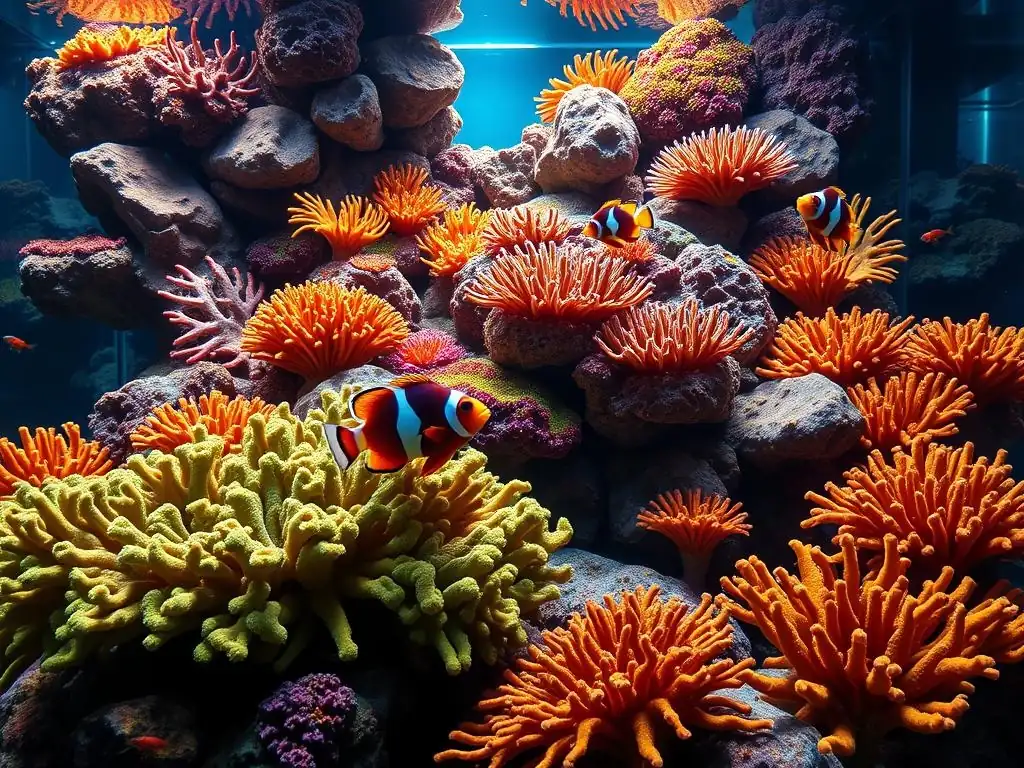
Welcome to Aquarium Mastery!
Dive into the captivating world of saltwater aquariums and unlock the secrets to a thriving underwater ecosystem. Ever dreamt of witnessing the miracle of life in your own home aquarium? Our Ocellaris clownfish breeding guide offers a beginner-friendly approach to this rewarding experience. Curious to learn how you can successfully breed these iconic fish? Let's embark on this exciting journey together!
- Introduction to Ocellaris Clownfish Breeding: A Rewarding Aquarium Mastery Project
- Setting Up Your Ocellaris Clownfish Breeding Tank: Essential Equipment and Environment
- Selecting Your Ocellaris Clownfish Breeding Pair: Health, Compatibility, and Maturity
- The Ocellaris Clownfish Breeding Process: From Courtship to Hatching
- Raising Ocellaris Clownfish Fry: A Detailed Guide to Larval Care
- Troubleshooting Common Ocellaris Clownfish Breeding Problems: Solutions for Success
- From Fry to Juvenile: Growing Your Ocellaris Clownfish
- Selling or Trading Your Ocellaris Clownfish: Responsible Practices
- Conclusion: Mastering Ocellaris Clownfish Breeding and Contributing to Sustainable Aquariums
-
Frequently Asked Questions
- How difficult is it to breed Ocellaris clownfish for a beginner?
- What are the key parameters for water chemistry when breeding Ocellaris clownfish?
- What type of tank setup is ideal for breeding Ocellaris clownfish?
- What do Ocellaris clownfish eat, and how does this affect breeding?
- How long does it take for Ocellaris clownfish eggs to hatch, and what care is needed after hatching?
- Final Reflection: The Enduring Allure of Creation
- Unleash Your Inner Marine Biologist!
Introduction to Ocellaris Clownfish Breeding: A Rewarding Aquarium Mastery Project
Why Breed Ocellaris Clownfish? Benefits for the Home Aquarist
Engaging in Ocellaris clownfish breeding offers a multitude of benefits for the dedicated home aquarist, extending beyond mere hobby enjoyment. One significant advantage is the potential for financial savings and even modest income generation. A single pair of healthy Ocellaris clownfish can produce hundreds of eggs every 10-14 days, and if successfully reared, juvenile clownfish can fetch prices ranging from approximately $15 to $30 each at local fish stores or through private sales. This can significantly offset the costs of maintaining a saltwater aquarium or even provide a small profit, making the hobby more sustainable.
Furthermore, breeding Ocellaris clownfish contributes directly to marine conservation efforts by reducing the demand for wild-caught specimens. The vast majority of Ocellaris clownfish sold in the aquarium trade today are captive-bred, thanks to pioneers in the field, but continued domestic breeding helps alleviate pressure on natural reef populations.
This aspect of the Ocellaris clownfish breeding guide empowers aquarists to become active participants in sustainable practices, ensuring these iconic fish remain plentiful both in our tanks and in their native habitats. It also provides an unparalleled educational experience, offering a front-row seat to the intricate life cycle and fascinating reproductive behaviors of marine fish, deepening an aquarist's understanding of aquatic biology.
Understanding the Ocellaris Clownfish: A Brief Overview for Breeding Success
The Ocellaris clownfish, Amphiprion ocellaris, is a small, vibrant marine fish renowned for its iconic orange body with three distinct white bands edged in black. Native to the Indo-Pacific region, these fish typically inhabit shallow lagoons and outer reef slopes, forming symbiotic relationships with host anemones such as Heteractis magnifica, Stichodactyla gigantea, and Stichodactyla mertensii.
In the wild, they are known to reach adult sizes of about 3 inches (7.5 cm) for females and slightly smaller for males, with a lifespan in captivity often exceeding 6-10 years when provided with optimal care. Understanding these fundamental aspects is crucial for a successful Ocellaris clownfish breeding guide.
A key biological characteristic vital for Ocellaris clownfish breeding is their protandrous hermaphroditism. This means all Ocellaris clownfish are born male. In a group, the largest and most dominant individual will transition into a female, while the second largest remains a functional male.
If the female is removed or dies, the male will then change into a female, and the next largest juvenile will mature into a male. This social hierarchy dictates pairing for breeding: a successful breeding pair will always consist of a larger female and a smaller, submissive male. Their natural diet consists of zooplankton, algae, and undigested food from their host anemone, which informs the nutritional requirements necessary for conditioning a breeding pair and raising fry.
Setting Up Your Ocellaris Clownfish Breeding Tank: Essential Equipment and Environment
Choosing the Right Tank Size for Breeding Clownfish
Selecting the appropriate tank size is a foundational step in any Ocellaris clownfish breeding guide, directly impacting the health of your breeding pair and the success rate of egg development. For a single pair of Ocellaris clownfish, a dedicated breeding tank should be no smaller than 20 gallons (approximately 75 liters).
While some breeders have achieved success in smaller tanks, a 20-gallon long or 30-gallon breeder tank provides more stable water parameters, better gas exchange, and ample swimming space, which reduces stress and potential aggression between the pair. A larger volume of water also dilutes metabolic waste more effectively, creating a healthier environment for egg laying and subsequent development.
The dimensions of the tank are often more critical than just the gallonage. A tank with a larger footprint, such as a 20-gallon long (typically 30 inches x 12 inches x 12 inches), offers more horizontal space for the pair to establish territory and a broader surface area for gas exchange compared to a taller, narrower tank of the same volume.
This additional space can encourage natural courtship behaviors and provide a larger, less confined area for the male to tend to the eggs. Ultimately, providing a stable and spacious environment is paramount for a successful Ocellaris clownfish breeding project, minimizing stress and maximizing the chances of consistent spawning.
Essential Equipment: Filters, Heaters, and Lighting for Optimal Breeding Conditions
The right equipment is paramount for maintaining the stable conditions necessary for Ocellaris clownfish breeding. For filtration, a simple air-driven sponge filter is highly recommended. These filters provide excellent mechanical and biological filtration without creating strong currents that could disturb eggs or fragile fry. Unlike hang-on-back or canister filters, sponge filters pose no risk of sucking up tiny clownfish larvae. For a 20-gallon breeding tank, a medium-sized sponge filter connected to a quiet air pump is usually sufficient. Regular rinsing of the sponge in old tank water is necessary to maintain efficiency.
Temperature stability is critical for successful spawning and egg development. A reliable submersible heater with an accurate thermostat is essential to maintain a consistent water temperature, ideally between 78°F and 82°F (25.5°C to 27.8°C). Fluctuations can stress the fish and negatively impact egg viability. For lighting, Ocellaris clownfish do not require intense illumination.
A simple LED light fixture providing a gentle, subdued light cycle (10-12 hours on, 12-14 hours off) is adequate. Excessive light can stress the breeding pair and may even promote undesirable algae growth on spawning sites. Some breeders prefer to use a dim moon light during the dark cycle, especially on hatching nights, to observe the fry without causing disturbance.
Creating the Ideal Water Parameters for Ocellaris Clownfish Reproduction
Maintaining pristine and stable water parameters is arguably the most critical factor in a successful Ocellaris clownfish breeding guide. The specific gravity (salinity) should be kept within a narrow range of 1.023 to 1.025, which closely mimics their natural marine environment. Consistent monitoring with a calibrated refractometer is essential, as even minor fluctuations can stress the breeding pair and impact egg viability. Regular top-offs with RODI (Reverse Osmosis Deionized) water are necessary to compensate for evaporation, which increases salinity.
Other vital parameters include pH, alkalinity (dKH), calcium, and magnesium. The pH should be maintained between 8.1 and 8.4. Alkalinity, a measure of buffering capacity, is crucial and should be kept between 8 to 12 dKH. Calcium levels should ideally be between 400 and 450 ppm, and magnesium between 1250 and 1350 ppm.
While clownfish do not directly utilize these for skeletal growth like corals, stable levels contribute to overall water stability and fish health. Most importantly, ammonia and nitrite must always be undetectable (0 ppm), and nitrates should be kept as low as possible, ideally below 10 ppm. Regular small water changes (10-20% weekly) using high-quality mixed saltwater are fundamental to replenish trace elements and remove accumulated nitrates, ensuring a healthy environment for consistent spawning.
Substrate and Decorations: Creating a Suitable Breeding Environment
When setting up a breeding tank for Ocellaris clownfish, the choice of substrate and decorations plays a significant role in providing a suitable environment for spawning. Many experienced breeders opt for a bare-bottom tank, or a very thin layer of fine aragonite sand (less than 1 inch). A bare bottom simplifies cleaning, prevents detritus accumulation, and makes it easier to collect fry after hatching. If sand is used, ensure it is regularly siphoned to prevent the buildup of organic waste, which can degrade water quality.
For decorations, the primary goal is to provide a suitable spawning surface. Ocellaris clownfish typically lay their eggs on a flat, smooth, and protected surface. Common options include:
- Terracotta pots: Half-pots or whole pots turned on their side provide a perfect cave-like structure.
- Flat ceramic tiles or PVC pipes: Cut sections of PVC or flat, aquarium-safe ceramic tiles can be placed directly on the tank bottom.
- Live rock: A small, stable piece of live rock with a flat surface can serve as a natural spawning site.
While Ocellaris clownfish are famous for their symbiosis with anemones, an anemone is not necessary for breeding and can actually complicate the Ocellaris clownfish breeding guide process by consuming eggs or fry, or by making it difficult to collect the eggs. Instead, providing a simple, easily accessible, and removable spawning surface is far more practical for a dedicated breeding setup. The male clownfish will diligently clean the chosen site in preparation for spawning, making it easy for the aquarist to identify their preferred location.
Selecting Your Ocellaris Clownfish Breeding Pair: Health, Compatibility, and Maturity
Identifying a Healthy Ocellaris Clownfish Pair for Breeding
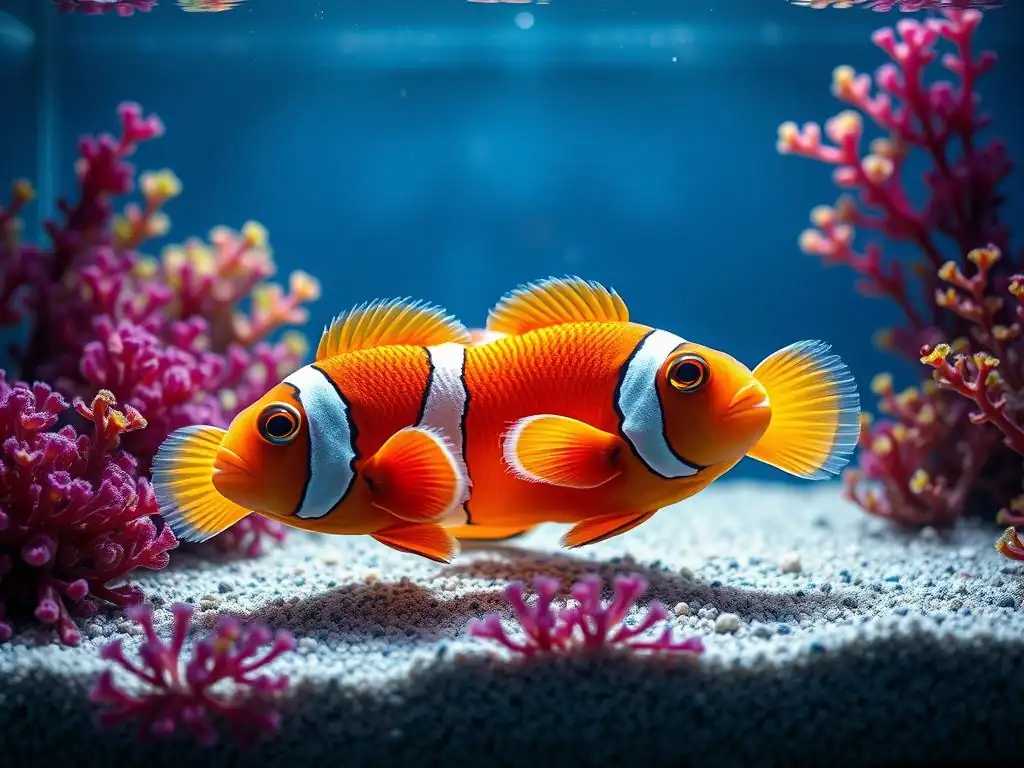
The success of any Ocellaris clownfish breeding guide hinges on starting with robust, healthy fish. When selecting individuals for your breeding pair, observe them closely for several key indicators of good health. Look for fish that are active and alert, swimming freely and exhibiting natural behaviors. Their fins should be fully intact, without tears or signs of fin rot, and their eyes should be clear and bright, not cloudy or sunken. The body should appear full and well-rounded, indicating proper nutrition, rather than emaciated or bloated.
Furthermore, inspect their skin for any visible signs of disease or parasites. Avoid fish with white spots (Ich), velvet-like dust (Oodinium), frayed fins, or unusual blotches. Healthy Ocellaris clownfish will also display vibrant, consistent coloration typical of their species.
It's often beneficial to acquire a small group of juvenile Ocellaris clownfish (3-5 individuals) and allow them to establish their own hierarchy within a larger community tank. Over time, the largest fish will become the female, and the next largest will become the male, naturally forming a compatible pair that can then be moved to a dedicated breeding setup. This approach minimizes stress and ensures you begin your breeding project with strong, disease-free specimens.
Ensuring Compatibility: Avoiding Aggression and Promoting Bonding
Achieving a compatible pair is a cornerstone of a successful Ocellaris clownfish breeding guide, as aggression can severely hinder spawning efforts. Ocellaris clownfish, being protandrous hermaphrodites, naturally form a pecking order where the largest individual becomes the female and the second largest becomes the male. Introducing two randomly selected adult clownfish can often lead to severe aggression, with the larger fish potentially harassing or even killing the smaller one if a hierarchy isn't already established.
To mitigate this, consider purchasing two juveniles of noticeably different sizes. The larger one will naturally transition to female, and the smaller will remain male.
If you already have two fish of similar size, or if aggression becomes an issue, a common strategy is to use an acrylic divider in the breeding tank for a period of several weeks. This allows the fish to become accustomed to each other's presence without direct physical contact. During this time, the larger fish will typically assert dominance, and the smaller one will show submissive behaviors, such as quivering or presenting its side.
Once these behaviors are observed consistently and the fish show less aggressive posturing through the divider, it can be removed. Another method is to introduce the smaller fish into the breeding tank first, allowing it to settle in for a few days before adding the larger female. This gives the male a head start in establishing territory, which can sometimes reduce initial aggression from the dominant female.
Determining Breeding Maturity: Age and Size Considerations
Understanding when Ocellaris clownfish reach breeding maturity is crucial for aquarists embarking on an Ocellaris clownfish breeding guide. While individual fish can vary, Ocellaris clownfish typically become reproductively mature between 1.5 to 2 years of age. At this point, the female will generally be around 2.5 to 3 inches (6-7.5 cm) in length, and the male will be slightly smaller, usually between 1.5 to 2 inches (4-5 cm). It's important to note that these are general guidelines; some pairs may begin spawning slightly earlier or later depending on their genetics, nutrition, and environmental conditions.
Consistent, high-quality nutrition plays a vital role in accelerating sexual maturity and ensuring consistent spawning. Feeding a varied diet of high-quality marine flakes, pellets, and frozen foods such as mysis shrimp, brine shrimp, and spirulina-enriched preparations helps to condition the fish for breeding. Maintaining stable and optimal water parameters, as detailed previously, also contributes significantly to their overall health and reproductive readiness. Pairs that are well-fed and kept in a low-stress environment are more likely to reach maturity faster and spawn regularly, making patience and diligent husbandry key factors in successfully initiating your Ocellaris clownfish breeding project.
The Ocellaris Clownfish Breeding Process: From Courtship to Hatching
Courtship Rituals: Recognizing Mating Behavior in Clownfish
Observing the courtship rituals is an exciting phase in the Ocellaris clownfish breeding guide, signaling that your pair is ready to spawn. These behaviors typically begin several days before the actual egg-laying. The male clownfish, usually the more active participant in courtship, will start to "tremble" or vibrate his body rapidly while swimming around the female.
This trembling motion is believed to be a signal of readiness and a way to stimulate the female. He will also frequently "clean" the chosen spawning site, using his mouth to meticulously clear away any debris, algae, or sand from a flat surface, such as a terracotta pot, a piece of tile, or a smooth rock.
Alongside trembling and cleaning, you may observe the male engaging in fin flicking and gill flaring, further displaying his interest and readiness. The female, in turn, may join the male in inspecting the cleaned spawning site or exhibit her own subtle displays of acceptance.
As spawning approaches, the pair will spend more and more time close to the chosen site, often guarding it from other tank inhabitants (if any, though a dedicated breeding tank is ideal). These pre-spawning behaviors are crucial indicators that your conditioning efforts have been successful and that egg-laying is imminent, usually occurring within 24-48 hours of intense courtship.
Egg Laying: Identifying and Protecting the Clownfish Eggs
The actual egg-laying process is a fascinating and delicate stage in the Ocellaris clownfish breeding guide. Once the male has thoroughly cleaned the spawning site, the female will begin to lay her eggs, typically in the late afternoon or early evening. She will make repeated passes over the chosen surface, depositing a small clutch of adhesive, oval-shaped eggs during each pass.
The male follows closely behind, fertilizing the eggs as she lays them. This process can last for 1 to 2 hours, with the female depositing anywhere from 200 to over 1000 eggs, depending on her age, size, and conditioning.
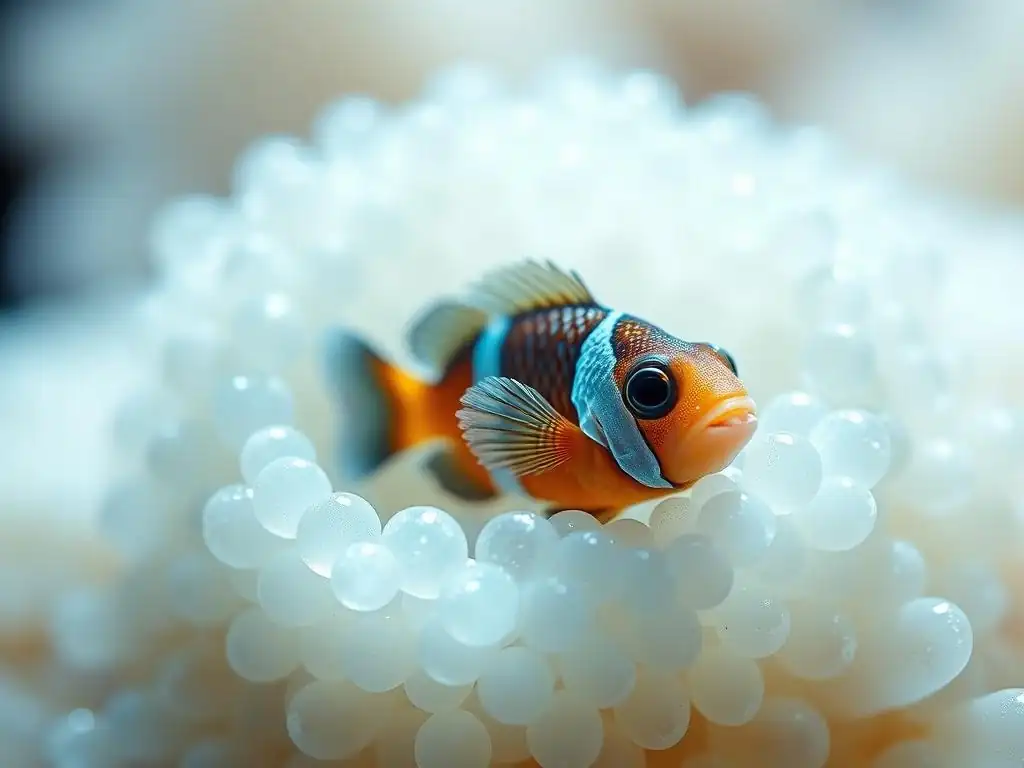
The newly laid eggs are typically bright orange and are tightly packed together in an oval or crescent-shaped cluster. Over the next 7-10 days, as the embryos develop, the eggs will gradually change color, becoming darker as the internal structures and eyes of the developing fry become visible. During this incubation period, the male clownfish takes on the primary role of parental care.
He will diligently fan the eggs with his pectoral fins to provide fresh, oxygenated water and will meticulously mouth-clean the clutch to remove any unfertilized eggs, detritus, or fungal growth. It is imperative not to disturb the male during this critical phase, as his attentive care is vital for the successful hatching of the fry.
Caring for the Eggs: Incubation and Preventing Fungus
Proper care for the eggs during their incubation period is a critical component of any comprehensive Ocellaris clownfish breeding guide. After the eggs are laid, the male clownfish assumes the primary role of fanning and cleaning the clutch. This constant fanning ensures adequate oxygenation and removes any waste products that could harm the developing embryos. The incubation period typically lasts between 7 to 10 days, heavily influenced by water temperature; at warmer temperatures (e.g., 80-82°F or 26.7-27.8°C), hatching may occur closer to 7 days, while cooler temperatures can extend it to 10 days or more.
One of the main challenges during incubation is preventing fungal growth, which can quickly spread and destroy an entire clutch of eggs. Unfertilized eggs are particularly susceptible to fungus. The male's diligent cleaning helps, but aquarists can also assist by ensuring excellent water quality in the breeding tank.
Maintaining low nitrates (below 10 ppm) and zero ammonia/nitrite is crucial. Some breeders carefully remove any obviously infertile, opaque white eggs using fine forceps, though this should be done with extreme caution to avoid disturbing the male or dislodging healthy eggs. In rare cases, if severe fungal outbreaks persist, some breeders have used very dilute solutions of methylene blue as a preventative measure, but this is generally a last resort and requires careful consideration as it can also impact beneficial bacteria.
Hatching: Preparing for the Clownfish Fry
The hatching of Ocellaris clownfish fry is a highly anticipated event in the breeding process, typically occurring after dark, usually within an hour or two after the tank lights have been turned off for the night. This nocturnal hatching is a natural survival mechanism, as it provides the tiny, defenseless larvae with the cover of darkness to disperse before predators become active.
As the eggs approach hatching, usually on day 7-10, their color will darken significantly, and the distinct silver eyes of the developing fry will become clearly visible through the egg casing. This "silver eye" stage is a reliable indicator that hatching is imminent.
To prepare for hatching and ensure the highest survival rates for the delicate fry, it is essential to have a separate, pre-prepared larval rearing tank. This tank should be filled with mature saltwater from the breeding tank and equipped with a gentle sponge filter and an air stone to provide aeration without strong currents.
On the night of hatching, it is common practice to dim or turn off all external lights around the breeding tank to encourage the fry to swim towards the light source, which is typically a small, submersible LED light placed in the larval rearing tank. This technique, known as "pulling" the fry, involves gently siphoning the newly hatched larvae from the breeding tank into the rearing tank.
Extreme care must be taken during this process, as the fry are incredibly fragile, measuring only about 3-4 mm in length. Once hatched, the fry are pelagic (free-swimming) and require immediate access to their first food source, usually rotifers.
Raising Ocellaris Clownfish Fry: A Detailed Guide to Larval Care
First Foods: Providing the Right Nutrition for Clownfish Fry
The initial feeding of Ocellaris clownfish fry is perhaps the most critical and challenging aspect of the entire Ocellaris clownfish breeding guide, directly determining their survival rate. Newly hatched Ocellaris fry are incredibly small, measuring only 3-4 millimeters, and require a live food source that is equally tiny and highly nutritious. For the first 5-7 days post-hatch, the universally accepted first food is the marine rotifer, Brachionus plicatilis. These rotifers are approximately 50-200 microns in size, making them perfectly sized for the fry's undeveloped mouths.
It is crucial to maintain a high density of rotifers in the larval rearing tank, typically 10-15 rotifers per milliliter of water, to ensure the fry encounter enough food to survive. Rotifers must be gut-loaded with a highly nutritious phytoplankton (e.g., Nannochloropsis oculata or Tetraselmis chuii) before being fed to the fry, as this transfers essential fatty acids and nutrients to the fry. After the first week, as the fry grow, newly hatched Artemia nauplii (brine shrimp) can be gradually introduced.
Artemia are larger and more nutritionally robust, serving as an excellent bridge food until the fry are ready for larger, non-live foods. Continuous, consistent feeding is paramount, often requiring multiple small feedings throughout the day and night to sustain the rapidly metabolizing fry.
Maintaining Water Quality: Crucial for Fry Survival
Maintaining impeccable water quality in the larval rearing tank is absolutely crucial for the survival of Ocellaris clownfish fry, as they are incredibly sensitive to even slight fluctuations or the presence of pollutants. Due to the high density of food (rotifers, Artemia) and the rapid metabolism of the fry, waste products accumulate quickly, making daily water changes mandatory. Small, frequent water changes are far more effective and less stressful than large, infrequent ones. Typically, 10-20% of the tank water should be siphoned out daily and replaced with freshly mixed, temperature-matched, and salinity-matched saltwater.
Filtration in a fry tank must be extremely gentle to avoid harming the delicate larvae. An air-driven sponge filter is the only suitable option, providing biological filtration and gentle circulation without creating strong currents that could exhaust or injure the fry. It is vital to regularly clean the sponge filter by rinsing it in old tank water during water changes.
Furthermore, maintaining stable parameters such as temperature (around 78-80°F), specific gravity (1.023-1.025), and pH (8.1-8.4) is paramount. Any detectable levels of ammonia or nitrite are lethal to fry, and nitrates should be kept as close to 0 ppm as possible. Diligent monitoring with accurate test kits and proactive water management are the cornerstones of successful fry rearing within an Ocellaris clownfish breeding guide.
Gradual Weaning: Transitioning to Larger Foods
Gradual weaning is a critical phase in the Ocellaris clownfish breeding guide, as it transitions the fry from live foods to more convenient, non-live options, preparing them for a varied adult diet. This process typically begins around 10-14 days post-hatch, or when the fry are approximately 8-10 mm in length and are readily consuming newly hatched Artemia nauplii. The goal is to slowly introduce finely crushed dry foods, such as high-quality marine flakes or small pellets, alongside their live food diet.
To facilitate weaning, start by offering tiny amounts of the crushed dry food several times a day, immediately after feeding Artemia. The instinct to feed on moving prey is strong, so the presence of Artemia can sometimes entice the fry to sample the inert food. Gradually, over the course of another 1-2 weeks, you can reduce the frequency and quantity of live food while increasing the amount of dry food.
By 3-4 weeks post-hatch, most Ocellaris clownfish fry should be largely weaned onto a diet of dry foods, supplemented with frozen foods like finely chopped mysis shrimp or spirulina brine shrimp. Consistency and patience are key during this transition, as some fry may be more reluctant to switch than others.
Preventing Diseases: Common Issues in Clownfish Fry
Preventing diseases in Ocellaris clownfish fry is a constant battle for marine aquarists, as their tiny size and undeveloped immune systems make them highly susceptible to various pathogens. The most common and devastating issues encountered in fry rearing are bacterial infections and parasitic infestations like Oodinium (Velvet disease). Bacterial infections often manifest as lethargy, clamped fins, rapid breathing, or visible lesions, while Oodinium appears as a fine, dusty coating on the body, similar to a gold or rust-colored powder. These can spread rapidly through a fry tank, leading to mass mortality within hours.
The cornerstone of disease prevention in an Ocellaris clownfish breeding guide is maintaining impeccable water quality and providing optimal nutrition. Pristine water, free of ammonia, nitrite, and low in nitrate, significantly reduces stress on the fry and prevents the proliferation of harmful bacteria. Overfeeding, which leads to decaying food and poor water quality, is a major contributor to bacterial outbreaks. Additionally, proper gut-loading of live foods (rotifers and Artemia) ensures the fry receive all necessary vitamins and nutrients, strengthening their immune systems.
If disease does strike, treatment options for fry are extremely limited due to their sensitivity. Some breeders have attempted very dilute copper treatments for Oodinium or broad-spectrum antibiotics for bacterial infections, but these carry a high risk of further stressing or killing the fragile fry. Quarantining new live food cultures and equipment can also help prevent the introduction of pathogens.
Troubleshooting Common Ocellaris Clownfish Breeding Problems: Solutions for Success
Egg Fungus Prevention and Treatment
Egg fungus is a common and frustrating issue that can decimate an Ocellaris clownfish egg clutch, making its prevention and treatment a vital part of any Ocellaris clownfish breeding guide. Fungus typically appears as fuzzy white patches on the eggs, often starting on unfertilized or damaged eggs and rapidly spreading to healthy ones. The primary cause is insufficient water flow around the eggs, which allows detritus and fungal spores to settle, coupled with poor water quality.
To prevent egg fungus, ensure that the male clownfish is diligently fanning the eggs. If the pair is new to breeding, or if the male is not fanning vigorously, increasing gentle water flow in the breeding tank (e.g., via a small powerhead directed away from the eggs but creating turbulence nearby) can help.
Maintaining pristine water parameters, specifically keeping nitrates below 10 ppm and ensuring zero ammonia/nitrite, is crucial. If a few eggs become fungused, the male will often mouth-clean them off the clutch.
For larger outbreaks, some breeders carefully use a soft brush or fine forceps to gently remove the affected eggs, though this risks disturbing the male or dislodging healthy eggs. In rare, severe cases, a very dilute bath of methylene blue (e.g., 1 drop per gallon) in a separate container for the spawning tile can be used, but this should only be done if the eggs are removed from the main tank and the male, and is a last resort due to potential toxicity.
Low Hatch Rates: Identifying and Addressing the Causes
Experiencing low hatch rates after a successful Ocellaris clownfish breeding event can be disheartening, but identifying and addressing the underlying causes is crucial for future success. A common reason for low hatch rates is infertile eggs. This can be recognized by eggs that remain opaque white throughout the incubation period, rather than turning translucent and developing visible eyes.
Infertility can stem from an immature male, a pair that is not fully conditioned, or a male that is not effectively fertilizing all the eggs during spawning. Ensuring the pair is well-fed with a varied, high-quality diet and allowing them time to fully mature can often resolve this.
Another significant factor contributing to low hatch rates is poor water quality or unstable parameters in the breeding tank. High levels of ammonia, nitrite, or even elevated nitrates can stress the developing embryos and lead to mortality before hatching. Temperature fluctuations outside the ideal range of 78-82°F (25.5-27.8°C) can also negatively impact development. Insufficient fanning by the male, which leads to poor oxygenation and detritus buildup on the eggs, is another common cause.
Observing the male's behavior and ensuring adequate water flow around the egg clutch can help. Finally, if the eggs are in a community tank rather than a dedicated breeding setup, predation by other tank inhabitants or accidental disturbance can lead to significant egg loss. A dedicated breeding tank eliminates these external stressors, providing the best chance for high hatch rates in your Ocellaris clownfish breeding guide.
Fry Mortality: Minimizing Losses and Improving Survival Rates
High fry mortality is arguably the most common and frustrating challenge in Ocellaris clownfish breeding, particularly in the critical first week post-hatch. The primary cause of early fry mortality is often starvation, due to insufficient or inappropriate first foods. Newly hatched Ocellaris clownfish fry are incredibly small and require a high density of live, appropriately sized rotifers ( Brachionus plicatilis) from the moment they become free-swimming.
If the rotifer density is too low (e.g., less than 10-15 rotifers per milliliter), or if the rotifers are not properly gut-loaded with nutritious phytoplankton, the fry will quickly starve. Ensuring a continuous, dense supply of gut-loaded rotifers for at least the first 5-7 days is paramount.
Beyond starvation, poor water quality in the larval rearing tank is a major contributor to fry mortality. The tiny fry are extremely sensitive to ammonia, nitrite, and even elevated nitrates. Overfeeding, which leads to decaying food, and insufficient daily water changes are common culprits. Implementing daily 10-20% water changes with temperature- and salinity-matched saltwater is non-negotiable.
Furthermore, sudden temperature or salinity fluctuations, inadequate aeration, or strong currents from inappropriate filtration can also stress and kill fry. Bacterial infections and parasitic outbreaks (like Oodinium) can also decimate a batch of fry rapidly. Maintaining pristine conditions, providing consistent optimal nutrition, and isolating the fry in a dedicated, clean rearing tank are the most effective strategies for minimizing losses and improving overall survival rates in your Ocellaris clownfish breeding guide.
From Fry to Juvenile: Growing Your Ocellaris Clownfish
Grow-Out Tanks: Providing Adequate Space for Growth
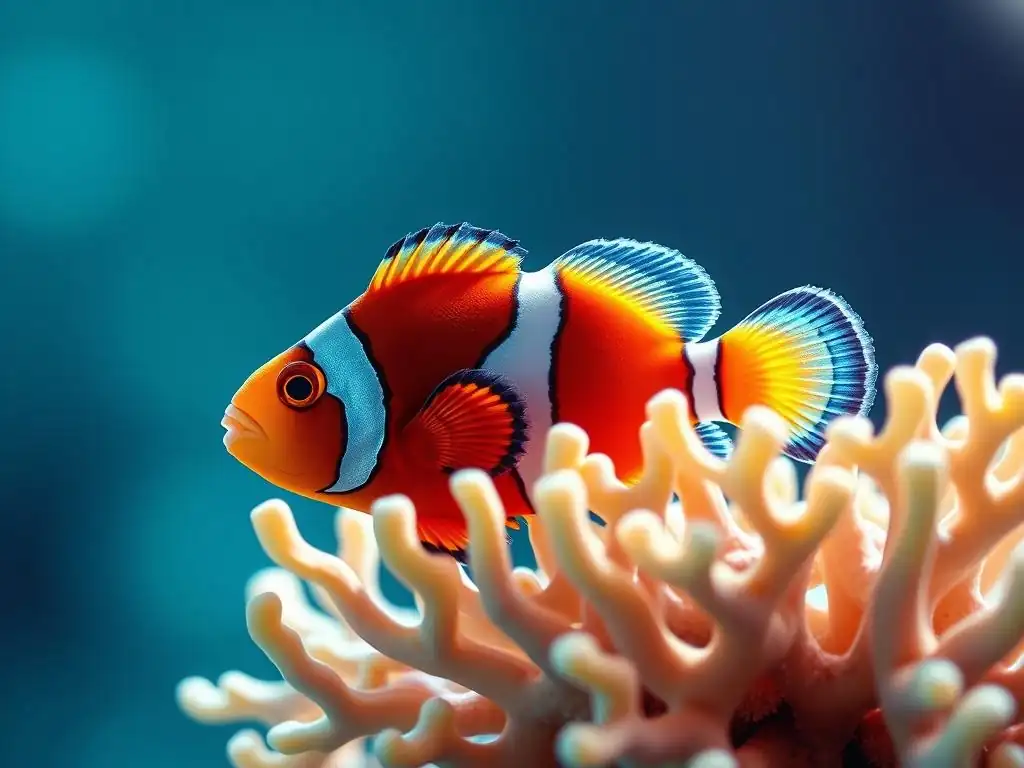
As Ocellaris clownfish fry grow and transition from their delicate larval stage to more robust juveniles, providing adequate space in dedicated grow-out tanks becomes essential for their healthy development and survival. Once fry are fully weaned onto dry and frozen foods, typically around 3-4 weeks post-hatch, they begin to grow rapidly. A single larval rearing tank, which might have held hundreds of tiny fry, will quickly become overcrowded. Overcrowding leads to stunted growth, increased aggression, and a higher risk of disease due to rapid waste accumulation.
A good rule of thumb is to transfer batches of juveniles to larger grow-out tanks once they reach approximately 0.5-0.75 inches (1.2-1.9 cm) in length. For example, a 20-gallon long tank can comfortably house 50-70 juvenile clownfish up to about 1 inch in size. As they continue to grow, they will need to be further thinned out or moved to even larger tanks.
Many breeders use multiple grow-out tanks, progressively moving the larger or more robust juveniles to bigger systems while maintaining appropriate densities. These grow-out tanks should be equipped with effective, yet gentle, filtration (such as sponge filters or small sumps), reliable heating, and gentle aeration to maintain stable, pristine water conditions. Adequate space minimizes stress, reduces competition for food, and allows each fish to reach its full growth potential and develop vibrant coloration.
Maintaining Optimal Water Parameters for Juvenile Clownfish
Maintaining optimal water parameters for juvenile Ocellaris clownfish is a continuation of the diligent husbandry practiced during the larval stage, albeit with slightly more resilience from the growing fish. While juveniles are more robust than fry, consistent and stable water quality remains paramount for their healthy growth and vibrant coloration. The specific gravity should be maintained within the standard marine range of 1.023 to 1.025. The pH should consistently be between 8.1 and 8.4, and alkalinity (dKH) between 8 and 12. Regular testing for these parameters, ideally weekly, is recommended.
Crucially, ammonia and nitrite must remain at zero, and nitrates should be kept as low as possible, ideally below 20 ppm. Higher nitrate levels, while not immediately lethal, can stress juvenile clownfish, suppress their immune systems, and contribute to dull coloration or stunted growth. To manage waste produced by a growing number of fish, frequent water changes are essential.
Depending on the bioload and filtration system, 20-30% weekly water changes are often necessary. Using high-quality salt mix and RODI water ensures that trace elements are replenished and no unwanted contaminants are introduced. Consistent monitoring and proactive water management are key to raising healthy, robust Ocellaris clownfish juveniles, an integral part of any Ocellaris clownfish breeding guide.
Feeding Strategies for Healthy Growth and Coloration
Effective feeding strategies are vital for promoting rapid, healthy growth and vibrant coloration in Ocellaris clownfish juveniles. Once they have successfully transitioned from live foods to inert diets, a varied and high-quality feeding regimen is essential. Juvenile clownfish have high metabolic rates and require frequent feedings to sustain their growth. Feeding them small amounts 3-5 times per day is often more beneficial than one or two large feedings, as it reduces waste accumulation and ensures a continuous supply of nutrients.
The diet should be diverse, incorporating a mix of high-quality marine flake foods, small pellets, and various frozen foods. Look for flakes and pellets specifically formulated for marine fish, rich in marine proteins and spirulina. For frozen foods, offer finely chopped mysis shrimp, enriched brine shrimp, and spirulina-enriched preparations.
Mysis shrimp are particularly beneficial due to their high protein and fatty acid content, promoting excellent growth. Incorporating color-enhancing foods with ingredients like astaxanthin can help bring out the brilliant orange and white pigments in the clownfish. Always feed only what the fish can consume within a few minutes to prevent uneaten food from decaying and polluting the water, which can lead to health issues and hinder growth.
Selling or Trading Your Ocellaris Clownfish: Responsible Practices
Determining a Fair Price for Your Bred Clownfish
Determining a fair price for your home-bred Ocellaris clownfish is an important step for aquarists looking to recoup some costs or even generate a small income from their Ocellaris clownfish breeding guide efforts. The price typically depends on several factors: the size of the fish, its coloration and fin integrity, and the prevailing market rates. Juvenile Ocellaris clownfish, usually 1 to 1.5 inches in length, are most commonly sold. Researching the prices at local fish stores (LFS) and online forums is the best way to gauge the market.
In many regions, a healthy, well-colored captive-bred Ocellaris clownfish juvenile might retail for approximately $20 to $40 at an LFS. As a home breeder, you would typically sell to an LFS at a wholesale price, often 40-60% of their retail price, or directly to hobbyists at a slightly discounted rate compared to LFS prices, perhaps $15-$25 per fish. For example, if an LFS sells them for $30, you might offer them for $20 to another hobbyist.
If you have unique color variations (though less common with standard Ocellaris), or exceptionally robust specimens, you might command a slightly higher price. Always ensure the fish are fully weaned, healthy, and active before offering them for sale.
Finding Reputable Buyers or Traders
Finding reputable buyers or traders for your Ocellaris clownfish juveniles is crucial for ensuring your fish go to good homes and for establishing yourself as a responsible breeder. Avoid simply giving them away to anyone, as proper care is paramount. Local fish stores (LFS) are often the most straightforward option. Approach stores with a good reputation for animal care and inquire about their policy on purchasing or trading captive-bred fish. Many LFS prefer captive-bred specimens due to their hardiness and disease resistance. Be prepared to provide details on your breeding process and the fish's diet.
Another excellent avenue is local aquarium clubs or marine hobbyist forums. These platforms connect you directly with experienced aquarists who are often looking for healthy, captive-bred fish. Online forums dedicated to marine aquariums often have "For Sale" or "Trade" sections. When using online platforms, prioritize buyers with positive feedback or a history of responsible aquarium keeping. Always communicate clearly about the fish's age, size, and care requirements. Consider trading fish with other hobbyists for equipment, different species, or even advanced cultures like rotifers or phytoplankton, fostering a supportive community around your Ocellaris clownfish breeding guide.
Ethical Considerations: Ensuring Responsible Distribution
Ensuring responsible distribution is a critical ethical consideration for every aquarist engaged in Ocellaris clownfish breeding. The primary responsibility lies in ensuring that every fish you breed goes to a suitable and permanent home where it will receive proper care. Never release captive-bred fish into the wild, as this can introduce diseases, parasites, or genetic material that could harm native ecosystems. This practice is illegal in many places and highly detrimental to natural populations.
When selling or trading your clownfish, always provide clear and comprehensive care instructions to the new owner, regardless of their apparent experience level. This should include details on their diet, preferred water parameters, tank size requirements, and potential tank mates. Emphasize the importance of proper acclimation to their new aquarium.
If selling to a local fish store, inquire about their quarantine procedures and their general care standards for marine fish. Your goal as a breeder is not just to produce fish, but to ensure each one thrives. By prioritizing responsible placement and educating buyers, you contribute positively to the aquarium hobby and uphold the integrity of the Ocellaris clownfish breeding guide, promoting sustainable practices and responsible pet ownership.
Conclusion: Mastering Ocellaris Clownfish Breeding and Contributing to Sustainable Aquariums
Frequently Asked Questions
How difficult is it to breed Ocellaris clownfish for a beginner?
Breeding Ocellaris clownfish can be a beginner-friendly project if you are patient and follow the proper steps. However, it requires dedication to water quality and a suitable environment.
What are the key parameters for water chemistry when breeding Ocellaris clownfish?
Maintaining stable water parameters is crucial. Key parameters include salinity levels and pH levels that mimic their natural environment, alongside minimal nitrates.
What type of tank setup is ideal for breeding Ocellaris clownfish?
A dedicated breeding tank with a flat surface such as a ceramic tile for spawning is ideal. Also, ensure the tank is free from aggressive tank mates and provides sufficient hiding places.
What do Ocellaris clownfish eat, and how does this affect breeding?
A varied diet rich in high-quality protein is essential. Provide foods like rotifers, copepods, and frozen mysis shrimp to promote healthy spawning.
How long does it take for Ocellaris clownfish eggs to hatch, and what care is needed after hatching?
Ocellaris clownfish eggs typically hatch in 6-11 days. After hatching, the larvae require specialized care, including live food like rotifers and a tightly controlled environment for successful rearing.
Final Reflection: The Enduring Allure of Creation
The journey of breeding Ocellaris clownfish, as we've explored, transcends mere fishkeeping; it's a microcosm of nature's artistry playing out within the confines of our homes. The ability to participate in the life cycle of these vibrant creatures, from egg to fry, speaks to a deep-seated human desire to connect with the natural world and understand its intricate processes. This connection is especially vital today, as we become increasingly distanced from the origins of the life that sustains us.
The impact of understanding and replicating natural processes extends far beyond the aquarium. Witnessing the delicate balance required for successful breeding fosters a profound respect for the environment and its fragility. It reminds us of the interconnectedness of all living things and the responsibility we bear to protect them. In the end, we will conserve only what we love; we will love only what we understand; and we will understand only what we are taught.
- Baba Dioum. This quote encapsulates the power of education and experience in fostering a conservation mindset, a mindset that begins with simple acts like breeding clownfish.
Now, as you close this guide, consider the potential within you to not only cultivate life but also to cultivate understanding and appreciation. Take the lessons learned from this journey – the patience, the attention to detail, the respect for life – and apply them to other areas of your life. Let the vibrant colors of your Ocellaris clownfish serve as a constant reminder of the beauty and complexity of the natural world, and inspire you to be a steward of its future.
Unleash Your Inner Marine Biologist!
Thank you for diving into the fascinating world of Ocellaris Clownfish breeding. We hope you've gained valuable insights and inspiration to embark on this rewarding journey. Now, let's put that knowledge into action!
Here are a few things you can do next:
- Start planning your breeding setup! Research tank sizes, filtration needs, and the specific requirements for raising clownfish larvae. This is your first step towards success!
- Share this article with fellow aquarium enthusiasts! Help them discover the joys of clownfish breeding and build a stronger aquarium community.
- Visit your local fish store and connect with breeders. Learn from their experience and start building relationships within the aquarium community.
Ready to take the plunge and start your own clownfish breeding project? What's the first piece of equipment you're planning to acquire?