
The Elusive Art of Breeding Otocinclus Catfish: Expert Insights

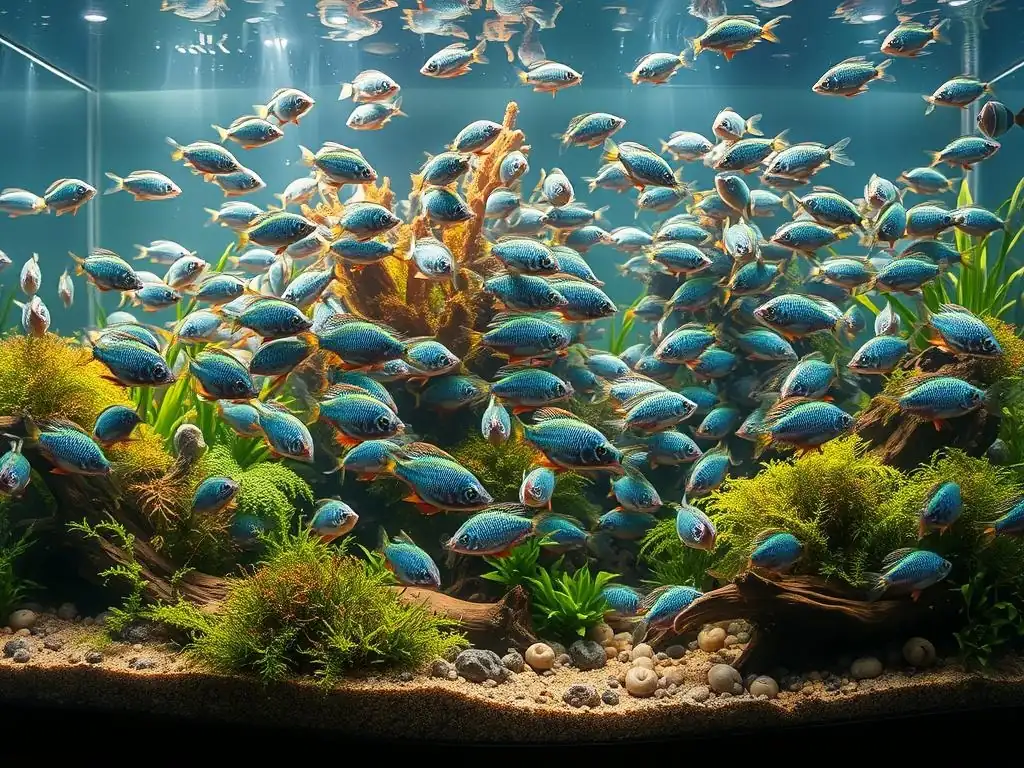
Welcome to Aquarium Mastery!
Ever wondered about unlocking the secrets to successfully breeding the notoriously shy Otocinclus catfish? These algae-eating wonders can be surprisingly challenging to propagate. Dive into our comprehensive guide and discover expert tips and tricks to finally achieve your breeding goals. Ready to unravel the mystery? Let's get started!
- Breeding Otocinclus Catfish: A Comprehensive Guide
- Understanding Otocinclus Catfish: Essential Knowledge
- Creating the Ideal Breeding Environment
- The Breeding Process: From Conditioning to Spawning
- Raising Fry: From Hatching to Juvenile
- Advanced Techniques and Considerations
- Conservation and Sustainability
-
Frequently Asked Questions
- How difficult is it to breed Otocinclus catfish in a home aquarium?
- What are the key water parameters required for Otocinclus catfish breeding?
- What type of food should I provide to encourage Otocinclus catfish to breed?
- How can I increase the chances of Otocinclus catfish fry survival?
- What are some common mistakes that aquarists make when trying to breed Otocinclus catfish?
- Final Reflection: Unlocking the Secrets of Otocinclus Breeding
- Unleash Your Inner Breeder: Otocinclus Edition!
Breeding Otocinclus Catfish: A Comprehensive Guide
Understanding Otocinclus Catfish: Essential Knowledge
The Benefits of Breeding Otocinclus: Algae Control & Conservation
Breeding Otocinclus catfish offers significant advantages beyond simply expanding your collection. These diminutive fish are highly prized for their unparalleled ability to consume various forms of soft green algae, diatoms, and biofilm in the aquarium. A healthy group of Otocinclus can keep tank surfaces, plants, and decorations remarkably clean, often outperforming mechanical algae scrubbers in delicate planted tanks and reducing the need for chemical algae treatments. Their small size, typically reaching only 1.5 to 2 inches (3.8-5 cm), makes them ideal for smaller nano tanks where larger algae eaters might be unsuitable.
Furthermore, successful Otocinclus catfish breeding tips contribute directly to the conservation of wild populations. A vast majority of Otocinclus available in the aquarium trade are wild-caught, primarily from South American river systems like the Amazon basin. This collection process can put significant pressure on wild stocks and their delicate ecosystems, often involving destructive fishing practices and high mortality rates during transit. By establishing sustainable captive breeding programs, hobbyists can reduce the demand for wild-caught specimens, lessening environmental impact and providing a more robust, disease-resistant source of these beneficial fish for the hobby.
Identifying Breeding-Ready Otocinclus Species: Otocinclus affinis, vittatus, & macrospilus
While often sold generically as "Otocinclus," several species are commonly available and amenable to breeding in captivity, with Otocinclus affinis, Otocinclus vittatus, and Otocinclus macrospilus being among the most frequently encountered. O. affinis (the Dwarf Oto) is known for its slightly more robust body and often reaches about 1.5 inches, while O. vittatus (the Common Oto) is typically slimmer with a distinct lateral stripe, growing up to 1.7 inches.
O. macrospilus (the Spottail Oto) can be identified by a prominent dark spot at the base of its caudal fin and similar size. All these species share similar care requirements and breeding behaviors.
Identifying breeding-ready individuals involves observing their age, health, and physical condition. Otocinclus typically reach sexual maturity around 6 to 8 months of age, provided they have been well-fed and maintained in optimal conditions. Females will appear noticeably plumper and rounder in the belly, especially when gravid (full of eggs), compared to the slimmer, more streamlined males. A healthy, active group that has been properly conditioned with a high-quality diet for several weeks is crucial for successful Otocinclus catfish breeding tips.
Optimal Otocinclus Care: Diet, Tankmates, and Quarantine
Optimal care is the cornerstone of successful Otocinclus catfish breeding tips. Their diet must be primarily herbivorous, consisting of a continuous supply of natural algae and biofilm. Supplement this with high-quality spirulina-based algae wafers, blanched vegetables such as zucchini slices, cucumber, or spinach, and specialized Otocinclus pellets. Feeding small amounts multiple times a day is more effective than one large feeding, ensuring all fish get enough nutrition without excessive waste. While they are primarily algae eaters, occasional offerings of small live or frozen foods like daphnia or bloodworms can provide essential protein and variety.
Choosing appropriate tankmates is vital for reducing stress and ensuring the well-being of Otocinclus, which are inherently shy and delicate. Ideal tankmates include other small, peaceful, non-aggressive species such as small tetras (e.g., Neon Tetras, Ember Tetras), rasboras (e.g., Chili Rasboras, Harlequin Rasboras), or dwarf shrimp (e.g., Cherry Shrimp). Avoid any large, predatory, or fin-nipping fish that could intimidate or harm them.
Furthermore, always implement a strict quarantine protocol for any new fish, including Otocinclus, for at least 2 to 4 weeks. This prevents the introduction of diseases like ich or velvet, to which Otocinclus are particularly susceptible, into your main or breeding tank.
Creating the Ideal Breeding Environment
Setting Up a Breeding Tank: Size, Filtration, and Lighting
To maximize the chances of successful Otocinclus catfish breeding tips, a dedicated breeding tank is highly recommended. A 10-gallon (approximately 38 liters) to 20-gallon (approximately 76 liters) aquarium is typically sufficient for a breeding group of 6 to 8 Otocinclus. A smaller tank allows for easier monitoring of eggs and fry, better control over water parameters, and reduces the risk of eggs or fry being consumed by other tank inhabitants or lost in a larger system. The tank should be clean and mature, ideally having run for several weeks to establish a stable nitrogen cycle.
For filtration, a gentle sponge filter is paramount. It provides excellent biological filtration without creating strong currents that could stress the fish or suck up delicate fry. The sponge also serves as an additional surface for biofilm and algae growth, providing a natural food source. Lighting should be moderate, mimicking the shaded conditions of their natural habitat. A standard LED light on an 8-10 hour cycle is appropriate. Avoid overly intense lighting, which can stress the fish and promote unwanted algae types.
Water Parameters: Temperature, pH, Hardness, and Ammonia Levels
Precise and stable water parameters are critical for triggering spawning and ensuring the survival of eggs and fry. The ideal temperature range for breeding Otocinclus is generally between 72-78°F (22-26°C). While they can tolerate a wider range, maintaining consistency within this window is key. The pH should be slightly acidic to neutral, typically between 6.5 and 7.5. Many breeders report higher success rates when pH is kept on the lower end of this spectrum, around 6.5-6.8, which mimics their natural blackwater environments.
Water hardness should be soft to moderately hard, with a General Hardness (GH) of 4-10 dGH and a Carbonate Hardness (KH) of 3-8 dKH. Otocinclus are sensitive to sudden changes in water chemistry, so stability is more important than hitting exact numbers. Crucially, ammonia and nitrite levels must be absolutely zero, and nitrates should be kept very low, preferably below 20 ppm. Regular testing with a reliable liquid test kit is essential to monitor these parameters and ensure a pristine environment.
Simulating the Rainy Season: Water Changes & Temperature Fluctuations
The most effective trigger for Otocinclus spawning is the simulation of a tropical rainy season. This involves performing frequent, large water changes with cooler water. For instance, conducting 25-50% water changes every 1-2 days using water that is 2-4°F (1-2°C) cooler than the tank's current temperature can mimic the influx of fresh rainwater. This sudden drop in temperature, combined with the increased water volume and flow, signals to the fish that the rainy season, and thus prime breeding conditions, has arrived.
The temperature fluctuation acts as a powerful environmental cue, stimulating the fish to enter breeding mode. In their natural habitat, the onset of the rainy season brings not only cooler water but also increased food availability and safer conditions for fry. By replicating these conditions, you encourage the Otocinclus to release their eggs. Maintain these frequent cool water changes for several days or even a week, until spawning is observed.
Plants and Substrates: Java Moss, Hornwort, and Smooth Surfaces
The choice of plants and substrate plays a significant role in providing an optimal breeding environment and increasing fry survival rates. Heavily planted tanks, particularly with fine-leaved plants like Java moss ( Taxiphyllum barbieri) and Hornwort ( Ceratophyllum demersum), are highly beneficial. These plants offer ample hiding places for both adult fish and newly hatched fry, providing a sense of security that encourages spawning. Furthermore, their dense structures accumulate infusoria and micro-organisms, which serve as an excellent natural first food source for the tiny Otocinclus fry.
For egg deposition, Otocinclus prefer smooth, clean surfaces. These can include broad-leaved plants like Anubias species ( Anubias barteri) or Java Fern ( Microsorum pteropus), the glass walls of the aquarium, or even smooth, flat rocks. A bare-bottom tank or one with a very fine sand substrate is generally recommended for breeding setups. This makes cleaning much easier, prevents food from getting trapped and rotting, and allows for easier observation and collection of the eggs, which are typically laid in small clusters on these smooth surfaces.
The Breeding Process: From Conditioning to Spawning
Conditioning: Algae Wafers, Blanched Vegetables, and Live Foods
Effective conditioning is paramount to successful Otocinclus catfish breeding tips, ensuring the parent fish are in peak health and ready to spawn. For several weeks leading up to attempted spawning, supplement their primary diet of natural algae with a rich variety of high-quality foods. This includes spirulina-rich algae wafers, which should be offered daily. Blanched vegetables such as zucchini, cucumber, or spinach can be provided every other day; ensure they are weighted down to sink.
Beyond plant-based foods, incorporating small live or frozen foods is crucial for providing the necessary protein and fat reserves. Excellent choices include newly hatched brine shrimp, microworms, daphnia, or even finely chopped bloodworms. Offer these protein-rich foods 2-3 times a week. This varied and abundant diet not only brings the fish into breeding condition but also significantly improves the viability of the eggs and the vigor of the resulting fry.
Identifying Sexes: Body Shape, Vent Examination, and Behavior
Distinguishing between male and female Otocinclus, while challenging due to their small size, becomes more apparent when the fish are mature and well-conditioned. The most reliable indicator is body shape: adult females are typically larger and noticeably plumper and rounder in the belly, especially when they are gravid with eggs. Males, in contrast, tend to be smaller and have a more slender, streamlined body profile. This difference in girth is often the easiest visual cue.
While difficult to observe without magnification, some experienced aquarists can differentiate sexes by examining the vent area. Females generally have a slightly more rounded or swollen vent, while males' vents are more pointed. Behaviorally, during the pre-spawning phase, males may become more active, chasing and nudging females in an attempt to solicit spawning. Observing these subtle differences in a group of 6-8 well-fed Otocinclus will help you identify potential breeding pairs.
Spawning Behavior: Chasing, Cleaning, and Egg Deposition
Once conditioning is complete and the rainy season simulation is underway, Otocinclus will begin their courtship and spawning rituals. The process typically starts with males actively chasing females around the tank. This chasing can be quite vigorous but is generally harmless. The female, once receptive, will select a clean, smooth surface for egg deposition. This surface is meticulously cleaned by the female, often with her mouth, to ensure it is free of debris and biofilm. Common spawning sites include broad plant leaves (like Anubias or Sword Plants), the aquarium glass, or smooth rocks.
Egg deposition occurs in small clutches. The female will typically lay 2 to 6 small, clear to slightly amber, adhesive eggs at a time. She will then move to another spot, often with a male following closely behind to fertilize the eggs. This process can continue for several hours, with a single female laying anywhere from 30 to 100 eggs over the course of a day or even across multiple days. The eggs are approximately 1 mm in diameter and firmly attach to the chosen surface.
Egg Protection: Removal to Separate Hatching Tank or Netting
Protecting the delicate Otocinclus eggs from predation is a critical step in successful Otocinclus catfish breeding tips. While Otocinclus adults are generally not aggressive egg eaters, they may inadvertently consume eggs or newly hatched fry. Other tank inhabitants, if present, are also likely to prey on them. Therefore, removing the eggs to a dedicated hatching tank significantly increases the survival rate. Gently scrape the adhesive eggs off the spawning surface (glass, leaves, or rocks) using a clean razor blade, credit card, or even a soft brush. Be extremely careful not to damage the delicate eggs.
Once collected, transfer the eggs to a small (e.g., 1-2 gallon) hatching tank filled with water from the breeding tank. This small tank should have gentle aeration, ideally from an air stone with a very low flow, to ensure oxygenation and prevent stagnation. If eggs are laid on small leaves, you can carefully snip off the leaf and transfer the entire leaf with eggs attached. This method minimizes disturbance to the eggs. A dedicated hatching setup allows for precise control over water quality, which is vital for the fragile fry.
Raising Fry: From Hatching to Juvenile
Hatching: Maintaining Water Quality and Preventing Fungus
Otocinclus eggs are quite delicate, and proper care in the hatching tank is crucial. At a temperature of around 75°F (24°C), the eggs typically hatch within 2 to 4 days. The newly hatched fry are incredibly tiny, often less than 3 millimeters long, and appear as minuscule specks clinging to surfaces. Maintaining pristine water quality in the hatching tank is paramount during this stage. Any accumulation of waste can quickly lead to bacterial blooms or fungal growth, which are lethal to eggs and fry.
To prevent fungal growth on unfertilized or damaged eggs, which can spread to healthy ones, consider adding a few drops of a mild antifungal solution like methylene blue to the hatching tank (though this will stain the water and tank). Alternatively, diligent daily inspection and manual removal of any white, fuzzy, or opaque eggs with a pipette can also prevent fungal spread. Ensure gentle aeration is constant to provide sufficient oxygen to the developing embryos and newly hatched fry.
First Foods: Infusoria, Green Water, and Powdered Algae Supplements
Feeding newly hatched Otocinclus fry is arguably the most challenging aspect of their breeding, as they are too small to consume conventional fry foods. Their first food must be microscopic. Infusoria, a culture of microscopic protozoa, is an absolute necessity for the first 5-7 days of their lives. You can culture infusoria easily by steeping dried banana leaves, a small piece of lettuce, or a few grains of rice in a jar of aged aquarium water for several days.
Another excellent initial food source is "green water," which is essentially an algae bloom. If you have a separate container of green water, you can add small amounts to the fry tank daily. After the first week, as the fry grow slightly, you can begin to introduce finely powdered spirulina, specialized liquid fry foods designed for bottom-dwelling fry, or finely crushed, high-quality spirulina algae wafers. Ensure that food is always available in small quantities, as Otocinclus fry need to graze constantly.
Water Quality: Frequent Small Water Changes and Gentle Filtration
Maintaining impeccable water quality is non-negotiable for the survival and healthy growth of Otocinclus fry. Their small size makes them incredibly vulnerable to fluctuations in parameters and the presence of even trace amounts of ammonia or nitrite. Daily or every-other-day small water changes, typically 10-20% of the tank volume, are essential. Always use aged or pre-conditioned water that matches the temperature and parameters of the fry tank to avoid shocking the delicate fry.
Filtration in the fry tank should remain gentle. A small, mature sponge filter is ideal, as it provides biological filtration without creating strong currents that could stress or harm the tiny fry. The sponge also serves as a colonization site for beneficial bacteria and, importantly, for micro-organisms that the fry can graze on. Avoid power filters or hang-on-back filters with strong intakes, as they can easily suck up the fry.
Preventing Problems: Avoiding Overfeeding and Maintaining Stability
Two of the most common pitfalls leading to Otocinclus fry mortality are overfeeding and unstable water parameters. While it's crucial to ensure a constant food supply for the grazing fry, overfeeding can rapidly foul the water. Uneaten food quickly decomposes, leading to dangerous ammonia spikes and promoting the growth of harmful bacteria and fungi, which are deadly to fry. The key is to feed very small amounts multiple times throughout the day, ensuring the food is consumed within a short period and no significant residue is left.
Equally important is maintaining absolute stability in water parameters. Otocinclus fry are extremely sensitive to sudden changes in temperature, pH, or hardness. Any rapid shift can induce fatal stress. Use a reliable heater to maintain a consistent temperature, and ensure that all water used for changes is properly aged, de-chlorinated, and matched to the tank's existing parameters. Consistency and meticulous attention to detail in water management are paramount for successful Otocinclus catfish breeding tips and raising the fry to juvenile stage.
Advanced Techniques and Considerations
Optimizing Spawning: Varying Water Parameters and Lighting
For experienced breeders looking to further optimize Otocinclus spawning success, subtle manipulation of water parameters and lighting can yield significant results. Beyond the standard cool water changes, consider experimenting with slight, gradual pH drops (e.g., from 7.0 to 6.5) over a few days, which can mimic the more acidic conditions of rainforest streams during heavy rainfall. This, combined with a temperature drop, can provide an even stronger spawning trigger. Some breeders also report success by slightly increasing the water flow temporarily after a cool water change, simulating increased current from rain.
Lighting also plays a role. During the conditioning phase, a slightly dimmer or shorter light cycle might be used to encourage resting and feeding. Once ready to trigger spawning, returning to a normal or slightly brighter light cycle after a cool water change can simulate the return of sunny periods following a storm, further encouraging breeding behavior. The goal is to replicate the natural environmental cues that signal optimal breeding conditions in their native habitats.
Genetic Considerations: Introducing New Bloodlines
As with any captive breeding program, genetic diversity is a crucial advanced consideration for long-term success with Otocinclus catfish breeding tips. Continuously breeding from the same limited group of fish can lead to inbreeding depression over generations. This can manifest as reduced vigor, smaller adult size, increased susceptibility to diseases, and even fertility issues. While challenging due to the limited availability of wild-caught Otocinclus, it's an important factor to consider for sustainable breeding.
To maintain genetic health and strengthen your breeding line, it is advisable to introduce new, unrelated healthy Otocinclus stock every few generations (e.g., every 1-2 years). Acquire new fish from different reputable sources, ensuring they undergo a thorough quarantine period to prevent introducing diseases. This infusion of new bloodlines helps to broaden the gene pool, improve overall health, and maintain the robustness of your captive-bred Otocinclus population.
Dealing with Infertile Eggs: Identifying Causes and Prevention
Encountering infertile eggs is a common challenge in Otocinclus breeding. Infertile eggs are typically opaque, white, or develop a fuzzy fungal growth within 24-48 hours of being laid, unlike healthy, clear to slightly amber eggs. Common causes for infertility include parents that are not yet fully mature, insufficient conditioning (leading to poor egg quality), incorrect water parameters during spawning, or high stress levels in the breeding tank.
To prevent infertile eggs, ensure your breeding group consists of mature, well-conditioned fish. Maintain optimal and stable water parameters throughout the conditioning and spawning phases. Reduce any potential stressors in the tank, such as aggressive tankmates or sudden environmental changes. Promptly remove any infertile or fungused eggs from the breeding or hatching tank using a pipette or small forceps. This prevents the fungal growth from spreading to healthy, viable eggs, thereby increasing the overall hatching rate.
Troubleshooting: Addressing Common Issues Like Fungus and Fry Mortality
Despite best efforts, breeders may encounter common issues such as widespread fungal growth on eggs or high fry mortality. Fungus on eggs is often a sign of poor water quality or a high proportion of infertile eggs. To address this, increase aeration around the eggs, perform more frequent small water changes in the hatching tank, and diligently remove any fungused eggs as soon as they appear. A very mild dose of methylene blue can also be used as a preventative, but be aware it will stain.
High fry mortality is usually directly linked to water quality or insufficient feeding. The most common cause is ammonia or nitrite spikes due to overfeeding or inadequate filtration. Implement daily small water changes with aged, temperature-matched water. Ensure that the correct microscopic first foods (infusoria, green water) are consistently available and transition to powdered foods at the right time. Other causes include rapid changes in water parameters, predation by snails or other microscopic organisms, or simply weak genetics. Meticulous attention to water quality and consistent feeding are the ultimate Otocinclus catfish breeding tips for fry survival.
Conservation and Sustainability
Captive Breeding: Reducing Wild-Caught Demand
The practice of captive breeding Otocinclus catfish offers a significant contribution to conservation efforts by directly reducing the demand for wild-caught specimens. The vast majority of Otocinclus available in the aquarium trade are collected from their native habitats in South America. This wild collection can exert considerable pressure on natural populations, sometimes leading to localized depletion. Furthermore, the collection and transport process is often stressful for the fish, resulting in high mortality rates before they even reach hobbyists' tanks.
By successfully breeding Otocinclus in captivity, hobbyists create a sustainable source of these beneficial algae-eaters. Captive-bred fish are generally hardier, more accustomed to aquarium conditions, and less susceptible to common diseases than their wild-caught counterparts. This shift towards captive-bred stock lessens the ecological footprint of the aquarium hobby, promoting a more responsible and environmentally conscious approach to fishkeeping.
Ethical Considerations: Responsible Breeding Practices
Responsible Otocinclus catfish breeding tips extend beyond mere success in producing fry; they encompass a strong ethical framework for the welfare of the fish. This includes ensuring that all breeding stock is maintained in optimal conditions, with pristine water quality, a nutritious and varied diet, and ample space. Avoiding overstocking in breeding tanks and grow-out tanks is crucial to prevent stress and disease. Breeders have a responsibility to prioritize the health and well-being of their fish above all else.
Furthermore, responsible breeding involves a commitment to quality over quantity. Avoid breeding unhealthy, deformed, or excessively inbred fish, as this propagates undesirable traits. Consider the fate of the fry: ensure that you have the capacity to raise them properly and that there are suitable homes available for them. Ethical breeders prioritize finding good homes for their offspring, rather than simply producing large numbers of fish that may end up in unsuitable environments or contribute to overpopulation in the hobby.
Contributing to Conservation: Sharing Knowledge and Supporting Research
Beyond directly reducing wild-caught demand, successful Otocinclus catfish breeding tips can contribute to broader conservation efforts through knowledge sharing and support for scientific research. Documenting and sharing detailed accounts of breeding successes, including specific water parameters, feeding regimens, and environmental triggers, can significantly benefit the wider aquarium community. This collective knowledge helps to demystify the breeding process for sensitive species like Otocinclus, empowering more hobbyists to attempt captive breeding and further reduce reliance on wild imports.
Supporting organizations involved in aquatic conservation and research is another impactful way to contribute. This can include donating to non-profits working on habitat preservation in South America, participating in citizen science projects that monitor fish populations, or simply raising awareness about the importance of sustainable aquarium practices. Every successful breeding effort, and every piece of shared knowledge, helps to secure a future for these fascinating and ecologically important fish.
Frequently Asked Questions
How difficult is it to breed Otocinclus catfish in a home aquarium?
Breeding Otocinclus catfish in a home aquarium is considered extremely challenging. Success rates are low due to specific water parameters and dietary needs required for spawning and fry survival. It requires meticulous attention to detail.
What are the key water parameters required for Otocinclus catfish breeding?
Key water parameters include a soft, acidic pH (around 6.0-6.5), a low GH and KH, and a stable, well-oxygenated environment. Regular water changes with RO or distilled water are often necessary.
What type of food should I provide to encourage Otocinclus catfish to breed?
A varied diet is crucial. Offer plenty of algae wafers, blanched vegetables like zucchini and spinach, and small amounts of protein-rich foods such as frozen daphnia or baby brine shrimp.
How can I increase the chances of Otocinclus catfish fry survival?
Provide a heavily planted tank with plenty of biofilm for the fry to graze on. Gentle filtration is essential, and avoiding strong currents is crucial.
What are some common mistakes that aquarists make when trying to breed Otocinclus catfish?
Common mistakes include neglecting water quality, overfeeding, and failing to provide enough biofilm for the fry to consume. These result in failure.
Final Reflection: Unlocking the Secrets of Otocinclus Breeding
The journey into Otocinclus catfish breeding, as we've explored, is far from straightforward, yet the rewards of successfully nurturing these delicate creatures are immense. In a world increasingly focused on sustainability and responsible pet ownership, understanding and mastering the art of breeding these algae eaters becomes more crucial than ever. The insights shared, from water parameters to dietary needs, are not just theoretical; they represent a practical pathway to contributing to the health and availability of these vital members of our aquarium ecosystems.
This endeavor, the pursuit of breeding Otocinclus, highlights a deeper connection between us and the natural world. It demands patience, observation, and a willingness to learn from both successes and failures. It's a reminder that even the smallest creatures can teach us profound lessons about life cycles, environmental balance, and the delicate interplay of ecosystems. The best way to observe a fish is to become the water.
- Jacques Cousteau. This quote encapsulates the level of immersion and understanding required to truly succeed in this challenging, yet rewarding, pursuit.
Now, armed with these Otocinclus catfish breeding tips, I invite you to embark on your own journey. Whether you're a seasoned aquarist or a curious beginner, consider the impact you can have by contributing to the understanding and conservation of these fascinating fish. Take the knowledge you've gained, experiment, observe, and share your own discoveries. Let's work together to unlock the remaining secrets and ensure a thriving future for Otocinclus catfish in our aquariums and beyond.
Unleash Your Inner Breeder: Otocinclus Edition!
Thank you for diving into the world of Otocinclus breeding with us! We hope you've gained some valuable insights into the challenges and triumphs of this fascinating endeavor. Now, it's time to put that knowledge into action.
Here are a few steps you can take to further your journey:
- Start small: Begin with a dedicated breeding tank and a carefully selected group of healthy Otocinclus. This is your most crucial step.
- Experiment with different water parameters within the recommended range to observe their effect on spawning behavior and egg survival.
- Share your successes (and challenges!) with fellow aquarists in our online community. Let's learn and grow together!
What's one small change you'll make to your tank setup this week to better mimic the Otocinclus' natural breeding environment?