
Ich Alert! Protecting Your Butterflyfish from Cryptocaryon irritans

Welcome to Aquarium Mastery!
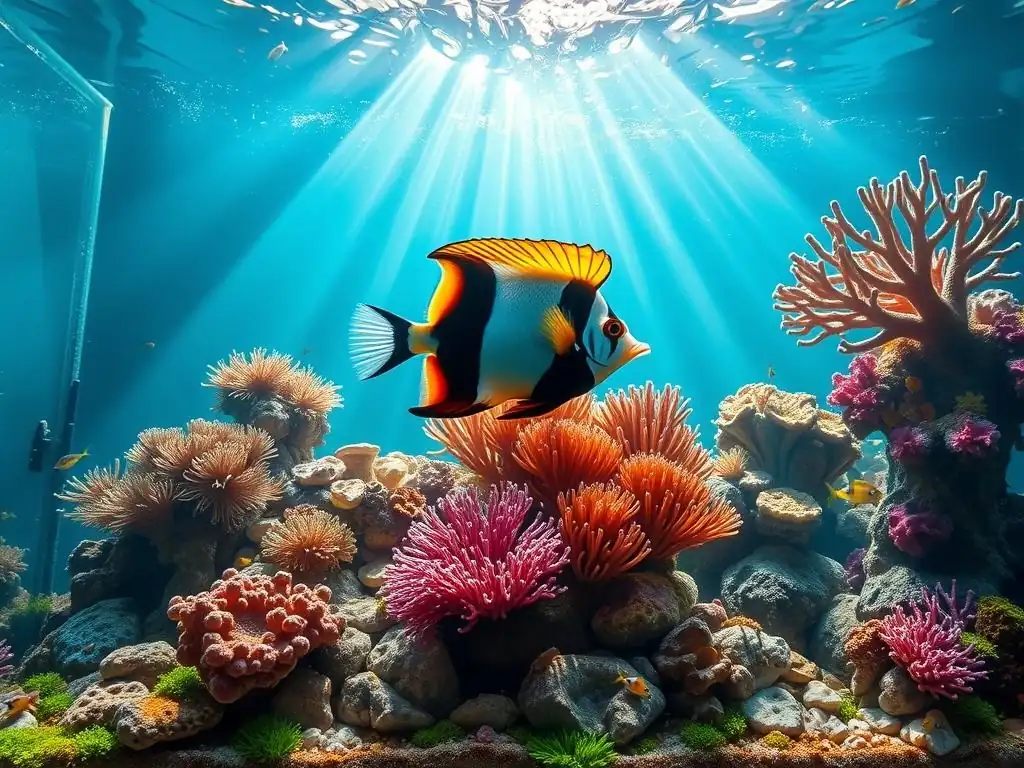
Worried about those telltale white spots on your delicate Butterflyfish? You've come to the right place. This Butterflyfish Ich Treatment Guide will equip you with the knowledge and tools to combat this common parasite and keep your finned friends thriving. But that's just the beginning! Dive deeper into our saltwater section for a wealth of information on everything from species profiles to expert care tips. Ready to conquer Ich and unlock the secrets to a vibrant saltwater aquarium? Let's get started!
- Marine Ich Alert! Protecting Your Butterflyfish from Cryptocaryon irritans
- Understanding Ich in Butterflyfish: A Comprehensive Guide
-
Butterflyfish Ich Treatment Guide: Effective Strategies
- Quarantine and Observation: The First Line of Defense Against Ich
- Copper-Based Treatments for Butterflyfish Ich: Dosage and Precautions
- Copper Alternatives: Hyposalinity and Butterflyfish Health
- Acriflavine and Methylene Blue: Alternative Chemical Treatments for Ich
- Natural Remedies for Ich in Butterflyfish: Garlic and Probiotics
- UV Sterilizers and Ozone: Preventing Ich Outbreaks in Butterflyfish Tanks
-
Prevention is Key: Minimizing Ich Risk for Your Butterflyfish
- Maintaining Optimal Water Quality: The Foundation of Butterflyfish Health
- Proper Acclimation Procedures: Reducing Stress on New Butterflyfish
- Quarantine Protocols for New Arrivals: Preventing Ich Introduction
- Choosing Healthy Butterflyfish: Identifying Potential Problems Early
- Avoiding Overcrowding: Reducing Stress and Disease Transmission
-
Long-Term Care and Recovery for Butterflyfish After Ich Treatment
- Post-Treatment Monitoring: Ensuring Complete Eradication of Ich
- Supporting the Immune System: Nutritional Strategies for Butterflyfish Recovery
- Re-establishing the Biological Filter: Maintaining a Healthy Aquarium Ecosystem
- Addressing Secondary Infections: Preventing Complications After Ich Treatment
- Butterflyfish Ich Treatment Guide: Specific Considerations for Delicate Species
- Advanced Ich Management: When to Seek Expert Help
- Conclusion: Protecting Your Butterflyfish from Ich – A Proactive Approach
-
Frequently Asked Questions
- What is Ich and why is it a threat to Butterflyfish?
- How can I identify Ich on my Butterflyfish?
- What are the primary treatment options for Ich in Butterflyfish?
- How can I prevent Ich outbreaks in my Butterflyfish aquarium?
- Are there any natural or alternative treatments for Ich that are safe for Butterflyfish?
- Final Reflection: Navigating the Murky Waters of Marine Health
- Dive Deeper: Transform Your Butterflyfish Care Today!
Marine Ich Alert! Protecting Your Butterflyfish from Cryptocaryon irritans
Understanding Ich in Butterflyfish: A Comprehensive Guide
What is Ich and Why is it a Threat to Butterflyfish?
Marine Ich, scientifically known as Cryptocaryon irritans, is one of the most common and devastating parasitic infections in saltwater aquariums. This obligate ectoparasite follows a complex life cycle, starting as a trophont that attaches to the fish's skin and gills, feeding on its tissues. Once engorged, it detaches, forming a tomont which encysts and reproduces, releasing hundreds of free-swimming theronts that seek new hosts. Its highly contagious nature means that a single infected fish can rapidly spread the parasite throughout an entire aquarium system.
Butterflyfish, renowned for their vibrant colors and graceful movements, are particularly susceptible to Cryptocaryon irritans. Their often delicate nature, coupled with the stress of capture, shipping, and acclimation, compromises their immune systems, making them prime targets for infection. The parasite's presence on their gills impairs oxygen uptake, leading to labored breathing and respiratory distress, while infestations on the skin can cause significant tissue damage, opening avenues for secondary bacterial or fungal infections. Without prompt and effective intervention, an Ich outbreak can quickly decimate a Butterflyfish population, underscoring the critical need for a robust Butterflyfish Ich Treatment Guide.
Identifying Ich on Butterflyfish: Recognizing the Symptoms
The most recognizable symptom of marine Ich on Butterflyfish is the appearance of small, white spots resembling grains of salt or sugar, typically ranging from 0.5 to 1.5 millimeters in diameter. These trophonts can be observed on the fish's fins, body, and, in severe cases, even on the eyes. Early behavioral indicators often precede the visible spots, including "flashing" or rubbing their bodies against tank decor, substrate, or rocks in an attempt to dislodge the irritating parasites. Rapid gill movement, often indicative of respiratory distress, and increased lethargy are also common initial signs.
As the infection progresses, symptoms become more pronounced and alarming. Butterflyfish may exhibit clamped fins, a clear sign of discomfort and stress, and a noticeable loss of appetite, leading to weight loss and weakening. The white spots may coalesce, forming larger lesions, and secondary infections can manifest as cloudy eyes, fin erosion, or cotton-like growths. At this advanced stage, the fish's immune system is severely compromised, making recovery significantly more challenging. Prompt identification of these symptoms is paramount for initiating a successful Butterflyfish Ich Treatment Guide.
Cryptocaryon irritans: The Culprit Behind Ich in Saltwater Aquariums
Cryptocaryon irritans is an infamous ciliate parasite, the primary cause of marine Ich. Its lifecycle is finely tuned to its environment, beginning when the free-swimming theront stage actively seeks a fish host. Once attached, it transforms into a trophont, burrowing under the fish's epidermal layer or into gill tissues, where it feeds and matures for approximately 3 to 7 days, depending on water temperature. During this feeding stage, the parasite is protected from most external medications.
Upon maturation, the trophont detaches from the fish, falling to the substrate or decor, where it encysts into a tomont. Within this protective cyst, the tomont undergoes asexual reproduction, dividing multiple times to produce hundreds of new theronts.
The release of these infective theronts can occur over several hours, and they must find a new host within 12 to 24 hours to survive, otherwise they perish. This rapid reproductive cycle and the parasite's free-swimming stage make it highly transmissible and challenging to eradicate, necessitating a comprehensive Butterflyfish Ich Treatment Guide that targets multiple life stages or removes the host from the environment.
Butterflyfish Ich Treatment Guide: Effective Strategies
Quarantine and Observation: The First Line of Defense Against Ich
A dedicated quarantine tank (QT) is arguably the most crucial tool in preventing and managing Ich outbreaks in Butterflyfish. This separate, bare-bottom aquarium, typically equipped with a heater, simple filtration, and minimal PVC pipe hiding places, serves as a vital isolation unit for all new fish before they are introduced to the main display tank. A typical quarantine period of 4 to 6 weeks allows sufficient time to observe new arrivals for any signs of disease, including the subtle early symptoms of Ich.
During the quarantine phase, daily observation of the Butterflyfish is essential. Any signs of flashing, white spots, lethargy, or labored breathing should immediately signal the need for treatment within the QT. By confining potential pathogens to a smaller, controlled environment, aquarists can prevent the spread of Ich to the entire display system, which is often far more complex and difficult to treat. This proactive approach, centered on rigorous quarantine and observation, forms the foundational step in any effective Butterflyfish Ich Treatment Guide.
Copper-Based Treatments for Butterflyfish Ich: Dosage and Precautions
Copper remains one of the most widely used and effective treatments for Cryptocaryon irritans in marine aquariums. It works by interfering with the parasite's metabolic processes, particularly its enzyme systems, effectively killing the free-swimming theronts and preventing trophonts from detaching and reproducing. Treatments typically involve maintaining a precise therapeutic concentration, such as 0.15 to 0.25 ppm for ionic copper (e.g., copper sulfate) or 0.5 to 1.0 ppm for chelated copper, for a minimum of 14 to 21 days to ensure all life stages of the parasite are eradicated.
However, copper is a potent heavy metal and requires extreme caution. It can be highly toxic to invertebrates (corals, anemones, shrimp, snails) and even certain sensitive fish species, including some Butterflyfish. Accurate measurement with a reliable copper test kit is absolutely critical to avoid under-dosing (ineffective) or over-dosing (lethal). Gradual introduction of copper and constant monitoring of levels are paramount. Furthermore, copper can be absorbed by substrate and rock, making it difficult to remove and potentially lingering in the system, which is a significant consideration when developing a Butterflyfish Ich Treatment Guide.
Copper Alternatives: Hyposalinity and Butterflyfish Health
Hyposalinity, a treatment method involving the gradual reduction of salinity in the aquarium water, serves as a viable copper-free alternative for treating Ich, particularly for copper-sensitive Butterflyfish. The principle behind hyposalinity is to create an osmotic imbalance that causes the free-swimming theronts of Cryptocaryon irritans to swell and burst, as they are unable to regulate their internal water balance at lower salinities. Marine fish, conversely, can generally tolerate a specific gravity (SG) range of 1.008 to 1.009 for an extended period without adverse effects.
To implement hyposalinity, the specific gravity should be slowly reduced over 24 to 48 hours, typically by performing small, frequent water changes with freshwater or water mixed to the target low salinity. The target SG must be maintained consistently for at least 3 to 4 weeks to ensure all stages of the parasite's life cycle are interrupted.
While effective against Cryptocaryon irritans, it's important to note that hyposalinity is not effective against other common marine parasites like marine velvet ( Amyloodinium ocellatum). Careful monitoring with a refractometer is crucial for accuracy, making it a precise yet effective component of a comprehensive Butterflyfish Ich Treatment Guide.
Acriflavine and Methylene Blue: Alternative Chemical Treatments for Ich
Acriflavine is an antiseptic and antiparasitic dye that has found some utility in treating external parasites and fungal infections in fish. While not as potent as copper against established Ich infestations, it can be effective against the free-swimming theront stage and may help prevent secondary bacterial infections on skin lesions caused by the parasite. It typically works by inhibiting DNA synthesis in the pathogens. Dosing usually involves concentrations around 10 mg per 10 gallons of water, often administered in a hospital tank, and it's known to stain silicone and tank decorations yellow.
Methylene Blue is another common dye used in aquaculture, primarily as an antifungal and anti-parasitic agent, and also for treating ammonia and nitrite poisoning by aiding oxygen transfer in the blood. While its direct efficacy against Cryptocaryon irritans is limited compared to copper or hyposalinity, it can be valuable as a supportive treatment, particularly for fish exhibiting signs of respiratory distress or secondary infections.
It's often used in short-term baths or dips for new arrivals or severely stressed fish. Both Acriflavine and Methylene Blue can impact beneficial nitrifying bacteria, so their use is generally recommended in a dedicated hospital tank, offering additional options within a broad Butterflyfish Ich Treatment Guide.
Natural Remedies for Ich in Butterflyfish: Garlic and Probiotics
While not direct parasiticides, natural remedies like garlic and probiotics can play a supportive role in enhancing a Butterflyfish's resilience against Ich and aiding recovery. Garlic, often administered as an extract or by soaking food in freshly crushed garlic juice, is believed to boost the fish's immune system. Compounds within garlic, such as allicin, are thought to have antibacterial and antiparasitic properties, and it can also act as an appetite stimulant, encouraging stressed fish to eat and regain strength. It's important to note that garlic is a supportive measure and not a standalone cure for active, severe Ich infestations.
Probiotics, which are beneficial bacteria introduced to the fish's diet or water, work by improving gut health and overall immune function. A healthy gut microbiome contributes significantly to a fish's ability to fight off pathogens and recover from disease. By strengthening the fish's natural defenses, probiotics can make them less susceptible to initial infection and aid in a faster recovery post-treatment. These natural approaches complement a primary Butterflyfish Ich Treatment Guide, providing holistic support for fish health.
UV Sterilizers and Ozone: Preventing Ich Outbreaks in Butterflyfish Tanks
Ultraviolet (UV) sterilizers are effective tools for reducing the population of free-swimming pathogens, including the infective theront stage of Cryptocaryon irritans, in aquarium water. Water is pumped through a chamber containing a UV-C lamp, where the intense ultraviolet light damages the DNA of microorganisms, rendering them unable to reproduce or infect a host. For effective Ich control, a properly sized UV sterilizer with an appropriate flow rate (ensuring sufficient contact time) is crucial, as it only targets pathogens in the water column, not those on the fish or encysted in the substrate.
Ozone generators, another advanced water treatment technology, produce ozone (O3), a powerful oxidizer that can neutralize pathogens and organic pollutants in the aquarium water. Ozone works by breaking down organic compounds and killing free-swimming parasites and bacteria, significantly improving water clarity and reducing disease pressure.
However, ozone must be used with extreme caution and typically requires an ORP (Oxidation-Reduction Potential) controller to prevent overdosing, which can be highly toxic to fish. Both UV sterilizers and ozone generators are preventative tools that reduce the likelihood of an Ich outbreak and complement a comprehensive Butterflyfish Ich Treatment Guide by maintaining a cleaner, healthier aquatic environment.
Prevention is Key: Minimizing Ich Risk for Your Butterflyfish
Maintaining Optimal Water Quality: The Foundation of Butterflyfish Health
Pristine and stable water quality is the single most critical factor in preventing Ich and other diseases in Butterflyfish. Fluctuations in parameters or the presence of pollutants severely stress fish, compromising their immune systems and making them highly susceptible to opportunistic parasites like Cryptocaryon irritans. Key parameters to consistently monitor and maintain include stable salinity (e.g., 1.023-1.026 specific gravity), consistent temperature (typically 75-78°F or 24-26°C), appropriate pH (8.1-8.4), and undetectable levels of ammonia and nitrite, with nitrates kept below 20 ppm.
Regular partial water changes, typically 10-20% weekly or bi-weekly, are essential for removing accumulated nitrates and other dissolved organic compounds. Investing in high-quality test kits for accurate parameter monitoring is non-negotiable. A healthy, stress-free environment, supported by excellent water quality, allows Butterflyfish to maintain a robust immune response, acting as their primary defense against pathogens and significantly reducing the need for an emergency Butterflyfish Ich Treatment Guide.
Proper Acclimation Procedures: Reducing Stress on New Butterflyfish
The acclimation process for new Butterflyfish is a critical step that often determines their initial health and susceptibility to diseases like Ich. Abrupt changes in water parameters, such as temperature, pH, or salinity, can induce severe osmotic shock and profound stress, which directly suppresses the fish's immune system. This weakened state makes them highly vulnerable to any pathogens present in their new environment or those they may already be carrying.
The drip acclimation method is highly recommended for sensitive marine fish like Butterflyfish. This involves slowly dripping water from the display tank into the bag containing the new fish over a period of 1 to 2 hours, allowing for a gradual equalization of all water parameters. Once acclimated, the fish should be gently transferred to a quarantine tank, minimizing handling. Proper, slow acclimation significantly reduces stress-induced immune suppression, giving the fish the best possible start and a stronger defense against potential Ich outbreaks.
Quarantine Protocols for New Arrivals: Preventing Ich Introduction
Implementing a strict quarantine protocol for every new fish, invertebrate, or even live rock before adding it to the main display tank is the most effective preventative measure against Ich. A dedicated quarantine tank (QT), separate from the main system, allows new arrivals to be isolated and observed for a period of 4 to 6 weeks. During this time, any latent diseases, including Ich, can manifest and be treated without risking the established inhabitants of the display tank.
The benefits of a quarantine tank extend beyond disease prevention. It provides a stress-free environment for new fish to acclimate to captivity, begin eating prepared foods, and recover from the rigors of shipping. If Ich symptoms appear, the QT becomes the treatment vessel, confining medications and preventing their impact on the main system's beneficial bacteria or sensitive invertebrates. This proactive and disciplined approach is the cornerstone of any successful long-term aquarium management strategy and significantly minimizes the need for an emergency Butterflyfish Ich Treatment Guide in the display tank.
Choosing Healthy Butterflyfish: Identifying Potential Problems Early
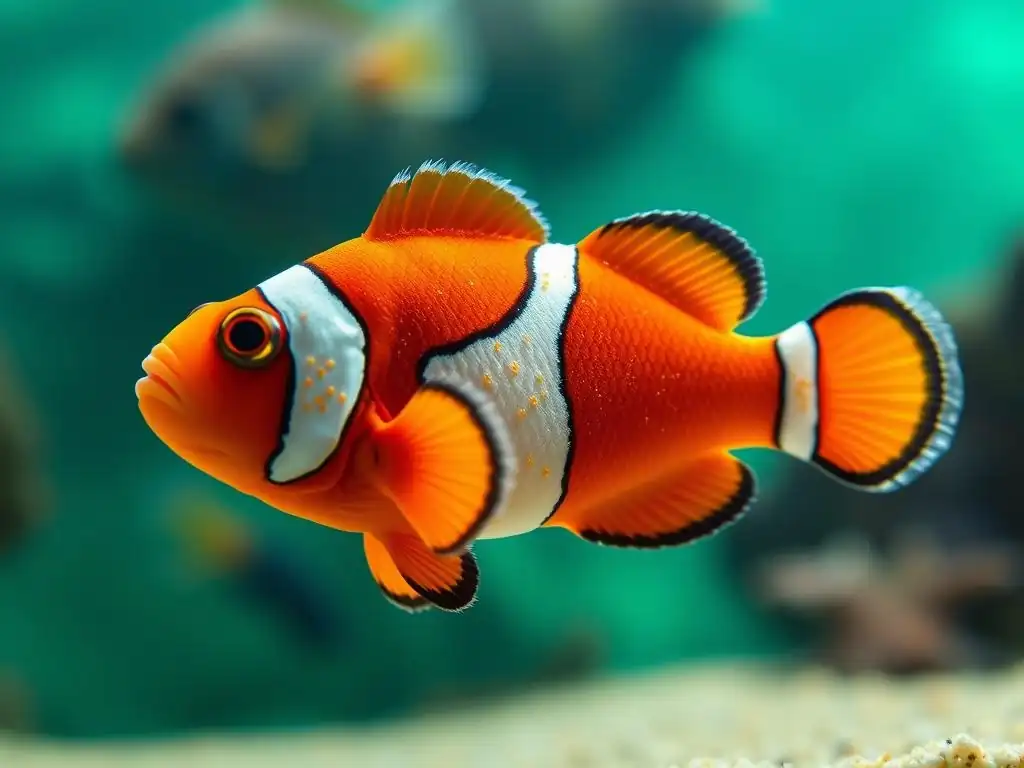
Selecting healthy Butterflyfish from a reputable source is a fundamental step in preventing Ich and other diseases. When purchasing, spend at least 15-20 minutes observing the fish in the dealer's tank. Look for active, alert individuals that are swimming purposefully and exhibiting natural behaviors. Their eyes should be clear and bright, fins fully extended without any tears, nips, or signs of fin rot, and their body shape should appear full, not emaciated.
Crucially, inspect the fish carefully for any visible white spots, cloudy patches, or lesions, which are clear indicators of illness. Also, watch for unusual behaviors such as rapid gill movement, scratching or "flashing" against tank decor, or excessive hiding. Inquire about the store's quarantine practices and the source of their fish. Starting with a healthy specimen significantly reduces the likelihood of introducing Ich into your aquarium and ultimately lessens the chances of needing a comprehensive Butterflyfish Ich Treatment Guide.
Avoiding Overcrowding: Reducing Stress and Disease Transmission
Overcrowding is a significant stressor in any aquarium, leading directly to weakened immune systems and increased susceptibility to diseases like Ich. When too many fish inhabit a limited space, competition for food, territory, and hiding spots intensifies, leading to chronic stress. Additionally, higher fish loads result in increased waste production, which can quickly degrade water quality, even with robust filtration, further compromising fish health.
While a general guideline of "one inch of fish per five gallons" exists for marine tanks, it's a very rough estimate and specific needs for Butterflyfish vary greatly. These fish require ample swimming space and individual territories to thrive. Ensuring adequate space not only reduces stress and aggression but also dilutes the concentration of pathogens in the water, making it harder for parasites like Cryptocaryon irritans to spread rapidly. A properly stocked aquarium is a healthier, more stable environment that minimizes the risk of disease outbreaks and the subsequent need for a Butterflyfish Ich Treatment Guide.
Long-Term Care and Recovery for Butterflyfish After Ich Treatment
Post-Treatment Monitoring: Ensuring Complete Eradication of Ich
Even after the visible signs of Ich have disappeared and the primary treatment phase is complete, continuous and diligent monitoring of your Butterflyfish is crucial. The life cycle of Cryptocaryon irritans can be protracted, and residual parasites or newly hatched theronts might still be present, even if not immediately visible. It is generally recommended to continue observation for at least 2 to 3 weeks post-treatment, or even longer if the main display tank underwent a fallow period.
During this recovery period, maintain pristine water quality and stable parameters to prevent any additional stress on the fish. Watch closely for any recurrence of symptoms, no matter how subtle, such as slight flashing or a single white spot. Early detection of a relapse allows for prompt re-initiation of treatment. This vigilant post-treatment monitoring is a non-negotiable step to ensure the complete eradication of Ich and to confirm the success of your Butterflyfish Ich Treatment Guide.
Supporting the Immune System: Nutritional Strategies for Butterflyfish Recovery
A robust immune system is vital for Butterflyfish recovering from an Ich infestation, as their bodies have been under immense stress. Providing a high-quality, varied, and nutritious diet is paramount. Offer a diverse mix of frozen foods, such as mysis shrimp, enriched brine shrimp, finely chopped seafood, and high-quality marine pellets or flakes specifically formulated for marine omnivores or carnivores, depending on the species. Ensure the food size is appropriate for their delicate mouths.
To further boost their immune response, consider supplementing their diet with vitamin-enriched foods or by soaking their food in liquid vitamin supplements, particularly those rich in Vitamin C and beta-glucans. These compounds are known to enhance fish immunity and aid in tissue repair. Garlic extract can also be added to food to stimulate appetite in recovering fish. A well-nourished Butterflyfish will recover faster and be better equipped to resist future parasitic challenges, reinforcing the long-term effectiveness of any Butterflyfish Ich Treatment Guide.
Re-establishing the Biological Filter: Maintaining a Healthy Aquarium Ecosystem
Many effective Ich treatments, particularly copper-based medications and certain dyes like methylene blue, can severely impact or completely destroy the beneficial nitrifying bacteria that form the biological filter in an aquarium. This critical bacterial colony is responsible for converting toxic ammonia and nitrite into less harmful nitrate. After treatment, it is imperative to closely monitor ammonia and nitrite levels daily, as a "mini-cycle" or full cycle crash is a common occurrence.
If the biological filter has been compromised, perform frequent small water changes (e.g., 10-20% daily or every other day) to keep ammonia and nitrite levels at zero. Consider adding a high-quality bacterial starter culture designed for marine aquariums to help re-establish the nitrifying bacteria more quickly. If available, transferring mature filter media from a healthy, established, and disease-free aquarium can also significantly accelerate the re-colonization process. A stable and efficient biological filter is fundamental for the long-term health and stability of the aquarium ecosystem following a Butterflyfish Ich Treatment Guide.
Addressing Secondary Infections: Preventing Complications After Ich Treatment
Ich infestations leave Butterflyfish with weakened immune systems and often open lesions or damaged tissue where the parasites detached. This makes them highly vulnerable to secondary bacterial, fungal, or even other parasitic infections. Common signs of secondary infections include cloudy eyes, fin rot, open sores, red streaks on the body, or cotton-like growths. These complications can be more lethal than the initial Ich infection if not addressed promptly.
To prevent secondary infections, maintaining impeccable water quality post-treatment is crucial, as a clean environment minimizes the bacterial load. Closely observe fish for any new or worsening symptoms. If secondary infections do appear, they must be treated with appropriate medications. This might involve broad-spectrum antibiotics for bacterial infections or specific antifungal treatments. Early intervention and a proactive approach to managing these complications are vital for the full recovery and long-term survival of Butterflyfish after following an Ich treatment guide.
Butterflyfish Ich Treatment Guide: Specific Considerations for Delicate Species
Treating Copper Sensitive Butterflyfish: Alternative Approaches
Certain species of Butterflyfish are notoriously sensitive to copper-based medications, making traditional Ich treatments risky and potentially fatal. The Copperband Butterflyfish ( Chelmon rostratus) is a prime example, often succumbing to copper toxicity even at therapeutic levels that other marine fish tolerate. Other Chaetodon species may also exhibit varying degrees of copper sensitivity, making a universal Butterflyfish Ich Treatment Guide challenging. For these delicate fish, alternative, less harsh treatments are essential.
Hyposalinity, precisely managed at a specific gravity of 1.008-1.009 for 3-4 weeks, is often the preferred and safest alternative for copper-sensitive Butterflyfish. Another effective, though less commonly available, medication is Chloroquine phosphate, which is potent against Ich but requires precise dosing and careful monitoring. Furthermore, extended fallow periods in the display tank (8-12 weeks or more) combined with treating the fish in a separate, observation-only tank, can effectively break the parasite's life cycle. For these species, prevention through strict quarantine and optimal water quality is paramount.
Copperband Butterflyfish Ich Treatment: Special Considerations
The Copperband Butterflyfish ( Chelmon rostratus) is a highly sought-after but particularly challenging species, not only due to its specialized feeding habits but also its extreme sensitivity to conventional Ich treatments. Their delicate nature means they are easily stressed, which often precipitates Ich outbreaks. Standard copper treatments, even at low concentrations, can quickly prove lethal to Copperbands, causing irreversible organ damage and death.
A comprehensive Butterflyfish Ich Treatment Guide for Copperbands must prioritize non-copper alternatives. Hyposalinity is generally considered the safest and most effective method. Additionally, maintaining exceptionally pristine water quality and minimizing all forms of stress are crucial for their recovery. Since they can be finicky eaters, ensuring they are accepting food (e.g., live blackworms, frozen mysis, small clam pieces) is vital before, during, and after treatment, as starvation can quickly lead to further decline. Prevention through rigorous quarantine and careful selection of healthy, established eaters is the best strategy.
Raccoon Butterflyfish Ich Treatment: Special Considerations
The Raccoon Butterflyfish ( Chaetodon lunula) is generally considered one of the hardier Butterflyfish species, making it somewhat more resilient to stress and treatments compared to the Copperband. However, they are still susceptible to Ich, especially if kept in suboptimal conditions or subjected to significant stress from tank mates or poor water quality. As omnivores, they are typically easier to feed in captivity, which aids in their recovery during and after treatment.
While Raccoon Butterflyfish can tolerate copper at the lower end of the therapeutic range (e.g., 0.15 ppm ionic copper), hyposalinity or chloroquine phosphate remain safer alternatives to minimize stress and potential side effects. The key to a successful Raccoon Butterflyfish Ich Treatment Guide lies in prompt diagnosis and consistent treatment in a dedicated hospital tank. Ensuring stable water parameters, a varied diet, and a stress-free environment post-treatment will significantly aid their recovery and long-term health.
Advanced Ich Management: When to Seek Expert Help
Recognizing When Home Treatments are Insufficient
While many aquarists can successfully manage Ich outbreaks with readily available treatments, there are clear indicators that signal when home treatments may be insufficient, necessitating professional intervention. If multiple fish are rapidly deteriorating, or if the Ich infestation appears to be recurring despite diligent adherence to a Butterflyfish Ich Treatment Guide, it's a cause for concern. Severe secondary bacterial or fungal infections that are not responding to general medications, or the simultaneous presence of multiple diseases, also point to a more complex situation.
Furthermore, if your Butterflyfish species is particularly delicate or rare, or if the fish's condition is severely advanced before treatment begins, the chances of success with standard home methods decrease significantly. When fish show no improvement within a few days of starting treatment, or if their health rapidly declines, it's a critical moment to recognize the limitations of DIY approaches and seek external expertise.
Consulting with a Veterinarian: Diagnosing and Treating Complex Cases
For complex or persistent Ich outbreaks, or when dealing with highly valuable or delicate Butterflyfish, consulting with an aquatic veterinarian is highly recommended. These specialized professionals possess diagnostic tools, such as microscopes for skin scrapes or gill biopsies, which can accurately identify Cryptocaryon irritans and differentiate it from other visually similar but distinct pathogens like marine velvet ( Amyloodinium ocellatum). This precise diagnosis is crucial for selecting the most effective treatment.
An aquatic vet can prescribe stronger, more targeted medications that are not available over-the-counter, provide exact dosing instructions tailored to your specific fish species and tank volume, and offer a comprehensive, personalized Butterflyfish Ich Treatment Guide. They can also advise on underlying issues contributing to the outbreak, such as water chemistry imbalances or nutritional deficiencies, and guide you through the recovery process, significantly increasing the chances of a successful outcome.
Local Aquarium Societies and Reputable Fish Stores
Beyond professional veterinary care, local aquarium societies and reputable fish stores can be invaluable resources for advanced Ich management. Aquarium societies often comprise experienced hobbyists who have successfully battled various fish diseases, including severe Ich outbreaks. They can offer practical advice, share personal experiences with specific treatment protocols, or even lend specialized equipment. Engaging with these communities provides access to a wealth of collective knowledge and local support networks.
Reputable local fish stores, particularly those specializing in marine aquariums, employ knowledgeable staff with extensive hands-on experience in fish health. While not veterinarians, they can provide sound advice on over-the-counter medications, proper dosing, water parameter management, and general husbandry practices. They can also help identify potential problems with your setup or maintenance routines that might be contributing to the Ich outbreak, serving as a valuable first point of contact for many aquarists seeking guidance for their Butterflyfish Ich Treatment Guide.
Conclusion: Protecting Your Butterflyfish from Ich – A Proactive Approach
Protecting your Butterflyfish from the pervasive threat of Cryptocaryon irritans requires a multifaceted and proactive approach. While Ich is a common and often devastating parasite, understanding its life cycle and implementing strategic preventative measures are paramount. Strict quarantine protocols for all new arrivals, maintaining consistently pristine water quality, and ensuring proper acclimation procedures are the cornerstones of minimizing stress and strengthening your Butterflyfish's natural defenses against this persistent pathogen.
Should an outbreak occur, a comprehensive Butterflyfish Ich Treatment Guide offers a range of effective strategies, from tried-and-true copper-based medications to safer alternatives like hyposalinity, along with supportive therapies. Vigilant post-treatment monitoring, robust nutritional support, and careful re-establishment of the biological filter are crucial for complete recovery and preventing relapses. By combining diligent prevention with informed, precise treatment and knowing when to seek expert help, aquarists can significantly enhance their Butterflyfish's chances of survival and maintain a thriving, disease-free marine aquarium.
Frequently Asked Questions
What is Ich and why is it a threat to Butterflyfish?
Ich, caused by Cryptocaryon irritans, is a parasitic infection that manifests as white spots on fish. Butterflyfish are particularly susceptible due to their sensitive nature and stress-prone behavior, making them vulnerable to outbreaks.
How can I identify Ich on my Butterflyfish?
The most obvious sign is the appearance of small, white spots resembling salt grains, covering the fish's body and fins. Other symptoms include rapid breathing, scratching against objects, and lethargy.
What are the primary treatment options for Ich in Butterflyfish?
Treatment options include copper-based medications, hyposalinity (lowering salinity), and temperature adjustments. Always carefully monitor your fish and follow instructions precisely to avoid harming your Butterflyfish!
How can I prevent Ich outbreaks in my Butterflyfish aquarium?
Prevention is key and includes quarantining new fish, maintaining stable water parameters, and providing a stress-free environment. Regular water changes and a healthy diet are also vital.
Are there any natural or alternative treatments for Ich that are safe for Butterflyfish?
While some aquarists use garlic supplements or reef-safe medications, the effectiveness can vary. Proceed with extreme caution and research, as Butterflyfish are sensitive, and consult with a veterinarian or experienced aquarist.
The battle against Ich, or Cryptocaryon irritans, in our beloved butterflyfish is a constant reminder of the delicate balance within our aquariums and the ever-present responsibility we bear as keepers of these vibrant creatures. This guide, while offering practical solutions, underscores a deeper truth: proactive care and diligent observation are paramount in safeguarding the health and well-being of our aquatic companions.
This struggle with Ich highlights the broader challenges facing marine ecosystems, both within our tanks and in the wild. The constant need for vigilance and informed action resonates deeply with the larger conservation efforts required to protect coral reefs and the diverse life they support. In the end, we will conserve only what we love; we will love only what we understand; and we will understand only what we are taught.
- Baba Dioum. This quote perfectly encapsulates the journey of understanding and caring for our butterflyfish, a journey that extends far beyond the confines of our aquariums.
As you close this guide, remember that the knowledge you've gained is a powerful tool. Let it inspire you to not only provide the best possible care for your butterflyfish, but also to become advocates for responsible aquarium keeping and marine conservation. Embrace the challenge, share your knowledge, and contribute to a future where these magnificent creatures thrive, both in our homes and in their natural habitats.
Dive Deeper: Transform Your Butterflyfish Care Today!
Thanks for exploring the world of butterflyfish health! We hope this guide has empowered you with the knowledge to protect your delicate beauties from Ich. Now, let's put that knowledge into action.
Here are some steps you can take right now:
- Implement a proactive quarantine protocol for all new fish. This is the single most effective way to prevent Ich outbreaks in your established aquarium.
- Share this article with fellow reef keepers! Help spread awareness and protect more butterflyfish from this common parasite.
- Consider documenting your quarantine process or a successful Ich treatment in your tank and sharing it on aquarium forums. Your experiences could greatly benefit other hobbyists.
What innovative strategies are you using to keep Ich at bay in your reef tank? Share your secrets in the comments below!