
Bluecheek Butterflyfish (Chaetodon semilarvatus): Red Sea Royalty for Spacious, Specialized Tanks

Welcome to Aquarium Mastery!
Ever been captivated by the vibrant splash of yellow and blue in the Red Sea? Then prepare to be equally entranced by the Bluecheek Butterflyfish. This majestic creature can truly elevate a saltwater aquarium, but only with the right knowledge and dedication. Curious if you have what it takes to provide optimal Bluecheek Butterflyfish tank care? Dive in and discover everything you need to know about housing this demanding, yet rewarding, species!
- Bluecheek Butterflyfish (Chaetodon semilarvatus): Red Sea Royalty for Advanced Aquarists
- Introducing the Majestic Bluecheek Butterflyfish: A Reef Aquarium Highlight
- Bluecheek Butterflyfish Tank Care: Simulating the Red Sea Reef
- Bluecheek Butterflyfish Diet and Feeding: Catering to a Picky Eater
- Bluecheek Butterflyfish Tank Mates: Compatibility and Considerations
- Bluecheek Butterflyfish Health and Disease Prevention
- Acquiring and Acclimating Your Bluecheek Butterflyfish
- Advanced Bluecheek Butterflyfish Care: Reproduction and Lifespan
- Bluecheek Butterflyfish: A Rewarding Challenge for Dedicated Aquarists
-
Frequently Asked Questions
- How difficult is it to care for a Bluecheek Butterflyfish in a home aquarium?
- What size tank is recommended for a Bluecheek Butterflyfish?
- What type of diet does a Bluecheek Butterflyfish require?
- Are Bluecheek Butterflyfish reef safe?
- What are some common health issues that affect Bluecheek Butterflyfish?
- Final Reflection: The Enduring Allure of the Bluecheek
- Unveil Your Red Sea Reef Dream
Bluecheek Butterflyfish (Chaetodon semilarvatus): Red Sea Royalty for Advanced Aquarists
Introducing the Majestic Bluecheek Butterflyfish: A Reef Aquarium Highlight
Unveiling the Beauty of Chaetodon semilarvatus
The Bluecheek Butterflyfish, Chaetodon semilarvatus, is a truly striking species native to the Red Sea and Gulf of Aden, prized for its vibrant coloration and graceful demeanor. Adults typically reach a size of about 7 to 9 inches (18-23 cm) in captivity, though they can grow slightly larger in their natural habitat. Their most distinctive feature is the brilliant blue "cheek" patch that contrasts sharply with their otherwise bright yellow-orange body, adorned with subtle vertical bars.
Juveniles of this species exhibit a slightly different coloration, often displaying a more pronounced dark spot on their dorsal fin that fades as they mature. As they grow, their characteristic blue cheek develops, becoming more vivid and defined. Their elegant swimming patterns, often observed gracefully navigating reef structures, make them a captivating addition to a well-planned marine aquarium.
Why the Bluecheek Butterflyfish Demands Experience and Dedication
The Bluecheek Butterflyfish is unequivocally an advanced species, not recommended for novice aquarists due to its highly specialized needs and delicate nature. Its dietary requirements, often challenging to meet in captivity, and its sensitivity to fluctuating water parameters necessitate a deep understanding of marine aquarium husbandry. This species thrives only when provided with pristine conditions that closely mimic its natural Red Sea environment.
Successfully maintaining Chaetodon semilarvatus requires significant dedication and consistent attention to detail. From providing an appropriately sized habitat to meticulously managing water quality and offering a varied, nutritious diet, every aspect of Bluecheek Butterflyfish tank care is crucial for their long-term health and survival. Their susceptibility to stress and disease in suboptimal conditions underscores the need for experienced hands.
Bluecheek Butterflyfish Tank Care: Simulating the Red Sea Reef
Tank Size Requirements for a Thriving Bluecheek Butterflyfish
A spacious aquarium is paramount for the Bluecheek Butterflyfish, providing ample swimming room and contributing significantly to stable water parameters. A minimum tank size of 125 gallons (approximately 470 liters) is recommended for a single adult specimen. This substantial volume helps dilute waste products, minimizes the impact of minor fluctuations, and reduces stress on the fish by allowing sufficient territory.
For a pair of Bluecheek Butterflyfish, or if considering a very carefully selected community, a tank of 180 gallons (approximately 680 liters) or larger would be more appropriate. The sheer size of the tank directly correlates with the fish's ability to thrive, reducing aggression, improving overall health, and extending its potential lifespan by mitigating stress-related issues. Proper Bluecheek Butterflyfish tank care begins with adequate space.
Essential Water Parameters for Bluecheek Butterflyfish Health
Maintaining precise and stable water parameters is non-negotiable for the Bluecheek Butterflyfish. The ideal temperature range should be consistently between 74-80°F (23-27°C). Salinity levels are critical, with a specific gravity of 1.023-1.026 being optimal. The pH should be maintained between 8.1 and 8.4, and alkalinity (dKH) should fall within the 8-12 dKH range. Calcium levels should be around 400-450 ppm, and magnesium 1250-1350 ppm.
These fish are highly intolerant of sudden shifts in water chemistry, which can lead to severe stress and susceptibility to disease. Regular testing with reliable test kits (at least weekly) is essential to monitor ammonia, nitrite, nitrate, and phosphate levels, ensuring they remain undetectable or at very low concentrations. Consistency in these parameters is a cornerstone of successful Bluecheek Butterflyfish tank care.
Maintaining Pristine Water Quality for Chaetodon semilarvatus
Achieving and sustaining pristine water quality for Chaetodon semilarvatus involves a robust filtration system and a diligent maintenance schedule. A high-quality protein skimmer is indispensable for removing organic waste before it breaks down into harmful nitrates. Ample live rock, typically 1 to 1.5 pounds per gallon (0.45-0.68 kg per 3.78 liters), provides vital biological filtration and grazing surfaces.
Regular partial water changes are crucial, with a recommended frequency of 10-20% bi-weekly or 25% monthly, using high-quality reverse osmosis/deionized (RO/DI) water mixed with a reputable marine salt mix. Employing a refugium can also aid in nutrient export and provide a stable microfauna population. These practices are fundamental to effective Bluecheek Butterflyfish tank care, preventing the accumulation of toxins that can quickly debilitate this sensitive species.
Substrate and Aquascaping for a Natural Bluecheek Butterflyfish Environment
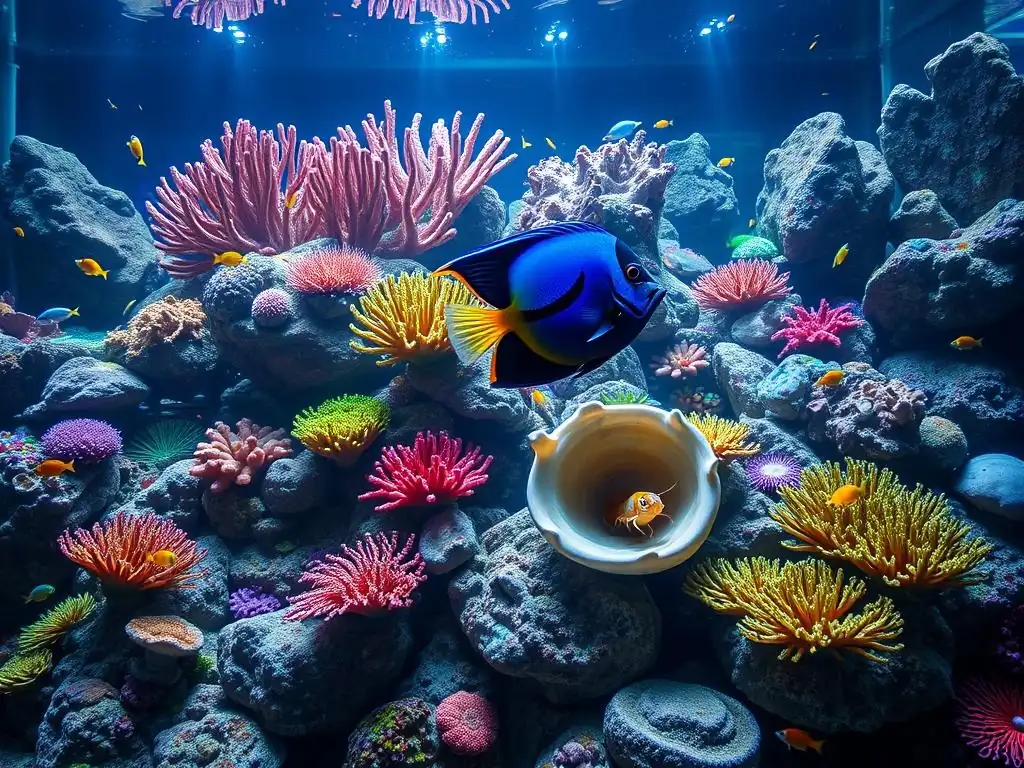
When considering substrate, a fine sand bed to crushed coral mix is suitable, though the Bluecheek Butterflyfish primarily occupies the water column and rocky structures rather than sifting through the substrate. The focus of aquascaping should be on creating a complex arrangement of live rock that mimics their natural reef environment, providing numerous crevices, caves, and overhangs for shelter and exploration.
While providing ample hiding spots, it is equally important to ensure large, open swimming areas where the fish can freely navigate and display its natural elegance. The live rock serves not only as shelter but also as a source of beneficial bacteria for biological filtration and a potential grazing surface for micro-algae and small invertebrates.
Recreating a Reef Slope Habitat
To truly optimize the environment for Chaetodon semilarvatus, consider aquascaping that simulates a Red Sea reef slope. This involves arranging live rock vertically, creating ledges and drop-offs that mimic the varied topography of their natural deep-water reef habitats. Utilizing stable rock structures, secured to prevent collapse, will provide a sense of security for the fish.
Such a setup encourages natural behaviors, allowing the Bluecheek Butterflyfish to retreat when startled and explore diverse micro-environments. The strategic placement of live rock also helps establish distinct territories if keeping multiple fish (though generally not recommended for this species due to potential aggression), further contributing to a low-stress environment essential for comprehensive Bluecheek Butterflyfish tank care.
Bluecheek Butterflyfish Diet and Feeding: Catering to a Picky Eater
Natural Diet and Feeding Habits of Chaetodon semilarvatus
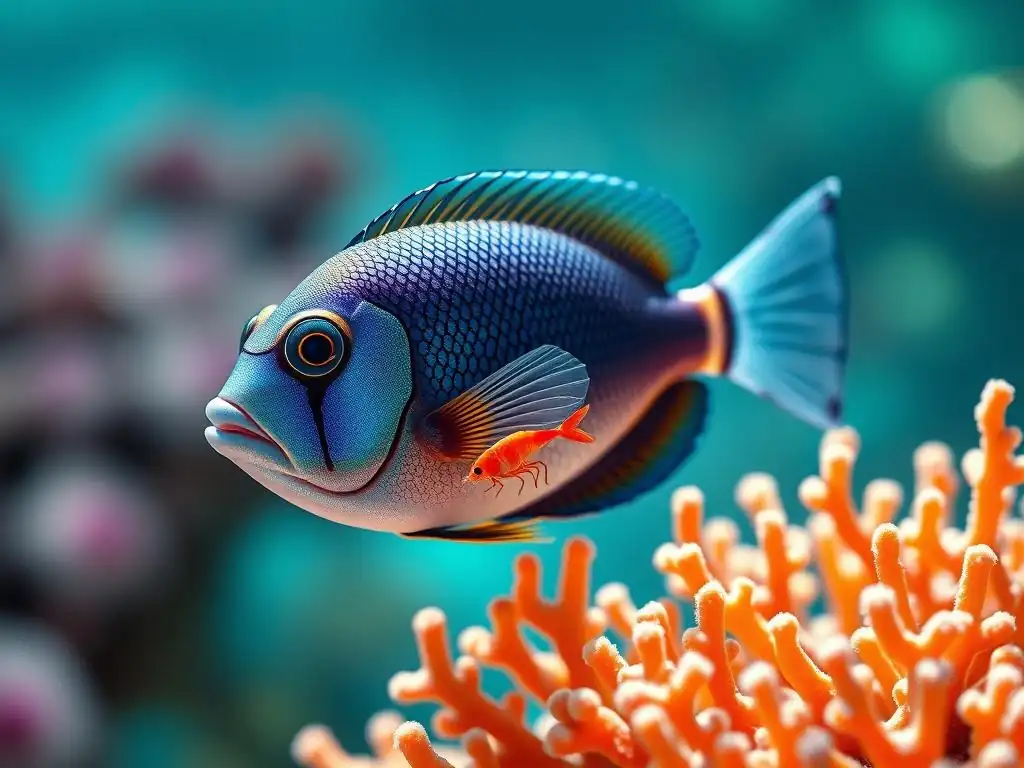
In their natural Red Sea habitat, Chaetodon semilarvatus are primarily corallivores, meaning their diet consists largely of coral polyps, particularly from stony corals like Acropora and Porites species. They are also known to graze on various small invertebrates and algae found on the reef. This specialized diet is a significant challenge to replicate in a home aquarium, often making them difficult to acclimate to captive foods.
Their feeding behavior in the wild is characterized by continuous grazing throughout the day, nipping at coral polyps and searching for small organisms. This constant intake of varied natural foods provides them with the complex nutritional profile they require. Understanding this natural habit is key to developing a successful Bluecheek Butterflyfish tank care feeding strategy.
Recommended Foods for Bluecheek Butterflyfish in Captivity
Weaning the Bluecheek Butterflyfish onto prepared foods can be a demanding process. A varied diet is crucial, starting with high-quality frozen foods such as Mysis shrimp, enriched brine shrimp, finely chopped clams, scallops, and squid. Some aquarists have success with specialized frozen preparations designed for butterflyfish or marine omnivores, which often include a blend of meaty and vegetable matter.
It is highly recommended to soak all frozen foods in a vitamin supplement, such as Selcon or Vita-Chem, to boost their nutritional value and prevent deficiencies. Freshly prepared seafood, finely minced, can also be offered. Patience and persistence are vital during the acclimation period, as some specimens may initially refuse all but the most enticing offerings.
Encouraging Feeding and Preventing Nutritional Deficiencies
For particularly finicky eaters, several strategies can encourage feeding. Offering small amounts of food multiple times a day (3-4 times) mimics their natural grazing behavior. Placing food near their preferred hiding spots or using a feeding clip for nori (seaweed sheets, though they are primarily carnivores, some may graze) can sometimes entice them. Live foods, such as blackworms or small feeder shrimp, can occasionally be used to stimulate a feeding response, but should not form the bulk of their diet.
Preventing nutritional deficiencies is paramount. A diet lacking in essential nutrients can lead to serious health issues, including Lateral Line Erosion (LLE), faded coloration, and a weakened immune system. A diverse diet, regular vitamin supplementation, and careful observation of their feeding habits are critical components of long-term Bluecheek Butterflyfish tank care.
Feeding Frequency and Techniques for Butterflyfish
Given their natural tendency to graze continuously, Bluecheek Butterflyfish should be fed small quantities of food frequently throughout the day, ideally 3 to 4 times. This approach prevents large spikes in ammonia from uneaten food and ensures a steady supply of nutrients, better mimicking their wild feeding patterns. Overfeeding should be avoided to maintain water quality.
When feeding, observe the fish's response. For shy individuals, target feeding with a turkey baster can ensure they receive enough food without competition from more aggressive tank mates. Introducing food slowly and in small portions allows the fish to consume it before it disperses or is consumed by faster tank inhabitants.
Bluecheek Butterflyfish Tank Mates: Compatibility and Considerations
Choosing Peaceful and Reef-Safe Tank Mates
Selecting appropriate tank mates for the Bluecheek Butterflyfish requires careful consideration due to their delicate nature and specialized diet. Peaceful, non-aggressive species are essential to prevent stress and bullying. Suitable companions include tranquil tangs (like Yellow Tangs or Kole Tangs), certain non-aggressive angelfish (such as the Coral Beauty or Flame Angelfish), and various gobies or blennies.
It is critical to understand that Chaetodon semilarvatus is generally not considered reef-safe in a typical mixed-reef aquarium with stony corals. Their natural diet of coral polyps means they will likely nip at and consume corals, particularly SPS (small polyp stony) and LPS (large polyp stony) corals. Therefore, they are best kept in a fish-only-with-live-rock (FOWLR) system or a dedicated species tank.
Avoiding Nipping or Bullying Species
To ensure a harmonious environment and reduce stress, it is imperative to avoid tank mates that are known for aggression, fin-nipping, or bullying. Aggressive damselfish, large predatory fish, or other highly territorial species should be excluded. While some aquarists attempt to keep multiple butterflyfish, Chaetodon semilarvatus is best kept as a single specimen unless in an exceptionally large aquarium (over 200 gallons) with careful introduction and monitoring, as they can become territorial towards conspecifics.
Introducing new fish carefully and observing interactions is crucial. Any signs of aggression, such as chasing, nipping, or clamped fins, indicate potential incompatibility that could undermine even the most diligent Bluecheek Butterflyfish tank care efforts. Removing aggressive individuals promptly is often necessary to protect the butterflyfish.
Creating a Harmonious Community Tank Environment
Establishing a harmonious community tank environment for the Bluecheek Butterflyfish involves more than just selecting compatible species; it also requires strategic introduction and sufficient space. Introduce less aggressive or smaller species first, allowing them to establish territories before adding the butterflyfish. Ensure ample hiding spots and visual breaks within the aquascape to minimize direct confrontations.
Continuous observation of the fish's behavior is vital, especially during feeding times. A well-designed tank with plenty of swimming space and rockwork can help diffuse potential aggression and reduce stress for all inhabitants. A low-stress environment is a cornerstone of overall fish health, making the community tank's peacefulness a direct contributor to successful Bluecheek Butterflyfish tank care.
The Importance of Quarantine for All New Fish
A dedicated quarantine tank is an absolute necessity for any new fish, especially for sensitive species like the Bluecheek Butterflyfish. New arrivals should be quarantined for a minimum of 4 to 6 weeks. This separate system allows for close observation for signs of disease, provides an opportunity for preventative treatments if needed, and allows the fish to de-stress from transport without the added pressure of a main display tank.
During quarantine, the fish can be slowly acclimated to prepared foods, further reducing stress upon introduction to the main system. This proactive measure significantly reduces the risk of introducing parasites (like marine ich or velvet) or bacterial infections into your established display tank, protecting all your valuable inhabitants and safeguarding your investment in comprehensive Bluecheek Butterflyfish tank care.
Bluecheek Butterflyfish Health and Disease Prevention
Common Diseases Affecting Butterflyfish
Like many marine fish, Bluecheek Butterflyfish are susceptible to common saltwater diseases, particularly if stressed or kept in suboptimal conditions. Marine ich ( Cryptocaryon irritans) and marine velvet ( Amyloodinium ocellatum) are two of the most prevalent parasitic infections, often manifesting as white spots or a dusty film on the fish's body. Bacterial infections, often secondary to stress or injury, can also occur, leading to fin rot, cloudy eyes, or body lesions.
Other potential issues include Lateral Line Erosion (LLE), often linked to poor water quality, nutritional deficiencies, or activated carbon use, and internal parasites. Recognizing these common ailments is the first step in effective treatment and prevention.
Recognizing Early Signs of Illness in Chaetodon semilarvatus
Vigilant daily observation is crucial for the early detection of illness in Chaetodon semilarvatus. Early signs of disease can be subtle but include clamped fins (held close to the body), labored or rapid breathing, scratching against rocks or substrate (flashing), and the appearance of white spots, red streaks, or unusual growths on the body or fins.
Changes in behavior are also key indicators: a sudden loss of appetite, lethargy, hiding excessively, or unusual swimming patterns (e.g., darting, swimming erratically) all warrant immediate attention. Fading or dull coloration can also signal stress or illness. Prompt identification allows for timely intervention, significantly improving the chances of recovery.
Quarantine and Treatment Protocols for Sick Fish
If signs of illness are observed, the affected Bluecheek Butterflyfish should be immediately transferred to a dedicated hospital tank. This isolation prevents the spread of disease to other tank inhabitants and allows for precise medication dosages without affecting the main display tank's biological filter or invertebrates. Copper-based medications are often used for parasitic infections like ich and velvet, while broad-spectrum antibiotics may be required for bacterial infections.
Always follow medication instructions meticulously, paying close attention to dosage and duration. Maintaining excellent water quality in the hospital tank is paramount during treatment, as stressed fish are more vulnerable. Post-treatment, a period of observation in the hospital tank is advisable before reintroducing the fish to the main system.
Minimizing Stress to Strengthen the Immune System
Preventing disease is always preferable to treating it, and minimizing stress is the most effective preventative measure for Chaetodon semilarvatus. A stable, well-maintained environment with consistent water parameters, appropriate tank size, and peaceful tank mates significantly reduces stress levels. A varied, nutritious diet, rich in vitamins and essential fatty acids, supports a robust immune system.
Providing ample hiding spots and ensuring a calm environment, free from sudden loud noises or rapid movements outside the tank, also contributes to their overall well-being. A healthy, low-stress fish is far more resilient to pathogens, making these preventative measures an integral part of superior Bluecheek Butterflyfish tank care.
Acquiring and Acclimating Your Bluecheek Butterflyfish
Finding Reputable Sources for Healthy Specimens
The successful long-term keeping of a Bluecheek Butterflyfish begins with acquiring a healthy specimen from a reputable source. Seek out local fish stores that have a high turnover of marine fish and visibly healthy, active specimens. Observe the fish for signs of disease (e.g., white spots, ragged fins, sunken belly) and ensure it is actively feeding before purchase.
Alternatively, consider reputable online vendors who specialize in marine fish and have established quarantine protocols. Don't hesitate to ask about the fish's origin, how long it has been at their facility, and its feeding habits. A healthy, well-acclimated fish from a good source will have a much higher chance of thriving in your aquarium.
Proper Acclimation Techniques for New Butterflyfish
Proper acclimation is critical for any new marine fish, but especially for sensitive species like the Bluecheek Butterflyfish. The goal is to slowly equalize the temperature, pH, and salinity of the water the fish arrived in with that of your quarantine tank, minimizing shock. Begin by floating the sealed bag in your quarantine tank for 15-20 minutes to equalize the temperature.
Avoid simply pouring the fish and its bag water directly into your tank. This abrupt change can cause severe osmotic shock, leading to stress and even death. The drip acclimation method is highly recommended for its gentle, gradual approach.
Drip Acclimation: A Gradual Introduction to Your Tank's Chemistry
Drip acclimation is the preferred method for introducing a new Bluecheek Butterflyfish to your quarantine tank. After temperature equalization, carefully open the bag and transfer the fish and its water into a clean bucket or container. Place the container on the floor next to your quarantine tank. Using airline tubing, create a siphon from your quarantine tank into the bucket, tying a knot in the tubing or using a control valve to regulate the drip rate to approximately 2-3 drips per second.
Allow the water to slowly drip into the bucket until the volume of water in the bucket has quadrupled (this typically takes 45-90 minutes). During this time, monitor the fish for signs of distress. Once the acclimation is complete, gently net the fish and transfer it to the quarantine tank, discarding the water from the bucket. This gradual process significantly reduces stress and allows the fish's internal systems to adjust to the new water chemistry, a vital step in successful Bluecheek Butterflyfish tank care.
Advanced Bluecheek Butterflyfish Care: Reproduction and Lifespan
The Extreme Difficulty of Breeding Butterflyfish in Captivity
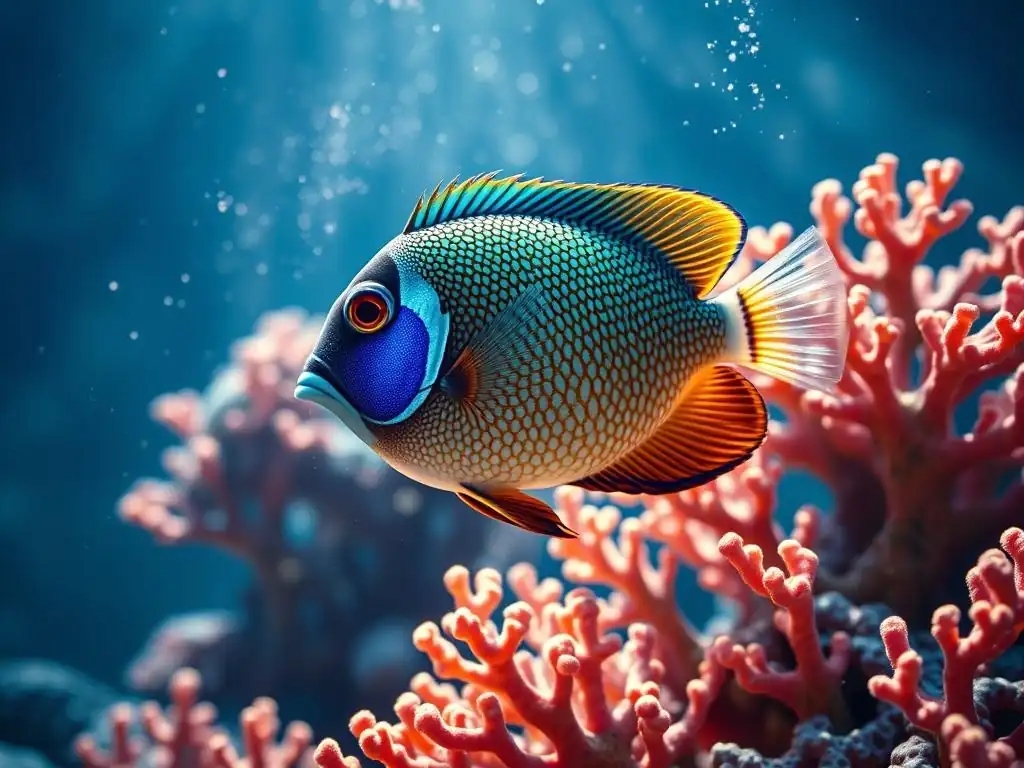
Breeding Chaetodon semilarvatus in captivity is considered extremely challenging, if not virtually impossible, for the average home aquarist. Like many marine butterflyfish species, they are pelagic spawners, releasing eggs and sperm into the open water, where the fertilized eggs drift as plankton. The larval stage is protracted and highly complex, requiring specific planktonic food sources and environmental conditions that are incredibly difficult to replicate in a controlled aquarium setting.
To date, there are very few documented instances of successful captive breeding of Chaetodon semilarvatus in commercial or research facilities, and none by hobbyists. Consequently, almost all Bluecheek Butterflyfish available in the aquarium trade are wild-caught specimens, underscoring the importance of supporting sustainable collection practices and providing optimal Bluecheek Butterflyfish tank care to ensure their longevity.
Maximizing the Lifespan of Your Bluecheek Butterflyfish
While breeding Chaetodon semilarvatus is not feasible for hobbyists, maximizing their lifespan in captivity is a primary goal for dedicated aquarists. With exemplary Bluecheek Butterflyfish tank care, these fish can live for 5 to 8 years, and potentially even longer, in a home aquarium. Their natural lifespan in the wild can exceed 10 years.
Key factors contributing to a long and healthy life include consistently pristine water quality with stable parameters, a spacious aquarium that minimizes stress, a highly varied and nutritious diet delivered frequently, and the absence of aggressive or bullying tank mates. Regular observation for early signs of illness and prompt intervention are also crucial. By meeting all their specific needs, aquarists can enjoy the beauty of their Red Sea Royalty for many years.
Bluecheek Butterflyfish: A Rewarding Challenge for Dedicated Aquarists
Is the Bluecheek Butterflyfish Right for Your Expertise Level?
The Bluecheek Butterflyfish, Chaetodon semilarvatus, is undeniably a fish for the truly dedicated and experienced marine aquarist. Its demanding Bluecheek Butterflyfish tank care requirements, including a very large aquarium, exceptionally stable and pristine water parameters, and a specialized feeding regimen, place it firmly in the advanced category. It is not a species to be purchased on impulse or by those new to saltwater aquariums.
For those with the requisite experience, resources, and commitment, however, the Bluecheek Butterflyfish offers an incredibly rewarding challenge. Its stunning beauty, graceful swimming, and engaging personality can become the undisputed centerpiece of a well-designed FOWLR system. Successfully maintaining this magnificent species is a testament to an aquarist's skill and dedication, making it a truly regal addition to the right home.
Frequently Asked Questions
How difficult is it to care for a Bluecheek Butterflyfish in a home aquarium?
Bluecheek Butterflyfish are considered moderately difficult to care for. They require pristine water quality, a large tank, and a specific diet, making them unsuitable for beginner aquarists.
What size tank is recommended for a Bluecheek Butterflyfish?
A minimum of 125 gallons is highly recommended. These fish need ample swimming space and plenty of live rock to graze on, mirroring their natural habitat.
What type of diet does a Bluecheek Butterflyfish require?
They are primarily corallivores in the wild. In captivity, they need a varied diet including frozen mysis shrimp, finely chopped seafood, and algae sheets, along with live rock to graze.
Are Bluecheek Butterflyfish reef safe?
Generally, no. They are not considered reef safe as they are known to nip at corals, particularly LPS (Large Polyp Stony) corals, making them a risky choice for reef tanks.
What are some common health issues that affect Bluecheek Butterflyfish?
They are susceptible to parasitic infections like ich (white spot disease) and are sensitive to poor water quality. Quarantine and careful acclimation are crucial for their survival.
Final Reflection: The Enduring Allure of the Bluecheek
The journey into understanding Bluecheek Butterflyfish tank care reveals more than just the specifics of maintaining a challenging species; it highlights our responsibility as aquarists to prioritize ethical sourcing and responsible husbandry. The beauty and rarity of Chaetodon semilarvatus demand a commitment that extends beyond simply filling a tank, urging us to consider the broader implications of our choices on the delicate Red Sea ecosystem.
The enduring fascination with this "Red Sea Royalty" underscores the power of nature to inspire awe and wonder. This article, I hope, has illuminated not only the practical aspects of their care but also the profound connection we can forge with the natural world through responsible aquarium keeping. In the end, we will conserve only what we love; we will love only what we understand; and we will understand only what we are taught.
- Baba Dioum's words resonate deeply, reminding us that education and understanding are the cornerstones of conservation.
Now, as you consider adding a Bluecheek Butterflyfish to your aquarium, or simply admire its image, I invite you to reflect on the commitment it represents. Let this knowledge empower you to make informed decisions, to advocate for sustainable practices, and to contribute to a future where the beauty of the Red Sea continues to thrive, both in its natural habitat and in the carefully curated ecosystems we create.
Unveil Your Red Sea Reef Dream
Thank you for diving into the captivating world of the Bluecheek Butterflyfish! We hope you’ve gained valuable insights into the unique needs and requirements of this stunning species. Now it's time to translate that knowledge into action.
Here are a few ways to take your passion for reef keeping to the next level:
- Plan Your Dream Aquarium: Begin designing the ultimate spacious reef aquarium, meticulously considering the specific needs of the Bluecheek Butterflyfish. Think about tank size, water flow, and compatible tankmates.
- Explore alternative, similar butterflyfish that might be more suitable for smaller reef aquariums, researching their care requirements and compatibility.
- Share this article with fellow reef enthusiasts and spark a conversation about the challenges and rewards of keeping specialized marine species.
What crucial aspect of Bluecheek Butterflyfish care are you most eager to implement in your own aquarium journey?