
Lighting Your Butterflyfish Tank: Illuminating Their Needs (and Yours)

Welcome to Aquarium Mastery!
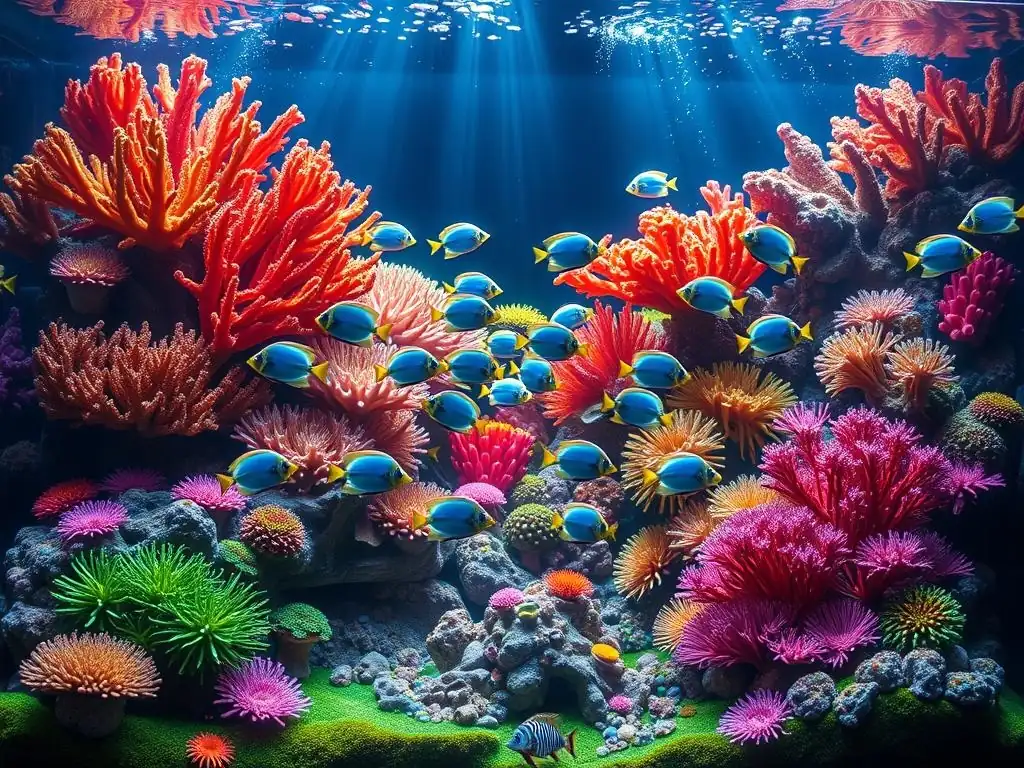
Ever wondered how to truly unlock the vibrant beauty of your Butterflyfish? Our latest guide dives deep into the crucial role of tank lighting, revealing how to create the perfect underwater environment. Discover the secrets to illuminating their needs (and yours!) for a thriving and visually stunning saltwater aquarium. Keep reading to illuminate your understanding of Butterflyfish tank lighting!
- Lighting Your Butterflyfish Tank: Illuminating Their Needs
- Understanding Butterflyfish Lighting Requirements
- Butterflyfish Tank Lighting: Types and Technologies
- Choosing the Right Light Spectrum for Your Butterflyfish
- Setting Up Your Butterflyfish Tank Lighting System
- Maintaining Your Butterflyfish Tank Lighting
- The Impact of Lighting on Butterflyfish Behavior
- Lighting and Coral Compatibility in Butterflyfish Tanks
- Advanced Butterflyfish Tank Lighting Techniques
- Butterflyfish Tank Lighting FAQs
-
Frequently Asked Questions
- How much light do butterflyfish need in their tank?
- What type of lighting is best for a butterflyfish tank?
- Can I use any light I have on hand for my butterflyfish tank?
- How can I tell if my butterflyfish are getting too much or too little light?
- Should I adjust the lighting as my butterflyfish grow?
- Final Reflection: Illuminating the Path to Reef Harmony
- Ignite Your Reef: Bring Butterflyfish Colors to Life!
Lighting Your Butterflyfish Tank: Illuminating Their Needs
Understanding Butterflyfish Lighting Requirements
The Importance of Proper Lighting for Butterflyfish Health
Proper lighting is a cornerstone of maintaining a thriving butterflyfish aquarium, directly impacting their physiological well-being. A well-designed butterflyfish tank lighting guide emphasizes that light influences a fish's metabolism, immune system, and crucial circadian rhythms. Inadequate or improper lighting can lead to chronic stress, which manifests as faded coloration, lethargy, and a heightened susceptibility to common saltwater diseases like marine Ich (Cryptocaryon irritans). The right light cycle helps regulate their internal clock, promoting natural hormone production and overall vitality.
Beyond the invisible physiological processes, lighting profoundly affects a butterflyfish's behavior and activity levels. A consistent and appropriate light cycle ensures that these diurnal fish exhibit natural feeding patterns, explore their environment, and interact appropriately within the tank. Irregular or sudden light changes, such as lights abruptly turning on or off, can disrupt these essential rhythms, leading to erratic behavior, constant hiding, or even a refusal to feed. A stable lighting regimen, therefore, is not merely aesthetic but a critical component of their daily routine and long-term health.
Replicating Natural Reef Environments with Aquarium Lighting
Butterflyfish, in their natural habitat, typically inhabit shallow to mid-depth coral reefs, where they are exposed to strong, full-spectrum sunlight. Replicating this intense yet balanced light environment is paramount for their psychological comfort and physical health in an aquarium. The natural light on a reef is rich in the blue spectrum, which penetrates deepest, but also includes a significant amount of white light that provides overall brightness and allows for vibrant color perception.
Modern aquarium lighting technologies, particularly advanced LED systems, allow hobbyists to closely mimic these complex natural conditions. By providing a full-spectrum light that includes appropriate levels of blue, white, and even small amounts of red and green, aquarists can create an environment that feels familiar and secure to butterflyfish. This thoughtful approach to a butterflyfish tank lighting guide not only enhances their natural coloration, making their intricate patterns truly pop, but also encourages natural behaviors, ensuring the fish feel at home and thrive.
Butterflyfish Tank Lighting: Types and Technologies
Metal Halide Lighting for Butterflyfish Tanks
Metal halide lights were once the gold standard for high-intensity reef aquariums, offering powerful illumination that can penetrate deep water columns. These fixtures excel at providing very high PAR (Photosynthetically Active Radiation) values, closely simulating the intense direct sunlight found on natural coral reefs. While their popularity has waned slightly with the advent of LEDs, metal halides still offer excellent color rendition and a "shimmer" effect that many aquarists find appealing, mimicking the sun's reflection on ocean waves.
However, metal halide lighting comes with notable considerations. They generate a significant amount of heat, often requiring the use of a chiller to maintain stable water temperatures in the aquarium, especially in warmer climates. Their energy consumption is also considerably higher than modern LED alternatives. Furthermore, the bulbs typically require replacement every 6-12 months as their spectral output degrades, even if they continue to emit light, making them a less cost-effective long-term solution compared to LEDs in a comprehensive butterflyfish tank lighting guide.
LED Lighting for Butterflyfish Tanks
LED (Light Emitting Diode) lighting has emerged as the dominant technology in the aquarium hobby, and for good reason. These fixtures offer unparalleled energy efficiency, consuming significantly less power than traditional metal halides or fluorescents, leading to lower electricity bills. Their extended lifespan, often exceeding 50,000 hours (equivalent to over 5 years of continuous use), drastically reduces the frequency and cost of bulb replacements, making them a highly cost-effective investment over time.
Beyond efficiency and longevity, LED lighting provides exceptional control and customization, which is a major advantage for any butterflyfish tank lighting guide. Modern LED fixtures allow aquarists to precisely adjust intensity, color spectrum (e.g., white, blue, red, green channels), and even program advanced features like sunrise/sunset simulations, moon cycles, and cloud coverage effects. This level of control enables fine-tuning the light environment to perfectly match the specific needs of butterflyfish and any other inhabitants, creating a dynamic and stress-free habitat.
Selecting the Right LED Spectrum for Butterflyfish
While butterflyfish do not photosynthesize like corals, the spectrum of LED lighting significantly impacts their visual perception, coloration, and overall comfort. For a dedicated butterflyfish tank, a balanced full-spectrum LED fixture is generally recommended. This typically includes a strong white component (e.g., 6500K-10,000K) combined with a substantial blue (actinic) component (e.g., 450nm-470nm). The blue light is particularly effective at making the vibrant blues and yellows of many butterflyfish species "pop," enhancing their natural beauty.
Many aquarists find that a color temperature ranging from 14,000K to 20,000K, often achieved by balancing white and blue LEDs, provides the most aesthetically pleasing and biologically beneficial spectrum for saltwater fish. It's crucial to avoid overly red or green-heavy spectrums, which can look unnatural in a marine environment and sometimes promote undesirable nuisance algae growth. A well-chosen LED spectrum, as highlighted in a detailed butterflyfish tank lighting guide, ensures that the fish's colors are displayed optimally while supporting their well-being.
T5 Fluorescent Lighting for Butterflyfish
T5 fluorescent lighting, specifically T5 High Output (HO) bulbs, represents a highly efficient and effective option for illuminating butterflyfish tanks, often serving as a bridge between traditional fluorescents and the more advanced LEDs. T5HO bulbs offer a good balance of intensity, spectrum, and affordability. They are available in various lengths and wattages, allowing for flexible fixture configurations to suit different tank sizes.
One of the key advantages of T5HO lighting is the ability to mix and match different Kelvin temperature bulbs to achieve a custom spectrum. For example, combining a 10,000K or 12,000K "daylight" bulb with an "actinic" (blue) bulb can create a full-spectrum environment that enhances fish coloration and mimics natural reef conditions effectively. While T5HO bulbs do not offer the dimming or advanced programming capabilities of high-end LEDs, they provide consistent, strong light output and remain a popular choice for their reliable performance and relatively low initial cost in many a butterflyfish tank lighting guide.
Choosing the Right Light Spectrum for Your Butterflyfish
Understanding Kelvin and PAR
When selecting lighting for a butterflyfish tank, two critical metrics are Kelvin (K) and PAR (Photosynthetically Active Radiation). Kelvin measures the color temperature of light, indicating how warm (redder, lower K values like 6500K) or cool (bluer, higher K values like 20,000K) the light appears. For marine aquariums, higher Kelvin values (typically 10,000K to 20,000K) are preferred as they closely mimic the blue-shifted light found in natural reef environments and enhance the vibrant colors of saltwater fish.
PAR, on the other hand, quantifies the intensity of light that is available for photosynthesis, measured in micromoles per square meter per second (µmol m-2 s-1). While butterflyfish themselves do not photosynthesize, PAR is crucial for understanding the overall light "power" that penetrates the water column. In a fish-only or fish-only-with-live-rock (FOWLR) butterflyfish tank, extremely high PAR is not strictly necessary, but adequate PAR ensures the tank is sufficiently bright and visually appealing, indirectly supporting the health of any live rock or macroalgae present.
The Best Light Spectrum for Butterflyfish Coloration and Health
For optimal coloration and health in butterflyfish, a light spectrum ranging from 10,000K to 20,000K is generally recommended. Many aquarists find that a balanced spectrum around 14,000K to 18,000K provides the most appealing visual display, making the intricate patterns and vibrant hues of species like the Copperband Butterflyfish or the Raccoon Butterflyfish truly stand out. This range offers a good blend of white light for overall brightness and blue light to enhance fluorescence and depth.
The key is to select a full-spectrum light that includes all visible wavelengths, even if biased towards the blue end. While blue light makes colors pop, an overly blue or actinic-heavy spectrum without sufficient white light can make the tank appear dim or unnatural, and potentially stress the fish. A well-rounded spectrum, as advised by any comprehensive butterflyfish tank lighting guide, ensures that the fish's natural colors are accurately rendered and that their visual environment is comfortable and stimulating.
Preventing Algae Growth with Proper Light Spectrum
An often-overlooked benefit of selecting the correct light spectrum for a butterflyfish tank is its role in preventing nuisance algae growth. Certain wavelengths of light, particularly those strong in the red and green spectrums, are highly effective at promoting the growth of undesirable green hair algae, diatoms, and cyanobacteria. These algae can quickly overrun an aquarium, detracting from its aesthetics and potentially competing with beneficial organisms.
By primarily utilizing light fixtures that emphasize the blue and white spectrums, which are characteristic of marine environments, aquarists can significantly reduce the proliferation of these common nuisance algae. While light duration and nutrient control (nitrates and phosphates) are equally critical factors, a spectrum that is less conducive to terrestrial-type algae growth provides an important advantage. A smart butterflyfish tank lighting guide will always emphasize this balance to maintain a clean and healthy display.
Setting Up Your Butterflyfish Tank Lighting System
Calculating Appropriate Wattage
When setting up lighting for a butterflyfish tank, the concept of "wattage" needs to be understood in context of the light type. For older technologies like T5 fluorescents or metal halides, wattage serves as a rough indicator of light intensity. A general guideline for a fish-only or FOWLR (Fish Only With Live Rock) marine tank might be around 2-3 watts per gallon for T5HOs, though this can vary significantly based on tank depth and specific bulb efficiency. For example, a 75-gallon tank might start with two 39W T5HO bulbs.
However, for modern LED lighting, wattage is a less reliable metric as LEDs are far more efficient in converting power to usable light (PAR). Instead, focus on the manufacturer's specifications regarding PAR output at various depths and the recommended tank size for the fixture. The goal is to provide sufficient illumination for viewing and fish health without overlighting, which can cause stress to butterflyfish and accelerate nuisance algae growth. An effective butterflyfish tank lighting guide prioritizes appropriate light output over raw wattage.
Placement and Angle: Optimizing Light Distribution
Proper placement and angling of your lighting fixtures are crucial for achieving even light distribution across the entire butterflyfish tank. Lights should typically be suspended 6-12 inches above the water surface. This height helps prevent salt creep from accumulating directly on the fixture, allows for adequate heat dissipation (especially important for metal halides), and provides a broad spread of light. Adjusting the height can also fine-tune light intensity; lowering the fixture increases intensity, while raising it decreases it.
For wider or longer tanks, using multiple smaller fixtures instead of a single large one can help eliminate shadowed areas and ensure all parts of the aquarium receive adequate illumination. Angling individual light bars or adjusting the spread of an LED cluster can further optimize light penetration and distribution. The aim is to create a visually uniform environment that mimics the broad, even light of a natural reef, ensuring that all butterflyfish have access to appropriately lit areas, as detailed in any comprehensive butterflyfish tank lighting guide.
Lighting Controllers and Timers: Automating Your Lighting Schedule
Implementing a reliable timer is absolutely essential for maintaining a consistent day/night cycle in your butterflyfish tank, which is fundamental for their circadian rhythm and overall health. Simple mechanical or digital timers can automate the on/off schedule of your lights, ensuring they turn on and off at the same time every day. This consistency reduces stress and helps the fish establish a predictable routine.
For more advanced control, particularly with modern LED fixtures, dedicated lighting controllers offer sophisticated programmability. These controllers can simulate gradual sunrise and sunset periods, slowly increasing and decreasing light intensity over 30-60 minutes, which dramatically reduces stress on butterflyfish compared to abrupt light changes. Many also offer moonlight phases, cloud coverage simulations, and even lightning effects, providing a highly naturalistic and engaging environment. A well-configured controller is a vital tool for any serious butterflyfish tank lighting guide.
Maintaining Your Butterflyfish Tank Lighting
Bulb Replacement Schedules
Even the best lighting systems require periodic maintenance, and understanding bulb replacement schedules is a critical aspect of a comprehensive butterflyfish tank lighting guide. For T5 fluorescent bulbs, it is generally recommended to replace them every 9-12 months. While they may still appear to be producing light, their spectral output degrades significantly over this period, leading to a loss of beneficial wavelengths and reduced PAR, which can negatively impact fish health and color.
Metal halide bulbs typically have a shorter effective lifespan, requiring replacement every 6-12 months for optimal performance and spectrum. LEDs, on the other hand, boast significantly longer lifespans, often rated for 50,000 hours or more, meaning they can last for many years. However, even LEDs can experience a gradual reduction in output over time. Regular visual assessment and, for advanced users, occasional PAR meter readings can help determine if bulb or fixture replacement is necessary to maintain ideal lighting conditions.
Cleaning Aquarium Lights for Maximum Output
The accumulation of salt creep, dust, and water spots on light fixtures and their splash guards is a common issue in marine aquariums, and it can significantly reduce the amount of light reaching the water. A thin film of salt residue can block a surprising amount of light, diminishing the effectiveness of even the most powerful fixtures. Regular cleaning is therefore essential to ensure maximum light output and maintain the aesthetic appeal of your butterflyfish tank.
It is recommended to wipe down light fixtures and splash guards weekly or bi-weekly with a clean, damp cloth. Always unplug the fixture before cleaning to prevent any risk of electric shock. For stubborn salt creep, a solution of vinegar and water can be used, ensuring it does not drip into the tank. For fixtures with internal reflectors (common in T5 and metal halide setups), periodic cleaning of these reflective surfaces will also help maximize light efficiency and penetration, ensuring your butterflyfish receive the light they need.
Troubleshooting Common Lighting Problems
Encountering lighting problems in a butterflyfish tank can be frustrating, but many issues have straightforward solutions. If your lights aren't turning on, first check the power source, ensure the timer is correctly set and functioning, and verify that bulbs (for T5s/halides) are properly seated in their sockets. Flickering lights often indicate an aging bulb that needs replacement, or a faulty ballast/driver in the fixture. Dimming, beyond normal end-of-life degradation, could be due to a dirty fixture or splash guard.
For LED systems, troubleshooting often involves checking the power supply, connections to the controller, and the controller itself. If only certain LED channels are out, it might indicate a specific driver failure. Always refer to the manufacturer's manual for specific troubleshooting steps. Addressing lighting problems promptly is crucial, as inconsistent or absent light can quickly lead to stress and health issues for your butterflyfish, underscoring the importance of this section in any comprehensive butterflyfish tank lighting guide.
The Impact of Lighting on Butterflyfish Behavior
Reducing Stress with Gradual Lighting Changes
Butterflyfish, like most marine fish, are highly sensitive to sudden changes in their environment, and abrupt shifts in light intensity can be a significant source of stress. Imagine living in a world where the sun instantly appears and disappears; this is the experience of fish in a tank without gradual lighting transitions. Such sudden changes can startle them, leading to hiding, erratic swimming, and long-term physiological stress that compromises their immune system.
To mitigate this, utilizing dimmable light fixtures or controllers that offer sunrise and sunset simulations is highly recommended. These systems gradually increase light intensity over a period (e.g., 30-60 minutes) in the morning and slowly decrease it in the evening. This mimics the natural progression of light in their reef habitat, allowing butterflyfish to acclimate smoothly to daily light cycles, promoting a sense of security and reducing stress, a key takeaway from any effective butterflyfish tank lighting guide.
Observing Butterflyfish Reactions to Light Intensities
A critical part of optimizing your butterflyfish tank lighting is to actively observe your fish's reactions to different light intensities and schedules. Butterflyfish are diurnal, meaning they are most active during daylight hours. If your fish are consistently hiding in rockwork, exhibiting rapid breathing, or appearing faded in color during peak light hours, the intensity might be too high for their comfort. Conversely, if they seem lethargic or unusually inactive during the day, the lighting might be insufficient.
Pay attention to their feeding behavior as well; stressed fish may refuse to eat. If you notice them constantly darting away from the light or staying near the bottom in shaded areas, it's a strong indicator that the light is too intense. Adjusting the light height, dimming the intensity, or providing more shaded areas within the aquascape can help alleviate this. This observational approach is vital for fine-tuning your butterflyfish tank lighting guide to their specific needs.
Creating a Natural Day/Night Cycle
Establishing and maintaining a consistent day/night cycle is paramount for the long-term health and natural behavior of butterflyfish. A photoperiod of 10-12 hours of full-spectrum light per day is generally considered ideal, closely mimicking the natural daylight hours in tropical reef environments. This consistent schedule helps regulate their internal biological clock, influencing everything from sleep patterns and feeding times to metabolic processes and reproductive cycles.
Disruptions to this cycle, such as irregular light durations or frequent changes to the schedule, can lead to chronic stress and weaken the fish's immune system. Utilizing a reliable timer is non-negotiable for ensuring this consistency. While a brief, very dim "moonlight" period can be added for aesthetic nighttime viewing, it should be subtle enough not to disrupt their natural sleep, ensuring they receive adequate rest within their established day/night rhythm.
Lighting and Coral Compatibility in Butterflyfish Tanks
Selecting Reef-Safe Lighting Options
While many butterflyfish species are known to nip at corals and are therefore often categorized as "not reef-safe," some species, such as the Copperband Butterflyfish (Chelmon rostratus) or the Longnose Butterflyfish (Forcipiger flavissimus), are occasionally kept in mixed reef aquariums. In such setups, the lighting must cater to the needs of both the fish and the photosynthetic corals. "Reef-safe" lighting, in this context, refers to fixtures capable of providing the high PAR and specific spectrums (heavy in blue/actinic light) necessary for coral photosynthesis and growth.
LED lighting systems are typically the preferred choice for mixed reefs containing butterflyfish due to their immense flexibility. They allow for precise control over individual color channels and intensity, enabling aquarists to create a spectrum that supports vibrant coral growth while also enhancing the coloration and well-being of the butterflyfish. This dual requirement means selecting powerful, full-spectrum fixtures designed for reef applications, as outlined in a comprehensive butterflyfish tank lighting guide for mixed setups.
Balancing Lighting Needs for Butterflyfish and Corals
Achieving a harmonious balance between the lighting needs of butterflyfish and corals in a mixed reef tank can be a delicate challenge. Corals, especially SPS (Small Polyp Stony) and LPS (Large Polyp Stony) corals, require high PAR levels and specific spectral ranges to thrive. Butterflyfish, while appreciating bright environments, can sometimes be stressed by overly intense, direct light, particularly if they lack shaded areas.
The solution often involves strategic aquascaping to provide shaded zones where butterflyfish can retreat from the brightest light. Additionally, using advanced LED fixtures with multiple, independently controllable channels allows for fine-tuning the spectrum and intensity. For instance, a common approach is to use a spectrum biased towards 14,000K to 20,000K, which provides the crucial blue light for coral growth while still offering enough white light for the fish's visual comfort and coloration. Monitoring both fish behavior and coral health is key to finding the optimal balance.
Avoiding Coral Bleaching with Proper Light Acclimation
Introducing corals to a new lighting environment, especially one as potentially intense as a well-lit butterflyfish tank, requires careful light acclimation to prevent coral bleaching. Coral bleaching occurs when the symbiotic zooxanthellae algae, which provide corals with most of their energy and color, are expelled due to stress from sudden changes in light, temperature, or water chemistry. This can be fatal to the coral.
To acclimate corals, begin by placing them in lower light areas of the tank or by significantly dimming your LED lights (e.g., to 30-50% of full power) when first introducing them. Over a period of several weeks, gradually increase the light intensity or move the corals to brighter locations. A common practice is to increase intensity by 5-10% per week, closely observing the corals for any signs of stress. This slow, methodical approach is crucial for healthy coral integration and is a vital consideration in any butterflyfish tank lighting guide that includes corals.
Advanced Butterflyfish Tank Lighting Techniques
Using Light Acclimation
Beyond acclimating corals, light acclimation is also a beneficial technique for newly introduced butterflyfish, especially if they come from a dimly lit quarantine tank or are wild-caught. A sudden transition to a brightly lit display tank can be a significant stressor, causing the fish to hide, exhibit faded colors, or even refuse to eat. Gradual light acclimation helps them adjust to their new environment more comfortably.
When introducing new butterflyfish, consider running your main lights at a lower intensity for the first few days, or even a week. For example, if your lights typically run at 80% intensity, start them at 50-60% for a few days, then slowly increase by 5-10% increments every day or two until you reach your desired full intensity. Observe your fish closely for signs of comfort or stress during this period. This thoughtful approach, a hallmark of an advanced butterflyfish tank lighting guide, significantly reduces initial stress and promotes faster integration into the main display.
Implementing Moonlight for Nighttime Viewing
Implementing a very dim "moonlight" phase in your butterflyfish tank can enhance the natural feel of the aquarium and provide unique viewing opportunities. After the main lights turn off, a subtle, low-intensity blue light can be programmed to come on for a few hours. This mimics the natural moonlight that penetrates the ocean's surface, allowing for dim, nocturnal observation of your butterflyfish's resting behaviors without startling them.
It is crucial that this moonlight is extremely dim, often less than 1% of the main light's total output. Overly bright moonlight can disrupt the butterflyfish's natural sleep cycle, leading to chronic stress and affecting their circadian rhythm. The goal is to provide just enough ambient light for a faint glow, allowing you to appreciate your tank in a different light, literally, while still ensuring your butterflyfish receive adequate periods of darkness for rest and recuperation, as advised by a thorough butterflyfish tank lighting guide.
Butterflyfish Tank Lighting FAQs
How Long Should I Keep My Lights On?
For a butterflyfish tank, a consistent photoperiod of 10-12 hours per day is generally ideal. This duration closely mimics the natural daylight cycle found in their tropical reef habitats and is crucial for supporting their circadian rhythms, metabolism, and overall well-being. Maintaining a consistent schedule, ideally with the aid of a reliable timer, is more important than the exact duration within this range.
Exceeding 12 hours of light can be detrimental. Prolonged lighting can stress butterflyfish, potentially leading to faded coloration and increased susceptibility to disease. Furthermore, excessive light duration is a primary contributor to nuisance algae growth, which can quickly become an aesthetic and maintenance problem in any marine aquarium.
Can Butterflyfish Get Sunburn?
While fish do not get "sunburn" in the same way humans do, excessive exposure to overly intense light, particularly if it contains high levels of UV radiation (especially UV-B), can certainly be harmful to butterflyfish. Such overexposure can lead to stress, faded colors, and potential damage to their eyes and skin over prolonged periods.
Modern aquarium lighting fixtures are generally designed to provide beneficial light without emitting harmful levels of UV-B. However, extreme intensity, even from visible light, can still be overwhelming. This underscores the importance of selecting lights with appropriate PAR levels for your tank depth and providing sufficient shaded areas within the aquascape where butterflyfish can retreat if the light feels too intense. A balanced approach, as detailed in a comprehensive butterflyfish tank lighting guide, ensures their safety.
What is the Best Lighting Schedule for a Butterflyfish-Only Tank?
For a butterflyfish-only tank, the best lighting schedule is a consistent 10-12 hour photoperiod of full-spectrum light, ideally in the 10,000K to 18,000K range. This provides ample illumination for vibrant coloration and supports their natural diurnal behaviors.
To further enhance the natural environment and reduce stress, incorporating a gradual sunrise and sunset period is highly recommended. This can be achieved with dimmable LED fixtures or advanced lighting controllers, allowing the light to slowly ramp up over 30-60 minutes in the morning and dim down over a similar period in the evening. Optionally, a very dim, 1-2 hour moonlight phase (less than 1% intensity) can be added after the main lights turn off for aesthetic viewing, but it should not be bright enough to disrupt their sleep cycle.
Frequently Asked Questions
How much light do butterflyfish need in their tank?
Butterflyfish generally require moderate to high lighting. This helps support the growth of beneficial algae that some species may graze on, and also enhances their vibrant colors. Consider their natural habitat for guidance.
What type of lighting is best for a butterflyfish tank?
A full-spectrum LED system is often recommended. It provides the necessary light intensity and spectrum for both the fish and any corals or invertebrates you may keep in the same tank.
Can I use any light I have on hand for my butterflyfish tank?
No, not all lights are suitable. Avoid incandescent bulbs, which produce excessive heat. Ensure the light source provides the correct spectrum and intensity to support a healthy environment.
How can I tell if my butterflyfish are getting too much or too little light?
Signs of too much light include algae blooms and bleached corals (if present). Too little light can lead to faded coloration in the fish and slow coral growth.
Should I adjust the lighting as my butterflyfish grow?
Yes, monitoring and adjusting the lighting is crucial. As your aquarium matures, you may need to adjust the intensity or duration to maintain a balanced ecosystem and support the health of all inhabitants.
Final Reflection: Illuminating the Path to Reef Harmony
The intricacies of butterflyfish tank lighting, as we've explored, are not merely about aesthetics; they are about fostering a thriving ecosystem that mirrors the delicate balance of their natural reef environment. Understanding these needs is more crucial than ever, as responsible reef keeping becomes increasingly vital in the face of global coral reef decline.
This journey into the science and art of aquarium lighting has underscored the profound impact our choices have on the lives of these magnificent creatures. The dedication to providing optimal conditions, from spectrum to intensity, reflects a deeper commitment to conservation and ethical aquarium practices. In the end, we will conserve only what we love; we will love only what we understand; and we will understand only what we are taught.
- Baba Dioum. This quote perfectly encapsulates the spirit of responsible reef keeping: understanding leads to love, and love compels us to protect.
Now, armed with this knowledge, I invite you to reflect on your own aquarium practices. Consider how you can further refine your lighting strategy to not only meet the needs of your butterflyfish, but also contribute to a more sustainable and enriching environment for all your aquatic inhabitants. Let's illuminate not just our tanks, but also the path towards a brighter future for our reefs.
Ignite Your Reef: Bring Butterflyfish Colors to Life!
Thank you for diving into the world of butterflyfish lighting! We hope you’ve gained a clearer understanding of how light impacts their health and vibrant beauty. Now, let's put that knowledge into action and create an underwater paradise.
Ready to transform your aquarium? Here's how:
- Start by assessing your current lighting system. Is it providing the necessary PAR and spectrum for your butterflyfish and corals? Don't be afraid to upgrade for better results!
- Join the Aquarium Mastery community forums. Share your current setup and receive personalized recommendations from fellow enthusiasts on optimal lighting choices.
- Experiment with timed lighting cycles to simulate natural day and night rhythms. Observe how your butterflyfish respond and adjust accordingly for their optimal well-being.
What small change will you make today to bring more brilliance to your butterflyfish tank?