
Preventing Bloat in Featherfin Cichlids: Dietary and Environmental Factors

Welcome to Aquarium Mastery!
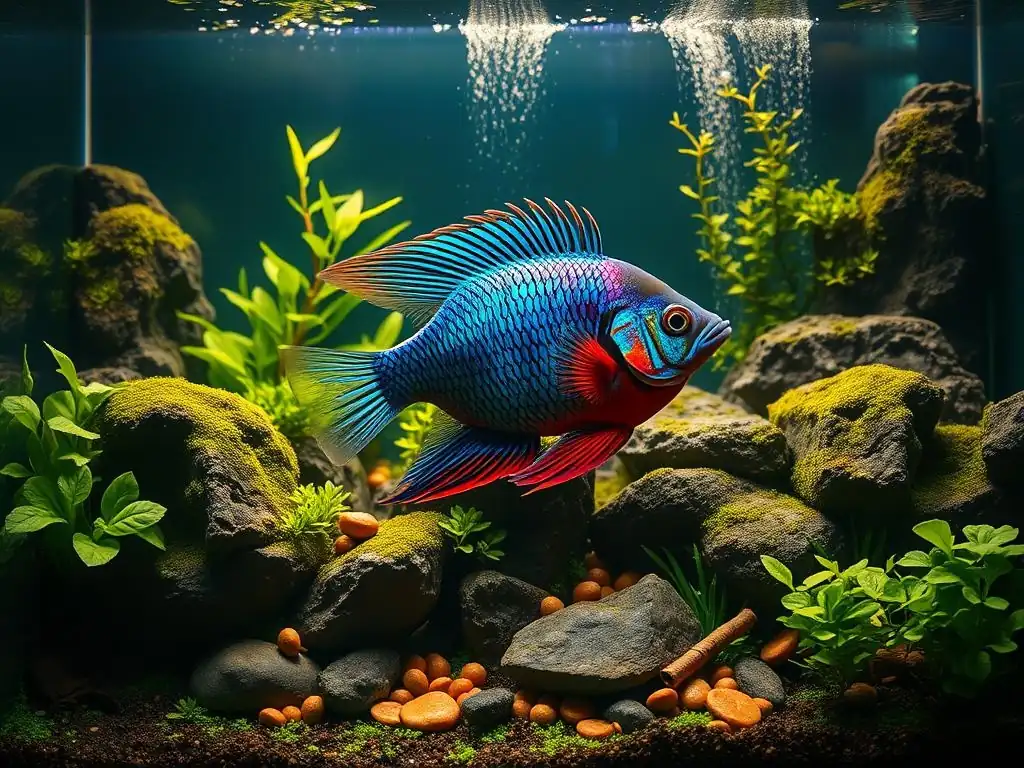
Ever wondered why your Featherfin cichlid seems a little... puffy? Bloat can be a serious issue, but understanding the underlying causes is the first step to prevention and treatment. Dive into our comprehensive guide to Featherfin cichlid bloat treatment, where we explore the critical dietary and environmental factors that can keep your finned friends healthy and thriving. Ready to unlock the secrets to a vibrant aquarium? Let's get started!
- Understanding Featherfin Cichlid Bloat: A Comprehensive Guide
- Dietary Strategies for Preventing Bloat in Featherfin Cichlids
- Environmental Factors Affecting Bloat in Featherfin Cichlids
- Featherfin Cichlid Bloat Treatment: Early Detection and Intervention
- Maintaining a Healthy Environment to Prevent Bloat Recurrence
- Conclusion: Proactive Care for Healthy Featherfin Cichlids and Bloat Prevention
-
Frequently Asked Questions
- What are the primary causes of bloat in Featherfin Cichlids?
- How can I prevent bloat through diet management?
- What water parameters are crucial for preventing bloat?
- How often should I perform water changes to prevent bloat?
- What are some early signs of bloat in Featherfin Cichlids that I should watch for?
- Final Reflection: The Delicate Balance of Aquatic Life
- Nourish Your Featherfins: Cultivate a Bloat-Free Paradise!
Understanding Featherfin Cichlid Bloat: A Comprehensive Guide
What is Featherfin Cichlid Bloat and Why is Prevention Crucial?
Featherfin cichlid bloat, often referred to simply as "bloat," is a severe and frequently fatal condition characterized by the swelling of a fish's abdomen. While it presents as a physical symptom, bloat is typically an indication of a deeper internal issue, most commonly a severe bacterial infection or inflammation within the digestive tract. In species like Cyprichromis and Ophthalmotilapia ventralis, which are delicate planktivores from Lake Tanganyika, their specialized digestive systems are particularly susceptible to stress and improper diet, making them prone to this ailment.
Prevention of bloat is paramount because once the condition sets in, it progresses rapidly and can lead to high mortality rates, often exceeding 70-80% within a few days if not addressed immediately. The internal damage caused by bloat, including organ failure and systemic infection, is often irreversible. Therefore, understanding the causative factors and implementing proactive measures is far more effective than attempting Featherfin cichlid bloat treatment after symptoms become severe.
Distinguishing Bloat from Other Featherfin Cichlid Diseases
Accurate identification of bloat is critical for effective intervention. Key symptoms include a visibly distended abdomen, often accompanied by lethargy, loss of appetite, rapid breathing, and clamped fins. A definitive sign is the presence of long, stringy, white or clear feces, indicating a severe internal digestive upset. These symptoms differentiate bloat from other common ailments.
For instance, dropsy, while also involving abdominal swelling, is typically characterized by "pineconing" scales where the scales stand out from the body due to fluid retention, a symptom of kidney failure or widespread internal infection. Constipation, a less severe digestive issue, usually presents as temporary swelling that resolves with minor dietary changes, lacking the rapid deterioration and systemic signs of bloat. Internal parasitic infections might cause weight loss and abnormal feces, but rarely the pronounced abdominal distention seen with bloat. Recognizing this specific cluster of symptoms is the first step towards a successful Featherfin cichlid bloat treatment.
Dietary Strategies for Preventing Bloat in Featherfin Cichlids
The Importance of a Balanced Diet for Featherfin Cichlids
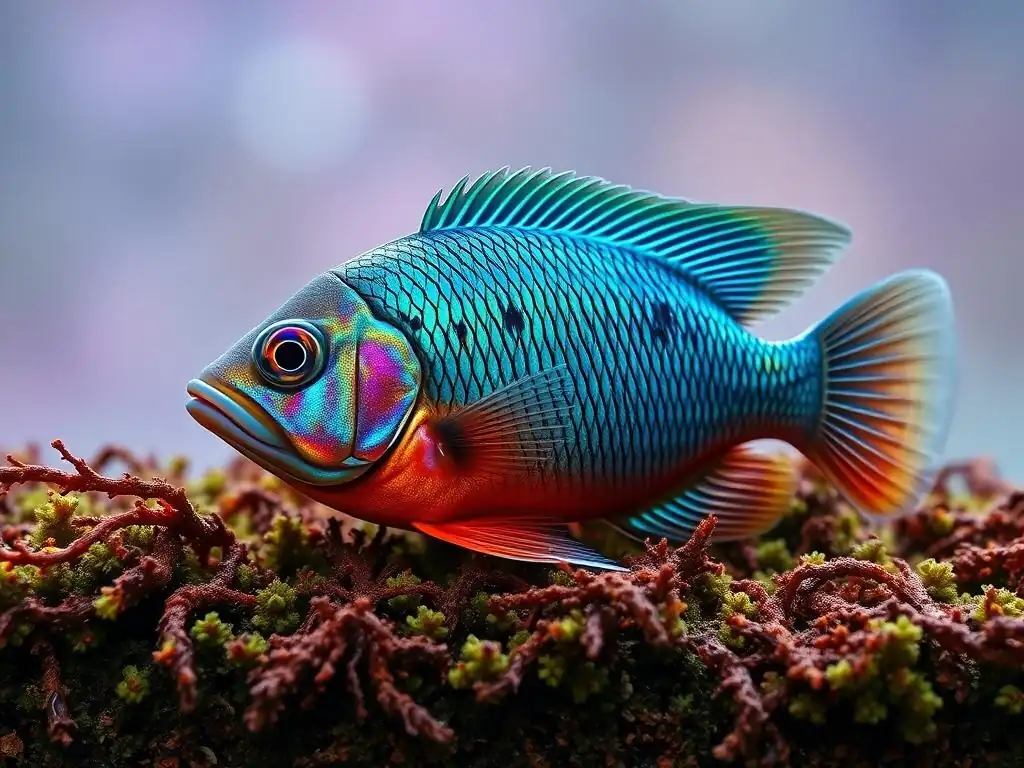
Featherfin cichlids, primarily Cyprichromis species, are specialized planktivores in their natural Lake Tanganyika habitat, meaning their diet consists predominantly of zooplankton and small invertebrates. Their digestive systems are finely tuned to process these small, easily digestible protein and lipid sources. Consequently, an imbalanced diet in an aquarium setting, particularly one high in indigestible plant matter, excessive fats, or certain proteins not suited for their digestive tract, can severely disrupt their gut flora.
This disruption often leads to an overgrowth of harmful bacteria, such as Aeromonas or Pseudomonas, and inflammation, which are direct precursors to bloat. It has been observed in aquaculture settings that diets significantly deviating from a species' natural intake can increase susceptibility to digestive disorders by as much as 30-50% in sensitive fish like Cyprichromis. Therefore, replicating their natural dietary profile as closely as possible is fundamental to preventing digestive distress and bloat.
Recommended Foods for Featherfin Cichlids: Preventing Digestive Issues
To prevent digestive issues and bloat, the diet for featherfin cichlids should focus on high-quality, easily digestible protein sources. Specialized cichlid pellets or flakes formulated for Tanganyikan cichlids or planktivores are ideal, provided they are low in starch and excessive fats. Look for ingredients like krill, spirulina (in moderate amounts), and various fish meals as primary components.
Frozen foods are highly recommended as a staple or frequent supplement due to their digestibility and resemblance to natural prey. Options such as Cyclops, daphnia, and especially Mysis shrimp are excellent choices. Mysis shrimp, in particular, are rich in highly digestible proteins and essential fatty acids, mimicking the zooplankton their wild counterparts consume. Many successful aquarists report fewer instances of needing Featherfin cichlid bloat treatment when their primary diet consists of a high-quality Cyprichromis-specific pellet, supplemented 2-3 times per week with frozen Mysis shrimp.
Foods to Avoid: Minimizing Bloat Risk in Featherfin Cichlids
Certain foods should be strictly avoided or offered only in very minimal quantities to featherfin cichlids due to their high risk of causing digestive upset and bloat. High-protein, high-fat animal products like beef heart, large quantities of bloodworms, or earthworms are often too rich and difficult for their delicate digestive systems to process, potentially leading to blockages or harmful bacterial proliferation. These foods are more suited for carnivorous cichlids with different digestive physiologies.
Similarly, vegetable-heavy foods, such as spirulina flakes or pellets designed for herbivorous cichlids (e.g., Mbuna), should be largely excluded from their diet. While some greens are acceptable in trace amounts, a diet predominantly composed of indigestible plant fiber can lead to impaction and inflammation in planktivorous featherfins. Low-quality commercial foods with high amounts of fillers like wheat or corn, or excessive binders, also contribute to poor digestion and should be avoided to minimize the risk of requiring Featherfin cichlid bloat treatment.
Proper Feeding Techniques: Reducing the Risk of Overfeeding and Bloat
Beyond the type of food, the method of feeding plays a significant role in preventing bloat in featherfin cichlids. Instead of offering one large meal, it is highly recommended to feed small amounts, two to three times a day. This mimics their natural grazing behavior on zooplankton throughout the day and prevents a sudden, overwhelming load on their digestive system, which can lead to indigestion and subsequent bacterial overgrowth.
Each feeding should be limited to what the fish can consume entirely within 1-2 minutes. Any uneaten food must be promptly removed from the tank to prevent its decay and the degradation of water quality. Additionally, incorporating a fasting day once a week can be beneficial.
This allows the fish's digestive system to fully clear out and rests their metabolism, significantly reducing the risk of chronic overfeeding and its associated bloat. For example, feeding a pea-sized portion of specialized pellet food per fish, twice daily, is often more effective than a single large feeding, leading to healthier fish and fewer instances of bloat.
Environmental Factors Affecting Bloat in Featherfin Cichlids
Water Quality and Bloat Prevention: Maintaining Optimal Parameters
Maintaining stable and pristine water quality is a cornerstone of preventing bloat in featherfin cichlids. Fluctuations in pH, temperature, or the presence of elevated levels of ammonia, nitrite, and nitrate are significant stressors for these sensitive fish. Stress compromises their immune system, making them more susceptible to digestive issues and subsequent bacterial infections that lead to bloat.
Featherfin cichlids originate from the unique environment of Lake Tanganyika, which is characterized by very specific and stable parameters: a pH range of 7.8-9.0, high general hardness (GH) of 10-18 dGH, high carbonate hardness (KH) of 16-24 dKH, and a temperature range of 75-80°F (24-27°C). Regular water testing is indispensable; ammonia and nitrite levels should always be 0 ppm, and nitrate levels should be kept below 20 ppm. A sudden increase in nitrate levels, for instance, from a stable 10 ppm to 40 ppm, can induce severe stress and significantly elevate the risk of bloat.
The Role of Tank Size and Overcrowding in Featherfin Cichlid Health
Appropriate tank size and avoiding overcrowding are critical environmental factors for preventing bloat in featherfin cichlids. While individual featherfins may not be exceptionally large (typically reaching 4-6 inches), species like Cyprichromis are active, open-water swimmers that require ample space to thrive. Confined environments lead to chronic stress due to territorial disputes, constant chasing, and limited swimming space.
Overcrowding also exacerbates water quality issues by increasing bioload (waste production), making it harder for filtration systems to cope. This results in higher levels of pollutants, further stressing the fish and weakening their immune and digestive systems. A minimum tank size of 55 gallons (approximately 200 liters) is generally recommended for a small group (e.g., 6-8 individuals) of Cyprichromis. For larger groups or mixed species setups, a 75-gallon (approximately 280 liters) or larger tank is preferable to ensure adequate space and reduce stress, thereby minimizing the likelihood of needing Featherfin cichlid bloat treatment.
The choice of substrate and tank decorations can indirectly influence the risk of bloat in featherfin cichlids. A fine sand substrate is ideal for these fish, as it mimics their natural habitat where they often sift through the substrate for small food particles. Fine sand prevents the ingestion of large, potentially abrasive particles that could cause internal injury or impaction. Coarse gravel, on the other hand, can trap excessive detritus and uneaten food, leading to anaerobic pockets and contributing to poor water quality.
Decorations should be thoughtfully placed to provide ample open swimming space, particularly for schooling species like Cyprichromis. While some vertical structures such as tall rockwork or artificial plants offer security and visual breaks, excessive clutter can restrict movement and increase stress. Ensuring good water flow around and through decorations also prevents the accumulation of waste in "dead spots," which can further degrade water quality and contribute to an environment conducive to bloat.
Importance of Proper Filtration for Featherfin Cichlid Health
Robust and efficient filtration is paramount for maintaining the pristine water quality essential for featherfin cichlid health and preventing bloat. A comprehensive filtration system should incorporate mechanical, biological, and chemical components. Mechanical filtration removes particulate waste, biological filtration converts toxic ammonia and nitrite into less harmful nitrate, and chemical filtration removes dissolved organic compounds, odors, and certain toxins.
Canister filters or large hang-on-back filters with sufficient media volume are highly recommended for Tanganyikan cichlid tanks. The general guideline is to aim for a filter turnover rate of at least 5-10 times the tank volume per hour. For example, a 75-gallon tank would ideally require a filter rated for 375-750 gallons per hour (1400-2800 LPH). Regular maintenance of these filters, such as rinsing mechanical media weekly and cleaning biological media monthly (using tank water to preserve beneficial bacteria), is crucial to prevent nitrate buildup and ensure consistent water quality, thereby reducing the need for Featherfin cichlid bloat treatment.
Featherfin Cichlid Bloat Treatment: Early Detection and Intervention
Identifying Early Signs of Bloat in Featherfin Cichlids
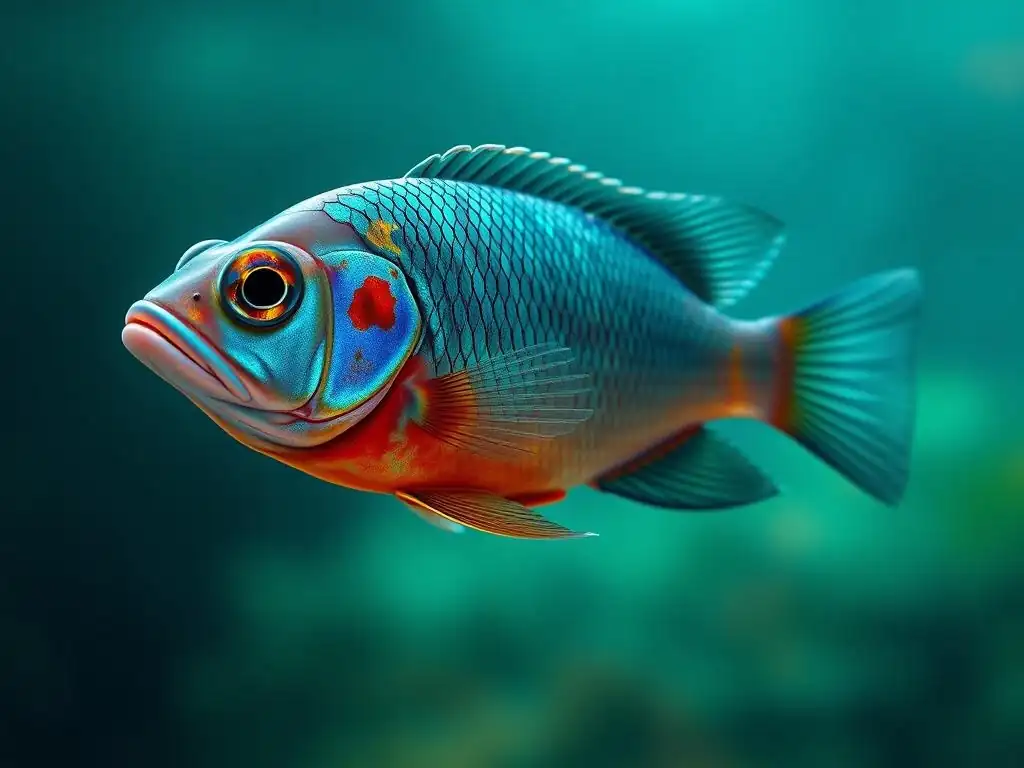
Early detection is critical for successful Featherfin cichlid bloat treatment. Aquarists should observe their fish daily for subtle changes in behavior or appearance. Initial signs of bloat often include a reduction in activity, increased hiding, or a noticeable decrease in appetite, with the fish refusing food or spitting it out. These behavioral changes may precede any visible physical symptoms.
Physical indicators, though slight at first, can include a very subtle distension of the abdomen, slightly faded coloration, and clamped fins (held close to the body). Rapid gilling, indicating respiratory distress, might also be observed. The most telling early physical sign related to digestion is the presence of long, stringy, white, or clear feces. Acting upon these initial observations – for example, noticing a featherfin cichlid consistently refusing its morning meal for two consecutive days – can dramatically improve the prognosis compared to waiting for more advanced symptoms.
Quarantine and Isolation: Preventing Bloat Spread in the Aquarium
Upon the first suspicion of bloat, it is imperative to immediately move the affected featherfin cichlid to a separate quarantine tank. This isolation serves multiple crucial purposes. Firstly, it prevents the potential spread of any underlying bacterial pathogens to healthy tank mates, safeguarding the rest of the aquarium population. Secondly, it significantly reduces stress on the sick fish, as it is no longer competing for food or being harassed by other inhabitants.
The quarantine tank should be set up with stable water parameters that match the main display tank, equipped with a reliable heater to maintain a consistent temperature (e.g., 78-80°F or 25.5-26.5°C), and an air stone to ensure adequate oxygenation. A 10-20 gallon tank is typically sufficient for isolating a single fish. This isolated environment allows for targeted and precise Featherfin cichlid bloat treatment without impacting the main aquarium's ecosystem or its beneficial bacterial colonies.
Medication Options for Featherfin Cichlid Bloat Treatment
The primary medication often recommended for Featherfin cichlid bloat treatment is Metronidazole. This antiprotozoal and antibacterial agent is effective against anaerobic bacteria and certain flagellates commonly implicated in cichlid bloat. It is typically dosed at 250-500 mg per 10 gallons of water daily for 3-5 days, often administered by mixing it with a small amount of food if the fish is still eating.
In cases where Metronidazole alone is insufficient or if a broader bacterial infection is suspected, broad-spectrum antibiotics such as Kanamycin or Furan-2 may be used, sometimes in conjunction with Metronidazole. The specific dosing for these antibiotics varies by product and should always follow manufacturer instructions. Epsom salt (magnesium sulfate) can also be used as a supportive measure, added at a rate of 1 teaspoon per 5-10 gallons, to help reduce internal swelling and act as a mild laxative, though it is not a primary curative agent.
Supportive Care for Bloat Recovery
Beyond medication, comprehensive supportive care is vital for the recovery of a featherfin cichlid undergoing Featherfin cichlid bloat treatment. Maintaining pristine water quality in the quarantine tank is paramount; this involves performing small, frequent water changes (e.g., 25% daily) to remove waste and ensure the efficacy of medications. Consistent water parameters, particularly temperature, should be maintained within the optimal range (e.g., 78-80°F or 25.5-26.5°C) to minimize stress and support the fish's metabolic processes.
Once the fish shows signs of returning appetite, offer highly digestible foods in very small amounts. Blanched and shelled peas can be offered occasionally as a gentle, natural laxative, but only after the fish has resumed eating. Recovery from bloat can be a slow process, sometimes taking several weeks, and requires considerable patience and consistent, diligent care.
Maintaining a Healthy Environment to Prevent Bloat Recurrence
Regular Water Changes and Monitoring: Key to Long-Term Health
Regular and consistent water changes are the cornerstone of long-term health for featherfin cichlids and are crucial in preventing bloat recurrence. A weekly water change of 25-30% of the tank volume is generally recommended for Tanganyikan cichlid aquariums. This routine helps to dilute accumulated nitrates, replenish essential minerals that are consumed over time, and remove dissolved organic waste that can contribute to poor water quality.
Diligent water parameter monitoring must continue even after a bloat incident has been resolved. Regularly testing pH, ammonia, nitrite, and nitrate levels helps to identify any deviations from optimal parameters quickly. For example, if nitrate levels consistently climb above 20 ppm between weekly water changes, it indicates that the current water change schedule or filtration might be insufficient, and adjustments (such as increasing the frequency or volume of changes, or enhancing filtration) should be made promptly to prevent future bloat outbreaks.
Observation and Proactive Care: Preventing Future Bloat Outbreaks
Continuous, daily observation of your featherfin cichlids is a simple yet incredibly effective proactive measure against bloat recurrence. Aquarists should make it a habit to scrutinize their fish for any subtle changes in behavior, appetite, coloration, or body shape. Early detection of any anomalies allows for immediate intervention before a minor issue escalates into a full-blown bloat situation.
Maintaining a log of feeding times, water change schedules, and any unusual observations can help identify patterns or potential triggers specific to your aquarium environment. Proactive care also extends to quarantining all new fish for a period of 4-6 weeks, even if they appear healthy. This practice prevents the introduction of new pathogens or parasites that could stress the existing fish population and indirectly lead to bloat, thereby minimizing the chances of requiring future Featherfin cichlid bloat treatment.
Choosing Compatible Tank Mates: Minimizing Stress and Bloat Risk
The selection of compatible tank mates plays a significant role in minimizing stress, which is a major contributing factor to bloat in featherfin cichlids. Featherfin cichlids are generally peaceful but can become stressed by overly aggressive, territorial, or overly boisterous tank companions. Chronic stress compromises their immune system and digestive health, making them highly susceptible to bloat.
Ideal tank mates include other peaceful Tanganyikan cichlids that occupy different ecological niches, such as small shell dwellers ( Neolamprologus multifasciatus) or certain rock dwellers ( Julidochromis species) that are not overly aggressive. It is crucial to avoid large, highly territorial cichlids that might harass or outcompete featherfins for food and space. Additionally, maintaining appropriate gender ratios within groups, such as a 1 male to 3-4 female ratio for Cyprichromis species, helps to disperse aggression and reduce overall stress within the school.
Long-Term Dietary Management: Ensuring Continued Featherfin Cichlid Health
Long-term dietary management is arguably the most critical factor in ensuring continued featherfin cichlid health and preventing bloat recurrence. Aquarists must strictly adhere to the recommended diet of high-quality, specialized foods suitable for planktivorous cichlids, avoiding any reversion to problematic or unsuitable food items. This consistency is key to maintaining a healthy digestive system.
Varying the diet with appropriate frozen foods like Mysis shrimp and Cyclops 2-3 times a week is essential to provide a broad spectrum of nutrients and prevent dietary deficiencies or boredom. Continuing the practice of small, frequent feedings and incorporating occasional fasting days will further support digestive health. This consistent, disciplined approach to diet is the foundation upon which a healthy featherfin cichlid aquarium is built, significantly reducing the likelihood of needing Featherfin cichlid bloat treatment in the future.
Conclusion: Proactive Care for Healthy Featherfin Cichlids and Bloat Prevention
Featherfin cichlid bloat is a severe and often fatal condition, but it is largely preventable through diligent and proactive aquarium management. The key to maintaining healthy featherfin cichlids lies in a multi-faceted approach that prioritizes their specific dietary needs, maintains pristine and stable water quality, and minimizes environmental stressors. An understanding of their natural habitat and dietary preferences, coupled with consistent care, forms the bedrock of prevention.
While prevention is the primary goal, early detection of symptoms and prompt Featherfin cichlid bloat treatment are crucial if the condition does arise. By adhering to recommended feeding practices, ensuring optimal water parameters, providing adequate space, and observing fish closely, aquarists can significantly reduce the risk of bloat. Dedicated and informed care will result in vibrant, thriving featherfin cichlids that grace your aquarium for years to come.
Frequently Asked Questions
What are the primary causes of bloat in Featherfin Cichlids?
Bloat in Featherfin Cichlids is often triggered by poor water quality and an inappropriate diet. Stress can also contribute to the problem.
How can I prevent bloat through diet management?
Feed your Featherfin Cichlids a varied diet that is high in fiber and low in protein. Avoid overfeeding and choose high-quality food specifically formulated for African Cichlids.
What water parameters are crucial for preventing bloat?
Maintaining stable and optimal water parameters is vital. Keep the water clean and well-oxygenated with regular water changes and a robust filtration system. Aim for a stable pH suitable for African Cichlids.
How often should I perform water changes to prevent bloat?
Regular water changes are key. Aim for 25-50% water changes every week or two, depending on your tank size and bioload. This helps remove accumulated nitrates and maintain water quality.
What are some early signs of bloat in Featherfin Cichlids that I should watch for?
Early signs include loss of appetite, swollen abdomen, and lethargy. You might also notice white, stringy feces or difficulty swimming. Early detection is critical for successful treatment.
Okay, here's a final reflection you can use to close your article, formatted in Markdown, and tailored to the topic of preventing bloat in Featherfin Cichlids:
Final Reflection: The Delicate Balance of Aquatic Life
The insights shared in this article underscore the crucial role of proactive care in maintaining the health of Featherfin Cichlids. Understanding the dietary and environmental factors that contribute to bloat is not merely about treating a disease, but about fostering a thriving aquatic ecosystem. Ignoring these preventative measures can lead to devastating consequences, not only for individual fish but for the entire aquarium's delicate balance.
This journey into the world of Featherfin Cichlids has highlighted the interconnectedness of their well-being and our responsibility as aquarists. It's a constant reminder that our actions directly impact the lives of these fascinating creatures, and that diligent observation and informed choices are paramount. The best cure is prevention,
as the saying goes, and this holds especially true in the sensitive environment of an aquarium. By prioritizing proper nutrition, maintaining optimal water conditions, and understanding the specific needs of Featherfin Cichlids, we can significantly reduce the risk of bloat and ensure their longevity.
Now, as you close this article, take a moment to reflect on your own practices. Are you providing your Featherfin Cichlids with the best possible environment? Are you vigilant in your observation and proactive in your care? Let this knowledge empower you to create a healthier, happier home for your aquatic companions, ensuring they thrive and bring joy for years to come.
Nourish Your Featherfins: Cultivate a Bloat-Free Paradise!
Thank you for diving into the world of Featherfin Cichlids! You've now unlocked the key dietary and environmental adjustments to keep your aquatic companions thriving. It's time to put this newfound knowledge into action.
Here are some things you can do:
- Implement a varied, fiber-rich diet immediately. This is the single most effective step you can take to prevent bloat.
- Experiment with alternative feeding schedules, like smaller portions twice a day, and carefully observe your fish's behaviour.
- Share your favourite Featherfin Cichlid care tips with fellow aquarists on forums or social media to help others learn and create an online community.
What specific dietary change will you make this week to improve your Featherfin Cichlids' health?