
Feeding Kissing Gouramis: The Surprising Diet of These Algae Lovers

Welcome to Aquarium Mastery!
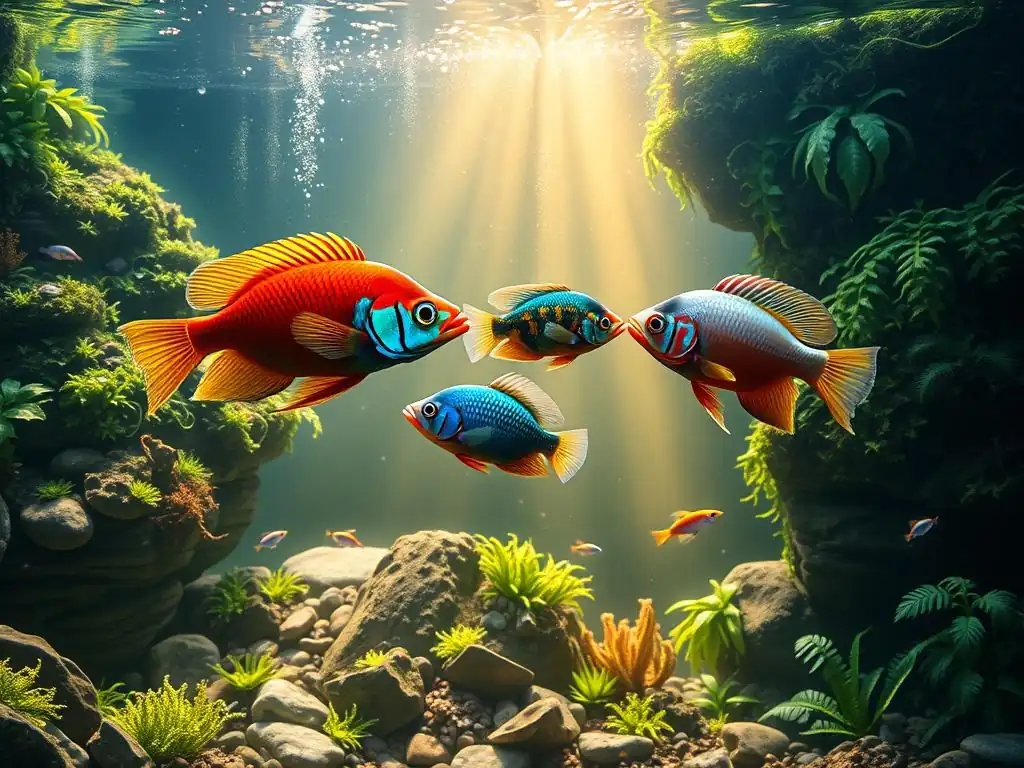
Ever wondered what really goes into keeping a Kissing Gourami happy and healthy? Beyond the adorable "kissing," their diet is key to their well-being. Dive in to our comprehensive Kissing Gourami Diet Guide and discover the surprising secrets to feeding these algae-loving fish, unlocking the secrets to vibrant colors and a thriving freshwater aquarium. Intrigued? Let's explore what these fascinating fish really need!
- Feeding Kissing Gouramis: A Comprehensive Guide to Their Diet
- Understanding the Dietary Needs of Kissing Gouramis
- The Ideal Kissing Gourami Diet: A Balanced Approach
- Kissing Gourami Feeding Schedule: Frequency and Portion Control
- Choosing the Right Food: A Detailed Breakdown
- Special Dietary Considerations
- Optimizing Water Quality for Algae Production and Gourami Health
- Common Feeding Mistakes to Avoid
- Kissing Gourami Diet FAQs
- Conclusion: Ensuring a Healthy Diet for Thriving Kissing Gouramis
- Frequently Asked Questions
- Final Reflection: Sustaining the Kiss of Life
- Dive Deeper: Unlock the Full Potential of Your Kissing Gouramis!
Feeding Kissing Gouramis: A Comprehensive Guide to Their Diet
Understanding the Dietary Needs of Kissing Gouramis
Natural Diet in the Wild: Aufwuchs and Small Organisms
In their native habitats of Southeast Asia, specifically in slow-moving waters of Thailand, Malaysia, and Indonesia, Kissing Gouramis (Helostoma temminckii) are primarily grazers. Their natural diet largely consists of "aufwuchs," which is a complex biofilm composed of algae, diatoms, fungi, bacteria, and microscopic invertebrates that grows on submerged surfaces like rocks, plants, and driftwood. Their unique, puckering mouth structure is perfectly adapted for scraping this nutritional layer from various substrates, making them efficient natural cleaners in their environment.
Beyond the microbial film, these gouramis also opportunistically consume small aquatic organisms found within the aufwuchs or floating in the water column. This includes tiny crustaceans such as copepods and cladocerans, various insect larvae, and fine particulate organic matter (detritus). While they exhibit a strong herbivorous inclination due to their grazing habits, their diet in the wild is truly omnivorous, ensuring they receive a broad spectrum of nutrients from both plant and animal sources. This natural Kissing gourami diet guide highlights their adaptability.
Essential Nutrients: Fiber, Protein, and Vitamins
Fiber is a critical component of the Kissing Gourami's diet, reflecting their herbivorous tendencies. Adequate fiber intake is essential for maintaining a healthy digestive system, preventing common issues like bloat and constipation, which can arise from a lack of roughage. A diet lacking sufficient fiber, particularly for a species that naturally consumes significant plant matter, can lead to lethargy and internal blockages, impacting overall health and lifespan.
While fiber is paramount, protein and essential vitamins also play vital roles in their overall well-being. Protein is necessary for growth, tissue repair, and maintaining muscle mass, especially crucial for juvenile fish and those preparing for breeding. Vitamins, such as Vitamin A for vision, Vitamin C for immune function, and Vitamin E as an antioxidant, support metabolic processes and bolster disease resistance. A comprehensive Kissing gourami diet guide must balance these nutritional pillars to ensure optimal health.
The Ideal Kissing Gourami Diet: A Balanced Approach
Algae: A Significant Component of Their Diet
Encouraging Algae Growth: Lighting and Nutrients
To replicate their natural grazing behavior and provide a supplemental food source, encouraging beneficial algae growth in the aquarium is highly recommended. This can be achieved by maintaining consistent lighting for about 10-12 hours per day, using full-spectrum LED lights that support plant and algae growth. While excessive nutrients can lead to problematic algae blooms, moderate levels of nitrates (below 20 ppm) and phosphates can support the growth of palatable green algae types.
Consider leaving one side of the aquarium glass uncleaned, or strategically placing natural decor like driftwood and rocks that are prone to developing a healthy layer of algae. Green spot algae and diatoms are particularly favored by Kissing Gouramis. This natural grazing opportunity not only provides essential nutrients but also enriches their environment, allowing them to engage in natural foraging behaviors as part of their comprehensive Kissing gourami diet guide.
Supplementing with Algae Wafers: A Convenient Option
Given that tank-grown algae might not always be sufficient or consistent, supplementing with high-quality algae wafers is a practical and effective way to ensure Kissing Gouramis receive adequate plant-based nutrition. These wafers are typically formulated with ingredients like spirulina, kelp, and various vegetable meals, providing a concentrated source of the nutrients found in natural algae. Their sinking nature makes them accessible to these bottom-grazing fish.
For optimal supplementation, offer algae wafers 2-3 times per week. A single wafer, or a portion thereof depending on the number of gouramis, should be consumed within 10-15 minutes to prevent overfeeding and water pollution. Reputable brands like Hikari, Tetra, and Omega One offer specific algae wafer products that are well-suited for herbivorous and omnivorous fish, serving as an excellent component of a balanced Kissing gourami diet guide.
Varied Diet: Expanding Beyond Algae
Plant-Based Foods: Leafy Greens and Vegetables
To further diversify their plant-based intake, Kissing Gouramis greatly benefit from fresh leafy greens and blanched vegetables. Suitable options include blanched zucchini slices, shelled peas (peeled to aid digestion), spinach, and romaine lettuce. These items should be thoroughly washed and blanched (briefly boiled and then cooled) to soften them, making them easier for the gouramis to consume and digest.
These fresh plant foods provide essential vitamins, minerals, and dietary fiber that might be less concentrated in commercial foods or tank algae. Offer these vegetables 1-2 times per week. They can be secured to the tank wall with a vegetable clip or weighed down with an aquarium-safe rock to prevent them from floating. Remove any uneaten portions after a few hours to maintain water quality, ensuring a pristine environment for their Kissing gourami diet.
Protein Sources: Live, Frozen, and Prepared Foods
While primarily herbivorous, Kissing Gouramis do require some protein in their diet, especially for growth and during breeding periods. Small amounts of protein-rich foods like brine shrimp, daphnia, and bloodworms can be offered as occasional treats, perhaps once or twice a week. These provide essential amino acids and fatty acids that complement their plant-based staple.
When offering live or frozen foods, ensure they are sourced from reputable suppliers to minimize the risk of introducing pathogens. Frozen foods should always be thawed in a small amount of tank water before feeding. High-quality commercial flakes or pellets that list a balance of plant and animal ingredients are also suitable, ensuring a comprehensive Kissing gourami diet guide. Look for products where plant matter still constitutes a significant portion of the primary ingredients.
Kissing Gourami Feeding Schedule: Frequency and Portion Control
Establishing a Routine: Consistent Feeding Times
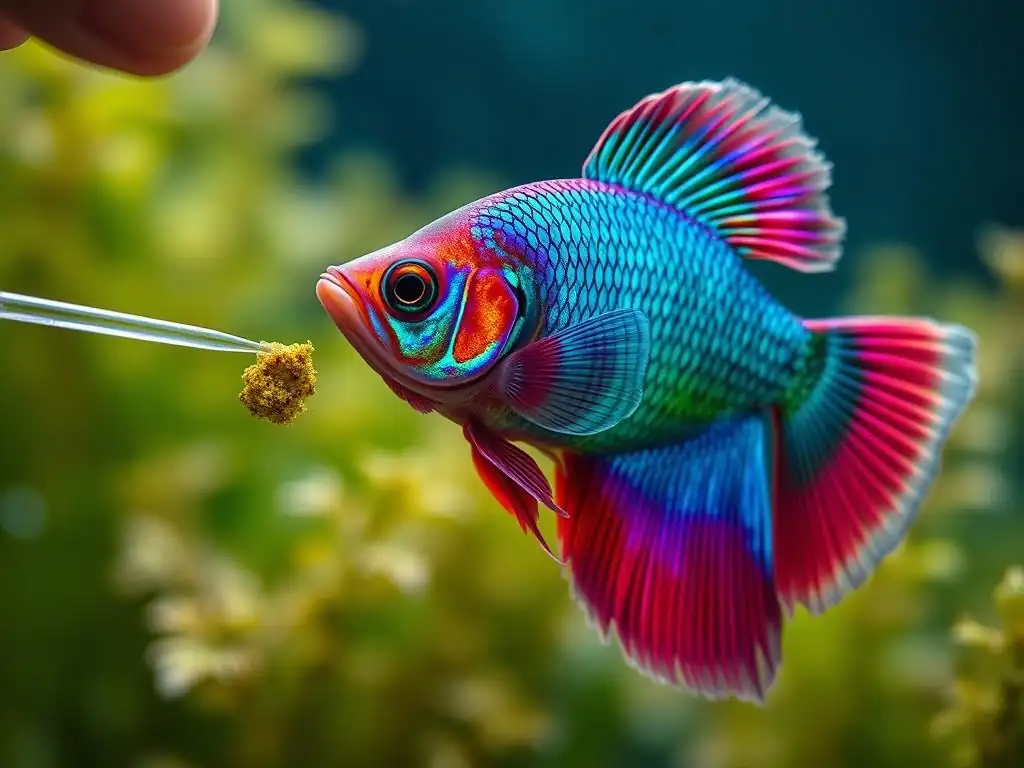
For adult Kissing Gouramis, feeding 2-3 times per day is generally recommended. Juveniles, due to their rapid growth, may benefit from slightly more frequent feedings, up to 4-5 times daily, but with even smaller portions. Establishing a consistent feeding routine helps regulate their metabolism, reduces stress, and allows for better observation of their appetite and health.
Each feeding session should involve offering a small amount of food that can be entirely consumed within 2-3 minutes. This timeframe is crucial for preventing overfeeding and the subsequent decay of uneaten food, which can quickly foul the aquarium water. Observing their feeding enthusiasm and the slight rounding of their bellies after eating can help fine-tune the ideal portion size, a key aspect of a successful Kissing gourami diet guide.
Avoiding Overfeeding: Observing Behavior and Adjusting Portions
Overfeeding is one of the most common mistakes in aquarium keeping and can lead to significant health issues for Kissing Gouramis and water quality problems in the tank. Excess food decays, releasing ammonia and nitrites, which are toxic to fish. Furthermore, consistent overfeeding can lead to obesity in gouramis, characterized by an unnaturally plump appearance, internal fat deposits, and potential swim bladder issues that impair their ability to swim normally.
Signs of overfeeding include uneaten food accumulating on the substrate, cloudy water, and an increase in nuisance algae blooms. If food remains after five minutes, it's a clear indication that too much was offered. Adjust portions downwards for subsequent feedings. Implementing an occasional fasting day (once a week) for adult gouramis can also aid digestion and prevent overconsumption, reinforcing the principles of a responsible Kissing gourami diet guide.
Choosing the Right Food: A Detailed Breakdown
Best Commercial Foods: Quality Ingredients and Nutritional Value
Examining Ingredient Lists: Prioritizing Plant-Based Matter
When selecting commercial foods for your Kissing Gouramis, a thorough examination of the ingredient list is paramount. Given their natural grazing habits, prioritize foods where plant-based ingredients such as spirulina, kelp meal, alfalfa meal, or various vegetable meals are listed among the first few components. This indicates that the food's primary nutritional focus aligns with the gourami's dietary needs for fiber and plant-derived nutrients.
Conversely, be wary of foods that list excessive fillers like corn meal or wheat flour as primary ingredients, as these offer little nutritional value. While some protein is necessary, an overly high protein content from animal sources might not be ideal as a staple for a species that thrives on a more herbivorous diet. A balanced nutritional profile, with a strong emphasis on quality plant matter, is the cornerstone of an effective Kissing gourami diet guide.
Recommended Brands: Tetra, Hikari, and Omega One
Several reputable brands offer commercial fish foods that are well-suited for Kissing Gouramis due to their balanced formulations and quality ingredients. Tetra Veggie Algae Wafers are an excellent choice, providing a concentrated source of vegetable matter and spirulina. Hikari Sinking Wafers or their Cichlid Excel (despite the name, often suitable for larger omnivores) also offer good plant-based nutrition. Omega One Veggie Rounds are another strong contender, known for their high-quality marine algae and natural proteins.
These brands are generally recognized for their commitment to research, sustainable ingredient sourcing, and rigorous quality control. When selecting a product, always verify that it is designed for herbivorous or omnivorous bottom-feeders or grazers to ensure it aligns with the specific requirements of a Kissing gourami diet guide. Observing how your gouramis respond to different foods can also help in making the best choice.
Live and Frozen Foods: Enhancing Diet with Variety
Brine Shrimp, Daphnia, and Bloodworms: Occasional Treats
Live and frozen foods such as brine shrimp, daphnia, and bloodworms serve as excellent occasional treats to enhance the Kissing Gourami's diet. While rich in protein and essential fatty acids, they should not constitute the bulk of their daily intake due to their lower fiber content compared to plant-based foods. Offering these 1-2 times per week provides valuable supplemental nutrition and stimulates natural foraging behaviors.
These foods can also boost the fish's coloration due to natural pigments and provide a welcome dietary variety that mimics their opportunistic feeding in the wild. When using frozen foods, always thaw them in a small amount of tank water before introducing them to the aquarium to prevent temperature shock and ensure palatability. For live foods, ensure they come from a clean, reputable source to avoid introducing parasites or diseases, which is crucial for any Kissing gourami diet.
Special Dietary Considerations
Feeding Fry and Juveniles: Infusoria and Fine-Ground Foods
The dietary requirements of Kissing Gourami fry and juveniles differ significantly from adults due to their rapid growth and smaller mouthparts. Newly hatched fry initially require microscopic food sources such as infusoria, liquid fry food, or green water for the first few days. As they grow slightly, typically after 3-5 days, newly hatched brine shrimp nauplii or finely ground, high-quality flake food can be introduced.
Feeding fry and juveniles requires a more frequent schedule, often 4-5 times per day, but in very small quantities that can be consumed quickly. This consistent intake of nutrient-dense food supports their accelerated development and ensures proper bone and organ formation. A higher protein content is generally beneficial during this critical growth phase, making protein-rich micro-foods an important part of the Kissing gourami diet guide for the young.
Dietary Needs for Breeding: High-Protein and Nutrient-Rich Foods
When preparing Kissing Gouramis for breeding, a specific dietary adjustment focusing on higher protein and nutrient-rich foods can significantly enhance their conditioning and reproductive success. Increasing the frequency of live or frozen foods, such as bloodworms, blackworms, or even mosquito larvae, alongside their regular varied diet, provides the necessary energy and building blocks for egg production and milt development.
This enhanced nutrition helps to ensure the breeding pair is in peak physical condition, leading to more successful spawning attempts, higher egg viability, and healthier fry. A well-nourished breeding pair is also more resilient to the stresses of spawning. This strategic dietary boost is a crucial component of any comprehensive Kissing gourami diet guide aimed at successful propagation.
Addressing Health Issues: Dietary Adjustments for Specific Conditions
Treating Constipation: Fiber-Rich Foods and Reduced Feeding
Constipation in Kissing Gouramis can manifest as bloating, lethargy, and stringy, white feces. This condition is often a direct result of an insufficient fiber intake or overfeeding. To treat constipation, a temporary dietary adjustment is highly effective. Offer blanched, shelled peas exclusively for a day or two; the high fiber content acts as a natural laxative, helping to clear their digestive tract.
During this period, reduce or temporarily cease other food offerings. Once the gourami's condition improves, gradually reintroduce their regular varied diet, ensuring it consistently includes ample plant-based matter to prevent recurrence. Prevention is always better than cure, so maintaining a balanced and fiber-rich Kissing gourami diet guide is key to avoiding such digestive issues.
Optimizing Water Quality for Algae Production and Gourami Health
Water Parameters and Algae Growth: Light, Nutrients, and CO2
While some algae are beneficial as a natural food source for Kissing Gouramis, an imbalanced tank can lead to undesirable algae blooms. Maintaining stable water parameters is crucial for overall tank health and indirectly supports the Kissing gourami diet guide. Ideal parameters include a pH range of 6.0-8.0 and a temperature between 75-82°F (24-28°C). Moderate lighting (not too intense or prolonged) helps encourage palatable green algae without promoting aggressive nuisance algae like hair algae or cyanobacteria.
Controlled nutrient levels are also vital. While algae need nitrates and phosphates to grow, keeping nitrates below 20 ppm and phosphates at minimal levels prevents explosive and unsightly algae growth. Introducing live plants can help absorb excess nutrients, further balancing the ecosystem and encouraging a healthy environment where beneficial algae can thrive for your gouramis to graze upon.
Maintaining a Healthy Ecosystem: Regular Water Changes and Filtration
A healthy aquarium ecosystem is fundamental to the well-being of Kissing Gouramis and the success of their diet. Regular partial water changes, typically 25% weekly, are essential for removing accumulated waste, nitrates, and phosphates, which helps maintain stable water parameters and prevents the buildup of substances that could fuel unwanted algae or harm the fish.
Robust mechanical and biological filtration systems are equally important. Mechanical filtration removes particulate matter, while biological filtration converts harmful ammonia and nitrites into less toxic nitrates. A well-maintained filter ensures clean, oxygenated water, which reduces stress on the fish and supports their metabolism, making them more receptive to their diet and less susceptible to disease. This holistic approach is integral to a comprehensive Kissing gourami diet guide.
Common Feeding Mistakes to Avoid
Overfeeding: Leading to Obesity and Water Quality Issues
The most prevalent and detrimental feeding mistake is overfeeding. Regularly providing more food than Kissing Gouramis can consume within a few minutes leads to significant problems. Uneaten food decomposes, rapidly deteriorating water quality by releasing ammonia and nitrites, which are highly toxic. Prolonged exposure to these compounds causes stress, fin rot, and weakened immune systems in fish.
Furthermore, chronic overfeeding directly leads to obesity in gouramis, characterized by an unnaturally large belly and often lethargy. This can result in internal organ damage, fatty liver disease, and swim bladder disorders, significantly shortening their lifespan. Always err on the side of underfeeding slightly, and monitor for uneaten food to fine-tune your Kissing gourami diet guide.
Neglecting Algae: Depriving Them of Natural Food Source
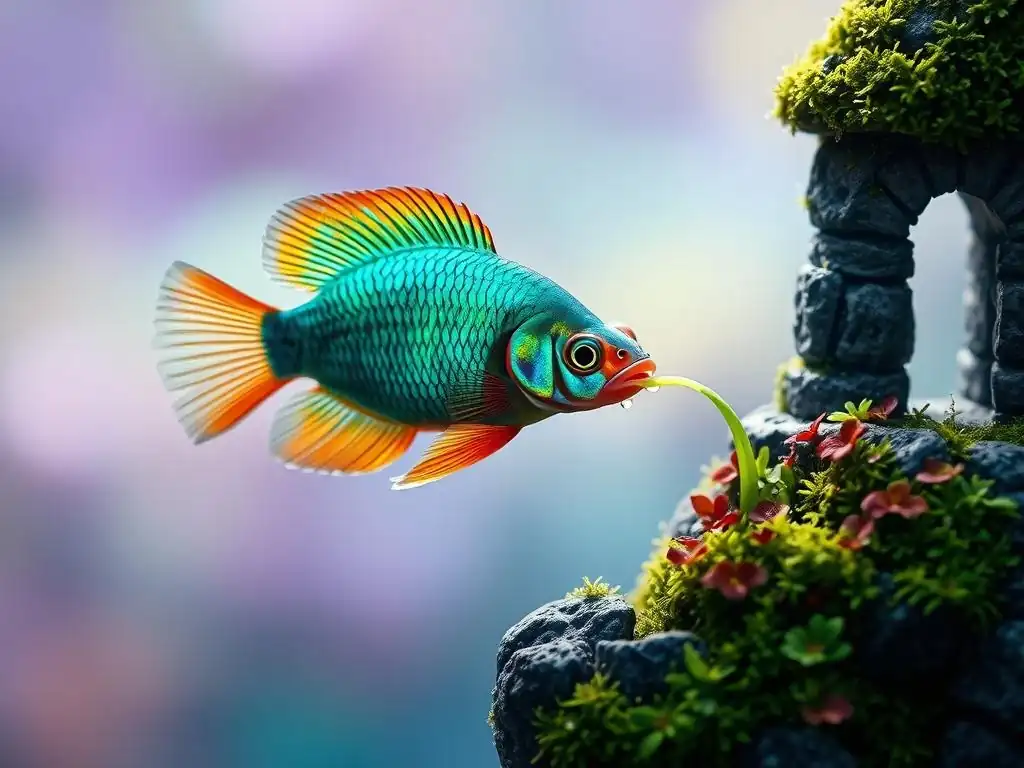
While cleanliness is important, excessively scrubbing every surface in the aquarium to remove all traces of algae can be counterproductive for Kissing Gouramis. These fish are natural grazers, and depriving them of all tank-grown algae removes a significant natural food source and inhibits their innate foraging behaviors. They enjoy scraping biofilm from glass, rocks, and plant leaves.
Instead of aiming for a sterile environment, consider leaving a small, designated patch of glass uncleaned or providing decor items like natural stones or driftwood that can cultivate a healthy, thin layer of green algae. This allows your gouramis to graze naturally, fulfilling their instinctual needs and providing supplemental nutrition, enhancing their overall Kissing gourami diet.
Ignoring Nutritional Deficiencies: Resulting in Health Problems
A monotonous or unbalanced diet, even if sufficient in quantity, can lead to nutritional deficiencies in Kissing Gouramis. For instance, a diet solely reliant on high-protein flakes without adequate plant matter can cause digestive issues like constipation. Conversely, a diet lacking essential vitamins or minerals can weaken their immune system, making them more susceptible to common fish diseases.
Signs of nutritional deficiencies include stunted growth, faded coloration, lethargy, poor fin condition, and increased vulnerability to infections. To avoid these issues, always provide a varied diet as outlined in this Kissing gourami diet guide, incorporating commercial foods, fresh vegetables, and occasional protein sources. Regular observation of your fish's condition is key to early detection and correction.
Kissing Gourami Diet FAQs
Can Gouramis Survive on Algae Alone? : Supplementation is Necessary
No, while algae form a significant and natural part of their diet, Kissing Gouramis cannot solely survive on tank-grown algae in an aquarium setting. Wild algae and biofilm contain a broader spectrum of microorganisms and nutrients that are difficult to replicate in a home aquarium. Tank-grown algae, while beneficial, often lack the complete nutritional profile required for long-term health.
Therefore, supplementation with high-quality commercial foods (flakes, pellets, algae wafers), blanched vegetables, and occasional protein-rich treats is absolutely necessary. A balanced Kissing gourami diet guide ensures they receive all essential vitamins, minerals, fiber, and protein for optimal growth, vibrant coloration, and a strong immune system.
Encouraging Picky Eaters: Variety and Patience
Kissing Gouramis can sometimes be picky eaters, especially when introduced to new foods or if they've been on a monotonous diet. To encourage them to accept a wider range of foods, introduce new items gradually. Try different forms (e.g., a blanched pea one day, an algae wafer the next). Sometimes, a short period of fasting (1-2 days) can increase their receptiveness to novel foods.
Patience is key; it may take several attempts for a gourami to recognize a new food item as edible. Ensure the water quality is excellent, as stress from poor conditions can also suppress appetite. Offering a diverse Kissing gourami diet guide from an early age helps prevent pickiness and ensures they receive comprehensive nutrition throughout their lives.
Conclusion: Ensuring a Healthy Diet for Thriving Kissing Gouramis
Frequently Asked Questions
What is the primary food source for Kissing Gouramis in a home aquarium?
Kissing Gouramis are primarily algae eaters. However, in a home aquarium, they'll also happily consume flake food, vegetable matter, and small invertebrates.
How often should I feed my Kissing Gourami?
While they graze on algae throughout the day, supplement their diet with food once or twice daily. Ensure they consume the food within a few minutes to prevent overfeeding and water quality issues.
What types of vegetables can I offer my Kissing Gourami?
Good vegetable options include blanched spinach, zucchini slices, and cucumber. These provide essential vitamins and minerals and encourage their natural grazing behavior.
Do Kissing Gouramis require protein in their diet?
Yes, although algae and vegetables are important, Kissing Gouramis also need protein. Offer them small amounts of bloodworms, daphnia, or brine shrimp to ensure a balanced diet.
How can I tell if my Kissing Gourami is getting enough to eat?
A healthy Kissing Gourami will be active and brightly colored. A sunken belly or a lack of activity can indicate underfeeding or poor nutrition. Monitor their behavior and appearance closely.
Okay, here's a final reflection designed to close your article "Feeding Kissing Gouramis: The Surprising Diet of These Algae Lovers," optimized for the keyword "Kissing gourami diet guide," and following the structure you provided:
Final Reflection: Sustaining the Kiss of Life
The journey through understanding the Kissing Gourami's dietary needs reveals more than just a feeding schedule; it highlights the delicate balance within our aquariums and the responsibility we bear as caretakers. Now, more than ever, as aquarium keeping gains popularity, ensuring the well-being of these fascinating fish hinges on informed and conscientious practices.
The impact of a well-researched diet extends beyond the health of individual Kissing Gouramis; it influences the entire aquarium ecosystem. My own experience with these fish has underscored the importance of observation and adaptation in providing optimal care. The best aquarium is not just a tank; it's a miniature ecosystem where every element plays a vital role.
This quote reminds us that understanding the Kissing Gourami's diet is not just about what we feed them, but about creating a thriving and sustainable environment.
As you continue your journey in aquarium keeping, remember that knowledge is the most powerful tool you possess. Let this guide serve as a foundation for your understanding, but never cease to observe, learn, and adapt. By embracing a mindful approach to feeding your Kissing Gouramis, you not only ensure their health and happiness but also contribute to the overall beauty and balance of the aquatic world.
Dive Deeper: Unlock the Full Potential of Your Kissing Gouramis!
Thank you for exploring the fascinating world of Kissing Gourami diets! We hope you've discovered some helpful tips to keep your algae-loving friends thriving. Now, it's time to take action and ensure your gouramis are living their best lives.
Here are a few next steps you can take:
- Prioritize Variety: Implement at least two new food types from the suggested list into your Kissing Gouramis' weekly diet to observe enhanced coloration and activity.
- Share your experiences: Post pictures of your Kissing Gouramis happily munching on their favorite foods to social media using #KissingGouramiCare.
- Surprise them: Add a blanched zucchini slice to their tank this week. Document their reaction and share your findings!
What unique feeding strategy will you implement to make your Kissing Gouramis truly thrive?