
Neon Wrasse (Labroides phthirophagus): A Hardier Cleaner Alternative for Your Tank?

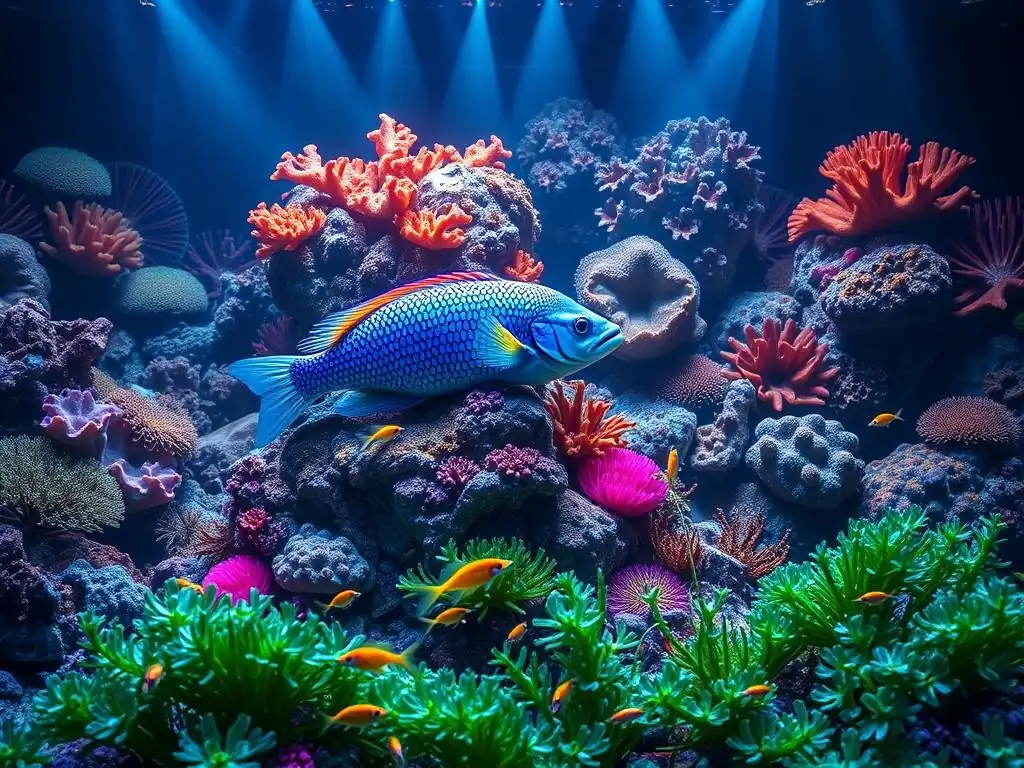
Welcome to Aquarium Mastery! Ever dreamt of a vibrant reef tank buzzing with life, but worried about the delicate nature of cleaner wrasse? Intrigued by a hardier option? Dive into our latest article and discover the secrets to successful Neon Wrasse Care, a fascinating and resilient alternative that might just be the perfect fit for your saltwater aquarium. Read on to unlock the keys to their health, happiness, and compatibility!
- Bluestreak Cleaner Wrasse (Labroides dimidiatus): A Reef Tank Essential?
- Introduction to the Bluestreak Cleaner Wrasse: A Popular Choice for Reef Aquariums
- Bluestreak Cleaner Wrasse Care: Essential Guidelines for a Thriving Fish
- Identifying a Healthy Bluestreak Cleaner Wrasse: What to Look For Before Purchase
- Bluestreak Cleaner Wrasse Temperament and Compatibility: Tank Mate Considerations
- The Bluestreak Cleaner Wrasse as a Cleaner Fish: Effectiveness and Limitations
- Potential Health Issues and Treatment for Bluestreak Cleaner Wrasses
- Breeding Bluestreak Cleaner Wrasses: Challenges and Possibilities in Captivity
- Sourcing Your Bluestreak Cleaner Wrasse: Ethical Considerations and Reputable Suppliers
- Bluestreak Cleaner Wrasse vs. Other Cleaner Organisms: A Detailed Comparison
- Troubleshooting Common Bluestreak Cleaner Wrasse Care Problems
- Conclusion: Is a Bluestreak Cleaner Wrasse Right for Your Saltwater Aquarium?
-
Frequently Asked Questions
- What makes the Neon Wrasse a hardier cleaner fish alternative?
- Where do Neon Wrasses originate and what are their natural dietary habits?
- What are the ideal water parameters for successful Neon Wrasse care?
- How should I acclimate a new Neon Wrasse to my aquarium?
- Can Neon Wrasses be kept with all types of fish in a reef tank?
- Final Reflection: Embracing Sustainable Reefkeeping
- Dive Deeper: Transform Your Aquarium Today!
Bluestreak Cleaner Wrasse (Labroides dimidiatus): A Reef Tank Essential?
Introduction to the Bluestreak Cleaner Wrasse: A Popular Choice for Reef Aquariums
Why Choose a Bluestreak Cleaner Wrasse for Your Reef Tank?
The Bluestreak Cleaner Wrasse ( Labroides dimidiatus) is a highly sought-after addition to many saltwater aquariums, primarily due to its fascinating symbiotic cleaning behavior. These active and vibrant fish contribute significant visual interest with their striking blue and black coloration, gracefully navigating the water column. Beyond their aesthetic appeal, their continuous activity and unique interaction with other tank inhabitants make them a captivating focal point, providing a dynamic display of natural reef dynamics within the home aquarium.
Their primary allure lies in their natural role as "cleaner fish," actively removing ectoparasites and dead tissue from the skin and gills of other fish. This behavior, reminiscent of natural cleaning stations found on coral reefs, can be incredibly beneficial in a closed system, potentially reducing the parasitic load on other tank inhabitants. While not a guaranteed solution for severe infestations, the presence of a Bluestreak Cleaner Wrasse can contribute to the overall health and well-being of a diverse fish community, offering a natural form of maintenance.
Understanding the Role of Labroides dimidiatus in Reef Ecosystems
In their natural habitat, Bluestreak Cleaner Wrasses are integral components of coral reef ecosystems, operating dedicated "cleaning stations" where various fish species, from small damselfish to large groupers and moray eels, queue up to have parasites removed. This mutualistic relationship is crucial for the health of wild fish populations, as it helps control the proliferation of ectoparasites such as marine Ich ( Cryptocaryon irritans) and various flukes. The wrasse benefits from a consistent food source, while the "client" fish receive essential grooming services.
This specialized ecological niche highlights their importance beyond mere aesthetics. They are observed cleaning dozens of different fish species daily, consuming an estimated hundreds of parasites. Their presence is a strong indicator of a healthy, functioning reef. In a captive environment, understanding this natural behavior is key to providing appropriate Bluestreak Cleaner Wrasse care, ensuring they have suitable "clients" and supplementary food to thrive, mimicking their vital role in the wild.
Bluestreak Cleaner Wrasse Care: Essential Guidelines for a Thriving Fish
Optimal Tank Conditions for Bluestreak Cleaner Wrasses: Water Parameters and Temperature
Providing optimal water conditions is paramount for successful Bluestreak Cleaner Wrasse care. These wrasses thrive in stable saltwater environments with specific parameters that mimic their natural reef habitat. Ideal salinity levels should be maintained between 1.020 and 1.025 specific gravity (SG), though a range of 1.023-1.025 SG is often preferred for reef tanks. Water temperature should consistently fall within 74-82°F (23-28°C), with minimal daily fluctuations. The pH level should be kept stable between 8.1 and 8.4, and alkalinity (dKH) between 8-12. Regular testing with reliable kits is essential to monitor these parameters and ensure consistency.
Beyond these core parameters, maintaining pristine water quality is crucial for the delicate Bluestreak Cleaner Wrasse. Ammonia and nitrite levels must always be undetectable (0 ppm), and nitrates should be kept as low as possible, ideally below 10-20 ppm, through diligent filtration and regular water changes. A robust protein skimmer, live rock, and a mature biological filter are indispensable for managing waste. Consistent water quality reduces stress, which is a major factor in the health and longevity of these sensitive fish, making diligent Bluestreak Cleaner Wrasse care a priority.
Diet and Feeding Habits of the Bluestreak Cleaner Wrasse: Ensuring Proper Nutrition
In their natural environment, Bluestreak Cleaner Wrasses primarily subsist on ectoparasites, dead skin, and mucus removed from other fish. In a home aquarium, while they will perform cleaning duties, this natural food source is often insufficient to sustain them, especially in tanks with few or no parasitic issues. Therefore, supplementing their diet with high-quality prepared foods is critical for their long-term health and successful Bluestreak Cleaner Wrasse care. They often require a diverse diet of small, meaty frozen foods.
Offer a variety of finely chopped marine-based foods such as mysis shrimp, brine shrimp (enriched with vitamins), cyclop-eeze, and finely minced seafood like scallops or clam. It is often beneficial to offer small amounts of food multiple times a day (e.g., 2-3 times daily) to cater to their active metabolism and continuous foraging behavior. Some wrasses may initially be hesitant to accept prepared foods, making gradual introduction and persistence key. Live foods like copepods or enriched feeder shrimp can sometimes help acclimate finicky eaters to captive diets.
Tank Size and Setup: Creating a Suitable Habitat for Labroides dimidiatus
For optimal Bluestreak Cleaner Wrasse care, a minimum tank size of 50-75 gallons is recommended for a single specimen. While they are not exceptionally large fish, reaching about 4-5 inches (10-12 cm) in length, they are highly active swimmers and require ample space to roam and establish potential "cleaning stations." A larger tank also provides greater stability in water parameters, which is vital for this sensitive species. If considering housing a pair, a tank of 100 gallons or more would be necessary to reduce potential aggression between them.
The aquarium setup should include plenty of live rock with numerous caves, crevices, and overhangs. These structures serve multiple purposes: they provide hiding spots for the wrasse to retreat to when stressed or for sleeping at night, and they offer surfaces for the wrasse to explore and forage for microfauna. While a deep sand bed isn't strictly necessary, a smooth substrate is beneficial. Ensure moderate to strong water flow, mimicking their natural reef environment, but also provide calmer areas where they and their "clients" can rest comfortably.
Identifying a Healthy Bluestreak Cleaner Wrasse: What to Look For Before Purchase
Physical Characteristics of a Healthy Specimen
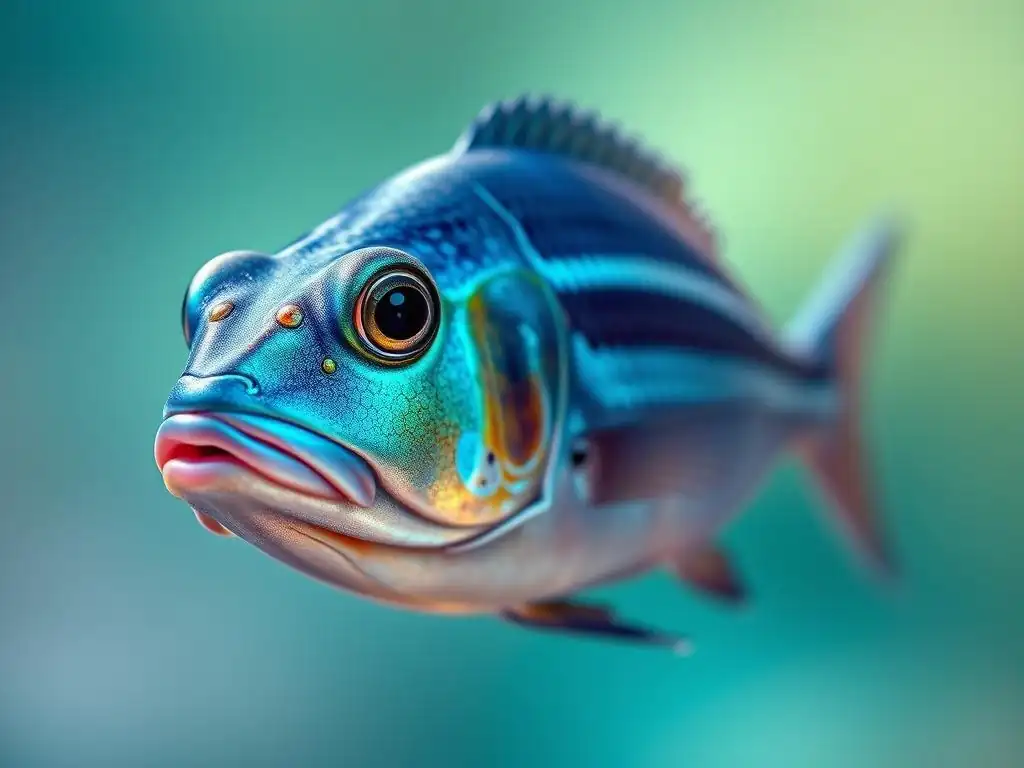
When selecting a Bluestreak Cleaner Wrasse, careful observation of its physical characteristics is paramount for ensuring you bring home a healthy specimen. A healthy Labroides dimidiatus should exhibit vibrant, clear coloration, with a distinct electric blue stripe running horizontally along its body, contrasted sharply against a black or dark body. Faded colors or dullness can be indicators of stress or illness. Their fins should be fully intact, without any signs of tears, fraying, or fin rot, and should not appear clamped against the body.
Furthermore, inspect the fish for any visible spots, lesions, or external parasites such as white spots (Ich) or velvet. The eyes should be clear and bright, not cloudy or sunken. A healthy wrasse should have a rounded, full belly, indicating it has been eating well; an emaciated or pinched appearance suggests prolonged starvation or internal parasites. Observing these physical attributes is a crucial step in ensuring proper Bluestreak Cleaner Wrasse care from the moment of purchase.
Observing Behavior: Signs of a Healthy and Active Bluestreak Cleaner Wrasse
Beyond physical appearance, observing the behavior of a Bluestreak Cleaner Wrasse before purchase offers critical insights into its health and adaptability to a captive environment. A healthy specimen should be actively swimming and exploring its surroundings, not listlessly hovering or hiding excessively. They should appear alert and responsive to external stimuli, such as movement outside the tank. While some initial shyness is normal, prolonged inactivity or extreme reclusiveness can be a red flag.
Pay close attention to its feeding response. If offered food, a healthy wrasse should show immediate interest and readily consume it. Observe its breathing rate; rapid or labored breathing can indicate stress, gill parasites, or poor water quality. If the wrasse is in a community tank, watch its interactions with other fish. It should exhibit natural cleaning behaviors, approaching other fish without aggression, or at least showing curiosity. Avoid any fish that appears to be scratching itself against tank decorations, as this often indicates parasitic irritation.
Bluestreak Cleaner Wrasse Temperament and Compatibility: Tank Mate Considerations
Bluestreak Cleaner Wrasses are generally peaceful fish, primarily focused on their cleaning duties. They exhibit a fascinating social dynamic in the wild, often forming monogamous pairs or small harems around a cleaning station. In a home aquarium, however, they are typically best kept as single specimens unless the tank is exceptionally large (e.g., 150 gallons or more) and can accommodate multiple individuals with distinct territories. Introducing more than one wrasse into a smaller tank often leads to territorial disputes and aggression, particularly between conspecifics.
While they are usually benign towards most other fish species, their cleaning behavior can sometimes become a nuisance or even a stressor for very slow-moving or docile tank mates. If the wrasse is underfed or lacks sufficient "clients" with parasites, it may occasionally nip at the slime coat of healthy fish, especially those with long, flowing fins. This behavior, though rare when properly fed, can cause stress or secondary infections. Careful observation and understanding of their specific needs are key components of successful Bluestreak Cleaner Wrasse care.
Compatible Tank Mates for Labroides dimidiatus
Choosing appropriate tank mates is essential for the long-term success of Bluestreak Cleaner Wrasse care. These wrasses thrive in a community of active, healthy marine fish that can benefit from their cleaning services. Excellent tank mates include various species of tangs (e.g., Yellow Tangs, Blue Tangs), most angelfish, clownfish, and chromis. These fish are generally robust enough to handle the wrasse's cleaning attempts and often display receptive behavior, presenting themselves for grooming.
Other suitable companions include various gobies (excluding other cleaner gobies, which might compete for resources), damselfish (if not overly aggressive), and many types of triggers (provided the trigger is not large enough to view the wrasse as prey). The key is to select fish that are not excessively aggressive or predatory towards smaller, peaceful species, and that can tolerate the wrasse's constant presence. A diverse range of fish will also provide more opportunities for the wrasse to engage in its natural cleaning behavior.
Fish to Avoid: Aggressive Species and Potential Conflicts
When planning your aquarium, it's crucial to identify fish species that are incompatible with the Bluestreak Cleaner Wrasse, as incorrect tank mate selection can lead to stress, injury, or even death for the wrasse. Highly aggressive predatory fish, such as large lionfish, certain moray eels, or very large and territorial triggerfish (e.g., Undulated Triggerfish, Clown Triggerfish), should be avoided. These predators may view the wrasse as a food source, despite its cleaning role, and their presence can cause immense stress.
Additionally, extremely delicate or slow-moving fish might not be ideal tank mates. Species such as seahorses, pipefish, or mandarinfish can become overly stressed by the wrasse's persistent cleaning attempts, especially if the wrasse is underfed and seeking any available "client." The constant attention can lead to exhaustion, fin damage, or even a compromised immune system. Similarly, avoid other cleaner fish species if the tank is not large enough to support multiple cleaning territories, as competition for resources can arise.
The Bluestreak Cleaner Wrasse as a Cleaner Fish: Effectiveness and Limitations
How Bluestreak Cleaner Wrasses Contribute to Tank Health
Bluestreak Cleaner Wrasses contribute to overall tank health primarily through their specialized feeding behavior: the removal of ectoparasites and dead tissue from the skin and gills of other fish. This natural process helps to reduce the parasitic load within the aquarium system, potentially preventing outbreaks of common marine diseases like marine Ich ( Cryptocaryon irritans) and various types of flukes. By actively consuming these parasites, the wrasse can lessen the burden on its "clients," allowing them to allocate more energy to growth and immune function.
Their presence can also stimulate the natural production of protective mucus on the skin of host fish, which further aids in disease resistance. Observing a Bluestreak Cleaner Wrasse performing its cleaning duties, with other fish presenting themselves for grooming, is a fascinating and natural display that underscores their beneficial role. While their effectiveness can vary, a well-acclimated and healthy Bluestreak Cleaner Wrasse can certainly be a valuable asset in maintaining a cleaner, healthier environment for a diverse fish community.
The Bluestreak Cleaner Wrasse's Role in Parasite Control
While Bluestreak Cleaner Wrasses are renowned for their parasite-eating habits, it's crucial to understand their specific role and limitations in parasite control within a closed aquarium system. They are most effective at removing visible, free-swimming ectoparasites or those superficially attached to the fish's exterior. They are not a "cure-all" for established, severe parasitic infestations, especially those involving endoparasites or deeply embedded external parasites. For instance, if a tank is already experiencing a full-blown Ich outbreak, a single wrasse will likely not be able to eliminate it entirely.
Their role is best viewed as a preventative measure or a component of an integrated pest management strategy. In a healthy, well-maintained tank, a Bluestreak Cleaner Wrasse can help keep parasitic populations in check by consuming new arrivals or maintaining low levels. However, aquarists should not rely solely on the wrasse for disease management. They do not consume all types of parasites, nor do they eliminate every life stage of the parasites they do consume. This realistic perspective is vital for proper Bluestreak Cleaner Wrasse care and overall tank health management.
Supplementing Cleaning with Other Methods: A Balanced Approach
Given the limitations of the Bluestreak Cleaner Wrasse as a sole method of parasite control, a balanced approach combining their natural cleaning abilities with other proactive measures is essential for comprehensive tank health. The most critical step is a rigorous quarantine procedure for all new fish, including the wrasse itself, for at least 4-6 weeks in a separate tank. This prevents the introduction of diseases and allows for observation and prophylactic treatment if necessary, significantly reducing the risk of parasitic outbreaks in the main display.
Beyond quarantine, maintaining pristine water quality through regular water changes (e.g., 10-20% bi-weekly) and robust filtration is paramount. A well-functioning protein skimmer efficiently removes organic waste that can contribute to stress and disease. Furthermore, tools like UV sterilizers can help reduce the number of free-swimming pathogens in the water column, complementing the wrasse's surface-level cleaning. Ensuring a varied, nutritious diet for all fish also strengthens their immune systems, making them more resilient to potential parasitic challenges, thus enhancing the overall Bluestreak Cleaner Wrasse care strategy.
Potential Health Issues and Treatment for Bluestreak Cleaner Wrasses
Common Diseases Affecting Bluestreak Cleaner Wrasses
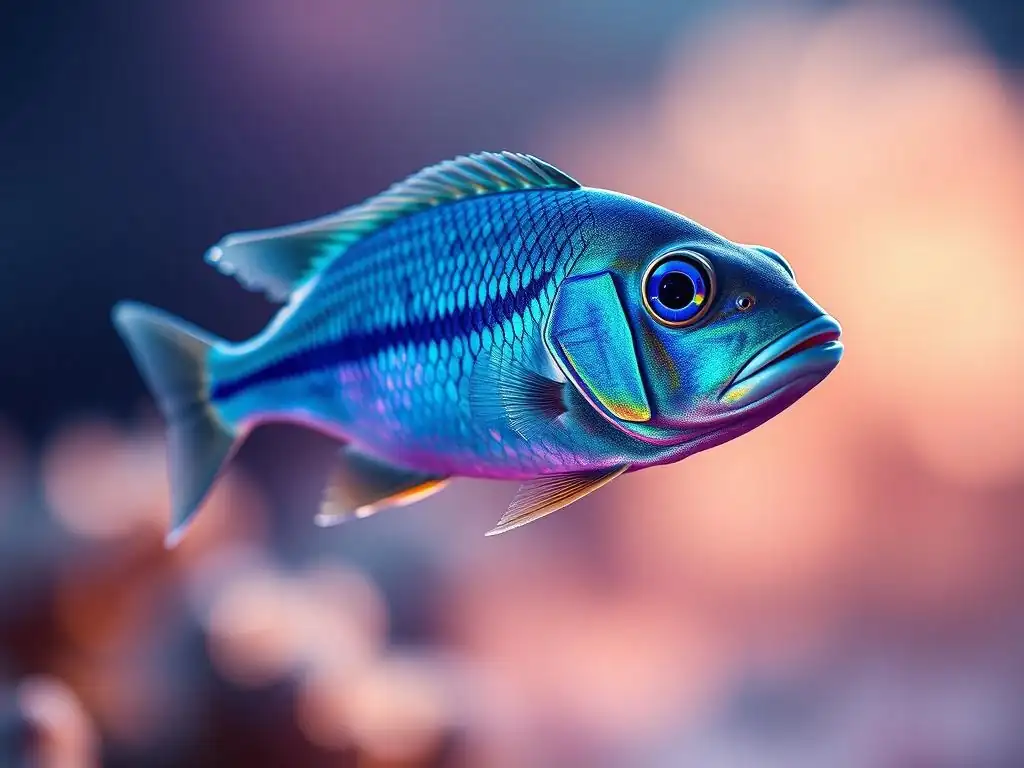
Despite their reputation as cleaner fish, Bluestreak Cleaner Wrasses are not immune to diseases and can, in fact, be quite susceptible to common marine ailments, particularly when stressed. Marine Ich ( Cryptocaryon irritans) and Marine Velvet ( Amyloodinium ocellatum) are two of the most prevalent parasitic diseases that can affect them, manifesting as white spots or a dusty appearance on their bodies. Bacterial infections, such as fin rot or columnaris, can also occur, often as secondary infections following initial stress or parasitic infestations.
Stress is a major contributing factor to illness in Bluestreak Cleaner Wrasses. Poor water quality, fluctuating parameters, inadequate diet, or bullying from aggressive tank mates can weaken their immune systems, making them more vulnerable to pathogens. Symptoms like rapid breathing, clamped fins, lethargy, or loss of appetite are general indicators of stress or illness that require immediate attention. Recognizing these common ailments is the first step in effective Bluestreak Cleaner Wrasse care and prompt intervention.
Recognizing Symptoms and Implementing Treatment Strategies
Early recognition of disease symptoms is crucial for successful Bluestreak Cleaner Wrasse care and treatment. Common signs of illness include the appearance of white specks (Ich) or a fine, dusty coating (Velvet) on the body and fins, labored or rapid breathing, scratching or "flashing" against rocks and substrate, cloudy eyes, and a general lack of appetite or energy. Faded coloration, clamped fins, and abnormal swimming patterns are also strong indicators of distress or disease.
Upon identifying symptoms, the affected wrasse should ideally be moved to a dedicated quarantine or hospital tank for treatment. This prevents medication from harming corals or invertebrates in the main display and allows for precise dosing. Copper-based medications are effective against Ich and Velvet but must be used with extreme caution, as they are toxic to invertebrates. Freshwater dips can offer temporary relief from external parasites. For suspected bacterial infections, broad-spectrum antibiotics may be necessary. Always follow medication instructions carefully and ensure stable water parameters in the treatment tank.
Quarantine Procedures for New Bluestreak Cleaner Wrasses
Implementing a strict quarantine procedure for all new Bluestreak Cleaner Wrasses is arguably the most critical aspect of preventative Bluestreak Cleaner Wrasse care. Due to their wild-caught nature and inherent sensitivity, these wrasses often arrive stressed and may carry parasites or diseases. A dedicated quarantine tank (QT) of at least 20-30 gallons, equipped with filtration, a heater, and hiding spots, should be set up prior to purchase.
The new wrasse should be acclimated to the QT and observed for a minimum of 4-6 weeks. During this period, monitor for any signs of disease, such as white spots, abnormal breathing, or unusual behavior. Many experienced aquarists opt for prophylactic treatments during quarantine, such as a copper treatment for marine Ich, even if no symptoms are present. This proactive approach significantly reduces the risk of introducing pathogens to your established display tank, protecting all your existing inhabitants and ensuring a healthier start for your new wrasse.
Breeding Bluestreak Cleaner Wrasses: Challenges and Possibilities in Captivity
The Difficulty of Breeding Labroides dimidiatus in Home Aquariums
Breeding Bluestreak Cleaner Wrasses ( Labroides dimidiatus) in a home aquarium setting is considered extremely challenging, bordering on nearly impossible for the average hobbyist. This difficulty primarily stems from their complex reproductive biology. Labroides dimidiatus are pelagic spawners, meaning they release their eggs and sperm directly into the open water column, where fertilization occurs. This requires a very large, mature aquarium that can accommodate the specific courtship and spawning behaviors of a breeding pair, often involving high-speed chases and vertical ascents.
Furthermore, the eggs themselves are tiny and buoyant, quickly dispersing into the water column. Mimicking the precise environmental cues necessary to induce spawning, such as specific light cycles, water flow, and food availability, is a significant hurdle. Even in professional aquaculture facilities, successful breeding and rearing of Labroides dimidiatus larvae are rare achievements, highlighting the immense complexity involved in their reproductive cycle.
Understanding Larval Rearing Challenges
Beyond the difficulties of inducing spawning, the larval rearing stage presents an even greater challenge for Bluestreak Cleaner Wrasse breeding. The newly hatched larvae are exceedingly small, often less than 2 millimeters in length, and are highly delicate. They require microscopic live food sources immediately upon hatching, such as specific strains of rotifers (e.g., L-type Brachionus plicatilis) and eventually copepod nauplii, which must be cultured separately and maintained at precise densities.
The larvae are also highly sensitive to water quality fluctuations and require pristine, stable conditions in their rearing tanks. High mortality rates are common during the initial days and weeks of larval development, particularly during the critical metamorphosis phase when they transition from planktonic larvae to juvenile fish. The sheer scale of technical expertise, specialized equipment, and continuous effort required to manage these microscopic life stages makes successful Bluestreak Cleaner Wrasse breeding and larval rearing largely confined to advanced research or commercial aquaculture endeavors.
Sourcing Your Bluestreak Cleaner Wrasse: Ethical Considerations and Reputable Suppliers
The Importance of Sustainable Sourcing
When considering adding a Bluestreak Cleaner Wrasse to your aquarium, understanding the source of the fish is a critical ethical consideration. The vast majority of Labroides dimidiatus available in the aquarium trade are wild-caught. Unsustainable collection practices, such as the use of cyanide or other harmful chemicals, can severely damage coral reefs and result in stressed or poisoned fish with significantly reduced lifespans in captivity. Such practices also deplete wild populations and harm the delicate balance of reef ecosystems.
Therefore, it is paramount to seek out reputable suppliers and fish stores that prioritize sustainable and ethical collection methods. Inquire about their sourcing policies and whether they work with collectors who employ responsible techniques, such as net collection, and adhere to environmental regulations. Supporting businesses committed to sustainable practices helps protect wild populations and promotes the long-term health of marine environments, aligning with responsible Bluestreak Cleaner Wrasse care.
Choosing Tank-Bred Specimens When Possible
While exceedingly rare due to the significant breeding challenges, choosing tank-bred Bluestreak Cleaner Wrasses is the most ethical and often the healthiest option. Tank-bred fish offer numerous advantages over their wild-caught counterparts. They are typically hardier, having been raised in captive conditions from birth, and are therefore already accustomed to aquarium life and prepared foods. This drastically reduces the stress of acclimation and increases their chances of survival in a home aquarium.
Furthermore, tank-bred specimens are far less likely to carry diseases or parasites, as they have not been exposed to the pathogens prevalent in the wild. This significantly mitigates the risk of introducing unwanted illnesses into your established display tank. Although tank-bred Labroides dimidiatus are currently very difficult to find and may command a higher price, supporting the aquaculture efforts that produce them is crucial for promoting a more sustainable and responsible marine aquarium hobby. Always inquire with your local fish store or online supplier about the possibility of sourcing tank-bred options for optimal Bluestreak Cleaner Wrasse care.
Bluestreak Cleaner Wrasse vs. Other Cleaner Organisms: A Detailed Comparison
Bluestreak Cleaner Wrasse vs. Cleaner Shrimp: Which is Right for Your Tank?
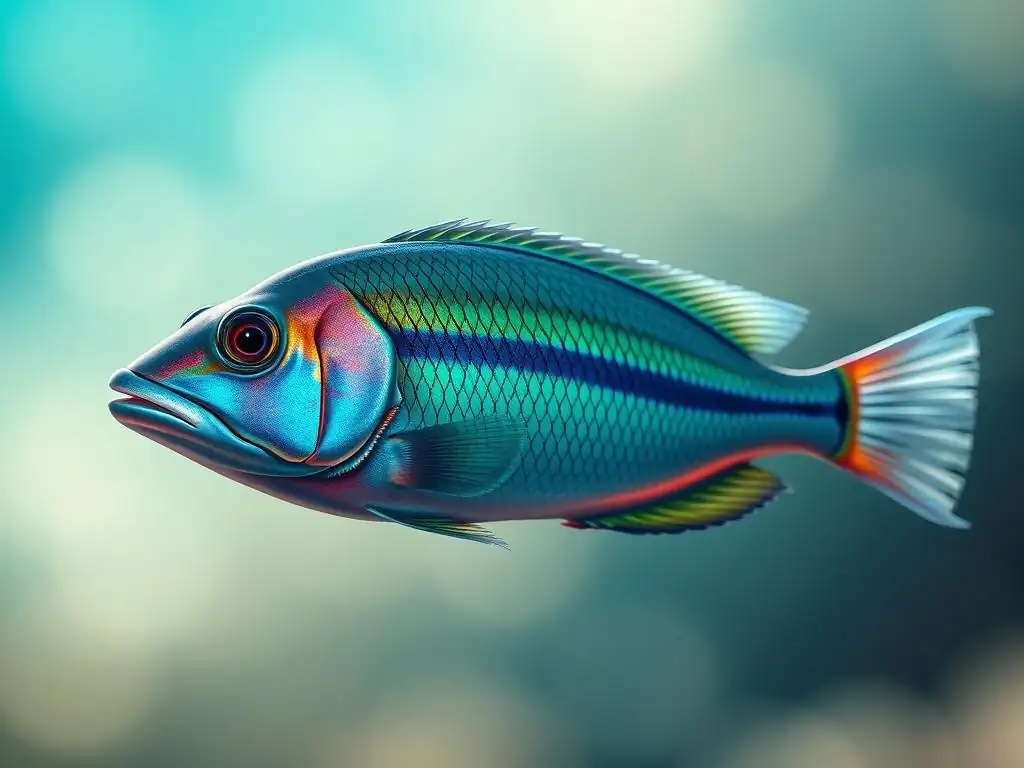
When considering a cleaner organism for your marine aquarium, the choice often comes down to a Bluestreak Cleaner Wrasse or one of the various cleaner shrimp species, such as the Skunk Cleaner Shrimp ( Lysmata amboinensis). The Bluestreak Cleaner Wrasse is a highly specialized fish that actively seeks out and removes ectoparasites and dead tissue directly from the skin and gills of other fish. They are highly active swimmers, often establishing "cleaning stations" where other fish present themselves for grooming. Their cleaning is primarily focused on the fish themselves.
Cleaner shrimp, on the other hand, are invertebrates that also perform cleaning services for fish, but their role extends beyond that. They are excellent scavengers, consuming uneaten food and detritus from the substrate and rockwork, thus contributing to overall tank cleanliness. While they do clean fish, their cleaning behavior can be less direct or consistent than a wrasse. Shrimp are generally hardier, easier to care for, and compatible with a wider range of tank inhabitants, including corals and other invertebrates, making them a more forgiving and versatile option for many aquarists.
Bluestreak Cleaner Wrasse vs. Neon Goby: Understanding the Differences
Another popular cleaner fish often compared to the Bluestreak Cleaner Wrasse is the Neon Goby ( Elacatinus oceanops). While both species perform cleaning duties, there are distinct differences that influence their suitability for various aquarium setups and impact their Bluestreak Cleaner Wrasse care requirements. Neon Gobies are significantly smaller, typically reaching only about 1.5 inches (4 cm) in length, compared to the wrasse's 4-5 inches. This makes them suitable for smaller tanks, often as little as 10-20 gallons.
Neon Gobies are also generally considered hardier and much easier to acclimate to captive diets, readily accepting a variety of prepared foods like flakes, pellets, and frozen foods. Their cleaning behavior is similar, involving the removal of ectoparasites, but they often establish a small territory on a rock or coral and wait for fish to approach them.
In contrast, the Bluestreak Cleaner Wrasse is a more active swimmer that will seek out clients throughout the tank. For aquarists seeking a more robust and adaptable cleaner fish, the Neon Goby often presents a less demanding option than the delicate Bluestreak Cleaner Wrasse.
Considering the Pros and Cons of Each Cleaning Option
The decision of which cleaner organism is right for your tank depends on several factors, including tank size, existing inhabitants, aquarist experience, and specific cleaning needs. The Bluestreak Cleaner Wrasse offers a highly specialized, natural, and visually engaging cleaning service for fish, but comes with demanding Bluestreak Cleaner Wrasse care requirements, including a specific diet, larger tank size, and a more delicate nature. They are best suited for experienced aquarists with a stable, fish-centric system.
Cleaner shrimp are versatile, hardy, and provide both fish cleaning and scavenging benefits, making them an excellent choice for mixed reef tanks or those with less experienced aquarists. Their ease of care and compatibility are significant advantages. Neon Gobies offer a hardy, smaller fish cleaner option, ideal for nano tanks or those who prefer a fish-based cleaner without the demanding care of the wrasse. Ultimately, assessing the unique needs of your aquarium and your own commitment to specific care levels will guide the best choice for your system's health and aesthetic.
Troubleshooting Common Bluestreak Cleaner Wrasse Care Problems
Addressing Picky Eating Habits
One of the most common challenges in Bluestreak Cleaner Wrasse care is their tendency to be picky eaters, especially when first introduced to a captive environment. Many wild-caught specimens initially refuse prepared foods, relying solely on their natural diet of parasites and mucus, which is often insufficient in a home aquarium. If your wrasse is not eating, try offering a diverse range of high-quality frozen marine foods, such as mysis shrimp, enriched brine shrimp, cyclop-eeze, and finely chopped clam or scallop.
To encourage feeding, offer small amounts of food multiple times throughout the day, perhaps 3-4 times, to simulate their natural constant foraging. Using a feeding clip or target feeder can ensure the wrasse gets food before faster tank mates consume it. For particularly stubborn eaters, introducing live copepods or enriched live brine shrimp can sometimes stimulate a feeding response, gradually transitioning them to frozen alternatives. Persistence and variety are key to overcoming picky eating habits and ensuring proper Bluestreak Cleaner Wrasse care.
Managing Aggression Towards Smaller Fish
While generally peaceful, an underfed Bluestreak Cleaner Wrasse can sometimes exhibit nipping behavior towards the slime coat of healthy, slower-moving fish, especially if its natural food source (ectoparasites) is scarce. This can cause stress and potentially lead to secondary infections for the "client" fish. If you observe your Bluestreak Cleaner Wrasse persistently nipping at other fish, the first step is to ensure it is receiving adequate and consistent nutrition from supplemental foods. Increase feeding frequency and variety to ensure it is well-fed.
If the nipping behavior persists despite proper feeding, re-evaluate your tank mates. Very docile or slow-moving fish, such as seahorses or certain gobies, might be overly stressed by the wrasse's attention. In such cases, consider adding more active fish that can easily evade the wrasse, or, as a last resort, rehoming the Bluestreak Cleaner Wrasse to a larger system with more robust tank mates or a greater "clientele" of fish. This proactive management helps maintain peace and health within the aquarium.
Preventing and Treating Common Diseases
Despite their cleaning role, Bluestreak Cleaner Wrasses are susceptible to common marine diseases like marine Ich and Velvet, especially when stressed by poor water quality, inadequate diet, or new tank mate introductions. Prevention is the cornerstone of effective Bluestreak Cleaner Wrasse care. Always quarantine new fish for a minimum of 4-6 weeks to prevent introducing pathogens to your display tank. During quarantine, observe closely for symptoms and consider prophylactic treatments.
Maintaining stable, pristine water parameters (salinity, temperature, pH, ammonia, nitrite, nitrate) is crucial, as fluctuating conditions weaken a fish's immune system. Provide a balanced, nutritious diet to boost their natural defenses. If a disease outbreak occurs, promptly move the affected wrasse to a separate hospital tank for treatment. Never treat the main display tank with copper-based medications if it contains corals or invertebrates, as these medications are toxic to them. Administer appropriate medications (e.g., copper for parasites, antibiotics for bacterial infections) strictly according to instructions, and continue to monitor the fish's progress closely.
Conclusion: Is a Bluestreak Cleaner Wrasse Right for Your Saltwater Aquarium?
Weighing the Pros and Cons of Adding a Bluestreak Cleaner Wrasse
Deciding whether to add a Bluestreak Cleaner Wrasse to your saltwater aquarium involves a careful consideration of their benefits against their specific care requirements and potential challenges. On the positive side, these wrasses offer a unique and captivating display of natural cleaning behavior, actively removing ectoparasites from other fish. Their vibrant coloration and constant activity make them an attractive and engaging addition, contributing to the overall health and visual appeal of a diverse fish community.
However, the cons are significant. Bluestreak Cleaner Wrasses are notoriously delicate and sensitive to water quality fluctuations, often struggling to adapt to captive life. Their specialized diet of parasites means they frequently require persistent coaxing to accept prepared foods, and many can starve if not adequately fed. They demand a sufficiently sized tank, stable parameters, and careful tank mate selection. While they can aid in parasite control, they are not a guaranteed solution for disease outbreaks and can even become stressed or transmit pathogens themselves.
Ensuring a Healthy and Thriving Environment for Labroides dimidiatus
Ultimately, the successful integration of a Bluestreak Cleaner Wrasse into a saltwater aquarium hinges on the aquarist's commitment to providing a highly stable, meticulously maintained environment. Essential Bluestreak Cleaner Wrasse care involves maintaining consistent and pristine water parameters, including stable salinity (1.023-1.025 SG), temperature (74-82°F), and undetectable ammonia/nitrite levels. A robust filtration system, including a protein skimmer and ample live rock, is indispensable for managing waste and promoting biological stability.
Furthermore, a varied and consistent feeding regimen, offering high-quality frozen marine foods multiple times a day, is critical for their long-term health. A minimum tank size of 50-75 gallons with plenty of hiding spots and open swimming areas is necessary. Careful selection of peaceful tank mates is also vital to prevent stress or aggression. For the dedicated and experienced aquarist who can meet these specific demands, a Bluestreak Cleaner Wrasse can be a truly fascinating and beneficial inhabitant, enriching the ecosystem of their saltwater aquarium for several years.
Frequently Asked Questions
What makes the Neon Wrasse a hardier cleaner fish alternative?
The Neon Wrasse (Labroides phthirophagus) is considered hardier due to its greater adaptability to aquarium conditions compared to other cleaner wrasse species. It's less prone to stress-related diseases and better adapts to prepared foods.
Where do Neon Wrasses originate and what are their natural dietary habits?
Neon Wrasses are native to the Hawaiian Islands. They naturally feed on ectoparasites found on other fish, providing a beneficial cleaning service in the reef environment.
What are the ideal water parameters for successful Neon Wrasse care?
Maintaining stable water parameters is crucial. Aim for a temperature of 72-78°F, a specific gravity of 1.023-1.025, and a pH of 8.1-8.4. Ensure excellent water quality through regular water changes.
How should I acclimate a new Neon Wrasse to my aquarium?
Slow acclimation is vital. Float the bag in the tank for 15-30 minutes to equalize temperature, then slowly drip water from the tank into the bag over an hour to gradually adjust the wrasse to the water chemistry.
Can Neon Wrasses be kept with all types of fish in a reef tank?
While generally peaceful, Neon Wrasses may not be suitable for tanks with aggressive or very small fish. Ensure tankmates are compatible in temperament and size to prevent stress or predation.
Final Reflection: Embracing Sustainable Reefkeeping
The exploration of the Neon Wrasse (Labroides phthirophagus) as a hardier alternative for reef tank cleaning highlights a crucial aspect of modern reefkeeping: the need for responsible and sustainable practices. Understanding the nuances of their care, as opposed to relying solely on more delicate species, is not just about convenience; it's about contributing to the long-term health and ethical considerations within the aquarium hobby.
This journey into the world of the Neon Wrasse underscores the profound impact our choices have on the delicate ecosystems we attempt to recreate in our homes. The success of these vibrant creatures in our tanks hinges on our commitment to understanding their specific needs and providing them with an environment where they can thrive. The ultimate goal of farming isn't the growing of crops, but the cultivation and perfection of human beings.
- Masanobu Fukuoka. This quote, though about agriculture, resonates deeply with reefkeeping; our tanks are not just displays, but living ecosystems that demand our respect and thoughtful stewardship.
As you consider adding a Neon Wrasse to your reef tank, remember that you are not simply acquiring a fish; you are becoming a caretaker of a small piece of the ocean. Take the time to research, understand, and provide the best possible environment for these fascinating creatures. Let us all strive to make informed decisions that prioritize the well-being of our aquatic inhabitants and contribute to a more sustainable and ethical future for the reefkeeping hobby.
Dive Deeper: Transform Your Aquarium Today!
Thank you for exploring the fascinating world of the Neon Wrasse! We hope this article has provided valuable insights into its potential as a hardy cleaner fish for your aquarium. Now, let’s put that knowledge into action and make a positive change in your aquarium!
Here are a few things you can do right now:
- Begin researching compatible tank mates for your Neon Wrasse, considering their peaceful nature and specific needs. This is crucial for a harmonious environment.
- Share this article with fellow aquarium enthusiasts who are looking for effective and resilient cleaner fish options. Let's spread the knowledge!
- Consider joining an online aquarium forum or local club to discuss your experiences and learn from others who have kept Neon Wrasses successfully.
What is the single, most impactful change you plan to make in your aquarium based on what you’ve learned today about Neon Wrasses? Share your plans below!