
Mandarin Dragonet: A Jewel of the Nano Reef – InDepth Care and Challenges

Welcome to Aquarium Mastery!
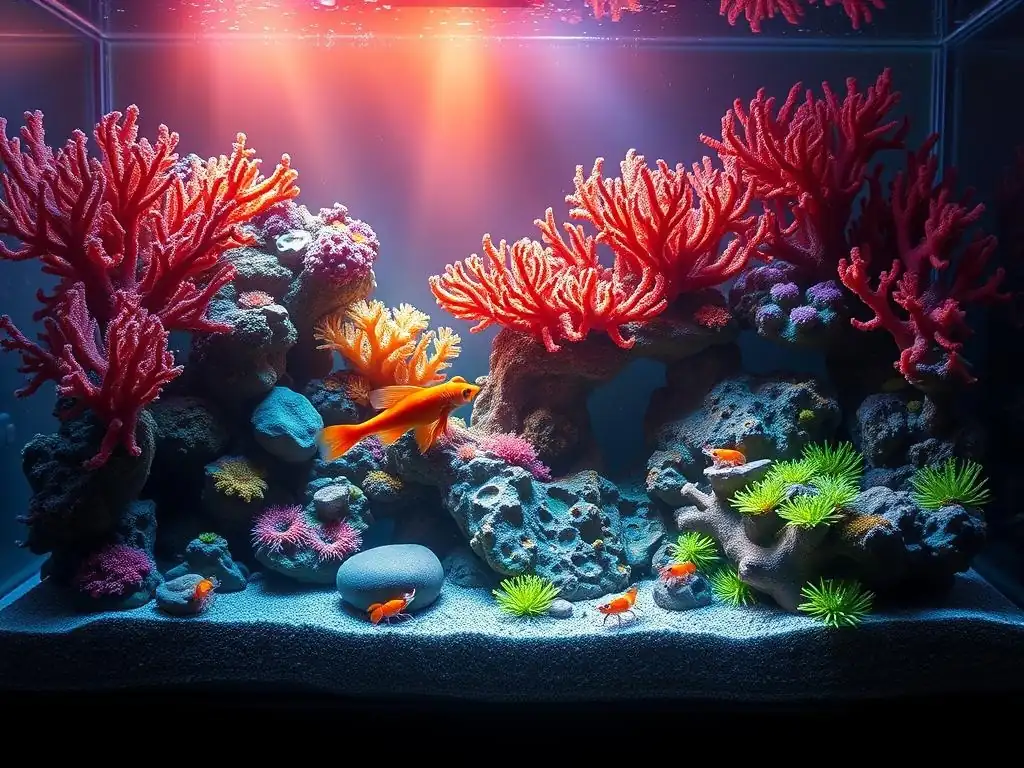
Intrigued by the vibrant beauty of the reef, but unsure where to begin? Dive in and discover the secrets to a thriving underwater world. Our latest article explores the mesmerizing, yet demanding, Mandarin Dragonet. Can you conquer the care challenges and unlock the secrets to a successful setup? Let's explore its captivating allure and unveil the practical steps to keeping this jewel of the nano reef happy and healthy. Keep reading to learn more!
- Introduction to the Mandarin Dragonet: A Nano Reef Gem
- Mandarin Dragonet Care: Essential Requirements for Success
- Mandarin Dragonet Tank Mates: Choosing Compatible Companions
- Mandarin Dragonet Health and Disease: Prevention and Treatment
- Mandarin Dragonet Acclimation: A Crucial Step for Success
- Mandarin Dragonet Breeding: A Rare Achievement in Home Aquariums
- Addressing the Mandarin Dragonet Care Challenges
- Advanced Mandarin Dragonet Care Techniques
- Conclusion: Mastering the Art of Mandarin Dragonet Care in Nano Reefs
-
Frequently Asked Questions
- How difficult is it to care for a Mandarin Dragonet in a home aquarium?
- What size aquarium is recommended for keeping a Mandarin Dragonet?
- What are the main challenges in feeding a Mandarin Dragonet?
- How can I create a suitable environment for copepods in my aquarium?
- What are some common signs that a Mandarin Dragonet is not thriving in an aquarium?
- Final Reflection: Embracing the Complex Beauty
- Unleash Your Inner Reef Keeper!
Introduction to the Mandarin Dragonet: A Nano Reef Gem
Unveiling the Beauty of the Mandarin Dragonet (Synchiropus splendidus)
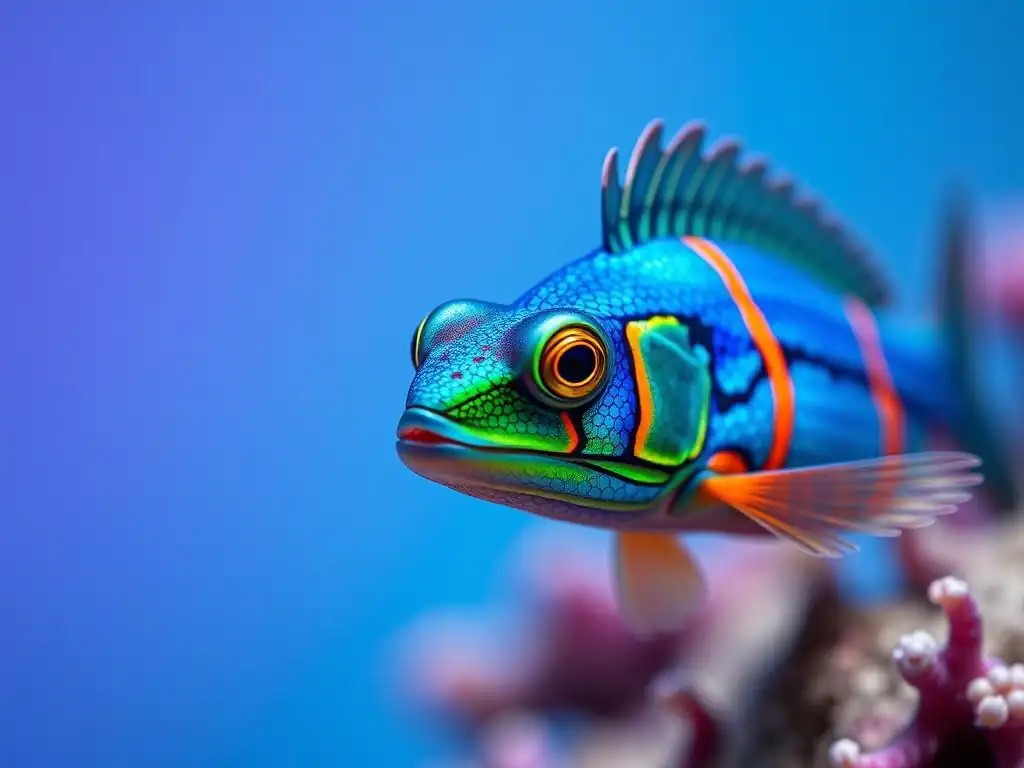
The Mandarin Dragonet, scientifically known as Synchiropus splendidus, is arguably one of the most visually striking fish in the marine aquarium hobby. Its kaleidoscopic patterns, featuring intricate swirls of electric blue, vibrant orange, and emerald green, make it an undeniable focal point in any nano reef tank. Despite its small size, typically reaching only about 3-4 inches (7-10 cm) in length, its flamboyant coloration and deliberate movements give it an almost mythical presence, contributing to its widespread appeal among aquarists.
Originating from the Indo-Pacific region, specifically found in shallow, protected lagoons and coastal reefs, the Mandarin Dragonet's beauty is matched only by its unique behavior. Unlike many fast-swimming reef fish, mandarins are benthic, spending their days meticulously sifting through live rock and sand for micro-invertebrates. This slow, methodical foraging, combined with their striking appearance, makes them a highly sought-after species, even given the significant Mandarin dragonet care challenges setup.
Why the Mandarin Dragonet Captivates Nano Reef Aquarists
The allure of the Mandarin Dragonet for nano reef enthusiasts stems from its perfect blend of size, beauty, and intriguing personality. Its relatively small stature makes it an ideal candidate for smaller aquariums, where its vibrant colors can truly stand out without overwhelming the limited space. Observing a Mandarin Dragonet gracefully navigating the intricate landscape of live rock, its delicate fins propelling it with almost hummingbird-like precision, offers a uniquely calming and rewarding experience.
However, the captivating beauty of the Mandarin Dragonet often belies the specific and demanding care requirements it entails. Successfully keeping this species is considered a benchmark for many advanced aquarists, highlighting the need for a deep understanding of its specialized diet and environmental needs. Overcoming the inherent Mandarin dragonet care challenges setup involved in providing a thriving habitat transforms the experience from merely owning a beautiful fish into mastering the art of dedicated marine husbandry.
Mandarin Dragonet Care: Essential Requirements for Success
Understanding the Mandarin Dragonet's Natural Habitat and Diet
In their natural environment, Mandarin Dragonets inhabit the sheltered, rubble-strewn areas of coral reefs and lagoons across the Indo-Pacific. They are typically found at depths ranging from 1 to 18 meters (3 to 60 feet), preferring sandy bottoms, coral rubble, and dense live rock formations that provide both shelter and a rich foraging ground. Their cryptic coloration allows them to blend seamlessly with their surroundings, offering camouflage from predators as they meticulously hunt for food.
The cornerstone of the Mandarin Dragonet's survival is its highly specialized diet, consisting almost exclusively of live benthic copepods and other minute crustaceans. These small organisms proliferate on mature live rock and within the sand bed of a healthy reef system. Mandarins are continuous grazers, spending nearly their entire day sifting through the substrate and rockwork, consuming hundreds, if not thousands, of these tiny creatures daily. This constant foraging behavior underscores the critical need for a continuous and abundant supply of live food, which is often the most significant Mandarin dragonet care challenges setup.
Setting Up the Ideal Nano Reef Tank for Mandarin Dragonets
Tank Size and Dimensions for Mandarin Dragonet Wellbeing
While Mandarin Dragonets are small, their specialized feeding habits necessitate a mature and adequately sized aquarium. A minimum tank size of 30 gallons (approximately 113 liters) is often recommended for a single Mandarin Dragonet, though a 50-gallon (approximately 190 liters) or larger system is significantly more advantageous. The primary reason for a larger volume is not the fish's physical size, but rather the need for an expansive, established ecosystem capable of sustaining a robust population of copepods and other microfauna.
Crucially, the tank should be well-established for at least six months, and ideally a year or more, before introducing a Mandarin Dragonet. This extended period allows for the proliferation of the micro-organisms that form the bulk of their diet. The tank's footprint is more important than its height; a wider, longer tank provides more surface area for live rock and sand, thereby increasing the potential foraging grounds and natural food supply, directly addressing a key Mandarin dragonet care challenges setup.
Essential Water Parameters for Mandarin Dragonet Health
Maintaining stable and pristine water parameters is paramount for the delicate Mandarin Dragonet. They are highly sensitive to fluctuations, and poor water quality can quickly lead to stress and disease. Ideal parameters include a specific gravity of 1.023-1.026, a temperature range of 74-82°F (23-28°C), and a pH level between 8.1 and 8.4. Additionally, critical reef parameters such as alkalinity (8-12 dKH), calcium (400-450 ppm), and magnesium (1200-1350 ppm) should be consistently maintained.
The emphasis should always be on stability rather than simply hitting target numbers. Sudden shifts in temperature, salinity, or chemical parameters can severely stress these fish, compromising their immune system. Regular water changes, typically 10-20% weekly or bi-weekly depending on tank maturity and bioload, using high-quality RODI water and a reputable salt mix, are essential. Consistent monitoring with accurate test kits is indispensable for preventing issues related to water quality, a common aspect of Mandarin dragonet care challenges setup.
Substrate and Rockwork: Creating a Natural Environment
The choice and arrangement of substrate and live rock are fundamental to creating a suitable environment for Mandarin Dragonets. A deep sand bed, at least 2-4 inches (5-10 cm) in depth, is highly recommended. This provides ample surface area for beneficial bacteria and, more importantly, serves as a crucial habitat for various micro-organisms, including the copepods that Mandarin Dragonets feed upon. A fine-grained aragonite sand is often preferred for this purpose.
Complementing the sand bed, a substantial amount of mature, porous live rock is indispensable. Aim for approximately 1 to 1.5 pounds of live rock per gallon (0.45-0.68 kg per liter) of tank volume. This rockwork should be aquascaped to create numerous crevices, caves, and overhangs, offering both hiding places and extensive foraging surfaces. The live rock itself acts as a natural biofilter and, critically, provides the ideal substrate for the proliferation of the benthic copepods and amphipods that constitute the Mandarin Dragonet's natural diet. This setup directly mitigates feeding-related Mandarin dragonet care challenges setup.
Mandarin Dragonet Diet: The Cornerstone of Long-Term Survival
The Challenge of Feeding Mandarin Dragonets: Copepods and More
The Mandarin Dragonet's highly specialized diet is, without a doubt, the most significant hurdle in its successful long-term care. Unlike many marine fish that readily accept prepared foods, mandarins are obligate micro-predators, relying almost entirely on a continuous supply of live benthic copepods and other tiny invertebrates found within the live rock and sand bed. They are slow, methodical feeders and cannot compete with faster, more aggressive tank mates for food.
Many wild-caught Mandarin Dragonets will simply starve in a typical home aquarium if a sufficient, self-sustaining population of live copepods is not present. Even if they appear to "graze," the quantity of food consumed might be insufficient for their metabolic needs. The persistent refusal of most prepared foods, such as flake or pellet foods, makes overcoming this feeding challenge paramount. This dietary specificity is the core of Mandarin dragonet care challenges setup.
Culturing Copepods: A Vital Skill for Mandarin Dragonet Keepers
To ensure a consistent food supply, many successful Mandarin Dragonet keepers resort to culturing copepods. Species such as Tisbe, Tigriopus, and Apocyclops are commonly cultured due to their reproductive rates and nutritional value. A dedicated copepod culture system, typically a separate container or bucket, can be maintained using phytoplankton as a food source, replicating the natural food chain. For a 30-gallon tank, a weekly addition of 500-1000 ml of a concentrated copepod culture may be necessary initially to bolster existing populations.
Alternatively, establishing a robust refugium connected to the main display tank can serve as a natural copepod breeding ground. A refugium, typically a section of the sump, provides a predator-free environment where macroalgae (like Chaetomorpha) and a deep sand bed can foster dense populations of micro-organisms. Regularly harvesting copepods from the refugium and introducing them into the display tank ensures a steady supply, significantly alleviating the most pressing Mandarin dragonet care challenges setup related to feeding.
Supplementing the Diet: Prepared Foods and Enrichment
While live copepods remain indispensable, some Mandarin Dragonets, particularly captive-bred specimens, can be trained to accept certain prepared foods. Frozen mysis shrimp, enriched brine shrimp, and even finely chopped clam or other seafoods can sometimes be introduced. The key to success often lies in target feeding, using a pipette or turkey baster to deliver food directly to the mandarin, ensuring it gets a chance to consume it before other tank inhabitants.
Training can be a lengthy process, requiring patience and consistency. Turning off circulation pumps during feeding can help keep the food localized. However, it is crucial to understand that prepared foods should always be considered a supplement, not a replacement, for a thriving copepod population. Relying solely on prepared foods for a wild-caught mandarin will almost certainly lead to starvation. The primary focus of overcoming Mandarin dragonet care challenges setup regarding diet must remain on live food.
Mandarin Dragonet Tank Mates: Choosing Compatible Companions
Avoiding Aggressive and Competitive Tank Mates
Selecting appropriate tank mates is critical for the well-being of the slow-moving and delicate Mandarin Dragonet. Their inherent shyness and specialized feeding habits make them highly vulnerable to competition and aggression. Fast-swimming, boisterous, or overtly aggressive fish such as damselfish, many wrasses (especially larger species), and tangs should be strictly avoided. These species will easily outcompete the Mandarin for any available food, even if it's not their primary diet.
Furthermore, any fish that shares the same niche – specifically, those that actively graze on microfauna from live rock and sand – should also be excluded unless the tank is exceptionally large (e.g., 100 gallons or more) and has an extremely well-established copepod population. This includes other dragonets, certain gobies, and even some blennies. The risk of food competition is too high, directly leading to starvation and failure in Mandarin dragonet care challenges setup.
Ideal Tank Mates for a Peaceful Nano Reef Environment
Small Gobies and Blennies: Safe and Suitable Companions
When choosing finned tank mates for a Mandarin Dragonet, the focus should be on small, peaceful, and non-competitive species. Small gobies, such as Clown Gobies ( Gobiodon spp.), Trimma Gobies, or certain watchman gobies (if paired with a compatible pistol shrimp), can coexist peacefully. Similarly, small, primarily herbivorous blennies like the Tailspot Blenny ( Salarias fasciatus) are often suitable, as their diet primarily consists of algae, minimizing competition for the mandarin's crucial copepod supply.
The key is to select species with distinctly different feeding strategies and temperaments. Fish that occupy different water columns or have diets that do not overlap with the mandarin's microfauna consumption are ideal. For instance, a small, peaceful cardinalfish or a Firefish Goby ( Nemateleotris magnifica) might be acceptable, provided they do not intimidate the mandarin or consume its food source. Careful observation of interactions is always recommended as part of the ongoing Mandarin dragonet care challenges setup.
Invertebrates: Shrimps, Snails, and Crabs in Harmony
Most reef-safe invertebrates are excellent companions for Mandarin Dragonets and can even contribute positively to the tank's ecosystem. Cleaner shrimp species ( Lysmata amboinensis), peppermint shrimp ( Lysmata wurdemanni), and various snail species (e.g., Nassarius, Trochus, Turbo, Cerith) are generally safe. These invertebrates typically consume detritus, algae, or leftover food particles, posing no threat to the mandarin's food supply.
Hermit crabs, particularly smaller, reef-safe species like the Blue Leg Hermit Crab ( Paguristes cadenati), can also be included. These invertebrates often assist in the clean-up crew, helping to maintain a healthy substrate and rockwork, which indirectly benefits the mandarin by supporting the microfauna. The general rule is to avoid any invertebrate that is known to be predatory towards fish or other invertebrates, ensuring a harmonious environment for your jewel-like dragonet.
Mandarin Dragonet Health and Disease: Prevention and Treatment
Recognizing Signs of a Healthy Mandarin Dragonet
A healthy Mandarin Dragonet is a vibrant and active participant in the reef ecosystem, constantly foraging and displaying its characteristic behaviors. Key indicators of good health include consistently bright, intense coloration, clear and alert eyes, a plump and well-rounded body, and intact fins free from tears or fraying. A healthy mandarin will spend most of its waking hours meticulously exploring the live rock and sand, often hovering gracefully or slowly sifting through the substrate.
Any deviation from these behaviors can signal stress or the onset of disease. Signs such as faded or dull coloration, clamped fins, rapid or labored breathing (gilling), visible spots (white or dusty), lesions, or a sunken belly are all red flags. A healthy mandarin should also exhibit strong appetite for its preferred live foods. Early detection of these symptoms is crucial for effective intervention and for successfully navigating the health-related Mandarin dragonet care challenges setup.
Common Diseases Affecting Mandarin Dragonets and Their Treatments
Ich (Marine White Spot Disease)
Ich, caused by the marine parasite Cryptocaryon irritans, is one of the most common and devastating diseases in saltwater aquariums, and Mandarin Dragonets are particularly susceptible due to their scaleless bodies. Symptoms include small, white, salt-grain-like spots on the body and fins, rapid breathing, flashing (rubbing against decor), and lethargy. The lack of scales offers no protective barrier, allowing the parasite to easily embed itself.
Treatment for Ich typically involves transferring the infected fish to a separate quarantine or hospital tank. Common treatment methods include hyposalinity (gradually lowering salinity to 1.008-1.010 for 2-3 weeks) or the use of copper-based medications. Formalin dips can also provide temporary relief and reduce parasite load. It is crucial to treat the fish in a dedicated tank to avoid harming corals and invertebrates in the main display.
Bacterial Infections
Bacterial infections can manifest in various ways, often as secondary complications to stress, poor water quality, or external injuries. Symptoms can include fin rot (frayed or decaying fins), cloudy eyes, open sores or ulcers, red streaks on the body, or general lethargy and loss of appetite. These infections can progress rapidly if left untreated.
Treatment usually involves broad-spectrum antibiotics, administered either through medicated food or as a bath in a hospital tank. It's imperative to identify the root cause of the bacterial infection, often related to suboptimal water quality or inadequate nutrition, and rectify it. Maintaining pristine water conditions and a stable environment is the best preventative measure against such Mandarin dragonet care challenges setup.
Parasitic Infestations
Beyond Ich, Mandarin Dragonets can be afflicted by other external parasites, such as marine velvet ( Amyloodinium ocellatum) or various types of flukes. Marine velvet presents as a fine, dusty, yellowish-brown coating on the fish's body, often accompanied by rapid breathing, lethargy, and scratching. It is highly contagious and often more virulent than Ich. Flukes, on the other hand, might cause scratching, excess mucus production, or visible irritation.
Treatment for marine velvet typically involves copper-based medications or formalin in a quarantine tank. Flukes can often be treated with freshwater dips or specific anti-parasitic medications like praziquantel. As with all diseases, proper diagnosis is key, and treatment should always occur in a separate hospital tank to protect the sensitive reef environment.
Quarantine Procedures for New Mandarin Dragonets
Implementing a strict quarantine protocol for all new marine fish, especially delicate species like Mandarin Dragonets, is absolutely essential. A separate, fully cycled quarantine tank (QT) of at least 10 gallons (approximately 38 liters) should be set up with a heater, an air stone, and some PVC pipes for shelter. This tank should use water from the main display to ensure similar parameters initially.
A quarantine period of at least 4-6 weeks allows for careful observation of the new fish for any signs of disease, and proactive treatment if necessary. During this time, the mandarin can also be encouraged to accept prepared foods in a less competitive environment. This crucial step significantly reduces the risk of introducing pathogens to your established reef system, preventing widespread disease and mitigating a major aspect of Mandarin dragonet care challenges setup.
Mandarin Dragonet Acclimation: A Crucial Step for Success
Gradual Acclimation to Nano Reef Tank Conditions
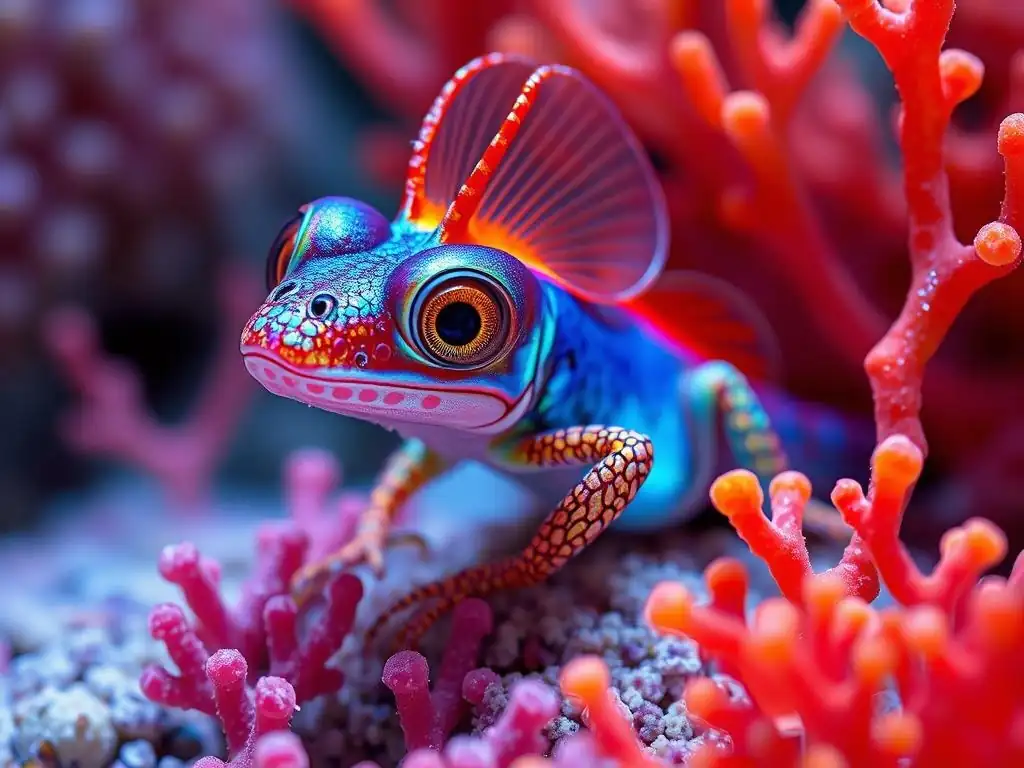
The acclimation process for Mandarin Dragonets is a critical step that cannot be rushed, as they are highly sensitive to sudden changes in water parameters. The drip acclimation method is strongly recommended to slowly equalize the temperature, pH, and salinity between the transport bag water and your aquarium water. This process should ideally last for 1-2 hours, with tank water slowly dripping into the bag at a rate of approximately 1-2 drops per second.
During this gradual introduction, the fish experiences minimal shock from environmental shifts. Once acclimation is complete, carefully net the mandarin and transfer it to the main display tank or quarantine tank, avoiding the transfer of any bag water. It is important to avoid exposing the fish to air during transfer, as this can cause stress and damage to their delicate gills.
Monitoring Water Parameters During Acclimation
Before initiating the drip acclimation, it is advisable to test the water parameters (salinity, pH, temperature) of the water in the shipping bag and compare them to your tank's parameters. Significant discrepancies, particularly in salinity (e.g., a difference of more than 0.002 specific gravity), warrant an even slower acclimation process to prevent osmotic shock.
After the mandarin has been introduced to its new home, continue to monitor the tank's water parameters closely for the first few days. Any signs of stress, such as rapid breathing, erratic swimming, or hiding persistently, should prompt an immediate re-check of water quality. Ensuring a smooth and stress-free transition is a fundamental part of overcoming initial Mandarin dragonet care challenges setup.
Mandarin Dragonet Breeding: A Rare Achievement in Home Aquariums
Understanding Mandarin Dragonet Reproductive Behavior
Mandarin Dragonets are pelagic spawners, meaning they release their eggs and sperm into the water column, where fertilization occurs. In their natural habitat, and occasionally in captivity, pairs will engage in a distinctive "spawning dance" during twilight hours. This involves the male and female rising together from the substrate, spiraling upwards in a close embrace, and releasing gametes at the apex of their ascent before rapidly descending.
Mandarin Dragonets are known to form monogamous pairs. Successful breeding in a home aquarium is considered a rare and significant achievement, primarily due to the stringent requirements for stable water quality, abundant live food, and a mature, peaceful environment. The presence of suitable partners and consistent environmental cues are essential for encouraging this complex reproductive behavior.
Creating Breeding Conditions in a Nano Reef Tank
To encourage Mandarin Dragonet breeding, a dedicated and highly mature tank of at least 50 gallons (approximately 190 liters) is often necessary, ideally with only the breeding pair or very peaceful tank mates. The tank must have a deep sand bed and extensive live rock to support a naturally thriving copepod population, as the adults will require ample nutrition to condition for spawning. Pristine and stable water parameters are non-negotiable.
Providing a consistent photoperiod and potentially mimicking lunar cycles with moonlight LEDs can sometimes stimulate spawning activity. A varied diet, rich in live copepods and supplemented with high-quality frozen foods, ensures the pair is well-conditioned for reproduction. While challenging, creating an optimal environment addresses the Mandarin dragonet care challenges setup related to their reproductive needs.
Raising Mandarin Dragonet Larvae: A Difficult but Rewarding Endeavor
The most formidable aspect of breeding Mandarin Dragonets is the raising of their extremely small and delicate larvae. Mandarin larvae are typically less than 1 millimeter in size upon hatching and possess a very small mouth, requiring a diet of specific, microscopic live foods. Rotifers ( Brachionus plicatilis) are usually the initial food source, followed by copepod nauplii as the larvae grow.
Larval rearing requires a dedicated, sterile rearing tank with very gentle aeration and precise environmental control. Water quality must be immaculate, with frequent small water changes. The survival rate of Mandarin Dragonet larvae in home aquariums is notoriously low due to their demanding feeding requirements and extreme sensitivity to water parameters. Successfully raising them is a testament to advanced aquaculture skills and represents the pinnacle of overcoming Mandarin dragonet care challenges setup.
Addressing the Mandarin Dragonet Care Challenges
Overcoming the Feeding Challenge: Strategies for Success
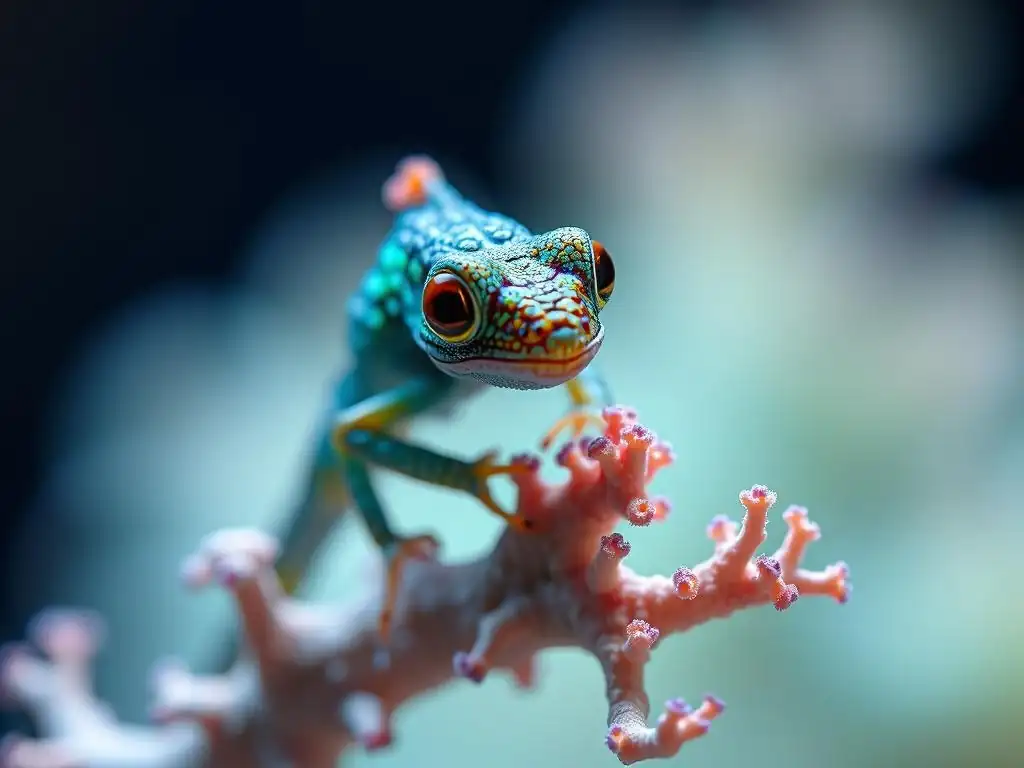
The feeding challenge is the most critical aspect of Mandarin Dragonet care. The primary strategy for success revolves around establishing and maintaining a robust, self-sustaining population of live copepods within the display tank and/or a connected refugium. A mature tank, at least six months to a year old, with ample live rock and a deep sand bed, is the foundation for this. Regular additions of bottled copepod cultures can jumpstart or supplement existing populations.
For those attempting to acclimate their mandarin to prepared foods, target feeding with a pipette is essential. Turning off pumps during feeding helps ensure the slow-moving mandarin has an opportunity to consume the food without competition. Opting for captive-bred Mandarin Dragonets, which are often pre-conditioned to accept frozen foods, can significantly reduce this particular Mandarin dragonet care challenges setup. Continuous observation of the fish's girth and activity level is crucial to ensure it is receiving adequate nutrition.
Maintaining Water Quality in a Mandarin Dragonet Nano Reef
Consistent and stable water quality is paramount for the health and longevity of Mandarin Dragonets. This involves a rigorous routine of water parameter testing (salinity, temperature, pH, alkalinity, calcium, magnesium) at least weekly, if not bi-weekly. Any significant fluctuations can cause stress and compromise the fish's immune system.
Small, frequent water changes (e.g., 10-15% weekly) are generally preferred over larger, less frequent ones, as they help maintain stability while replenishing trace elements and removing nitrates. The use of high-quality RODI (Reverse Osmosis De-Ionized) water for all top-offs and saltwater mixing is essential to prevent the introduction of undesirable contaminants. A robust filtration system, including protein skimming and potentially activated carbon, also contributes to maintaining pristine conditions, thereby reducing Mandarin dragonet care challenges setup related to water chemistry.
Preventing and Managing Diseases in Mandarin Dragonets
Preventing diseases in Mandarin Dragonets begins with proactive measures. A strict quarantine protocol for all new tank inhabitants is non-negotiable to avoid introducing pathogens into the display tank. Maintaining stable, pristine water parameters minimizes stress, which is a leading cause of compromised immune systems in fish. Providing a nutrient-rich diet through abundant copepods ensures the mandarin is robust and resilient.
Should a disease be suspected, prompt identification and isolation of the affected fish in a hospital tank are critical. Treating in a separate tank prevents harm to corals and invertebrates in the main display from medications. Understanding the specific disease and applying the correct treatment, whether it be hyposalinity for Ich or antibiotics for bacterial infections, is vital. Consistent observation and swift action are key components of successfully navigating the health-related Mandarin dragonet care challenges setup.
Advanced Mandarin Dragonet Care Techniques
Target Feeding Methods for Mandarin Dragonets
Target feeding is an advanced technique particularly useful for Mandarin Dragonets that have been trained to accept prepared foods or for ensuring a specific individual receives adequate nutrition. This method involves using a long pipette, turkey baster, or specialized feeding tool to deliver small portions of food (e.g., frozen mysis shrimp, enriched brine shrimp) directly in front of the mandarin.
This technique minimizes waste and prevents faster tank mates from consuming the food before the mandarin has a chance. It requires patience and consistency, often performed once or twice daily, potentially with circulation pumps temporarily turned off. Successful target feeding can supplement the mandarin's diet, especially if the natural copepod population in the tank fluctuates, thereby alleviating a significant Mandarin dragonet care challenges setup.
Creating a Refugium to Boost Copepod Populations
A refugium is an invaluable asset for any tank housing a Mandarin Dragonet. It is a separate compartment, typically integrated into the sump, designed to cultivate beneficial microfauna and macroalgae (such as Chaetomorpha). The refugium provides a predator-free environment where copepods, amphipods, and other micro-organisms can reproduce undisturbed, creating a continuous and sustainable food source for the display tank.
A well-designed refugium should have a deep sand bed, ample live rock rubble, and good lighting for macroalgae growth. The flow rate through the refugium should be gentle enough not to flush out the microfauna prematurely but sufficient to transport newly hatched copepods to the main display. A refugium of 10-20% of the display tank's volume can significantly enhance the natural food web, offering a proactive solution to the mandarin's dietary Mandarin dragonet care challenges setup.
Utilizing Automatic Dosing Systems for Water Parameter Stability
While not exclusively for Mandarin Dragonets, automatic dosing systems can significantly contribute to the overall stability and health of a nano reef, indirectly benefiting these sensitive fish. These systems precisely dispense liquid supplements (e.g., alkalinity, calcium, magnesium solutions) at programmed intervals, maintaining consistent water parameters without manual intervention.
Stable water parameters reduce stress on all tank inhabitants, including the delicate Mandarin Dragonet, making them less susceptible to disease and more likely to thrive. While initial setup and calibration require attention, the long-term benefits of consistent water chemistry outweigh the complexity. This advanced technique helps to minimize fluctuations, further refining the management of Mandarin dragonet care challenges setup related to environmental consistency.
Conclusion: Mastering the Art of Mandarin Dragonet Care in Nano Reefs
The Rewards of Successfully Keeping Mandarin Dragonets
Successfully keeping a Mandarin Dragonet is a testament to an aquarist's dedication, knowledge, and patience. Despite the inherent Mandarin dragonet care challenges setup, the rewards are immense. Witnessing these vibrant, jewel-toned fish gracefully navigating their environment, constantly foraging and displaying their unique behaviors, offers unparalleled satisfaction. A thriving Mandarin Dragonet becomes the undisputed centerpiece of any nano reef, captivating all who observe its intricate patterns and serene movements.
Their long-term survival and prosperity in a home aquarium signify a deep understanding of marine ecosystems and a commitment to providing an optimal environment. The beauty and charm of the Mandarin Dragonet make every effort worthwhile, transforming a challenging endeavor into a deeply fulfilling aspect of the marine aquarium hobby.
Continuous Learning and Improvement in Mandarin Dragonet Husbandry
The journey of Mandarin Dragonet care is an ongoing process of learning and refinement. The dynamic nature of a reef tank, coupled with the specific needs of this delicate species, necessitates continuous vigilance and adaptation. Staying informed about new husbandry techniques, advances in copepod culturing, and sharing experiences with fellow aquarists are crucial for long-term success.
Embracing the complexities of Mandarin dragonet care challenges setup fosters a deeper appreciation for marine life and enhances overall aquarium management skills. By committing to continuous learning and improvement, aquarists can ensure these magnificent "jewels of the nano reef" not only survive but truly thrive, enriching both the aquarium and the aquarist's experience.
Frequently Asked Questions
How difficult is it to care for a Mandarin Dragonet in a home aquarium?
Mandarin Dragonets are considered difficult to care for due to their specialized dietary needs. They primarily feed on live copepods and require a mature, established reef tank with a thriving population.
What size aquarium is recommended for keeping a Mandarin Dragonet?
A larger tank, ideally 30 gallons or more, is recommended to support a sufficient copepod population. Smaller "nano" tanks can work, but only if they are exceptionally well-established and heavily populated with live food.
What are the main challenges in feeding a Mandarin Dragonet?
The primary challenge is ensuring they receive enough live copepods. Many Mandarin Dragonets starve to death in captivity because they don't readily accept prepared foods.
How can I create a suitable environment for copepods in my aquarium?
Creating a refugium or a dedicated copepod breeding area can help boost the copepod population. Using live rock and avoiding copper-based medications also supports copepod growth.
What are some common signs that a Mandarin Dragonet is not thriving in an aquarium?
Signs of a struggling Mandarin Dragonet include weight loss, lethargy, and a lack of interest in hunting for copepods. Observe their feeding habits closely for any changes.
Final Reflection: Embracing the Complex Beauty
The journey into understanding the Mandarin Dragonet, as we've explored, is far more than just setting up a tank; it's a commitment to replicating a delicate ecosystem. The enduring allure of this vibrant fish lies in its inherent fragility, a fragility that mirrors the vulnerability of the coral reefs it calls home, demanding a level of dedication that transcends typical aquarium keeping.
The Mandarin Dragonet's presence in the nano reef hobby has undoubtedly pushed the boundaries of what's considered achievable, yet it also serves as a constant reminder of our responsibility to the creatures we bring into our care. My own fascination with these fish stems from the profound respect they command, a respect born from understanding their intricate needs. In the end, we will conserve only what we love; we will love only what we understand; and we will understand only what we are taught.
- Baba Dioum. This quote perfectly encapsulates the essence of responsible reef keeping and the importance of continuous learning.
As you consider adding a Mandarin Dragonet to your own nano reef, remember that success hinges not just on technical proficiency, but on a genuine appreciation for the delicate balance of life within your tank. Let the challenges we've discussed serve as a roadmap, guiding you towards creating a thriving environment where this jewel of the sea can truly flourish. Embrace the complexity, commit to the ongoing learning process, and you'll find yourself rewarded with a glimpse into the breathtaking beauty of the natural world, right in your own home.
Unleash Your Inner Reef Keeper!
Thank you for diving into the mesmerizing world of Mandarin Dragonets! We hope you've gained valuable insights into keeping these vibrant fish thriving in a nano reef environment. Now it's time to put that knowledge into action.
- Consider creating a refugium to ensure a consistent supply of copepods for your Mandarin Dragonet – their picky eaters need a reliable food source!
- Share this article with fellow reef enthusiasts to spread awareness about the specific care requirements of these beautiful fish.
- Reflect on your current setup: What adjustments can you make today to better support a Mandarin Dragonet's needs, even if you don't own one yet?