
The Cost of Keeping Cardinalfish: Budgeting for These Charming Reef Jewels

Welcome to Aquarium Mastery!
Ever wondered if you can afford to bring the vibrant beauty of Cardinalfish into your home reef aquarium? Before you dive in, let's explore the real-world costs associated with a thriving Cardinalfish tank. From initial setup to ongoing maintenance, we break down everything you need to know in our comprehensive guide: The Cost of Keeping Cardinalfish: Budgeting for These Charming Reef Jewels. Intrigued? Keep reading to discover the secrets to a healthy and affordable Cardinalfish haven!
-
Initial Cardinalfish Tank Setup Costs: A Detailed Breakdown
- Aquarium Tank Size and Cost Considerations for Cardinalfish
- Essential Equipment for Cardinalfish: Filtration, Lighting, and Heating Expenses
- Substrate and Aquascaping Materials: Balancing Aesthetics and Budget in Your Cardinalfish Tank
- Water Chemistry and Testing Equipment: Ensuring a Healthy Environment for Cardinalfish
-
Frequently Asked Questions
- How much does it generally cost to set up a basic Cardinalfish tank?
- What are the ongoing costs associated with maintaining a Cardinalfish tank?
- How does the size of the tank impact the overall Cardinalfish tank setup costs?
- Are there specific types of Cardinalfish that are more expensive to keep than others?
- Can I reduce the Cardinalfish tank setup costs without compromising the fish's well-being?
- Final Reflection: Investing in Underwater Harmony
- Ignite Your Reef Tank Dreams!
Initial Cardinalfish Tank Setup Costs: A Detailed Breakdown
Aquarium Tank Size and Cost Considerations for Cardinalfish
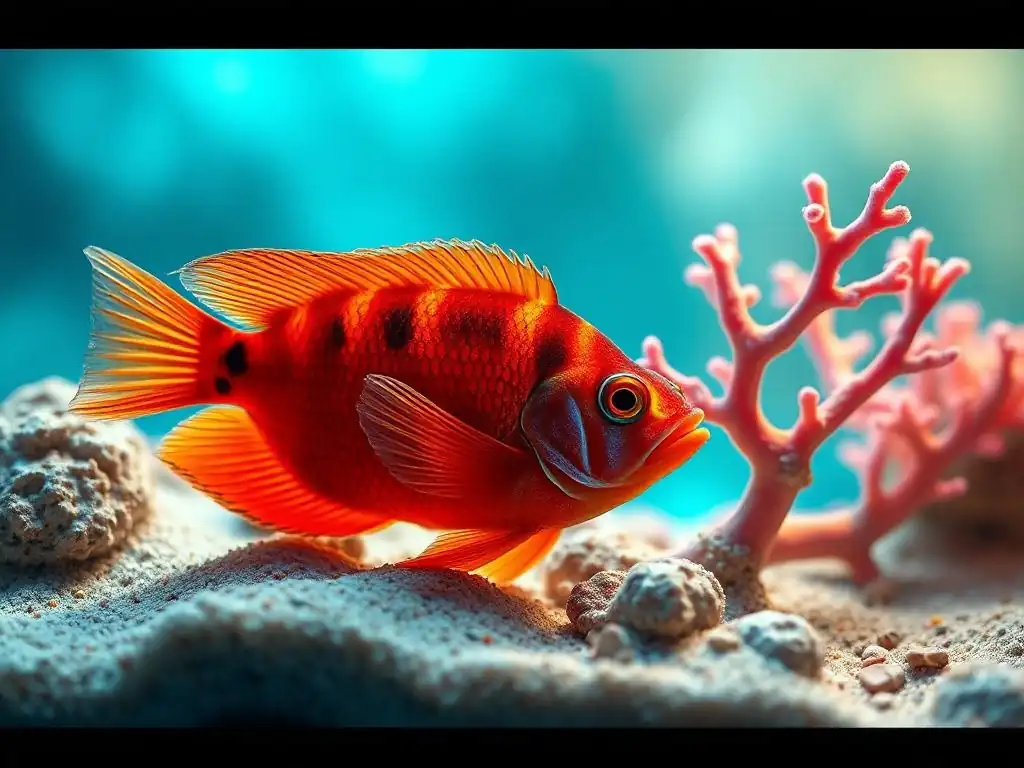
The foundation of any successful Cardinalfish habitat is an appropriately sized aquarium, which represents a significant portion of the initial Cardinalfish tank setup costs. While a single Banggai Cardinalfish (Pterapogon kauderni) can potentially be housed in a 20-gallon long tank, a pair or a small schooling group of popular species like Pajama Cardinalfish (Sphaeramia nematoptera) or Banggais typically requires a minimum of 30 gallons to thrive. This larger volume provides more stable water parameters, reduces stress, and allows for adequate swimming space and territories.
For a 30-gallon glass aquarium, you might expect to pay anywhere from $100 to $250, depending on whether it's a standard rectangular tank or a more aesthetically pleasing rimless design. Acrylic tanks, while lighter and more impact-resistant, generally start at a higher price point, often exceeding $300 for a similar size.
Selecting the right tank size not only impacts the initial purchase price but also influences the cost of other essential equipment and the overall long-term stability of your Cardinalfish environment. Larger tanks, while more expensive upfront, offer greater dilution of waste products and more stable temperature fluctuations, potentially reducing the frequency of interventions or the need for advanced equipment.
For instance, a 40-gallon breeder tank, often costing between $150 and $300, provides an excellent footprint for a small school of Cardinalfish and allows for more intricate aquascaping, contributing to a healthy and engaging habitat. Factoring in the tank's dimensions and material early on is crucial for accurately estimating your total Cardinalfish tank setup costs.
Essential Equipment for Cardinalfish: Filtration, Lighting, and Heating Expenses
Beyond the tank itself, several pieces of essential equipment are fundamental to maintaining a healthy environment for your Cardinalfish, significantly contributing to the overall Cardinalfish tank setup costs. Effective filtration is paramount, and options range from hang-on-back (HOB) filters for smaller setups (costing $50-$100) to more robust sump systems for larger tanks.
A sump, which typically includes a protein skimmer, refugium, and dedicated media sections, can range from $200 for a basic pre-made unit to over $500 for custom-built or advanced models, plus the cost of a return pump ($50-$150). A protein skimmer, essential for removing organic waste from a saltwater system, can add another $100-$400 depending on its capacity and type.
Lighting requirements for Cardinalfish are relatively modest compared to corals, as they prefer dimly lit environments. However, if you plan to keep low-light corals or macroalgae in your reef tank alongside your Cardinalfish, an appropriate LED light fixture is necessary. A basic reef-capable LED unit for a 30-gallon tank can range from $75 to $200, offering sufficient spectrum for both fish and less demanding invertebrates while being energy-efficient.
Heating is another critical component; saltwater tanks require stable temperatures, typically between 75°F and 80°F (24°C-27°C). A reliable submersible heater, sized appropriately for your tank volume (e.g., a 100-150 watt heater for a 30-gallon tank), usually costs between $25 and $60. Considering these vital components is key to a complete understanding of Cardinalfish tank setup costs.
Substrate and Aquascaping Materials: Balancing Aesthetics and Budget in Your Cardinalfish Tank
The substrate and aquascaping elements not only define the aesthetic appeal of your Cardinalfish tank but also play a functional role in water chemistry and provide crucial hiding spots for these often shy fish, adding to your Cardinalfish tank setup costs. For a saltwater aquarium, live sand or aragonite sand is the preferred substrate, as it helps maintain stable pH levels and provides surface area for beneficial bacteria. A 30-gallon tank typically requires 20 to 30 pounds of sand to achieve a depth of 1-2 inches.
Live sand can cost between $1.50 and $3 per pound, making the total substrate expense approximately $30 to $90. Dry aragonite sand is generally less expensive, around $1 to $2 per pound, but requires a longer cycling period before introducing livestock.
Aquascaping materials, primarily live rock or dry rock, are essential for creating a natural environment for Cardinalfish, offering caves, crevices, and perching spots. Live rock, which comes pre-colonized with beneficial bacteria and microfauna, is the most expensive option, typically costing $6 to $10 or more per pound. For a 30-gallon tank, a general rule of thumb is 1 to 1.5 pounds of rock per gallon, meaning you might need 30-45 pounds, leading to an expenditure of $180 to $450 or more for live rock.
Dry rock, which requires curing and seeding with beneficial bacteria, is a more budget-friendly alternative, often priced at $3 to $5 per pound, reducing the rock cost to $90 to $225 for the same quantity. Thoughtful selection of these materials allows you to balance visual appeal with the overall Cardinalfish tank setup costs.
Water Chemistry and Testing Equipment: Ensuring a Healthy Environment for Cardinalfish
Maintaining precise water chemistry is non-negotiable for the health and longevity of Cardinalfish in a reef environment, and this necessitates an investment in reliable testing equipment, contributing to your Cardinalfish tank setup costs. At a minimum, you'll need a master test kit that measures essential parameters such as ammonia, nitrite, nitrate, and pH. A good quality liquid-based master test kit can cost between $30 and $50 and typically provides enough reagents for dozens of tests.
For a reef tank, additional tests for alkalinity, calcium, and magnesium are also critical, with individual kits for these parameters usually costing $20 to $40 each. While these represent an upfront cost, they are indispensable tools for preventing catastrophic water quality issues.
Beyond chemical parameters, accurate salinity measurement is vital. A refractometer is highly recommended over a basic hydrometer for its precision and ease of use, with a good quality model costing $25 to $50. While a hydrometer might be cheaper at $10-$20, its accuracy can be prone to errors. Furthermore, a digital thermometer (around $10-$20) is crucial for consistently monitoring tank temperature. These initial investments in testing equipment are fundamental to understanding and controlling your tank's environment, directly impacting the long-term well-being of your Cardinalfish and forming an important part of the initial Cardinalfish tank setup costs.
Frequently Asked Questions
How much does it generally cost to set up a basic Cardinalfish tank?
Setting up a basic Cardinalfish tank can range from $300 to $600. This cost includes the tank itself, filtration, lighting, and basic substrate. Costs can vary based on the size and quality of equipment.
What are the ongoing costs associated with maintaining a Cardinalfish tank?
Ongoing costs typically range from $50 to $100 per month. This includes expenses like fish food, water changes, salt mix (for saltwater tanks), and replacement equipment.
How does the size of the tank impact the overall Cardinalfish tank setup costs?
Larger tanks require more equipment and supplies, significantly increasing the initial and ongoing costs. A larger tank needs a more powerful filter, more lighting, and more substrate, leading to higher expenses.
Are there specific types of Cardinalfish that are more expensive to keep than others?
Yes, some rarer or more specialized Cardinalfish species can be more expensive to acquire and maintain. These fish may require specific water parameters or dietary needs, adding to the overall cost.
Can I reduce the Cardinalfish tank setup costs without compromising the fish's well-being?
Yes, you can reduce costs by purchasing used equipment in good condition, opting for energy-efficient lighting, and carefully planning your tank's inhabitants to avoid overcrowding. However, never compromise on water quality.
Okay, here's a final reflection designed to close your article "The Cost of Keeping Cardinalfish: Budgeting for These Charming Reef Jewels," optimized for emotional connection and reflection, while still subtly reinforcing the keyword "Cardinalfish tank setup costs":
Final Reflection: Investing in Underwater Harmony
The allure of a vibrant reef ecosystem, teeming with the captivating beauty of cardinalfish, is undeniable. But as we've explored, bringing this miniature ocean into our homes requires careful consideration, particularly when it comes to understanding and managing Cardinalfish tank setup costs. This isn't just about dollars and cents; it's about responsible stewardship and ensuring the well-being of these delicate creatures.
The journey of setting up and maintaining a cardinalfish tank is a continuous learning experience, one that profoundly impacts our understanding of marine life and our role in its preservation. The dedication and financial commitment required reflect a deeper appreciation for the intricate balance of a reef environment. In the end, we will conserve only what we love; we will love only what we understand; and we will understand only what we are taught.
- Baba Dioum. This quote underscores the importance of informed decisions and ongoing education in responsible reef keeping.
As you consider embarking on your own cardinalfish adventure, remember that the initial investment in a Cardinalfish tank setup is only the beginning. It's an investment in beauty, tranquility, and a profound connection with the natural world. Take the time to research, plan, and budget wisely, ensuring that your commitment extends beyond aesthetics to encompass the long-term health and happiness of your cardinalfish. By doing so, you're not just creating a stunning aquarium; you're contributing to a greater understanding and appreciation for the delicate wonders of our oceans.
Ignite Your Reef Tank Dreams!
Thank you for diving into the world of Cardinalfish and learning how to budget for these captivating creatures! Now, let’s transform that knowledge into action and create the perfect habitat for them.
Here are a few ways to bring your reef tank vision to life:
- Calculate your personalized Cardinalfish budget: Review your notes and current aquarium setup to determine exactly what you need to invest. Consider both initial and long-term costs.
- Explore local aquarium clubs and online forums. Share your budget and tank specs to receive tailored advice from experienced reef keepers. You might discover cost-effective solutions you hadn't considered.
- Share this article with fellow aquarium enthusiasts! Help them discover the joy of keeping Cardinalfish without breaking the bank.
What creative cost-saving measures are you planning to use when introducing Cardinalfish to your reef tank?