
Unmasking Nutritional Diseases in Larvae: Linking Diet to Critical Health Problems

Welcome to Aquarium Mastery!
Dive into the fascinating world of larval fish and uncover the secrets to their healthy development. Ever wondered why some seemingly healthy larvae suddenly falter? Our latest article, "Unmasking Nutritional Diseases in Larvae: Linking Diet to Critical Health Problems," explores the crucial connection between nutrition and the well-being of these delicate creatures. Prepare to learn how to prevent and treat larval fish nutritional deficiencies, ensuring a vibrant future for your saltwater aquarium inhabitants. Curious to know more? Let's begin!
- Unmasking Nutritional Diseases in Marine Fish Larvae: Linking Diet to Critical Health Problems
- Understanding Marine Fish Larval Nutritional Deficiencies in Aquaculture
- Essential Nutrients for Healthy Marine Fish Larval Growth
- Diagnosing Nutritional Diseases in Marine Fish Larvae
- Common Nutritional Diseases in Marine Fish Larvae: Causes and Symptoms
- Preventing Nutritional Diseases in Marine Fish Larvae: Best Feeding Practices
- Addressing Existing Nutritional Deficiencies in Marine Fish Larvae
- Optimizing Larval Rearing Environments for Enhanced Nutrient Absorption
- Advanced Techniques for Marine Fish Larval Nutrition
- Case Studies: Success Stories in Preventing Marine Fish Larval Nutritional Deficiencies
- Conclusion: Achieving Success in Marine Larval Rearing Through Optimal Nutrition
-
Frequently Asked Questions
- What are the most common nutritional deficiencies affecting larval fish in aquariums?
- How can I recognize the symptoms of nutritional deficiencies in my larval fish?
- What types of food are best for preventing nutritional deficiencies in larval fish?
- How does water quality impact the effectiveness of nutrition for larval fish?
- What are some practical steps I can take to address nutritional deficiencies in my larval fish tank?
- Final Reflection: The Fragile Foundation of Life
- Ignite a Healthier Future for Your Aquatic Brood!
Unmasking Nutritional Diseases in Marine Fish Larvae: Linking Diet to Critical Health Problems
Understanding Marine Fish Larval Nutritional Deficiencies in Aquaculture
The Vital Role of Nutrition in Marine Fish Larval Development
The early life stages of marine fish, particularly the larval phase, represent a highly vulnerable period marked by rapid growth, significant morphological changes, and organogenesis. During this critical window, nutrition plays an unparalleled role, directly influencing survival rates, growth trajectory, and overall health outcomes. Inadequate nutrition during this phase can set the stage for lifelong health issues and significantly reduce the viability of aquaculture operations, where high mortality rates, sometimes exceeding 90% in sensitive species, are often attributed to poor feeding practices.
As marine fish larvae transition from relying on their endogenous yolk sac reserves to exogenous feeding, their metabolic demands skyrocket. This shift requires a continuous and balanced supply of essential nutrients to fuel cellular proliferation, tissue differentiation, and energy production. Any shortfall in key macronutrients or micronutrients during this bottleneck period can lead to widespread "larval fish nutritional deficiencies," manifesting as stunted development, compromised immune function, and increased susceptibility to environmental stressors and pathogens.
Identifying Common Nutritional Deficiencies Affecting Marine Larvae
Identifying "larval fish nutritional deficiencies" in aquaculture settings can be challenging due to the minute size and delicate nature of the larvae. However, recognizing the common manifestations is crucial for timely intervention. These deficiencies typically stem from imbalances or inadequacies in protein, lipids (especially highly unsaturated fatty acids or HUFAs), vitamins, and minerals, which are often provided through live feeds or specialized micro-diets.
Common observable issues indicative of "marine fish larval nutritional deficiencies" include significantly reduced growth rates compared to healthy cohorts, noticeable skeletal deformities such as lordosis (downward curvature of the spine) or scoliosis (lateral curvature), and abnormal pigmentation patterns like albinism or darkening. Furthermore, larvae may exhibit erratic swimming behavior, lethargy, poor swim bladder inflation, or signs of digestive distress, all of which point towards underlying nutritional problems.
Essential Nutrients for Healthy Marine Fish Larval Growth
Protein Requirements for Optimal Marine Fish Larval Development
Protein serves as the fundamental building block for all tissues, enzymes, and hormones, making it paramount for the rapid growth characteristic of marine fish larvae. Larvae typically require very high protein levels in their diet, often ranging from 50% to 60% of dry weight, with specific requirements varying by species and developmental stage. Crucially, this protein must supply all essential amino acids (EAAs) like methionine, lysine, and tryptophan, which larvae cannot synthesize themselves and must obtain directly from their diet.
A deficiency in protein, or an imbalance in essential amino acids, directly leads to severely reduced growth rates, poor feed conversion efficiency, and diminished muscle development. For example, studies on European seabass ( Dicentrarchus labrax) have demonstrated that diets containing less than 50% crude protein result in significantly slower growth and lower survival compared to those fed 55-58% protein. Ensuring high-quality, digestible protein sources is vital to prevent these "larval fish nutritional deficiencies."
Lipid Needs: HUFAs for Brain and Vision Development in Larvae
Lipids are a primary energy source for marine fish larvae and are indispensable for the development of cell membranes. Among lipids, Highly Unsaturated Fatty Acids (HUFAs), particularly docosahexaenoic acid (DHA) and eicosapentaenoic acid (EPA), are exceptionally critical. Marine fish larvae have a limited capacity to synthesize these HUFAs de novo, making dietary intake absolutely essential for proper neural development, retinal formation, and overall physiological function.
Deficiencies in HUFAs are a leading cause of severe "larval fish nutritional deficiencies," manifesting as neurological disorders, impaired swimming ability, and compromised vision, which directly impacts feeding success and stress tolerance. For instance, an optimal DHA:EPA ratio, often around 2:1 or higher, is crucial for many species. Inadequate DHA in the diet of species like snapper or clownfish larvae can lead to retinal malformations and poor light sensitivity, significantly hindering their ability to capture prey and survive.
Vitamin and Mineral Supplementation for Marine Fish Larval Health
Vitamins and minerals, though required in smaller quantities, act as vital co-factors in countless metabolic processes, immune responses, and skeletal development. Water-soluble vitamins (e.g., Vitamin C, B-complex) and fat-soluble vitamins (e.g., A, D, E, K) must be provided in sufficient amounts. Similarly, essential minerals like phosphorus, calcium, selenium, and zinc are critical for bone mineralization, enzyme activity, and antioxidant defense. Live feeds, such as rotifers and Artemia, often require extensive enrichment to meet these specific "larval fish nutritional deficiencies."
Specific vitamin and mineral deficiencies can lead to distinct pathologies. For example, Vitamin C deficiency is well-documented to cause skeletal deformities, similar to scurvy, and reduced stress resistance in many marine species. Vitamin A deficiency can result in eye abnormalities, poor pigmentation, and impaired epithelial tissue development. Meanwhile, insufficient phosphorus can severely impact bone formation, leading to fragile bones and deformities, underscoring the broad impact of these "larval fish nutritional deficiencies."
Diagnosing Nutritional Diseases in Marine Fish Larvae
Early Signs of Nutritional Deficiency in Marine Fish Larvae
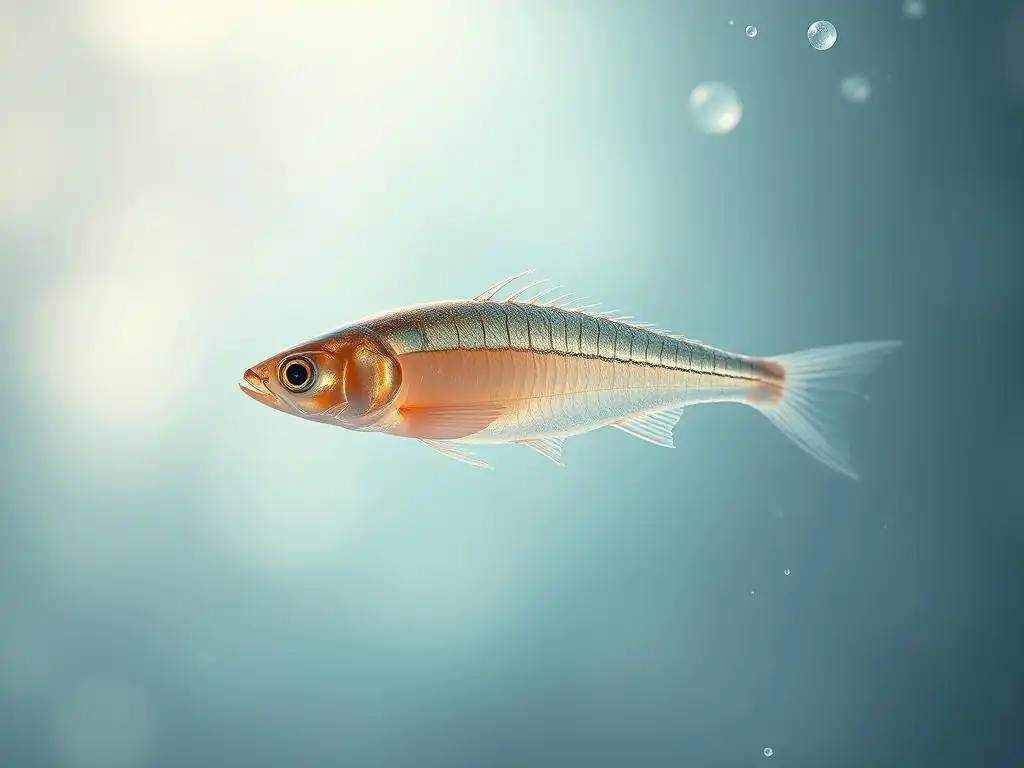
Early detection of "larval fish nutritional deficiencies" is paramount for successful intervention. Aquarists should meticulously observe their larval cohorts for subtle behavioral and physiological cues that precede overt disease symptoms. Initial indicators often include reduced feeding activity, where larvae show less interest in offered feeds or have consistently empty guts. Abnormal swimming patterns, such as lethargy, spiraling, or an inability to maintain buoyancy, are also strong early warning signs.
Furthermore, a lack of uniformity in growth within a batch of larvae, where some individuals are significantly smaller or developing slower than their siblings, can point to underlying nutritional issues. Changes in body transparency or a dull appearance compared to healthy larvae may also signal developing "larval fish nutritional deficiencies." Prompt recognition of these subtle signs allows for immediate adjustments to feeding regimes before widespread mortality or irreversible damage occurs.
Microscopic Examination for Identifying Nutritional Problems
For a more definitive diagnosis of "larval fish nutritional deficiencies," microscopic examination of live larvae is an indispensable tool. This allows for detailed observation of internal organ development and any abnormalities that are not visible to the naked eye. Under magnification, one can assess the condition of the digestive tract, observing gut fullness, the presence of undigested food, or signs of inflammation. Abnormal liver morphology, such as steatosis (fatty liver), can indicate lipid imbalances in the diet.
Microscopic analysis can also reveal undeveloped or malformed organs, particularly the swim bladder, which is critical for buoyancy control. For skeletal issues, while gross deformities may be visible, detailed examination, sometimes involving clearing and staining techniques, can confirm subtle vertebral malformations or cartilage abnormalities that are direct consequences of specific "larval fish nutritional deficiencies," such as those related to vitamin C or phosphorus.
Water Quality Parameters and Their Impact on Marine Fish Larval Nutrition
While not a direct cause of "larval fish nutritional deficiencies," suboptimal water quality parameters can significantly exacerbate them by stressing larvae and impairing their ability to absorb and utilize nutrients effectively. High levels of ammonia (even as low as 0.05 ppm), nitrite, or nitrate, or fluctuations in pH and salinity, create an acutely stressful environment for delicate marine fish larvae. This stress diverts energy away from growth and nutrient assimilation towards maintaining homeostasis.
For instance, elevated ammonia can cause gill damage, reducing oxygen uptake and hindering the active transport of nutrients across gill membranes. Similarly, incorrect temperature or dissolved oxygen levels can reduce metabolic efficiency, leading to decreased appetite and digestive enzyme activity. Therefore, maintaining pristine and stable water parameters—such as a temperature range of 26-28°C, salinity around 30-35 ppt, and dissolved oxygen above 5 ppm—is fundamental to ensuring larvae can fully benefit from their diet and prevent the onset or worsening of "larval fish nutritional deficiencies."
Common Nutritional Diseases in Marine Fish Larvae: Causes and Symptoms
Spinal Deformities and Nutritional Imbalances
Spinal deformities, including lordosis (ventral curvature), scoliosis (lateral curvature), and kyphosis (dorsal curvature), are among the most debilitating "larval fish nutritional deficiencies." These malformations are primarily linked to deficiencies in essential vitamins, notably Vitamin C and Vitamin A, and minerals such as phosphorus and calcium. These nutrients are crucial for collagen synthesis, bone mineralization, and proper development of the vertebral column during the rapid growth phase of larvae.
For example, severe Vitamin C deficiency in species like gilthead seabream ( Sparus aurata) can lead to widespread vertebral column abnormalities, impacting swimming ability and significantly reducing survival rates. Similarly, imbalances in the calcium-to-phosphorus ratio can impair bone development. Once established, these skeletal "larval fish nutritional deficiencies" are often irreversible, highlighting the importance of preventative dietary measures from the earliest stages.
Swim Bladder Inflation Issues Linked to Larval Diet
Failure of proper swim bladder inflation is a major problem in marine fish larval rearing, frequently associated with "larval fish nutritional deficiencies." The swim bladder is vital for buoyancy control and energy conservation, allowing larvae to maintain their position in the water column without constant muscular effort. When inflation fails, larvae often sink to the bottom or struggle to remain suspended, leading to exhaustion and increased mortality.
Specific "larval fish nutritional deficiencies," particularly inadequate levels of dietary lipids (especially HUFAs) and Vitamin A, can impair the development of the pneumatic duct or the gas gland, which are essential for swim bladder inflation. Larvae suffering from these deficiencies may exhibit an uninflated or partially inflated swim bladder, often visible as a lack of a clear gas bubble in their abdominal cavity. Addressing these specific dietary gaps is critical to preventing this common and often fatal issue.
Pigmentation Problems and Dietary Deficiencies in Marine Fish Larvae
Abnormal pigmentation, ranging from albinism (lack of color) to excessive darkening or patchy coloration, is a clear indicator of "larval fish nutritional deficiencies" in many marine fish species. These issues are primarily linked to insufficient dietary intake of carotenoids (e.g., astaxanthin, beta-carotene) and certain vitamins, particularly Vitamin A and E. Carotenoids are precursors for visual pigments and serve as antioxidants, while also being crucial for the proper development and function of chromatophores, the pigment-containing cells.
For instance, in commercially important species like Japanese flounder ( Paralichthys olivaceus), a lack of sufficient carotenoids in the diet, often due to inadequate enrichment of live feeds, can lead to high incidences of albinism. While not always directly lethal, poor pigmentation can reduce market value and indicate underlying systemic "larval fish nutritional deficiencies" that might also affect immune function and overall vigor.
Slow Growth and Development Due to Inadequate Nutrition
One of the most widespread and easily observable consequences of general "larval fish nutritional deficiencies" is significantly slow growth and delayed development. This is typically caused by an insufficient supply of macronutrients, primarily protein and lipids, or a lack of overall caloric intake. Larvae fail to reach critical size thresholds that are necessary for successful metamorphosis, transition to larger prey, and improved survival rates against predation or environmental stressors.
This leads to pronounced size variability within a cohort, where some larvae are severely stunted while others develop normally. Such heterogeneity increases competition and cannibalism, further reducing overall survival. For example, a persistent 10-day delay in reaching a target size due to chronic "larval fish nutritional deficiencies" can reduce a species' survival rate from 50% to under 10%, demonstrating the cumulative and severe impact of inadequate nutrition on marine fish larval rearing success.
Preventing Nutritional Diseases in Marine Fish Larvae: Best Feeding Practices
Selecting High-Quality Larval Fish Feeds
The foundation of preventing "larval fish nutritional deficiencies" lies in the selection of high-quality feeds specifically formulated for marine fish larvae. These feeds, whether live or inert, must be nutritionally complete, highly digestible, and appropriately sized for the larval mouth gape. Commercial micro-diets should typically contain 50-60% crude protein, 15-25% lipids (with a high proportion of HUFAs), and be fortified with essential vitamins and minerals.
When choosing commercial feeds, aquarists should meticulously review the guaranteed analysis on the product label to ensure it meets the specific nutritional requirements of the target species and developmental stage. Furthermore, proper storage—cool, dark, and airtight conditions—is crucial to maintain the integrity of labile nutrients like HUFAs and vitamins, preventing their degradation and ensuring the feed retains its full nutritional value.
Live Food Enrichment for Enhanced Nutritional Value
While live feeds such as rotifers ( Brachionus plicatilis) and Artemia nauplii are essential for marine fish larvae due to their palatability and digestibility, their inherent nutritional profile is often insufficient, particularly in HUFAs and certain vitamins. Therefore, enrichment is a non-negotiable practice for preventing "larval fish nutritional deficiencies." This involves feeding the live prey specific algal concentrates or emulsions rich in these vital nutrients.
For instance, enriching rotifers with DHA-rich products can increase their DHA content from less than 0.5% to over 2% of their dry weight, dramatically improving their nutritional value for the larvae that consume them. This targeted enhancement directly addresses the critical lipid and vitamin requirements of marine fish larvae, significantly reducing the incidence of neurological and developmental "larval fish nutritional deficiencies."
Proper Feeding Schedules and Amounts for Marine Fish Larvae
Marine fish larvae possess high metabolic rates and small gut capacities, necessitating frequent, small feedings to ensure a continuous supply of nutrients and prevent periods of starvation. Continuous feeding or very frequent intervals, sometimes as often as every 1-2 hours, are often recommended, especially during the critical first feeding period. This approach ensures that feed particles are consistently available in the water column for the visually dependent larvae.
Maintaining an optimal feeding density—the concentration of live prey or artificial feed particles in the water—is also crucial. Overfeeding can rapidly degrade water quality, leading to bacterial blooms and stress, while underfeeding inevitably results in "larval fish nutritional deficiencies" and stunted growth. Regular monitoring of larval gut fullness and adjusting feeding rates accordingly is a key practice for successful rearing.
Gut Loading Techniques to Boost Nutritional Content
Gut loading is an advanced and highly effective enrichment technique specifically applied to live feeds, most commonly Artemia nauplii, just prior to their administration to larvae. This process involves feeding the Artemia a highly concentrated, nutrient-dense diet for a short period (typically 6 to 12 hours) to maximize the transfer of these nutrients directly into the Artemia's gut, and subsequently, to the consuming larvae.
This technique is particularly valuable for delivering labile nutrients, such as certain water-soluble vitamins and highly oxidizable HUFAs, in a bioavailable form directly to the larvae. By ensuring that the live prey itself is a nutritional powerhouse, gut loading significantly boosts the overall nutritional profile of the larval diet, effectively combating potential "larval fish nutritional deficiencies" that might otherwise arise from standard enrichment methods alone.
Addressing Existing Nutritional Deficiencies in Marine Fish Larvae
Supplementation Strategies for Correcting Nutritional Imbalances
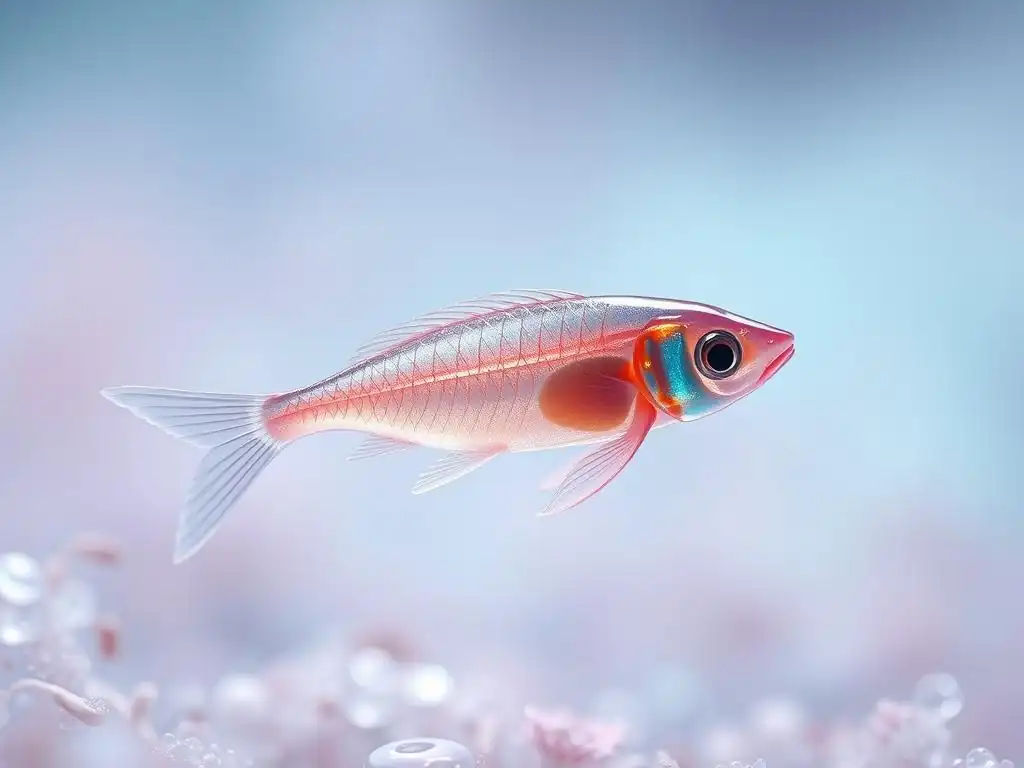
When "larval fish nutritional deficiencies" are identified, targeted supplementation strategies are crucial for recovery. The primary approach involves adjusting the diet to provide the missing nutrients. This often means increasing the enrichment levels of live feeds or switching to a different, more nutritionally complete commercial micro-diet. For example, if a HUFA deficiency is suspected, a more intensive enrichment protocol for rotifers or Artemia, using highly concentrated DHA emulsions, would be implemented for a prolonged period.
In some specific cases, direct water supplementation with certain vitamins, such as Vitamin C, might be explored if studies indicate significant passive uptake through the larval body surface. However, this is less common and requires careful dosing. The effectiveness of any supplementation strategy must be continually monitored by observing improvements in larval activity, pigmentation, growth rates, and a reduction in the specific symptoms of "larval fish nutritional deficiencies."
Adjusting Diet Based on Larval Fish Species and Stage of Development
Nutritional requirements in marine fish larvae are highly dynamic, changing significantly as they grow and develop. Addressing existing "larval fish nutritional deficiencies" therefore requires precise dietary adjustments tailored to both the specific species and its current developmental stage. Early-stage larvae, for instance, often require smaller live feeds (e.g., S-type rotifers) and a higher proportion of DHA for neural development, while later stages might transition to larger live feeds (L-type rotifers, Artemia) and eventually to inert micro-diets.
Different marine fish species also exhibit unique nutritional demands. Some species, like yellowtail snapper, may have exceptionally high DHA requirements, making them more susceptible to specific "larval fish nutritional deficiencies" if their diet is not precisely matched. Understanding these species-specific nuances and adapting the feed type, particle size, and nutritional composition as larvae progress through their life cycle is paramount for successful recovery and continued healthy growth.
Quarantine and Treatment Protocols for Affected Larvae
While "larval fish nutritional deficiencies" are not infectious diseases, it is often beneficial to implement quarantine and specific treatment protocols for affected larval batches. Isolating larvae showing severe signs of nutritional problems can prevent potential secondary infections, as nutritionally compromised larvae are typically immunocompromised and highly susceptible to opportunistic bacterial or parasitic pathogens. This also allows for the application of targeted nutritional interventions without impacting healthy cohorts.
The "treatment" for nutritional deficiencies is primarily corrective dietary management. There are no pharmaceutical cures for these issues; instead, the focus is on providing the precise nutrients the larvae are lacking. By correcting the diet, aquarists can often reverse mild to moderate symptoms and significantly boost the larvae's natural resilience, allowing them to recover and better withstand environmental challenges. Careful monitoring during this recovery phase is essential to track progress and adjust interventions as needed.
Optimizing Larval Rearing Environments for Enhanced Nutrient Absorption
Water Quality Management and its Impact on Marine Fish Health
Beyond providing a nutritious diet, optimal water quality management is a cornerstone for preventing and addressing "larval fish nutritional deficiencies." Pristine water conditions directly impact larval health, stress levels, and, crucially, their ability to absorb and utilize available nutrients. Stable temperature, optimal salinity (typically 30-35 ppt), low levels of ammonia (<0.05 ppm), nitrite, and nitrate, along with adequate dissolved oxygen (>5 ppm), are non-negotiable requirements.
Poor water quality creates chronic stress, diverting energy that would otherwise be used for growth and nutrient assimilation towards osmoregulation and detoxification. For example, elevated ammonia can cause gill damage, impairing oxygen uptake and hindering the active transport of nutrients across gill membranes. Regular water changes, efficient biological and mechanical filtration, and consistent parameter monitoring are therefore essential to ensure larvae are in the best possible physiological state to absorb and benefit from their diet, mitigating potential "larval fish nutritional deficiencies."
Temperature and Lighting Considerations for Optimal Growth
Temperature plays a profound role in the metabolic rate and growth of marine fish larvae, directly influencing their ability to digest and absorb nutrients. Each species has an optimal temperature range (e.g., 26-28°C for many tropical marine species) where enzyme activity and nutrient assimilation are most efficient. Rearing larvae outside this ideal range, even by a few degrees, can induce thermal stress, reduce appetite, slow digestion, and ultimately lead to "larval fish nutritional deficiencies" by impairing nutrient utilization.
Lighting conditions are equally important, particularly for visually feeding larvae. Appropriate light intensity and photoperiod (e.g., 14-16 hours of light per day) are crucial for stimulating feeding activity and enabling larvae to locate and capture prey. Insufficient or excessive light can reduce feeding success, leading to inadequate nutrient intake. A well-managed rearing environment, encompassing both temperature and lighting, provides the ideal conditions for larvae to thrive and efficiently convert their diet into growth, preventing "larval fish nutritional deficiencies."
Amino Acid Supplementation to Enhance Nutrient Uptake
In advanced marine fish larval rearing, specific amino acid supplementation can be employed to further enhance nutrient uptake and address very precise "larval fish nutritional deficiencies." While larvae primarily absorb nutrients through their digestive tract, some research indicates that certain essential amino acids, such as taurine, can be absorbed exogenously through the body surface or gills, especially during early developmental stages when the digestive system is still maturing.
This strategy often involves adding free amino acids directly to the rearing water or incorporating them into live feed enrichment products. Such targeted supplementation can be particularly beneficial for species known to have specific, high requirements for certain amino acids or during critical developmental bottlenecks where traditional feeding methods might fall short. However, precise dosing is critical, as excessive concentrations can be detrimental, highlighting the need for careful research and application to avoid further "larval fish nutritional deficiencies."
Advanced Techniques for Marine Fish Larval Nutrition
The Role of Probiotics in Larval Fish Gut Health
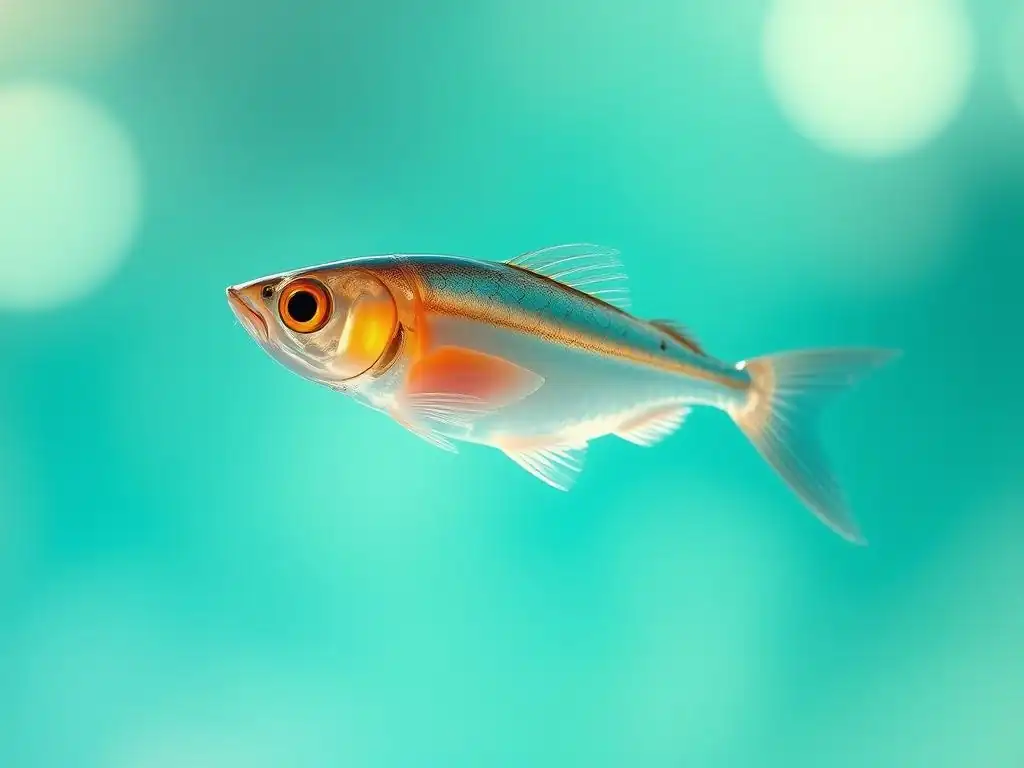
The application of probiotics in marine fish larval rearing represents an advanced technique for improving gut health and indirectly combating "larval fish nutritional deficiencies." Probiotics are beneficial microorganisms that, when administered, can positively influence the host's intestinal microbial balance. They work by improving digestion, enhancing nutrient absorption, competitively excluding pathogenic bacteria, and boosting the larval immune response.
Specific strains of bacteria, such as Lactobacillus or Bacillus species, have been shown to improve survival rates and growth in various marine fish larvae, including seabass and snapper. By fostering a healthier gut microbiome, probiotics ensure that larvae can more efficiently break down and absorb nutrients from their diet, reducing the likelihood of "larval fish nutritional deficiencies" and increasing their resilience against environmental stressors and disease outbreaks.
Co-feeding Techniques for Difficult-to-Feed Species
Co-feeding is an advanced nutritional strategy where marine fish larvae are offered both live feeds and inert micro-diets simultaneously, particularly during the critical weaning phase from live prey to formulated feeds. This technique is especially valuable for species that are notoriously difficult to rear or those that struggle with the transition to artificial diets, which can often lead to severe "larval fish nutritional deficiencies."
By providing both feed types, co-feeding ensures a continuous supply of nutrients and allows larvae to gradually adapt to the texture, taste, and digestibility of inert feeds. This gradual transition helps bridge potential nutritional gaps and significantly reduces the severity of "larval fish nutritional deficiencies" that might otherwise occur during an abrupt switch, leading to higher survival rates and more consistent growth in challenging species like some tuna or snapper.
Monitoring and Adjusting Feeding Regimes Based on Larval Growth Rates
Continuous monitoring of larval growth, survival, and developmental milestones is a cornerstone of advanced marine fish larval nutrition. Regular sampling of larvae to measure parameters such as standard length, wet weight, and overall morphological development provides invaluable data on the effectiveness of the current feeding regime. This quantitative assessment allows aquarists to proactively identify any emerging "larval fish nutritional deficiencies."
Based on this data, feeding regimes can be precisely adjusted. If growth rates fall below expected benchmarks, or if signs of "larval fish nutritional deficiencies" become apparent, it signals a need to modify the type, quantity, frequency, or enrichment protocols of the feeds. This adaptive, data-driven management approach, where nutritional strategies are continuously refined based on larval performance, is crucial for optimizing rearing outcomes and achieving consistent success in marine fish aquaculture.
Case Studies: Success Stories in Preventing Marine Fish Larval Nutritional Deficiencies
Case Study 1: Successful Rearing of Clownfish (Amphiprioninae)
The successful aquaculture of clownfish ( Amphiprioninae) serves as a prime example of overcoming "larval fish nutritional deficiencies" through optimized feeding protocols. Historically, clownfish larval rearing was plagued by high mortality rates, largely due to inadequate nutrition during the critical first feeding period. Larvae often exhibited poor growth, skeletal deformities, and low survival, primarily linked to deficiencies in essential fatty acids and vitamins from unenriched live feeds.
The widespread adoption of meticulous rotifer and Artemia enrichment protocols, primarily utilizing HUFA-rich products (especially those high in DHA), revolutionized clownfish culture. By ensuring live feeds delivered a complete and balanced nutritional profile, particularly addressing their specific lipid and vitamin needs, survival rates from hatch to metamorphosis dramatically improved, often exceeding 70% in modern facilities. This success story underscores the direct impact of precise nutritional intervention in preventing widespread "larval fish nutritional deficiencies."
Case Study 2: Overcoming Rotifer Enrichment Challenges in Grouper (Epinephelus) Culture
Grouper ( Epinephelus) larval rearing presented significant challenges due to their small mouth gape at first feeding and high nutritional demands, making them highly susceptible to "larval fish nutritional deficiencies." Traditional rotifer enrichment methods often proved insufficient, leading to high mortality, swim bladder inflation issues, and deformities. This bottleneck severely limited the commercial viability of grouper aquaculture.
Extensive research led to the development of highly specialized enrichment diets for rotifers, focusing on achieving optimal DHA:EPA ratios and higher concentrations of specific vitamins like Vitamin C and A. By fine-tuning the nutritional composition of the rotifers, researchers significantly improved grouper larval survival rates, in some cases increasing them from under 5% to 20-30% or more, and drastically reduced the incidence of deformities. This case exemplifies how targeted, research-backed nutritional strategies can overcome complex "larval fish nutritional deficiencies" in challenging species.
Conclusion: Achieving Success in Marine Larval Rearing Through Optimal Nutrition
The early larval stages are undeniably the most precarious period in the life cycle of marine fish, with "larval fish nutritional deficiencies" standing as a primary bottleneck to successful aquaculture. Mastering larval nutrition is not merely about providing food, but about delivering a precise, balanced, and bioavailable supply of all essential nutrients to fuel rapid growth and development. This requires a holistic approach that extends beyond the feed itself to encompass meticulous water quality management, environmental control, and the application of advanced rearing techniques.
By understanding the vital role of protein, HUFAs, vitamins, and minerals, and by diligently implementing best practices in feed selection, live food enrichment, and feeding schedules, aquarists can significantly mitigate the prevalence and severity of nutritional diseases. Continuous research, adaptive management based on larval performance, and the integration of cutting-edge strategies like probiotics and targeted amino acid supplementation will further refine our ability to prevent "larval fish nutritional deficiencies." Ultimately, success in marine larval rearing hinges on a profound commitment to optimal nutrition, paving the way for more robust and sustainable aquaculture industries.
Frequently Asked Questions
What are the most common nutritional deficiencies affecting larval fish in aquariums?
The most common deficiencies include lack of essential fatty acids, vitamins, and amino acids. These deficiencies often stem from inadequate live food sources or poorly formulated prepared feeds.
How can I recognize the symptoms of nutritional deficiencies in my larval fish?
Symptoms can vary, but often include slow growth, deformities, erratic swimming, and increased susceptibility to disease. Observing these signs early is crucial for intervention.
What types of food are best for preventing nutritional deficiencies in larval fish?
Live foods like rotifers and copepods, enriched with essential nutrients, are excellent. High-quality prepared feeds specifically formulated for larval fish can also be used, but enrichment is key.
How does water quality impact the effectiveness of nutrition for larval fish?
Poor water quality can stress larval fish and impair their ability to absorb nutrients. Maintaining optimal water parameters is essential for nutrient uptake and overall health.
What are some practical steps I can take to address nutritional deficiencies in my larval fish tank?
Improve the quality of live food through enrichment, supplement prepared feeds with vitamins, and perform regular water changes to maintain optimal water quality. These steps can significantly improve survival rates.
Final Reflection: The Fragile Foundation of Life
The insights gleaned from understanding larval fish nutritional deficiencies are not merely academic; they are profoundly relevant to the health of our aquaculture industries and the sustainability of our marine ecosystems. The vulnerability of these early life stages underscores a critical truth: the future of many fish populations hinges on the quality of their initial diet. Ignoring these nutritional needs is akin to building a house on sand, a foundation destined to crumble under pressure.
This exploration into the impact of diet on larval health has undeniably shaped, and continues to shape, our approach to aquaculture and conservation. It's a stark reminder that even the smallest organisms play a vital role in the intricate web of life, and their well-being directly impacts the health of the entire ecosystem. The greatness of a nation and its moral progress can be judged by the way its animals are treated.
- Mahatma Gandhi. While Gandhi spoke of animals in general, the sentiment resonates deeply when considering the ethical responsibility we have towards ensuring the healthy development of these vulnerable creatures.
As we conclude this journey into the microscopic world of larval nutrition, let us carry forward a renewed sense of responsibility. Consider how your choices, from supporting sustainable aquaculture practices to advocating for responsible fishing policies, can contribute to a future where larval fish thrive. Let us all strive to be conscious stewards, ensuring that the fragile foundation of life is nurtured and protected for generations to come.
Ignite a Healthier Future for Your Aquatic Brood!
Thank you for diving into the world of larval nutrition and its impact on their well-being. Now that you're equipped with this crucial knowledge, it's time to take proactive steps for a thriving aquatic ecosystem.
- Implement a targeted dietary approach: Carefully assess and adjust the diet of your larvae based on the specific nutritional deficiencies highlighted in this article. This will be the cornerstone of improved health outcomes.
- Explore innovative feeding techniques: Research and experiment with novel delivery methods or food combinations to enhance nutrient absorption and optimize larval growth.
- Share your insights and challenges: Connect with fellow aquarists on forums or social media to discuss your experiences, exchange tips, and contribute to a collective understanding of larval nutritional needs.
What specific dietary adjustments are you planning to implement for your larvae this week, and how do you anticipate monitoring their progress?