
Cochu's Blue Tetra Brilliance: Unveiling True Sapphire Hues – Care & Profile

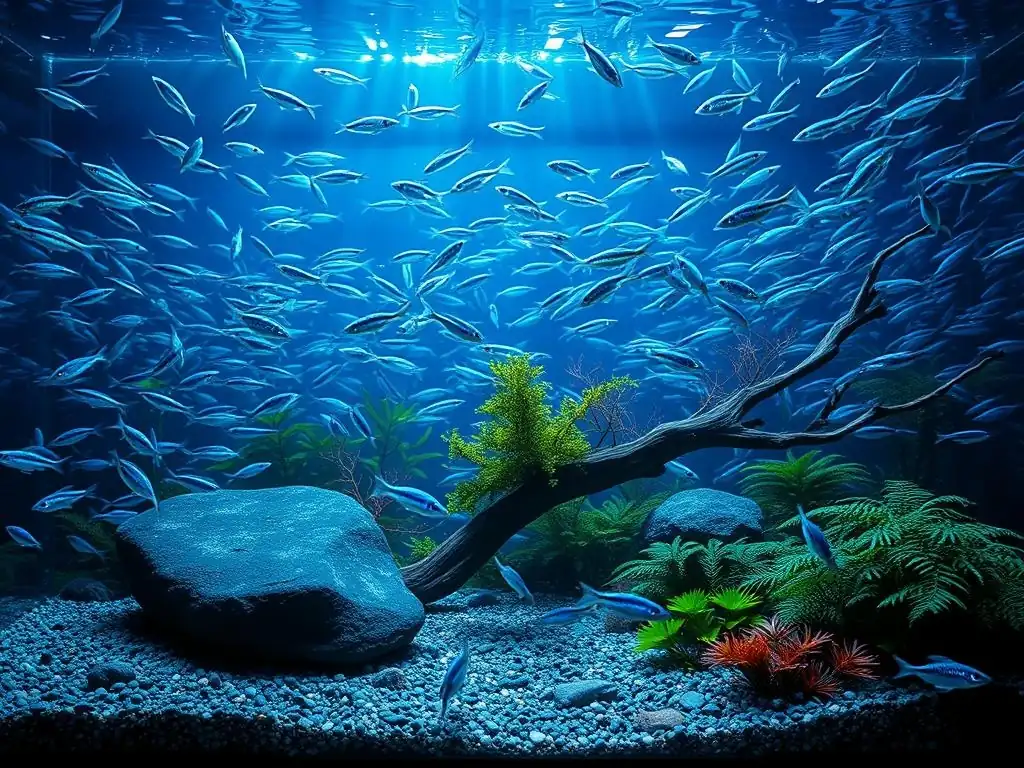
Welcome to Aquarium Mastery!
Ever been captivated by the shimmering sapphire of a Cochu's Blue Tetra? This diminutive beauty can transform your freshwater aquarium into a living jewel. But unlocking their true brilliance requires understanding their specific needs. Dive into our Blue Tetra Care Guide and discover the secrets to keeping these dazzling fish happy, healthy, and vibrantly blue! Ready to unravel the mysteries and witness their full potential? Let's begin!
- Introduction to Cochu's Blue Tetras: A Freshwater Jewel
- Cochu's Blue Tetra Care: Essential Guidelines for a Thriving School
- Cochu's Blue Tetra Tank Mates: Creating a Harmonious Community
- Feeding Cochu's Blue Tetras: A Balanced Diet for Vibrant Colors
- Cochu's Blue Tetra Appearance and Behavior: Understanding Their Striking Charm
- Cochu's Blue Tetra Breeding: A Challenging but Rewarding Endeavor
- Common Cochu's Blue Tetra Diseases and Prevention
- Cochu's Blue Tetra Tank Setup: A Step-by-Step Guide
- Troubleshooting Common Cochu's Blue Tetra Problems
- Cochu's Blue Tetra Profile Summary: Key Considerations for Success
- Conclusion: Enjoying the Beauty of Cochu's Blue Tetras
- Frequently Asked Questions
- Final Reflection: Embracing the Sapphire Spark
- Ignite Your Aquarium: Embrace the Cochu's Blue Tetra Glow!
Introduction to Cochu's Blue Tetras: A Freshwater Jewel
Discovering the Boehlkea fredcochui (Cochu's Blue Tetra)
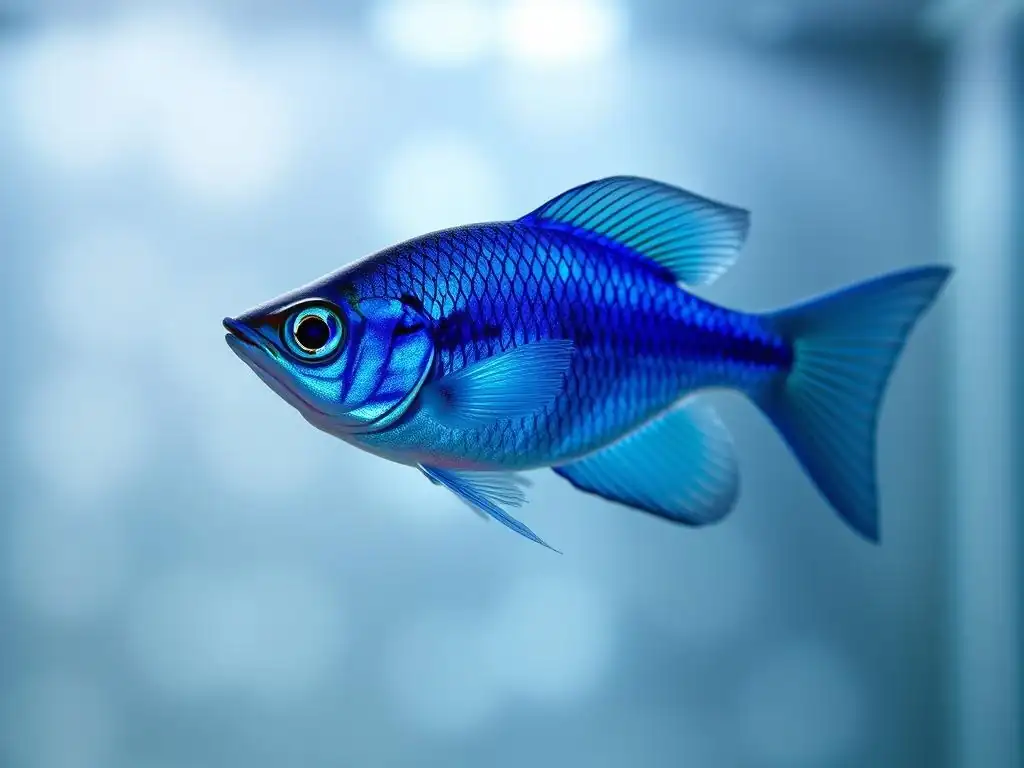
The Cochu's Blue Tetra, scientifically known as Boehlkea fredcochui, is a captivating freshwater fish renowned for its striking iridescent blue stripe that runs horizontally along its body. Originating from the Amazon River basin in South America, particularly in parts of Brazil and Peru, these small, peaceful characins bring a touch of sapphire brilliance to any aquarium.
Often referred to simply as "Blue Tetra" or "Fredcochui Tetra," their translucent bodies, punctuated by this vivid blue line, make them stand out, especially when schooling in a well-planted tank. Typically reaching an adult size of about 1.5 to 2 inches (approximately 3.8 to 5 cm), their diminutive stature makes them ideal for smaller to medium-sized community aquariums.
These elegant fish are not only visually appealing but also exhibit fascinating natural behaviors. Their natural habitat includes clear, slow-moving waters with dense vegetation and leaf litter, which influences their preference for similar conditions in an aquarium setting. The Boehlkea fredcochui species was first described in 1966 by Myers, highlighting its relatively recent introduction to the aquarium hobby compared to some other popular tetras. Despite this, their charm and relatively straightforward care have cemented their place among aquarists looking for a tranquil yet vibrant addition to their freshwater setups.
Why Cochu's Blue Tetras are Popular Aquarium Fish
Cochu's Blue Tetras have gained significant popularity among aquarists due to a combination of their stunning aesthetics, peaceful temperament, and engaging schooling behavior, making them an excellent choice for a blue tetra care guide. Their vibrant sapphire blue stripe truly shines under proper lighting, creating a dynamic visual spectacle as a group moves synchronously through the water column. This intense coloration is particularly enhanced when the fish are healthy and kept in optimal conditions, making them a focal point in any community tank.
Beyond their beauty, their peaceful nature means they are compatible with a wide array of other non-aggressive freshwater fish, reducing the risk of fin nipping or stress in a diverse aquarium environment. Their strong schooling instinct, which typically involves a group of six or more individuals, not only provides a sense of security for the fish but also adds an impressive element of movement and cohesion to the aquarium.
For aquarists seeking to establish a serene and visually appealing freshwater habitat, the Cochu's Blue Tetra offers an ideal blend of aesthetic appeal, manageable care, and harmonious interaction within a community setting.
Cochu's Blue Tetra Care: Essential Guidelines for a Thriving School
Optimal Tank Conditions for Cochu's Blue Tetras
Providing optimal tank conditions is paramount for the health and vibrancy of Cochu's Blue Tetras, ensuring they thrive and display their full sapphire hues. For a small school of 6-10 Cochu's Blue Tetras, a minimum tank size of 15 gallons (approximately 57 liters) is recommended. However, a 20-gallon (approximately 76 liters) long tank or larger is ideal, as it provides more lateral swimming space, which is crucial for their active schooling behavior. These fish prefer a well-established aquarium with stable water parameters, indicating the importance of a properly cycled tank before introduction.
A key aspect of their optimal environment is the presence of a strong school. Keeping fewer than six Cochu's Blue Tetras can lead to stress, shyness, and a diminished display of their natural schooling patterns and vibrant colors. A larger school not only makes them feel more secure but also brings out their most engaging social dynamics.
The tank should feature a balance of open swimming areas and densely planted sections, mimicking their natural habitat. Live plants such as Java Fern, Anubias, Amazon Swords, and even floating plants like Water Lettuce or Dwarf Water Lettuce can provide essential hiding spots and shaded areas, which help reduce stress and enhance their blue coloration against a darker backdrop.
Maintaining Water Parameters for Cochu's Blue Tetra Health
Maintaining precise and stable water parameters is critical for the long-term health and brilliant coloration of Cochu's Blue Tetras. These fish, being native to the soft, acidic waters of the Amazon basin, are sensitive to sudden fluctuations in water chemistry. Regular water testing with a reliable kit is essential to monitor ammonia, nitrite, nitrate, pH, and hardness levels. A weekly partial water change of 20-25% using dechlorinated water is highly recommended to keep nitrate levels below 20 ppm and replenish essential minerals, which is a fundamental aspect of any blue tetra care guide.
Ideal Water Temperature for Cochu's Blue Tetras
The ideal water temperature for Cochu's Blue Tetras ranges from 72°F to 78°F (22°C to 26°C). Maintaining a consistent temperature within this range is vital, as significant temperature swings can cause stress and weaken their immune system, making them susceptible to diseases like Ich. Using a reliable aquarium heater with a thermostat is crucial to ensure temperature stability, especially in environments with fluctuating ambient temperatures.
pH Levels for Cochu's Blue Tetra Tanks
Cochu's Blue Tetras thrive in slightly acidic to neutral water conditions. An optimal pH range for their tank is between 6.0 and 7.5. While they can tolerate a slightly wider range, keeping the pH stable within this bracket is more important than achieving a specific number. Extreme alkaline or acidic conditions can be detrimental, leading to fin erosion, respiratory issues, and overall poor health. For aquarists with high pH tap water, methods like using peat filtration, reverse osmosis (RO) water mixed with minerals, or driftwood can help naturally lower and stabilize pH.
Water Hardness and Cochu's Blue Tetra Health
These fish prefer soft to medium-hard water, with a general hardness (dGH) ranging from 2 to 10 dGH. Water that is too hard can lead to kidney problems and issues with osmoregulation over time, impacting their overall vitality and lifespan. If your tap water is significantly harder than this range, consider using a water softener, mixing with RO water, or employing peat moss in your filter to gradually reduce hardness. Monitoring both general hardness (GH) and carbonate hardness (KH) is beneficial, as KH contributes to pH stability by buffering against acidic changes.
Choosing the Right Substrate and Decor for Cochu's Blue Tetras
The choice of substrate and decor plays a significant role in creating a comfortable and aesthetically pleasing environment for Cochu's Blue Tetras, further enhancing their sapphire hues. A dark-colored substrate, such as fine-grained black sand or dark gravel, is highly recommended. This not only mimics their natural riverbed habitats but also helps to make their vibrant blue stripe pop against the darker background, making their colors appear more intense and brilliant. Light-colored substrates can sometimes make these fish appear washed out or stressed, as they attempt to blend in with their surroundings.
Incorporating natural decor elements like driftwood, smooth river rocks, and especially live plants is essential for a well-rounded Cochu's Blue Tetra setup. Driftwood releases tannins into the water, which can subtly lower the pH and create a more natural, "blackwater" effect that these fish appreciate.
Live plants, such as Java Fern, Anubias species, Amazon Swords, and various stem plants like Rotala or Bacopa, provide crucial hiding spots, shaded areas, and a sense of security for the schooling fish. Dense planting along the back and sides of the tank, with open swimming space in the front, offers both refuge and room for their active schooling behavior, contributing significantly to a successful blue tetra care guide.
Cochu's Blue Tetra Tank Mates: Creating a Harmonious Community
Compatible Fish Species for Cochu's Blue Tetra Tanks
Cochu's Blue Tetras are known for their peaceful temperament, making them excellent candidates for a community aquarium. When selecting tank mates, prioritize other non-aggressive, similarly sized fish that prefer similar water parameters. Excellent choices include other small, peaceful tetra species such as Neon Tetras, Ember Tetras, Rummy-nose Tetras, and Black Neon Tetras, which often school together harmoniously. Small, peaceful barbs like Cherry Barbs or Dwarf Barbs can also make good companions, provided they are not known fin-nippers.
Bottom-dwelling fish that are not aggressive provide a good balance to the mid-water swimming of the Cochu's Blue Tetra. Corydoras catfish (e.g., Panda Cory, Pygmy Cory) and Otocinclus catfish are ideal, as they are peaceful, stay on the bottom, and help with algae control. Dwarf cichlids, such as German Blue Rams or Apistogramma species, can also coexist peacefully, especially if the tank is large enough to provide distinct territories and plenty of hiding spots. These combinations contribute to a vibrant and stable community, reflecting the best practices in a comprehensive blue tetra care guide.
Invertebrates and Cochu's Blue Tetras: Shrimp and Snails
Integrating invertebrates like shrimp and snails into a Cochu's Blue Tetra tank can enhance the ecosystem and provide additional interest. Generally, Cochu's Blue Tetras are not known for being aggressive towards invertebrates, especially larger ones. Amano shrimp are an excellent choice, as they are too large to be considered prey and are highly effective algae eaters. Cherry shrimp can also be kept, but there's a slight risk that very small or newly hatched fry might be seen as a snack, particularly by larger or hungrier tetras. However, adult Cherry shrimp are typically safe.
Snails, such as Nerite snails, Mystery snails, or Assassin snails (if you have a pest snail problem), are generally completely safe with Cochu's Blue Tetras. They help with tank cleaning by consuming algae and leftover food. The peaceful nature of the Cochu's Blue Tetra ensures that they will not bother the snails, allowing them to carry out their beneficial roles in the aquarium. Observing the interactions between all tank inhabitants is always recommended, especially when introducing new species, to ensure a harmonious environment.
Avoiding Aggressive Tank Mates for Cochu's Blue Tetras
To maintain a stress-free and thriving environment for Cochu's Blue Tetras, it is crucial to avoid introducing aggressive or overly large tank mates. Any fish that is significantly larger than the tetras or has a reputation for aggression or fin nipping should be steered clear of. Examples of fish to avoid include most species of Cichlids (with the exception of some peaceful dwarf cichlids in adequately sized tanks), larger species of Gouramis, and certain barbs like Tiger Barbs, which are notorious fin-nippers and can harass the peaceful Cochu's Blue Tetras.
Additionally, fish that grow very large, even if peaceful in their juvenile stages, can intimidate or even prey upon the small Cochu's Blue Tetras as they mature. Fast-moving or boisterous fish that might outcompete the tetras for food or constantly stress them by their rapid movements should also be avoided. The goal is to create a calm and stable environment where the Cochu's Blue Tetras feel secure enough to display their natural schooling behavior and brilliant coloration without fear or harassment, which is a cornerstone of responsible blue tetra care guide practices.
Feeding Cochu's Blue Tetras: A Balanced Diet for Vibrant Colors
What to Feed Cochu's Blue Tetras: Flakes, Pellets, and Live Foods
Providing a varied and balanced diet is crucial for the health, vitality, and vibrant sapphire coloration of Cochu's Blue Tetras. As omnivores, they readily accept a wide range of foods. A high-quality flake food or micro pellet specifically designed for small tropical fish should form the staple of their diet. Look for brands that list fish meal, spirulina, and other beneficial ingredients as primary components. These commercial foods are typically fortified with essential vitamins and minerals necessary for overall health.
To supplement their diet and enhance their natural brilliance, offer a variety of frozen and live foods. Frozen options like brine shrimp, daphnia, and small, chopped bloodworms are excellent sources of protein and natural pigments that can intensify their blue hues. For optimal conditioning, especially if attempting to breed, live foods such as daphnia, newly hatched brine shrimp, or microworms are highly beneficial. These options provide essential nutrients and also stimulate their natural hunting instincts. Ensure all live or frozen foods are sourced from reputable suppliers to prevent the introduction of pathogens into your aquarium.
Feeding Frequency and Portion Control for Cochu's Blue Tetras
Proper feeding frequency and portion control are vital for maintaining excellent water quality and preventing health issues in Cochu's Blue Tetras. It is recommended to feed these fish 2 to 3 times per day, offering small amounts at each feeding. The key is to provide only what they can consume completely within 2 to 3 minutes. Overfeeding is a common mistake that can lead to significant problems, including poor water quality due to uneaten food decaying, which in turn can cause ammonia and nitrite spikes, fostering bacterial blooms and algae growth.
Consistent portion control not only keeps the water clean but also prevents the fish from becoming bloated or developing digestive issues. Observing their eating habits is important; if food remains after a few minutes, reduce the portion size for the next feeding. Regularly cleaning up any uneaten food with a siphon during water changes also contributes to a healthier environment. This meticulous approach to feeding is a cornerstone of any effective blue tetra care guide, ensuring the fish receive adequate nutrition without compromising their habitat.
Supplementing the Cochu's Blue Tetra Diet for Optimal Health
Beyond the staple diet of flakes and pellets, strategically supplementing the Cochu's Blue Tetra's diet is essential for achieving optimal health, robust immunity, and truly vibrant coloration. Incorporating foods rich in natural color enhancers, such as spirulina flakes or pellets, can significantly deepen their sapphire blue stripe. Spirulina is packed with carotenoids that promote brilliant pigmentation and also boost the immune system. Providing a variety of foods ensures that they receive a full spectrum of nutrients that might be lacking if only one type of food is offered.
For example, a feeding schedule might involve high-quality flakes in the morning, followed by frozen daphnia or brine shrimp in the afternoon, and perhaps a small offering of live microworms or baby brine shrimp in the evening once or twice a week. Occasionally, supplementing with liquid vitamin drops formulated for aquarium fish can also provide an extra boost of essential nutrients, especially for fish recovering from stress or illness. A diverse diet not only supports their physical health but also contributes to their overall vitality and active behavior, making them a joy to observe.
Cochu's Blue Tetra Appearance and Behavior: Understanding Their Striking Charm
Identifying Male and Female Cochu's Blue Tetras
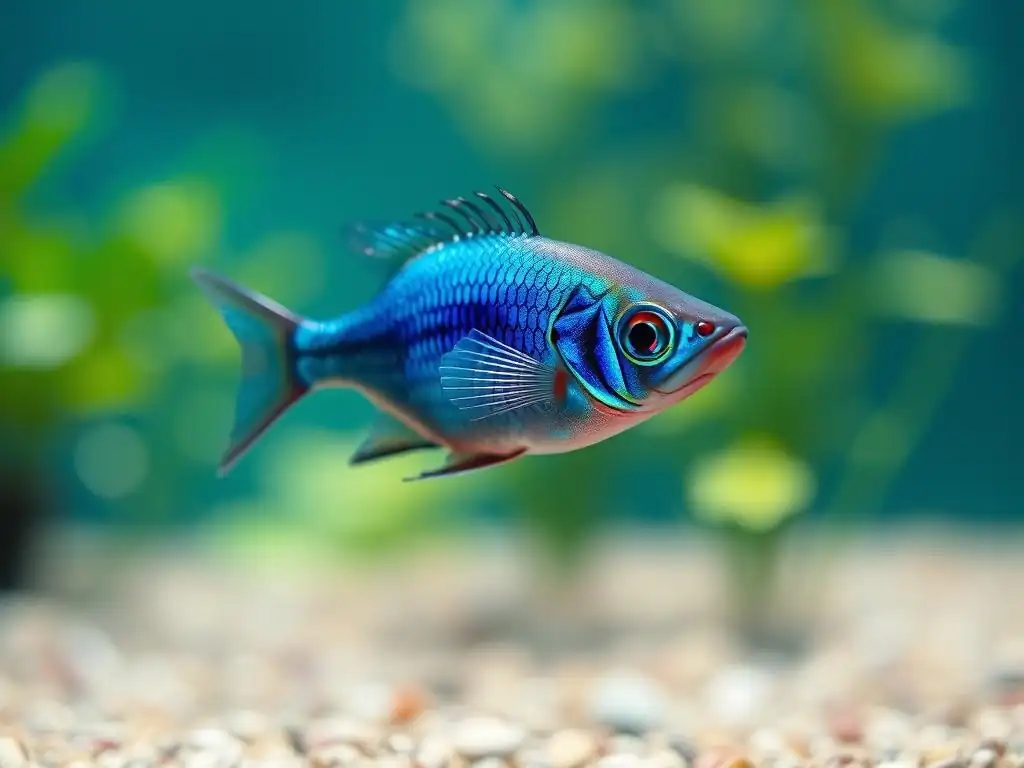
Distinguishing between male and female Cochu's Blue Tetras can be subtle, especially when they are not in breeding condition, but there are observable differences. Generally, male Cochu's Blue Tetras tend to be slimmer and more streamlined in body shape. Their blue stripe might also appear more intense and vibrant, particularly during breeding periods or when they are displaying for a mate. This heightened coloration is a visual signal to attract females and can be a reliable indicator of sex.
Female Cochu's Blue Tetras, on the other hand, typically have a fuller, rounder body, especially when they are gravid (carrying eggs). Their belly will appear noticeably plumper compared to the males. While their blue stripe is still prominent, it might not always possess the same degree of intensity as that of a displaying male. Observing a group of these fish over time, particularly before feeding or during active periods, can help in identifying these subtle distinctions, which are important for aquarists interested in breeding or simply understanding their blue tetra care guide fully.
Cochu's Blue Tetras are quintessential schooling fish, and their social dynamics are one of their most captivating attributes. They possess a strong innate instinct to school, meaning they prefer to live in groups of six or more individuals. When kept in insufficient numbers, they can become stressed, timid, and less active, often hiding more frequently. A larger school, ideally 10 or more, provides them with a sense of security and allows their natural behaviors to flourish, leading to a more vibrant and confident display.
Within a healthy school, Cochu's Blue Tetras will often swim together in a coordinated fashion, especially when feeling threatened or exploring new parts of the tank. This synchronized movement is not only mesmerizing to watch but also serves a practical purpose: it confuses potential predators and reduces individual stress. They often establish a loose hierarchy within the group, but aggression among school members is rare. The presence of a strong school also encourages them to be more active in the open water, showcasing their brilliant sapphire stripe against the backdrop of the aquarium.
Signs of a Healthy and Happy Cochu's Blue Tetra
Recognizing the signs of a healthy and happy Cochu's Blue Tetra is crucial for proactive care and is a fundamental part of any blue tetra care guide. A healthy Cochu's Blue Tetra will exhibit vibrant, intense blue coloration along its stripe, which stands out clearly against its translucent body. They will be active swimmers, displaying their characteristic schooling behavior, moving cohesively and confidently within the tank, rather than hiding excessively or swimming erratically.
Other key indicators of good health include clear, bright eyes, intact and unfrayed fins (no tears or clamping), and a normal, streamlined body shape without any bloating or emaciation. Their appetite should be robust, eagerly accepting food when offered. Any deviation from these signs—such as faded colors, clamped fins, labored breathing, white spots, cottony growths, or solitary behavior when they should be schooling—should alert the aquarist to potential stress or illness, requiring immediate investigation and intervention to prevent further decline.
Cochu's Blue Tetra Breeding: A Challenging but Rewarding Endeavor
Setting Up a Breeding Tank for Cochu's Blue Tetras
Breeding Cochu's Blue Tetras can be a challenging but highly rewarding endeavor, requiring specific conditions to encourage spawning and protect the delicate eggs and fry. A dedicated breeding tank, typically 5 to 10 gallons (approximately 19 to 38 liters) in size, is essential. This tank should be dimly lit, as these fish are egg-scatterers and their eggs are light-sensitive.
To provide a spawning medium and protection for the eggs, fill the bottom with fine-leaved plants like Java Moss or spawning mops (made from nylon yarn). Alternatively, a bare bottom with a layer of marbles can work, allowing eggs to fall through to safety from parental consumption.
The filtration in a breeding tank should be gentle, such as a sponge filter, to avoid sucking up tiny fry once they hatch. Heaters are necessary to maintain a stable, slightly elevated temperature. It's advisable to condition the adult breeding pair (or a group of 2 males to 3 females) in a separate tank with a high-protein diet for a week or two before introducing them to the breeding tank. Once spawning occurs, which usually happens in the morning, the adult fish should be removed promptly to prevent them from eating the eggs.
Water Parameters for Cochu's Blue Tetra Breeding
Precise water parameters are critical for successful Cochu's Blue Tetra breeding, as they are particular about their spawning environment. To mimic their natural breeding grounds, the water in the breeding tank should be very soft, ideally with a general hardness (dGH) of 0-4 dGH, and quite acidic, with a pH ranging from 5.5 to 6.5. This low hardness and pH are crucial for egg viability and successful fertilization. Using reverse osmosis (RO) water remineralized to the target hardness, or heavily filtered peat water, is often necessary to achieve these conditions.
The water temperature in the breeding tank should be slightly elevated compared to their normal living conditions, typically between 78°F and 80°F (25°C to 27°C). This warmer temperature encourages spawning and can accelerate the hatching process. Maintaining pristine water quality is paramount; even slight fluctuations or the presence of nitrates can inhibit spawning or harm eggs. Small, frequent water changes with properly conditioned water are recommended to keep the environment stable and conducive to breeding, a key detail in any advanced blue tetra care guide.
Cochu's Blue Tetra Fry Care: Raising Young Tetras
Raising Cochu's Blue Tetra fry requires meticulous attention and specific feeding strategies due to their incredibly small size. The eggs, which are adhesive and light-sensitive, typically hatch within 24 to 36 hours after spawning, depending on the water temperature. Once hatched, the fry are almost microscopic and will remain attached to surfaces or plants for a few days, absorbing their yolk sac. During this period, they do not require feeding.
After their yolk sacs are absorbed (usually within 3-5 days post-hatch), the fry become free-swimming and will need their first food. Their tiny mouths necessitate very small food sources. Infusoria, liquid fry food, or green water are ideal initial foods for the first week.
As they grow, typically after 7-10 days, they can be gradually introduced to newly hatched brine shrimp (Artemia nauplii) or microworms, which provide essential protein for rapid growth. Small, frequent feedings (3-4 times daily) are crucial, along with extremely gentle aeration and minimal water changes to avoid stressing or harming the delicate fry. Water changes should be done using a thin air line tubing to slowly siphon out waste and replace with clean, temperature-matched water.
Common Cochu's Blue Tetra Diseases and Prevention
Identifying Common Cochu's Blue Tetra Illnesses
Like all aquarium fish, Cochu's Blue Tetras can be susceptible to various diseases, especially if their water parameters are unstable or their environment is stressful. Recognizing common illnesses early is crucial for effective treatment. One of the most prevalent diseases is Ich (Ichthyophthirius multifiliis), characterized by small, white, salt-like spots on the body and fins. Other common issues include Fin Rot, where fins appear frayed, ragged, or develop a white edge, often due to poor water quality or bacterial infection.
Fungal infections can manifest as cotton-like growths on the body or fins, typically appearing after an injury or stress. Bacterial infections might present as red streaks, bloating, or general lethargy. Additionally, stress-related conditions, often stemming from inappropriate tank mates, overcrowding, or fluctuating water conditions, can lead to faded colors, clamped fins, and a general lack of activity. Observing any of these symptoms requires prompt action, which is a vital component of a thorough blue tetra care guide.
Preventing Diseases in Your Cochu's Blue Tetra Tank
Prevention is always the best approach to maintaining a healthy Cochu's Blue Tetra tank. The cornerstone of disease prevention lies in providing a stable, clean, and appropriate environment. This includes performing regular weekly partial water changes of 20-25% to keep nitrate levels low (below 20 ppm) and replenish essential minerals, while ensuring water parameters (temperature, pH, hardness) remain within their ideal ranges. Overstocking the tank should be avoided, as it leads to increased waste production and stress.
A balanced and varied diet, as previously discussed, is crucial for bolstering their immune system. Quarantining new fish for at least 2-4 weeks in a separate tank before introducing them to your main aquarium is a highly recommended practice. This allows you to observe new arrivals for signs of disease and treat them if necessary, preventing the spread of pathogens to your established fish. Maintaining a low-stress environment with plenty of hiding spots and appropriate tank mates also significantly reduces the likelihood of illness.
Treating Sick Cochu's Blue Tetras: Medications and Remedies
When Cochu's Blue Tetras do fall ill, prompt and appropriate treatment is essential. For common parasitic infections like Ich, over-the-counter Ich medications are widely available and typically effective. These often involve raising the water temperature slightly (to 80-82°F or 27-28°C, if safe for other tank inhabitants) and using the medication as directed, continuing treatment for several days after visible spots disappear to ensure all parasites are eradicated. Salt baths can also be used for external parasites or minor injuries, but caution is advised with plants and invertebrates.
Bacterial and fungal infections usually require specific antibiotic or antifungal medications, available at pet stores. It's crucial to correctly diagnose the illness before administering medication, as broad-spectrum treatments can sometimes be harsh. Always follow the manufacturer's instructions for dosage and duration. In severe cases, or for highly contagious diseases like Neon Tetra Disease (though less common in Cochu's Blue Tetras, it's a concern for similar species), isolating the affected fish in a hospital tank is recommended to prevent further spread. Maintaining excellent water quality during treatment is also vital for recovery.
Cochu's Blue Tetra Tank Setup: A Step-by-Step Guide
Choosing the Right Size Aquarium for Cochu's Blue Tetras
Choosing the appropriate aquarium size is the foundational step for a successful Cochu's Blue Tetra setup. While a minimum of 15 gallons (approximately 57 liters) can house a small school of 6-8 individuals, a 20-gallon long tank (around 76 liters) or larger is highly recommended. A longer tank footprint provides more horizontal swimming space, which is ideal for these active schooling fish, allowing them to exhibit their natural behaviors more freely.
For a thriving community tank that includes other peaceful species alongside a larger school of Cochu's Blue Tetras, a 30-gallon (around 114 liters) or even a 40-gallon breeder tank (around 151 liters) would be even better. This increased volume offers greater water stability, more room for diverse decor, and reduces the likelihood of aggression among tank mates. Investing in a slightly larger tank from the outset minimizes the need for future upgrades and provides a more robust and forgiving environment, which is a core principle in any blue tetra care guide.
Cycling the Tank for Cochu's Blue Tetras
Cycling the aquarium is a non-negotiable step before introducing Cochu's Blue Tetras or any fish into a new setup. This process establishes the nitrogen cycle, which is essential for breaking down harmful waste products (ammonia and nitrites) into less toxic nitrates. A typical fishless cycle can take anywhere from 4 to 8 weeks, but it's crucial not to rush it.
The process involves introducing an ammonia source (e.g., pure ammonia solution or a small amount of fish food) to kickstart the growth of beneficial bacteria. Regular testing with a liquid test kit (not paper strips) is essential to monitor ammonia, nitrite, and nitrate levels. The tank is considered fully cycled when ammonia and nitrite levels consistently read 0 ppm, and nitrates are present (typically below 20 ppm). Only at this point should fish be slowly introduced, ensuring a safe and stable environment for your Cochu's Blue Tetras.
Adding Cochu's Blue Tetras to Your Established Aquarium
Once your aquarium is fully cycled and water parameters are stable and within the ideal range for Cochu's Blue Tetras, you can begin the process of introducing your new fish. It's crucial to acclimate them slowly to their new environment to minimize stress and prevent shock from changes in water chemistry.
Drip acclimation is the preferred method: float the sealed bag in your tank for 15-20 minutes to equalize temperature, then open the bag and slowly add small amounts of tank water to the bag over a period of 30-60 minutes until the bag water is mostly replaced by tank water.
Avoid pouring the fish directly into the tank from the bag water, as this can introduce undesirable bacteria or chemicals from the fish store. Instead, gently net the fish and release them into the aquarium. Introduce your Cochu's Blue Tetras in a group of at least six (or your desired school size) at the same time, if possible, to allow them to immediately form a school and feel more secure. Observe them closely over the next few hours and days for any signs of stress or illness, which is a critical part of a comprehensive blue tetra care guide.
Troubleshooting Common Cochu's Blue Tetra Problems
Addressing Fin Nipping in Cochu's Blue Tetras
While Cochu's Blue Tetras are generally peaceful, fin nipping can occasionally occur, either among themselves or from other tank mates. If you observe fin nipping among your Cochu's Blue Tetras, it's often a sign of stress, insufficient schooling numbers, or an overcrowded tank. The first step is to ensure you have a sufficiently large school (at least 6-10 individuals); increasing the school size can often mitigate this behavior, as aggression is spread out and fish feel more secure.
If the nipping is coming from other tank mates, reassess the compatibility of your community fish. Aggressive fin-nippers like certain barbs (e.g., Tiger Barbs) should be removed. Ensure there is enough space and plenty of hiding spots or visual breaks in the decor to reduce territorial disputes. Consistent water quality and a balanced diet also contribute to overall fish well-being, reducing stress-induced behaviors.
Dealing with Faded Colors in Cochu's Blue Tetras
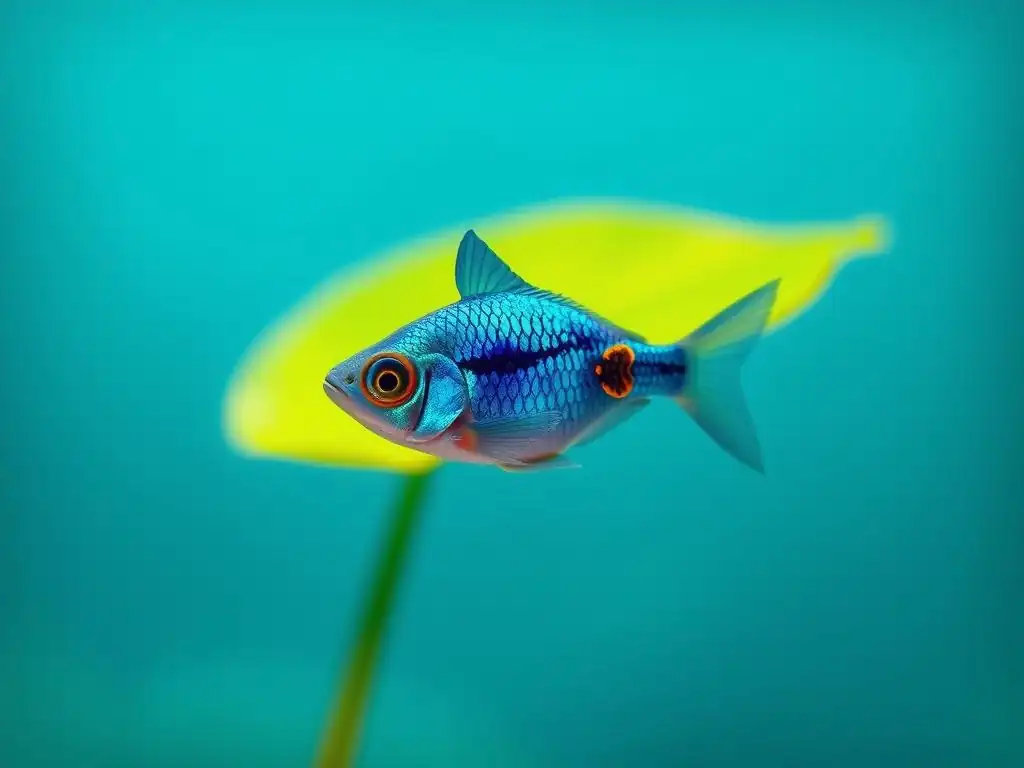
Faded colors in Cochu's Blue Tetras, where their brilliant sapphire stripe appears dull or washed out, is a common indicator of stress, poor water quality, inadequate diet, or illness. The first course of action should be to test your water parameters (ammonia, nitrite, nitrate, pH, temperature, hardness) immediately. High levels of ammonia, nitrite, or nitrates, or fluctuating pH/temperature, can severely stress fish and lead to color loss. Perform a partial water change if parameters are off.
Next, evaluate their diet. Are they receiving a varied and nutritious diet that includes color-enhancing foods? Supplementing with spirulina-rich flakes or frozen foods can often restore vibrancy. Ensure they have adequate hiding spots and are kept in a sufficiently large school. Finally, observe for any subtle signs of disease; sometimes, faded colors are an early symptom of an underlying health issue. Addressing these factors promptly will help restore their stunning blue hues, a key aspect of any effective blue tetra care guide.
Addressing Neon Tetra Disease in Cochu's Blue Tetras
While named for Neon Tetras, Neon Tetra Disease (NTD) can affect other tetra species, including Cochu's Blue Tetras, although it is less common in them than in their Paracheirodon cousins. NTD is a highly contagious and incurable parasitic infection caused by Pleistophora hyphessobryconis. Symptoms include loss of color (particularly the blue stripe fading or becoming patchy), erratic swimming, difficulty swimming, emaciation despite eating, and sometimes cysts or lumps appearing on the body.
Unfortunately, there is no known cure for NTD, and it is almost always fatal. If you suspect NTD, immediately isolate the affected fish in a quarantine tank to prevent the spread of the parasite to other tank inhabitants. Euthanizing infected fish humanely is often the most compassionate option to prevent further suffering and protect the rest of your aquarium. Preventing NTD relies heavily on quarantining new fish for at least 4-6 weeks and sourcing fish from reputable suppliers who maintain high biosecurity standards.
Cochu's Blue Tetra Profile Summary: Key Considerations for Success
Cochu's Blue Tetra Care Sheet: Quick Reference Guide
- Scientific Name: Boehlkea fredcochui
- Common Names: Cochu's Blue Tetra, Blue Tetra, Fredcochui Tetra
- Adult Size: Approximately 1.5 - 2 inches (3.8 - 5 cm)
- Temperament: Peaceful, schooling
- Minimum Tank Size: 15 gallons for a small school, 20+ gallons recommended
- Schooling Needs: Minimum of 6-10 individuals
- Water Temperature: 72-78°F (22-26°C)
- pH Range: 6.0-7.5 (slightly acidic to neutral)
- Water Hardness (dGH): 2-10 dGH (soft to medium-hard)
- Diet: Omnivore; high-quality flakes/micro pellets, supplemented with frozen (brine shrimp, daphnia, bloodworms) and live foods (infusoria, baby brine shrimp, microworms).
- Lifespan: 3-5 years with optimal care
- Tank Setup: Densely planted areas, open swimming space, dark substrate, driftwood, gentle filtration.
- Compatibility: Excellent with other peaceful, similarly sized community fish and invertebrates. Avoid aggressive or large tank mates.
- Special Considerations: Sensitive to water fluctuations; strong schooling instinct; colors enhanced by dark substrate and varied diet.
Where to Buy Healthy Cochu's Blue Tetras
Sourcing healthy Cochu's Blue Tetras is crucial for their long-term well-being and is a vital step in any blue tetra care guide. It is highly recommended to purchase these fish from reputable local fish stores (LFS) or trusted online retailers with positive reviews and strong guarantees. When visiting an LFS, take the time to observe the fish in their tanks before making a purchase.
Look for Cochu's Blue Tetras that are actively swimming, displaying vibrant coloration, and schooling together. Their fins should be intact and not clamped, and their bodies should be free of any visible spots, growths, or abnormalities. Avoid purchasing fish from tanks where there are dead or obviously sick fish, as this indicates poor husbandry and a higher risk of disease transmission. Inquire about their quarantine procedures and the source of their fish. For online purchases, check customer reviews regarding fish health upon arrival and the seller's policies on live arrival guarantees.
Conclusion: Enjoying the Beauty of Cochu's Blue Tetras
Frequently Asked Questions
What are the ideal tank conditions for Blue Tetras?
Blue Tetras thrive in a well-established freshwater aquarium with soft, slightly acidic water. Maintain a temperature of 72-78°F and a pH of 6.0-7.0 for optimal health.
What should I feed my Blue Tetras?
Offer a varied diet consisting of high-quality flake food, supplemented with small live or frozen foods like daphnia or bloodworms. This will help them maintain their vibrant colors.
How often should I perform water changes in a Blue Tetra tank?
Regular water changes are crucial. Aim for 25-30% water changes every 1-2 weeks to maintain water quality and prevent the buildup of harmful nitrates.
Are Blue Tetras schooling fish? How many should I keep together?
Yes, Blue Tetras are schooling fish and should be kept in groups of at least six individuals. A larger school will help them feel more secure and display their best colors.
What are some common health issues affecting Blue Tetras?
Common issues include Ich (white spot disease) and fin rot, often caused by poor water quality. Preventative measures like regular water changes and proper filtration are key.
Final Reflection: Embracing the Sapphire Spark
The journey into understanding the Cochu's Blue Tetra, as we've explored in this guide, highlights more than just aquarium keeping; it underscores our responsibility to appreciate and preserve the delicate beauty of the natural world. The vibrant sapphire hues of these tiny fish serve as a potent reminder of the biodiversity we must strive to protect, especially as freshwater ecosystems face increasing pressures from habitat loss and climate change.
This exploration has not only provided practical knowledge for caring for these captivating creatures, but also offered a glimpse into the interconnectedness of life. The dedication required to maintain a thriving Blue Tetra aquarium mirrors the commitment needed to safeguard their natural habitat. In the end, we will conserve only what we love; we will love only what we understand; and we will understand only what we are taught.
- Baba Dioum. This quote resonates deeply, urging us to continue learning, sharing, and fostering a deeper appreciation for the intricate beauty of our planet.
Now, as you embark on your own journey with the Cochu's Blue Tetra, or simply reflect on the wonders of the aquatic realm, consider the broader implications of our actions. Let the brilliance of these sapphire jewels inspire you to become a champion for conservation, a steward of the environment, and a mindful participant in the preservation of our planet's precious biodiversity. Let the spark of the Blue Tetra ignite a lifelong passion for understanding and protecting the delicate balance of life around us.
Ignite Your Aquarium: Embrace the Cochu's Blue Tetra Glow!
Thanks for diving into the world of Cochu's Blue Tetras! We hope you're now brimming with knowledge to unlock their full sapphire potential. Ready to take the plunge and transform your aquarium into a dazzling spectacle?
Here’s how you can start:
- Immediately assess your current tank conditions. Are they optimal for these shimmering jewels? Prioritize a stable, slightly acidic environment with soft water.
- Share this article with a fellow aquarist who also appreciates the allure of nano fish. Let's spread the blue brilliance!
- Research one uncommon, live food source that mimics their natural diet in the wild, then commit to adding it to their feeding regimen at least once a week.
What specific change will you implement today to create a more enriching environment for your Cochu's Blue Tetras?