
Reducing Stress in Tetra Breeding Pairs: Aquarium Mastery's Environmental Control

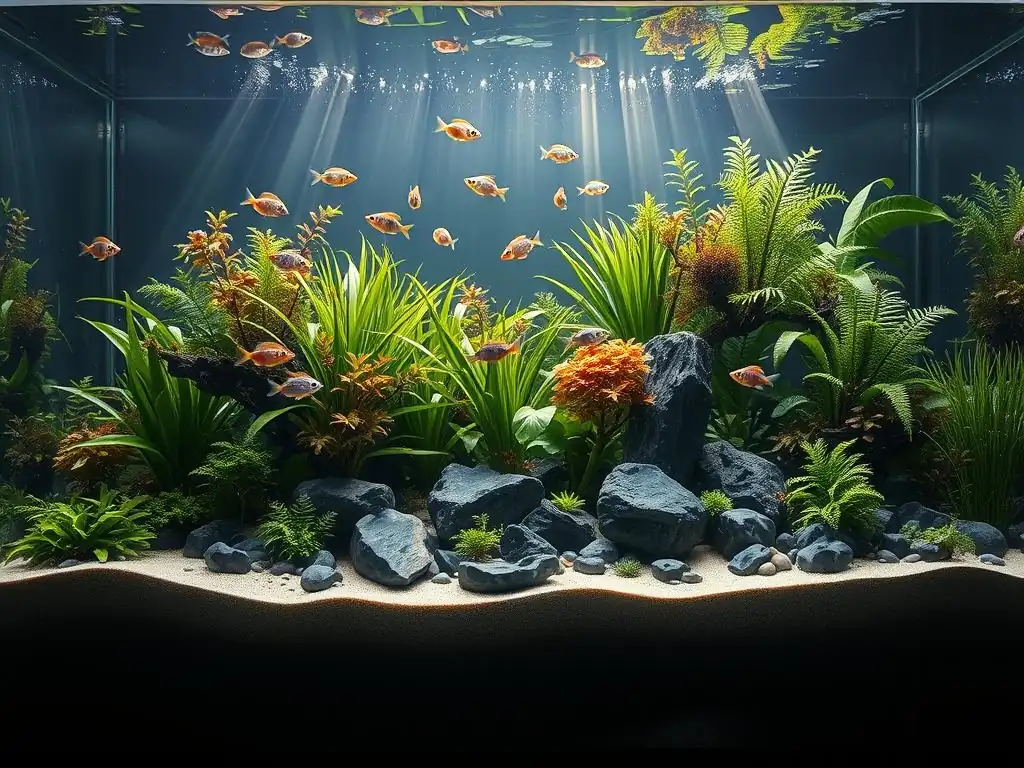
Welcome to Aquarium Mastery!
Ever wondered how to create the perfect, stress-free tetra breeding environment? Unlock the secrets to successful spawning and thriving fry within our in-depth guide. Dive in and discover how to master environmental control, ensuring your tetra breeding pairs are happy and healthy!
- Cardinal Tetra Breeding Success: Simulating the Rio Negro Environment
- Creating a Stress-Free Cardinal Tetra Breeding Environment: An Introduction
- Optimizing Water Parameters for Cardinal Tetra Breeding: Minimizing Stress Factors
- Aquarium Setup Strategies for a Calm Cardinal Tetra Breeding Environment
- Light Management for Stress-Free Cardinal Tetra Spawning
- Filtration and Water Flow: Balancing Cleanliness and Calm
- Feeding Strategies to Reduce Stress and Enhance Breeding
- Monitoring and Adjusting the Cardinal Tetra Breeding Environment
- Advanced Techniques for a Stress-Free Cardinal Tetra Breeding Environment
- Troubleshooting Common Cardinal Tetra Breeding Stressors
- Conclusion: Achieving Consistent Cardinal Tetra Breeding Success Through Environmental Control
-
Frequently Asked Questions
- How does creating a "Stressfree tetra breeding environment" impact breeding success?
- What are the key environmental factors to control when breeding tetras?
- Why is water quality so important for tetra breeding?
- What type of tank setup is recommended for a "Stressfree tetra breeding environment"?
- How does Aquarium Mastery's guidance help in achieving a "Stressfree tetra breeding environment"?
- Final Reflection: Cultivating Tranquility for Tetra Reproduction
- Ignite Your Tetra Breeding Success!
Cardinal Tetra Breeding Success: Simulating the Rio Negro Environment
Creating a Stress-Free Cardinal Tetra Breeding Environment: An Introduction
Understanding the Impact of Stress on Cardinal Tetra Breeding Success
Stress is a formidable barrier to successful breeding in many fish species, and Cardinal Tetras ( Paracheirodon axelrodi) are particularly sensitive. When fish experience chronic stress, their physiological responses can suppress reproductive hormones, leading to reduced fertility, egg retention, or even complete cessation of spawning. This state of physiological discomfort can be triggered by unsuitable water parameters, inadequate tank setup, or constant external disturbances, significantly hindering the natural urge to reproduce and making a stress-free tetra breeding environment crucial.
Furthermore, prolonged stress weakens the immune system, making breeding pairs more susceptible to diseases, which can further derail breeding efforts. Studies suggest that prolonged stress can reduce spawning frequency by as much as 40-60% in certain species, leading to significantly lower egg yields and even egg-eating behaviors. Creating a truly stress-free tetra breeding environment is therefore not just about encouraging spawning, but also about ensuring the overall health and vitality of the breeding fish, setting the stage for robust offspring.
Simulating the Rio Negro Environment for Cardinal Tetra Breeding
The Cardinal Tetra originates from the slow-moving, heavily vegetated blackwater rivers and streams of the Amazon Basin, particularly the Rio Negro. This natural habitat is characterized by extremely soft, acidic water, dim lighting due to a dense jungle canopy, and an abundance of leaf litter and submerged roots. These conditions are remarkably stable, with minimal fluctuations in temperature or chemistry.
Replicating these specific environmental parameters is paramount for establishing a stress-free tetra breeding environment. When their captive surroundings closely mirror their natural habitat, Cardinal Tetras feel secure, comfortable, and instinctively ready to breed. This mimicry reduces physiological stress, encourages natural courtship rituals, and optimizes the conditions necessary for egg development and successful hatching, leading to more consistent and higher quality spawns.
Optimizing Water Parameters for Cardinal Tetra Breeding: Minimizing Stress Factors
The Importance of Water Chemistry in Cardinal Tetra Breeding
Precise water chemistry is arguably the most critical factor in achieving successful Cardinal Tetra breeding. These fish are highly sensitive to deviations from their ideal parameters, and even slight inconsistencies can induce significant stress, impacting not only their health but also their reproductive capabilities. Correct water parameters are essential for the viability of eggs, the motility of sperm, and the healthy development of fry, acting as the foundation of a stress-free tetra breeding environment.
Incorrect water chemistry forces the fish to expend considerable energy on osmoregulation – the process of maintaining the balance of water and salts in their bodies. This metabolic strain diverts energy away from reproductive functions, making spawning less likely or resulting in infertile eggs. Maintaining stable and optimal water chemistry, therefore, directly contributes to a stress-free tetra breeding environment by allowing the fish to focus their energy on reproduction rather than survival.
Achieving Ideal Water Hardness (GH) for Cardinal Tetra Reproduction
Cardinal Tetras require very soft water for successful breeding, ideally with a General Hardness (GH) ranging from 0 to 4 dGH (degrees of General Hardness). Hard water is detrimental because it can cause the eggs to harden prematurely, preventing fertilization or hindering the hatching process. The high mineral content can also negatively impact sperm viability, drastically reducing the chances of successful reproduction.
To achieve this ultra-soft water, aquarists often rely on reverse osmosis (RO) water, which is nearly free of dissolved minerals. This RO water can then be remineralized to the desired GH level using specific aquarium salts, or naturally softened using peat filtration or substantial amounts of driftwood and Indian Almond Leaves. Consistent monitoring with a reliable GH test kit is essential to maintain this critical aspect of a stress-free tetra breeding environment.
Maintaining a Stable pH Level for Cardinal Tetra Health and Breeding
For Cardinal Tetra breeding, a stable and acidic pH level between 4.5 and 6.5 is crucial. These fish are extremely sensitive to pH fluctuations, which can cause severe stress and even death. A stable low pH is vital for several reasons: it mimics their natural blackwater habitat, inhibits the growth of harmful bacteria and fungi that can attack delicate eggs, and is necessary for the proper development of their soft-shelled eggs.
Achieving and maintaining this low pH often involves using filtered peat, adding Indian Almond Leaves ( Terminalia catappa) or other natural botanicals, or utilizing commercial blackwater extracts. It is imperative to avoid drastic pH swings, which are far more stressful than a slightly suboptimal but stable pH. Gradual adjustments and regular testing are key to providing a consistently stress-free tetra breeding environment.
Temperature Control for Triggering Spawning Behavior in Cardinal Tetras
Temperature plays a significant role in triggering spawning behavior in Cardinal Tetras. The optimal breeding temperature range typically falls between 78-82°F (25.5-27.8°C). A slight increase in temperature, often by 1-2°F (0.5-1°C) from their regular holding temperature, can mimic the onset of the rainy season in their natural habitat, acting as a crucial environmental cue for spawning.
Maintaining a stable temperature within this range is just as important as reaching it. Fluctuations, even minor ones, can be a major stressor for these delicate fish, inhibiting breeding and potentially leading to health issues. Using a high-quality, reliable aquarium heater with precise temperature control is indispensable to ensure the consistent, warm conditions required for a stress-free tetra breeding environment.
Aquarium Setup Strategies for a Calm Cardinal Tetra Breeding Environment
Choosing the Right Breeding Tank Size and Shape
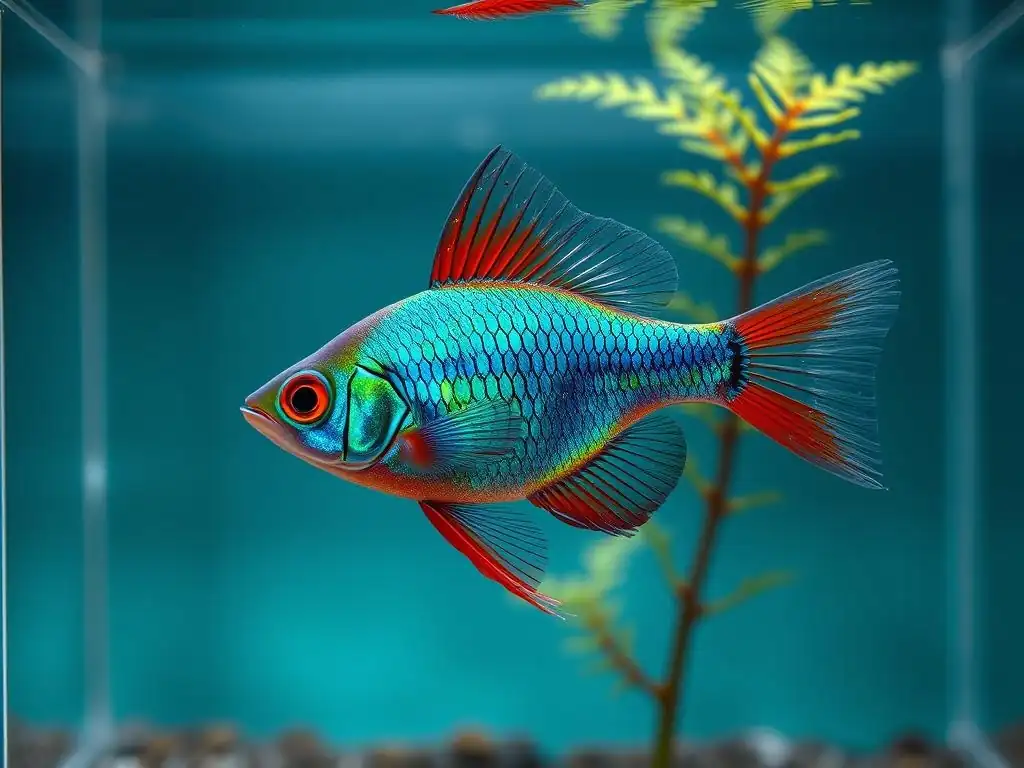
For Cardinal Tetra breeding, a smaller, dedicated breeding tank is generally recommended. A 5- to 10-gallon (19-38 liter) tank is often sufficient for a single breeding pair or a small trio. The reduced volume makes it significantly easier to maintain precise water parameters and to locate and collect the tiny, transparent eggs after spawning.
A rectangular tank shape is typically preferred over other designs, as it provides a longer swimming area for the fish and allows for better observation of spawning behavior. The confined yet appropriately sized space also helps to concentrate the eggs, making collection more efficient, and minimizes the area over which parents might chase each other, thus contributing to a more stress-free tetra breeding environment.
Substrate Selection: Creating a Natural and Safe Spawning Ground
When setting up a Cardinal Tetra breeding tank, the choice of substrate is critical. Many breeders opt for a bare-bottom tank, which simplifies cleaning and makes it easier to spot and remove eggs. If a substrate is desired for aesthetic or behavioral reasons, a very thin layer of fine, dark sand, such as black silica sand, can be used. This dark substrate helps to absorb light, mimicking their natural environment and making the fish feel more secure.
Coarse gravel should be avoided entirely, as eggs can fall between the pebbles, becoming inaccessible for collection and prone to fungal infections. A clean, smooth, or bare bottom surface prevents food and waste from accumulating, which in turn helps maintain pristine water quality. This hygienic approach is fundamental in creating a stress-free tetra breeding environment, as poor water quality is a primary source of stress.
Plant Selection: Providing Cover and Reducing Stress in Breeding Cardinal Tetras
Dense plant cover is an indispensable element in a Cardinal Tetra breeding tank. Plants provide essential hiding spots, which are crucial for reducing stress and aggression between the breeding pair, especially if the male is overly persistent. They mimic the heavily vegetated undergrowth of the tetras' natural habitat, offering a sense of security and encouraging natural behaviors, making the tank a truly stress-free tetra breeding environment.
Beyond providing refuge, many fine-leaved plants also serve as ideal spawning sites where the adhesive eggs can be deposited. The intricate structures of these plants not only give the fish a place to lay their eggs but also offer immediate protection for the delicate eggs and newly hatched fry from the parents, who are known to consume their offspring.
Using Fine-Leaved Plants for Egg Protection
For Cardinal Tetra breeding, fine-leaved plants are paramount. Species such as Java Moss ( Taxiphyllum barbieri), Hornwort ( Ceratophyllum demersum), or even submerged portions of Anacharis ( Egeria densa) are excellent choices. Their dense, intricate structure provides numerous surfaces for the Cardinal Tetra's adhesive eggs to attach to, effectively concealing them from hungry parents.
These plants should be clumped or spread across the bottom of the breeding tank to maximize the spawning surface area. Beyond egg protection, these plants also contribute to water quality by absorbing nitrates and can harbor microfauna, which serves as an initial food source for newly hatched fry. This multi-functional aspect significantly enhances the overall health and safety of the breeding setup, fostering a stress-free tetra breeding environment.
Introducing Floating Plants to Dim Lighting
To further mimic the dimly lit conditions of the Rio Negro, incorporating floating plants is highly beneficial. Species like Dwarf Water Lettuce ( Pistia stratiotes), Frogbit ( Limnobium laevigatum), or even simple Indian Almond Leaves left to float on the surface, help to diffuse and reduce the intensity of overhead light. This creates a shaded, subdued environment that Cardinal Tetras prefer for spawning.
Dimmed lighting is a significant factor in reducing stress and encouraging breeding behavior. It makes the fish feel more secure and less exposed, simulating the dense canopy cover of their natural habitat. This added layer of environmental control helps to create an atmosphere conducive to spawning, ensuring the fish remain calm and undisturbed, thereby contributing to a truly stress-free tetra breeding environment.
Minimizing External Disturbances: Location and Tank Placement
The location of the Cardinal Tetra breeding tank significantly impacts the stress levels of the fish. It should be placed in a quiet, low-traffic area of the house, away from sudden movements, loud noises, or direct sunlight. Constant human activity, vibrations from heavy foot traffic, or sudden changes in light can be highly stressful for sensitive breeding pairs, disrupting their natural rhythms and inhibiting spawning.
To further minimize external visual stimuli, consider covering the sides and back of the tank with dark paper or using a dark background. This creates a more enclosed and secure feeling for the fish, encouraging them to be more active and less wary. A secluded and visually calm placement is a fundamental component of establishing and maintaining a stress-free tetra breeding environment.
Light Management for Stress-Free Cardinal Tetra Spawning
The Role of Light Intensity in Cardinal Tetra Breeding
Cardinal Tetras naturally inhabit environments with very dim, filtered light, often under a dense jungle canopy. Consequently, high-intensity lighting in a breeding tank can be a significant stressor, making the fish feel exposed and insecure, which inhibits their natural spawning behaviors. The goal is to replicate their native, subdued lighting conditions to encourage comfort and breeding.
Using low-wattage LED lights or even indirect room light is usually sufficient. Overly bright illumination can also lead to the fish losing their vibrant coloration, another sign of discomfort. A gentle, diffused light promotes a sense of security, allowing the breeding pair to exhibit their natural courtship and spawning rituals without feeling threatened, directly contributing to a stress-free tetra breeding environment.
Simulating Natural Light Cycles for Optimal Breeding Conditions
Consistency in the light/dark cycle is crucial for maintaining a stress-free tetra breeding environment. An ideal cycle for Cardinal Tetras is typically 10-12 hours of light followed by 12-14 hours of darkness. Irregular or fluctuating light periods can disrupt their circadian rhythms, leading to stress and impacting their readiness to spawn.
Using an automatic timer for the tank lights ensures a consistent daily cycle, mimicking the natural day-night rhythm of their original habitat. While not always necessary, some advanced setups might even incorporate a gradual sunrise and sunset effect to further ease the transition between light and dark periods, minimizing any potential stress associated with sudden changes in illumination.
Reducing Algae Growth Through Light Control
Excessive light intensity or duration can lead to rapid and unsightly algae growth in a breeding tank. While algae might seem harmless, a bloom can compete with beneficial bacteria for nutrients, reduce oxygen levels at night, and make the tank appear unclean, all of which can contribute to a less than ideal, stressful breeding environment for sensitive Cardinal Tetras.
By maintaining appropriate, lower light levels (e.g., 8-10 hours daily, depending on plant needs) and ensuring the tank is not exposed to direct sunlight, algae proliferation can be significantly reduced. This minimizes the need for frequent manual cleaning, which can be disruptive and stressful to the breeding pair, thus preserving the calm and consistent conditions essential for a stress-free tetra breeding environment.
Filtration and Water Flow: Balancing Cleanliness and Calm
Selecting a Gentle Filtration System for Cardinal Tetra Breeding Tanks
For Cardinal Tetra breeding tanks, the choice of filtration system is critical to maintaining a stress-free tetra breeding environment. Strong currents from hang-on-back filters or powerful canister filters are highly detrimental, as they can physically exhaust the delicate fish and even suck up tiny eggs or newly hatched fry. Instead, air-driven sponge filters are the preferred choice.
Sponge filters provide excellent biological filtration, effectively removing ammonia and nitrites without creating strong water flow. Their gentle operation ensures that the water remains pristine without disturbing the sensitive breeding process, making them perfectly safe for both eggs and the minuscule fry. This gentle approach to water circulation is paramount for the comfort and safety of the breeding pair.
Maintaining Water Quality Without Creating Strong Currents
While efficient filtration is necessary to maintain water quality, it must be achieved without generating vigorous currents. Strong water flow causes physical stress to Cardinal Tetras, forcing them to constantly swim against the current, which diverts energy from breeding. It also makes it difficult for them to deposit eggs effectively and for fry to navigate the tank.
Ensure that any filter outflow is diffused, perhaps by directing it towards a tank wall or using a spray bar if an internal power filter is used (though sponge filters are generally superior for breeding). The goal is to have very subtle water movement that gently circulates water for filtration purposes, allowing the breeding pair to move freely and comfortably, thereby preserving a stress-free tetra breeding environment.
The Importance of Regular Water Changes in Breeding Tanks
Even with a gentle filtration system, regular small water changes are indispensable for maintaining optimal water quality in Cardinal Tetra breeding tanks. Performing small, frequent water changes (e.g., 10-15% every 2-3 days) helps to remove accumulated nitrates and other dissolved organic compounds that filtration alone cannot fully address. This keeps the water parameters stable and pristine.
It is crucial that the replacement water is precisely temperature-matched and pre-conditioned with appropriate water softeners or RO water, mimicking the tank's existing parameters. Sudden changes in temperature or chemistry during water changes can induce significant stress, negating the benefits. Careful, consistent water changes are key to providing a continuously stress-free tetra breeding environment.
Feeding Strategies to Reduce Stress and Enhance Breeding
Live Food Options for Conditioning Cardinal Tetra Breeding Pairs
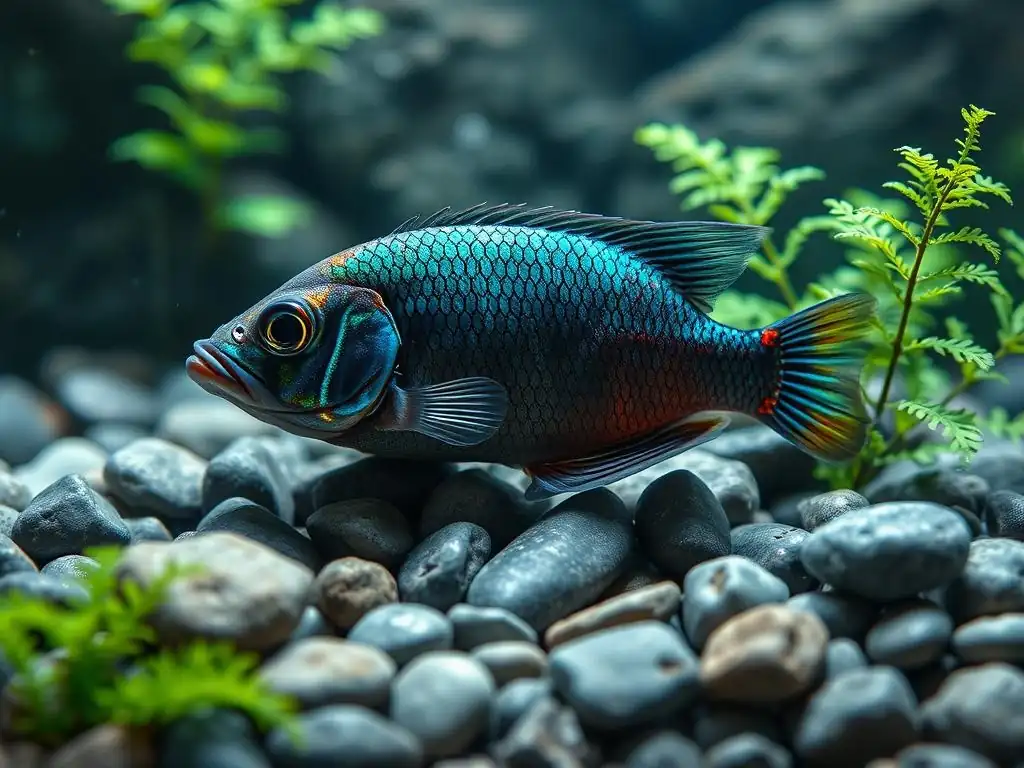
Conditioning Cardinal Tetra breeding pairs with a rich and varied diet, particularly live foods, is crucial for stimulating spawning and ensuring the health of the parents and viability of the eggs. Live foods such as blackworms, daphnia, brine shrimp nauplii, and microworms are highly nutritious, packed with essential proteins and fats that mimic their natural diet. This abundance of high-quality nutrition signals to the fish that conditions are favorable for reproduction.
Feeding small portions of live food 2-3 times a day not only provides superior nutrition but also encourages natural hunting behaviors, which can reduce stress and enhance overall vitality. Ensure that any live food source is reputable and clean to avoid introducing pathogens, thereby maintaining a healthy and stress-free tetra breeding environment conducive to spawning.
High-Quality Dry Foods Supplementation for Optimal Health
While live foods are paramount for conditioning, high-quality dry foods can serve as a beneficial supplement to the Cardinal Tetra's diet. Opt for finely crushed flake foods or micro-pellets specifically formulated for small, omnivorous fish, ensuring they contain a good balance of protein, vitamins, and minerals. Look for ingredients like spirulina or astaxanthin, which can enhance color and boost the immune system.
Dry foods should be offered sparingly and primarily as a supplement rather than the main dietary component during the conditioning phase. Always ensure the dry food is fresh and appropriately sized to prevent digestive issues. A varied and nutritious diet, even with supplemental dry foods, is a cornerstone of maintaining a stress-free tetra breeding environment, promoting robust health and reproductive readiness.
Feeding Frequency and Portion Control to Minimize Waste
Proper feeding frequency and strict portion control are essential for maintaining pristine water quality in a Cardinal Tetra breeding tank, which directly impacts the stress levels of the fish. Instead of a single large feeding, offer very small amounts of food multiple times a day (e.g., 3-4 times). This ensures the fish consume most of the food quickly, preventing uneaten particles from decaying.
Overfeeding is a common cause of degraded water quality, leading to ammonia spikes, nitrite accumulation, and bacterial blooms. These conditions are highly stressful and dangerous for delicate breeding fish and their eggs. Precise portion control, where all food is consumed within a few minutes, is fundamental to keeping the water parameters stable and clean, thereby preserving a stress-free tetra breeding environment.
Monitoring and Adjusting the Cardinal Tetra Breeding Environment
Regular Water Testing and Adjustment Procedures
Consistent monitoring of water parameters is non-negotiable for a stress-free tetra breeding environment. Daily or bi-daily testing for pH, GH, ammonia, nitrite, and nitrate is crucial, especially during the conditioning and spawning phases. Small, proactive adjustments are far less stressful for the fish than large, reactive corrections after problems arise.
If parameters drift, make incremental adjustments using methods like adding small amounts of RO water to lower GH, or peat extract to adjust pH. Never make drastic changes, as sudden shifts are highly stressful. Maintaining a detailed log of water parameters and any adjustments made can help identify patterns and ensure consistent, optimal conditions for successful breeding.
Observing Cardinal Tetra Behavior for Signs of Stress
Observing the behavior of your Cardinal Tetra breeding pair is a powerful diagnostic tool for identifying stress. Signs of stress include clamped fins, rapid gill movement, darting or frantic swimming, excessive hiding, loss of vibrant coloration, or a refusal to eat. Any deviation from their normal, active, and curious demeanor indicates that something in their environment needs immediate attention.
Conversely, observing positive signs such as increased vibrancy in males, the male chasing the female gently, and the female becoming noticeably plump with eggs are indicators that the stress-free tetra breeding environment is working. Early detection of stress allows for prompt intervention, safeguarding the well-being of your breeding fish and the success of your breeding project.
Addressing Common Problems in Cardinal Tetra Breeding Tanks
Even in a meticulously maintained stress-free tetra breeding environment, problems can arise. Common issues include eggs developing fungus (often due to poor water quality, unfertilized eggs, or lack of circulation), parents consuming their eggs, or fry failing to thrive. Each problem requires a specific, timely intervention to minimize stress and maximize success.
For fungal issues on eggs, ensuring adequate water circulation around the spawning site and prompt removal of unfertilized eggs can help. To prevent parents from eating eggs, it's critical to remove the breeding pair immediately after spawning is complete. For fry, ensuring a supply of appropriate first foods like infusoria or liquid fry food is vital. Proactive problem-solving is key to overcoming challenges and achieving consistent breeding success.
Advanced Techniques for a Stress-Free Cardinal Tetra Breeding Environment
Implementing a Blackwater Extract for Natural Spawning Conditions
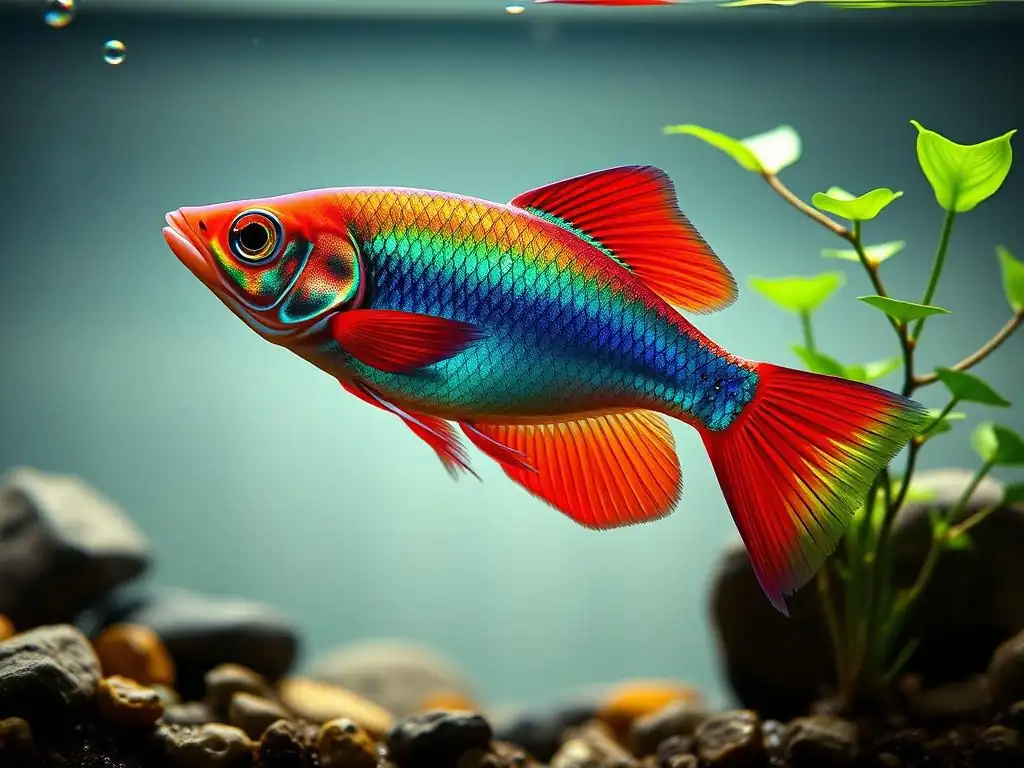
To further enhance the stress-free tetra breeding environment, implementing a blackwater extract can be highly beneficial. Commercial blackwater extracts, or natural additions like Indian Almond Leaves ( Terminalia catappa) and peat, release humic substances and tannins into the water. These compounds naturally lower pH, soften water, and provide mild antiseptic and anti-fungal properties.
These additions accurately mimic the natural blackwater conditions of the Rio Negro, which are rich in organic acids. This not only reduces stress by making the fish feel more at home but also enhances their coloration and is believed to stimulate natural spawning behaviors, leading to more robust and frequent breeding. The tannins also provide a subtle tint to the water, further reducing light intensity.
Using a Spawning Mop for Egg Collection and Protection
A spawning mop is an excellent advanced technique for Cardinal Tetra breeding, significantly contributing to a stress-free tetra breeding environment for the eggs. A spawning mop, typically made from acrylic yarn, provides a dense, fibrous medium where the tetras can deposit their adhesive eggs. This mimics the fine-leaved plants or submerged roots they would spawn on in the wild.
The primary advantage of using a spawning mop is the ease of egg collection and protection. Once spawning is complete, the mop can be carefully removed from the breeding tank and transferred to a separate rearing tank, isolating the delicate eggs from the parents who would otherwise predate on them. This method significantly increases egg survival rates and simplifies the process of raising fry.
Separating Parents After Spawning to Protect the Eggs and Fry
Cardinal Tetras are egg scatterers and, like many small characins, have a strong tendency to consume their own eggs and newly hatched fry. Therefore, a critical advanced technique for successful breeding and maintaining a stress-free tetra breeding environment for the next generation is the immediate separation of the parents after spawning.
Once you observe that eggs have been laid, or if using a spawning mop, once the mop is laden with eggs, carefully remove the adult fish from the breeding tank and return them to their main community tank or a separate holding tank. This simple yet crucial step ensures the safety of the delicate eggs and fry, maximizing their chances of survival and allowing them to develop without the constant threat of predation.
Troubleshooting Common Cardinal Tetra Breeding Stressors
Identifying and Addressing Aggression Between Cardinal Tetra Pairs
While Cardinal Tetras are generally peaceful, aggression can sometimes surface in the confined space of a breeding tank, especially if the male is overly dominant or the female is not yet ready to spawn. This aggression manifests as persistent chasing, nipping, or the female constantly hiding. Such behavior is a significant stressor and can prevent successful spawning.
If aggression is observed, provide additional hiding spots using more plants or a small piece of PVC pipe. If the aggression persists, consider separating the pair for a short period (e.g., 24-48 hours) into separate containers within the same tank, allowing them to see each other but preventing physical interaction. Reintroduce them only when the female appears full of eggs and ready, ensuring a more stress-free tetra breeding environment.
Managing Environmental Fluctuations and Their Impact on Breeding
Environmental fluctuations are among the most potent stressors for Cardinal Tetras and can quickly halt breeding efforts. Even small, sudden changes in temperature (e.g., a 1°F swing) or pH (e.g., a 0.2 pH unit shift) can cause physiological shock, suppress reproductive urges, and make the fish susceptible to illness.
To manage fluctuations, invest in reliable equipment such as a high-quality heater with a precise thermostat. Perform water changes slowly and with pre-conditioned, temperature-matched water. Regularly test water parameters to catch any subtle shifts before they become significant. Consistency and stability are paramount for a stress-free tetra breeding environment, ensuring the fish remain comfortable and reproductively active.
Preventing and Treating Diseases That Can Cause Stress
Diseases are a major source of stress for any fish, and breeding Cardinal Tetras are no exception. A weakened immune system due to environmental stressors or poor nutrition makes them highly susceptible to common ailments like Ich ( Ichthyophthirius multifiliis), fin rot, or bacterial infections. An outbreak can quickly derail a breeding project and even lead to fish loss.
Prevention is always the best approach. Maintain impeccable water quality, provide a nutritious diet, and ensure the stress-free tetra breeding environment is consistently optimal. Quarantine all new fish and plants before introducing them to the breeding tank to prevent pathogen introduction. If disease does occur, swift and appropriate treatment is necessary, but the primary focus should be on creating conditions where diseases are unlikely to take hold.
Conclusion: Achieving Consistent Cardinal Tetra Breeding Success Through Environmental Control
Achieving consistent Cardinal Tetra breeding success hinges entirely on a comprehensive approach to environmental control. By meticulously simulating the critical parameters of their natural Rio Negro habitat – from the soft, acidic, and dim blackwater conditions to the dense vegetation and stable temperatures – aquarists can create the ultimate stress-free tetra breeding environment. This detailed attention to water chemistry, tank setup, lighting, and gentle filtration not only encourages spawning but also ensures the health and vitality of the breeding pairs.
Furthermore, implementing advanced techniques like blackwater extracts and spawning mops, coupled with diligent monitoring, precise feeding, and proactive troubleshooting, solidifies the foundation for a thriving breeding program. Ultimately, understanding and consistently providing a stress-free tetra breeding environment allows these delicate fish to express their natural reproductive behaviors, leading to the rewarding experience of raising healthy Cardinal Tetra fry.
Frequently Asked Questions
How does creating a "Stressfree tetra breeding environment" impact breeding success?
A stress-free environment significantly increases the chances of successful spawning and hatching. Reducing stress factors such as poor water quality and aggressive tank mates allows tetras to focus on breeding.
What are the key environmental factors to control when breeding tetras?
Key factors include water parameters (temperature, pH, hardness), lighting (dimmed or subdued), and aquarium decorations (fine-leaved plants or spawning mops). Maintaining stable conditions is vital.
Why is water quality so important for tetra breeding?
Poor water quality introduces stress hormones into the water, inhibiting breeding behavior and potentially harming eggs or fry. Regular water changes and a well-cycled filter are essential.
What type of tank setup is recommended for a "Stressfree tetra breeding environment"?
A separate, smaller breeding tank with soft, slightly acidic water, dim lighting, and spawning media is ideal. This isolates the breeding pair and minimizes external stressors like predation and competition.
How does Aquarium Mastery's guidance help in achieving a "Stressfree tetra breeding environment"?
Aquarium Mastery provides detailed information on specific tetra species' needs, water chemistry adjustments, and suitable tank setups for breeding. This ensures aquarists can create the most conducive environment possible and avoid common mistakes that cause stress.
Final Reflection: Cultivating Tranquility for Tetra Reproduction
The insights shared throughout this article highlight the crucial role of environmental control in achieving a stress-free tetra breeding environment. Understanding and implementing these techniques is not merely about increasing breeding success; it's about fostering a more ethical and sustainable approach to aquarium keeping, one that prioritizes the well-being of these delicate creatures. The principles discussed are particularly relevant today, as the demand for responsibly bred fish continues to grow alongside increasing awareness of animal welfare.
The journey towards mastering environmental control for tetra breeding is a continuous learning process, one that profoundly impacts our understanding of aquatic ecosystems. This dedication to providing optimal conditions reflects a deeper respect for the natural world and our responsibility as stewards of these miniature environments. The best aquarium is one that closely mimics the natural habitat of its inhabitants, allowing them to thrive and express their natural behaviors.
This quote encapsulates the essence of our pursuit: to create a sanctuary where tetras can flourish, free from the debilitating effects of stress.
As you reflect on the information presented, consider how you can apply these principles to your own aquarium practices. Strive to create not just a visually appealing tank, but a truly nurturing environment where your tetras can thrive and reproduce with ease. Embrace the challenge of mastering environmental control, and you will be rewarded with the joy of witnessing the miracle of life unfold in your own home, contributing to a future where all aquarium fish are treated with the care and respect they deserve.
Ignite Your Tetra Breeding Success!
Thank you for diving into the art of tetra breeding with us! We hope you've gained valuable insights into creating a stress-free environment for your delicate pairs. Now, let's put that knowledge into action!
Here's how you can take your tetra breeding to the next level:
- Implement a gradual light cycle: Dim the lights slowly over an hour each evening to mimic natural sunset conditions, and observe the impact on your tetras' behavior.
- Explore creating a DIY blackwater extract setup using aquarium-safe botanicals to simulate their native habitat more closely.
- Share your most successful tetra breeding tips (or your biggest challenges!) in the comments below, helping us all learn and grow together.
What subtle environmental change will you implement this week to boost your tetra breeding success?