
Why Aren't My Coral Polyps Extending? Decoding Signs of Stress and Restoring Full Splendor

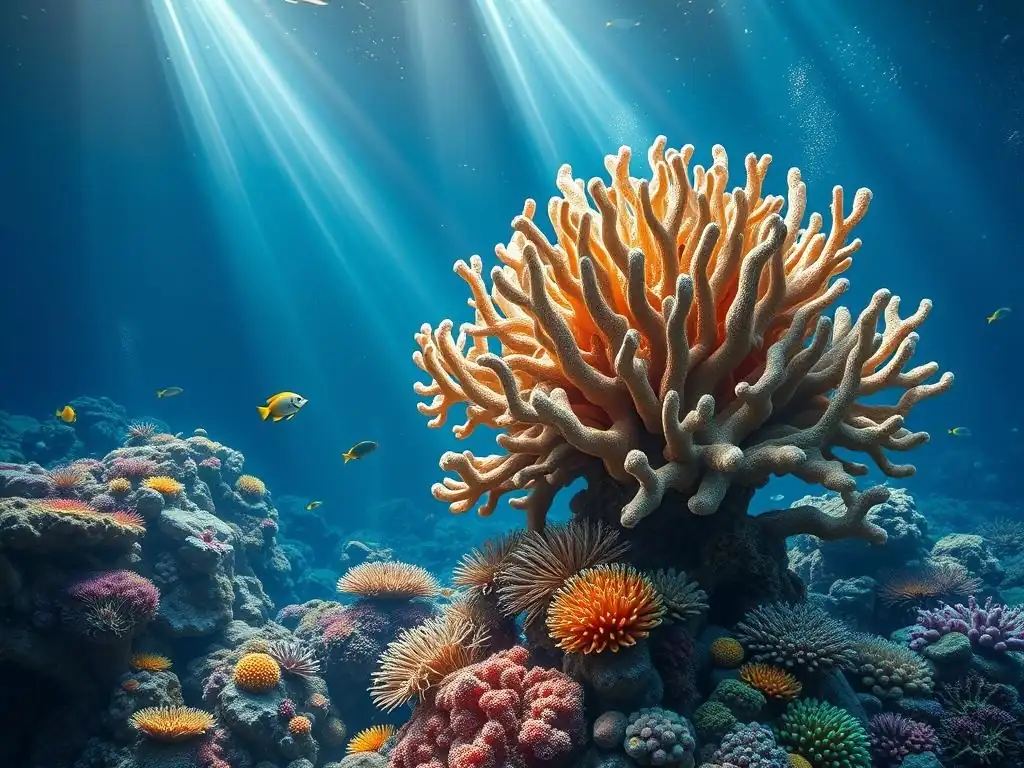
Welcome to Aquarium Mastery!
Is your vibrant coral looking a little... deflated? Are you wondering, " Why Aren't My Coral Polyps Extending?" Don't fret! You've come to the right place. Dive into our comprehensive guide to uncover the common causes behind retracted polyps, learn to decode the subtle signs of stress in your coral, and discover proven methods to restore their full, mesmerizing splendor. Let's get those polyps extending again!
- Understanding Coral Polyp Extension: A Vital Sign of Coral Health
-
Common Causes of Coral Polyps Not Extending: A Troubleshooting Guide
- Poor Water Quality: A Primary Culprit for Coral Polyp Retraction
- Lighting Issues: Insufficient or Excessive Light Exposure
- Parameter Instability: Fluctuations in Salinity, pH, and Alkalinity
- Pests and Diseases: Identifying and Treating Coral Ailments
- Physical Irritation: Aggressive Tank Mates and Physical Damage
- Diagnosing the Underlying Cause: A Step-by-Step Approach
-
Restoring Full Splendor: Solutions for Coral Polyp Extension Issues
- Water Changes: Diluting Harmful Substances and Replenishing Trace Elements
- Optimizing Water Flow: Ensuring Adequate Circulation and Gas Exchange
- Adjusting Lighting: Providing the Correct Spectrum and Intensity
- Pest Control: Effective Methods for Eliminating Coral Pests
- Quarantine and Treatment: Isolating and Treating Diseased Corals
- Preventing Future Issues: Maintaining a Healthy Reef Environment
- Advanced Techniques for Encouraging Polyp Extension
- Conclusion: Achieving Vibrant Coral Growth Through Careful Observation and Proactive Care
-
Frequently Asked Questions
- Why aren't my coral polyps extending?
- What water parameters are most critical for coral polyp extension?
- How does lighting affect coral polyp extension?
- Could aggressive tank mates be the reason my coral polyps aren't extending?
- What are the first steps I should take if I notice my coral polyps are not extending?
- Final Reflection: Embracing the Resilience of Coral Reefs
- Revitalize Your Reef: Unleash Vibrant Coral Growth!
Understanding Coral Polyp Extension: A Vital Sign of Coral Health
The Importance of Polyp Extension in Coral Reef Aquariums
Coral polyp extension is a fundamental indicator of a coral's health and well-being within a reef aquarium. These tiny, individual organisms that make up a coral colony are responsible for vital functions such as feeding, respiration, and photosynthesis. When coral polyps are extended, it signifies that the coral is comfortable, actively engaging with its environment, and performing these essential biological processes efficiently. Prolonged or widespread retraction, meaning your coral polyps not extending, should be considered a significant red flag requiring immediate investigation.
Furthermore, polyp extension is critical for the coral's symbiotic relationship with zooxanthellae, the photosynthetic algae living within their tissues. Extended polyps maximize the surface area exposed to light, allowing the zooxanthellae to perform photosynthesis more effectively. This process provides the coral with up to 90% of its energy requirements. Beyond photosynthesis, extended polyps facilitate filter feeding, enabling the coral to capture microscopic food particles from the water column, thus absorbing crucial nutrients. If coral polyps not extending, it directly impairs these energy-generating mechanisms, leading to starvation and eventual decline.
What Does Healthy Coral Polyp Extension Look Like?
Healthy coral polyp extension varies significantly depending on the coral species. For Large Polyp Stony (LPS) corals like Euphyllia (hammer, frogspawn) or Cynarina, healthy extension typically means fully inflated, fleshy polyps with tentacles extended, often swaying gently in the current. Small Polyp Stony (SPS) corals such as Acropora or Montipora will show numerous tiny, distinct polyps protruding from their skeletal structure, giving the coral a fuzzy appearance. Soft corals like mushrooms or zoanthids will be fully open and plump, displaying vibrant coloration.
The timing of polyp extension is also a key factor in assessing health. Many corals, particularly LPS and some soft corals, extend more fully at night to capture planktonic food, while photosynthetic corals like SPS tend to extend during the day to maximize light absorption. Observing consistent, robust polyp extension during their active period is crucial. If your coral polyps not extending during the times they are typically active, or if they appear shrunken and withdrawn for prolonged periods, it is a clear sign that the coral is under stress and needs attention.
Coral Polyp Retraction vs. Extension: Recognizing the Difference
Coral polyp retraction is the act of polyps pulling back into the safety of the coral's skeleton or body, appearing shrunken, deflated, or completely "closed." This is a natural defense mechanism that corals employ when they feel threatened, are exposed to strong or inconsistent flow, are being physically irritated, or are undergoing temporary stress from tank maintenance, such as during a water change or when a fish brushes against them. Temporary retraction is a normal, albeit brief, response to external stimuli.
The critical distinction lies between temporary and prolonged retraction. If polyps retract for a few minutes or hours after a disturbance and then quickly re-extend, it's generally not a cause for concern. However, if your coral polyps not extending for extended periods—several hours, a full day, or even multiple days—it indicates a persistent underlying problem. This prolonged state of retraction prevents the coral from feeding and photosynthesizing efficiently, leading to a decline in health. Recognizing this difference is the first step in troubleshooting why your coral polyps not extending and preventing further damage.
Common Causes of Coral Polyps Not Extending: A Troubleshooting Guide
Poor Water Quality: A Primary Culprit for Coral Polyp Retraction
Poor water quality is arguably the most common and significant factor contributing to coral polyp retraction and overall coral decline. Corals are highly sensitive organisms that thrive in stable, pristine aquatic environments. Even slight deviations from optimal water parameters or the accumulation of undesirable compounds can induce stress, causing coral polyps not extending and potentially leading to tissue loss or death.
The presence of dissolved organic compounds, heavy metals, and other pollutants, even at concentrations as low as parts per billion, can severely impact coral health. These substances can irritate coral tissues, inhibit metabolic processes, and compromise the symbiotic relationship with zooxanthellae. When water quality issues persist, corals divert energy from growth and extension towards detoxification and survival, resulting in prolonged polyp retraction and a visibly unhealthy appearance.
Elevated Nitrate and Phosphate Levels and Their Impact on Corals
Elevated levels of nitrates (NO3) and phosphates (PO4) are notorious for stressing corals and inhibiting their calcification process, which is essential for skeletal growth. For sensitive SPS corals, nitrate levels above 10-20 ppm and phosphate levels exceeding 0.03-0.05 ppm can become problematic. These nutrients can lead to excessive algae growth, which competes with corals for space and light, further exacerbating the issue of coral polyps not extending.
Phosphates, in particular, are known to bind with calcium, reducing its availability for coral skeleton formation. Studies have indicated that sustained phosphate concentrations above 0.1 ppm can significantly reduce the calcification rates of many coral species by 30-50% over several weeks. High nitrates can also directly stress the zooxanthellae, leading to their expulsion (bleaching) or reduced photosynthetic efficiency, thus diminishing the coral's energy supply and causing polyps to remain retracted.
Ammonia and Nitrite Spikes: Toxic Threats to Coral Health
Ammonia (NH3/NH4+) and nitrite (NO2-) are highly toxic compounds to all marine life, including corals. In a mature and properly cycled reef tank, these parameters should always register at 0 ppm. Any detectable level of ammonia or nitrite indicates a problem with the biological filtration, such as a tank crash, overfeeding, or a new tank syndrome. Even concentrations as low as 0.1 ppm of ammonia can cause severe tissue necrosis and immediate, complete retraction of coral polyps, leading to death within hours for sensitive species.
These compounds directly damage coral tissues and impair their ability to respire and absorb nutrients effectively. When exposed to ammonia or nitrite spikes, corals instinctively retract their polyps fully as a desperate survival mechanism to protect their delicate tissues from the toxic environment. This complete inability to extend polyps is a critical emergency, demanding immediate large water changes and investigation into the cause of the biological filter failure.
Inadequate Water Flow and Oxygenation
Adequate water flow is paramount for coral health, serving multiple critical functions. It ensures the delivery of essential nutrients and food particles to the coral polyps, facilitates the removal of metabolic waste products from the coral's surface, and promotes vital gas exchange (oxygen uptake, carbon dioxide release). Insufficient water flow can create "dead spots" within the aquarium where detritus accumulates, leading to localized nutrient spikes and anaerobic conditions, which severely stress corals and cause coral polyps not extending.
Proper flow also helps corals shed their protective mucus layer, preventing the settlement of algae, cyanobacteria, or other undesirable organisms on their surfaces. For many SPS corals, recommended flow rates often range from 10 to 20 times the tank volume per hour to ensure turbulent and randomized water movement. Without sufficient flow, corals can effectively suffocate due to a lack of oxygen and the accumulation of their own waste products, leading to prolonged polyp retraction and eventual tissue loss.
Lighting Issues: Insufficient or Excessive Light Exposure
Lighting is a critical environmental factor for photosynthetic corals, which rely on light for their primary energy source. However, both insufficient and excessive light exposure can lead to significant stress, causing coral polyps not extending and potentially resulting in bleaching or browning out. Finding the correct balance of light intensity and spectrum is crucial for maintaining vibrant and healthy corals.
The key metric for coral lighting is Photosynthetically Active Radiation (PAR), which measures the light available for photosynthesis. Optimal PAR levels vary dramatically by coral type: soft corals might thrive at 50-150 PAR, LPS corals often prefer 100-250 PAR, while demanding SPS corals can require 200-450+ PAR at the coral's depth. Incorrect PAR levels, whether too high or too low, can disrupt the coral's energy production and lead to stress symptoms like prolonged polyp retraction.
Light Acclimation: Gradually Introducing Corals to New Lighting
When introducing new corals to an aquarium or upgrading lighting systems, proper light acclimation is absolutely essential. Moving a coral directly from a low-light environment (e.g., a holding tank at a fish store) to a high-intensity reef tank without a gradual adjustment period can cause severe light shock. This shock often manifests as immediate polyp retraction, bleaching (expulsion of zooxanthellae), or tissue necrosis, as the coral's symbiotic algae are overwhelmed by the sudden increase in light energy.
To acclimate corals, methods include placing them lower in the tank initially, using temporary shade cloth, or, most effectively, gradually increasing the intensity of new LED lights. For instance, many high-power LED systems should be started at 30-50% of their full intensity and slowly ramped up by 5-10% weekly over a period of several weeks (typically 4-8 weeks). This slow increase allows the coral's zooxanthellae population to adapt to the new light levels, preventing stress and ensuring full polyp extension.
Identifying Signs of Light Stress in Corals
Identifying signs of light stress is crucial for adjusting your lighting setup. If corals are receiving too much light, common symptoms include bleaching, where the coral loses its vibrant coloration and appears pale or even white due to the expulsion of zooxanthellae. Affected corals will also exhibit prolonged polyp retraction, tissue recession, or an overall "burnt" appearance. They may also produce excessive mucus as a protective measure against the intense light.
Conversely, signs of too little light include corals "stretching" upwards to try and reach more light, browning out (where corals appear darker due to an increase in zooxanthellae density in an attempt to capture more light), and generally poor growth rates. In these cases, coral polyps not extending fully during their active periods, or appearing weak and lethargic. Observing these visual cues helps determine if your lighting intensity or spectrum needs adjustment.
Parameter Instability: Fluctuations in Salinity, pH, and Alkalinity
Beyond simply maintaining optimal water parameters, stability is equally, if not more, important for coral health. Reef corals have evolved in extremely stable ocean environments, and sudden or significant fluctuations in key parameters like salinity, pH, and alkalinity can induce severe physiological stress. This stress diverts the coral's energy from growth and maintenance towards adapting to the changing conditions, frequently resulting in coral polyps not extending.
Even seemingly minor daily swings in parameters can have cumulative negative effects over time. For example, a daily salinity fluctuation of just 0.002 specific gravity units or a pH change of 0.1 units, if consistent, can prevent corals from thriving. Corals expend considerable metabolic energy trying to maintain their internal homeostasis in the face of these external shifts, which leaves less energy for essential processes like calcification, feeding, and, ultimately, polyp extension.
The Importance of Maintaining Stable Alkalinity for Coral Growth
Alkalinity (measured in dKH, meq/L, or ppm CaCO3 equivalent) is a measure of the water's buffering capacity and is absolutely critical for coral calcification—the process by which corals build their calcium carbonate skeletons. Fluctuations in alkalinity directly impact a coral's ability to lay down new skeletal material. When alkalinity swings, corals must expend significant energy to regulate their internal calcification processes, diverting resources that would otherwise be used for growth and polyp extension.
For most reef aquariums, maintaining a stable alkalinity level between 7-11 dKH is recommended, with many successful reef keepers aiming for a tighter range of 8-9 dKH. Daily swings greater than 0.5-1 dKH can lead to noticeable stress, including tissue loss, slowed growth, and polyps remaining retracted. Consistent monitoring and dosing (e.g., with a two-part solution or calcium reactor) are essential to maintain this crucial parameter within a tight and stable range.
Salinity Swings: Avoiding Stress on Coral Tissues
Salinity, typically measured as specific gravity (SG) or practical salinity units (PSU), dictates the osmotic balance of a coral's cells. Corals are highly sensitive to changes in salinity because their cells must maintain a precise internal salt concentration. Sudden drops or increases in salinity can cause coral cells to either swell (if salinity drops) or shrink (if salinity rises) due to osmosis, leading to cellular damage and severe physiological stress. This stress almost invariably results in coral polyps not extending.
A stable salinity of 1.025-1.026 SG (approximately 35 ppt) is ideal for most reef aquariums, mirroring natural ocean conditions. Evaporation of water from the tank will cause salinity to rise, which is why using an auto top-off (ATO) system with pure RODI (Reverse Osmosis Deionized) water is highly recommended. An ATO system automatically replaces evaporated water, preventing daily salinity fluctuations and helping to keep the specific gravity within a tight range, ideally +/- 0.001 SG.
pH Levels: Ensuring a Stable and Reef-Safe Environment
pH is a measure of the water's acidity or alkalinity and plays a vital role in various biological processes within a coral, including calcification and enzyme function. While some natural daily pH fluctuation is normal in a reef tank (typically a swing of 0.2-0.3 units between day and night due to photosynthesis and respiration), prolonged low pH or large, rapid swings can severely inhibit coral growth and cause stress, leading to coral polyps not extending.
The ideal pH range for a reef aquarium is generally considered to be between 7.8 and 8.5. Consistently low pH (e.g., below 7.8) can make it difficult for corals to deposit calcium carbonate for their skeletons, a condition known as acidosis. Large daily swings, particularly if greater than 0.5 units, indicate poor buffering capacity or excessive CO2 buildup. Maintaining stable alkalinity and ensuring good gas exchange (e.g., via surface agitation or a protein skimmer) helps stabilize pH.
Pests and Diseases: Identifying and Treating Coral Ailments
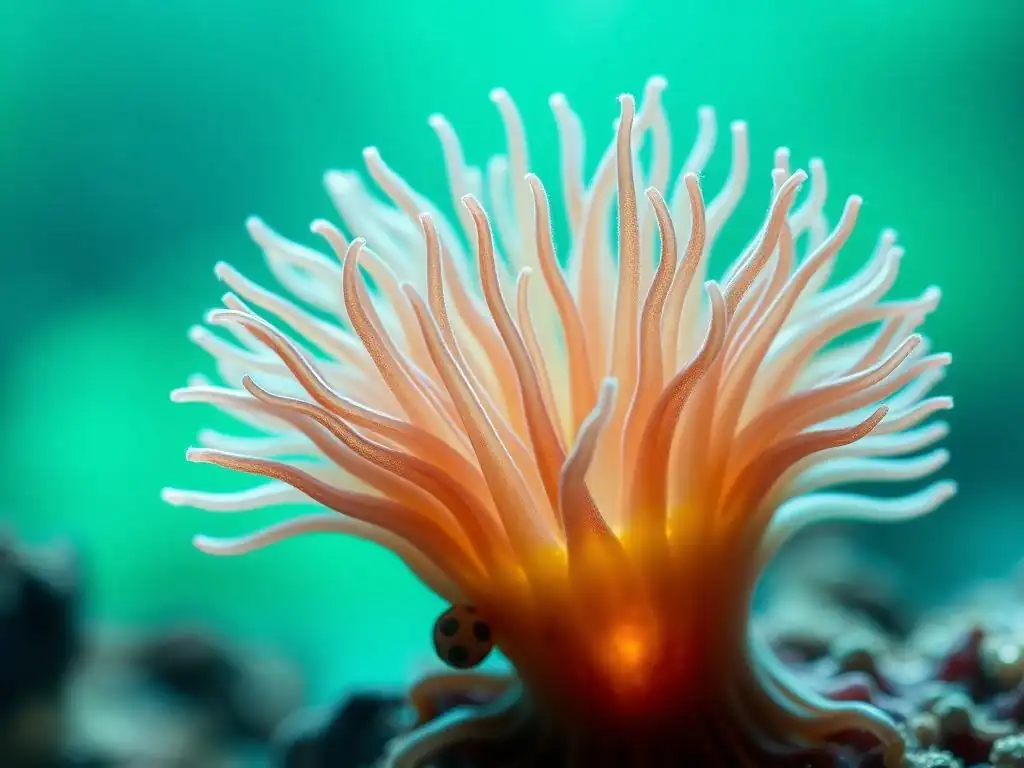
Pests and diseases pose direct and insidious threats to coral health, often manifesting as coral polyps not extending, tissue loss, or complete colony collapse. These ailments can be caused by various organisms, including parasitic flatworms, predatory nudibranchs, or bacterial infections, all of which directly irritate, consume, or infect coral tissues.
Early detection is paramount when dealing with coral pests and diseases, as many are cryptic and only become noticeable once significant damage has occurred. A thorough quarantine protocol for all new corals, typically involving a 4-6 week observation period in a separate tank, is the most effective way to prevent the introduction of these problematic organisms into your main display tank. Regular visual inspection of your corals, even when they appear healthy, can help catch issues before they escalate.
Coral Eating Nudibranchs: A Common Aquarium Pest
Coral-eating nudibranchs, such as Acropora Eating Flatworms (AEFW) and Montipora Eating Nudibranchs, are highly specialized and destructive pests. These tiny, often camouflaged, sea slugs directly consume coral tissue, leaving behind characteristic bite marks, tissue recession, and causing the affected coral polyps not extending. AEFW, for instance, primarily target Acropora corals, leading to localized tissue loss and a "bare skeleton" appearance on affected branches.
These nudibranchs also lay egg masses, which are typically clear or white spirals, often found on the coral's skeleton near the tissue line. A single AEFW can lay dozens of eggs, leading to rapid infestations that can devastate an entire Acropora colony within weeks if left unaddressed. Manual removal, coral dips, and specific medications are often required to eradicate these persistent pests, which are notoriously difficult to spot until populations are high.
Flatworms: Recognizing and Eradicating These Coral Parasites
Various types of flatworms can plague reef aquariums, ranging from nuisance red planaria (which can smother corals if populations explode) to more insidious parasitic flatworms that feed directly on coral mucus or tissue. These parasites can irritate corals, causing them to retract their polyps, appear stressed, and exhibit poor coloration or growth. When present in large numbers, they can completely cover coral surfaces, preventing light exposure and flow.
Flatworms reproduce rapidly, often through asexual reproduction, and can quickly overwhelm a tank if not controlled. Red planaria, for example, can cover the substrate and lower parts of corals, making coral polyps not extending in affected areas. Eradication methods often involve specific chemical treatments (e.g., Flatworm Exit), but these require careful dosing and post-treatment procedures (like large water changes and carbon filtration) to avoid harming beneficial tank inhabitants. Biological controls, such as certain species of wrasses, can also help manage populations.
Bacterial Infections: Identifying Signs and Implementing Treatments
Bacterial infections in corals can be rapid and devastating, often triggered by underlying stress, physical damage, or poor water quality. Common manifestations include Brown Jelly Disease (BJD), White Band Disease (WBD), and Rapid Tissue Necrosis (RTN). These infections cause rapid tissue loss, often appearing as a slimy brown jelly or a receding white line, leading to complete retraction of polyps from the affected areas and exposing the bare skeleton.
Brown Jelly Disease, for instance, can consume an entire LPS coral within 24-48 hours, spreading quickly. Identifying bacterial infections early is crucial, as they can spread to other corals. Treatment often involves isolating the affected coral in a hospital tank, performing targeted coral dips with antibacterial agents, or, in severe cases, fragging (cutting) away the infected sections to save the healthy parts of the colony. Maintaining pristine water quality and minimizing stress are key preventative measures against these aggressive pathogens.
Physical Irritation: Aggressive Tank Mates and Physical Damage
Physical irritation is a direct cause of coral stress and polyp retraction. Corals are sessile organisms, meaning they are fixed in place and cannot move away from threats or annoyances. Persistent physical contact, whether from aggressive tank mates or accidental damage during tank maintenance, forces corals to retract their polyps as a defense mechanism. If this irritation continues, the coral polyps not extending will become a chronic issue, leading to prolonged stress, tissue damage, and potential secondary infections.
Even seemingly minor, repeated contact can prevent corals from fully extending, interfering with their ability to feed and photosynthesize. This continuous stress diverts the coral's energy resources away from growth and repair towards defense, making them more susceptible to disease and overall decline. It's crucial for aquarists to identify and mitigate sources of physical irritation to ensure their corals can thrive and display full polyp extension.
Fish Nipping at Corals: Preventing and Addressing the Issue
Certain fish species are known to nip at or consume coral polyps, causing direct physical damage and irritation that prevents polyps from extending. Common culprits include some species of angelfish, butterflyfish, triggerfish, and even some normally reef-safe species if they are underfed or stressed. The nipping causes localized tissue damage, leading to retraction in the affected areas and potential infection.
Observing your fish behavior, especially around the affected coral, is crucial for identifying potential aggressors. For instance, a seemingly docile tang might occasionally pick at an SPS coral if it perceives it as an algae source, or a wrasse might investigate and nip at a soft coral. If a fish is identified as a coral nipper, rehoming it might be the only viable solution to prevent further damage and allow the coral polyps not extending to recover and extend fully.
Accidental Physical Damage During Tank Maintenance
Accidental physical damage during routine tank maintenance is a surprisingly common cause of coral stress and retraction. Bumping, scraping, or dropping corals while aquascaping, cleaning the glass with a magnet cleaner, or adding new inhabitants can cause immediate tissue damage. Even a seemingly minor brush against a coral with a cleaning tool can result in abrasions that prevent localized polyp extension and create entry points for bacterial infections.
The importance of careful handling cannot be overstated. When performing maintenance, move slowly and deliberately around corals. If you need to move a coral, do so gently and support its base. Plan your cleaning routes to avoid contact with delicate colonies. Even a small amount of tissue damage can cause the coral polyps not extending in that area for several days or weeks as the coral attempts to heal and regenerate, diverting energy from overall growth and vitality.
Diagnosing the Underlying Cause: A Step-by-Step Approach
Testing Your Water Parameters: Essential Tools and Techniques
When your coral polyps not extending, the absolute first step in diagnosis is to perform a comprehensive test of your water parameters. This provides objective data about your tank's chemical environment, which is often the primary culprit. Key parameters to test include salinity, alkalinity (dKH), calcium (Ca), magnesium (Mg), nitrates (NO3), phosphates (PO4), pH, and crucially, ammonia (NH3/NH4+) and nitrite (NO2-).
Utilize reliable test kits, such as Hanna Checkers for phosphates and alkalinity, and high-quality liquid kits like Salifert or Red Sea for other major parameters. Establish a consistent testing schedule (e.g., weekly for major parameters, daily for ammonia/nitrite if problems are suspected). Even slight deviations from optimal ranges—for example, calcium below 400 ppm or magnesium below 1250 ppm—can hinder calcification and directly impact a coral's ability to extend its polyps fully. Accurate and frequent testing helps pinpoint imbalances.
Visually Inspecting Your Corals for Signs of Pests or Disease
After confirming water parameters, the next crucial step is a detailed visual inspection of your affected corals. This requires patience and a keen eye, possibly using a magnifying glass or a phone camera with zoom capabilities. Look for any unusual visual cues: discolored areas, tissue recession (where the tissue pulls away from the skeleton), unusual growths, or the presence of visible pests. Tiny white dots might indicate flatworms or nudibranchs, while stringy mucus could point to bacterial issues.
Inspect the coral from all angles, and if possible, during both day and night, as some pests are nocturnal. For instance, Acropora Eating Flatworms (AEFW) are often more visible when the lights are off or after a coral dip. Look for any bite marks, lesions, or areas where the polyps are consistently retracted while the rest of the coral is extended. Pay close attention to the base of the coral and any crevices where pests might hide or egg masses could be laid.
Observing Fish Behavior: Identifying Potential Aggressors
Finally, carefully observe the behavior of your tank mates, especially any fish, around the affected coral. Even generally "reef-safe" fish can occasionally nip at corals if they are underfed, stressed, or if the coral is perceived as an unusual food source. Watch for any direct nipping, rubbing, or aggressive territorial displays near the coral that might be causing physical irritation and preventing polyp extension.
Observe the tank for several hours, particularly around feeding times, when fish activity is highest. A seemingly peaceful tang, for example, might be responsible for subtle, consistent nipping at an SPS coral's polyps, preventing them from extending. If you witness a fish repeatedly interacting negatively with the coral, it's a strong indicator that it might be the cause of your coral polyps not extending. In such cases, relocating the fish to a different tank or reevaluating your stocking list may be necessary.
Restoring Full Splendor: Solutions for Coral Polyp Extension Issues
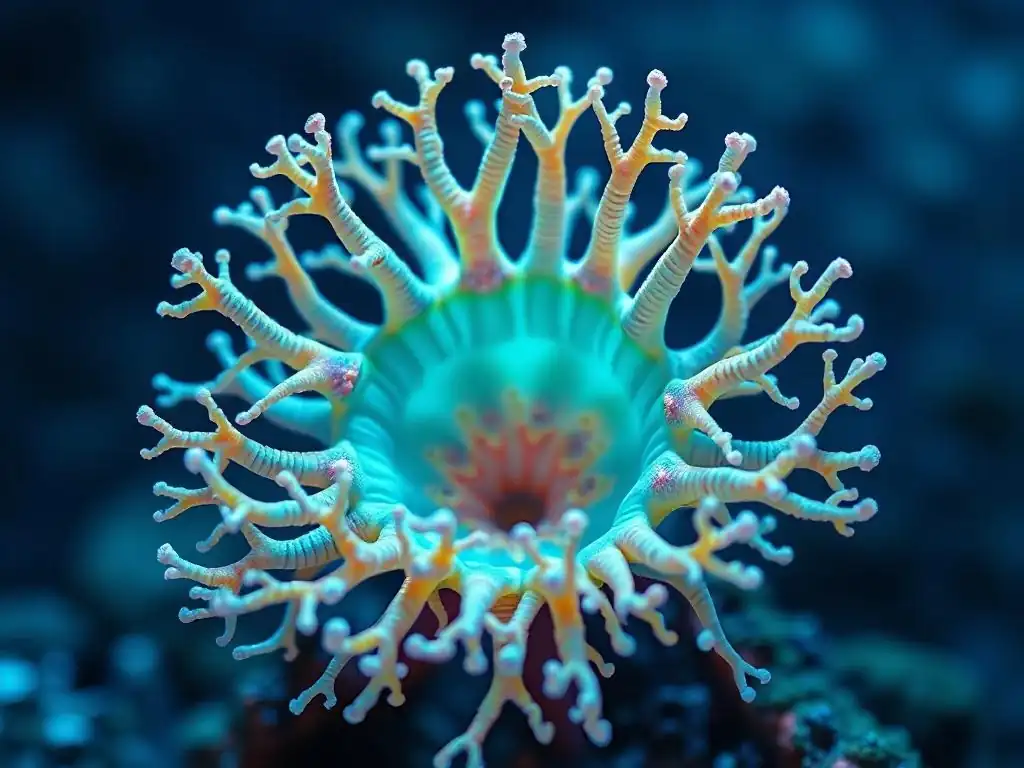
Water Changes: Diluting Harmful Substances and Replenishing Trace Elements
Regular and consistent water changes are one of the most effective and fundamental solutions for improving water quality and encouraging coral polyp extension. Performing weekly or bi-weekly water changes, typically 10-20% of your tank's volume, effectively dilutes accumulated nitrates, phosphates, and other dissolved organic compounds that can stress corals. This immediate reduction in pollutants creates a cleaner, healthier environment that allows stressed corals to begin recovering.
Beyond diluting harmful substances, water changes also serve to replenish essential trace elements that corals consume for growth and overall health, such as iodine, strontium, and potassium. These elements are vital for calcification and metabolic processes. Using a high-quality salt mix ensures that new water contains these necessary components in the correct proportions, directly aiding in the restoration of full polyp extension and promoting vibrant coral health.
Optimizing Water Flow: Ensuring Adequate Circulation and Gas Exchange
Optimizing water flow is crucial for encouraging coral polyp extension, particularly if inadequate circulation was identified as a cause. This involves adjusting existing powerheads, adding new ones, or repositioning corals to ensure turbulent and random flow across all colonies. Proper water movement prevents the accumulation of detritus on coral surfaces and eliminates "dead spots" where oxygen levels can deplete.
Adequate flow ensures that essential nutrients and food particles are delivered directly to the coral polyps, while simultaneously removing metabolic waste products from their surfaces. This constant exchange is vital for respiration and overall coral vitality. For instance, in SPS-dominated tanks, total flow rates equivalent to 20-40 times the tank volume per hour are often recommended to ensure strong gas exchange and prevent boundary layer issues that can inhibit polyp extension.
Adjusting Lighting: Providing the Correct Spectrum and Intensity
If lighting issues are determined to be the cause of your coral polyps not extending, precise adjustments are necessary. If corals are bleaching or retracting due to too much light, gradually dim your lights, raise the light fixture, or move the affected coral to a lower-light area in the tank. For new corals or those showing light stress, reducing PAR by 20-30% initially and slowly increasing it over 4-6 weeks can help them adapt and recover their full extension.
Conversely, if corals are browning out or stretching due to insufficient light, gradually increase the light intensity, adjust the spectrum to include more blue light, or move the coral to a brighter spot. For example, a slight increase in blue spectrum or overall intensity, applied incrementally, can stimulate zooxanthellae activity and improve polyp extension. Always make lighting adjustments gradually (e.g., 5-10% change per week) to avoid shocking the corals.
Pest Control: Effective Methods for Eliminating Coral Pests
Effective pest control is paramount when coral polyps not extending due to the presence of pests. The specific method depends on the identified pest. For external parasites like flatworms or nudibranchs, targeted coral dips using commercially available products (e.g., Flatworm Exit for flatworms, specific dips for AEFW) are often highly effective. These dips are short-term chemical baths designed to dislodge or kill pests on the coral's surface.
It is crucial to accurately identify the pest before treatment to ensure the correct approach. For instance, a single treatment with Flatworm Exit can significantly reduce flatworm populations by over 90%, but follow-up treatments are often necessary due to egg hatching. For larger pests, manual removal with tweezers can be effective. In some cases, introducing biological controls, such as certain species of wrasses known to prey on flatworms or nudibranchs, can help manage persistent populations.
Quarantine and Treatment: Isolating and Treating Diseased Corals
When dealing with diseased corals, especially those showing signs of bacterial infections like Brown Jelly Disease, immediate quarantine and treatment are essential to prevent the spread of pathogens to other healthy corals. A separate hospital tank, with its own filtration and heating, allows for targeted treatment without affecting the main display tank's inhabitants or beneficial bacteria.
In the quarantine tank, specific treatments can be applied, such as antibiotic baths for bacterial infections, or more aggressive coral dips. For example, if a coral is suffering from Brown Jelly Disease, carefully fragging (cutting away) the infected areas can sometimes save the healthy portions of the colony. The quarantined coral should be observed for several weeks, and treatment should continue until all signs of disease have vanished, ensuring it is fully recovered before reintroduction to the main display.
Preventing Future Issues: Maintaining a Healthy Reef Environment
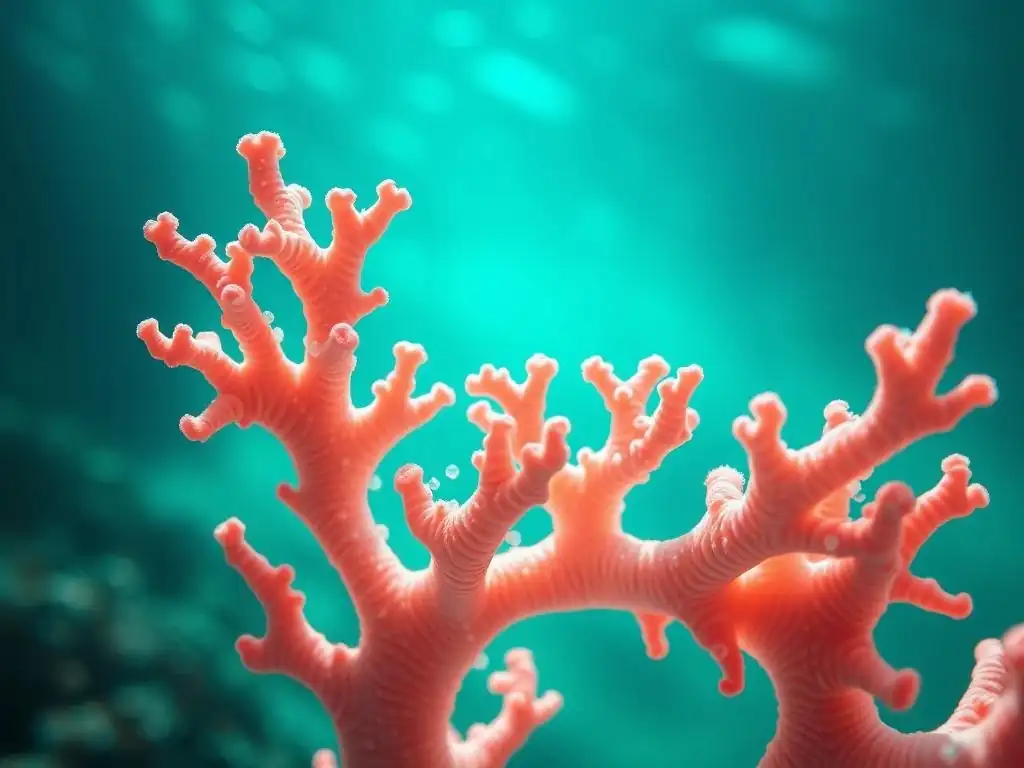
Regular Water Testing and Parameter Monitoring
Preventing future issues with coral polyp extension hinges on consistent and proactive maintenance, starting with regular water testing and parameter monitoring. Establish a routine for testing key parameters such as alkalinity, calcium, magnesium, nitrates, phosphates, and pH. For most reef tanks, testing major parameters weekly or bi-weekly is sufficient, but if you notice any signs of stress, daily testing might be necessary for specific parameters.
Keeping a detailed log of your test results is highly beneficial. This allows you to identify trends over time, catch subtle parameter creep before it becomes problematic, and quickly pinpoint the cause if coral polyps not extending becomes an issue again. For example, if your alkalinity consistently drops by 0.5 dKH over a few days, it signals a need to adjust your dosing regimen or increase water change frequency before corals show visible signs of stress.
Implementing a Consistent Water Change Schedule
Implementing and adhering to a consistent water change schedule is one of the most fundamental preventative measures for maintaining a healthy reef environment and ensuring robust coral polyp extension. Regular water changes (e.g., 10-15% weekly or 20% bi-weekly) are crucial for diluting accumulated nutrients and pollutants that inevitably build up in a closed system. This prevents parameter creep and helps to keep nitrates and phosphates at desirable low levels.
The consistency of water changes is more important than the volume of individual changes. For a 100-gallon reef tank, a 15-gallon weekly water change effectively dilutes nitrates by approximately 15% each week, assuming no new input. This routine also replenishes essential trace elements and buffers that corals consume, supporting their calcification and overall vitality, thus proactively preventing issues that could lead to coral polyps not extending.
Careful Stocking: Choosing Compatible Tank Mates
Careful stocking choices are vital for preventing future issues, especially regarding fish nipping at corals. Before introducing any new fish or invertebrate, thoroughly research its compatibility with corals and other existing tank mates. Avoid species known to be obligate or opportunistic coral eaters, such as certain angelfish, butterflyfish, or triggerfish, unless you have a dedicated FOWLR (Fish Only With Live Rock) system.
Even generally "reef-safe" fish can sometimes turn problematic if they are underfed, stressed, or if the tank is overcrowded. Adding too many fish too quickly can overwhelm the biological filtration, leading to nutrient spikes that indirectly stress corals and cause coral polyps not extending. A general rule of thumb is to add no more than one or two small fish per month to allow the biological filter to adapt and maintain stability.
Providing Proper Nutrition: Feeding Your Corals the Right Food
While photosynthetic corals derive the majority of their energy from their symbiotic zooxanthellae, providing proper supplemental nutrition is crucial for their long-term health, growth, and vibrant polyp extension. Many corals, especially LPS and non-photosynthetic species, actively feed on particulate matter from the water column. Relying solely on light can lead to nutrient deficiencies and suboptimal health.
Various types of coral foods are available, including phytoplankton for filter feeders, zooplankton, amino acids, and specialized coral foods (e.g., mysis shrimp, chopped krill). Target feeding LPS corals 2-3 times a week with a meaty coral food can significantly improve their growth rates, coloration, and particularly their nocturnal polyp extension. For SPS corals, broadcast feeding phytoplankton or amino acids can provide essential building blocks that enhance overall vigor and ensure coral polyps not extending is a rare occurrence.
Advanced Techniques for Encouraging Polyp Extension
Amino Acid Supplementation: Boosting Coral Growth and Coloration
Amino acid supplementation is an advanced technique gaining popularity among reef aquarists for boosting coral growth, enhancing coloration, and encouraging robust polyp extension. Amino acids are the fundamental building blocks of proteins, and while corals produce some internally, external supplementation can provide easily absorbable nutrients that directly support their metabolic processes and tissue development.
Many aquarists report noticeable improvements in polyp extension, particularly in SPS corals, within days or weeks of starting amino acid dosing. These supplements can help corals recover from stress, improve their ability to utilize light, and promote overall vitality. Typical dosing recommendations range from 1-3 ml per 100 gallons, several times a week, depending on the product and bioload. This direct nutritional boost can be particularly effective when coral polyps not extending due to a lack of available nutrients.
Utilizing Coral Dips: Preventing and Treating Coral Diseases
Coral dips are short-term, concentrated chemical baths used to prevent and treat external coral pests and some bacterial infections. They are an essential tool for quarantining new corals before introducing them to the main display, significantly reducing the risk of introducing unwanted hitchhikers like flatworms, nudibranchs, or parasitic copepods. Dips effectively dislodge or kill external organisms that could cause coral polyps not extending.
When performed correctly, using commercially available dips (e.g., Revive, CoralRx) according to manufacturer instructions, typically for 5-15 minutes with gentle agitation, can remove up to 90% of visible pests from new corals. While effective for surface pests, dips generally do not penetrate coral tissue or kill eggs, so repeated dipping over several weeks or a dedicated quarantine period is often necessary for complete eradication and to ensure that new coral polyps not extending issues are mitigated.
Specialized Lighting Schedules: Optimizing Photosynthesis and Coral Health
Advanced lighting systems, particularly LED fixtures, offer the ability to create specialized lighting schedules that can optimize photosynthesis, enhance coral coloration, and encourage polyp extension. Beyond simply providing the correct PAR and spectrum, customizable schedules can simulate natural daylight cycles, including dawn and dusk ramp-ups/downs, and specific blue-heavy phases.
A well-designed lighting schedule can promote optimal coral health. For example, a "blue hour" or moon phase, where only actinic (blue) light is present, can encourage nocturnal polyp extension for feeding, while a proper daylight spectrum maximizes photosynthesis. Many reefers utilize a total photoperiod of 10-12 hours, with 2-3 hours of gradual ramp-up and ramp-down, and a dominant blue spectrum for 6-8 hours. This tailored approach can enhance both growth and vitality, helping to resolve issues where coral polyps not extending by mimicking their natural environment.
Conclusion: Achieving Vibrant Coral Growth Through Careful Observation and Proactive Care
Frequently Asked Questions
Why aren't my coral polyps extending?
There are many reasons why your coral polyps might not be extending. Common causes include poor water quality, inadequate lighting, or stress from tank mates. Identifying the root cause is essential for effective treatment.
What water parameters are most critical for coral polyp extension?
Maintaining stable and optimal water parameters is crucial for coral health. Key parameters include alkalinity, calcium, and magnesium levels, as well as consistent temperature and salinity. Regular testing and adjustments are necessary.
How does lighting affect coral polyp extension?
Coral polyps rely on light for photosynthesis. Insufficient or incorrect lighting can directly inhibit polyp extension and overall coral health. Ensure your lighting matches the specific needs of your coral species.
Could aggressive tank mates be the reason my coral polyps aren't extending?
Yes, certain fish or invertebrates can harass corals. Aggressive nipping or competition can cause polyps to retract as a defensive mechanism. Careful observation and species selection are important.
What are the first steps I should take if I notice my coral polyps are not extending?
Start by testing your water parameters immediately. Then, observe your tank for any signs of aggression from other inhabitants and assess your lighting system to ensure it is adequate. Quick action can prevent further decline.
Final Reflection: Embracing the Resilience of Coral Reefs
The intricacies of coral health, as explored in this article, are not merely academic exercises; they are urgent calls to action in a world grappling with the devastating effects of climate change. Understanding why coral polyps retract is the first step towards actively participating in the preservation of these vital ecosystems, reminding us that even seemingly small actions can contribute to a larger, more impactful solution.
The delicate dance between coral and its environment, so vividly illustrated by the extension and retraction of its polyps, serves as a powerful metaphor for our own relationship with the natural world. My own journey into reef keeping has underscored the profound responsibility we bear as stewards of these fragile ecosystems. In the end, we will conserve only what we love; we will love only what we understand; and we will understand only what we are taught.
- Baba Dioum. This quote resonates deeply, highlighting the crucial role education and awareness play in fostering a genuine commitment to coral reef conservation.
Now, armed with a deeper understanding of the signs of coral stress and the methods to restore their splendor, I invite you to reflect on your own connection to the ocean. Consider the choices you make daily and how they might impact these underwater wonders. Let this knowledge inspire you to become an advocate for coral reefs, contributing to a future where these vibrant ecosystems not only survive but thrive, a testament to our collective commitment to a healthier planet.
Revitalize Your Reef: Unleash Vibrant Coral Growth!
Thank you for diving into the world of coral care! We hope this article has equipped you with the knowledge to identify and address the common causes of coral polyp retraction. Now, let's translate this understanding into action and bring your reef back to its full glory.
Here's how you can take immediate steps to revive your coral:
- Conduct a thorough water parameter test this week, paying close attention to alkalinity, calcium, and magnesium levels. Adjust as needed to achieve optimal balance – this is the single most impactful action you can take right now.
- Observe your corals closely for the next few days. Document any changes in polyp extension, coloration, or overall appearance. This will help you track the effectiveness of your adjustments.
- Consider experimenting with different lighting schedules or flow patterns in a specific section of your tank to see if polyp extension improves, noting any correlations in a journal.
What small adjustment will you make today to create a more thriving environment for your corals?