
Bird Wrasse (Gomphosus varius): The Unmistakable Snout and Its Unique Aquarium Needs

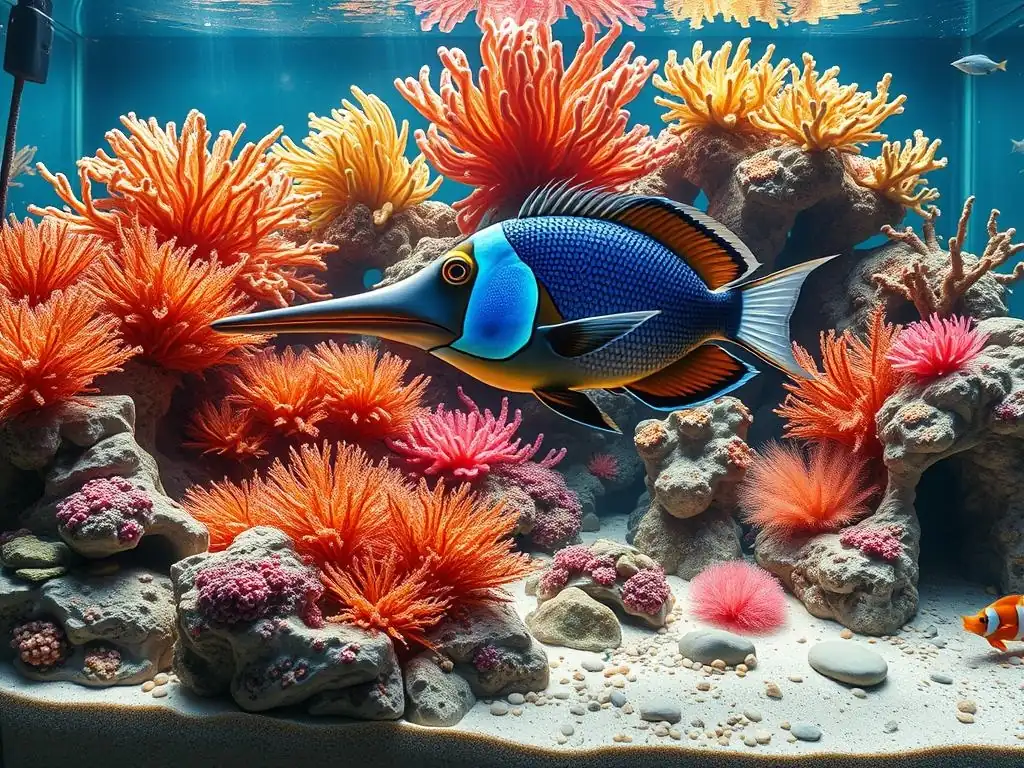
Welcome to Aquarium Mastery, where we dive deep into the fascinating world of aquatic life! Ever been captivated by the distinctive beak and vibrant colors of the Bird Wrasse? Intrigued? This week, we're unlocking the secrets to successful Bird Wrasse aquarium care, providing you with essential tips to keep this stunning fish thriving in your saltwater setup. Discover what makes them unique and how to meet their specific needs. Ready to explore? Let's get started!
- Introduction to the Bird Wrasse: A Unique Addition to Your Saltwater Aquarium
- Identifying the Bird Wrasse: Physical Characteristics and Behavior
- Bird Wrasse Aquarium Care Tips: Essential Considerations
- Diet and Feeding: Nutritional Needs of the Bird Wrasse
- Bird Wrasse Tank Mates: Choosing Compatible Species
- Setting Up the Perfect Bird Wrasse Aquarium: Essential Equipment and Environment
- Potential Health Issues and Disease Prevention in Bird Wrasses
- Bird Wrasse Breeding: Challenges and Possibilities in Captivity
- The Bird Wrasse: Is It the Right Fish for Your Aquarium?
- Frequently Asked Questions
- Final Reflection: Embracing the Bird Wrasse's Unique Charm
- Dive Deeper: Transform Your Aquarium into a Bird Wrasse Paradise!
Introduction to the Bird Wrasse: A Unique Addition to Your Saltwater Aquarium
The Bird Wrasse, scientifically known as Gomphosus varius, is a fascinating and distinctive inhabitant of Indo-Pacific coral reefs, instantly recognizable by its elongated, tubular snout, which gives it its common name. This striking feature, coupled with its vibrant coloration, makes it a captivating addition to a well-established saltwater aquarium. While its unique appearance is undoubtedly appealing, prospective aquarists must understand the specific Bird Wrasse aquarium care tips required to ensure its health and longevity in a captive environment.
Originating from the vast expanse of the Indo-Pacific, from the Red Sea across to Hawaii and French Polynesia, the Bird Wrasse is a highly active and curious species that can bring dynamic movement to a large marine display. Its unusual feeding method, utilizing its specialized snout to probe crevices for small invertebrates, is a constant source of intrigue for observers. However, this feeding behavior also dictates certain considerations regarding tank mates and reef compatibility, which are critical for successful Bird Wrasse aquarium care.
Identifying the Bird Wrasse: Physical Characteristics and Behavior
The Distinctive Snout of the Gomphosus varius
The most defining characteristic of the Gomphosus varius is its remarkably elongated, tubular snout, which can account for up to one-third of its total head length. This specialized appendage is not merely for aesthetics; it is a highly evolved tool that allows the wrasse to probe deep into the intricate nooks and crannies of coral reefs and live rock formations. In the wild, this snout is used to extract small crustaceans, worms, and other invertebrates that other fish might struggle to reach.
This unique morphology gives the Bird Wrasse an almost bird-like appearance, differentiating it significantly from most other wrasse species. The snout's precision allows the fish to target individual prey items with remarkable accuracy, a behavior that translates directly to its feeding habits in an aquarium, where it will actively pick at the substrate and rockwork in search of food.
Color Variations: Male vs. Female Bird Wrasses
The Bird Wrasse exhibits striking sexual dimorphism, with males and females displaying dramatically different color patterns, particularly as they mature. This difference is so pronounced that for many years, the two sexes were mistakenly classified as separate species. Adult males typically showcase brilliant shades of green, blue, and sometimes even a vibrant turquoise, often with iridescent scales that shimmer under aquarium lighting. Some male specimens may also develop pinkish or orange hues around their fins or face.
In contrast, adult females tend to have a more subdued, yet still attractive, coloration, generally presenting a mottled reddish-brown to dark brown body with lighter, often white or yellowish, blotches or bands. Their fins may have reddish or orange accents. Juvenile Bird Wrasses, regardless of sex, often resemble the female coloration, with some displaying a more uniform brown or reddish hue before transitioning into their adult patterns as they mature, a process that can take several months to a year.
Natural Habitat and Behavior in the Wild
The Bird Wrasse is widely distributed throughout the tropical and subtropical waters of the Indo-Pacific region, inhabiting coral-rich areas, rocky reefs, and rubble zones. They are typically found at depths ranging from shallow lagoons of 3 feet (1 meter) down to approximately 100 feet (30 meters). Their natural environment is characterized by an abundance of live rock and coral, providing ample hiding spots and a rich foraging ground.
In their natural habitat, Gomphosus varius are diurnal, highly active swimmers that spend their days constantly patrolling the reef. They are generally solitary or found in small harems consisting of one male and several females. Their behavior is characterized by continuous foraging, using their specialized snout to pick at the substrate and rockwork for small invertebrates. At night, like many wrasses, they bury themselves in the sand or find a secure crevice within the rockwork for protection, emerging again at dawn.
Bird Wrasse Aquarium Care Tips: Essential Considerations
Ideal Tank Size for Bird Wrasses: Providing Ample Swimming Space
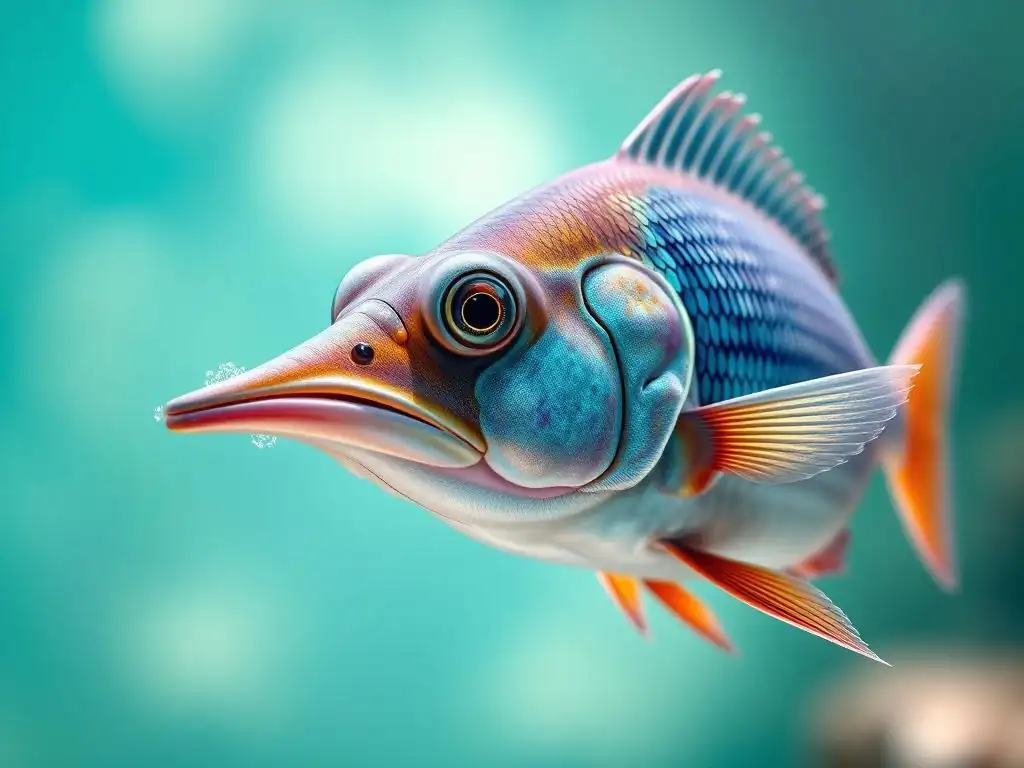
Providing an appropriately sized aquarium is one of the most crucial Bird Wrasse aquarium care tips. Given their active nature and potential adult size, a minimum tank volume of 120 gallons (approximately 450 liters) is recommended for a single adult Bird Wrasse. This allows for ample swimming room, which is vital for a fish that can reach lengths of up to 10-12 inches (25-30 cm) in captivity.
For a pair or a small group, a significantly larger tank, perhaps 180 gallons (approximately 680 liters) or more, would be necessary to accommodate their territorial needs and active swimming patterns. Insufficient tank size can lead to stress, stunted growth, and increased aggression towards tank mates, compromising the overall health and well-being of the fish.
Water Parameters: Maintaining Optimal Conditions for a Healthy Bird Wrasse
Maintaining stable and appropriate water parameters is paramount for the health of any marine fish, and the Bird Wrasse is no exception. For Gomphosus varius, the ideal water temperature range is between 74°F and 80°F (23°C to 27°C). Fluctuations outside this range can stress the fish and compromise its immune system, making it susceptible to disease. A stable temperature can be achieved with a reliable aquarium heater and thermostat.
Salinity, measured as specific gravity, should be maintained within a range of 1.020 to 1.025. A specific gravity of 1.023-1.025 is often preferred, closely mimicking natural reef conditions. Regular testing with a refractometer is essential to ensure consistency, as even minor shifts can cause osmotic stress to the fish.
Importance of Stable Water Chemistry
Beyond temperature and salinity, stable water chemistry is a cornerstone of effective Bird Wrasse aquarium care. The pH level should ideally be maintained between 8.1 and 8.4, which is typical for healthy reef environments. Alkalinity (KH) should be kept between 8 and 12 dKH, and calcium levels between 400 and 450 ppm, with magnesium around 1200-1350 ppm. While these latter parameters are often more critical for coral health, their stability contributes to the overall biological balance of the system, indirectly benefiting fish.
Crucially, ammonia and nitrite levels must remain at zero, and nitrates should be kept as low as possible, ideally below 10-20 ppm. High levels of these nitrogenous compounds are toxic and will quickly lead to health issues. Regular partial water changes, typically 10-20% bi-weekly or monthly depending on stocking density, are vital for diluting pollutants and replenishing essential trace elements, directly contributing to the Bird Wrasse's long-term health.
Diet and Feeding: Nutritional Needs of the Bird Wrasse
What Do Bird Wrasses Eat in the Wild?
In their natural coral reef habitats, Bird Wrasses are primarily carnivorous micropredators. Their distinctive elongated snout is perfectly adapted for probing into the intricate crevices and cracks of live rock and coral formations. Their diet in the wild consists predominantly of small benthic invertebrates, including various crustaceans such as copepods, amphipods, and isopods, as well as marine worms, small mollusks, and other tiny organisms they can extract from the substrate.
They are active foragers throughout the day, constantly sifting through sand and picking at rock surfaces. This continuous feeding behavior is crucial to their metabolism and growth, as they expend significant energy in their constant search for food. Understanding this natural diet is key to providing appropriate nutrition in a captive environment.
Recommended Foods for Bird Wrasses in Captivity
To meet the nutritional needs of the Bird Wrasse in an aquarium, a varied and high-quality diet is essential. They should be offered a range of meaty foods, including frozen mysis shrimp, brine shrimp (preferably enriched), finely chopped seafood such as shrimp, squid, and clam. Small pieces of high-quality marine pellets or flakes can also be offered as a supplementary food source, though live or frozen foods should form the bulk of their diet.
Enriching frozen foods with vitamin supplements a few times a week can further enhance their nutritional intake and support overall health and vibrant coloration. Due to their active foraging nature, they benefit from food being scattered rather than concentrated in one spot, encouraging their natural hunting behaviors.
Feeding Frequency and Portion Sizes
Due to their high metabolism and constant activity, Bird Wrasses require frequent feedings throughout the day. For juvenile or smaller specimens, offering food two to three times daily is recommended. Adult wrasses can typically thrive on one to two feedings per day. The key is to provide small portions that can be consumed within a few minutes.
Overfeeding should be avoided, as it can lead to poor water quality and potential health issues for the fish. Instead, provide just enough food for the wrasse and any tank mates to consume readily. Observing their feeding response will help determine the appropriate portion size, ensuring they receive adequate nutrition without excess waste.
Bird Wrasse Tank Mates: Choosing Compatible Species
Suitable Tank Mates for Peaceful Coexistence
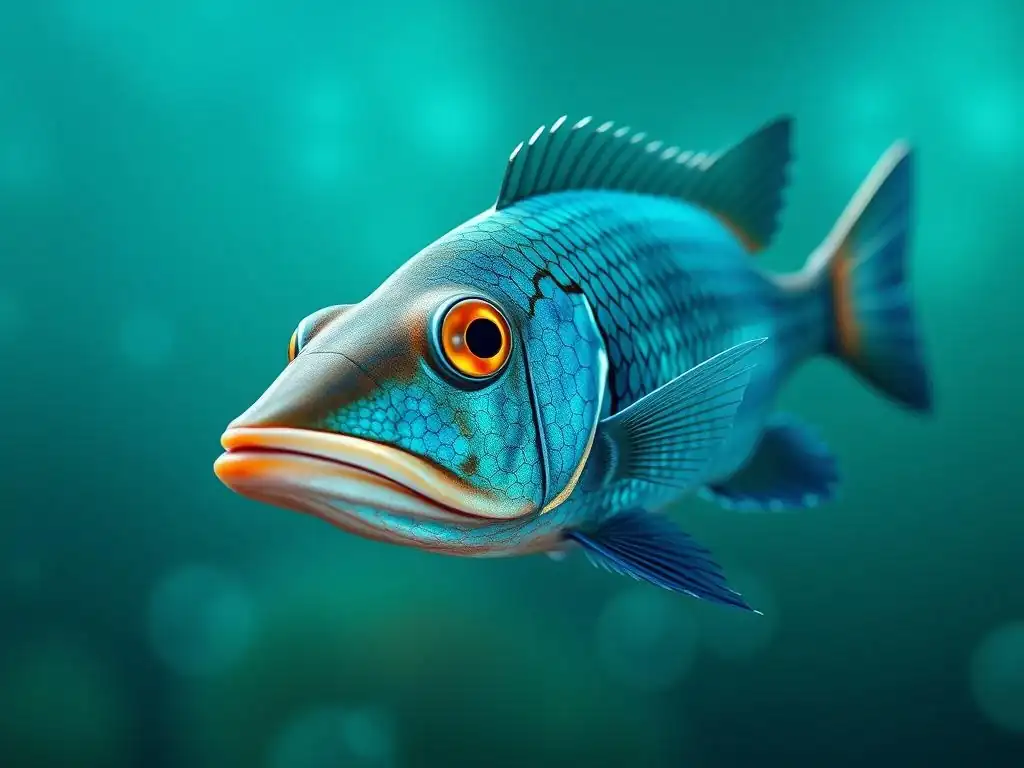
Choosing compatible tank mates is a critical aspect of Bird Wrasse aquarium care. While generally peaceful towards most larger, non-aggressive fish, their active nature and potential adult size mean they thrive best with species that can hold their own without being overly dominant. Good tank mate options include other larger, non-aggressive wrasses (provided they are not too similar in appearance or diet to avoid competition), tangs, and larger angelfish.
Other suitable companions might include certain butterflyfish species, larger damselfish, or even some of the more peaceful triggerfish species, as long as the tank is sufficiently large to accommodate their individual territories. It is important to introduce the Bird Wrasse to an established tank, or simultaneously with other fish, to minimize territorial disputes.
Fish to Avoid: Aggressive Species and Potential Predators
Certain fish species are unsuitable tank mates for the Bird Wrasse. Highly aggressive or territorial fish, such as some types of aggressive triggerfish, large groupers, or certain predatory lionfish, could potentially bully or even prey upon the Bird Wrasse, especially if it is smaller. Similarly, very small, shy, or slow-moving fish should be avoided, as the active and sometimes boisterous nature of the Bird Wrasse might stress them, or the wrasse could potentially view them as prey, particularly if they are small enough to fit into its mouth.
Care should also be taken with fish that are prone to nipping fins, as the Bird Wrasse's elongated snout and fins could be targets. It's always best to research the specific temperament and requirements of all potential tank mates before introduction to ensure a harmonious environment.
Reef Compatibility: Is the Bird Wrasse Reef-Safe?
The question of whether the Bird Wrasse is "reef-safe" is often nuanced and requires careful consideration. Generally, Gomphosus varius is considered "reef-safe with caution." While they typically do not actively prey on large polyp stony (LPS) or small polyp stony (SPS) corals, their natural diet of small invertebrates means they will readily consume ornamental shrimp, crabs, snails, and other desirable clean-up crew members.
They are also known to eat various nuisance pests such as flatworms and pyramid snails, which can be a beneficial trait. However, if underfed or if their natural foraging instincts are particularly strong, some individuals may occasionally nip at soft corals or polyps, though this is not a common behavior. Aquarists keeping a Bird Wrasse in a mixed reef should monitor its behavior closely and ensure it is well-fed with a varied diet to minimize the risk of it bothering corals or valuable invertebrates.
Setting Up the Perfect Bird Wrasse Aquarium: Essential Equipment and Environment
Substrate and Aquascaping: Creating a Natural Habitat
Creating an appropriate environment is a key aspect of Bird Wrasse aquarium care. A deep sand bed is crucial for Gomphosus varius. As a nocturnal burrower, the Bird Wrasse will bury itself in the sand at night or when startled to rest and feel secure. A substrate depth of at least 2-4 inches (5-10 cm) of fine to medium-grained sand is highly recommended to prevent injury to the fish as it burrows. Coarse substrates like crushed coral can be abrasive and cause damage.
Aquascaping should incorporate ample live rock arranged to create numerous caves, crevices, and hiding spots. This provides security for the wrasse and replicates its natural reef habitat, where it would spend much of its time exploring and foraging. However, it is equally important to leave open swimming areas, as the Bird Wrasse is an active and agile swimmer that requires space to dart around.
Filtration and Water Quality: Maintaining a Pristine Environment
Maintaining pristine water quality is paramount for the health of a Bird Wrasse. A robust filtration system is essential, typically comprising a high-quality protein skimmer to remove organic waste, biological filtration (such as live rock and bio-media) to process ammonia and nitrite, and mechanical filtration (like filter socks or sponges) to remove particulate matter.
Excellent water circulation is also vital, both to oxygenate the water and to prevent dead spots where detritus can accumulate. Powerheads or wavemakers can be used to create varied flow patterns. Regular testing of water parameters (ammonia, nitrite, nitrate, pH, alkalinity, calcium, magnesium, and specific gravity) and consistent partial water changes, as detailed earlier, are non-negotiable elements of effective Bird Wrasse aquarium care to ensure a stable and healthy environment.
Lighting Requirements for a Bird Wrasse Aquarium
The lighting requirements for a Bird Wrasse aquarium are relatively straightforward, as the fish itself does not have specific, high-intensity light needs. Standard reef aquarium lighting, which typically includes a mix of white and actinic (blue) spectrums, is generally suitable. This type of lighting will adequately illuminate the tank, allowing for proper viewing of the fish and supporting any corals or photosynthetic invertebrates that may be present.
The primary consideration for lighting is to establish a consistent day-night cycle, mimicking natural conditions. A timer for the lights is highly recommended to ensure a regular schedule, typically 10-12 hours of light per day, followed by a period of darkness. This helps regulate the fish's natural rhythms and reduces stress.
Potential Health Issues and Disease Prevention in Bird Wrasses
Common Diseases Affecting Bird Wrasses
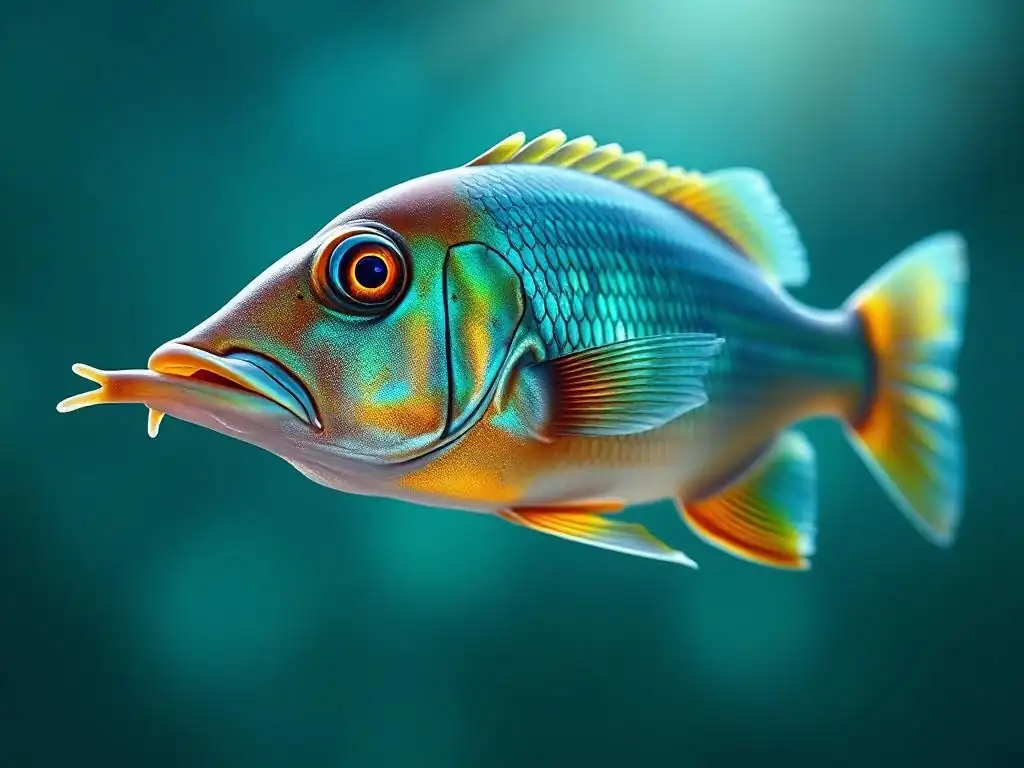
Like many marine fish, Bird Wrasses can be susceptible to common saltwater aquarium diseases, particularly if stressed by poor water quality, inadequate diet, or incompatible tank mates. Ich ( Cryptocaryon irritans) and Marine Velvet ( Amyloodinium ocellatum) are two of the most prevalent external parasitic infections that can affect them. Symptoms include white spots on the body and fins, rapid breathing, flashing against decor, and lethargy.
Other potential issues include bacterial infections, which can manifest as fin rot, cloudy eyes, or body sores, often secondary to stress or injury. Nutritional deficiencies can lead to faded coloration, stunted growth, and a weakened immune system. Recognizing these signs early is a critical component of successful Bird Wrasse aquarium care.
Quarantine Procedures for New Additions
Implementing a strict quarantine procedure for all new fish, including Bird Wrasses, is perhaps the single most effective measure for preventing disease introduction into the main display tank. A dedicated quarantine tank (QT) should be set up with its own filtration, heater, and minimal decor. New fish should be housed in the QT for a minimum of 4 to 6 weeks.
During this period, the fish can be observed for any signs of illness, and prophylactic treatments for common parasites can be administered if deemed necessary. This allows for the treatment of diseases in a controlled environment without exposing the established inhabitants of the main tank, significantly reducing the risk of widespread outbreaks.
Recognizing and Treating Health Problems
Early detection is key to successfully treating health issues in Bird Wrasses. Aquarists should regularly observe their fish for any changes in behavior, appearance, or appetite. Signs of illness include clamped fins, labored or rapid breathing, a refusal to eat, abnormal swimming patterns, scratching or "flashing" against objects, white spots, lesions, or excessive slime coat.
Once a problem is identified, prompt action is necessary. This may involve isolating the affected fish for treatment, performing immediate water changes to improve water quality, or administering appropriate medications. For external parasites like Ich, treatments such as copper-based medications (in a quarantine tank) or hyposalinity can be effective. Bacterial infections often require broad-spectrum antibiotics. Always follow medication instructions carefully and consult with experienced aquarists or aquatic veterinarians if unsure.
Bird Wrasse Breeding: Challenges and Possibilities in Captivity
Understanding Bird Wrasse Reproduction in the Wild
In their natural environment, Bird Wrasses are pelagic spawners, meaning they release their eggs and sperm directly into the open water column, where fertilization occurs. The fertilized eggs are buoyant and drift with the ocean currents as part of the plankton. This reproductive strategy is common among many reef fish species.
Spawning typically occurs in pairs or small groups within a harem structure, often during specific times of the day, such as dusk. The striking sexual dimorphism seen in adults is also linked to their reproductive roles, with males often displaying intensified colors during courtship rituals to attract females. The larval stage, which develops from the pelagic eggs, is free-swimming and undergoes significant development before settling onto the reef as juvenile wrasses.
Challenges of Breeding Bird Wrasses in Aquariums
Breeding Bird Wrasses in a captive aquarium environment presents significant challenges, making it an exceedingly rare occurrence for the average home aquarist. The primary difficulty lies in their pelagic spawning nature. Successfully capturing and rearing the tiny, delicate eggs and larvae requires specialized facilities, large breeding tanks, and precise environmental controls that are typically beyond the scope of a standard home setup.
Furthermore, the specific conditions required to trigger spawning behavior in captivity are not fully understood or easily replicated. Even if spawning does occur, the sheer volume of water needed to allow the eggs and larvae to develop without being consumed by filtration systems or other inhabitants, coupled with the difficulty of providing appropriate microscopic live food for the newly hatched larvae, makes successful rearing exceptionally difficult.
Spawning Triggers and Larval Rearing
While there are no widely documented successful breeding efforts by home aquarists, professional aquaculture facilities might explore potential spawning triggers such as specific photoperiods (light cycles), temperature fluctuations, and the provision of abundant, high-quality food. Mimicking natural seasonal changes or lunar cycles could also play a role.
If spawning were to occur, larval rearing would be the most formidable hurdle. Bird Wrasse larvae are extremely small and require specific live food sources, such as rotifers and various stages of copepod nauplii, followed by progressively larger live foods as they grow. Maintaining optimal water quality and preventing disease in a larval rearing tank, where water changes are often minimal to avoid disturbing the delicate larvae, adds another layer of complexity. High mortality rates are typical for such challenging species.
The Bird Wrasse: Is It the Right Fish for Your Aquarium?
Pros and Cons of Keeping a Bird Wrasse
Deciding if a Bird Wrasse is suitable for your aquarium involves weighing its unique attributes against its specific demands. On the positive side, the Bird Wrasse offers unparalleled visual appeal with its distinctive snout and vibrant coloration, particularly the males. They are active, engaging swimmers that add dynamic movement to a large display. Furthermore, their natural foraging behavior can be beneficial for controlling small nuisance invertebrates like flatworms or pyramid snails, making them a natural pest control agent in some cases.
However, there are significant considerations. Bird Wrasses grow quite large, requiring a substantial tank of 120 gallons or more, which may not be feasible for all aquarists. Their predatory nature means they will consume ornamental shrimp, crabs, and snails, and they can occasionally nip at certain corals if not adequately fed. They also require a consistent supply of meaty foods and pristine water conditions, demanding a committed level of Bird Wrasse aquarium care.
Considerations for Experienced Aquarists
The Bird Wrasse is generally not recommended for novice aquarists due to its size requirements, active nature, and specific dietary needs. It is best suited for experienced hobbyists who have a thorough understanding of marine aquarium husbandry, including advanced filtration techniques, water chemistry management, and the ability to provide a diverse and nutritious diet.
Experienced aquarists will also appreciate the importance of a well-established system with plenty of live rock and a deep sand bed. They should be prepared for the long-term commitment of maintaining a large saltwater aquarium and understanding the Bird Wrasse's potential impact on a mixed reef environment or its compatibility with other fish.
Long-Term Care and Commitment
Keeping a Bird Wrasse successfully is a long-term commitment. With proper Bird Wrasse aquarium care, including optimal water parameters, a balanced diet, and a suitable environment, these fish can live for 5 to 10 years or even longer in captivity. This longevity means that the aquarist must be prepared to provide consistent care over many years.
Regular maintenance, including water testing, water changes, equipment checks, and careful observation of the fish's health and behavior, is essential. The rewarding experience of watching a healthy, vibrant Bird Wrasse thrive in a well-maintained aquarium is a testament to the dedication and knowledge of the aquarist who commits to its unique needs.
Frequently Asked Questions
How large of an aquarium is required for a Bird Wrasse?
Bird Wrasses require a large aquarium, ideally at least 180 gallons. This is due to their active swimming behavior and potential adult size.
What type of diet does a Bird Wrasse need in an aquarium setting?
They are primarily carnivorous and need a varied diet including meaty foods like shrimp, krill, and high-quality marine flake food. Ensure a consistent feeding schedule.
Are Bird Wrasses reef safe?
Generally, they are not considered reef safe. They may prey on small invertebrates and crustaceans, making them better suited for a fish-only aquarium.
What water parameters are crucial for maintaining a healthy Bird Wrasse?
Maintaining stable water parameters is essential. This includes a temperature of 72-78°F, a specific gravity of 1.023-1.025, and a pH of 8.1-8.4. Regular water changes are also important.
What are some common health issues that affect Bird Wrasses in aquariums?
They can be susceptible to common marine fish diseases like ich (white spot disease) and marine velvet. Proper quarantine procedures and maintaining excellent water quality are crucial for prevention.
Final Reflection: Embracing the Bird Wrasse's Unique Charm
The journey into understanding the Bird Wrasse, as we've explored, reveals more than just aquarium care tips; it highlights the responsibility we bear when bringing such distinctive and demanding creatures into our care. The intricacies of their diet, habitat, and social needs serve as a potent reminder that successful aquarium keeping hinges on informed dedication and a genuine respect for the animal's well-being.
This fascinating fish, with its elongated snout and vibrant colors, has undeniably captivated the hearts of many aquarists. However, its beauty should not overshadow the commitment required to provide a thriving environment. The greatness of a nation and its moral progress can be judged by the way its animals are treated.
- Mahatma Gandhi. This quote resonates deeply when considering the ethical implications of keeping such a specialized species.
Now, as you consider adding a Bird Wrasse to your aquarium, or perhaps reflect on your current practices, remember that informed choices are the cornerstone of responsible aquarism. Let the knowledge gained here inspire you to create not just a visually stunning tank, but a haven where these remarkable fish can truly flourish, contributing to their conservation and our own understanding of the marine world.
Dive Deeper: Transform Your Aquarium into a Bird Wrasse Paradise!
Thank you for exploring the fascinating world of the Bird Wrasse with us! Now that you understand their unique charm and specific needs, it's time to translate knowledge into action. Let's create a thriving habitat where these captivating fish can flourish.
- Prioritize their swimming needs: Plan your next aquarium upgrade with a focus on horizontal swimming space. Consider a longer tank to mimic their natural hunting grounds.
- Explore compatible tank mates: Research fish species known to coexist peacefully with Bird Wrasses and enrich their environment by adding more diversity.
- Share your Bird Wrasse stories: Do you have personal experience or advice on keeping these beautiful fish? Share your tips in the comments below to help others on their aquarium journey!
What's one thing you'll change about your aquarium setup this week to better accommodate a Bird Wrasse's active lifestyle?