
Gill Fluke Nightmares: Diagnosis, Treatment, and Prevention for Butterflyfish

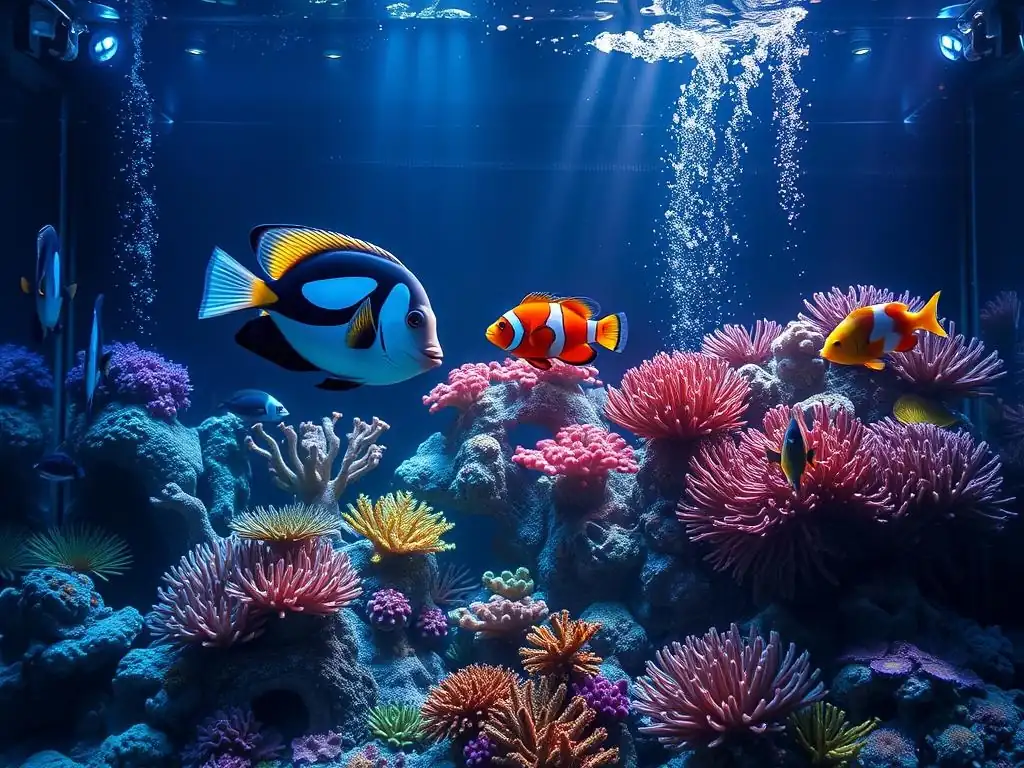
Welcome to Aquarium Mastery!
Ever wondered if that shimmering Butterflyfish is truly happy and healthy? Diving into saltwater aquariums can be a mesmerizing journey, but sometimes, unseen challenges arise. Today, we're tackling a common concern: Butterflyfish fin rot treatment. Learn how to spot the early warning signs, understand the underlying causes, and discover effective strategies to restore your finned friends to their vibrant glory. Ready to unravel the secrets to a thriving Butterflyfish aquarium? Let's dive in!
- Understanding Gill Flukes in Marine Fish: A Comprehensive Guide
- Diagnosing Gill Flukes in Your Marine Aquarium
- Marine Fish Gill Fluke Treatment Options: A Detailed Overview
- Preventing Gill Flukes in Your Marine Tank: Proactive Measures
- Secondary Bacterial Infections: Addressing Complications
- Post-Treatment Care and Recovery for Marine Fish
- Gill Fluke Resistance: What to Do If Treatments Fail
- Common Mistakes to Avoid When Treating Gill Flukes in Marine Fish
- Specific Fish Species and Their Susceptibility to Gill Flukes
-
Frequently Asked Questions
- What are the primary symptoms of fin rot in Butterflyfish?
- How can I accurately diagnose fin rot versus other fin issues in Butterflyfish?
- What's the most effective treatment for fin rot in Butterflyfish?
- How can I prevent fin rot in my Butterflyfish aquarium?
- Are there any natural or alternative treatments for fin rot in Butterflyfish?
- Final Reflection: Protecting the Delicate Beauty of Butterflyfish
- Ignite Your Butterflyfish Brilliance!
Understanding Gill Flukes in Marine Fish: A Comprehensive Guide
What are Gill Flukes and Why are They a Threat to Marine Fish?
Gill flukes, scientifically known as monogeneans, are ectoparasitic flatworms that primarily infest the gills of fish. These microscopic organisms, typically ranging from 0.1 to 3 millimeters in length, attach themselves to the delicate gill filaments using specialized hooks called opisthaptors. Once attached, they feed on the fish's blood and gill tissue, causing significant irritation, inflammation, and damage. For popular aquarium inhabitants like Butterflyfish, which are often delicate and prone to stress, a gill fluke infestation can quickly escalate from a minor irritation to a life-threatening condition, severely compromising their respiratory function and overall health.
The threat posed by gill flukes to Butterflyfish is multifaceted. Beyond the direct tissue damage, their presence creates open wounds on the gills, making the fish highly susceptible to secondary bacterial and fungal infections. These secondary invaders can lead to severe health decline, often manifesting as issues like Butterflyfish fin rot treatment challenges or systemic infections.
Furthermore, the constant irritation and difficulty in breathing lead to severe stress, suppressing the fish's immune system and making them vulnerable to other diseases. Early detection and prompt intervention are crucial, as a severe infestation can lead to rapid deterioration and mortality, especially in species known for their sensitivity.
Identifying Gill Flukes: Recognizing the Signs of Infestation in Marine Fish
Recognizing a gill fluke infestation in Butterflyfish can be challenging in its early stages due to the microscopic nature of the parasites and the initial subtle behavioral changes. However, observant aquarists can often spot key indicators.
One of the most common early signs is increased respiration; the fish may breathe heavily, rapidly, or gasp at the surface or near powerheads, indicating a struggle to extract oxygen from the water due to gill damage. Another tell-tale sign is "flashing" or "scratching," where the Butterflyfish rubs its body against tank decorations, substrate, or even other fish in an attempt to dislodge the irritating parasites.
As the infestation progresses, more pronounced physical and behavioral symptoms emerge. The gills themselves may appear pale, swollen, or inflamed, and in severe cases, sections of the gill filaments might be visibly frayed or deteriorating. Butterflyfish may exhibit clamped fins, loss of appetite, lethargy, and a general listlessness.
Their vibrant coloration can dull, and they might isolate themselves from tank mates. It's important to differentiate these symptoms from other ailments, as some, like labored breathing, can also indicate poor water quality or other infections. A definitive diagnosis often requires microscopic examination, but these visible signs provide strong indicators that immediate action is needed to protect your delicate Butterflyfish.
Diagnosing Gill Flukes in Your Marine Aquarium
Early Signs of Gill Fluke Infection in Marine Fish
The initial indicators of gill fluke presence in Butterflyfish are often subtle, requiring a keen eye from the aquarist. One of the earliest and most common behavioral changes is an increase in respiratory rate. You might observe your Butterflyfish breathing more rapidly than usual, or even see their operculum (gill cover) moving at an accelerated pace, sometimes appearing labored.
Another tell-tale sign is the aforementioned "flashing" or "rubbing" against tank objects. This behavior, while not exclusive to gill flukes, is a strong indication of external irritation. A healthy Butterflyfish typically glides smoothly; any sudden, jerky movements or repeated attempts to scrape against surfaces should raise immediate suspicion.
Beyond these behavioral cues, subtle physical changes might also be present. The normally vibrant coloration of Butterflyfish might begin to dull slightly, or they might appear somewhat faded. While not always directly visible, the gills themselves might be slightly irritated, causing the fish to hold its gill covers slightly ajar or to exhibit minor gill inflammation.
At this stage, the fish may still be actively feeding, but perhaps with less enthusiasm. Prompt recognition of these early signs is paramount, as intervening when the parasite load is low significantly increases the chances of successful treatment and prevents the condition from worsening to a point where secondary infections, such as those requiring Butterflyfish fin rot treatment, become prevalent.
Advanced Symptoms of Gill Fluke Disease
As a gill fluke infestation in Butterflyfish progresses unchecked, the symptoms become far more pronounced and alarming. The initial rapid breathing will often escalate to severe gasping at the water surface or near intense aeration, indicating profound respiratory distress. The fish's gills may become visibly swollen, pale, or even show signs of necrosis (tissue death), appearing ragged or eroded.
In severe cases, the gill lamellae can be so damaged that they fuse together, drastically reducing the fish's ability to absorb oxygen. You might also observe excessive mucus production on the gills and body, a natural defense mechanism against irritation that, unfortunately, further impedes respiration.
Behaviorally, Butterflyfish suffering from advanced gill fluke disease will exhibit severe lethargy, often hovering listlessly in a corner of the tank, near the bottom, or in a secluded spot, showing little interest in their surroundings or food. Their fins will likely be severely clamped, and the fish may lose its balance or swim erratically.
Weight loss becomes evident due to prolonged lack of feeding and the energy expended fighting the parasites. At this critical stage, the fish's immune system is severely compromised, making them highly susceptible to a cascade of secondary infections, including bacterial diseases that can manifest as severe Butterflyfish fin rot treatment challenges, fungal infections, or even systemic bacterial septicemia, which can quickly lead to mortality.
Microscopic Examination: Confirming the Presence of Gill Flukes
While visual symptoms provide strong indicators, a definitive diagnosis of gill flukes requires microscopic examination. This process involves carefully and gently netting the affected Butterflyfish and performing a gill biopsy or a skin/gill scraping. For gill biopsy, a small, translucent piece of gill tissue is carefully clipped from the gill arch using fine scissors.
Alternatively, a cotton swab or a blunt edge of a credit card can be gently scraped across the gill filaments and body surface to collect mucus and epithelial cells. These samples are then immediately placed on a microscope slide with a drop of tank water and covered with a coverslip.
Under a compound microscope, typically at 40x to 100x magnification, the live gill flukes can be observed. They appear as small, translucent, worm-like organisms, often moving or twitching. Their characteristic hooks (opisthaptors) at one end may also be visible.
Identifying these parasites unequivocally confirms the diagnosis, allowing for targeted treatment. If a live fish cannot be safely handled for a biopsy, a post-mortem examination of a recently deceased fish can also yield diagnostic samples. This precise diagnostic step is crucial because many fish diseases share similar symptoms, and accurate identification of the pathogen ensures that the correct Butterflyfish fin rot treatment or gill fluke specific medication is administered, preventing unnecessary or ineffective interventions.
Marine Fish Gill Fluke Treatment Options: A Detailed Overview
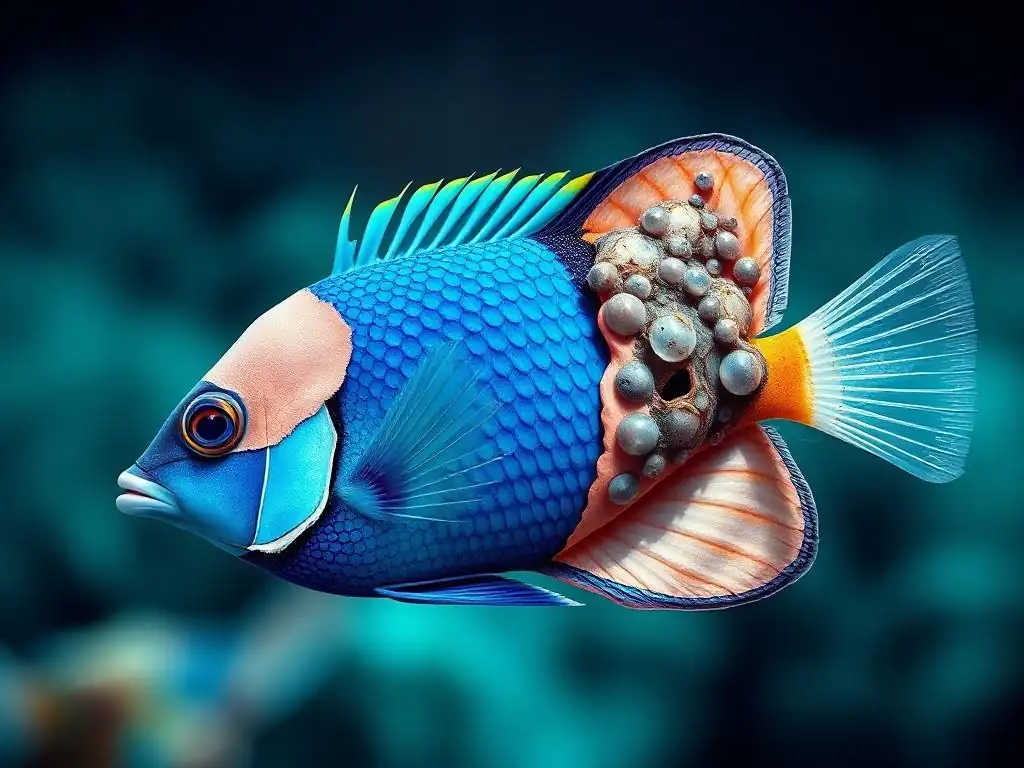
Freshwater Dips for Gill Fluke Removal in Marine Fish
Freshwater dips are a common and often effective initial treatment for external parasites like gill flukes on marine fish, including Butterflyfish. This method leverages the drastic difference in osmotic pressure between saltwater and freshwater. Marine parasites, accustomed to the high salinity of the ocean, cannot regulate their internal water balance when suddenly immersed in freshwater. This causes them to rapidly absorb water, leading to cellular lysis and eventual death. For a typical freshwater dip, use dechlorinated, aerated freshwater that is precisely pH and temperature matched to the main aquarium water to minimize stress.
The duration of a freshwater dip typically ranges from 3 to 10 minutes, depending on the fish's tolerance and the severity of the infestation. It is crucial to observe the Butterflyfish constantly during the dip; any signs of extreme distress, such as rapid color loss, loss of balance, or erratic swimming, warrant immediate return to the main tank.
While effective at dislodging and killing many adult flukes, freshwater dips usually do not affect fluke eggs, meaning multiple dips over several days might be necessary to break the parasite's life cycle. This method is often used as a preliminary measure or in conjunction with medication to reduce the immediate parasite load and alleviate acute symptoms, potentially easing the stress that could lead to issues requiring Butterflyfish fin rot treatment.
Medication-Based Treatments: Choosing the Right Anthelmintic for Marine Fish
For persistent or severe gill fluke infestations in Butterflyfish, medication-based treatments using anthelmintics are often necessary. These medications specifically target parasitic worms. The choice of anthelmintic depends on the specific parasite identified (if possible), the fish species, and the presence of other invertebrates in the tank, as some medications can be harmful to corals, anemones, and other beneficial organisms. It is generally recommended to treat fish in a separate quarantine or hospital tank to avoid harming the main display tank's biodiversity and to ensure precise dosing and easier observation of the fish's response.
Before administering any medication, it's vital to perform a significant water change and remove activated carbon from the filtration system, as carbon will absorb the medication. Always follow the manufacturer's instructions meticulously regarding dosage and duration. Overdosing can be fatal, while underdosing can lead to resistant parasite strains. Observing the fish's behavior and the progression of symptoms throughout the treatment period is crucial for assessing efficacy. Addressing gill flukes effectively with medication also helps prevent secondary issues like bacterial infections that often necessitate dedicated Butterflyfish fin rot treatment.
Praziquantel: A Commonly Used Treatment for Gill Flukes in Marine Fish
Praziquantel is widely regarded as one of the most effective and safest anthelmintics for treating monogenean flukes, including those affecting Butterflyfish. It works by disrupting the parasite's calcium balance, leading to muscle spasms and paralysis, ultimately causing the fluke to detach and die. Praziquantel is available in various forms, including liquid solutions for water column dosing and oral formulations for medicated food.
For water column application in a hospital tank, common dosages range from 2.5 mg to 5 mg per liter of water. It is typically administered as a bath treatment, often for 24-48 hours, with a large water change following treatment.
One significant advantage of praziquantel is its relatively low toxicity to fish and its safety profile for most marine invertebrates, making it a preferred choice for treating gill flukes even in tanks with sensitive corals, although caution is always advised. However, like freshwater dips, praziquantel often does not kill fluke eggs.
Therefore, a second or third dose may be required after 5-7 days (depending on water temperature and fluke life cycle) to target newly hatched flukes, ensuring complete eradication. Successful treatment with praziquantel not only resolves the gill fluke issue but also alleviates stress on Butterflyfish, significantly reducing their susceptibility to secondary bacterial infections that might otherwise require intensive Butterflyfish fin rot treatment.
Hyposalinity Treatment: Considerations for Gill Flukes
Hyposalinity, the reduction of salinity in a marine aquarium to a specific gravity of 1.008-1.010, is another treatment option often considered for external parasites, including certain types of gill flukes. Similar to freshwater dips, this method relies on osmotic shock to kill the parasites. By lowering the salinity gradually over 24-48 hours, the parasites are exposed to a less saline environment than they can tolerate, causing them to swell and burst. This method is particularly effective against parasites that have a direct life cycle and cannot survive in reduced salinity.
However, hyposalinity treatment requires careful monitoring and is not suitable for all marine fish, especially delicate species like Butterflyfish, which can be sensitive to rapid changes in water parameters. It also stresses the fish and can negatively impact beneficial nitrifying bacteria. Furthermore, some species of gill flukes are more tolerant to hyposalinity than others, making its effectiveness variable.
If choosing this method, ensure the specific gravity is maintained precisely, and slowly bring the salinity back to normal levels after 2-3 weeks of treatment. Always research the specific tolerance of your Butterflyfish species to hyposalinity before attempting this treatment, and be aware that it might not address concurrent issues that could necessitate Butterflyfish fin rot treatment.
Treatment Duration and Monitoring Progress
The duration of gill fluke treatment for Butterflyfish is critical and highly dependent on the chosen method, the severity of the infestation, and the life cycle of the specific fluke species. For medication-based treatments like praziquantel, a typical course might involve one or two doses spaced 5-7 days apart, lasting a total of 10-14 days. This extended period is crucial because most anthelmintics only kill adult flukes, not their eggs. The waiting period allows any remaining eggs to hatch into juvenile flukes, which are then susceptible to the subsequent dose, effectively breaking the parasite's reproductive cycle.
Throughout the treatment period, meticulous monitoring of the Butterflyfish's behavior and physical condition is paramount. Observe for a reduction in flashing, gasping, and lethargy. Appetite should improve, and fins should become less clamped.
Regular water parameter testing (ammonia, nitrite, nitrate, pH, salinity, temperature) in the hospital tank is also essential to ensure a stable and supportive environment for recovery. Documenting observations can help track progress and determine if additional treatment or a different approach is necessary. Successful eradication of gill flukes not only restores the fish's health but also significantly reduces the likelihood of secondary infections that might otherwise demand intensive Butterflyfish fin rot treatment.
Preventing Gill Flukes in Your Marine Tank: Proactive Measures
Quarantine Procedures for New Fish Acquisitions
The single most effective measure to prevent gill flukes and other diseases from entering your display tank is implementing a strict quarantine protocol for all new fish acquisitions, especially for sensitive species like Butterflyfish. A dedicated quarantine tank (QT) should be set up with its own filtration, heater, and minimal decor, making observation and treatment easier. New Butterflyfish should be housed in the QT for a minimum of 4-6 weeks, although 8 weeks is ideal, to allow any latent diseases to manifest and be treated before introduction to the main system.
During the quarantine period, observe the new Butterflyfish daily for any signs of illness, including flashing, labored breathing, clamped fins, or loss of appetite. Prophylactic treatments for common parasites like gill flukes and Ich are often recommended during this time, even if no symptoms are apparent. For instance, a course of praziquantel can be administered to proactively eradicate gill flukes. This proactive approach significantly reduces the risk of introducing pathogens into your established display tank, protecting your existing fish population from outbreaks that could necessitate extensive treatments, including Butterflyfish fin rot treatment for stressed individuals.
Maintaining Optimal Water Quality to Prevent Gill Flukes
Maintaining consistently optimal water quality is fundamental to preventing gill fluke infestations and promoting overall fish health in a Butterflyfish aquarium. Poor water quality, characterized by elevated nitrogenous waste products (ammonia, nitrite, nitrate) or unstable pH and salinity, creates a stressful environment for fish. Stress weakens the fish's immune system, making them highly susceptible to parasitic infestations like gill flukes and secondary bacterial infections. Conversely, a stable, pristine environment allows Butterflyfish to thrive, bolstering their natural defenses against pathogens.
Regular and thorough water parameter testing is non-negotiable. Ammonia and nitrite should always be undetectable (0 ppm), and nitrates kept below 20 ppm, ideally much lower for sensitive species. Stable pH (typically 8.1-8.4 for marine tanks) and specific gravity (1.023-1.025) are also crucial.
Any fluctuations or deviations from optimal ranges can compromise the fish's osmoregulation and immune response. A robust filtration system, appropriate stocking levels, and a consistent feeding regimen that avoids overfeeding are all integral components of maintaining the high water quality necessary to keep Butterflyfish robust and resistant to diseases, helping to circumvent issues like gill flukes and subsequent needs for Butterflyfish fin rot treatment.
The Importance of Regular Water Changes
Regular water changes are perhaps the most impactful practice for maintaining optimal water quality and preventing gill fluke outbreaks in Butterflyfish aquariums. Water changes dilute accumulated nitrates, phosphates, and other dissolved organic compounds that can degrade water quality and contribute to fish stress. They also replenish essential trace elements that are depleted over time. For an established marine aquarium, a weekly or bi-weekly water change of 10-20% is generally recommended, though specific needs may vary based on stocking density and filtration efficiency.
Beyond chemical benefits, water changes physically remove free-swimming parasites, bacterial spores, and other pathogens from the water column, effectively reducing the overall pathogen load in the system. By consistently removing these microscopic threats, you significantly reduce the chances of a gill fluke infestation taking hold or escalating. Furthermore, the fresh, clean water helps to reduce stress on Butterflyfish, supporting their immune systems and making them more resilient. This proactive measure is a cornerstone of aquarium husbandry, contributing significantly to long-term fish health and minimizing the necessity for reactive treatments, including those for Butterflyfish fin rot treatment or gill flukes.
Monitoring Ammonia, Nitrite, and Nitrate Levels
Rigorous monitoring of ammonia, nitrite, and nitrate levels is absolutely critical for the health of Butterflyfish and the prevention of gill flukes. Ammonia (NH3) and nitrite (NO2-) are highly toxic compounds produced from fish waste and decaying organic matter. Even low concentrations can severely stress fish, damage gill tissue, and suppress the immune system, making them highly vulnerable to parasitic infestations. Nitrates (NO3-), while less toxic than ammonia and nitrite, can still contribute to chronic stress and weaken fish health if allowed to accumulate in high concentrations.
Regular testing with reliable liquid test kits should be performed, ideally weekly, to ensure these parameters remain at safe levels. Ammonia and nitrite should always read 0 ppm in a cycled tank. If elevated levels are detected, immediate corrective action, such as large water changes and reducing feeding, is necessary. Consistent monitoring allows aquarists to identify potential issues early, before they compromise the Butterflyfish's health and make them susceptible to gill flukes or secondary bacterial infections that could require intensive Butterflyfish fin rot treatment. Maintaining these parameters within optimal ranges is a direct investment in the fish's immune resilience.
Proper Filtration and Water Circulation for a Healthy Aquarium
Effective filtration and robust water circulation are indispensable for maintaining a healthy marine environment and preventing gill fluke outbreaks in Butterflyfish tanks. A comprehensive filtration system typically includes mechanical, chemical, and biological components. Mechanical filtration (e.g., filter socks, sponges) removes particulate matter and detritus, preventing the buildup of organic waste that can degrade water quality. Chemical filtration (e.g., activated carbon, GFO) removes dissolved organic compounds and toxins, maintaining water clarity and purity. Biological filtration (e.g., live rock, bio-balls) is crucial for the nitrogen cycle, converting toxic ammonia and nitrite into less harmful nitrate.
Adequate water circulation, achieved through powerheads or wavemakers, ensures that oxygenated water reaches all areas of the tank and that waste products are efficiently transported to the filtration system. Stagnant areas can become anaerobic zones where harmful bacteria proliferate, and parasites can thrive.
Good flow also helps keep detritus suspended, allowing the mechanical filtration to capture it. For Butterflyfish, which appreciate clean, well-oxygenated water, proper filtration and circulation reduce stress, improve gill health, and enhance their overall immune response, making them far less susceptible to gill fluke infestations and other opportunistic infections that might lead to conditions like Butterflyfish fin rot treatment needs.
Secondary Bacterial Infections: Addressing Complications
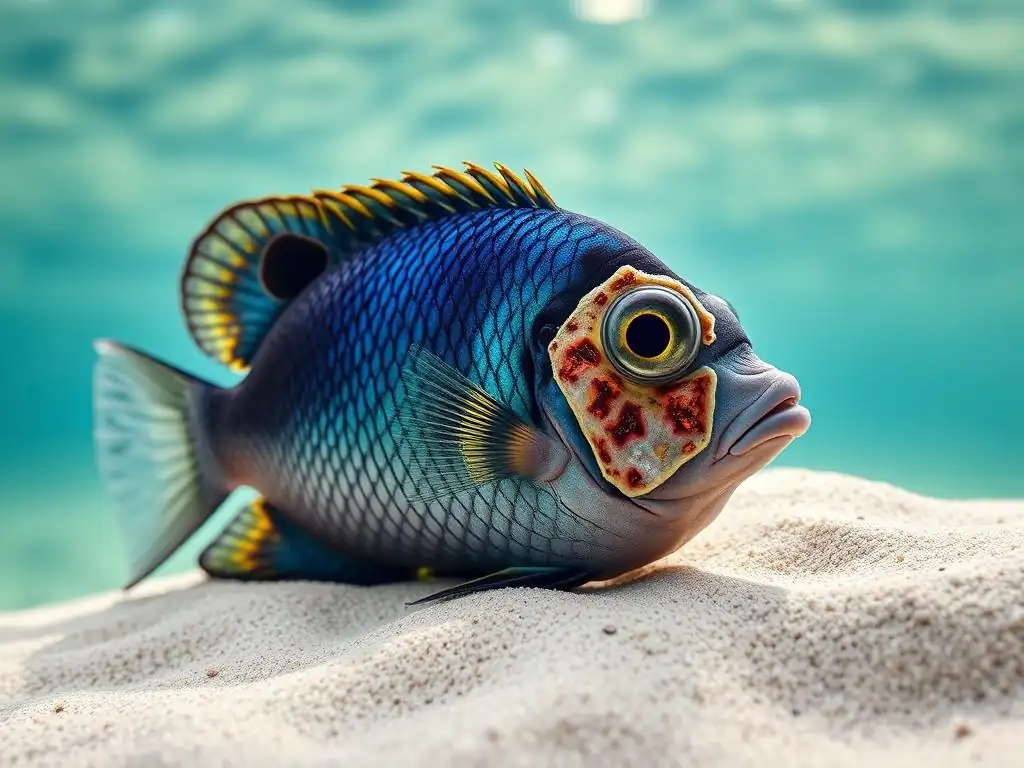
Understanding the Link Between Gill Flukes and Secondary Infections
The presence of gill flukes creates a significant vulnerability for Butterflyfish, directly paving the way for secondary bacterial infections. The flukes themselves cause physical damage to the delicate gill filaments, creating open wounds and lesions. These damaged tissues are perfect entry points for opportunistic bacteria that are naturally present in the aquarium water. When the fish's immune system is already compromised by the stress of parasitic infestation and the constant irritation from the flukes, it becomes less able to fight off these bacterial invaders.
Common bacterial infections that often follow gill fluke infestations include bacterial gill disease, columnaris (mouth rot, body slime, fin rot), and systemic bacterial infections. For instance, the stress and open wounds on the gills can lead to a compromised immune barrier, allowing bacteria to cause conditions like Butterflyfish fin rot treatment challenges on fins, or even more severe systemic infections if the bacteria enter the bloodstream. Addressing the primary gill fluke infestation is therefore critical, not only to save the fish from the parasites themselves but also to prevent or mitigate these dangerous secondary complications.
Identifying Bacterial Infections: Symptoms and Progression
Identifying secondary bacterial infections in Butterflyfish can be challenging as their symptoms often overlap with those of the primary gill fluke infestation or other diseases. However, certain signs are highly indicative of bacterial involvement. For instance, while gill flukes cause gill irritation, bacterial gill disease often presents with excessive mucus production on the gills, frayed or necrotic gill tissue that appears whitish or reddish, and even more severe labored breathing than seen with flukes alone.
Other common symptoms of secondary bacterial infections include:
- Fin Rot: Eroded or ragged fins, often with a white or reddish edge, progressing to complete loss of fin tissue. This is a common issue requiring Butterflyfish fin rot treatment.
- Cloudy Eyes: One or both eyes appearing hazy or opaque.
- Body Slime/Lesions: White, grayish, or red patches on the body, ulcers, or open sores.
- Septicemia: Red streaks on the body or fins, abdominal swelling, indicating a systemic infection.
- Lethargy and Anorexia: General listlessness and refusal to eat, often more pronounced than with flukes alone.
The progression can be rapid, especially in already weakened Butterflyfish. Early detection and prompt treatment of both the primary gill flukes and any secondary bacterial infections are crucial for survival.
Treating Bacterial Infections: Antibiotics and Supportive Care
Treating secondary bacterial infections in Butterflyfish requires a multi-pronged approach, often involving antibiotics and intensive supportive care. Once bacterial involvement is suspected or confirmed, the choice of antibiotic is critical. Common broad-spectrum antibiotics used in aquaria include Furan-2, Maracyn (Erythromycin), or Kanaplex (Kanamycin). It is highly recommended to treat in a hospital tank to avoid harming the beneficial bacteria in the main display and to allow for precise dosing and observation.
Supportive care during treatment is equally important. This includes maintaining pristine water quality through daily small water changes (ensuring medication levels are maintained if it's a bath treatment), providing excellent aeration, and ensuring stable temperature and salinity. Offering highly palatable, nutritious food can help the fish regain strength, even if only small amounts are consumed. Successfully treating the underlying gill fluke infestation while simultaneously addressing secondary bacterial complications, such as those that might necessitate Butterflyfish fin rot treatment, significantly improves the fish's chances of recovery and prevents further health decline.
Choosing the Right Antibiotic for Marine Fish
Selecting the appropriate antibiotic for secondary bacterial infections in Butterflyfish can be complex due to the varying efficacy against different bacterial strains and potential side effects. While a definitive diagnosis through bacterial culture and sensitivity testing is ideal, it is often impractical for home aquarists. Therefore, broad-spectrum antibiotics are typically chosen first. Kanamycin (e.g., Kanaplex) is a popular choice for marine fish due to its effectiveness against many common gram-negative bacteria and relatively low impact on the biological filter, though it should still be used in a hospital tank. Erythromycin (e.g., Maracyn) is effective against gram-positive bacteria.
It's crucial to follow the manufacturer's dosage instructions precisely and complete the full course of treatment, even if the fish appears to recover quickly. Prematurely stopping treatment can lead to a relapse and contribute to antibiotic resistance. Always remove activated carbon during treatment, as it will absorb the medication.
Observing the fish's response to the antibiotic helps determine its effectiveness. If no improvement is seen after a few days, a different antibiotic might be necessary. Effective antibiotic treatment, alongside successful gill fluke eradication, is key to reversing conditions like severe Butterflyfish fin rot treatment challenges and restoring the fish's health.
Water Quality Management During Treatment
Maintaining impeccable water quality is paramount during any disease treatment, especially when dealing with both gill flukes and secondary bacterial infections in Butterflyfish. Medications can sometimes stress fish further or even impact beneficial bacterial colonies in the filter, leading to ammonia and nitrite spikes. Therefore, rigorous water quality management in the hospital tank is non-negotiable. Daily testing for ammonia, nitrite, and nitrate is highly recommended.
Frequent, small water changes (e.g., 10-20% daily or every other day) are often necessary to dilute accumulated waste products and maintain stable parameters. If the medication is water-soluble and requires a consistent concentration (like most bath treatments), ensure that fresh doses are added to compensate for the water removed. Excellent aeration is also vital, as sick fish often have compromised respiratory function.
Stable temperature and salinity are also critical to minimize stress. By providing a clean, stable environment, you maximize the efficacy of both the gill fluke and antibiotic treatments, supporting the Butterflyfish's recovery from conditions like Butterflyfish fin rot treatment issues and systemic infections.
Post-Treatment Care and Recovery for Marine Fish
Monitoring Fish Behavior and Appetite
After successfully treating Butterflyfish for gill flukes and any secondary bacterial infections, the recovery phase is crucial. Continuous and diligent monitoring of their behavior and appetite is essential to ensure full recuperation. A healthy Butterflyfish should exhibit active swimming, explore its environment, and interact positively with tank mates (if applicable). Look for a return to normal breathing patterns, with no more gasping or rapid gill movements. The fins should no longer be clamped and should appear full and undamaged; if they were affected by fin rot, look for signs of regrowth and healing, indicating successful Butterflyfish fin rot treatment.
Appetite is a strong indicator of recovery. A recovering Butterflyfish should eagerly accept food, showing enthusiasm at feeding time. Start with small, frequent feedings of high-quality, varied foods to help them regain lost weight and strength. Observe carefully to ensure they are actually consuming the food and not just spitting it out. Any regression in behavior, renewed lethargy, or continued refusal to eat could signal a lingering infection, a new problem, or stress from the treatment itself, warranting further investigation.
Restoring Beneficial Bacteria After Medication
Many medications, particularly antibiotics used for secondary bacterial infections, can negatively impact the beneficial nitrifying bacteria in an aquarium's biological filter. If treatment was performed in the main display tank (though a hospital tank is preferred), or if the hospital tank's filter also experienced a crash, it's crucial to restore the beneficial bacteria to prevent a dangerous ammonia and nitrite spike. This process, often referred to as "re-cycling," can be hastened.
To restore beneficial bacteria, use a high-quality commercial bacterial supplement product (e.g., FritzZyme 9, Microbe-Lift Special Blend). Add these according to package directions. Continue to test ammonia and nitrite daily, and perform immediate water changes if any levels are detectable. Avoid overfeeding, as excess food will contribute to ammonia. If the fish was in a hospital tank, ensure the main display tank's parameters are perfectly stable before reintroducing the recovered Butterflyfish. A healthy biological filter is foundational to long-term tank stability, preventing future stress that could lead to conditions requiring Butterflyfish fin rot treatment or other health interventions.
Long-Term Prevention Strategies for Gill Flukes and Secondary Infections
Long-term prevention is the cornerstone of keeping Butterflyfish healthy and free from gill flukes and their associated secondary infections. The most effective strategy involves a multi-faceted approach centered on consistent, high-quality husbandry. This begins with maintaining a rigorous quarantine protocol for all new arrivals, regardless of their apparent health, to prevent the introduction of pathogens. A minimum of 4-6 weeks in a dedicated quarantine tank allows for observation and prophylactic treatment if necessary.
Beyond quarantine, consistently maintaining pristine water quality through regular water changes, diligent monitoring of water parameters (ammonia, nitrite, nitrate, pH, salinity), and proper filtration is paramount. Avoid overstocking and overfeeding, as these practices quickly degrade water quality and stress fish. Provide a well-balanced diet rich in essential nutrients specific to Butterflyfish species to boost their immune systems.
Minimize stress factors by ensuring stable temperatures, adequate hiding spots, and appropriate tank mates. By adhering to these practices, you create a robust, resilient environment where Butterflyfish can thrive, significantly reducing their susceptibility to gill flukes and the need for reactive measures like Butterflyfish fin rot treatment.
Gill Fluke Resistance: What to Do If Treatments Fail
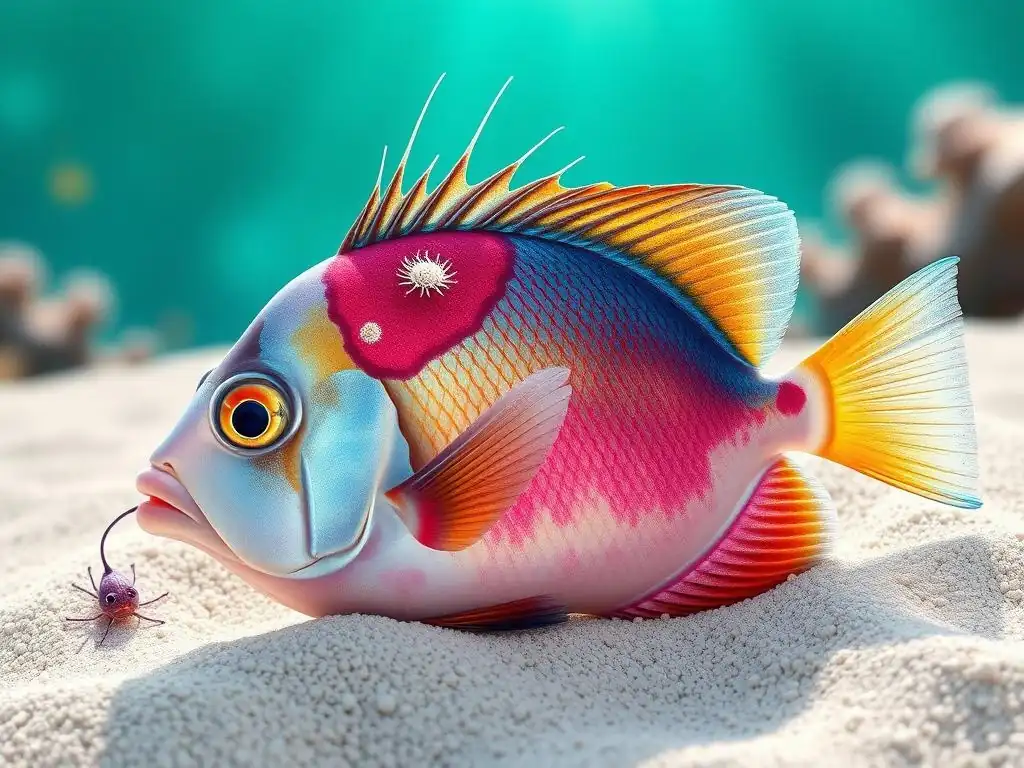
Recognizing Potential Resistance to Common Medications
In some challenging cases, gill fluke infestations in Butterflyfish may not respond to standard treatments, indicating potential resistance to common medications. This can occur due to several factors, including underdosing, incomplete treatment courses, or the natural evolution of resistant fluke strains. If, after completing a full course of a recommended anthelmintic like praziquantel, your Butterflyfish continue to exhibit symptoms of gill flukes—such as persistent flashing, labored breathing, or visible gill damage—it's a strong indicator that the treatment has not been fully effective.
Careful observation is key: are the symptoms lessening but not disappearing, or are they returning shortly after treatment concludes? If microscopic examination after treatment still reveals active flukes, resistance is a strong possibility. It's important to rule out other factors first, such as poor water quality or misdiagnosis, but if these are eliminated, then considering alternative treatment approaches becomes necessary. Persistent gill fluke issues can also lead to chronic stress and secondary infections, making it harder to address other issues like Butterflyfish fin rot treatment if that arises.
Exploring Alternative Treatment Options
If gill flukes in Butterflyfish show resistance to common medications, exploring alternative treatment options becomes crucial. One approach is to try a different class of anthelmintic if available and safe for marine fish. For instance, if praziquantel was ineffective, other medications like fenbendazole or metronidazole (though less commonly used specifically for gill flukes, can sometimes have an effect on certain flatworms) might be considered, always with extreme caution and thorough research into marine safety. However, many of these are not readily available or suitable for general aquarium use.
Another option is to combine treatment methods, such as a short, intense freshwater dip followed by a new course of medication. Increasing the frequency or duration of dips, while carefully monitoring the fish for stress, might also be considered.
In cases of severe resistance, a sustained hyposalinity treatment, if the Butterflyfish species can tolerate it, might be attempted as a last resort, but this carries significant risks. The goal is to break the life cycle of the resistant flukes and prevent further damage to the fish's gills, which if compromised, can also make other issues, such as Butterflyfish fin rot treatment, more complicated.
Consulting with a Veterinarian or Experienced Aquarist
When gill fluke treatments fail for Butterflyfish, it's a clear signal that professional guidance is needed. Consulting with an aquatic veterinarian or a highly experienced marine aquarist with a strong background in fish health can provide invaluable insights. These professionals often have access to a wider range of diagnostic tools, including advanced microscopy or even laboratory testing to identify specific fluke species or test for drug sensitivity. They can also recommend less common or prescription-only medications that might be more effective against resistant strains.
A veterinarian can also assess the overall health of the Butterflyfish, identify any underlying stressors or concurrent infections that might be hindering recovery, and help devise a comprehensive treatment plan that considers all aspects of the fish's well-being. Their expertise can be crucial in navigating complex cases, preventing further fish loss, and providing tailored advice on dosages, administration methods, and supportive care.
This expert intervention is especially vital when dealing with delicate species and persistent health issues, ensuring that even complex problems like recurring gill flukes or severe Butterflyfish fin rot treatment challenges are addressed with the best possible approach.
Common Mistakes to Avoid When Treating Gill Flukes in Marine Fish
Overdosing Medications: Risks and Consequences
One of the most common and dangerous mistakes when treating gill flukes in Butterflyfish is overdosing medications. While the intention might be to achieve a faster or more potent effect, exceeding the recommended dosage of any aquarium medication can have severe, often fatal, consequences for the fish. Medications are chemicals, and fish have a limited capacity to metabolize and excrete them. An overdose can lead to organ damage (liver, kidney), severe stress, neurological issues, or direct poisoning, resulting in rapid decline or death.
Always measure medications precisely using appropriate measuring tools (e.g., pipettes, graduated cylinders) and strictly adhere to the manufacturer's instructions for dosage based on the tank's exact water volume. Remember to account for displacement by substrate and decor when calculating volume. If in doubt, err on the side of slightly underdosing rather than overdosing, and consult reliable sources or professionals.
The goal is to create a therapeutic environment for the parasites, not a toxic one for the fish. Mishandling medication can exacerbate stress, making the fish even more vulnerable to other issues, potentially leading to more complex problems like Butterflyfish fin rot treatment needs.
Neglecting Water Quality During Treatment
A critical mistake often made during disease treatment, especially for gill flukes, is neglecting water quality in the hospital or main display tank. While the focus is on administering medication, poor water quality can severely undermine treatment efficacy and further stress the already weakened Butterflyfish. Medications can sometimes inhibit the beneficial nitrifying bacteria, leading to dangerous spikes in ammonia and nitrite. Accumulating organic waste and high nitrates also contribute to stress and compromise the fish's immune system, making recovery difficult.
It is absolutely vital to continue monitoring water parameters (ammonia, nitrite, nitrate, pH, salinity, temperature) daily during treatment. Perform regular, small water changes as needed, ensuring that you re-dose any medications removed during the water change to maintain therapeutic levels. Provide ample aeration, as sick fish often have compromised respiratory function. A clean, stable, and well-oxygenated environment is just as crucial as the medication itself for the Butterflyfish's recovery from gill flukes and any secondary issues, including those requiring Butterflyfish fin rot treatment.
Introducing Infected Fish Without Quarantine
Perhaps the most significant and preventable mistake leading to gill fluke outbreaks in a marine aquarium is introducing new fish without adequate quarantine. Many fish, including Butterflyfish, can carry dormant or subclinical parasitic infestations, including gill flukes, without showing obvious symptoms. When these seemingly healthy fish are added directly to an established display tank, the stress of relocation can cause the parasites to multiply rapidly, leading to a full-blown outbreak that quickly spreads to existing tank inhabitants.
A dedicated quarantine tank (QT) is an indispensable tool for every marine aquarist. New fish should spend a minimum of 4-6 weeks in the QT, during which they are observed for signs of illness and can undergo prophylactic treatments for common parasites like gill flukes and Ich.
This proactive approach isolates potential pathogens, preventing them from contaminating the main display tank and endangering your entire fish population. Skipping quarantine is a gamble that almost always results in disease outbreaks, leading to the stress and expense of treating multiple fish for issues like gill flukes or widespread Butterflyfish fin rot treatment challenges.
Specific Fish Species and Their Susceptibility to Gill Flukes
Angelfish Gill Fluke Considerations
Angelfish, particularly the larger marine species such as Emperor Angelfish (Pomacanthus imperator) or Queen Angelfish (Holacanthus ciliaris), are also highly susceptible to gill fluke infestations, much like their Butterflyfish cousins. Their delicate gill structures and sometimes shy nature can make them prone to stress, which in turn weakens their immune response to parasites. Symptoms in Angelfish are similar to those in Butterflyfish: increased respiration, flashing, clamped fins, and loss of appetite. Due to their often high price point and long lifespan, preventing gill flukes in Angelfish is a top priority for aquarists.
Quarantine protocols are just as vital for new Angelfish as they are for Butterflyfish. Prophylactic treatment with praziquantel during the quarantine period is highly recommended. Once established, maintaining pristine water quality and a stable environment is crucial to keep their immune systems robust. Like Butterflyfish, stressed Angelfish with gill flukes can quickly develop secondary bacterial infections, manifesting as fin erosion or body lesions, which would necessitate specific fin rot treatment in addition to addressing the primary parasitic issue.
Tang Gill Fluke Considerations
Tang species, such as Yellow Tangs (Zebrasoma flavescens) or Blue Tangs (Paracanthurus hepatus), are another group of marine fish frequently affected by gill flukes. While generally robust, their active swimming habits and often larger sizes mean they can carry a significant parasite load if not properly quarantined. Tangs are also known for their susceptibility to external parasites like marine Ich (Cryptocaryon irritans), and gill flukes can often be a co-infection or an underlying stressor that makes them more vulnerable to Ich outbreaks.
Symptoms in Tangs often include rapid breathing, excessive "yawning" (extending their gill covers), and rubbing against tank decorations. Due to their high metabolism and constant grazing, a loss of appetite can quickly lead to emaciation. Treatment protocols involving freshwater dips and praziquantel are effective for Tangs. Given their active nature and potential for rapid spread of parasites, rigorous quarantine is non-negotiable for new Tang acquisitions. Ensuring their gills are free of flukes also helps prevent other skin and fin issues that might require a broader fin rot treatment approach if bacterial infections take hold.
Frequently Asked Questions
What are the primary symptoms of fin rot in Butterflyfish?
Fin rot in Butterflyfish often manifests as ragged or frayed fins, sometimes with a white or gray edge. You might also observe lethargy and a decrease in appetite.
How can I accurately diagnose fin rot versus other fin issues in Butterflyfish?
Fin rot is usually caused by bacterial infection, often linked to poor water quality. Observe for progressive fin deterioration and rule out physical injuries or nipping from other fish, which wouldn't typically present with the same bacterial symptoms.
What's the most effective treatment for fin rot in Butterflyfish?
The most effective treatment involves improving water quality through frequent water changes and then using an antibiotic medication specifically designed for fish. A quarantine tank is recommended to prevent spreading.
How can I prevent fin rot in my Butterflyfish aquarium?
Prevention is key! Maintain excellent water quality through regular testing and water changes. Ensure proper filtration and aeration, and avoid overcrowding your tank.
Are there any natural or alternative treatments for fin rot in Butterflyfish?
While water quality improvement is essential, natural remedies alone are often insufficient for advanced fin rot. Saltwater dips can help in mild cases, but antibiotic treatment is generally necessary for effective results.
Final Reflection: Protecting the Delicate Beauty of Butterflyfish
The intricacies of diagnosing and treating gill flukes in butterflyfish, as we've explored, are not merely academic exercises; they represent a critical aspect of responsible aquarium keeping and the preservation of these vibrant creatures. The health of our butterflyfish populations, both in aquariums and in the wild, hinges on our understanding and application of these preventative and curative measures.
This journey into the microscopic world of gill flukes underscores the profound interconnectedness of our actions and the well-being of these delicate fish. Witnessing the resilience of butterflyfish, even when afflicted, inspires a deeper appreciation for the fragility of marine ecosystems and the responsibility we bear to protect them. The cure for anything is salt water: sweat, tears, or the sea.
- Isak Dinesen. This quote reminds us that even in the face of adversity, the ocean, and its inhabitants, hold a powerful capacity for healing, a capacity we must strive to nurture.
Now, armed with knowledge of diagnosis, treatment, and prevention, consider the impact you can have on the lives of these magnificent butterflyfish. Let this understanding fuel a commitment to responsible aquarium practices, and inspire you to advocate for the conservation of their natural habitats. By embracing a proactive approach to their care, you contribute to a future where the vibrant colors of butterflyfish continue to grace our oceans and aquariums for generations to come.
Ignite Your Butterflyfish Brilliance!
Thank you for diving deep into the world of butterflyfish health! We hope this article has equipped you with valuable insights to protect your finned friends from gill flukes. Now, let’s put that knowledge into action.
Here’s how you can ensure your butterflyfish thrive:
- Immediately Schedule a Parasite Check: Take the primary step towards safeguarding your butterflyfish by having your veterinarian perform a thorough microscopic check for parasites like gill flukes. Early detection is paramount.
- Explore alternative, natural treatments. Research methods like garlic supplementation or herbal remedies that may support your butterflyfish's immune system alongside conventional treatments.
- Share your experiences and insights with fellow aquarists in online forums. Your story could be the key to helping someone else identify and address gill flukes in their butterflyfish!
What specific preventative measure will you implement first to ensure your butterflyfish's continued health and vitality?