
The Bottleneck Breached: Strategies for Surviving the Larval to Juvenile Transition

Welcome to Aquarium Mastery!
Ever wondered why so many saltwater fish vanish during their crucial larval stage? Dive into our latest article, "The Bottleneck Breached: Strategies for Surviving the Larval to Juvenile Transition," and unlock the secrets to successfully navigating this delicate phase. Discover proven techniques to boost your success with saltwater fish larval transition and transform your aquarium aspirations into reality. Intrigued? Let's explore!
- The Bottleneck Breached: Strategies for Surviving the Clownfish Larval to Juvenile Transition
- Understanding the Clownfish Larval Transition: A Critical Phase
- Optimizing Larval Rearing Environments for Successful Transition
- Nutritional Strategies to Fuel the Clownfish Larval to Juvenile Shift
- Mitigating Predation and Competition in Clownfish Larval Rearing
- Preventing Disease Outbreaks During the Clownfish Larval Phase
- Monitoring Larval Development and Identifying Transition Readiness
- Successfully Moving Clownfish Juvenile Fish to Grow-Out Tanks
- Troubleshooting Common Challenges During the Clownfish Larval to Juvenile Transition
- Advanced Techniques for Enhancing Clownfish Larval Survival
- The Future of Clownfish Larval Rearing: Innovations and Research
-
Frequently Asked Questions
- How significant is the larval to juvenile transition for saltwater fish survival?
- What are the primary challenges faced by saltwater fish larvae during this transition?
- What specific dietary requirements are crucial for saltwater fish larvae during this phase?
- How can aquarists effectively manage water quality to support larval survival?
- What role does tank environment play in the successful transition of larvae to juveniles?
- Final Reflection: Navigating the Fragile Threshold
- Unlock the Secrets to Raising Thriving Fry!
The Bottleneck Breached: Strategies for Surviving the Clownfish Larval to Juvenile Transition
Understanding the Clownfish Larval Transition: A Critical Phase
Why the Larval Stage is the Toughest Hurdle in Clownfish Breeding
The larval stage represents the most precarious period in the life cycle of clownfish, and indeed for many marine species, where mortality rates often soar past 90% in uncontrolled environments. This critical phase involves profound physiological transformations, known as metamorphosis, where the larvae transition from a pelagic, planktonic existence to a benthic, reef-associated life. During this period, their internal organs, including digestive and respiratory systems, are undergoing rapid development, making them incredibly sensitive to environmental fluctuations and nutritional deficiencies. The energy demands for this rapid growth and development are immense, far exceeding those of adult fish.
Furthermore, clownfish larvae hatch at an incredibly small size, typically around 3-4 millimeters, with an undeveloped mouth gape that restricts their initial diet to microscopic live foods. Their immune systems are rudimentary, offering little defense against pathogens, and their delicate external surfaces are highly susceptible to physical damage or chemical irritation. These combined factors make the saltwater fish larval transition a true bottleneck, where successful navigation determines the viability of breeding programs, whether for hobbyists or commercial aquaculture.
Key Factors Influencing Clownfish Larval Survival Rates
Clownfish larval survival is a complex interplay of intrinsic and extrinsic factors. Intrinsic factors include the genetic vigor of the broodstock, the quality of the eggs produced (influenced by parental nutrition and health), and the initial health and size of the newly hatched larvae. Well-fed and healthy broodstock produce eggs with larger yolk sacs, providing a crucial energetic head start for the developing larvae, which can significantly impact their resilience during the initial days of the saltwater fish larval transition.
Extrinsic factors, however, exert the most immediate and significant influence. These encompass the stability and purity of water parameters (temperature, salinity, pH, and nitrogenous waste levels), the availability and nutritional quality of live food, appropriate lighting, and the absence of predators or pathogens. Any deviation from optimal conditions in these areas can rapidly lead to mass mortalities. For instance, even trace amounts of ammonia or nitrite, tolerated by adult fish, can be lethal to fragile larvae, underscoring the precise environmental control required for a successful saltwater fish larval transition.
Optimizing Larval Rearing Environments for Successful Transition
Precise Control of Water Parameters: Temperature, Salinity, and pH for Clownfish Larvae
Maintaining stable and optimal water parameters is paramount for the survival and healthy development of clownfish larvae. Ideal water temperatures typically range between 78-82°F (25.5-27.8°C), which supports their high metabolic rate and accelerates growth without inducing undue stress. Fluctuations of more than 1-2°F within a 24-hour period can be detrimental, leading to weakened larvae and increased susceptibility to disease. Consistent temperature ensures stable physiological processes crucial for the saltwater fish larval transition.
Salinity should be maintained within a tight range of 1.022-1.025 specific gravity (32-34 parts per thousand, ppt). This range minimizes osmotic stress on the delicate larval membranes, reducing the energy expenditure required for osmoregulation. Similarly, a stable pH between 8.0-8.2 is critical. Deviations outside this range can impair enzyme function, affect oxygen uptake, and increase the toxicity of ammonia. Regular monitoring and precise adjustments are non-negotiable for successful larval rearing during the saltwater fish larval transition.
The Importance of Water Quality: Minimizing Ammonia, Nitrite, and Nitrate Buildup
Clownfish larvae are exquisitely sensitive to nitrogenous waste products, making pristine water quality an absolute necessity. Ammonia (NH3/NH4+) and nitrite (NO2-) are highly toxic, even at concentrations below 0.1 parts per million (ppm), and can cause rapid mortality by impairing oxygen transport and damaging gill tissues. While nitrate (NO3-) is less acutely toxic, levels exceeding 20 ppm can still contribute to chronic stress and reduced growth, hindering the delicate saltwater fish larval transition.
Effective strategies for maintaining low nitrogenous waste include daily partial water changes, often 10-20% of the tank volume, using pre-mixed and perfectly matched saltwater. Avoiding overfeeding is also crucial, as uneaten food quickly breaks down into ammonia. Gentle aeration through an air stone, without strong filtration that could harm the larvae, helps oxygenate the water and promotes gas exchange. These meticulous water quality practices are foundational to preventing disease and ensuring the robust development needed for the saltwater fish larval transition.
Lighting Strategies for Clownfish Larvae: Intensity and Spectrum Considerations
Lighting plays a multifaceted role in the development and feeding behavior of clownfish larvae. An appropriate light intensity, typically in the range of 500-1000 lux, is important for stimulating feeding responses, as larvae are visual predators of their microscopic food. Too dim lighting can lead to starvation, while excessive brightness can cause stress, inhibit feeding, and promote undesirable algae blooms that compete for nutrients and reduce water quality. A consistent photoperiod, such as 14 hours of light followed by 10 hours of darkness, mimics natural cycles and supports healthy development during the saltwater fish larval transition.
The spectrum of light is also a consideration. Full-spectrum lighting (5000K-6500K) is generally recommended, as it supports proper visual development and may influence the development of their characteristic pigment patterns. Some breeders utilize a dim night light during the dark cycle to allow for continuous observation or to provide a minimal sense of security for the larvae. Fine-tuning both intensity and spectrum contributes to a less stressful environment, encouraging optimal growth and successful metamorphosis throughout the critical saltwater fish larval transition.
Nutritional Strategies to Fuel the Clownfish Larval to Juvenile Shift
Live Food Culturing Techniques: Rotifers, Copepods, and Artemia Enrichment
The initial nutritional requirements of clownfish larvae are incredibly specific, necessitating the exclusive use of live foods due to their small mouth gape and underdeveloped digestive systems. Brachionus plicatilis (L-type rotifers) are the staple diet for the first 5-10 days post-hatch, cultured at high densities (e.g., 100-200 rotifers/mL). Crucially, these rotifers must be "gut-loaded" or enriched with specialized products rich in highly unsaturated fatty acids (HUFA), such as DHA and EPA, and essential vitamins. This enrichment process transforms the rotifers into a nutritionally complete package, vital for the rapid brain and organ development during the saltwater fish larval transition.
As larvae grow, typically around day 7-10, their mouth gape increases, allowing for the introduction of larger live foods. Artemia nauplii (brine shrimp) are commonly introduced at this stage, initially co-fed with rotifers and then gradually replacing them.
Like rotifers, Artemia must also be enriched with HUFA and vitamin supplements to provide adequate nutrition. Some advanced breeders also incorporate copepods (e.g., Tisbe or Apocyclops) into the diet, particularly during the transition phase, as their jerky swimming motion and superior nutritional profile can stimulate a stronger feeding response and support healthier development, further enhancing the success of the saltwater fish larval transition.
Determining Optimal Feeding Schedules and Densities for Clownfish Larvae
Clownfish larvae have incredibly high metabolic rates and require a near-constant supply of food to fuel their rapid growth and development. Therefore, a continuous feeding strategy is essential. For rotifers, a target density of 10-15 individuals per milliliter (ind/mL) should be maintained in the larval rearing tank, with additions made every 2-4 hours to ensure food availability. This prevents periods of starvation that can lead to stunting or increased mortality, which are common pitfalls during the saltwater fish larval transition.
As Artemia are introduced, their density should typically start at 2-3 nauplii/mL, gradually increasing as the larvae grow larger and consume more. Careful observation of the larvae's gut content—a visible orange or reddish coloration indicates successful feeding—is critical to fine-tune feeding rates. Overfeeding must be avoided, as uneaten live food quickly dies, decomposes, and fouls the water, leading to dangerous ammonia spikes. A precise feeding schedule, coupled with diligent monitoring, is a cornerstone for navigating the challenging nutritional demands of the saltwater fish larval transition.
Weaning Larvae onto Prepared Diets: A Gradual Transition
The ultimate goal for many breeding operations is to transition larvae from live foods to prepared, inert diets, which offers greater convenience and scalability. This weaning process typically begins when clownfish larvae have completed metamorphosis into early juveniles, usually around 15-20 days post-hatch, when their digestive systems are more developed and their mouth gape is sufficient for consuming small particles. The process should be gradual, typically involving a co-feeding period where both live foods (e.g., enriched Artemia) and finely powdered, high-quality larval pellets (e.g., 50-100 micron size) are offered simultaneously.
Over several days to a week, the proportion of live food is slowly reduced while the amount of prepared diet is increased. It is crucial to observe the juveniles closely to ensure they are actively consuming the prepared food and maintaining good body condition. High-quality larval diets are formulated to be highly digestible and nutritionally complete, providing the necessary proteins, fats, and vitamins for continued growth. Successful weaning marks a significant milestone in the saltwater fish larval transition, preparing the young clownfish for grow-out and eventual sale.
Mitigating Predation and Competition in Clownfish Larval Rearing
Identifying and Removing Potential Predators from the Larval Tank
Clownfish larvae are extremely vulnerable to predation, even from microscopic organisms that may inadvertently enter the rearing system. Common culprits include certain species of predatory copepods that can be introduced with live food cultures, hydroids, or even small, opportunistic invertebrates. These tiny predators, often invisible to the naked eye, can decimate an entire batch of larvae within hours, making their presence a significant threat to the saltwater fish larval transition.
To mitigate this risk, meticulous sterilization of all larval rearing equipment and tanks before use is essential. This often involves cleaning with a bleach solution, followed by thorough rinsing and dechlorination. All incoming water, especially if sourced directly from the ocean, should be filtered through a fine mesh (e.g., 50-micron) to exclude unwanted organisms. Furthermore, live food cultures must be carefully inspected and, if necessary, treated or isolated to ensure they are free of predatory contaminants before being introduced to the larval tank, safeguarding the delicate developing fish.
Managing Larval Density to Reduce Competition for Resources
Overcrowding is a common cause of high mortality rates in clownfish larval rearing, leading to intense competition for vital resources such as food, space, and oxygen. While initial stocking densities of 10-20 larvae per liter are often used to maximize hatching success, these densities quickly become unsustainable as larvae grow and their metabolic demands increase. High densities also exacerbate water quality issues by increasing the bioload, leading to rapid accumulation of waste products.
As larvae progress through the saltwater fish larval transition and increase in size, it becomes imperative to either thin the population by removing weaker individuals or, more commonly, to transfer subsets of the batch to additional, larger rearing tanks. This reduces competition for food, allows for more even growth, and minimizes stress. Lower densities also contribute to better water quality and reduced aggressive interactions among developing juveniles, which can become more pronounced as they near metamorphosis, ensuring a healthier environment for the entire cohort.
Implementing Flow Patterns to Distribute Food and Minimize Aggression
Proper water flow within the larval rearing tank is crucial for both efficient food distribution and the overall well-being of the developing clownfish. Gentle, laminar flow ensures that the microscopic live foods remain suspended and are evenly dispersed throughout the water column, making them accessible to all larvae. Without adequate flow, food particles can settle to the bottom, becoming unavailable to the pelagic larvae and contributing to water fouling. This uniform food distribution is vital for ensuring all larvae receive adequate nutrition during the saltwater fish larval transition.
Furthermore, well-designed flow patterns can help minimize localized areas of high waste concentration and prevent larvae from congregating excessively in one spot, which can lead to increased stress and even aggression as they grow. Air stones, positioned strategically, are often used to create gentle circulation without generating strong currents that could physically damage the delicate larvae. By optimizing flow, breeders create a more equitable and less stressful environment, promoting uniform growth and reducing competition that could otherwise impede successful development through the saltwater fish larval transition.
Preventing Disease Outbreaks During the Clownfish Larval Phase
Proactive Quarantine Protocols for Larval Rearing Systems
Strict biosecurity and proactive quarantine protocols are the most effective defenses against devastating disease outbreaks in clownfish larval rearing. All equipment, tanks, and water used for larval systems must be thoroughly sterilized before each use, typically with a strong bleach solution followed by complete rinsing and dechlorination. This eliminates any residual pathogens from previous batches or external sources. Live food cultures, which can sometimes harbor pathogens, should be maintained in separate, dedicated systems and routinely monitored for health.
It is paramount to establish a completely separate larval rearing area, isolated from adult broodstock tanks or other aquarium systems, to prevent cross-contamination. Dedicated tools (nets, siphons, buckets) should be used exclusively for the larval system. Personnel should practice rigorous hand hygiene before handling any larval equipment or interacting with the tanks. These stringent preventative measures significantly reduce the risk of introducing diseases to the highly vulnerable larvae during the critical saltwater fish larval transition.
Recognizing Early Signs of Disease in Clownfish Larvae
Early detection of disease in clownfish larvae is critical, as infections can spread rapidly through a dense population. Breeders must engage in daily, meticulous observation, often using a magnifying glass, to identify subtle behavioral and physical changes. Signs of distress or illness include lethargy, abnormal swimming patterns (e.g., spinning, erratic darting, swimming at the surface or bottom), loss of appetite, darkened or faded coloration, and the appearance of visible lesions, spots, or cloudy patches on the body or fins.
Any deviation from normal, active feeding and swimming behavior should trigger immediate investigation. Rapid onset mortality, especially when accompanied by other symptoms in surviving larvae, indicates a severe problem requiring swift action. Prompt identification of the issue, whether it's a pathogen, poor water quality, or nutritional deficiency, is the difference between losing a few larvae and a complete batch wipeout, making diligent observation essential for navigating the saltwater fish larval transition successfully.
Safe and Effective Treatment Options for Common Larval Diseases: Formalin, Copper Sulfate
Treating diseases in clownfish larvae is exceptionally challenging due to their small size, delicate physiology, and extreme sensitivity to most medications. Many common aquarium treatments are highly toxic to larvae, with narrow therapeutic windows. For external parasites like Amyloodinium ocellatum (Marine Velvet), short-duration formalin dips (e.g., 100-200 ppm for 30-60 minutes, with excellent aeration) can sometimes be used, but they carry significant risks and require precise dosing.
Copper sulfate, while effective against some external parasites, is generally considered too toxic for routine use in larval systems due to its narrow safety margin and potential for cumulative toxicity. Broad-spectrum antibiotics are rarely used due to their impact on beneficial bacteria and the risk of developing resistant strains. In many cases, if a widespread disease outbreak occurs, depopulation, thorough sterilization of the system, and starting fresh are often the most practical and effective strategies, underscoring the paramount importance of prevention during the saltwater fish larval transition.
Monitoring Larval Development and Identifying Transition Readiness
Observing Larval Morphology and Behavior for Signs of Metamorphosis
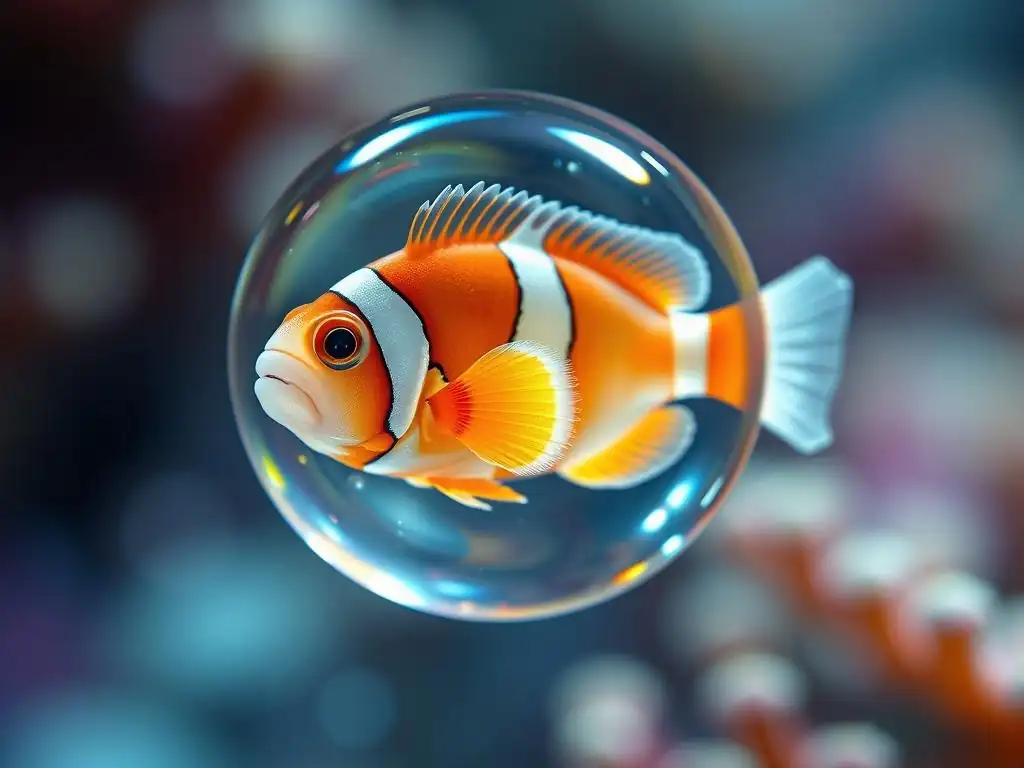
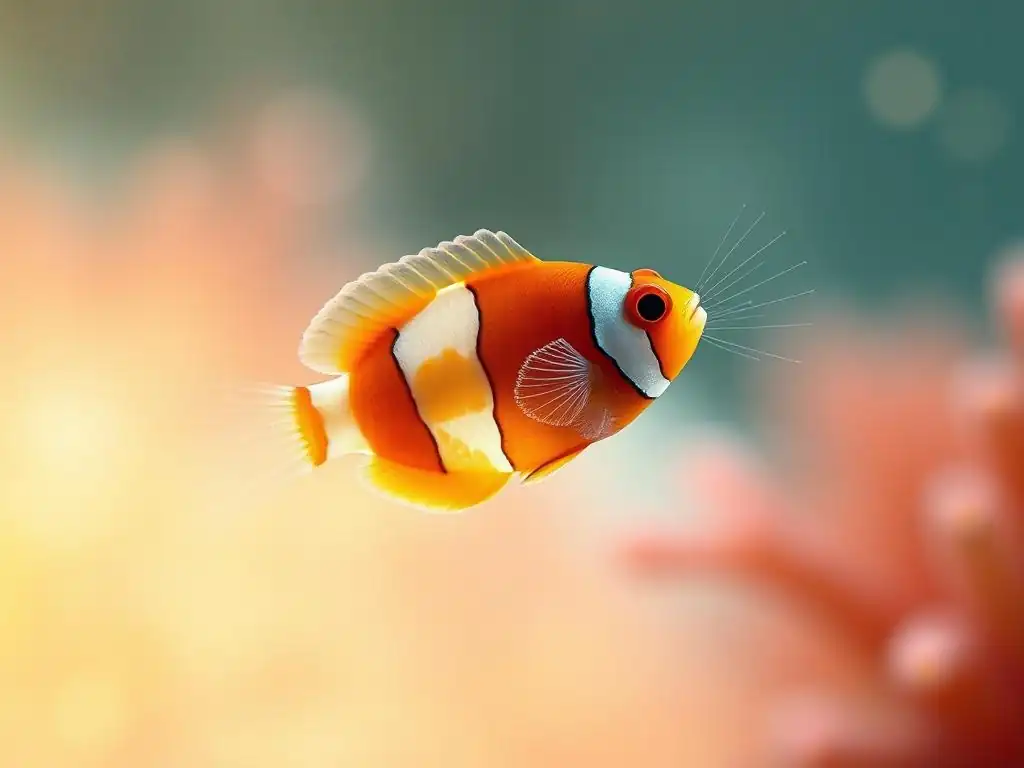
Monitoring the morphological and behavioral changes of clownfish larvae is key to understanding their developmental progress and readiness for the next rearing stages. The most significant indicator of successful saltwater fish larval transition is the onset of metamorphosis. This process involves a dramatic transformation: larvae begin to develop their characteristic orange and white stripes, their body shape shifts from elongated and transparent to more compressed and opaque, and their fin rays become more defined.
Behaviorally, larvae will transition from a pelagic, open-water swimming pattern to a more benthic, bottom-oriented, and exploratory behavior as they seek out shelter. This shift typically begins around 7-10 days post-hatch and is largely complete by 15-20 days. Regular observation of these changes provides crucial cues for adjusting feeding strategies, water flow, and preparing for the eventual transfer to grow-out tanks, marking the successful completion of the initial saltwater fish larval transition.
Assessing Gut Content and Nutritional Status of Clownfish Larvae
A direct and immediate indicator of the nutritional status of clownfish larvae is the visual assessment of their gut content. Using a magnifying glass or a low-power microscope, breeders can observe if the larvae's guts are full and opaque, often exhibiting the orange or reddish coloration of ingested rotifers or Artemia. An empty, clear, or pale gut suggests that the larvae are not feeding adequately, which could be due to insufficient food density, poor food quality, or underlying health issues that inhibit feeding.
Consistent observation of gut fullness across a representative sample of the larval population provides real-time feedback on the efficacy of feeding protocols. If many larvae have empty guts, adjustments to food density, feeding frequency, or the nutritional enrichment of the live food may be necessary. This proactive assessment ensures that larvae receive the continuous energy supply required to fuel their rapid growth and undergo the demanding physiological changes of the saltwater fish larval transition.
Adjusting Rearing Parameters Based on Larval Development Stage
As clownfish larvae develop and undergo metamorphosis, their physiological needs and environmental tolerances change, necessitating adjustments to rearing parameters. For instance, as they grow larger, their metabolic rate increases, leading to higher oxygen consumption and a greater production of waste. This often means that water changes may need to become more frequent or larger in volume to maintain pristine water quality.
Furthermore, the transition from microscopic rotifers to larger Artemia nauplii, and eventually to prepared diets, is a direct response to their increasing mouth gape and evolving nutritional requirements. As they become more benthic, providing surfaces for them to settle on or hide among, such as small PVC pipes or ceramic tiles, can reduce stress. Adapting water flow to be slightly stronger but still gentle can also be beneficial for distributing larger food items and promoting exercise. These dynamic adjustments are vital for supporting the successful progression through the saltwater fish larval transition.
Successfully Moving Clownfish Juvenile Fish to Grow-Out Tanks
Gradual Acclimation to New Tank Environments
The transfer of newly metamorphosed clownfish juveniles from larval rearing tanks to larger grow-out systems is a critical step that must be handled with utmost care to minimize stress and prevent mortality. Juveniles, typically around 15-25 days old, are still delicate and highly susceptible to environmental shock. A gradual acclimation process is essential; this usually involves drip acclimation, where water from the grow-out tank is slowly dripped into the container holding the juveniles over several hours, allowing for a gentle equalization of temperature, salinity, and pH.
Sudden changes in water parameters can cause severe osmotic shock, leading to lethargy, loss of appetite, and increased susceptibility to disease. Before transfer, the grow-out tank must be fully cycled, mature, and perfectly stable, with zero ammonia and nitrite. Ensuring the new environment is ready and the acclimation process is slow and steady significantly improves the chances of continued success after the intense saltwater fish larval transition.
Providing Appropriate Shelter and Hiding Places for Juvenile Fish
As clownfish larvae complete their metamorphosis and become juveniles, their natural instinct to seek shelter becomes more pronounced, mimicking their symbiotic relationship with anemones in the wild. Providing appropriate hiding places in the grow-out tank is crucial for reducing stress, minimizing aggression among siblings, and allowing them to feel secure in their new environment. Small PVC pipes, ceramic tiles arranged to create crevices, or even artificial anemones can serve as effective refuges.
Without adequate shelter, juveniles may become stressed, leading to stunted growth, increased susceptibility to disease, and even higher mortality rates from aggressive interactions. Providing ample hiding spots allows the fish to establish territories and reduces overall anxiety, contributing significantly to their healthy development post-saltwater fish larval transition. A secure environment promotes natural behaviors and ensures robust growth.
Continued Nutritional Support for Optimal Growth and Development
While the most challenging nutritional hurdles are overcome during the initial larval phase, clownfish juveniles still require consistent, high-quality nutritional support to fuel their rapid growth and development into market-sized fish. At this stage, they are typically weaned onto small, high-protein prepared diets, such as finely crushed flake foods or small sinking pellets (e.g., 200-500 micron size). Feeding multiple times a day (3-5 times) in small quantities is recommended to ensure constant availability of food and minimize waste.
Supplementing their diet with occasional live or frozen foods, such as enriched Artemia or mysis shrimp, can provide a broader spectrum of nutrients and stimulate feeding responses. High-quality diets rich in marine proteins, essential fatty acids, and vitamins are crucial for promoting vibrant coloration, strong fin development, and overall robustness. Consistent and appropriate feeding ensures that the successful saltwater fish larval transition is followed by sustained, healthy growth.
Troubleshooting Common Challenges During the Clownfish Larval to Juvenile Transition
Addressing High Larval Mortality Rates: Identifying and Rectifying Issues
High larval mortality is the most disheartening and common challenge in clownfish breeding, with losses often exceeding 50% even in well-managed systems. When significant mortality occurs, a systematic troubleshooting approach is essential. The primary suspects are almost always poor water quality, inadequate nutrition, or disease. Begin by meticulously re-checking all water parameters: ammonia, nitrite, nitrate, pH, temperature, and salinity. Even slight deviations can be lethal.
Next, evaluate the feeding protocol: Is the live food (rotifers, Artemia) being adequately enriched? Is the density sufficient? Are larvae actively feeding, and do their guts appear full? If these are in order, then consider pathogens. Look for behavioral changes, lesions, or unusual swimming patterns. Often, rectifying one or two key issues, such as increasing water changes or improving live food enrichment, can dramatically improve survival rates during the critical saltwater fish larval transition.
Managing Algae Blooms and Maintaining Water Clarity
Algae blooms, particularly green water (phytoplankton) or brown algae (diatoms), are common in larval rearing tanks due to high nutrient levels from feeding and lighting. While some microalgae can initially provide a food source for rotifers, uncontrolled blooms can quickly become problematic. Dense green water reduces visibility, making it difficult for larvae to find their zooplankton prey, and can lead to significant pH swings and oxygen depletion overnight due to photosynthetic respiration.
Strategies to manage algae include reducing light intensity or duration, increasing the frequency and volume of water changes to export excess nutrients, and ensuring that feeding rates are optimized to prevent uneaten food from contributing to nutrient load. In severe cases, a gentle UV sterilizer can be employed to control suspended algae without harming the larvae. Maintaining optimal water clarity is crucial for feeding efficiency and overall larval health throughout the saltwater fish larval transition.
Preventing Stunting and Deformities in Juvenile Clownfish
Stunting (significantly reduced growth) and deformities (e.g., bent spines, malformed gill plates, or underdeveloped fins) are unfortunate outcomes that can occur during or immediately after the saltwater fish larval transition. These issues are primarily linked to chronic poor nutrition, suboptimal water quality, or, in some cases, genetic predispositions. Inconsistent feeding, insufficient quantities of food, or a lack of essential nutrients (like HUFA) in the diet of live feeds can lead to nutritional deficiencies that impair proper development.
To prevent stunting and deformities, ensure a continuous supply of highly enriched live foods during the larval phase, followed by a high-quality, balanced prepared diet for juveniles. Maintaining stable and pristine water parameters, free from even trace levels of ammonia and nitrite, is equally critical. Avoiding overcrowding and providing a stress-free environment also contributes significantly to robust and healthy development, ensuring that the success of the saltwater fish larval transition translates into well-formed, thriving juvenile clownfish.
Advanced Techniques for Enhancing Clownfish Larval Survival
Utilizing Probiotics to Improve Larval Gut Health
The use of beneficial bacteria, or probiotics, represents an advanced technique for enhancing clownfish larval survival by improving gut health and disease resistance. Probiotic bacteria, often specific strains of Bacillus species, can be introduced into the larval rearing water or directly incorporated into live food cultures. When ingested, these beneficial microbes colonize the larval gut, where they can aid in digestion, improve nutrient absorption, and competitively exclude pathogenic bacteria.
Research has shown that administering probiotics can lead to improved growth rates, enhanced feed conversion ratios, and a significant reduction in disease incidence, particularly bacterial infections, in aquaculture settings. By fostering a healthy gut microbiome from an early age, probiotics help to fortify the delicate immune system of clownfish larvae, providing an additional layer of protection during the highly vulnerable saltwater fish larval transition and beyond.
Implementing Ozone or UV Sterilization for Water Purification
For high-volume or commercial clownfish breeding operations, implementing advanced water purification technologies like ozone (O3) or ultraviolet (UV) sterilization can dramatically enhance larval survival rates. UV sterilizers work by passing water through a chamber containing a UV-C lamp, which emits radiation that damages the DNA and RNA of bacteria, viruses, and other microorganisms, effectively inactivating them without adding chemicals to the water.
Ozone, a powerful oxidizer, is even more potent. It breaks down organic waste products and kills a wide spectrum of microbes, leading to exceptionally clean water. While both technologies require careful sizing and monitoring to prevent harm to the larvae (especially ozone, which must be fully degassed before water returns to the tank), they significantly reduce the pathogen load in the rearing system. This creates a much safer and healthier environment, minimizing disease pressure during the critical saltwater fish larval transition.
Genetic Considerations for Enhancing Larval Vigor: Pigment Variation and Disease Resistance
Beyond environmental and nutritional management, genetic considerations play an increasingly important role in enhancing clownfish larval vigor and survival. Selective breeding programs can focus on identifying and propagating broodstock that consistently produce healthy, robust larvae with high survival rates. Traits such as faster growth, improved feed conversion, and inherent resistance to common diseases can be targeted over successive generations.
Furthermore, genetic diversity within the breeding population is crucial to prevent inbreeding depression, which can lead to reduced fertility, increased deformities, and weaker larvae more susceptible to disease. Research is ongoing into identifying specific genetic markers associated with desirable traits, including vibrant pigment development (for popular color morphs like "Picasso" or "Snowflake" clownfish) and enhanced immune responses. Investing in genetically strong and diverse broodstock provides a foundational advantage for improving the success of the saltwater fish larval transition.
The Future of Clownfish Larval Rearing: Innovations and Research
Advancements in Live Food Production and Enrichment
The future of clownfish larval rearing is deeply tied to continued innovation in live food production and enrichment. Researchers are exploring more efficient, high-density culture systems for rotifers and copepods that reduce labor and space requirements, making large-scale production more feasible. This includes optimizing feed formulations for the live foods themselves, ensuring they are maximally nutritious before being fed to larvae.
Moreover, the development of new, more bio-available enrichment products is a key area of focus. These products aim to deliver essential fatty acids, vitamins, and other micronutrients more effectively to the live prey, which then transfer them to the larvae. Some research even explores genetic modification of live foods to inherently possess a superior nutritional profile. These advancements aim to simplify the most labor-intensive aspect of larval rearing, making the saltwater fish larval transition more consistent and successful for a wider range of aquarists and commercial breeders.
Development of Specialized Larval Feeds and Supplements
A significant goal in aquaculture research is the development of nutritionally complete, inert micro-diets that can partially or entirely replace live foods, especially in later larval stages. These specialized larval feeds require precise particle sizes (often in the range of 50-200 microns), high digestibility, and a balanced nutrient profile specifically tailored to the rapidly changing needs of developing clownfish. The challenge lies in creating a stable, palatable particle that delivers all necessary nutrients without leaching into the water and causing pollution.
Innovations in microencapsulation technologies are promising, allowing for the delivery of sensitive nutrients and even immunostimulants or prebiotics directly to the larval gut. Successful development of such "off-the-shelf" larval feeds would significantly streamline the rearing process, reduce reliance on demanding live food cultures, and potentially improve the consistency and predictability of the saltwater fish larval transition, leading to higher survival rates and more uniform growth.
Sustainable Practices for Clownfish Breeding and Conservation.
The long-term vision for clownfish breeding extends beyond commercial profitability to include significant contributions to marine conservation. By continuously optimizing rearing techniques, particularly the success rates of the delicate saltwater fish larval transition, breeders can reduce the reliance on wild-caught clownfish for the aquarium trade. This alleviates pressure on wild populations and their fragile reef habitats, which are increasingly threatened by climate change and other anthropogenic impacts.
Future research will focus on developing more sustainable aquaculture practices, including closed-loop systems that minimize water usage, reduce waste discharge, and lower energy consumption. Innovations in larval nutrition and environmental control will contribute to higher yields from smaller footprints. Ultimately, the ongoing refinement of clownfish breeding, with a strong emphasis on mastering the saltwater fish larval transition, is vital for ensuring a sustainable and ethical supply of these beloved fish for hobbyists worldwide, contributing directly to their conservation.
Frequently Asked Questions
How significant is the larval to juvenile transition for saltwater fish survival?
The larval to juvenile transition is extremely critical. It's a high-mortality period where many fish fail to survive due to demanding nutritional and environmental shifts.
What are the primary challenges faced by saltwater fish larvae during this transition?
Key challenges include finding suitable food sources, adapting to new environmental conditions (salinity, temperature), and avoiding predators. These challenges are often combined.
What specific dietary requirements are crucial for saltwater fish larvae during this phase?
Larvae typically require small, highly nutritious live foods like rotifers and copepods, followed by enrichment to maximize their nutritional value. Proper food size and density are essential.
How can aquarists effectively manage water quality to support larval survival?
Maintaining pristine water quality is paramount. Regular water changes, stable salinity and temperature, and efficient filtration are vital to reduce stress and disease.
What role does tank environment play in the successful transition of larvae to juveniles?
A stable and enriching environment is key. This includes providing appropriate hiding places, gentle water flow, and minimizing light intensity to reduce stress and encourage feeding.
The insights shared in this article regarding the saltwater fish larval transition are not merely academic; they are crucially relevant to the future of marine conservation and aquaculture. Understanding and mitigating the challenges faced during this vulnerable stage is paramount, especially as we grapple with the impacts of climate change and overfishing on our ocean ecosystems. The survival of countless species hinges on our ability to effectively navigate this bottleneck.
This delicate transition from larva to juvenile profoundly influences the health and resilience of marine populations. It's a reminder that even the smallest changes in environmental conditions can have cascading effects throughout the entire food web. In the end, we will conserve only what we love; we will love only what we understand; and we will understand only what we are taught.
- Baba Dioum. This quote underscores the importance of continued research and education to foster a deeper appreciation for the complexities of marine life and the vital role of the larval stage.
As you consider the strategies discussed, I encourage you to reflect on your own role in safeguarding our oceans. Whether you are a researcher, aquarist, or simply an ocean enthusiast, consider how you can contribute to a better understanding and protection of these fragile creatures. Let the knowledge gained here inspire you to advocate for sustainable practices, support conservation efforts, and champion the future of saltwater fish populations.
Unlock the Secrets to Raising Thriving Fry!
Thank you for diving into the world of larval fish! We hope this article has provided you with valuable insights into navigating the challenging transition from larvae to juvenile. Now, let's turn that knowledge into action.
Here's how you can ensure your fry survive and thrive:
- Prioritize water quality: Maintaining pristine water parameters with frequent, small water changes is paramount.
- Dive Deeper: Research specific live food cultures (like rotifers or copepods) to provide the optimal nutritional foundation for your fry's early development.
- Share your experiences! Connect with fellow aquarists on forums or social media to exchange tips and troubleshoot challenges.
What's one new feeding strategy you're excited to try with your next batch of fry?