
Betta First Aid Kit: Essential Supplies for Fish Emergencies

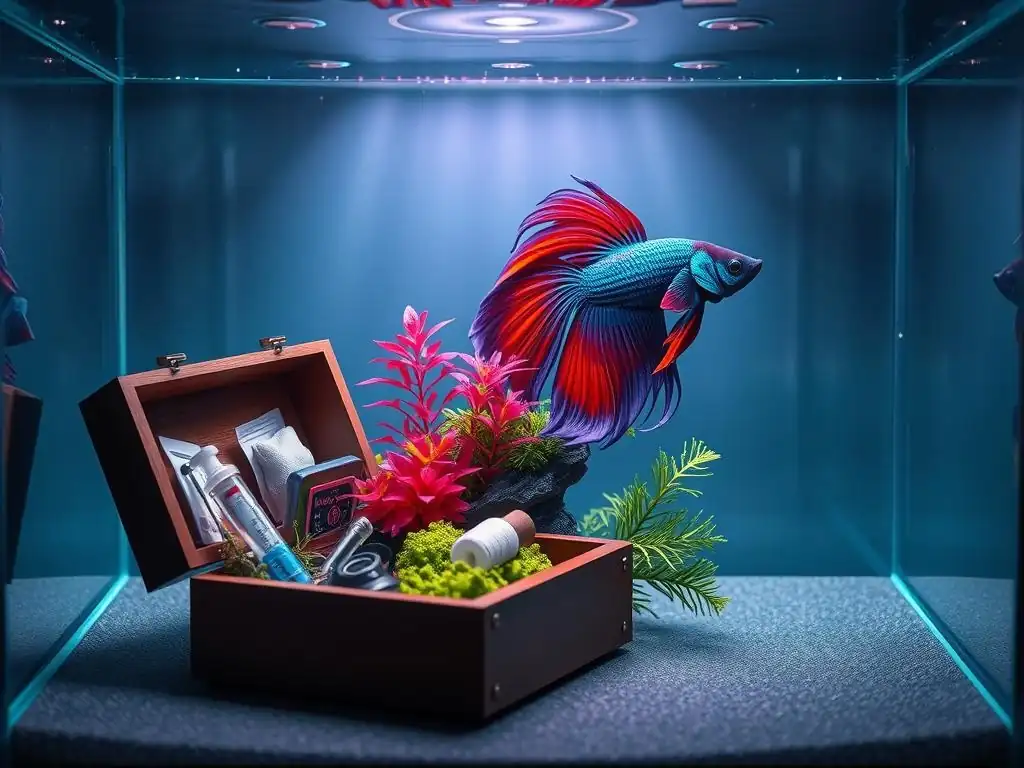
Welcome to Aquarium Mastery!
Ever feel a pang of worry when your Betta seems a little off? We understand. Just like any beloved pet, our finned friends sometimes need a little help. Dive into our essential guide, " Betta First Aid Kit: Essential Supplies for Fish Emergencies," and discover how to be prepared for anything. Ready to learn the secrets to swift and effective Betta fish emergency first aid and keep your aquatic companion thriving? Let's get started!
- Why a Betta Fish Emergency First Aid Kit is Crucial
- Building Your Betta Fish Emergency First Aid Kit: A Comprehensive Guide
- Step-by-Step Guide to Using Your Betta Fish First Aid Kit
- Preventing Betta Fish Emergencies: Proactive Care Tips
- Where to Buy Betta Fish Emergency First Aid Supplies
- Betta Fish Emergency First Aid: Dos and Don'ts
- Advanced Betta Fish First Aid Techniques
-
Frequently Asked Questions
- What exactly is a Betta fish emergency first aid kit, and why do I need one?
- What are the most essential items I should include in my Betta fish emergency first aid kit?
- How often should I check and replenish my Betta fish emergency first aid kit?
- Can I use human medications in my Betta fish emergency first aid kit?
- Where is the best place to store my Betta fish emergency first aid kit?
- Final Reflection: Empowering Betta Guardians
- Revitalize Your Betta's Health: Build Your First Aid Kit Now!
Why a Betta Fish Emergency First Aid Kit is Crucial
Understanding Common Betta Illnesses & Injuries
Betta fish, despite their robust appearance, are susceptible to a range of illnesses and injuries that can quickly escalate into critical situations. Common ailments include bacterial infections like fin rot and columnaris, often manifesting as frayed fins or white patches. Fungal infections, appearing as cotton-like growths, frequently arise from poor water quality or injury. Parasitic infestations, such as Ich (white spots) and Velvet (gold dust-like coating), are highly contagious and can rapidly weaken a Betta. Internal issues like dropsy (swollen body with pinecone scales) and swim bladder disorders also pose significant threats.
Beyond diseases, Bettas can suffer injuries from sharp tank decor, aggressive tank mates, or even accidental falls during maintenance. These open wounds can become entry points for secondary infections, further compromising the fish's health. Recognizing these common Betta health emergencies early is the first step in effective intervention. For instance, a Betta with clamped fins and labored breathing might be suffering from ammonia poisoning, a dire situation demanding immediate Betta fish emergency first aid.
The Importance of Preparedness for Betta Health
The rapid progression of many Betta fish ailments underscores the critical importance of preparedness. Unlike mammals, fish often show subtle signs of illness until their condition is severe, at which point time becomes a luxury few aquarists can afford. Having a well-stocked Betta fish emergency first aid kit means you can respond immediately to a developing crisis, potentially saving your fish's life before symptoms become irreversible. This proactive approach eliminates the frantic search for supplies or waiting for online orders when every hour counts.
Consider a scenario where your Betta suddenly develops white spots; without a readily available Ich treatment, the parasite can multiply exponentially within days, potentially infecting other tank inhabitants if not isolated. A pre-assembled Betta fish emergency first aid kit empowers you to initiate treatment within minutes of diagnosis, significantly increasing the chances of a full recovery. It transforms a potential tragedy into a manageable challenge, ensuring your beloved Betta receives prompt, life-saving care.
Building Your Betta Fish Emergency First Aid Kit: A Comprehensive Guide
Essential Medications for Betta Fish First Aid
Antibiotics for Bacterial Infections in Betta Fish
Bacterial infections are a leading cause of fatalities in Betta fish, often presenting as fin rot, body ulcers, or columnaris (cottonmouth disease). Having broad-spectrum antibiotics in your Betta fish emergency first aid kit is crucial. Medications like Furan-2 (nitrofurazone) or Maracyn 2 (minocycline) are effective against many common gram-negative bacteria responsible for these issues. For example, a Betta with severe fin rot, where the fin tissue is visibly decaying, would greatly benefit from a targeted antibiotic treatment in a separate quarantine tank.
It is vital to use antibiotics responsibly and according to the manufacturer's instructions, as overdosing can be harmful. These medications typically require a specific dosage per gallon of water and often a multi-day treatment course. Always remove activated carbon from filters before administering medication, as carbon will absorb the treatment, rendering it ineffective for your Betta health emergency.
Antifungal Treatments for Betta Fish
Fungal infections often appear as white, cotton-like growths on a Betta's body or fins, frequently affecting fish that are stressed or have open wounds. While less common as primary infections, they can quickly take hold as secondary issues. Effective antifungal treatments, such as Methylene Blue or API Fungus Cure (malachite green), should be part of your Betta fish emergency first aid arsenal. Methylene Blue, for instance, is also useful as a mild antiseptic and can aid in gill function during stress.
These treatments work by inhibiting the growth of fungal spores and preventing their spread. A Betta displaying fuzzy white patches, particularly after a fin injury or during a period of poor water quality, is a prime candidate for immediate antifungal intervention. Having these treatments on hand ensures that a minor fungal issue doesn't escalate into a severe Betta health emergency.
Parasite Treatments for Common Betta Parasites
Parasitic infestations, particularly Ich (Ichthyophthirius multifiliis) and Velvet (Oodinium), are highly contagious and can decimate a Betta's health rapidly. Ich manifests as tiny white spots resembling salt grains, while Velvet appears as a fine, golden or rust-colored dust. Essential parasite treatments for your Betta fish emergency first aid kit include products containing malachite green and formalin (e.g., API Super Ick Cure) for Ich, and copper-based medications (e.g., Coppersafe) or acriflavine for Velvet.
These treatments target the free-swimming stage of the parasites' life cycle. For example, Ich parasites typically fall off the fish to reproduce, releasing hundreds of new free-swimming parasites. Treating the water effectively breaks this cycle. Prompt identification and treatment are crucial, as a single infected Betta can quickly spread parasites throughout a community tank, turning a localized problem into a widespread Betta health emergency.
Water Quality Management Tools for Betta Emergencies
Ammonia Detoxifiers for Betta Fish Tanks
Ammonia is highly toxic to fish, even at low concentrations, and can rapidly cause gill damage and death. Ammonia spikes can occur due to overfeeding, filter malfunction, or a deceased tank inhabitant. An ammonia detoxifier, such as Seachem Prime or API Ammo-Lock, is a critical component of any Betta fish emergency first aid kit. These products temporarily neutralize ammonia, nitrite, and nitrate, converting them into less harmful forms, providing immediate relief to your Betta.
While these detoxifiers offer a temporary solution, they do not remove the underlying cause of the ammonia spike. They buy you precious time—often up to 24-48 hours—to perform water changes and identify the source of the problem, allowing your Betta to recover from acute ammonia poisoning. Having this on hand can be the difference between life and death in a sudden Betta health emergency.
Water Conditioners for Betta Health
Tap water contains chlorine and chloramines, which are lethal to fish and beneficial bacteria. A high-quality water conditioner is non-negotiable for any aquarium, especially during water changes when a Betta is already under stress. Products like Seachem Prime or API Stress Coat not only neutralize chlorine and chloramines but also detoxify heavy metals and often contain ingredients that help repair the fish's slime coat, reducing stress and aiding in recovery.
Regular use of a reliable water conditioner is a cornerstone of preventative care, but it becomes even more critical during a Betta fish emergency first aid scenario. When frequent water changes are needed to combat poor water quality or to dilute medications, ensuring the new water is safe and beneficial is paramount for your Betta's healing process.
pH Testing Kits for Monitoring Betta Water
Water pH (potential hydrogen) measures the acidity or alkalinity of the water, and stable pH is vital for Betta health. While Bettas can tolerate a range, typically between 6.5 and 7.5, sudden fluctuations are highly stressful and can weaken their immune system, making them susceptible to disease. A reliable liquid pH testing kit (more accurate than strips) is essential for diagnosing water quality issues that might contribute to a Betta health emergency.
Monitoring pH helps identify environmental stressors that may be predisposing your Betta to illness. For instance, a sudden drop in pH could indicate an accumulation of organic waste or an issue with the tank's buffering capacity. Knowing your water's pH allows you to make informed decisions about necessary adjustments, guiding your Betta fish emergency first aid efforts effectively.
Diagnostic Tools for Betta Fish Health Problems
Magnifying Glass for Close Inspection
Many early symptoms of Betta fish diseases are subtle and hard to discern with the naked eye. A simple magnifying glass can be an invaluable diagnostic tool in your Betta fish emergency first aid kit. It allows for close, detailed inspection of your Betta's fins, body, and gills, helping you spot minute changes like the early stages of fin rot, tiny white spots of Ich, or the dusty appearance of Velvet.
For example, observing the delicate webbing of a Betta's fins with a magnifying glass can reveal slight fraying or cloudiness indicative of a bacterial infection before it becomes severe. This early detection is critical because it allows for prompt intervention, significantly increasing the chances of a successful recovery and preventing a minor issue from escalating into a full-blown Betta health emergency.
Quarantine Tank for Isolating Sick Betta Fish
Perhaps the most crucial component of a Betta fish emergency first aid setup is a dedicated quarantine tank. This doesn't need to be elaborate; a simple 2.5 to 5-gallon tank with a small heater and sponge filter is sufficient. Its primary purpose is to isolate sick fish, preventing the spread of disease to other tank inhabitants and allowing for precise medication dosages without affecting the beneficial bacteria in your main aquarium.
Treating a sick Betta in a quarantine tank provides a controlled environment where you can closely monitor its progress, adjust water parameters more easily, and administer medications without impacting the established ecosystem of your display tank. This isolation is vital, especially for contagious diseases like Ich or Velvet, making the quarantine tank an indispensable part of responding to any Betta health emergency.
Supportive Care Items for Betta Recovery
Aquarium Salt for Betta Fish Treatment
Aquarium salt, specifically non-iodized pure sodium chloride, is a versatile and gentle aid in Betta fish emergency first aid. It can help reduce stress, aid in osmoregulation (the process by which fish balance water and salts in their bodies), and act as a mild antiseptic. For instance, a dosage of 1 tablespoon per 5 gallons can be used to alleviate stress or assist in recovery from minor injuries and some mild fungal infections.
It's important to use aquarium salt, not table salt, which often contains iodine or anti-caking agents harmful to fish. While not a cure-all, it can significantly support a Betta's healing process by reducing the physiological burden on its system, making it a valuable addition to your Betta health emergency recovery protocol.
Indian Almond Leaves (Catappa Leaves) for Betta Health
Indian Almond Leaves (also known as Catappa leaves) are a natural and beneficial addition to any Betta's environment, particularly during recovery from a Betta fish emergency. When added to the water, they release tannins, which gently lower the pH, provide mild antibacterial and antifungal properties, and create a soothing, naturalistic environment that reduces stress for your Betta.
The tannins also stain the water a light amber color, mimicking the Betta's natural blackwater habitat. This not only reduces stress but can also promote healing and fin regrowth after fin rot or injury. Adding a few dried Indian Almond Leaves to the quarantine tank provides an excellent supportive therapy, contributing significantly to your Betta's overall well-being during a Betta health emergency.
Heater for Maintaining Stable Water Temperature
Betta fish are tropical creatures that thrive in stable water temperatures, ideally between 78-80°F (25.5-26.5°C). A reliable, appropriately sized aquarium heater is fundamental for maintaining this stability, which is crucial for a Betta's immune system function and metabolic processes. During a Betta fish emergency, especially when treating certain parasites like Ich, slightly elevating the temperature (within safe limits, e.g., to 82°F/28°C) can accelerate the parasite's life cycle, making treatments more effective.
Consistent temperature prevents thermal shock and reduces stress, both of which can compromise a Betta's ability to fight off illness. Ensure the heater has a thermostat to prevent overheating. A stable warm environment is a cornerstone of recovery and prevention, making a good heater an indispensable part of your Betta health emergency kit.
Step-by-Step Guide to Using Your Betta Fish First Aid Kit
Identifying Betta Fish Symptoms: A Quick Checklist
Early detection is paramount in any Betta fish emergency. Regularly observe your Betta for a quick checklist of common symptoms. Look for changes in behavior: lethargy, hiding more than usual, rubbing against decor ("flashing"), or gasping at the surface. Examine their physical appearance: clamped or frayed fins, visible spots (white, black, gold), cotton-like growths, bloating, scales sticking out ("pineconing"), or faded coloration.
Also, pay attention to their eating habits; a sudden loss of appetite is often an early indicator of illness. Daily, brief observations can help you catch issues when they are still minor, allowing for prompt Betta fish emergency first aid before the condition becomes severe and difficult to treat.
Diagnosing the Problem: What's Wrong with Your Betta?
Once symptoms are identified, the next step is to diagnose the problem. This involves:
- Water Testing: Immediately test your tank water for ammonia, nitrite, nitrate, and pH. Poor water quality is a leading cause of Betta health issues. For example, high ammonia levels (even 0.25 ppm) can cause gill irritation and lethargy.
- Symptom Cross-Referencing: Compare your Betta's symptoms to common ailments. White spots suggest Ich; fuzzy patches suggest fungus; bloating with pineconing scales points to dropsy.
- Observation: Continue observing your Betta's specific behaviors and physical changes to refine your diagnosis.
Accurate diagnosis is crucial because different ailments require different treatments. Administering the wrong medication can be ineffective or even harmful. If you're unsure, consulting reliable online resources like AquariumMastery.com or a knowledgeable local fish store can provide guidance for your Betta health emergency.
Administering Medication Safely to Your Betta Fish
Safe medication administration is critical during a Betta fish emergency. Always follow these steps:
- Isolate: Move the sick Betta to a dedicated quarantine tank. This prevents medication from affecting your main tank's beneficial bacteria and other inhabitants.
- Calculate Dosage: Carefully read the medication instructions and calculate the precise dosage for the volume of your quarantine tank. Overdosing is a common mistake and can be fatal. For example, if a medication calls for 1 drop per gallon and your quarantine tank is 5 gallons, you'd add 5 drops.
- Remove Carbon: If your quarantine filter uses activated carbon, remove it before dosing, as carbon will absorb the medication.
- Administer: Add the medication to the water, ensuring it disperses evenly.
- Monitor: Observe your Betta closely for reactions. Perform partial water changes as directed by the medication's instructions, usually before re-dosing.
Consistency and precision are key to successful treatment. Do not stop treatment prematurely, even if symptoms improve, as the infection may return. This methodical approach is essential for effective Betta fish emergency first aid.
Water Changes and Environmental Adjustments for Betta Recovery
Water changes are often the first and most effective line of defense in a Betta fish emergency, and they remain crucial during recovery. Frequent small water changes (e.g., 25-50% daily or every other day in a quarantine tank) help remove toxins, dilute pathogens, and ensure the water quality remains pristine. Always use a high-quality water conditioner to neutralize chlorine and chloramines in the new water.
In addition to water changes, making environmental adjustments can significantly aid recovery. Ensure the water temperature is stable and within the optimal range (78-80°F, or slightly higher for certain treatments like Ich). Dimming the lights can reduce stress, and adding Indian Almond Leaves can provide beneficial tannins and a calming environment. Minimizing tank disturbances and providing easily accessible hiding spots can further promote healing for your Betta during this critical recovery phase.
Preventing Betta Fish Emergencies: Proactive Care Tips
Maintaining Optimal Water Quality for Betta Health
The cornerstone of preventing Betta fish emergency situations is maintaining consistently optimal water quality. This involves regular partial water changes – typically 25% weekly for a 5-gallon tank, or more frequently for smaller tanks or higher bioloads. Always use a high-quality water conditioner to detoxify chlorine, chloramines, and heavy metals from tap water.
Beyond water changes, proper filtration is crucial. A sponge filter or a gentle hang-on-back filter with adequate media will help maintain a healthy nitrogen cycle, keeping ammonia and nitrite at zero and nitrates below 20 ppm. Regular testing of these parameters with a liquid test kit allows you to proactively address any issues before they escalate into a full-blown Betta health emergency.
Providing a Stress-Free Environment for Your Betta
Stress is a major factor in weakening a Betta's immune system, making them susceptible to disease. Creating a stress-free environment is paramount for preventing Betta fish emergency situations. Ensure your Betta is housed in an appropriately sized tank – a minimum of 5 gallons is recommended for a single Betta to allow for stable water parameters and swimming space.
Decorate the tank with smooth, non-abrasive items to prevent fin tears and injuries. Provide ample hiding spots, such as caves, silk plants, or live plants, to give your Betta a sense of security. Avoid aggressive tank mates, as constant bullying will lead to chronic stress and illness. A calm, secure environment directly contributes to your Betta's long-term Betta health.
Proper Betta Fish Nutrition and Feeding Practices
A balanced and appropriate diet is fundamental to a Betta's health and resilience against disease. Feed high-quality Betta-specific pellets or flakes as a staple, supplementing with frozen or freeze-dried bloodworms, brine shrimp, and daphnia a few times a week. Feed small amounts, typically what your Betta can consume within 2-3 minutes, once or twice a day.
Overfeeding is a common mistake that leads to poor water quality (due to uneaten food decaying) and digestive issues like bloating or swim bladder disorders. Healthy nutrition boosts the Betta's immune system, making them more resilient to pathogens and less likely to experience a Betta fish emergency. Conversely, a poor diet can predispose them to a host of health problems.
Where to Buy Betta Fish Emergency First Aid Supplies
Recommended Online Retailers for Aquarium Supplies
Online retailers offer a vast selection of Betta fish emergency first aid supplies, often at competitive prices and with the convenience of home delivery. Major platforms like Amazon, Chewy, and dedicated aquarium supply websites (e.g., Petco, PetSmart, or more specialized sites) stock a wide range of medications, water conditioners, testing kits, and equipment.
When purchasing online, it's advisable to check product reviews and ensure the retailer has a good reputation for shipping live goods or sensitive chemicals. While online shopping is convenient for stocking your Betta first aid kit proactively, remember that shipping times can be a factor during an acute Betta health emergency.
Local Fish Stores: Building Relationships with Experts
Local fish stores are invaluable resources, especially during a Betta fish emergency. They offer immediate access to essential supplies, eliminating shipping delays. More importantly, reputable local fish stores often employ knowledgeable staff who can provide expert advice, help diagnose issues, and recommend appropriate Betta fish emergency first aid treatments based on your specific situation.
Building a relationship with staff at your local fish store can provide a crucial support system. They might offer insights into common local water parameters, suggest specific products that have proven effective, or even guide you through the initial steps of treating a complex Betta health emergency. Supporting these businesses also ensures their continued presence as vital community resources for aquarists.
Betta Fish Emergency First Aid: Dos and Don'ts
Common Mistakes to Avoid When Treating Sick Betta Fish
When faced with a Betta fish emergency, it's easy to panic, but avoiding common mistakes is crucial for successful treatment:
- Don't Overdose Medication: Always follow dosage instructions precisely. Overdosing can be more harmful than the illness itself.
- Don't Treat the Main Tank Unnecessarily: Unless the entire tank is affected by a highly contagious disease, always use a quarantine tank for treatment to protect your beneficial bacteria and other inhabitants.
- Don't Remove Carbon During Treatment: If your filter has activated carbon, remove it before adding medication, as it will absorb the active ingredients.
- Don't Give Up Too Soon: Some treatments require days or weeks. Be patient and consistent.
- Don't Misdiagnose: Guessing the ailment can lead to ineffective or harmful treatments. Always try to confirm the diagnosis.
Following a methodical approach and avoiding these pitfalls will significantly improve the outcome of your Betta fish emergency first aid efforts.
When to Seek Professional Veterinary Help for Your Betta
While a Betta fish emergency first aid kit covers many common issues, there are times when professional veterinary help is necessary. Consider seeking assistance if:
- Symptoms are Undiagnosed: You've observed symptoms, but cannot identify the illness despite research.
- Treatment is Ineffective: You've diligently followed a treatment protocol for several days with no improvement, or the condition is worsening.
- Multiple Fish Are Affected: If a disease is rapidly spreading through a community tank, a vet might offer insights into a widespread issue.
- Complex Internal Issues: Conditions like severe dropsy or persistent swim bladder problems that don't respond to initial remedies might require a vet's expertise.
While aquatic veterinarians can be scarce, they possess specialized knowledge in fish physiology and diseases, offering advanced diagnostic tools and treatments beyond the scope of typical Betta health emergency care.
Advanced Betta Fish First Aid Techniques
Treating Fin Rot in Betta Fish
Fin rot is a common bacterial infection causing the erosion of a Betta's fins, often appearing ragged, discolored, or with red streaks. Advanced cases can extend to the body. Effective Betta fish emergency first aid for fin rot starts with pristine water quality: perform daily 25-50% water changes in a quarantine tank. Add aquarium salt (1 teaspoon per gallon, dissolved first) to aid healing and reduce stress.
If the rot is severe or progresses despite clean water, broad-spectrum antibiotics like Kanaplex (kanamycin) or Furan-2 are often necessary. Administer these medications according to instructions, typically for 7-10 days. The key is to address the underlying cause (often poor water quality or stress) to prevent recurrence. Fin regrowth can take several weeks or months, and new fin tissue may appear clear initially.
Addressing Swim Bladder Disease in Betta Fish
Swim Bladder Disease (SBD) affects a Betta's ability to swim normally, causing them to float uncontrollably, sink to the bottom, or swim on their side. It's often caused by constipation, overfeeding, or internal bacterial infection. For mild cases, Betta fish emergency first aid begins with fasting the Betta for 2-3 days to clear its digestive system.
After fasting, offer a single, blanched, deshelled pea (Betta-sized portion) or daphnia, known for their laxative properties. If constipation is the cause, this often resolves the issue within a day or two. If symptoms persist, especially with bloating or pineconing scales, a bacterial infection might be present, requiring antibiotics like Metronidazole (found in Seachem MetroPlex) or Kanaplex, administered in a quarantine tank. Maintaining stable water temperature and pristine water quality also aids recovery.
Dealing with Velvet Disease (Oodinium) in Betta Fish
Velvet disease, caused by the dinoflagellate parasite Oodinium, is a highly contagious and potentially fatal Betta health emergency. It manifests as a fine, golden or rust-colored dust on the Betta's body, often accompanied by flashing, clamped fins, and lethargy. Betta fish emergency first aid for Velvet requires immediate and aggressive treatment.
First, darken the tank by turning off lights and covering the sides, as the parasite is photosynthetic. Slowly raise the water temperature to 82-84°F (28-29°C) to speed up the parasite's life cycle, making it more vulnerable to medication. Treat with copper-based medications (e.g., Coppersafe) or acriflavine-based treatments (e.g., Mardel Maracyn Plus) for at least 7-10 days, following product instructions precisely. Perform partial water changes between doses as directed. Due to its contagiousness, it's often wise to treat the main tank if other fish are present, or at least monitor them closely.
Frequently Asked Questions
What exactly is a Betta fish emergency first aid kit, and why do I need one?
A Betta fish emergency first aid kit is a collection of essential supplies designed to quickly address common Betta illnesses or injuries. You need one because early intervention is crucial for successful treatment and survival.
What are the most essential items I should include in my Betta fish emergency first aid kit?
The most essential items include aquarium salt, a broad-spectrum antibiotic, a water conditioner to detoxify ammonia/nitrites, and a clean quarantine tank. These address a wide range of common problems.
How often should I check and replenish my Betta fish emergency first aid kit?
You should check your kit every six months to ensure medications haven't expired and supplies are still adequate. Replace anything that's past its expiration date or running low.
Can I use human medications in my Betta fish emergency first aid kit?
Never use human medications without expert advice from a veterinarian specializing in aquatic animals. Many human medications are toxic to fish or ineffective.
Where is the best place to store my Betta fish emergency first aid kit?
Store your kit in a cool, dark, and dry place, away from direct sunlight and humidity. A clearly labeled box near your aquarium is ideal for quick access.
Final Reflection: Empowering Betta Guardians
The information presented throughout this article underscores the crucial role of preparedness in responsible betta keeping. Proactive care, especially in the form of a well-stocked first aid kit, can be the difference between life and death for these delicate creatures. By understanding the potential emergencies and equipping ourselves with the necessary tools, we transform from passive observers to active guardians of our betta's well-being.
This commitment to preventative care extends beyond the immediate needs of our fish; it reflects a deeper respect for all living beings. The ability to respond quickly and effectively to a betta's distress is not just about treating symptoms, but about fostering a more compassionate and informed approach to pet ownership. The greatness of a nation and its moral progress can be judged by the way its animals are treated.
- Mahatma Gandhi. This quote resonates deeply when considering the responsibility we undertake when bringing a betta into our lives.
Now, armed with this knowledge, I urge you to take action. Evaluate your current betta care practices and ensure you have a comprehensive emergency first aid kit readily available. Don't wait for a crisis to strike; empower yourself to provide the best possible care for your betta, ensuring a long, healthy, and vibrant life for your finned companion.
Revitalize Your Betta's Health: Build Your First Aid Kit Now!
Thank you for taking the time to learn about betta first aid. Now that you’re equipped with the knowledge to handle common emergencies, it's time to take action and proactively protect your finned friend. Don't wait until a crisis strikes – be prepared!
Here’s how to get started:
- Prioritize your Betta's well-being by assembling your essential Betta First Aid Kit today! Having these supplies on hand will drastically improve your response time and your betta's chances of a full recovery.
- Explore your local fish store for specialized betta medications like methylene blue or aquarium salt. Chat with the staff about common betta ailments in your area to tailor your kit even further.
- Share this essential guide with fellow betta enthusiasts! Help spread awareness and ensure more bettas receive timely care.
What's the first item you'll add to your Betta First Aid Kit, and why is it your top priority?