
The Importance of a WellCycled Tank for Your Corydoras Crew

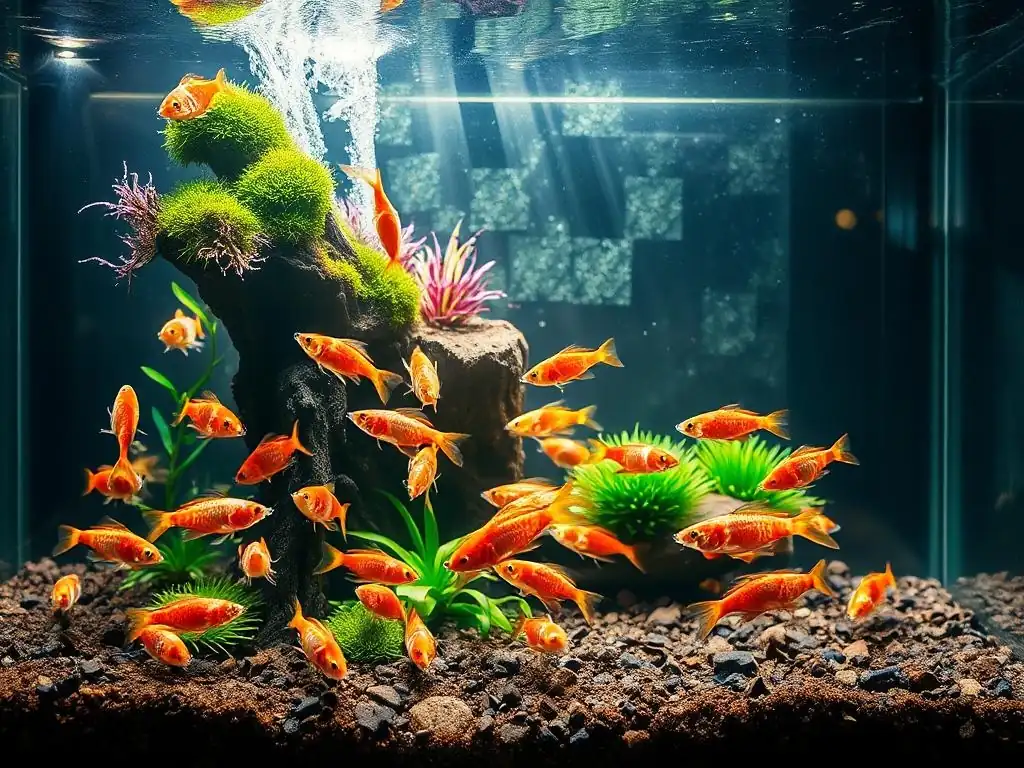
Welcome to Aquarium Mastery!
Ever wondered how to create the perfect environment for your adorable Corydoras? Ensuring a properly cycled tank is absolutely crucial for their health and happiness. This article dives deep into essential Corydoras tank cycling tips, uncovering secrets to a thriving underwater world. Read on to discover how to keep your little scavengers safe and sound, and unlock the mysteries of a balanced aquarium ecosystem!
- Understanding the Corydoras' Sensitivity to Water Quality
- Corydoras Tank Cycling Tips: A Step-by-Step Guide
- The Benefits of a Fully Cycled Tank for Corydoras
- Troubleshooting Cycling Issues in Your Corydoras Tank
- Choosing the Right Filter for Effective Cycling in a Corydoras Tank
- Long-Term Tank Stability: Keeping Your Corydoras Happy
-
Frequently Asked Questions
- How important is tank cycling for Corydoras?
- What are the biggest dangers of introducing Corydoras to an uncycled tank?
- What are some common signs that my Corydoras are suffering from poor water quality due to an uncycled tank?
- How long does it typically take to cycle a new aquarium before adding Corydoras?
- What are some Corydoras tank cycling tips to speed up the cycling process?
- Final Reflection: The Foundation of Corydoras Happiness
- Ignite Your Corydoras Paradise: Take the Next Step!
Understanding the Corydoras' Sensitivity to Water Quality
Why Corydoras Need Pristine Water Conditions
Corydoras catfish, beloved for their peaceful demeanor and playful scavenging, originate from clear, well-oxygenated streams and rivers across South America. Their natural habitats typically feature stable water parameters with minimal fluctuations in temperature, pH, and dissolved toxins. This evolutionary background means they are exceptionally sensitive to poor water quality in an aquarium environment. Unlike many fish, Corydoras possess delicate barbels, which are crucial for foraging in the substrate, and their skin is largely scaleless, making them more vulnerable to chemical irritants and bacterial infections present in uncycled or improperly maintained tanks.
Even minute levels of harmful compounds can severely stress Corydoras, leading to compromised immune systems and increased susceptibility to disease. For instance, while some hardy species might tolerate nitrate levels up to 40 ppm, Corydoras often show signs of stress or illness when nitrates consistently exceed 20 ppm. Their delicate nature necessitates a proactive approach to tank preparation, making understanding and implementing effective Corydoras tank cycling tips paramount for their long-term health and well-being.
The Impact of Ammonia and Nitrite on Corydoras Health
Ammonia (NH3/NH4+), the initial byproduct of fish waste and decaying organic matter, is highly toxic to all aquatic life, including Corydoras. Even concentrations as low as 0.25 parts per million (ppm) can cause severe gill damage, leading to respiratory distress, lethargy, and ultimately, death. For sensitive species like Corydoras, prolonged exposure to any detectable ammonia level will result in irreversible organ damage and a significantly shortened lifespan.
Nitrite (NO2-), the intermediate compound in the nitrogen cycle, is equally, if not more, dangerous. Nitrite interferes with the oxygen-carrying capacity of the blood by binding to hemoglobin, turning it into methemoglobin, a condition often referred to as "brown blood disease." This effectively suffocates the fish, even in oxygen-rich water. Corydoras are particularly vulnerable to nitrite poisoning due to their delicate respiratory systems; levels above 0.1 ppm are considered critical and require immediate intervention. These toxic compounds underscore why thorough Corydoras tank cycling tips are not just a recommendation but a foundational requirement for successful Corydoras keeping.
Corydoras Tank Cycling Tips: A Step-by-Step Guide
What is Aquarium Cycling and Why Is It Essential?
Aquarium cycling, also known as the nitrogen cycle, is the process of establishing a colony of beneficial bacteria in your tank's filter media, substrate, and decor. These bacteria are essential because they convert highly toxic ammonia, produced by fish waste and decaying food, into less toxic compounds. Specifically, one type of bacteria (Nitrosomonas) converts ammonia into nitrite, and another type (Nitrobacter) converts nitrite into nitrate. This biological filtration system effectively detoxifies the water, creating a safe and stable environment for your aquatic inhabitants.
The cycling process typically takes anywhere from 4 to 8 weeks, though it can vary based on factors like tank size, temperature, and the method used. Skipping or rushing this critical step exposes fish, especially sensitive species like Corydoras, to lethal levels of ammonia and nitrite, leading to significant stress, disease, and often death. Implementing proper Corydoras tank cycling tips from the outset ensures that the biological filter is fully established before any fish are introduced, providing a healthy foundation for your Corydoras crew.
Step 1: Setting Up Your Corydoras Tank for Cycling
Choosing the Right Substrate for Cycling
When setting up a tank for Corydoras, the choice of substrate is paramount, not only for their well-being but also for supporting the cycling process. Fine, soft sand (such as pool filter sand or specialized aquarium sand) is ideal for Corydoras as it protects their delicate barbels from damage while they sift for food.
Moreover, sand provides an excellent surface area for beneficial nitrifying bacteria to colonize, acting as a significant part of your biological filter. A layer of 1 to 2 inches (2.5 to 5 cm) of sand is typically sufficient for both bacterial colonization and allowing Corydoras to exhibit natural foraging behaviors.
Using an appropriate substrate from the beginning ensures that the bacterial colonies have ample surface area to establish themselves during the cycling phase, contributing to robust biological filtration. Avoid coarse gravel or sharp substrates, as these can injure Corydoras' barbels and offer less surface area for bacterial growth compared to fine sand. Properly selected substrate is a key element in effective Corydoras tank cycling tips, laying the groundwork for a thriving ecosystem.
Essential Equipment for Cycling Your Corydoras Tank
To successfully cycle your Corydoras tank, several pieces of essential equipment are required to monitor parameters and maintain stable conditions. First and foremost, a reliable aquarium heater is necessary to maintain a consistent water temperature, typically between 74-78°F (23-26°C), which is optimal for the growth of nitrifying bacteria. A thermometer will allow you to accurately monitor this temperature. A filter is crucial; for Corydoras, a sponge filter or a hang-on-back (HOB) filter with good biological media capacity is recommended to provide ample surface area for beneficial bacteria.
Perhaps the most critical piece of equipment for effective Corydoras tank cycling tips is a high-quality liquid test kit. This kit should include tests for ammonia, nitrite, nitrate, and pH. While test strips can offer quick readings, liquid test kits provide far greater accuracy, which is vital for precisely tracking the nitrogen cycle's progression. Regularly testing these parameters will guide you through each stage of the cycle, ensuring the tank is truly ready for your Corydoras.
Step 2: Introducing an Ammonia Source
Fishless Cycling: The Preferred Method for Corydoras Tanks
Fishless cycling is by far the most humane and effective method for establishing a new aquarium, especially when preparing a tank for sensitive species like Corydoras. This method involves adding a pure ammonia source to the tank to mimic the waste produced by fish, thereby "feeding" the beneficial bacteria that convert ammonia to nitrite and then to nitrate. Unlike traditional "fish-in" cycling, which exposes fish to highly toxic levels of ammonia and nitrite for weeks, fishless cycling ensures that no aquatic life is harmed during the establishment of the biological filter.
The primary advantage of fishless cycling is that it allows the bacterial colonies to fully develop and stabilize before any fish are introduced. This means that when your Corydoras eventually enter the tank, the biological filter is already robust enough to handle their bioload, significantly reducing stress and the risk of ammonia or nitrite poisoning. Implementing fishless cycling is one of the most important Corydoras tank cycling tips, setting the stage for a healthy and thriving community from day one.
Using Ammonia Chloride for Fishless Cycling
For fishless cycling, pure ammonia chloride solution is the most reliable and controllable ammonia source. It is crucial to use ammonia that contains no surfactants, perfumes, or other additives, as these can be toxic to aquatic life and hinder the cycling process. You can typically find suitable ammonia at hardware stores (check the ingredients carefully) or purchase specialized aquarium-grade ammonia. The goal is to dose the tank to a target ammonia concentration, usually between 2 to 4 parts per million (ppm), and maintain this level throughout the initial stages of the cycle.
To begin, add a small amount of ammonia, wait a few hours, and then test the water. Adjust the dosage until you consistently measure 2-4 ppm of ammonia. For example, a common starting point might be 4-5 drops of pure ammonia per 10 gallons of water, but this can vary by product concentration.
You will continue to add ammonia daily or every other day, ensuring the ammonia level remains detectable, until both ammonia and nitrite consistently read 0 ppm within 24 hours of dosing. This indicates that your beneficial bacteria colonies are sufficiently established, completing a crucial part of your Corydoras tank cycling tips.
Step 3: Monitoring Water Parameters During the Cycling Process
Testing for Ammonia, Nitrite, and Nitrate
Consistent and accurate water testing is the cornerstone of successful aquarium cycling. During the fishless cycling process, you should test your water parameters—ammonia, nitrite, and nitrate—daily, especially in the initial weeks. The nitrogen cycle typically progresses through distinct stages: initially, ammonia levels will rise after dosing. As Nitrosomonas bacteria establish, ammonia will begin to drop, and nitrite levels will simultaneously rise. Finally, as Nitrobacter bacteria colonize, nitrite levels will fall, and nitrate levels will begin to accumulate.
The cycle is considered complete when both ammonia and nitrite consistently read 0 ppm, usually within 24 hours after adding ammonia. At this point, you should observe a measurable amount of nitrates, indicating that the conversion process is fully functional. Regularly tracking these changes with a reliable liquid test kit is vital for understanding your tank's progress and knowing precisely when it's safe to introduce your Corydoras, making this a non-negotiable step in effective Corydoras tank cycling tips.
Understanding the Nitrogen Cycle Stages
The nitrogen cycle unfolds in a predictable sequence, driven by specific types of beneficial bacteria. The first stage involves the oxidation of ammonia (NH3/NH4+) into nitrite (NO2-) by ammonia-oxidizing bacteria, primarily Nitrosomonas species. During this phase, you will observe ammonia levels rising and then gradually declining, while nitrite levels simultaneously start to increase. This indicates that the first colony of bacteria is successfully establishing itself and consuming the ammonia.
The second critical stage sees nitrite (NO2-) converted into nitrate (NO3-) by nitrite-oxidizing bacteria, predominantly Nitrobacter species. As these bacteria colonize and multiply, you will notice nitrite levels peaking and then steadily dropping to zero. Concurrently, nitrate levels will begin to rise, serving as the final, less toxic byproduct of the cycle. The presence of nitrates and the absence of ammonia and nitrite confirm that the biological filter is fully mature and capable of processing fish waste, culminating the most important of the Corydoras tank cycling tips.
Step 4: Maintaining Stability After the Cycle is Complete
Regular Water Changes for a Healthy Corydoras Tank
Even after your Corydoras tank is fully cycled, regular water changes remain a fundamental practice for maintaining pristine water quality and long-term stability. While the beneficial bacteria convert ammonia and nitrite, they do not remove nitrates, which accumulate over time. High nitrate levels, particularly above 20 ppm, can still stress sensitive fish like Corydoras, suppress their immune systems, and contribute to algae growth. For a healthy Corydoras tank, a weekly water change of 20-30% is generally recommended.
This routine not only reduces nitrate concentrations but also replenishes essential minerals, buffers pH fluctuations, and removes other dissolved organic compounds that can build up. When performing water changes, always use a good quality water conditioner to neutralize chlorine and chloramines found in tap water, as these chemicals are highly toxic to fish and beneficial bacteria. Consistent water changes are a cornerstone of ongoing Corydoras tank cycling tips, ensuring a continuously healthy environment.
Avoiding Overfeeding to Maintain Water Quality
Overfeeding is one of the most common culprits behind poor water quality, even in a fully cycled tank. Excess food that goes uneaten quickly decomposes, releasing significant amounts of ammonia into the water. While your established biological filter can handle a certain amount of ammonia, a sudden influx from overfeeding can overwhelm the system, leading to dangerous spikes in ammonia and nitrite levels. This is particularly detrimental to Corydoras, which are bottom-dwellers and may consume decaying food that has settled, further contributing to the problem.
To avoid this, feed your Corydoras only what they can consume within 2-3 minutes, typically once or twice a day. Observe their feeding habits closely to determine the appropriate amount. Removing any uneaten food after a few minutes is also a good practice. By being mindful of feeding quantities, you significantly reduce the organic load in the tank, helping to maintain stable water parameters and preventing unnecessary stress on your Corydoras, reinforcing essential Corydoras tank cycling tips for long-term health.
The Benefits of a Fully Cycled Tank for Corydoras
Reduced Stress and Improved Immunity
A fully cycled tank provides a stable and non-toxic environment, which is crucial for reducing stress in your Corydoras. When fish are not exposed to harmful levels of ammonia or nitrite, their physiological stress response is minimized. Chronic stress, often induced by poor water quality, significantly weakens a fish's immune system, making them highly susceptible to various diseases, even common bacterial or fungal infections that healthy fish could easily fight off.
In a cycled tank, the consistent absence of toxins allows Corydoras to allocate their energy towards growth, natural behaviors, and maintaining a robust immune system. This means they are less likely to fall ill and can recover more quickly if they do encounter pathogens. Implementing effective Corydoras tank cycling tips from the start directly translates to healthier, more resilient fish with a greater chance of thriving for their full lifespan, which can be 5-7 years or even longer for some species.
Enhanced Corydoras Activity and Behavior
When Corydoras are housed in a well-cycled tank with pristine water conditions, their natural behaviors are significantly enhanced. Instead of being lethargic or exhibiting clamped fins due to stress or illness, healthy Corydoras will be active and engaging. You'll observe them constantly sifting through the sand substrate with their barbels, searching for food particles, a behavior that is both essential for their well-being and a joy to watch. They will also display their characteristic schooling behavior, often moving together in small groups across the tank bottom.
A stable environment encourages natural spawning behaviors as well, which is a clear indicator of contented and healthy fish. Conversely, in uncycled or unstable tanks, Corydoras may hide more often, refuse to eat, or show signs of labored breathing, all indicative of distress. By diligently following Corydoras tank cycling tips, you create the optimal conditions for your fish to display their full range of natural, vibrant activities, enriching both their lives and your viewing experience.
Preventing Common Corydoras Diseases
The direct link between water quality and fish health is undeniable, and for Corydoras, a fully cycled tank is the primary defense against many common diseases. Poor water parameters, particularly the presence of ammonia and nitrite, are major stressors that can lead to outbreaks of bacterial infections like fin rot, columnaris (cottonmouth), and fungal infections. These conditions often manifest as frayed fins, white fuzzy patches, or lesions on the body, and can rapidly become fatal if not addressed.
A stable, cycled environment minimizes the risk of these opportunistic pathogens taking hold by keeping the fish's immune system strong. Furthermore, diseases like "red blotch disease" or "barbel erosion," which specifically affect Corydoras, are often exacerbated or directly caused by poor water quality and unsuitable substrates. By meticulously adhering to Corydoras tank cycling tips, you proactively prevent these ailments, ensuring your Corydoras crew remains robust, vibrant, and free from preventable illnesses.
Troubleshooting Cycling Issues in Your Corydoras Tank
Dealing with Ammonia Spikes
Even in a tank that is undergoing cycling, or occasionally in an established tank due to unforeseen circumstances like overfeeding or filter malfunction, ammonia spikes can occur. If you detect ammonia levels above 0 ppm during cycling, or above 0.25 ppm in an established tank (which should ideally be 0 ppm), immediate action is required. The first step is to perform a large water change, typically 50-75%, using temperature-matched, dechlorinated water. This rapidly dilutes the ammonia concentration.
Concurrently, consider using an ammonia detoxifier product, which temporarily neutralizes ammonia's toxicity without removing it from the water, giving your biological filter time to catch up. Increasing aeration in the tank by adding an air stone or adjusting filter outflow can also help, as beneficial bacteria thrive in oxygen-rich environments. For fishless cycling, temporarily pause ammonia dosing if levels are excessively high (e.g., above 5 ppm) until they drop. Consistent monitoring with your liquid test kit after these interventions is crucial to ensure the spike is under control, solidifying these critical Corydoras tank cycling tips.
Correcting Nitrite Problems
Nitrite spikes often follow ammonia spikes during the cycling process, as the first group of beneficial bacteria converts ammonia but the second group (nitrite-oxidizers) is still developing. If nitrite levels become dangerously high (e.g., above 0.5 ppm), especially in an established tank, immediate intervention is necessary. Similar to ammonia spikes, a large water change (50-75%) is the most effective way to rapidly reduce nitrite concentrations. Ensure the new water is temperature-matched and properly dechlorinated.
Another effective strategy for mitigating nitrite toxicity, particularly for fish, is to add aquarium salt (non-iodized) at a concentration of approximately 1 teaspoon per 10 gallons of water. The chloride ions in the salt compete with nitrite for uptake across the fish's gills, reducing the amount of nitrite absorbed into their bloodstream. Continue to monitor nitrite levels daily and perform water changes as needed until levels consistently read 0 ppm. These measures are vital Corydoras tank cycling tips for navigating the trickier phases of the nitrogen cycle.
Ensuring a Stable pH Level
While not directly part of the nitrogen cycle's chemical conversions, maintaining a stable pH level is crucial for the health of your Corydoras and the efficiency of your beneficial bacteria. Corydoras generally thrive in slightly acidic to neutral water, with a pH range of 6.5 to 7.5. Fluctuations outside this range, or sudden drastic changes, can cause significant stress to fish. Additionally, the efficiency of nitrifying bacteria can be affected by pH; they generally perform optimally in neutral to slightly alkaline conditions (pH 7.0-8.0), though they can adapt to slightly acidic environments.
During the cycling process, pH can sometimes drop, particularly in tanks with low buffering capacity, due to the production of nitric acid. Regular testing of pH is therefore important. If pH drops too low (e.g., below 6.0), the beneficial bacteria can become sluggish, slowing down the cycle. Small, gradual adjustments using pH buffers or crushed coral in the filter can help stabilize pH, but stability is always preferred over constant adjustment. Incorporating pH stability into your Corydoras tank cycling tips ensures an optimal environment for both fish and bacteria.
Choosing the Right Filter for Effective Cycling in a Corydoras Tank
The Importance of Biological Filtration
Biological filtration is the cornerstone of a healthy aquarium, especially for sensitive species like Corydoras. Its importance lies in providing a vast surface area for the colonization of beneficial bacteria, which are responsible for the critical conversion of toxic ammonia and nitrite into less harmful nitrate. Without adequate biological filtration, the nitrogen cycle cannot properly establish or maintain itself, leading to chronic water quality issues that directly jeopardize the health of your fish.
The filter itself doesn't "clean" the water chemically; rather, it acts as a housing unit for the media where these essential bacteria reside. Effective biological filtration ensures that the tank's ecosystem can process the metabolic waste produced by your Corydoras crew, preventing the buildup of toxins. When considering Corydoras tank cycling tips, selecting a filter primarily for its biological capacity, rather than just mechanical filtration, is paramount for long-term success.
Selecting a Filter with Adequate Surface Area
When choosing a filter for your Corydoras tank, prioritize models that offer substantial surface area for beneficial bacterial colonization. Sponge filters are an excellent choice for Corydoras tanks, particularly smaller ones, as they provide both mechanical and biological filtration, are gentle on the water column, and are very affordable. Their porous sponge material offers extensive surface area. For larger tanks, or those desiring more robust filtration, a hang-on-back (HOB) filter or an external canister filter can be highly effective.
Look for HOB or canister filters that have dedicated compartments for biological media, such as ceramic rings, bio-balls, or specialized porous media like Biohome or Seachem Matrix. These media are specifically designed to maximize surface area for bacterial growth. It's often recommended to select a filter rated for a tank size larger than your actual tank (e.g., a filter for a 40-gallon tank on a 20-gallon Corydoras tank) to ensure ample biological capacity and water flow, a key consideration among effective Corydoras tank cycling tips.
Maintaining Your Filter for Optimal Performance
Proper filter maintenance is crucial for sustaining the biological filtration that keeps your Corydoras tank healthy. While it might seem counterintuitive, you should never aggressively clean or replace all filter media at once, as this can remove the beneficial bacterial colonies and effectively "crash" your cycle. Instead, aim for gentle, partial cleaning. When cleaning mechanical filter media (like sponges or filter floss), always rinse them in old tank water that you've siphoned out during a water change, rather than tap water. Tap water contains chlorine/chloramines which will kill the beneficial bacteria.
Biological filter media, such as ceramic rings or bio-balls, should be disturbed as little as possible. If they become heavily clogged, a gentle rinse in old tank water is sufficient. Replacing filter cartridges should be done in stages, perhaps one every few weeks, or by cutting the old media and placing it alongside the new for a period to allow bacterial transfer. Consistent yet gentle filter maintenance is a vital part of ongoing Corydoras tank cycling tips, ensuring your biological filter remains robust and effective.
Long-Term Tank Stability: Keeping Your Corydoras Happy
Regular Maintenance Schedules
Establishing a consistent maintenance schedule is paramount for the long-term stability and health of your Corydoras tank, building upon the initial Corydoras tank cycling tips. A typical schedule should include weekly 20-30% water changes to dilute nitrates and replenish essential minerals. During these weekly sessions, also visually inspect your fish for any signs of disease or stress, and check the water temperature. Every 2-4 weeks, or as needed, gently clean mechanical filter media by rinsing it in old tank water to prevent clogging and maintain flow.
Monthly or bi-monthly, depending on your bioload, perform a light gravel vacuuming of the substrate to remove accumulated detritus and uneaten food, paying special attention to areas under decorations. Annually, or if you notice significant flow reduction, inspect filter hoses and impellers for blockages. Adhering to such a schedule significantly reduces the likelihood of water quality issues, ensuring a consistently healthy environment for your Corydoras to thrive.
Monitoring Water Parameters Continuously
Even after your Corydoras tank is fully cycled and stable, continuous monitoring of water parameters remains a critical practice. While daily testing might not be necessary, regular checks—perhaps bi-weekly or monthly—for ammonia, nitrite, and nitrate are highly recommended. This ongoing vigilance allows you to detect any subtle shifts in the nitrogen cycle or unexpected buildups of toxins before they become problematic. For example, a sudden rise in nitrates might indicate a need for larger or more frequent water changes, or perhaps a reduction in feeding.
Additionally, periodic checks of pH and water hardness (GH/KH) can help ensure these parameters remain within the optimal range for Corydoras, which prefer stable, slightly acidic to neutral water (pH 6.5-7.5). Fluctuations outside this range can stress fish. By consistently monitoring these key parameters, you can proactively address potential issues, maintaining the pristine conditions that Corydoras require and reinforcing the core principles of effective Corydoras tank cycling tips.
Advanced Cycling Techniques: Exploring Biohome Media
For aquarists seeking to maximize their biological filtration capacity and potentially enhance the stability of their Corydoras tank, exploring advanced biological media like Biohome is an excellent option. Unlike traditional ceramic rings or bio-balls, Biohome media (e.g., Biohome Ultimate, Biohome Standard) is engineered with an extremely porous structure, providing an enormous surface area for beneficial bacteria to colonize. Its unique design also promotes the growth of anaerobic bacteria within its deeper pores, which are capable of converting nitrates into nitrogen gas, thus assisting in nitrate reduction.
Incorporating such high-performance media into your filter can lead to a more robust and efficient nitrogen cycle, potentially allowing for higher bioloads or providing an extra buffer against water quality fluctuations. While not strictly necessary for basic cycling, these advanced media options can significantly contribute to long-term tank stability and water clarity, offering an advanced dimension to Corydoras tank cycling tips for dedicated aquarists.
Frequently Asked Questions
How important is tank cycling for Corydoras?
Tank cycling is absolutely crucial for Corydoras. It establishes the beneficial bacteria needed to convert harmful ammonia and nitrite into less toxic nitrates, ensuring a safe environment for your fish. Without a cycled tank, Corydoras are highly susceptible to ammonia poisoning.
What are the biggest dangers of introducing Corydoras to an uncycled tank?
The primary danger is ammonia and nitrite poisoning. These toxins, produced by fish waste, can quickly build up in an uncycled tank, leading to stress, illness, and ultimately death for your Corydoras.
What are some common signs that my Corydoras are suffering from poor water quality due to an uncycled tank?
Signs include gasping at the surface, lethargy, loss of appetite, and redness or inflammation around the gills. They may also exhibit erratic swimming or attempt to jump out of the tank.
How long does it typically take to cycle a new aquarium before adding Corydoras?
The cycling process usually takes between 4-8 weeks. It can take longer depending on the size of the tank, the initial ammonia source, and the temperature of the water.
What are some Corydoras tank cycling tips to speed up the cycling process?
You can speed up the process by adding established filter media from a healthy aquarium, using commercially available bacteria starters, and avoiding overfeeding during the initial cycling period.
Final Reflection: The Foundation of Corydoras Happiness
The journey to a thriving Corydoras tank begins long before the fish even arrive, and as we've explored, a properly cycled tank is absolutely paramount to their health and well-being. Neglecting this crucial step is not just a beginner's mistake, but a potential tragedy for these sensitive creatures. Understanding and implementing these Corydoras tank cycling tips is the bedrock upon which a successful and rewarding aquarist experience is built.
This understanding of the nitrogen cycle and its application to Corydoras care has profoundly shaped, and continues to shape, the aquascaping community. It's a reminder that our role as keepers is not just to decorate a glass box, but to cultivate a miniature ecosystem. The best aquarium is one that mimics nature as closely as possible.
This sentiment underscores the responsibility we bear to create an environment where our Corydoras can truly flourish, free from the invisible dangers of an uncycled tank.
Now, as you embark on, or continue, your Corydoras keeping journey, remember the lessons learned here. Let the knowledge of the nitrogen cycle guide your hand and inform your decisions. Take the time, invest the patience, and build a solid foundation for your Corydoras crew. Their health and happiness depend on it, and the rewards of a thriving, well-cycled tank are immeasurable.
Ignite Your Corydoras Paradise: Take the Next Step!
Thank you for diving into the world of Corydoras! Now that you understand the critical role of a well-cycled tank in their happiness and health, it's time to put your knowledge into action and create the ideal environment for your little bottom-dwelling buddies.
- Start a free ammonia test now and diligently monitor your tank’s parameters over the next week to ensure a stable, cycled environment. This is the single most important action for your Corydoras' well-being.
- Brainstorm three unconventional tankmates that could bring new dynamics to your Corydoras community and research their compatibility.
- Share your top tip for maintaining a healthy tank with other Corydoras enthusiasts in the comments below, and discover new tricks to improve your own tank!
What's one small change you can make today to give your Corydoras a healthier, happier life tomorrow?