
A Rainbow in Motion: A Look at Popular *Cyprichromis* Color Morphs

Welcome to Aquarium Mastery!
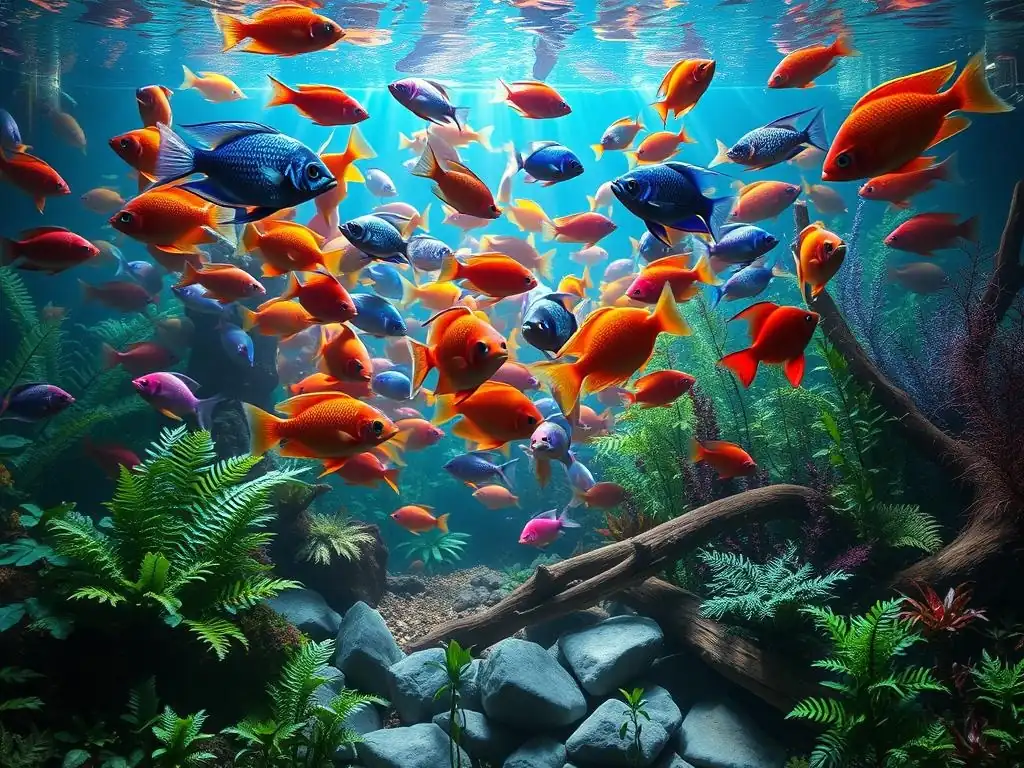
Ever been captivated by the shimmering iridescence of a Cyprichromis darting through a freshwater tank? These stunning fish are more than just beautiful; they're a testament to the vibrant diversity of the aquatic world. Dive in and discover our comprehensive guide to Cyprichromis color morph care, where we unlock the secrets to keeping these “Rainbows in Motion” thriving in your own aquarium. Ready to explore the dazzling world of Cyprichromis and learn how to bring their vibrant colors to your tank? Let's get started!
- Introduction to Cyprichromis: The Featherfin Cichlids
- Exploring the Vibrant World of Cyprichromis Color Morphs
-
Popular Cyprichromis Color Morphs: A Detailed Overview
- Cyprichromis leptosoma 'Mpulungu' Color Morph: The Classic Beauty
- Cyprichromis leptosoma 'Utinta' Color Morph: The Neon Flash
- Cyprichromis leptosoma 'Tricolor' Color Morph: A Tri-Colored Marvel
- Cyprichromis microlepidotus 'Kigoma' Color Morph: Subtle Elegance
- Other Notable Cyprichromis Color Variations
- Cyprichromis Color Morph Care: Creating the Ideal Aquarium Environment
- Preventing Color Loss and Maintaining Vibrant Hues in Cyprichromis
- Breeding Cyprichromis: Encouraging Reproduction and Fry Care
- Common Health Issues in Cyprichromis and Their Impact on Color
- Selecting the Right Cyprichromis Color Morph for Your Aquarium
- Conclusion: Appreciating the Diversity and Beauty of Cyprichromis
-
Frequently Asked Questions
- What are Cyprichromis?
- What makes Cyprichromis color morphs so appealing to aquarists?
- What size aquarium is generally recommended for keeping Cyprichromis?
- What are the key water parameters to maintain for Cyprichromis?
- What type of food should I feed my Cyprichromis to maintain their vibrant colors?
- Final Reflection: Embracing the Spectrum of Cyprichromis
- Unleash the Vibrant Colors in Your Aquarium!
Introduction to Cyprichromis: The Featherfin Cichlids
Understanding Cyprichromis Taxonomy and Origins
The genus Cyprichromis belongs to the Cichlidae family, a diverse group of freshwater fish renowned for their intricate behaviors and vibrant coloration. Endemic to the ancient, vast waters of Lake Tanganyika in East Africa, these cichlids occupy a unique ecological niche as pelagic (open-water dwelling) species, distinguishing them from many of their benthic (bottom-dwelling) cichlid relatives. Key species commonly found in the aquarium trade include Cyprichromis leptosoma and Cyprichromis microlepidotus.
In their natural habitat, Cyprichromis typically inhabit the rocky shores and open water columns of Lake Tanganyika, often at depths ranging from 10 to 50 meters (approximately 33-164 feet). They primarily feed on zooplankton, forming large, mesmerizing schools that constantly move in unison. This schooling behavior is a fundamental aspect of their natural biology and is crucial to replicate in the aquarium for effective Cyprichromis color morph care, ensuring their well-being and the display of their full splendor.
Why Cyprichromis Are Popular Among Aquarists
Cyprichromis are highly esteemed in the aquarium hobby for several compelling reasons. Their distinctive "featherfin" appearance, characterized by elongated, flowing fins, coupled with their graceful, almost balletic swimming style, makes them a captivating addition to any suitable tank. Unlike many other cichlids, they are generally peaceful, making them excellent candidates for larger community aquariums with appropriate tank mates, where their schooling behavior can be truly appreciated.
Beyond their elegant movements, the primary draw for many aquarists is the stunning array of Cyprichromis color morphs. These distinct, naturally occurring color patterns provide a dynamic and visually spectacular display, turning an ordinary aquarium into a living work of art. Their relatively manageable Cyprichromis color morph care requirements, especially concerning their peaceful temperament, further cement their popularity among both novice and experienced cichlid enthusiasts.
Exploring the Vibrant World of Cyprichromis Color Morphs
Defining Color Morphs in Cyprichromis
In the context of Cyprichromis, a "color morph" refers to a naturally occurring variation in coloration within a single species, often specific to a particular geographical location or collection point within Lake Tanganyika. These morphs are not distinct species but rather unique populations that have evolved subtle or sometimes dramatic differences in their pigment patterns due to isolation and localized environmental pressures. Examples include morphs named after their collection sites, such as 'Mpulungu' or 'Utinta'.
Maintaining the integrity of these distinct lines is a significant aspect of Cyprichromis color morph care for dedicated hobbyists and breeders. By keeping specific morphs separate, aquarists contribute to the preservation of their unique genetic traits and distinct beauty, preventing hybridization and ensuring the continued diversity of these magnificent fish in the hobby. This practice underscores the importance of understanding the origin and characteristics of each morph.
The Genetic Basis of Cyprichromis Coloration
The brilliant coloration observed in Cyprichromis is primarily determined by a complex interplay of various pigments and structural colors. Key pigments include melanins (responsible for black and gray hues), carotenoids (producing reds, oranges, and yellows), and pterins (contributing to yellows and reds). Additionally, structural colors, often created by guanine crystals within specialized cells called iridophores, produce iridescent blues and greens by reflecting light at specific wavelengths.
While genetics lay the foundation for a Cyprichromis specimen's potential color, environmental factors play a crucial role in the full expression and intensity of these colors. Diet, water quality, stress levels, and even lighting conditions can significantly influence how vibrant and pronounced a fish's colors become. This direct link between environment and aesthetics highlights why meticulous Cyprichromis color morph care is essential for unlocking their full chromatic potential.
Popular Cyprichromis Color Morphs: A Detailed Overview
Cyprichromis leptosoma 'Mpulungu' Color Morph: The Classic Beauty
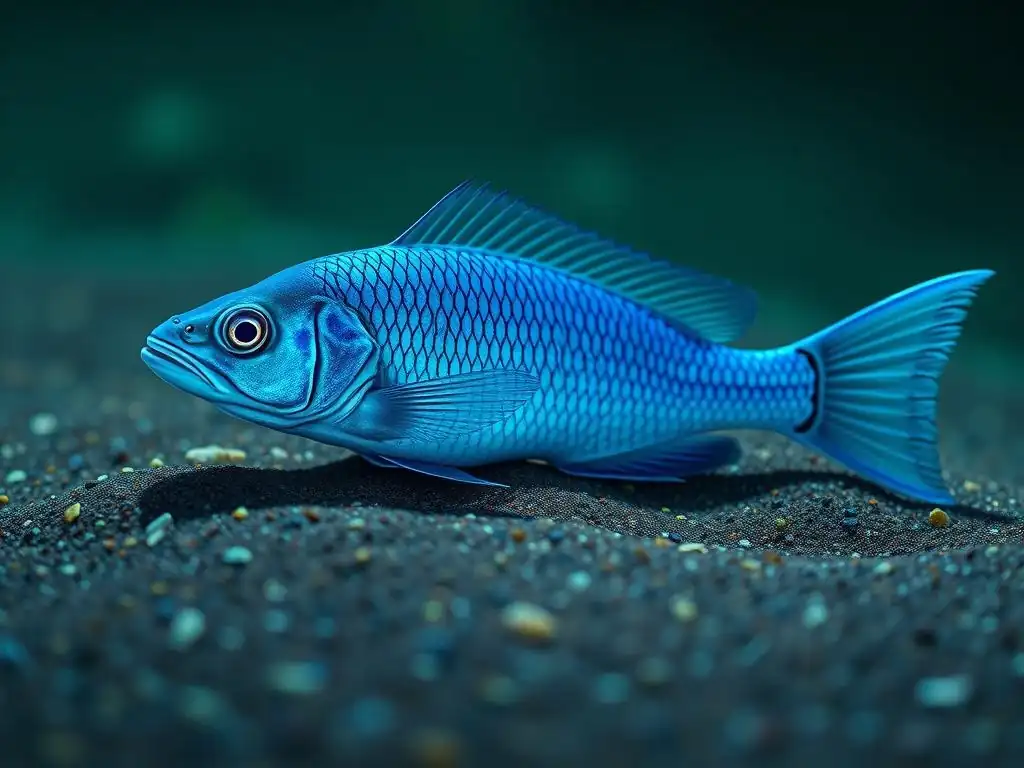
The Cyprichromis leptosoma 'Mpulungu' color morph is arguably one of the most recognized and classic varieties available in the aquarium trade. Originating from the Mpulungu region of Zambia, this morph typically showcases a stunning iridescent blue body, often complemented by vibrant yellow or orange tips on its dorsal and caudal fins. Males display these colors with particular intensity, especially during courtship, making them a focal point in any tank.
Mature males of the 'Mpulungu' morph can reach lengths of approximately 4 to 5 inches (10-13 cm), with females remaining slightly smaller. Their generally peaceful demeanor, combined with their striking appearance, makes them an excellent choice for aquarists new to the Cyprichromis genus. Providing consistent Cyprichromis color morph care, including stable water parameters and a high-quality diet, ensures these fish maintain their iconic vibrant blue and yellow hues.
Cyprichromis leptosoma 'Utinta' Color Morph: The Neon Flash
Hailing from Utinta, Tanzania, the Cyprichromis leptosoma 'Utinta' color morph is celebrated for its truly spectacular and intense coloration, often described as a "neon flash." Males typically exhibit a brilliant, almost electric iridescent blue body, strikingly contrasted by a bright yellow or orange stripe that runs prominently along the dorsal fin, sometimes extending to the upper lobe of the caudal fin. This vivid contrast makes them highly sought after.
The 'Utinta' morph's intense coloration is a testament to optimal health and environment. To truly bring out their "neon" qualities, dedicated Cyprichromis color morph care is paramount, emphasizing a diet rich in color-enhancing carotenoids and pristine water conditions. Their captivating appearance and active schooling behavior make them a dazzling centerpiece in a well-maintained Tanganyikan community aquarium.
Cyprichromis leptosoma 'Tricolor' Color Morph: A Tri-Colored Marvel
The Cyprichromis leptosoma 'Tricolor' morph is a captivating variant known for its complex and often variable combination of colors. While specific patterns can differ among individuals, 'Tricolor' specimens typically display a mesmerizing blend of blue, yellow, and distinct black or red accents, particularly noticeable on their fins and sometimes as lateral markings. This multi-hued presentation makes each individual a unique living jewel.
The visual appeal of the 'Tricolor' morph lies in its intricate color palette, which sets it apart from more uniformly colored varieties. To ensure these fish exhibit their full range of vibrant hues, consistent and high-standard Cyprichromis color morph care is essential. This includes providing a stable, low-stress environment, a diverse diet, and excellent water quality, all of which contribute to the expression of their stunning, multi-toned beauty.
Cyprichromis microlepidotus 'Kigoma' Color Morph: Subtle Elegance
While Cyprichromis leptosoma morphs often steal the spotlight with their intense hues, the Cyprichromis microlepidotus 'Kigoma' color morph offers a more subtle yet equally elegant aesthetic. Originating from Kigoma, Tanzania, males of this morph typically display a silvery-blue body with delicate yellow or orange highlights on their fins, sometimes accompanied by understated black markings. Their beauty lies in their refined grace rather than overt flashiness.
Cyprichromis microlepidotus species are generally slightly larger than leptosoma, with males reaching up to 6 inches (15 cm) in length. Despite their less flamboyant coloration, their impressive size and graceful schooling behavior are highly valued by connoisseurs. Excellent Cyprichromis color morph care, focusing on robust health and a tranquil environment, allows the 'Kigoma' morph to fully express its understated beauty and elegant presence in the aquarium.
Other Notable Cyprichromis Color Variations
The diversity within the Cyprichromis genus extends beyond the most popular morphs, with numerous other captivating color variations originating from different localities across Lake Tanganyika. Examples include C. leptosoma 'Isanga', often characterized by more pronounced yellow and orange tones, and C. leptosoma 'Polleni', which typically displays striking blue coloration with yellow accents. Each morph tells a story of its unique geographical isolation and adaptation.
This vast array of color morphs highlights the incredible natural selection at play within Lake Tanganyika, where distinct populations have evolved unique appearances. For aquarists, this means an exciting opportunity to explore a wide spectrum of beauty. Understanding and appreciating these variations, alongside providing species-specific Cyprichromis color morph care, ensures the preservation and vibrant display of these living treasures.
Cyprichromis Color Morph Care: Creating the Ideal Aquarium Environment
Tank Size and Setup for Cyprichromis
For a thriving school of Cyprichromis, a minimum tank size of 55 gallons (approximately 200 liters) is recommended for a group of 6-8 individuals, though larger tanks of 75 gallons (280 liters) or more are highly preferable. The emphasis should be on tank length rather than height, as these fish require ample horizontal swimming space to exhibit their natural schooling behaviors. A tank length of at least 48 inches (120 cm) is ideal.
The aquarium setup should mimic their natural pelagic habitat. This means providing large, open swimming areas in the mid-to-upper water column. While Cyprichromis primarily inhabit open water, they appreciate rocky backgrounds or tall, slender rock structures (like slate or lace rock) that extend near the surface, offering security and visual breaks without impeding their schooling lanes. A fine sand substrate is suitable, and avoid dense planting that obstructs their swimming space. This specific setup is a foundational element of effective Cyprichromis color morph care.
Water Parameters: Maintaining Optimal Conditions for Color Development
Maintaining stable and appropriate water parameters is critical for the health and vibrant coloration of Cyprichromis. These fish originate from Lake Tanganyika, which is known for its hard, alkaline water. Ideal parameters include a pH range of 7.8-9.0, with a target of 8.2-8.6, a General Hardness (GH) of 10-20 dGH, and a Carbonate Hardness (KH) of 10-15 dKH. The temperature should be maintained between 76-80°F (24-27°C).
Consistency in these parameters is far more important than achieving exact numbers, as sudden fluctuations can cause significant stress. Stable, pristine water conditions directly reduce physiological stress on the fish, allowing them to channel more energy into maintaining their health and expressing their genetic potential for brilliant pigmentation. Conversely, poor water quality can lead to dull coloration and increased susceptibility to disease, making diligent water parameter monitoring a cornerstone of successful Cyprichromis color morph care.
Diet and Feeding: Enhancing Color Through Nutrition
In their natural environment, Cyprichromis are primarily zooplanktivores, feeding on microscopic organisms suspended in the water column. In the aquarium, their diet should reflect this, consisting of high-quality, small-particle foods. Premium flake or small pellet foods specifically formulated for cichlids should form the staple, supplemented with frozen or live foods like cyclops, daphnia, and small brine shrimp. Feeding small amounts several times a day, mimicking their continuous grazing in the wild, is beneficial.
To truly enhance and maintain the vibrant Cyprichromis color morphs, incorporate foods rich in natural color-enhancing ingredients such as spirulina, astaxanthin, and other carotenoids. These pigments are ingested by the fish and subsequently deposited in their dermal cells, intensifying red, orange, and yellow hues. A varied and nutrient-dense diet is not just about survival; it is an essential component of optimal Cyprichromis color morph care, directly contributing to their dazzling appearance.
Tank Mates: Choosing Compatible Species for a Peaceful Community
Cyprichromis are generally peaceful cichlids, but their delicate nature means they can be easily stressed by overly aggressive or boisterous tank mates. Ideal companions include other peaceful Tanganyikan cichlids that occupy different niches within the tank, such as Neolamprologus brichardi (Fairy Cichlids) that dwell among rocks, or certain Julidochromis species. Shell-dwelling Lamprologus species can also coexist peacefully, primarily keeping to the substrate. Avoid large, predatory, or highly aggressive cichlids that might intimidate or harm them.
Stress induced by incompatible tank mates can manifest as faded colors, clamped fins, and reluctance to school, ultimately compromising the fish's health and aesthetic appeal. A serene and well-chosen community environment allows Cyprichromis to exhibit their natural schooling behaviors and display their most intense colors without fear. Thoughtful selection of tank mates is an often-underestimated yet vital aspect of comprehensive Cyprichromis color morph care.
Preventing Color Loss and Maintaining Vibrant Hues in Cyprichromis
Addressing Stressors that Affect Color
Color loss in Cyprichromis is often a direct indicator of stress or underlying health issues. Common stressors include poor water quality (high nitrates, ammonia, nitrites), overcrowding, rapid changes in water parameters, an inadequate or monotonous diet, and bullying from aggressive tank mates. When a fish is stressed, its energy is diverted from non-essential functions like pigment production to coping mechanisms, leading to dull or faded coloration.
To mitigate these stressors, implement a robust maintenance routine: perform regular water changes (e.g., 20-30% weekly) to keep pollutants low, ensure adequate filtration, and maintain a stable temperature. Provide an appropriate group size (at least 6-8 individuals) to spread out any minor aggression among males and encourage natural schooling. A well-balanced diet, as discussed previously, also contributes significantly to overall health and color vibrancy, making stress management a core component of effective Cyprichromis color morph care.
The Role of Lighting in Color Display
While aquarium lighting does not directly create the pigments within Cyprichromis, it plays a crucial role in how we perceive and appreciate their vibrant colors. Full-spectrum LED lighting designed for freshwater aquariums can significantly enhance the visual intensity of blues, reds, and yellows, making the fish's natural coloration pop. Conversely, overly dim or harsh, unbalanced lighting can make colors appear flat or washed out.
Establishing a consistent photoperiod of 10-12 hours daily is recommended. Some aquarists find that using lights with adjustable color temperatures or a gradual sunrise/sunset feature can further enhance the viewing experience and potentially reduce stress on the fish. While primarily aesthetic, appropriate lighting complements diligent Cyprichromis color morph care by allowing the fish's inherent beauty to be fully showcased.
Importance of Regular Water Changes for Color Intensity
Regular water changes are arguably the single most important practice in maintaining the health and vibrant coloration of Cyprichromis. Over time, nitrates, phosphates, and other dissolved organic compounds accumulate in aquarium water, even with efficient filtration. High levels of these pollutants create a suboptimal environment, leading to chronic stress, weakened immune systems, and a noticeable dulling of fish coloration.
By replacing a portion of the old water with fresh, conditioned water, you effectively dilute and remove these harmful substances, creating a cleaner and healthier environment. This reduction in metabolic load allows the fish to allocate more energy towards maintaining robust health and intensifying their natural pigmentation. For optimal Cyprichromis color morph care, a consistent weekly water change schedule is non-negotiable and directly correlates with the fish's long-term vibrancy.
Breeding Cyprichromis: Encouraging Reproduction and Fry Care
Setting Up a Breeding Tank for Cyprichromis
While Cyprichromis can occasionally breed in a spacious, well-maintained community tank, setting up a dedicated breeding tank (e.g., 30-40 gallons for a small group) significantly increases breeding success and fry survival rates. The breeding tank should replicate the main tank's water parameters and temperature. Provide ample vertical rock structures, slate, or even PVC pipes that reach near the surface, offering secure and secluded spots for mouthbrooding females. A fine sand substrate is ideal.
A male-to-female ratio of 1 male to 3-5 females is often recommended to distribute the male's attention and reduce stress on individual females. Maintaining a slightly higher temperature, around 78-80°F (25.5-27°C), can sometimes act as a trigger for spawning. A calm environment with minimal disturbance is key to encouraging reproductive behavior.
Identifying Signs of Spawning Readiness
Male Cyprichromis will display intensified colors and engage in elaborate courtship rituals when ready to spawn. This often involves vigorous fin flaring, rapid swimming, and leading the female to a preferred spawning site in the open water column, typically near a rock face or other structure. Females, in turn, will appear noticeably plumper with eggs.
Spawning itself occurs in the open water, with the female laying eggs that are immediately fertilized by the male and then promptly collected into her mouth. She becomes a mouthbrooder, carrying the eggs and then the developing fry in her buccal cavity. The incubation period typically lasts for 3-4 weeks, during which the female will often refuse food and seek out secluded areas to ensure the safety of her brood.
Caring for Cyprichromis Fry: From Hatching to Independence
Once the Cyprichromis fry are released from the female's mouth, they are relatively large and fully free-swimming, making their initial care less challenging than with many other cichlid fry. They can be immediately fed newly hatched brine shrimp, finely crushed high-quality flake food, or specialized fry foods. Small, frequent feedings are crucial for rapid growth and development.
To ensure optimal growth and prevent water quality degradation from frequent feeding, perform small, daily water changes in the fry tank. The fry can be kept with their parents in a sufficiently large community tank, though moving them to a dedicated grow-out tank can maximize survival by preventing predation from other tank inhabitants and ensuring consistent access to food. This meticulous Cyprichromis color morph care for the fry establishes a strong foundation for their future vibrancy.
Common Health Issues in Cyprichromis and Their Impact on Color
Recognizing and Treating Common Cyprichromis Diseases
Like all aquarium fish, Cyprichromis can fall victim to common freshwater diseases, often exacerbated by poor water quality or stress. Familiar ailments include Ich ( Ichthyophthirius multifiliis), characterized by small white spots resembling salt grains on the body and fins; Columnaris (Cotton Mouth Disease), which presents as white, cotton-like growths around the mouth or on the body; and Bloat, indicated by a swollen abdomen, lethargy, loss of appetite, and stringy white feces.
Effective treatment begins with prompt and accurate identification of the disease. Once diagnosed, administer appropriate aquarium medications strictly following dosage instructions. During treatment, ensure robust aeration, as some medications can reduce oxygen levels. A crucial preventative measure is to quarantine all new fish for 2-4 weeks in a separate tank before introducing them to the main display, preventing the introduction of pathogens.
How Disease Affects Coloration
One of the earliest and most telling signs of stress or disease in Cyprichromis is a noticeable loss of their vibrant coloration. A sick fish will almost invariably appear dull, faded, or patchy, as its energy reserves are redirected from maintaining vibrant pigmentation to fighting off illness. This physiological response makes color a critical indicator of a fish's overall well-being.
Beyond general fading, certain diseases can directly impact the skin and fins, further compromising color display. For instance, parasitic infections like Ich cause physical lesions that disrupt the light-reflecting properties of the skin. Bacterial infections can lead to fin erosion and cloudy eyes, detracting from the fish's aesthetic appeal. Restoring the fish's health is the primary step in restoring its natural, brilliant hues, underscoring the strong link between health and effective Cyprichromis color morph care.
Preventative Measures for Maintaining Healthy, Colorful Fish
The most effective strategy for maintaining healthy, vibrantly colored Cyprichromis is proactive prevention rather than reactive treatment. This involves consistently adhering to best practices in aquarium husbandry: performing regular and thorough water changes, providing a high-quality and varied diet, maintaining stable water parameters within their optimal range, and avoiding overcrowding in the tank. A clean, stable, and low-stress environment significantly reduces the likelihood of disease outbreaks.
Regularly observing your fish for any subtle changes in behavior, appetite, fin clamping, or, most importantly, any dulling or fading of their signature colors, allows for early detection of potential issues. Prompt intervention at the first sign of trouble can often prevent minor problems from escalating into serious health crises, ensuring your Cyprichromis remain robust, active, and continue to display their stunning, full-spectrum beauty. This diligent, preventative approach is fundamental to long-term Cyprichromis color morph care.
Selecting the Right Cyprichromis Color Morph for Your Aquarium
Factors to Consider When Choosing a Color Morph
When selecting a Cyprichromis color morph, several factors should guide your decision beyond just aesthetic appeal. Consider your existing tank size and its inhabitants; while Cyprichromis are generally peaceful, ensure the chosen morph's specific needs align with your setup. Research the particular requirements or sensitivities of the morph you are interested in, as some rarer variants might have slightly different care nuances.
Your personal aesthetic preference is, of course, paramount. Some aquarists are drawn to the bold, electric blues of the 'Utinta' morph, while others prefer the classic elegance of 'Mpulungu' or the intricate patterns of the 'Tricolor'. Also, consider the availability and cost, as some rarer or more recently imported morphs can command higher prices. For example, a group of 6 common C. leptosoma 'Mpulungu' might cost approximately $150-$200, whereas a similarly sized group of a rarer 'Tricolor' morph could easily exceed $300.
Matching Color Morphs to Your Tank's Aesthetics
Integrating Cyprichromis color morphs into your aquarium's overall aesthetic involves more than just picking a favorite color. Think about how their hues will complement your tank's substrate, background, and other fish. A light sand substrate, for instance, can make the iridescent blues and yellows of Cyprichromis pop, while darker rock formations might emphasize the subtle elegance of morphs like 'Kigoma' or provide a striking contrast for brighter varieties.
If you plan to keep multiple morphs in the same tank, consider their visual distinctiveness. While Cyprichromis are less prone to hybridization in community tanks compared to some other cichlids, many purists prefer to keep single morphs to preserve genetic purity. If mixing, ensure the different morphs are visually distinct enough for you to appreciate their individual beauty rather than creating a muddled appearance. This thoughtful selection process is an integral part of comprehensive Cyprichromis color morph care, ensuring long-term satisfaction.
Where to Purchase Healthy Cyprichromis Color Morphs
Acquiring healthy Cyprichromis color morphs is crucial for their long-term well-being and vibrant display. Reputable local fish stores with a good turnover of fish and impeccably clean tanks are a solid starting point. These establishments often have knowledgeable staff who can provide insights into their fish's origins and care.
For a wider selection and often higher quality specimens, online specialty retailers focusing specifically on Tanganyikan cichlids are an excellent resource. When purchasing, whether locally or online, look for active, brightly colored fish that exhibit natural schooling behavior. Avoid any individuals with clamped fins, torn fins, cloudy eyes, or any visible signs of disease. Inquire about the fish's diet and the water parameters they were kept in at the facility. A healthy start from a reputable source is fundamental to successful Cyprichromis color morph care and ensuring your fish thrive.
Conclusion: Appreciating the Diversity and Beauty of Cyprichromis
The Cyprichromis genus offers an unparalleled display of natural beauty and fascinating behavior within the freshwater aquarium hobby. Their unique pelagic lifestyle, graceful schooling movements, and the stunning array of Cyprichromis color morphs make them truly exceptional inhabitants for a well-designed Tanganyikan cichlid aquarium. From the classic 'Mpulungu' to the neon 'Utinta' and the subtle 'Kigoma', each morph brings its own distinct charm and visual appeal.
Ultimately, appreciating the full spectrum of a Cyprichromis color morph requires dedicated and attentive Cyprichromis color morph care. By providing a spacious, well-structured environment, maintaining pristine and stable water parameters, offering a varied and color-enhancing diet, and ensuring a peaceful community, aquarists are rewarded with a living "rainbow in motion." This commitment to their well-being not only ensures their health but also unlocks the full, breathtaking potential of these magnificent featherfin cichlids.
Frequently Asked Questions
What are Cyprichromis?
Cyprichromis are a genus of slender, schooling cichlids primarily found in Lake Tanganyika, known for their vibrant colors and peaceful nature.
What makes Cyprichromis color morphs so appealing to aquarists?
Their appeal stems from the wide variety of colors and patterns available, creating a visually stunning display in the aquarium. The unique colorations add beauty and variety to the tank.
What size aquarium is generally recommended for keeping Cyprichromis?
A minimum of 75 gallons is recommended to accommodate their schooling behavior and swimming needs. Larger tanks are always better to provide ample swimming space.
What are the key water parameters to maintain for Cyprichromis?
Maintaining stable water parameters is crucial, with a pH between 7.8 and 9.0, hardness around 10-20 dGH, and temperature between 76-82°F. Consistent water changes are also essential.
What type of food should I feed my Cyprichromis to maintain their vibrant colors?
A diet rich in high-quality flake food, supplemented with small frozen or live foods like daphnia and brine shrimp, will help maintain their vibrant colors and overall health.
Final Reflection: Embracing the Spectrum of Cyprichromis
The vibrant tapestry of Cyprichromis color morphs, as we've explored, is more than just an aesthetic delight; it's a testament to the power of adaptation and the beauty of biodiversity. Understanding the nuances of Cyprichromis color morph care is crucial not only for the well-being of these captivating fish, but also for preserving the genetic diversity within this fascinating genus. In a world increasingly threatened by habitat loss and environmental changes, responsible aquarists play a vital role in safeguarding these living jewels.
The allure of these shimmering fish extends beyond the aquarium, influencing our appreciation for the intricate ecosystems they inhabit. My own journey into the world of Cyprichromis has deepened my respect for the delicate balance of nature and the responsibility we bear to protect it. In the end, we will conserve only what we love; we will love only what we understand; and we will understand only what we are taught.
- Baba Dioum. This quote resonates deeply, reminding us that education and understanding are the cornerstones of conservation.
Now, as you close this article, I invite you to reflect on the role you can play in preserving the beauty and diversity of the natural world. Whether you're a seasoned aquarist or simply captivated by the splendor of Cyprichromis, consider how you can contribute to their well-being. By embracing responsible care practices, supporting sustainable aquaculture, and spreading awareness about the importance of biodiversity, you can become a steward of these living rainbows, ensuring that their vibrant colors continue to dance in our aquariums and in the wild for generations to come.
Unleash the Vibrant Colors in Your Aquarium!
Thank you for diving into the world of Cyprichromis! We hope this article has sparked a newfound appreciation for these captivating fish. Now, let's bring that appreciation to life with actionable steps.
- Boldly explore adding a Cyprichromis shoal to your aquarium. Carefully research the specific needs of the color morph you choose.
- Share your favorite Cyprichromis morph on social media with #AquariumMastery and inspire others with the beauty of these fish.
- Document your Cyprichromis journey. Start a journal of your tank's evolution, chronicling the fish's behavior, coloration, and overall health.
Which Cyprichromis color morph are you most eager to welcome into your aquatic haven?