
LongTerm Care and Lifespan of Tanganyikan Featherfins

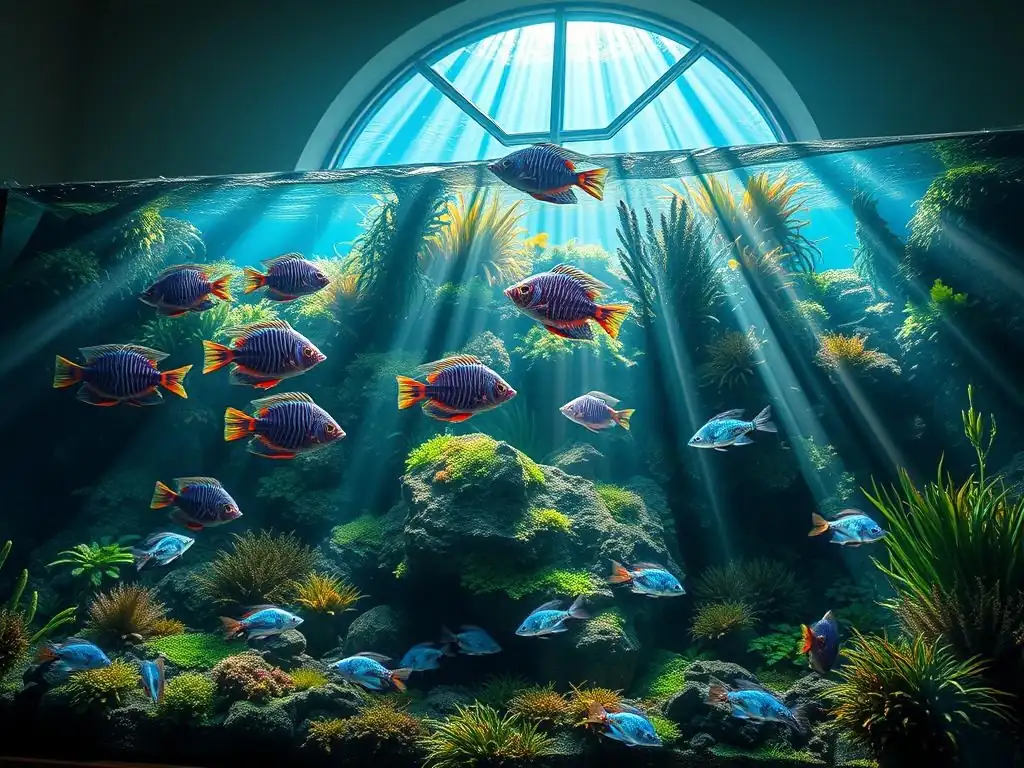
Welcome to Aquarium Mastery!
Intrigued by the captivating dance of Tanganyikan Featherfins? Dive in and unlock the secrets to their long-term health and vibrant lifespan. This article delves deep into Tanganyika featherfin aquarium care, providing expert guidance to help you create the perfect environment for these fascinating fish to thrive. Are you ready to master the art of Featherfin keeping? Let's begin!
- Long-Term Care and Lifespan of Tanganyikan Featherfins: A Complete Guide
- Introduction to Tanganyikan Featherfins and Aquarium Keeping
- Optimizing Your Tanganyika Featherfin Aquarium Setup
- Tanganyika Featherfin Diet and Nutrition for Extended Lifespan
- Common Diseases and Health Issues in Tanganyika Featherfins
- Breeding Tanganyika Featherfins for Future Generations
- Tank Mates and Compatibility for Tanganyika Featherfins
- Maximizing the Lifespan of Your Tanganyika Featherfins
- Troubleshooting Common Tanganyika Featherfin Aquarium Problems
- Conclusion: Ensuring a Long and Healthy Life for Your Tanganyika Featherfins
-
Frequently Asked Questions
- How long do Tanganyikan Featherfins typically live in an aquarium?
- What are the key water parameters to consider for optimal Tanganyika featherfin aquarium care?
- What type of tank setup is best suited for Tanganyikan Featherfins?
- What should I feed my Tanganyikan Featherfins?
- What are some common health problems that affect Tanganyikan Featherfins, and how can I prevent them?
- Final Reflection: Cultivating a Legacy of Care
- Unleash the Secrets to Thriving Featherfins!
Long-Term Care and Lifespan of Tanganyikan Featherfins: A Complete Guide
Introduction to Tanganyikan Featherfins and Aquarium Keeping
Understanding the Allure of Featherfin Cichlids from Lake Tanganyika
Tanganyikan featherfin cichlids, such as the popular Cyathopharynx furcifer, captivate aquarists with their distinctive, elongated dorsal and anal fins, which give them their common name. These elegant fish, often displaying iridescent blues, yellows, and purples, are native to the deep, ancient waters of Lake Tanganyika in East Africa. Their graceful swimming motions, particularly when males display their impressive finnage, make them a focal point in any well-maintained aquarium, highlighting the beauty achievable with proper Tanganyika featherfin aquarium care.
Beyond their striking appearance, featherfins exhibit fascinating social behaviors. In their natural habitat, they often form loose schools in the open water, sifting the sandy substrate for food. Replicating aspects of this environment in a home aquarium allows for the observation of these natural behaviors, providing a rewarding experience for dedicated aquarists. Their relatively peaceful demeanor, compared to some other cichlid species, further adds to their appeal, making them a desirable choice for those willing to meet their specific environmental needs.
A Guide to Thriving Featherfin Habitats
Creating a thriving habitat for Tanganyikan featherfins begins with understanding their natural environment. Lake Tanganyika is renowned for its stable, hard, and alkaline water chemistry, a stark contrast to many other freshwater environments. This unique chemistry, combined with vast open spaces and sandy substrates, dictates the requirements for a successful featherfin aquarium.
A well-designed featherfin habitat minimizes stress and promotes natural behaviors, which are critical for their long-term health and vibrant coloration. This involves careful consideration of tank dimensions, water parameters, substrate choice, and decor. By meticulously replicating these conditions, aquarists can ensure their featherfins not only survive but truly thrive, embodying the essence of comprehensive Tanganyika featherfin aquarium care.
Optimizing Your Tanganyika Featherfin Aquarium Setup
Tank Size Considerations for Long-Term Featherfin Health
The size of the aquarium is a foundational element for the long-term health and well-being of Tanganyikan featherfins. Species like Cyathopharynx furcifer can reach impressive sizes, with males typically growing up to 8-10 inches (20-25 cm) and females slightly smaller. Therefore, a minimum tank size of 75 gallons (approximately 280 liters) is recommended for a small group (e.g., one male and three to four females). However, for a truly thriving colony or a mixed Tanganyikan cichlid community, a 125-gallon (approximately 470 liters) tank or larger is ideal, providing ample horizontal swimming space which these open-water cichlids require.
Insufficient tank size leads to chronic stress, stunted growth, and increased aggression among tank inhabitants. In a cramped environment, featherfins cannot exhibit their natural schooling and sifting behaviors, leading to lethargy and susceptibility to disease. Providing generous swimming room not only allows them to express their natural behaviors but also helps maintain more stable water parameters, significantly contributing to effective Tanganyika featherfin aquarium care and extending their lifespan.
Essential Water Parameters for Tanganyika Featherfin Aquarium Care
Maintaining precise and stable water parameters is paramount for Tanganyikan featherfins, as they are highly sensitive to fluctuations. Their native Lake Tanganyika boasts incredibly consistent water chemistry, characterized by high pH and hardness. Replicating these conditions is non-negotiable for their health.
Maintaining Ideal pH, KH, and GH Levels for Featherfins
For optimal health, the pH level in a featherfin aquarium should be consistently maintained between 8.0 and 9.0, with an ideal range often cited as 8.2-8.6. Equally important are the carbonate hardness (KH) and general hardness (GH). The KH should be high, typically between 10-18 dKH, to provide sufficient buffering capacity against pH swings. The GH should also be elevated, around 10-20 dGH, reflecting the rich mineral content of Lake Tanganyika's waters. These specific parameters are crucial for featherfin osmoregulation, enzyme function, and overall metabolic health.
Achieving and maintaining these parameters often involves using substrates like aragonite sand or crushed coral, which naturally buffer the water. Specialized Rift Lake salts or commercially available cichlid buffers can also be employed to fine-tune the water chemistry. Regular testing with accurate liquid test kits is essential to monitor these levels, as even slight deviations can cause stress and compromise the efficacy of Tanganyika featherfin aquarium care.
The Importance of Water Changes for Featherfin Health and Longevity
Despite robust filtration, dissolved organic compounds, nitrates, and phosphates inevitably accumulate in aquarium water. Regular water changes are indispensable for removing these harmful substances and replenishing essential trace elements. For Tanganyikan featherfins, a weekly water change of 20-30% is generally recommended to maintain pristine water quality and prevent the buildup of toxins that can lead to health issues.
When performing water changes, it is crucial to match the temperature and water chemistry (pH, KH, GH) of the new water to the existing tank water as closely as possible to prevent shock. Siphoning the substrate during water changes also helps remove trapped detritus and uneaten food, further contributing to a cleaner environment. Consistent water changes are a cornerstone of long-term Tanganyika featherfin aquarium care, directly impacting their vitality and longevity.
Substrate and Decor: Replicating the Tanganyikan Habitat
Choosing the Right Substrate for Featherfin Tankmates
The natural substrate of Lake Tanganyika is predominantly fine sand, and replicating this is crucial for featherfins. Fine sand, such as play sand, pool filter sand, or specialized aquarium sand, is the ideal choice. A layer of at least 2-3 inches (5-7.5 cm) allows featherfins to exhibit their natural sifting behavior, where they take mouthfuls of sand to filter out micro-organisms and detritus. This behavior is not only fascinating to observe but also contributes to their overall well-being.
Using sand as a substrate also has practical benefits. It is less likely to trap detritus compared to coarser gravel, making it easier to keep clean during maintenance. Furthermore, certain types of sand, like aragonite, can contribute to maintaining the high pH and hardness levels required by featherfins, making it a functional and aesthetic choice for effective Tanganyika featherfin aquarium care.
Rockwork and Caves: Providing Shelter and Territory
While Tanganyikan featherfins are primarily open-water swimmers, they still benefit from strategically placed rockwork. Large, stable rock formations create visual barriers and provide secure hiding spots, which are important for reducing stress, especially during breeding or if there are minor skirmishes within the tank. Materials like Texas Holey Rock, lava rock, or slate can be used to construct caves, overhangs, and ledges.
It is vital to ensure that any rock structures are stable and cannot collapse, potentially injuring the fish or damaging the tank. Arrange the rocks to create distinct territories while still leaving ample open swimming space in the mid-water column, which is the featherfins' preferred zone. This balance between open space and secure hiding places is key to a harmonious environment in a Tanganyika featherfin aquarium care setup.
Tanganyika Featherfin Diet and Nutrition for Extended Lifespan
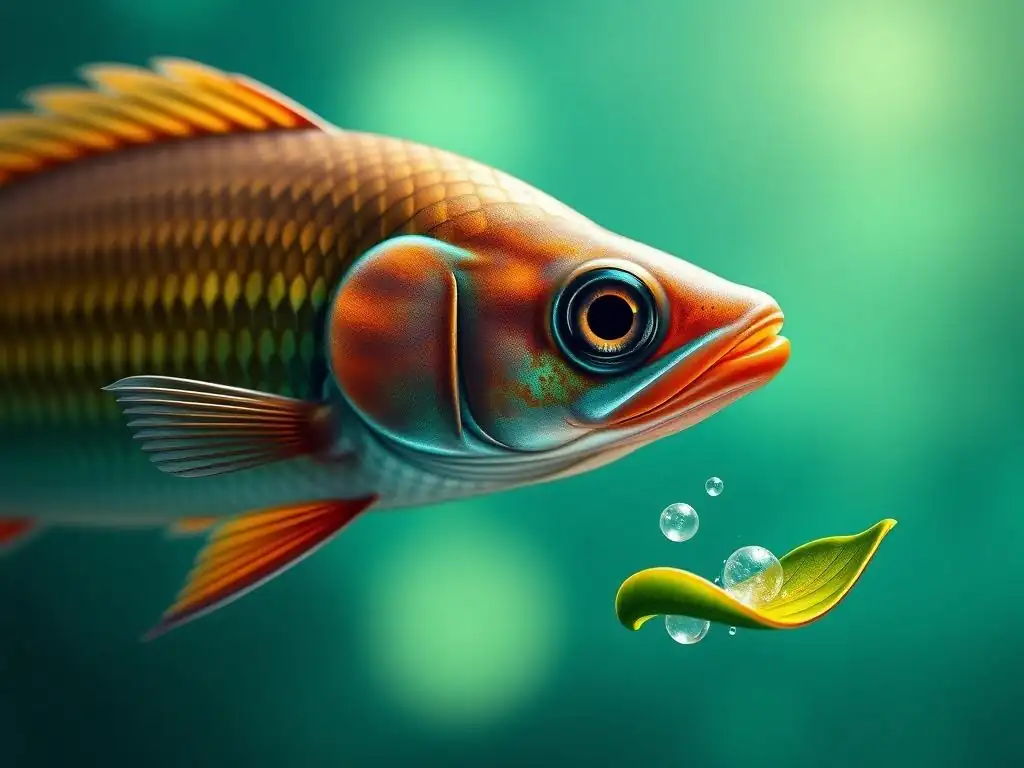
Providing a Balanced Diet for Healthy Featherfin Cichlids
In their natural habitat, Tanganyikan featherfins are primarily planktivores, feeding on zooplankton and small invertebrates suspended in the water column or sifted from the substrate. To ensure their long-term health and vibrant coloration in an aquarium, their diet must reflect these natural feeding habits. A high-quality flake or pellet food specifically formulated for cichlids should form the cornerstone of their diet, ideally one with a protein content of around 40-50% and a comprehensive vitamin profile.
Variety is absolutely critical to prevent nutritional deficiencies. Relying solely on one type of food, even a high-quality one, can lead to a lack of essential nutrients over time. Supplementing the staple diet with a diverse range of other food types will stimulate their appetite and provide a broader spectrum of vitamins and minerals, which is fundamental for optimal Tanganyika featherfin aquarium care.
Live, Frozen, and Prepared Food Options for Featherfin Feeding
To offer a balanced diet, incorporate a variety of live, frozen, and prepared foods. Excellent frozen options include spirulina-enriched brine shrimp, cyclops, daphnia, and Mysis shrimp, all of which provide beneficial proteins and fats. Live foods, such as newly hatched brine shrimp or daphnia, can be offered occasionally as a treat; they encourage natural hunting instincts and provide a fresh nutrient boost. However, it is advisable to avoid feeder fish due to the high risk of introducing diseases.
Care should be taken to avoid overfeeding foods that are excessively high in fat, such as beef heart, as these can contribute to digestive issues like bloat. While featherfins are primarily planktivores, some vegetable matter, such as high-quality spirulina flakes or a small amount of blanched zucchini, can also be beneficial, reflecting their omnivorous tendencies. Thoughtful food selection is a key component of effective Tanganyika featherfin aquarium care.
Feeding Frequency and Quantity: Avoiding Overfeeding
One of the most common mistakes in fish keeping is overfeeding, which leads to rapid water quality degradation and serious health problems. For Tanganyikan featherfins, it is best to feed small amounts 2-3 times a day, only what they can completely consume within 2-3 minutes. Observe their behavior; if food remains floating or settles on the substrate after this period, you are feeding too much.
The consequences of overfeeding are severe: uneaten food decays rapidly, leading to dangerous spikes in ammonia and nitrite, and a steady increase in nitrates. This not only pollifies the water but also contributes significantly to digestive issues such as bloat, a common and often fatal ailment in cichlids. A slightly underfed fish is generally healthier and more resilient than an overfed one, making precise feeding a crucial element of Tanganyika featherfin aquarium care.
Common Diseases and Health Issues in Tanganyika Featherfins
Identifying and Treating Common Featherfin Ailments
While excellent Tanganyika featherfin aquarium care can prevent most diseases, quick identification and appropriate treatment are vital when health issues arise. Recognizing the early symptoms of common ailments can significantly improve the chances of successful recovery.
Recognizing Symptoms of Ich (White Spot Disease) in Featherfins
Ichthyophthirius multifiliis, commonly known as Ich or White Spot Disease, is a prevalent parasitic infection characterized by small, white spots resembling grains of salt visible on the fish's fins and body. Affected featherfins may also exhibit flashing (rubbing their bodies against tank decor or substrate), clamped fins, loss of appetite, and lethargy. Ich outbreaks are often triggered by environmental stress, such as sudden temperature fluctuations, poor water quality, or the introduction of new, unquarantined fish.
Treatment typically involves slowly raising the aquarium temperature to 82-84°F (28-29°C) over 24 hours, which accelerates the parasite's life cycle. Simultaneously, adding aquarium salt (1 tablespoon per 5 gallons, dissolved first and added gradually over 24 hours) can help. For severe cases, specific Ich medications containing malachite green or formalin can be used according to manufacturer instructions. Consistent monitoring of water parameters and maintaining excellent water quality are essential for preventing recurrence and supporting recovery in Tanganyika featherfin aquarium care.
Addressing Bloat and Other Digestive Issues in Featherfins
Bloat is a grave and often fatal condition in cichlids, including featherfins. Symptoms include a noticeably swollen abdomen, loss of appetite, white and stringy feces, labored breathing, and sometimes listlessness. This condition is frequently linked to an improper diet, particularly one that is too high in protein, too fatty, or lacking in fiber, which can lead to an imbalance in the gut flora or bacterial infection.
Upon identifying bloat, immediately isolate the affected fish in a hospital tank. Cease feeding for 2-3 days to allow the digestive system to rest. If no improvement, a small, blanched, deshelled pea can be offered as a laxative. For persistent or severe cases, medicated foods containing Metronidazole or specialized antibiotics for internal bacterial infections may be necessary, administered strictly according to veterinary or product guidelines. Prevention through a balanced diet and impeccable water quality is the most effective strategy in Tanganyika featherfin aquarium care.
Quarantine Procedures for New Featherfin Additions
Implementing a strict quarantine procedure for all new fish additions is perhaps the most effective preventative measure against introducing diseases into your main display tank. A dedicated quarantine tank, typically 10-20 gallons (38-75 liters) for a few featherfins, should be set up with a heater, a simple sponge filter, and minimal decor for easy cleaning.
New featherfins should remain in quarantine for a minimum of 2-4 weeks. During this period, observe them closely for any signs of illness, parasites, or unusual behavior. Perform small, frequent water changes to maintain pristine water quality. Some aquarists opt for prophylactic treatments for common parasites during quarantine. This crucial step, though requiring patience, significantly reduces the risk of devastating outbreaks in your established Tanganyika featherfin aquarium care setup.
Breeding Tanganyika Featherfins for Future Generations
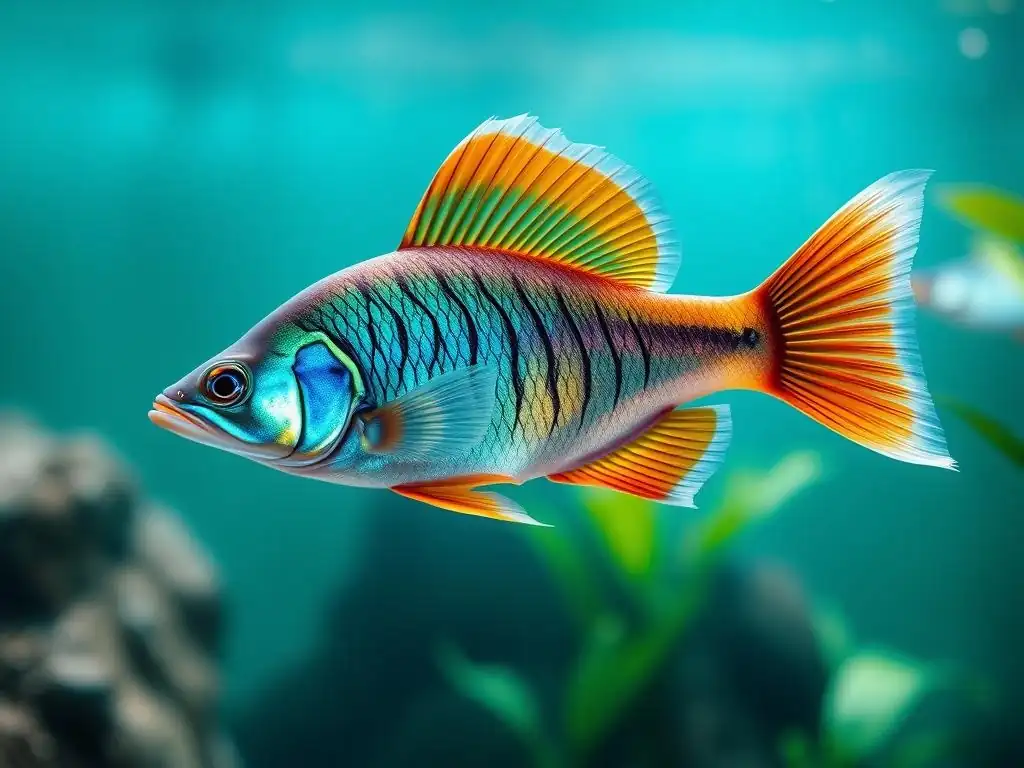
Creating Breeding Conditions for Featherfin Cichlids
Tanganyikan featherfins are fascinating maternal mouthbrooders, meaning the female carries the eggs and fry in her mouth until they are free-swimming. To encourage breeding, optimal and stable water parameters are essential: pH between 8.2-8.6, temperature around 78-80°F (25-27°C), and excellent water quality. A high-quality, varied diet, rich in proteins and essential nutrients, will condition the fish for spawning. For best results, a breeding trio or a small group (e.g., one male to two or three females) in a species-specific tank is often more successful than in a busy community setup.
Providing appropriate spawning sites is also important. While featherfins typically spawn on flat, smooth surfaces, they are generally open-water spawners. However, the presence of flat rocks or broad leaves can sometimes facilitate the process. Crucially, a low-stress environment free from overly aggressive tankmates will significantly increase the likelihood of successful breeding within your Tanganyika featherfin aquarium care regimen.
Identifying Male and Female Featherfins for Breeding
Sexual dimorphism in Tanganyikan featherfins can be quite pronounced, though it varies slightly by species. Males are typically larger and exhibit more vibrant coloration, especially during courtship. Their most distinguishing feature is the elongated, flowing extensions on their dorsal and anal fins, which are significantly longer and more elaborate than those of the females, giving them their "featherfin" moniker.
Females are generally smaller, less colorful, and have shorter, rounder fins. During breeding, a female's abdomen may appear noticeably rounder or distended when she is gravid with eggs. Observing these physical differences, combined with behavioral cues such as male displaying and female receptiveness, is key to accurately identifying sexes and forming successful breeding pairs or groups for Tanganyika featherfin aquarium care.
Raising Featherfin Fry: A Guide to Successful Reproduction
Once a female is holding eggs in her mouth, her buccal cavity will appear swollen, and she will typically cease eating. She will carry the developing eggs and fry for approximately 21-28 days, depending on temperature. To ensure the survival of the fry, it is highly recommended to gently remove the holding female to a separate, quiet "grow-out" or "fry" tank. This protects her from harassment and prevents the fry from being preyed upon by other tank inhabitants once released.
After the female releases the free-swimming fry, she can be returned to the main tank. The fry are quite small and require highly nutritious, small-particle foods such as newly hatched brine shrimp, finely crushed spirulina flakes, or specialized commercial fry foods. Small, frequent water changes (daily or every other day) in the fry tank are critical to maintain pristine water quality, which directly impacts their growth rate and survival. Consistent, meticulous Tanganyika featherfin aquarium care during this delicate stage leads to successful reproduction.
Tank Mates and Compatibility for Tanganyika Featherfins
Selecting Suitable Tank Mates for a Peaceful Community Aquarium
While Tanganyikan featherfins are generally considered peaceful cichlids, they can be shy or intimidated by overly boisterous or aggressive species. When selecting tank mates, prioritize other peaceful Tanganyikan cichlids that occupy different niches within the aquarium. Good choices include rock-dwelling Julidochromis species, the graceful Neolamprologus brichardi (Fairy Cichlids), or even some of the smaller shell-dwelling Neolamprologus species, provided the tank is sufficiently large and offers diverse habitats.
The key is to select species with similar water parameter requirements and temperaments. Avoid fish that are significantly larger, highly aggressive, or prone to fin-nipping. A harmonious community allows all inhabitants to thrive without undue stress, which is a critical aspect of effective Tanganyika featherfin aquarium care.
Avoiding Aggressive Species That Can Threaten Featherfin Health
To ensure the long-term health and well-being of your featherfins, it is crucial to avoid housing them with incompatible or overtly aggressive species. This includes most Mbuna cichlids from Lake Malawi, which have vastly different dietary needs and are known for their highly aggressive and territorial nature. Similarly, large, predatory cichlids from other regions should be excluded, as they pose a direct threat to the featherfins.
Even among Tanganyikan cichlids, caution is advised. While some larger species like Cyphotilapia frontosa can coexist, they are slow-moving and might not be ideal companions if the featherfins are significantly smaller or if the tank size is borderline. Constant harassment or intimidation from aggressive tank mates will lead to chronic stress, weakened immune systems, and a significantly shortened lifespan for your featherfins, underscoring the importance of thoughtful Tanganyika featherfin aquarium care.
Monitoring Tank Dynamics to Prevent Stress and Injury
Regularly observing the interactions among your featherfins and their tank mates is essential for proactive management of the aquarium environment. Look for signs of stress, such as clamped fins, faded coloration, rapid breathing, or excessive hiding. Changes in feeding behavior, such as a sudden refusal to eat, can also indicate underlying issues. Early detection of aggression or stress allows for timely intervention before problems escalate.
If aggression becomes a persistent issue, consider rearranging the tank decor to break up established territories and create new visual barriers. Adding more hiding spots can also provide refuge for targeted fish. As a last resort, removing the aggressor or the stressed featherfins to a different tank may be necessary. Maintaining a balanced and peaceful social structure is paramount for the overall success of your Tanganyika featherfin aquarium care efforts.
Maximizing the Lifespan of Your Tanganyika Featherfins
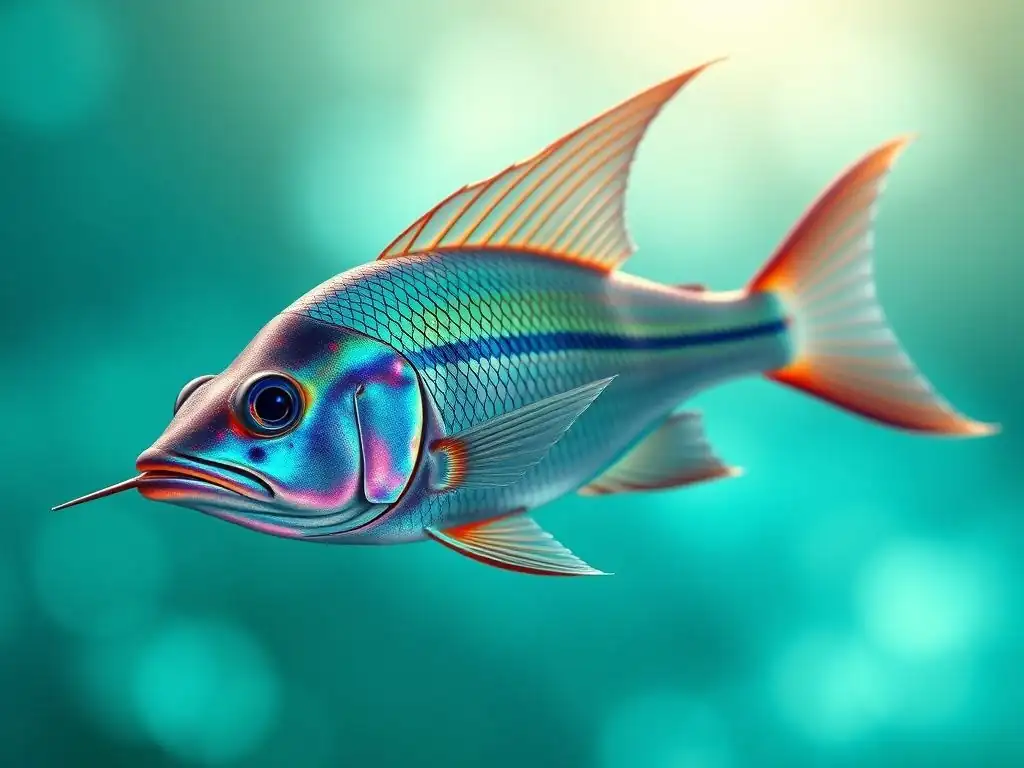
Regular Aquarium Maintenance: Key to Long-Term Featherfin Health
Consistent and thorough aquarium maintenance is the single most important factor in maximizing the lifespan of your Tanganyikan featherfins. This includes performing weekly water changes of 20-30%, which removes accumulating nitrates and replenishes essential minerals. Concurrently, gravel vacuuming the substrate helps to remove uneaten food and detritus, preventing the buildup of harmful organic matter. Regular cleaning of filter media, as needed, ensures optimal filtration efficiency.
Beyond these routine tasks, it is crucial to regularly inspect all aquarium equipment, including heaters, filters, and air pumps, to ensure they are functioning correctly. Weekly water parameter testing allows for early detection of any creeping imbalances before they become critical. This diligent, proactive approach to maintenance forms the bedrock of excellent Tanganyika featherfin aquarium care, directly translating to years of healthy life for your fish.
The Role of Filtration in Maintaining Water Quality
Robust filtration is absolutely essential for maintaining the pristine water quality that Tanganyikan featherfins require. A multi-faceted filtration system incorporating mechanical, biological, and chemical filtration is ideal. Mechanical filtration, typically provided by filter floss or sponges, removes particulate matter and keeps the water clear. Biological filtration, facilitated by porous media like ceramic rings or bio-balls, is critical for converting toxic ammonia and nitrite into less harmful nitrate through the nitrification cycle. Chemical filtration, often using activated carbon, removes odors, discoloration, and certain dissolved organic compounds.
It is always advisable to "over-filter" a featherfin tank; for example, a filter rated for 150-200 gallons for a 100-gallon tank provides an extra margin of safety. Canister filters are often preferred for their large media capacity and efficiency. Regular, gentle cleaning of filter media (using old tank water to preserve beneficial bacteria) is crucial to ensure the filtration system continues to operate effectively, a vital component of comprehensive Tanganyika featherfin aquarium care.
Cyathopharynx furcifer Lifespan Expectations
With optimal Tanganyika featherfin aquarium care, including stable and appropriate water parameters, a balanced and varied diet, a spacious and well-decorated tank, and compatible tank mates, Cyathopharynx furcifer can enjoy a remarkably long life. In well-maintained home aquariums, these magnificent cichlids typically live for 5 to 8 years. There are documented instances of individuals thriving for even longer, reaching up to 10 years under exceptional and consistent husbandry.
This impressive longevity is a direct testament to the dedication and knowledge of the aquarist. Conversely, factors that significantly shorten their lifespan include chronic stress from fluctuating or incorrect water parameters, inadequate tank size leading to overcrowding, persistent aggression from unsuitable tankmates, or a consistently poor diet. Investing the effort in proper care truly translates into many years of enjoyment with these captivating cichlids.
Troubleshooting Common Tanganyika Featherfin Aquarium Problems
Addressing Algae Blooms in Your Featherfin Tank
Algae blooms, characterized by excessive green or brown growth on tank surfaces, substrate, or in the water column, are usually indicative of an imbalance in the aquarium. The most common culprits are excess nutrients (primarily nitrates and phosphates) and/or prolonged or intense lighting. To combat algae, first reduce the duration of your lighting period to 8-10 hours daily.
Perform larger water changes (e.g., 30-50%) to quickly reduce nutrient levels in the water column. Ensure your filtration system is clean and efficient, and consider using phosphate-removing media in your filter. Manual removal of algae during your regular maintenance routine is also necessary. Addressing the root cause of the nutrient imbalance is crucial for long-term control and is an important part of Tanganyika featherfin aquarium care.
Dealing with Cloudy Water and Poor Water Quality
Cloudy water can be a sign of various issues, including bacterial blooms (especially in new tanks or due to overfeeding), suspended particulate matter, or even a severe algae bloom. The first step is always to test your water parameters immediately for ammonia, nitrite, and nitrate. If ammonia or nitrite are present, perform an immediate large water change (50% or more) and significantly reduce or cease feeding for a day or two.
Ensure your filtration is adequate for the tank size and that filter media are clean. Overfeeding is a frequent cause of cloudy water; be diligent about feeding only what your fish can consume quickly. Regular water changes and thorough gravel vacuuming will prevent the accumulation of detritus, which contributes to both cloudiness and poor water quality. Consistent and proactive Tanganyika featherfin aquarium care prevents most instances of cloudy water.
Preventing and Resolving Aggression Issues
While featherfins are generally more peaceful than many other cichlid species, aggression can still occur, particularly between males or if the tank is too small. To prevent aggression, provide ample swimming space and use rockwork to create visual barriers that break up lines of sight and establish distinct territories. Maintaining a proper male-to-female ratio, such as one male to three or more females, can also help diffuse male aggression.
If aggression becomes persistent and threatens the well-being of other fish, re-evaluate your tank size and stocking levels. Sometimes, rearranging the decor can disrupt established territories and reduce conflict. As a last resort, consider removing the aggressor or the targeted fish to a separate tank. A well-planned tank layout and appropriate stocking are fundamental to minimizing aggression and ensuring peaceful Tanganyika featherfin aquarium care.
Conclusion: Ensuring a Long and Healthy Life for Your Tanganyika Featherfins
The Joys of Keeping Tanganyika Featherfin Cichlids
Keeping Tanganyikan featherfin cichlids is a truly rewarding experience for any dedicated aquarist. Their unique beauty, characterized by their flowing fins and often iridescent colors, combined with their fascinating social behaviors and graceful movements, makes them a captivating centerpiece in any aquarium. Observing their natural sifting and schooling behaviors provides endless enjoyment and a deeper appreciation for the biodiversity of Lake Tanganyika.
The effort and attention to detail invested in their specialized care are generously repaid by their vibrant health, striking appearance, and impressive longevity. Successfully maintaining these magnificent fish is not just a hobby; it is a journey of continuous learning and a testament to the aquarist's commitment to providing an optimal environment for these unique cichlids.
Resources for Further Learning about Featherfin Aquarium Care.
The world of Tanganyikan cichlids is vast and full of opportunities for continued learning. To deepen your understanding of featherfin cichlids and refine your Tanganyika featherfin aquarium care practices, numerous resources are available. Online forums dedicated to cichlids, specialized cichlid societies, and reputable books on Lake Tanganyika's ecosystems provide invaluable in-depth information, often sharing insights from experienced breeders and enthusiasts.
Connecting with other aquarists who specialize in Tanganyikan cichlids can also offer practical tips and solutions to common challenges. Remember, AquariumMastery.com itself serves as a comprehensive resource, offering detailed guidance on all aspects of Tanganyika featherfin aquarium care, from initial setup and species profiles to advanced breeding techniques and troubleshooting, ensuring you have the tools to provide a long and healthy life for your featherfins.
Frequently Asked Questions
How long do Tanganyikan Featherfins typically live in an aquarium?
Tanganyikan Featherfins can live a long time in a well-maintained aquarium. With proper care, they can reach a lifespan of 8 to 12 years, making them a rewarding long-term commitment.
What are the key water parameters to consider for optimal Tanganyika featherfin aquarium care?
Maintaining the right water chemistry is crucial. Aim for a pH between 8.0 and 9.0, a hardness of 10-20 dGH, and stable temperatures between 74-82°F (23-28°C).
What type of tank setup is best suited for Tanganyikan Featherfins?
These fish thrive in a species-specific or biotope aquarium replicating their natural habitat. Provide plenty of rockwork and caves for shelter and breeding. A minimum tank size of 75 gallons is recommended for a small group.
What should I feed my Tanganyikan Featherfins?
Offer a varied diet consisting of high-quality flakes or pellets, supplemented with live or frozen foods like brine shrimp, daphnia, and bloodworms. Avoid overfeeding to maintain water quality.
What are some common health problems that affect Tanganyikan Featherfins, and how can I prevent them?
Common issues include Ich (white spot disease) and bacterial infections. Prevent these by maintaining excellent water quality, quarantining new fish, and providing a stress-free environment.
Okay, here's a final reflection tailored for your article "LongTerm Care and Lifespan of Tanganyikan Featherfins," optimized for the keyword "Tanganyika featherfin aquarium care," and following the structure you provided:
Final Reflection: Cultivating a Legacy of Care
The journey into understanding and providing optimal Tanganyika featherfin aquarium care extends far beyond simply maintaining a tank. It's about fostering an environment where these fascinating creatures can thrive, mirroring the delicate balance of their natural habitat. This commitment to long-term care not only ensures their well-being but also deepens our appreciation for the intricate ecosystems they represent.
This endeavor has profoundly shaped my understanding of responsible aquascaping and the interconnectedness of life within an aquarium. The dedication required to replicate the conditions of Lake Tanganyika highlights the importance of patience, observation, and continuous learning in any pursuit. In the end, we will conserve only what we love; we will love only what we understand; and we will understand only what we are taught.
- Baba Dioum. This quote perfectly encapsulates the essence of responsible fishkeeping: understanding breeds love, and love inspires conservation.
As you embark on your own journey of Tanganyika featherfin aquarium care, remember that you are not just maintaining a tank; you are cultivating a miniature ecosystem. Embrace the challenges, celebrate the successes, and let the unique beauty of these fish inspire you to become a more informed and compassionate aquarist. Let's all strive to provide the best possible lives for these remarkable creatures, ensuring their legacy continues for generations to come.
Unleash the Secrets to Thriving Featherfins!
Thank you for diving deep into the world of Tanganyikan Featherfins! We hope you've gained valuable insights into ensuring a long and fulfilling life for these captivating creatures. Now, let's put that knowledge into action!
Here's how you can take the next step:
- Commit to crafting the ultimate Featherfin habitat. Begin by reassessing your tank setup, focusing on water parameters, hiding places, and substrate to mimic their natural environment.
- Explore advanced feeding strategies. Experiment with a varied diet beyond standard flake food to unlock the full potential of their health and vibrancy. Research rare and beneficial food sources.
- Share your Featherfin journey! Connect with fellow enthusiasts on social media using #TanganyikanFeatherfins and let your experiences inspire others.
Ready to transform your Featherfin's life, starting today?