
The Art of the "Water Change Trigger" for Tetra Spawns by Aquarium Mastery

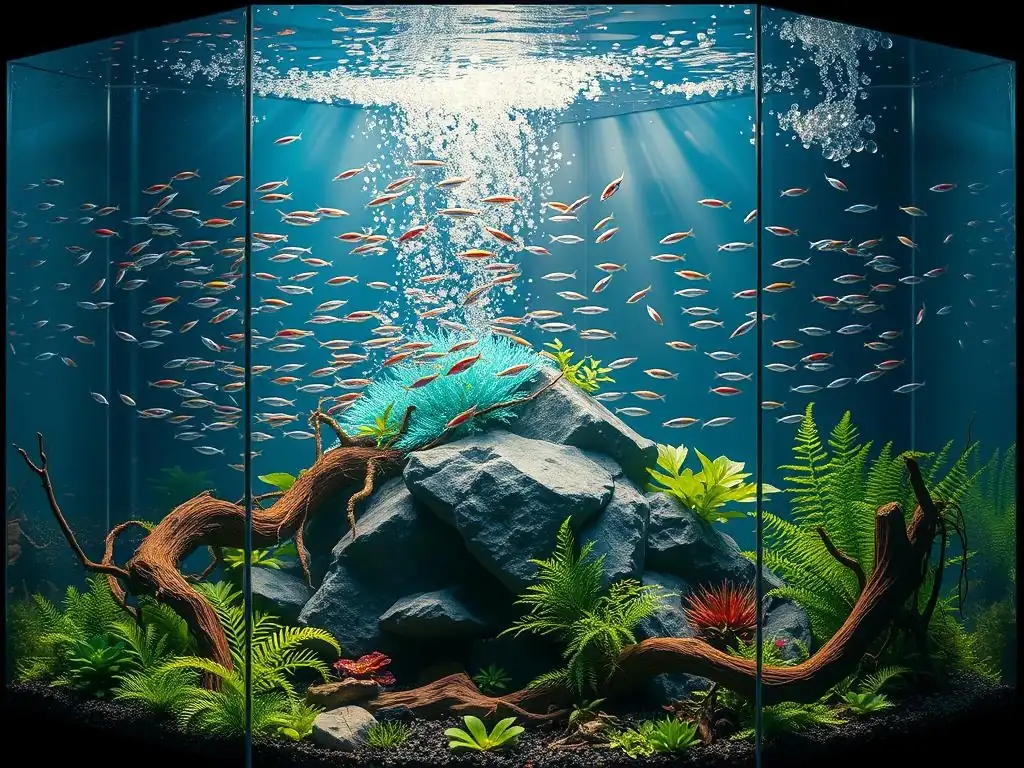
Welcome to Aquarium Mastery!
Ever wondered what the secret ingredient is to triggering a successful Tetra spawn? It's not just luck! Discover the art of the "Water Change Trigger" and unlock the potential for breeding success in your freshwater aquarium. Dive in to learn how subtle shifts in water chemistry can be the key to unlocking a vibrant and thriving Tetra population. Are you ready to master the art of the spawn?
- Understanding the Tetra Spawning Trigger: The Role of Water Changes
- Deciphering the "Water Change Trigger": Tetra Species Specifics
- Mastering the Water Change Process for Tetra Spawning
- Observing Tetra Behavior After the Water Change: Signs of Spawning
- Troubleshooting Tetra Spawning Issues After Water Changes
- Beyond the Water Change: Optimizing the Tetra Spawning Environment
- Conclusion: Consistent Tetra Spawning Through Strategic Water Changes
-
Frequently Asked Questions
- How often should I perform water changes to encourage Tetra spawning?
- What type of water is best for triggering Tetra spawns with water changes?
- How do water changes affect the water chemistry in my Tetra tank?
- Can performing too many water changes harm my Tetra spawn?
- What else besides water changes encourages Tetra spawning?
- Final Reflection: Nurturing Life Through Change
- Unleash the Tetra Breeding Secrets!
Understanding the Tetra Spawning Trigger: The Role of Water Changes
Mimicking Natural Tetra Breeding Conditions with Water Changes
Large, targeted water changes in an aquarium serve as a powerful signal to Tetras, simulating the influx of fresh rainwater characteristic of their natural habitats, such as the Amazon basin. This environmental shift often includes a slight drop in temperature, a reduction in dissolved solids, and a shift towards softer, more acidic water, especially if the new water is prepared to mimic the dilute conditions of a rain event.
These changes are crucial for signaling to Tetras that the breeding season has arrived, as the new water provides optimal conditions for egg development and fry survival, often diluting potential predators or increasing food sources.
The specific changes introduced by these Tetra spawn water changes are not merely about cleanliness; they represent a complex set of environmental cues that trigger hormonal responses in the fish, signaling their readiness to spawn. A sudden drop in water conductivity, a slight decrease in temperature (often 2-4°F or 1-2°C), and a shift towards softer, more acidic water are the primary components of this trigger. Many Tetra species, including the popular Neon Tetra, have evolved to respond to these seasonal fluctuations, and replicating them in captivity is a key component of successful breeding strategies.
Why Water Changes Are Crucial for Successful Tetra Spawning
Beyond mimicking natural environmental triggers, water changes are fundamentally crucial for removing accumulated waste products, particularly nitrates, which can inhibit spawning. High nitrate levels, often exceeding 20 ppm, can stress fish and suppress their reproductive urges, making them less likely to breed. Fresh, clean water directly contributes to a healthier environment, reducing bacterial load and significantly improving overall fish vitality, which is essential for the successful fertilization of eggs and the subsequent development of fry.
Furthermore, the psychological and physiological benefits of pristine water cannot be overstated. Clean water reduces stress in fish, making them more comfortable and less inhibited, thereby encouraging natural behaviors including courtship and spawning. It also replenishes essential trace elements and minerals that may become depleted in stagnant or aged tank water, which are vital for healthy egg development and the overall well-being of the breeding pair. For instance, a substantial 25-50% water change can remarkably reduce stress hormones and significantly increase the likelihood of successful spawning within 24-72 hours.
Deciphering the "Water Change Trigger": Tetra Species Specifics
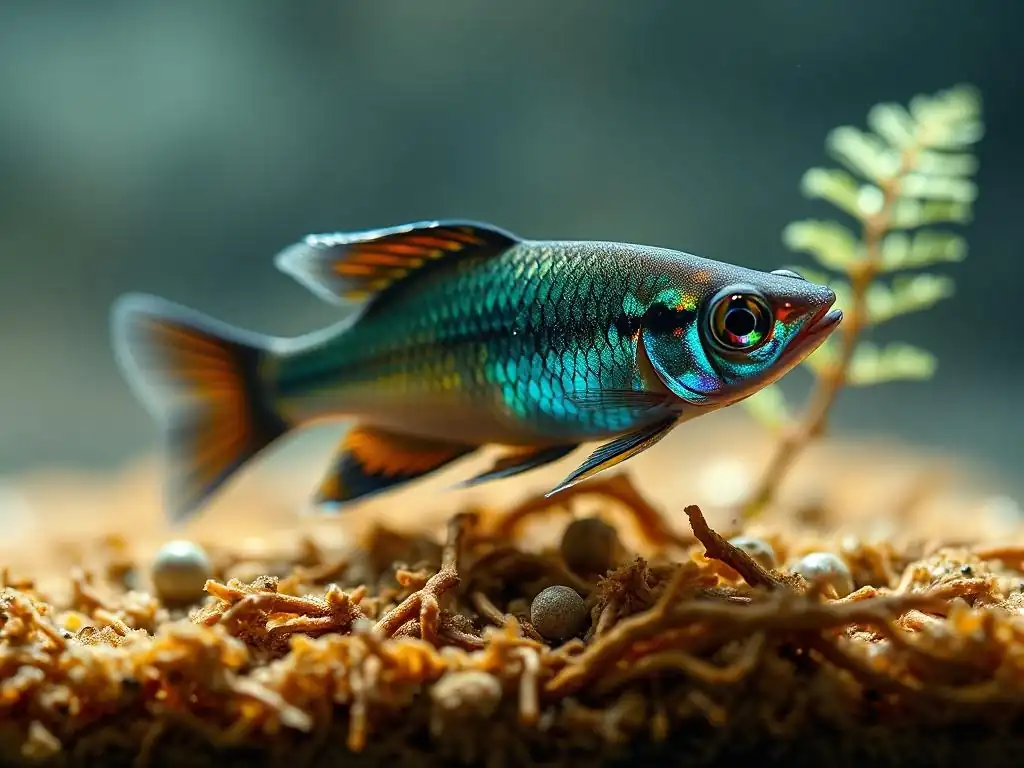
Water Change Preferences for Cardinal Tetra Spawning
Cardinal Tetras ( Paracheirodon axelrodi ) are renowned for being more challenging to breed in captivity compared to their Neon Tetra cousins, primarily due to their stringent water parameter requirements. Their natural habitat is characterized by extremely soft, acidic blackwater.
To trigger Cardinal Tetra spawning, a significant water change, typically 50-70% of the tank volume, is often required, utilizing very soft water with a General Hardness (GH) of 1-3 dGH and a Carbonate Hardness (KH) of 0-1 dKH, coupled with a low pH ranging from 5.0-6.0. The temperature should be consistently maintained around 76-80°F (24-27°C), with the new water potentially being a degree or two cooler (e.g., 74°F) to simulate a rain event.
The successful "water change trigger" for Cardinals frequently involves not just these extreme parameters but also a sudden decrease in light or a period of complete darkness immediately following the water change. Success rates for inducing Cardinal Tetra spawning increase substantially when the new water meticulously mimics their natural Amazonian floodwaters, which are exceptionally pure and soft. Many experienced breeders resort to using reverse osmosis (RO) water, carefully remineralized to precise specifications, to achieve these critical conditions.
Neon Tetras ( Paracheirodon innesi ) are generally considered more approachable for breeding than Cardinals, yet they still greatly benefit from precise water change triggers. For successful Neon Tetra spawning, a 25-50% water change is typically effective, utilizing soft to moderately soft water with a GH of 4-8 dGH and a KH of 2-4 dKH, alongside a slightly acidic pH between 6.0-6.8. The water temperature should be stable around 75-78°F (24-26°C), with the incoming water being approximately one or two degrees Fahrenheit cooler to provide the crucial environmental cue.
The consistency of water parameters after the water change is just as crucial as the initial trigger for Neon Tetra spawning. While the initial drop in temperature and change in water chemistry act as the primary stimulus, maintaining stable, clean conditions afterward ensures that the delicate eggs and newly hatched fry have the highest chance of survival. Many hobbyists report observing successful Neon Tetra spawning within 12-48 hours of performing a targeted water change, especially when it's preceded by a period of nutrient-rich feeding.
General Guidelines for Tetra Water Change Spawning Triggers
While specific water parameters for triggering spawning vary among different Tetra species, several general guidelines apply across the board. A substantial water change, typically ranging from 25% to 50% of the tank's volume, serves as a common starting point for initiating Tetra spawn water changes. The newly added water should ideally be slightly cooler (1-3°F or 0.5-1.5°C) than the existing tank water and possess softer, more acidic properties, particularly if the tank water has gradually become harder or more alkaline over time. The primary objective is to create a sudden, yet controlled, shift in the aquatic environment.
It is highly recommended to perform these "trigger" water changes in a dedicated breeding tank to protect the vulnerable eggs and fry from potential predation by adult fish. The frequency of these specific "trigger" water changes should be carefully managed; for some species, a series of smaller, daily 10-15% water changes for a few days leading up to a larger one can also be effective in gradually conditioning the fish. Closely monitoring the fish's response and making subtle adjustments to parameters based on observed behavior are essential steps in mastering the art of Tetra spawn water changes.
Mastering the Water Change Process for Tetra Spawning
Preparing the Water for Tetra Spawning Water Changes
Proper water preparation is absolutely paramount for successful Tetra spawn water changes. Tap water commonly contains chlorine or chloramines, chemicals that are lethal to fish and beneficial bacteria; therefore, a high-quality water conditioner must always be used to neutralize these harmful substances. For Tetra species that demand very soft water, the use of reverse osmosis (RO) or deionized (DI) water is often necessary. This purified water then requires careful remineralization with specific salts (e.g., potassium, magnesium, calcium) to achieve the desired hardness and trace element profile without introducing undesirable compounds.
The temperature of the new water must be meticulously adjusted. While a slight drop is desired to act as a spawning trigger, a drastic difference (more than 5°F or 3°C) can severely shock the fish. Using a reliable thermometer, ensure the incoming water is within 1-3°F (0.5-1.5°C) of the tank's current temperature, or precisely at the slightly cooler temperature chosen for the triggering strategy. Allowing the prepared water to sit for several hours, or even overnight, can also help stabilize its parameters and allow any remaining volatile compounds to off-gas.
The Ideal Water Parameters for Triggering Tetra Spawning
Temperature Considerations for Tetra Spawning Water Changes
Most commonly bred Tetra species, such as Neon Tetras and Cardinal Tetras, thrive and exhibit optimal spawning activity within a stable temperature range of 75-80°F (24-27°C). The "water change trigger" for these species often involves introducing water that is intentionally 1-3°F (0.5-1.5°C) cooler than the existing tank water. This subtle temperature decrease effectively simulates the cooler rainwater influx experienced in their natural habitats, serving as a powerful environmental cue for initiating spawning behaviors. Maintaining this stable temperature range after the initial drop is crucial for the healthy development of the eggs.
For instance, if a breeding tank is typically maintained at 78°F (25.5°C), the new water prepared for the water change could be introduced at 76°F (24.5°C). This subtle but discernible change signals favorable conditions for reproduction. It is imperative to avoid rapid or extreme temperature fluctuations, as these can induce severe stress in fish, potentially leading to disease outbreaks or completely inhibiting spawning. A consistent and stable temperature, once the trigger is applied, is vital for ensuring healthy egg development and successful fry hatching.
pH Levels and Tetra Spawning: Achieving the Right Balance
pH is a profoundly critical factor for successful Tetra spawning, particularly impacting the viability and hatching success of eggs. Many popular Tetra species, including Neons and Cardinals, originate from soft, acidic blackwater environments. An ideal pH range for effectively triggering Tetra spawning is typically between 5.5 and 6.5. This slightly acidic environment is crucial because it helps prevent the hardening of egg shells, a condition that can significantly hinder successful fertilization and subsequent hatching.
To achieve and consistently maintain this specific pH range, various methods can be employed, such as utilizing purified RO/DI water, adding small amounts of peat moss to the filtration system, or carefully incorporating specialized buffering solutions designed for acidic conditions. Regular and precise testing with a reliable pH test kit, such as those found in comprehensive freshwater master test kits, is absolutely essential both before and after the water change to ensure the desired range is met and sustained.
A sudden, controlled drop in pH (e.g., from 7.0 to 6.0) as part of the water change can itself be a very potent spawning trigger.
Water Hardness and its Impact on Tetra Spawning Triggered by Water Changes
Water hardness, specifically General Hardness (GH) and Carbonate Hardness (KH), profoundly influences the success of Tetra spawning. Most Tetra species are naturally softwater fish, and their delicate eggs are highly sensitive to hard water conditions. For successful Tetra spawn water changes, the aim should be to achieve very soft water, typically with a GH of 1-5 dGH (17.9-89.5 ppm) and a KH of 0-2 dKH (0-35.8 ppm). Hard water can cause the outer membrane of the egg shell to become excessively tough, which can prevent sperm from penetrating for fertilization or impede the fry from successfully hatching.
The deliberate reduction in water hardness, often achieved by using a high percentage of RO/DI water mixed with a small amount of tap water or carefully remineralized RO water, is a significant component of simulating the "rainy season" effect. This specific change signals to the Tetras that the water is now pristine and optimally suited for their delicate eggs and vulnerable fry. Consistent monitoring of GH and KH levels with appropriate test kits is vital to ensure the water remains soft enough to facilitate and maximize successful breeding outcomes.
Step-by-Step Guide: Performing the Tetra Spawning Water Change
Begin the process by thoroughly preparing the new water in a separate, clean container, meticulously ensuring it precisely matches the desired temperature, pH, and hardness parameters for your specific Tetra species. For example, if performing a 30% water change in a 10-gallon breeding tank, this would involve preparing 3 gallons of perfectly conditioned water.
Slowly siphon out the old tank water, taking extreme care not to disturb the substrate excessively, as this can release accumulated detritus and pollutants. This partial removal of older, potentially harder or more alkaline water is the crucial first step in creating the necessary chemical shift.
Once the old water is removed, gradually add the meticulously prepared new water back into the tank. Pouring it slowly and gently, perhaps over a period of 10-15 minutes, minimizes any sudden shock to the fish and prevents drastic fluctuations in water parameters. Observe the fish closely during and immediately after the water change for any signs of stress or discomfort. After the water change, ensure the tank’s filtration system is running optimally, but consider dimming the lights or providing ample hiding spots, as many Tetra species prefer a calmer, darker environment for spawning after a significant water change.
Observing Tetra Behavior After the Water Change: Signs of Spawning
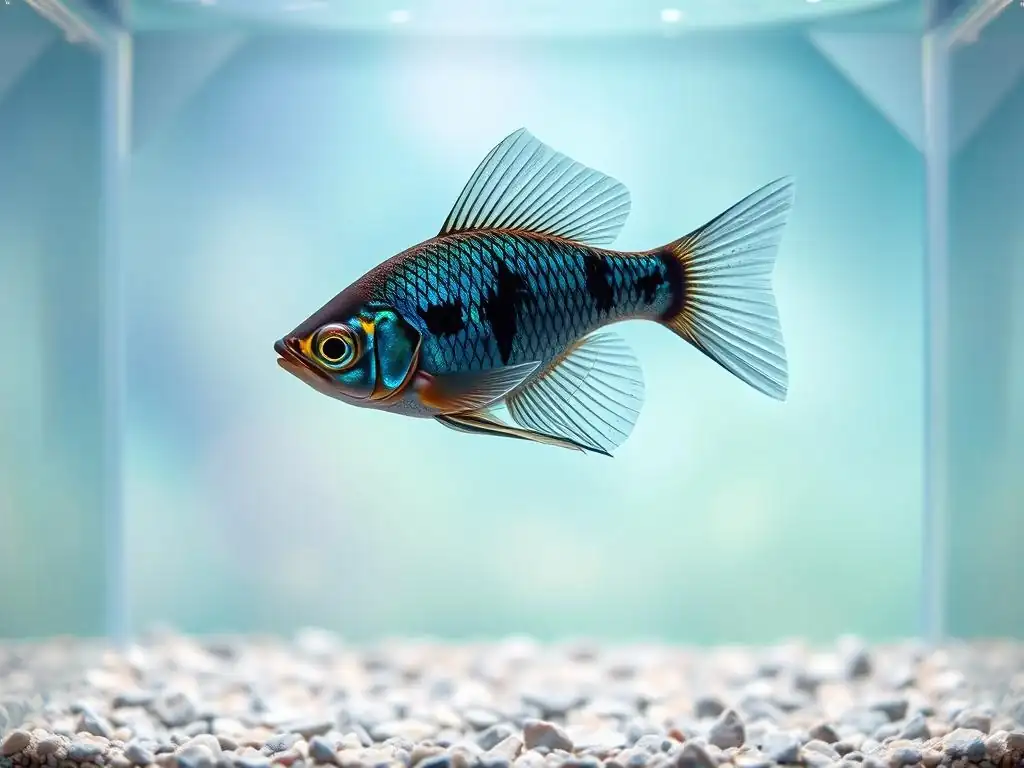
Recognizing Tetra Spawning Behavior: A Visual Guide
Following a successful Tetra spawn water change, specific behavioral changes will indicate that the fish are ready to breed. Male Tetras will typically display more vibrant coloration and engage in vigorous chasing of females, often nudging their flanks in a courtship ritual. Females, on the other hand, will appear noticeably plumper and rounder, a clear sign that they are gravid with eggs. This courtship can involve intricate swimming patterns, where the male attempts to guide the female towards a preferred spawning site, which is often dense clusters of fine-leaved plants or a specialized spawning mop.
Actual spawning involves the male and female swimming closely side-by-side, frequently in a rapid, quivering motion, simultaneously releasing eggs and sperm. The eggs, which are typically small, clear, and either adhesive or semi-adhesive, will be scattered among the plants, fall onto the spawning medium, or settle on the substrate. It is absolutely crucial to promptly remove the adult Tetras from the breeding tank immediately after spawning to prevent them from consuming the eggs, as most Tetra species do not exhibit parental care and are prone to oophagy.
Monitoring Water Parameters Post-Water Change: Ensuring Optimal Spawning Conditions
While the initial water change acts as the primary spawning trigger, maintaining stable and optimal water parameters after spawning is equally critical for the successful development of the eggs and the survival of the delicate fry. Continue to meticulously monitor pH, General Hardness (GH), Carbonate Hardness (KH), and temperature on a daily basis, ensuring they remain consistently within the desired ranges for the specific Tetra species. Any significant fluctuations during this sensitive period can severely stress the eggs, potentially leading to fungal growth or preventing successful hatching.
Nitrate levels should be kept as close to zero as possible in a breeding tank, as even low concentrations can be detrimental to delicate eggs and newly hatched fry. Implementing small, daily 10% water changes, using perfectly matched and conditioned water, can help maintain pristine water quality without causing further shock to the developing eggs. The inherently delicate nature of Tetra eggs and fry necessitates meticulous attention to water quality during this critical post-spawning period to ensure maximum viability and successful development.
Troubleshooting Tetra Spawning Issues After Water Changes
No Spawning After Water Change? Potential Causes and Solutions
If Tetra spawning does not occur after a diligent water change, several underlying factors might be at play. The most common reason is that the water parameters might not be precisely matched to the species' specific requirements; for instance, the water could still be too hard, or the pH might be too high. Re-evaluating and adjusting the GH, KH, and pH more aggressively, perhaps by using a higher percentage of RO water, can often be a decisive solution. Another frequent issue is the lack of proper conditioning through diet or the absence of truly mature, healthy breeding pairs.
Other potential causes include an insufficient number of hiding spots or suitable spawning sites within the tank, which can lead to stress or an unwillingness to breed. The tank environment might also be too brightly lit, as many Tetras prefer dim lighting conditions for spawning. If the initial water change trigger did not yield results, waiting a few days and then performing another, perhaps larger, Tetra spawn water changes with slightly altered parameters (e.g., a slightly cooler temperature or a more significant pH drop) might stimulate them. Patience and slight, iterative adjustments are often the key to success.
Addressing Water Quality Issues After Tetra Spawning Water Changes
Occasionally, water quality issues can arise after a water change, manifesting as cloudy water or unexpected spikes in ammonia or nitrite levels. This typically indicates an imbalance in the nitrogen cycle, possibly due to overfeeding, insufficient filtration, or an overly aggressive water change that temporarily shocked the beneficial bacterial colonies. Immediate action, such as performing a small (10-15%) water change with perfectly matched, conditioned water, and significantly reducing feeding, is absolutely necessary to rectify the situation and protect any eggs or fry.
If ammonia or nitrite spikes are detected, a liquid ammonia detoxifier can provide temporary relief while the biofilter recovers its stability. Regularly testing all critical water parameters with a reliable test kit after every water change, particularly in a sensitive breeding setup, helps in catching and addressing issues early before they become critical. Additionally, ensuring adequate aeration and employing gentle filtration (such as a sponge filter) in the breeding tank prevents oxygen depletion and helps maintain pristine water quality without harming delicate eggs or newly hatched fry.
Beyond the Water Change: Optimizing the Tetra Spawning Environment
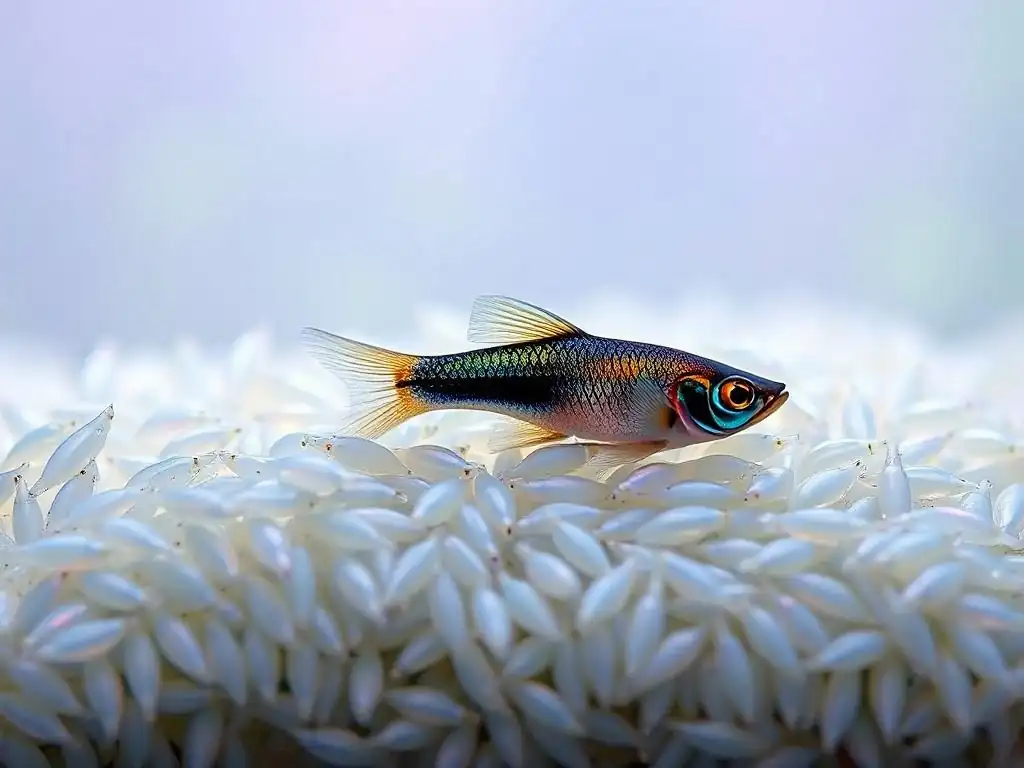
Diet and Nutrition: Fueling Tetra Breeding Success
While Tetra spawn water changes are an incredibly powerful trigger, a nutrient-rich and varied diet is equally crucial for conditioning fish for successful breeding. Prior to initiating any spawning attempts, it is essential to feed adult Tetras a diverse diet that is rich in high-quality protein. This should include live foods such as bloodworms, brine shrimp, and daphnia, as well as their frozen counterparts. Live foods, in particular, provide essential fats, vitamins, and amino acids that significantly promote gonad development and enhance fertility in both male and female fish.
Consistent feeding of these high-protein foods for at least 1-2 weeks before the intended spawning attempt dramatically improves the chances of success. For example, feeding adult Neon Tetras live brine shrimp twice daily for ten days can lead to visibly plumper females, indicating they are gravid and ready to spawn. A well-nourished fish is less stressed, exhibits more vibrant coloration, and is physiologically primed to respond effectively to environmental cues like the specific water change trigger.
Tank Setup and Decoration: Creating a Suitable Spawning Habitat
The physical setup of the breeding tank plays a very significant role in encouraging Tetra spawning. A dedicated breeding tank, typically ranging from 5 to 10 gallons, is highly recommended to prevent adult fish from consuming their own eggs and fry.
The tank should feature an appropriate spawning medium, such as dense clusters of fine-leaved plants (e.g., Java Moss, Hornwort, or Myriophyllum), a specialized spawning mop made of synthetic yarn, or a mesh grid positioned just above the bottom. These elements provide a safe and optimal place for eggs to land and develop, while simultaneously preventing adults from easily reaching and consuming them.
Dim lighting or even complete darkness for a period after the water change can also significantly encourage spawning, as many Tetra species are shy egg scatterers that prefer privacy and security during this vulnerable period. A bare bottom tank or one with a very thin layer of dark, fine gravel makes it considerably easier to spot and remove the transparent eggs after spawning. Gentle aeration, such as from a small air stone or a well-placed sponge filter, ensures adequate oxygenation without creating strong currents that could potentially harm delicate eggs or newly hatched fry.
Conclusion: Consistent Tetra Spawning Through Strategic Water Changes
The Key to Successful Tetra Breeding: Mastering the Water Change Trigger
Mastering the "water change trigger" is undeniably a cornerstone of successful Tetra breeding in the home aquarium. By meticulously replicating the sudden environmental shifts that occur in their natural flood plains—specifically, precise changes in temperature, pH, and hardness via strategic Tetra spawn water changes—aquarists can effectively cue their fish into spawning mode. This nuanced art involves not just the mechanical act of changing water, but a deep understanding of the intricate physiological responses these specific environmental changes elicit within the fish.
Consistent and knowledgeable application of these techniques, coupled with optimal nutrition and a meticulously prepared breeding environment, significantly increases the likelihood of prolific spawning. The ability to reliably induce Tetra spawning through carefully planned and executed water changes transforms the often-challenging endeavor of breeding these popular fish into a repeatable, rewarding experience for the dedicated aquarist, profoundly showcasing the impact of environmental mimicry on the life cycles of aquatic species.
Frequently Asked Questions
How often should I perform water changes to encourage Tetra spawning?
The frequency depends, but generally, small, frequent water changes are better than large, infrequent ones. Aim for 10-20% water changes every 2-3 days to mimic rainfall, a common trigger for spawning in many Tetra species.
What type of water is best for triggering Tetra spawns with water changes?
Use soft, slightly acidic water that closely matches the Tetra's natural habitat. Perform water changes with water that is slightly cooler than the aquarium water to further simulate rainfall conditions.
How do water changes affect the water chemistry in my Tetra tank?
Water changes help to maintain optimal water parameters such as pH, hardness, and nitrate levels. They also remove accumulated organic waste that can inhibit spawning behavior in Tetras.
Can performing too many water changes harm my Tetra spawn?
Yes, excessive or large water changes can stress the fish and disrupt the delicate balance of the tank. Stick to small, gradual changes to avoid shocking the Tetras and their potential eggs.
What else besides water changes encourages Tetra spawning?
Providing suitable spawning mops or plants, a darkened environment, and optimal water temperature are all important. Ensure the Tetras are well-fed with a varied diet to promote spawning readiness.
Final Reflection: Nurturing Life Through Change
The delicate dance of encouraging tetra spawns through strategic water changes, as explored in this article, highlights the profound connection between environmental manipulation and the flourishing of life. It's a reminder that even seemingly small adjustments can trigger significant biological responses, echoing the broader principles of ecological balance and the power of informed intervention.
The art of the "water change trigger" extends beyond the aquarium, serving as a metaphor for how we can consciously shape our own environments to foster growth and creativity. The best time to plant a tree was 20 years ago. The second best time is now.
This ancient proverb resonates deeply, reminding us that proactive change, however small, can yield remarkable results over time, whether in a glass tank or in the broader tapestry of our lives.
As you consider the principles outlined here, I invite you to reflect on the "water changes" you can implement in your own life. What subtle shifts in your environment, your routines, or your mindset might trigger a new bloom of creativity, a deeper connection with others, or a renewed sense of purpose? Embrace the power of intentional change, and watch as new life unfolds around you.
Unleash the Tetra Breeding Secrets!
Thank you for diving deep into the art of the water change trigger. We hope you’ve found these insights valuable for unlocking successful tetra spawns. Now, it's time to put knowledge into action!
Here are some actionable next steps:
- Implement your first water change trigger within the next week! Document the process and observe the results carefully.
- Explore other fishkeeping techniques on Aquarium Mastery's website by searching for keywords related to fish health and breeding.
- Share your experiences and any tips you've learned along the way in the comments below.
What specific water parameters will you monitor most closely during your next tetra breeding attempt?