
Royal Pleco Care: Majestic Beauty and Specialized Dietary Needs (Panaque nigrolineatus)

Welcome to Aquarium Mastery!
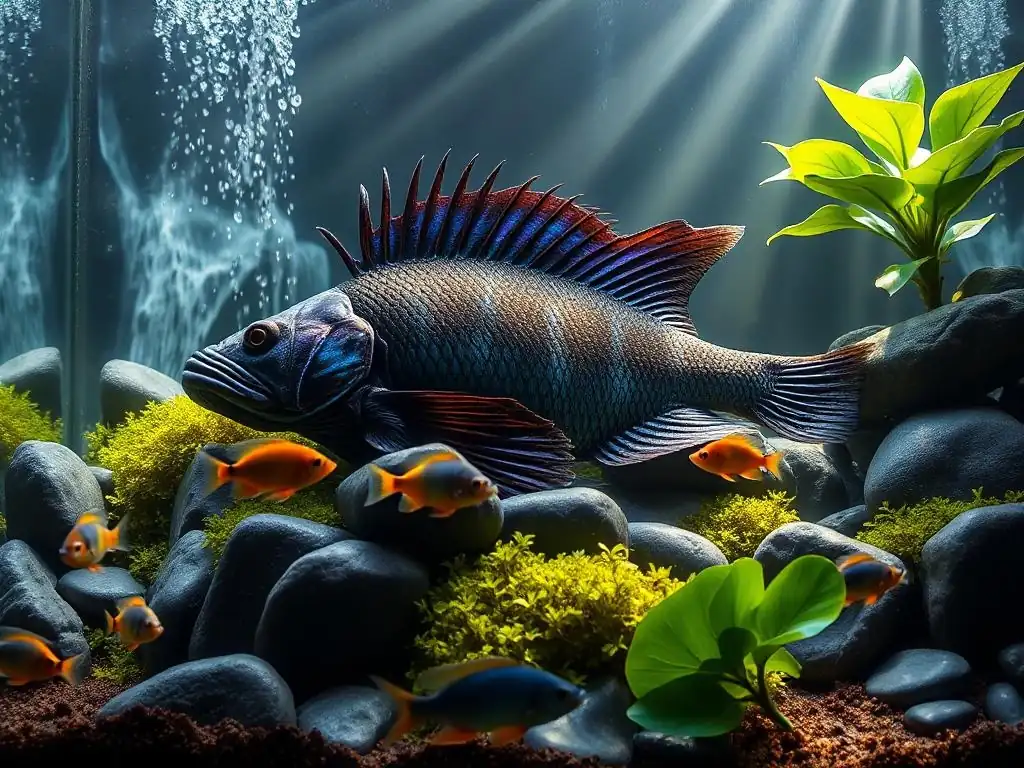
Ever been captivated by the regal beauty of a Royal Pleco? Panaque nigrolineatus is a truly magnificent fish, but beneath its stunning appearance lies a specific set of needs. Dive in and discover the secrets to Royal Pleco care diet and unlock the key to keeping this freshwater wonder thriving in your aquarium! What does it really take to provide the perfect diet for this majestic creature? Let's explore!
- Understanding the Royal Pleco: An Introduction to Panaque nigrolineatus
- The Ideal Royal Pleco Tank Setup: Recreating Their Natural Environment
-
Royal Pleco Diet: Meeting Their Specialized Nutritional Needs
- The Importance of Wood in the Royal Pleco Diet
- Royal Pleco Algae Consumption: How Much Do They Actually Eat?
- Supplementing the Royal Pleco Diet: Vegetables and Prepared Foods
- Royal Pleco Feeding Schedule: How Often and How Much to Feed
- Royal Pleco Diet and Water Quality: Maintaining a Healthy Balance
- Maintaining a Healthy Royal Pleco: Essential Care Tips
- Royal Pleco Breeding: Challenges and Possibilities
- Troubleshooting Common Royal Pleco Care Issues
- Royal Pleco Care: Advanced Techniques and Considerations
- Conclusion: Mastering Royal Pleco Care for a Thriving Aquarium
- Frequently Asked Questions
- Final Reflection: The Enduring Majesty of the Royal Pleco
- Embark on Your Royal Pleco Adventure!
Understanding the Royal Pleco: An Introduction to Panaque nigrolineatus
Identifying the Royal Pleco: Key Characteristics and Appearance
The Royal Pleco ( Panaque nigrolineatus) is instantly recognizable by its striking appearance, featuring a dark brown to black body adorned with distinctive golden or yellow stripes. These stripes can vary in pattern and intensity, sometimes appearing as intricate lines, reticulations, or even solid bands, giving each individual a unique aesthetic. Their large, powerful suckermouth is a defining characteristic, perfectly adapted for rasping wood and other surfaces, while their robust, armored body provides protection in their natural, fast-flowing river habitats.
Beyond their prominent stripes, Royal Plecos possess large, expressive eyes and a flattened ventral surface, allowing them to cling effectively to submerged objects. The intensity of their stripes can fluctuate based on the fish's mood, stress levels, and environmental conditions, sometimes appearing more vibrant or subdued. Variations within the species, such as L027, L190, and L330, often refer to different geographical forms with subtle distinctions in their stripe patterns and coloration.
Royal Pleco Size and Lifespan: What to Expect
Royal Plecos are among the larger species of Loricariidae, commonly reaching an impressive adult size of 16 to 24 inches (approximately 40 to 60 centimeters) in well-maintained home aquariums. While their growth rate can vary, many individuals will reach 10-12 inches within their first 2-3 years under optimal conditions, demonstrating a steady progression towards their substantial adult length. Their significant size necessitates a commitment to providing ample space and resources.
With proper Royal pleco care diet and pristine water conditions, these majestic fish can enjoy a remarkably long lifespan. It is not uncommon for Royal Plecos to live for 10 to 15 years in captivity, with some dedicated aquarists reporting individuals thriving for over 20 years. This longevity underscores the importance of consistent, high-quality care, including a specialized diet and stable environmental parameters, to ensure a healthy and enduring companion.
Natural Habitat and Behavior of Royal Plecos
Native to the swift-flowing rivers and tributaries of South America, particularly within the Orinoco and Amazon River basins, Royal Plecos are accustomed to environments rich in submerged driftwood and rocky structures. These areas provide not only shelter from strong currents but also a crucial food source. In their natural setting, they are primarily nocturnal, spending daylight hours hidden amongst the wood or rocks, emerging at night to forage.
Their behavior is intrinsically linked to their Royal pleco care diet, as their primary activity involves rasping on submerged wood. This xylophagous (wood-eating) behavior is essential for their digestion and overall well-being. While generally solitary, Royal Plecos can be territorial, especially towards other bottom-dwellers or plecos, defending their chosen hiding spots and food sources. Providing multiple secure retreats in the aquarium is vital to mitigate potential aggression and stress.
The Ideal Royal Pleco Tank Setup: Recreating Their Natural Environment
Royal Pleco Tank Size: Minimum Requirements for a Healthy Life
Given their potential adult size of up to 2 feet, Royal Plecos require substantial aquarium space to thrive. A single adult Royal Pleco should be housed in a tank no smaller than 125 gallons (approximately 473 liters). This minimum volume is crucial not just for their physical length, but also to provide adequate swimming space, multiple hiding spots, and to dilute the significant bioload produced by these large fish.
While 125 gallons is a baseline, a tank of 180 gallons or larger is highly recommended, particularly if considering tank mates or if the pleco reaches the upper end of its size range. The footprint of the tank (length and width) is often more important than its height for these bottom-dwelling fish, as it provides more surface area for foraging and territorial claims. Investing in a larger tank upfront will contribute significantly to the long-term health and happiness of your Royal Pleco.
Water Parameters for Royal Plecos: Temperature, pH, and Hardness
Maintaining stable and appropriate water parameters is paramount for Royal Pleco health. The ideal temperature range is between 75-82°F (24-28°C), replicating the warm waters of their native South American rivers. The pH should be slightly acidic to neutral, ranging from 6.5 to 7.5, and water hardness should be soft to moderately hard, typically between 5-15 dGH. Consistency in these parameters is often more critical than hitting exact numbers, as sudden fluctuations can induce significant stress.
Beyond temperature, pH, and hardness, excellent water quality is non-negotiable. Ammonia and nitrite levels must always be at zero, and nitrates should be kept consistently low, ideally below 20 ppm. The Royal Pleco's specialized Royal pleco care diet and subsequent waste production can rapidly degrade water quality, making robust filtration and diligent water testing essential to prevent harmful parameter shifts and maintain a healthy environment.
Substrate and Decor for Royal Plecos: Creating a Comfortable Habitat
For the substrate, a soft, fine material such as sand or smooth, small-grained gravel is ideal. This choice protects the Royal Pleco's delicate barbels, which they use to forage for food along the tank bottom. Sharp or abrasive substrates can cause injury and lead to infections, compromising their overall health and feeding behavior.
The most critical decor element for a Royal Pleco aquarium is an abundance of real driftwood. These fish are xylophagous, meaning wood is an indispensable part of their Royal pleco care diet. Provide several large pieces of cured driftwood (e.g., Mopani, Malaysian, or Cholla wood) that they can continuously rasp. Additionally, offer multiple caves or secure hiding spots using rocks, ceramic logs, or PVC pipes, ensuring these are stable and free of sharp edges to provide security and reduce stress for these naturally reclusive fish.
Royal Pleco Tank Mates: Choosing Compatible Species
When selecting tank mates for a Royal Pleco, prioritize peaceful, mid-to-upper water column fish that will not compete directly for bottom territory or food sources. Good choices include larger, robust tetras like Congo Tetras or Lemon Tetras, peaceful cichlids such as Severums or Angelfish, or sizable gouramis. Avoid any aggressive or fin-nipping species that could harass your pleco.
It is generally advised against housing Royal Plecos with other large pleco species or aggressive bottom-dwellers, as their territorial nature can lead to disputes over space and hiding spots. If keeping multiple plecos is desired, a significantly larger tank (e.g., 200+ gallons) with ample, distinct territories and visual breaks is essential to minimize aggression. Always ensure that all tank mates can tolerate the same water parameters and temperature range suitable for the Royal Pleco.
Royal Pleco Diet: Meeting Their Specialized Nutritional Needs
The Importance of Wood in the Royal Pleco Diet
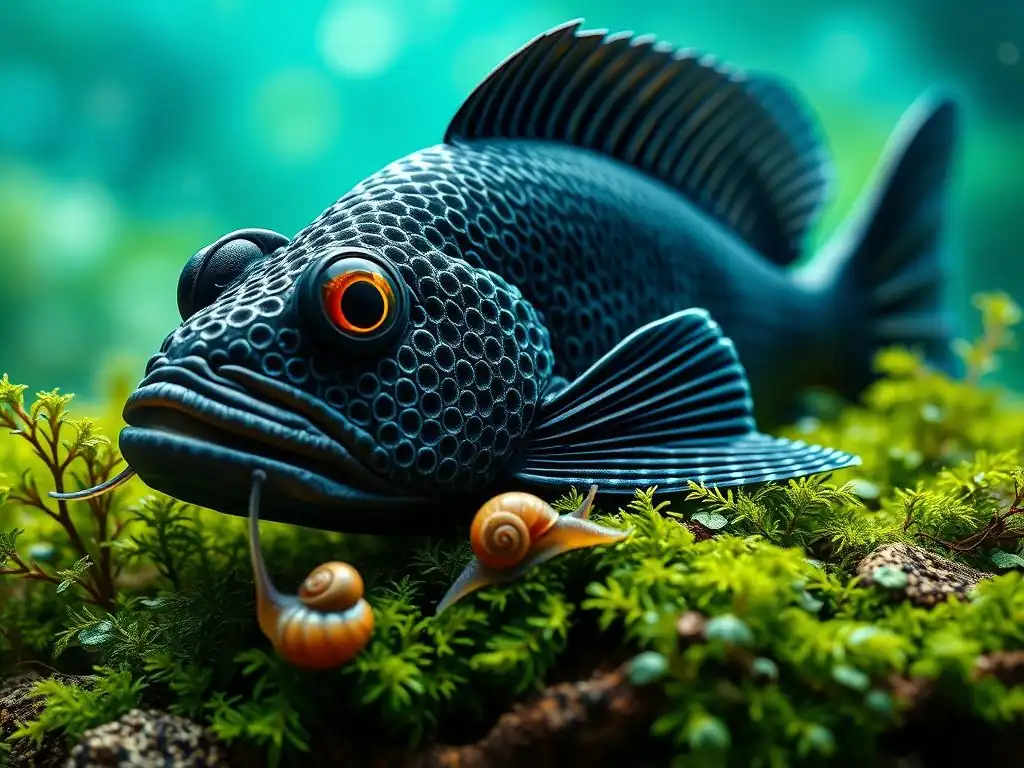
The most critical component of the Royal pleco care diet is wood. Unlike many other plecos that primarily consume algae, Panaque species are xylophagous, meaning they actively consume and digest wood. This isn't just for rasping; the cellulose and other compounds in the wood are vital for their digestive process and contribute significantly to their overall nutrition. In their natural habitat, wood can constitute well over 50-70% of their dietary intake.
Without a constant supply of suitable driftwood (such as Mopani, Malaysian, or Cholla wood), Royal Plecos can suffer from severe digestive issues, including bloat and malnutrition, which can ultimately lead to a weakened immune system and premature death. The wood serves as a crucial source of fiber and helps maintain a healthy gut flora. Therefore, ensuring multiple large pieces of cured, natural wood are always available in the tank is non-negotiable for a successful Royal pleco care diet.
Royal Pleco Algae Consumption: How Much Do They Actually Eat?
Despite often being generically labeled as "algae eaters" in the aquarium trade, Royal Plecos are not efficient algae consumers like many other Loricariid species. While they will rasp on surfaces and may ingest some biofilm and soft, green algae incidentally, it constitutes a very minor portion of their Royal pleco care diet. Their powerful rasping mouths are designed for grinding wood, not for meticulously cleaning algae from glass or plants.
Therefore, aquarists should never rely on a Royal Pleco to control significant algae growth in their tank. Expecting them to be primary algae cleaners will lead to an underfed and unhealthy fish, as their specialized nutritional needs will not be met. Dedicated feeding of wood, vegetables, and appropriate prepared foods is essential, as their contribution to algae control is minimal at best.
Supplementing the Royal Pleco Diet: Vegetables and Prepared Foods
To ensure a comprehensive Royal pleco care diet, supplemental foods, particularly blanched vegetables, are crucial. Offer a variety of blanched (softened by boiling) vegetables such as zucchini, cucumber, shelled peas, sweet potato slices, or romaine lettuce several times per week. These provide essential vitamins, minerals, and fiber that complement their wood consumption. Some plecos may show preferences, so experimentation is encouraged.
In addition to vegetables, high-quality sinking wafers or pellets specifically formulated for plecos should be included in their Royal pleco care diet. Look for products that are rich in spirulina or other plant-based ingredients. While primarily herbivorous, occasional small servings of protein, such as bloodworms or brine shrimp, can be offered sparingly, perhaps once a week, to provide a varied nutritional profile, though they are not a primary dietary component.
Royal Pleco Feeding Schedule: How Often and How Much to Feed
Royal Plecos are nocturnal feeders, so the best time to offer supplemental foods is typically in the evening or after the main aquarium lights have been turned off. This allows them to feed without competition from more active, diurnal tank mates and reduces stress. Aim to feed them once a day, ensuring that there is always plenty of wood available for continuous rasping.
The amount of food to offer depends on the individual pleco's size and appetite, but generally, provide enough food that it is consumed within a few hours to prevent excess waste and water fouling. Observe your pleco's condition; if it appears thin or listless, gradually increase the food. Conversely, if significant amounts of food are left uneaten, reduce the quantity. A consistent and appropriate Royal pleco care diet schedule is vital for maintaining their optimal health and vigor.
Royal Pleco Diet and Water Quality: Maintaining a Healthy Balance
The unique Royal pleco care diet, heavily reliant on wood and fibrous vegetables, has a significant impact on aquarium water quality. As they consume wood, they produce substantial amounts of fine wood particles and waste, which can quickly accumulate and degrade water parameters if not properly managed. This high bioload necessitates robust filtration and diligent maintenance.
Uneaten food, combined with the waste produced from their digestion of wood and vegetables, contributes to elevated levels of ammonia, nitrite, and nitrate. Regular and substantial water changes are therefore essential to remove these pollutants and maintain pristine conditions. A well-planned Royal pleco care diet must always be accompanied by a rigorous water quality management routine to prevent stress, illness, and ensure a healthy environment for your fish.
Maintaining a Healthy Royal Pleco: Essential Care Tips
Royal Pleco Water Changes: Frequency and Volume
To combat the significant bioload produced by Royal Plecos and maintain optimal water quality, frequent and substantial water changes are essential. For a tank housing an adult Royal Pleco, a minimum of 25-30% of the tank volume should be changed weekly. In situations with higher stocking densities, larger specimens, or if water parameters show rapid degradation, increasing this to 40-50% bi-weekly, or even more frequent smaller changes, may be necessary.
The purpose of these water changes is to dilute and remove accumulated nitrates, replenish essential trace minerals, and ensure overall water purity. Always use a reliable dechlorinator for tap water, and strive to match the temperature and pH of the fresh water as closely as possible to the tank water to prevent thermal or chemical shock to your pleco. Consistency in this routine is a cornerstone of effective Royal pleco care diet management and overall health.
Royal Pleco Tank Cleaning: Removing Debris and Waste
Beyond regular water changes, routine physical cleaning of the tank is crucial for a healthy Royal Pleco environment. Use an aquarium siphon to thoroughly vacuum the substrate, paying close attention to areas where uneaten food, wood particles, and fish waste tend to accumulate, particularly around driftwood and decor. This prevents the breakdown of organic matter, which can lead to elevated ammonia and nitrite levels.
While Royal Plecos aren't primary algae eaters, it's still important to clean tank glass or acrylic surfaces to maintain visibility and prevent excessive algae buildup. However, avoid over-cleaning all surfaces, as some beneficial biofilm and microscopic organisms that contribute to the Royal pleco care diet can grow on decor. A balance between cleanliness and preserving beneficial microbial life is key.
Monitoring Royal Pleco Health: Signs of Illness and Disease
A healthy Royal Pleco typically exhibits vibrant coloration, clear eyes, and active rasping behavior on driftwood. They should appear robust, with a firm body and strong attachment to surfaces using their suckermouth. Regular and consistent waste production, often visible as stringy, wood-laden feces, is also a sign of a healthy digestive system, indicating that their Royal pleco care diet is being processed effectively.
Any deviation from these normal behaviors or appearances can be an early indicator of stress or illness. Signs to watch for include lethargy, prolonged periods of hiding even at night, loss of appetite despite appropriate food offerings, dull or faded coloration, clamped fins, labored breathing, or the appearance of visible spots, lesions, or growths on their body. Prompt identification of these symptoms allows for quicker intervention and better chances of recovery.
Common Royal Pleco Diseases and Treatments: Prevention and Cure
Royal Plecos, like all fish, can be susceptible to common freshwater diseases such as Ich (white spot disease), fin rot, and various bacterial or fungal infections. However, most of these ailments are often secondary to underlying stressors like poor water quality, inadequate Royal pleco care diet, or an unsuitable environment. Prevention through meticulous tank maintenance and a balanced diet is by far the most effective strategy.
Should illness occur, immediate action is necessary. For external parasitic infections like Ich, treatments typically involve increasing the tank temperature gradually (if safe for tank mates) and using an appropriate Ich medication following package instructions. Bacterial infections and fin rot often respond to broad-spectrum antibiotics or antifungal treatments. Always diagnose carefully, isolate the affected fish if possible in a quarantine tank, and address any underlying water quality issues that may have contributed to the disease.
Royal Pleco Breeding: Challenges and Possibilities
Royal Pleco Sexing: Identifying Males and Females
Sexing Royal Plecos can be challenging, particularly when they are young, and often requires mature specimens for accurate identification. The most reliable indicator for distinguishing males from females is the development of odontodes, which are small, bristly growths. Mature males typically exhibit more pronounced odontodes on their pectoral fins and around their head, which are rougher and more numerous than those found on females.
Beyond odontodes, males may sometimes appear more slender or have a more pointed genital papilla compared to the broader, more rounded papilla of females. Behavioral cues can also offer hints, as males tend to be more territorial and may guard potential spawning sites, such as caves. However, definitive sexing often relies on a combination of these subtle physical and behavioral traits observed over time in mature individuals.
Creating Breeding Conditions for Royal Plecos
Breeding Royal Plecos in a home aquarium is a significant challenge, requiring very specific conditions and a dedicated setup. A very large aquarium, often 300 gallons (approximately 1135 liters) or more, is recommended for a breeding pair to provide ample space and reduce stress. The tank must be equipped with several large caves or hollow logs that mimic their natural spawning sites, as Royal Plecos are cave spawners.
Water parameters should be pristine and stable, often with a slight reduction in temperature or an increase in water flow to simulate seasonal changes that trigger spawning in their natural habitat. Conditioning the breeding pair with a high-quality, varied Royal pleco care diet is essential. This includes an abundance of wood, blanched vegetables, and an occasional increase in protein-rich foods like bloodworms to stimulate reproductive readiness.
Royal Pleco Fry Care: Raising Healthy Juveniles
Once Royal Pleco eggs hatch, the fry will initially subsist on their yolk sacs for the first few days. After the yolk sac is absorbed, providing appropriate food is critical for their survival and growth. Fine, soft wood (such as small pieces of cholla wood or very soft driftwood) should be continuously available, as it remains a fundamental part of their Royal pleco care diet even as juveniles.
Supplement this with finely crushed spirulina wafers, specialized pleco fry food, or blanched and finely chopped vegetables. Maintaining immaculate water quality is paramount for fry, requiring small, frequent water changes to prevent the buildup of nitrates and other pollutants. Providing numerous small hiding spots within the fry tank will help reduce stress and potential aggression among siblings, contributing to the healthy development of the vulnerable juveniles.
Troubleshooting Common Royal Pleco Care Issues
Royal Pleco Not Eating: Potential Causes and Solutions
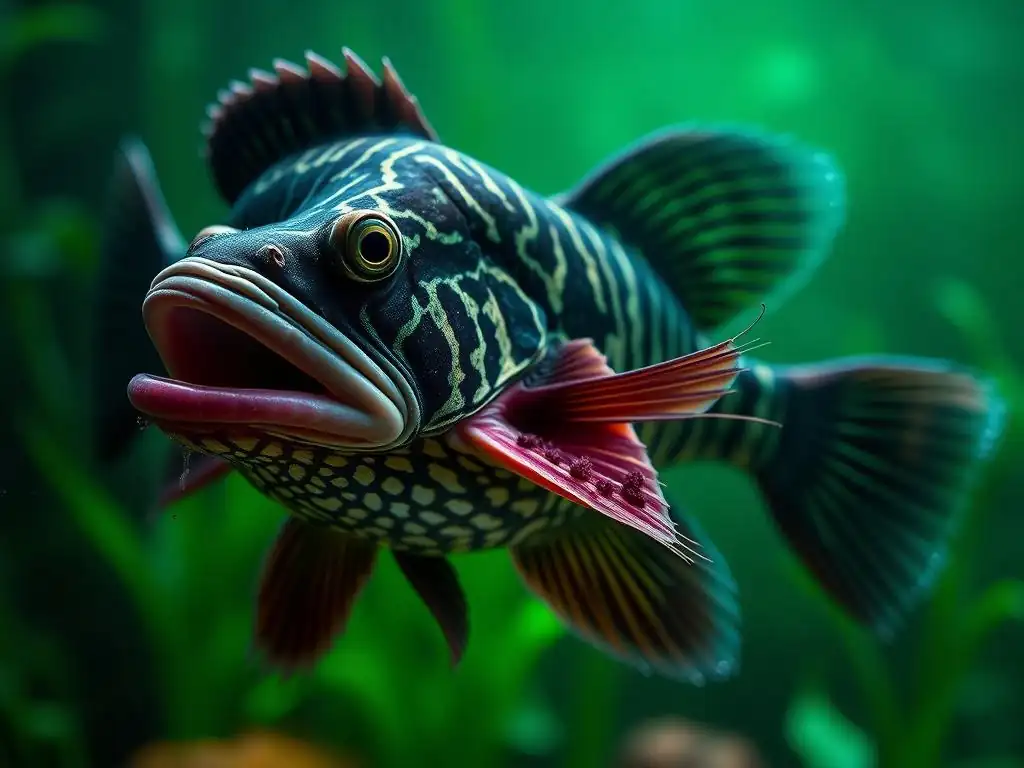
If your Royal Pleco is refusing food, several factors could be at play. The most common causes include stress due to poor water quality (e.g., high ammonia, nitrite, or nitrates), inadequate hiding spots, or aggressive tank mates. Illness or an insufficient amount of wood in their Royal pleco care diet are also significant contributors. The first step is always to test your water parameters immediately and correct any issues gradually.
Solutions involve ensuring there is always ample driftwood available for them to rasp, as this is their primary food source. Offer a wide variety of blanched vegetables and high-quality sinking pellets to entice them. Try feeding after the lights are out, as they are nocturnal and may feel more secure. If water parameters are within optimal range and tank mates are not an issue, observe for other signs of illness, and consider isolating the fish for closer monitoring if necessary.
Royal Pleco Hiding: Understanding Their Behavior
Royal Plecos are naturally nocturnal and reclusive, so it is entirely normal for them to spend most of the daylight hours hidden away in caves or amongst driftwood. Providing plenty of secure, dark hiding spots is crucial to accommodate this innate behavior and help them feel safe and reduce stress. If they do not have sufficient cover, they may become stressed and more prone to illness.
However, excessive or constant hiding, even at night, can be a red flag. If your Royal Pleco is rarely seen, even during feeding times, it could indicate stress, illness, or inappropriate tank conditions. Monitor for other symptoms like dull coloration, labored breathing, or lack of interest in their Royal pleco care diet. Ensure their environment is stable, water quality is pristine, and tank mates are not causing undue stress.
Royal Pleco Fin Rot: Diagnosis and Treatment
Fin rot in Royal Plecos manifests as frayed, tattered, discolored, or disintegrating fins, often with a white or reddish edge. It is primarily a bacterial infection, frequently triggered by poor water quality, physical injury, or chronic stress. When tank maintenance slips and water parameters deteriorate, the fish's immune system weakens, making it susceptible to opportunistic bacterial infections.
Treatment for fin rot involves immediate and aggressive water changes to improve water quality and remove pollutants. Aim for 30-50% daily or every-other-day water changes until symptoms improve. If the infection is severe, a broad-spectrum antibiotic medication designed for fin rot may be necessary. Simultaneously, address any underlying causes such as overcrowding, inadequate filtration, or an insufficient Royal pleco care diet that might be contributing to the fish's stress and susceptibility.
Royal Pleco Aggression: Managing Territorial Disputes
Royal Plecos can exhibit territorial aggression, particularly towards other bottom-dwelling fish, including other plecos or catfish species. This aggression is typically driven by competition for space, preferred hiding spots, or food resources. Nipping or chasing can occur, especially if the tank is too small or lacks sufficient visual breaks and individual territories.
To manage territorial disputes, ensure your aquarium is exceptionally large, providing ample space for each fish to establish its own territory. Provide numerous distinct hiding spots and driftwood pieces to create visual barriers. Avoid housing multiple Royal Plecos unless the tank is truly massive (e.g., 250+ gallons) with abundant individual retreats. Ensure that their Royal pleco care diet is consistently met, as hunger can exacerbate competition and aggression among tank inhabitants.
Royal Pleco Care: Advanced Techniques and Considerations
The Role of Biofilm in Royal Pleco Health
While wood is the cornerstone of the Royal pleco care diet, biofilm also plays a significant, albeit often overlooked, role in their overall health and nutrition. Biofilm is a complex matrix of microorganisms, including bacteria, algae, and fungi, that naturally grows on all submerged surfaces within an aquarium – glass, rocks, and especially driftwood. Royal Plecos constantly graze on these surfaces, consuming the biofilm as a supplementary food source.
This continuous grazing on biofilm provides a steady, low-level intake of various nutrients and aids in maintaining a healthy digestive system. Therefore, while regular cleaning is necessary, it's beneficial to allow some natural biofilm growth on non-essential surfaces, particularly on driftwood, as it offers an additional, consistent food source that complements their primary Royal pleco care diet. Avoid over-scrubbing every surface during tank maintenance.
The Importance of Proper Filtration for Royal Plecos
Due to their large size and specialized Royal pleco care diet (which results in a significant bioload and production of wood particles), Royal Plecos demand robust and efficient filtration. Canister filters are often the preferred choice for large pleco tanks due to their high capacity for mechanical, chemical, and biological media, allowing for comprehensive water purification.
Effective filtration involves all three types: mechanical filtration removes physical debris like uneaten food and wood particles; chemical filtration (e.g., activated carbon, though used sparingly to avoid removing beneficial elements) removes dissolved pollutants; and most importantly, biological filtration converts harmful ammonia and nitrite into less toxic nitrates. A strong biological filter is paramount for maintaining stable water parameters and preventing the accumulation of toxins that can stress your Royal Pleco.
Royal Pleco and Planted Aquariums: A Balancing Act
Integrating Royal Plecos into a heavily planted aquarium can be a challenging endeavor. While their Royal pleco care diet primarily consists of wood and vegetables, their powerful rasping mouths and large size can easily damage or uproot softer-leaved plants. They may also view some plant species as a food source, particularly if their primary dietary needs are not fully met.
If you wish to keep Royal Plecos in a planted tank, choose tough, robust plant species that are more resilient to their activities. Excellent choices include Anubias, Java Fern, Bolbitis, and larger Sword plants (e.g., Amazon Swords). Secure plants firmly to driftwood or rocks to prevent them from being dislodged. While some plant damage is almost inevitable with these powerful fish, ensuring a consistently rich and varied Royal pleco care diet can help minimize their inclination to graze on aquarium flora.
Conclusion: Mastering Royal Pleco Care for a Thriving Aquarium
Mastering Royal Pleco care involves a deep understanding of their unique needs, particularly their specialized Royal pleco care diet. These majestic catfish are not merely decorative additions but require a dedicated approach to husbandry, emphasizing a consistently large supply of driftwood as the cornerstone of their nutrition, supplemented by blanched vegetables and high-quality sinking foods. Their xylophagous nature sets them apart, making wood an indispensable element for their digestive health and overall well-being.
Beyond diet, providing an appropriately sized aquarium—no less than 125 gallons for an adult—with pristine water parameters, ample filtration, and numerous secure hiding spots is crucial for their long-term health and impressive lifespan, which can extend over 15 years. While challenging, meeting these specific requirements ensures that your Royal Pleco thrives, showcasing its stunning beauty and fascinating behaviors within a well-balanced and enriching aquarium environment.
Frequently Asked Questions
How difficult is it to care for a Royal Pleco?
Royal Plecos are considered moderately difficult to care for due to their specialized dietary needs and requirement for a large, well-maintained aquarium. Novice aquarists may find them challenging.
What is the ideal tank size for a Royal Pleco?
Due to their size and waste production, Royal Plecos require a large aquarium, ideally 125 gallons or larger. This ensures adequate swimming space and helps maintain water quality.
What should a Royal Pleco's diet primarily consist of?
Royal Plecos are wood-eaters (xylivores). Their diet should consist primarily of driftwood, supplemented with vegetables and occasional protein sources.
What water parameters are crucial for Royal Pleco health?
Maintaining stable water parameters is vital. Key parameters include a temperature between 73-82°F, pH between 6.5-7.5, and consistently low levels of nitrates.
What are some common health issues affecting Royal Plecos?
Common issues include malnutrition due to improper diet, bacterial infections from poor water quality, and parasitic infestations. Early detection and treatment are crucial.
Final Reflection: The Enduring Majesty of the Royal Pleco
The intricate details of Royal Pleco care, particularly their specialized dietary needs, highlight a crucial aspect of responsible aquarium keeping: understanding and respecting the unique requirements of each species. In a world increasingly focused on instant gratification, the commitment required to properly care for these majestic creatures serves as a powerful reminder of the dedication and patience needed to truly appreciate the natural world.
This deep dive into the Panaque nigrolineatus reveals more than just feeding schedules and tank parameters; it underscores the interconnectedness of life and the profound impact our choices have on the well-being of other beings. My own journey researching and writing this article has reinforced the importance of continuous learning and adapting our practices to better serve the animals in our care. As the renowned conservationist Jane Goodall wisely stated: You cannot get through a single day without having an impact on the world around you. What you do makes a difference, and you have to decide what kind of difference you want to make.
Now, I invite you to reflect on your own relationship with the natural world. Consider the responsibility that comes with caring for any living creature, and strive to deepen your understanding of their needs. By embracing a mindset of continuous learning and mindful action, you can contribute to a future where the majestic Royal Pleco, and all creatures great and small, thrive for generations to come.
Embark on Your Royal Pleco Adventure!
Thank you for diving into the fascinating world of Royal Plecos! We hope you've gained valuable insights into caring for these majestic creatures. Now, it's time to take the next step and create the perfect environment for your own Royal Pleco to thrive.
Here are some actionable steps you can take right now:
- Source driftwood from a local supplier and begin preparing it for your tank. This is the cornerstone of a Royal Pleco's diet and well-being.
- Explore online forums and connect with other Royal Pleco enthusiasts. Share your setup plans and learn from their experiences!
- Consider starting a small vegetable garden to supplement your Royal Pleco's diet with fresh, organic greens.
What creative driftwood arrangement are you envisioning for your Royal Pleco's habitat?