
Essential Plants for a Livebearer Tank: Beauty, Shelter, and Fry Food

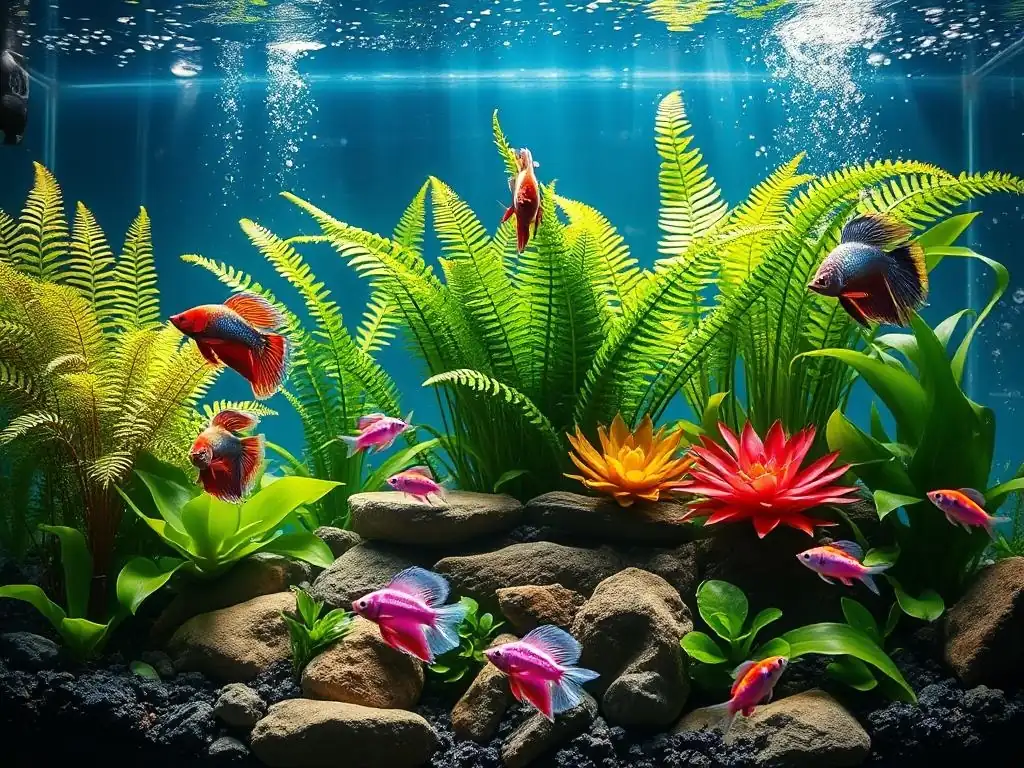
Welcome to Aquarium Mastery! Ever wondered how to create the perfect environment for your livebearers?
Dive in! This "Essential Plants for a Livebearer Tank" guide unlocks the secrets to a thriving ecosystem, providing not just beauty, but crucial shelter and even a tasty snack for your fry. Ready to transform your tank into a livebearer paradise? Let's explore the plants that will make it happen!
- Introduction: The Importance of Plants in a Livebearer Aquarium
-
Top Plant Choices for Your Livebearer Tank: A Comprehensive Guide
- Java Moss: The Versatile Livebearer Tank Plant
- Hornwort: Fast-Growing and Effective for Nitrate Reduction
- Anacharis (Elodea): A Budget-Friendly Option for Livebearer Tanks
- Water Sprite: Floating and Rooted Options for Livebearer Aquariums
- Duckweed: A Controversial but Nutritious Livebearer Food Source
- Planting and Maintaining Your Livebearer Tank Plants
- Plants to Avoid in a Livebearer Tank: Potential Problems
- Creating a Balanced Ecosystem: Livebearers and Plants Working Together
- Troubleshooting Common Plant Problems in Livebearer Tanks
- Conclusion: Enhancing Your Livebearer Aquarium with the Right Plants
-
Frequently Asked Questions
- What are the best plants for a livebearer tank, and why?
- How do plants benefit livebearer fry specifically?
- What water parameters are crucial for plant growth in a livebearer tank?
- How do I choose plants that are compatible with livebearers?
- What are some signs that my plants are not thriving in my livebearer tank, and how can I fix it?
- Final Reflection: Cultivating Life and Harmony
- Cultivate Your Livebearer Paradise!
Introduction: The Importance of Plants in a Livebearer Aquarium
Why Livebearer Tanks Benefit from Aquatic Plants
Aquatic plants are more than just aesthetic additions to a livebearer tank; they are fundamental components of a healthy and thriving ecosystem. For livebearers like guppies, mollies, and platies, which are known for their prolific breeding, plants provide crucial shelter. This cover is especially vital for newly born fry, offering immediate refuge from adult fish, including their own parents, who may view them as a food source. A densely planted livebearer tank significantly increases the survival rate of offspring, turning what might be a few survivors into dozens.
Beyond shelter, plants contribute to superior water quality, a critical factor for the well-being of livebearers. They absorb nitrates, phosphates, and other waste products produced by fish and decaying organic matter, acting as natural filters. This biofiltration helps maintain stable water parameters, reducing the frequency of large water changes and mitigating the risk of ammonia and nitrite spikes, which can be highly toxic to fish. For a robust livebearer tank plant guide, understanding these foundational benefits is key.
The Role of Plants in Guppy, Molly, and Platy Health
The presence of live plants profoundly impacts the physical and psychological health of guppies, mollies, and platies. These fish species, native to environments often rich in vegetation, naturally feel more secure and less stressed in a planted aquarium. The varied textures and hiding spots offered by plants reduce aggression among tank mates and provide areas for fish to rest and explore, mimicking their natural habitats. This reduction in stress is directly linked to a stronger immune system, making the fish less susceptible to common ailments like fin rot or ich.
Furthermore, plants offer a continuous source of supplemental food. Algae and biofilm that grow on plant surfaces provide grazing opportunities, supplementing their diet with essential nutrients. Some plants, particularly floating varieties, also host microscopic organisms known as infusoria, which are an ideal first food for tiny livebearer fry. This natural food source is invaluable for the initial growth and development of young fish, making a well-chosen livebearer tank plant guide indispensable for successful breeding.
Top Plant Choices for Your Livebearer Tank: A Comprehensive Guide
Java Moss: The Versatile Livebearer Tank Plant
Benefits of Java Moss for Fry Survival in Livebearer Tanks
Java moss (Taxiphyllum barbieri) is arguably one of the most popular and beneficial plants for any livebearer tank, especially for those aiming to breed fish successfully. Its dense, tangled structure creates an intricate network of hiding places that are perfectly suited for newly born livebearer fry. Within minutes of birth, the tiny fry can instinctively dart into the moss, finding immediate protection from hungry adult fish. This significantly increases their survival rate, often by 50% or more compared to tanks without adequate cover.
Beyond physical shelter, Java moss also acts as a natural incubator for infusoria and other microscopic organisms. These tiny creatures, invisible to the naked eye, serve as a crucial first food source for livebearer fry during their initial days when they are too small to consume conventional flake food. The moss's surface area provides a rich environment for these microorganisms to thrive, ensuring the fry have a readily available food supply, making it an essential component of a comprehensive livebearer tank plant guide.
Java Moss Care and Propagation in a Livebearer Aquarium
Java moss is renowned for its remarkable hardiness and adaptability, making it an excellent choice for aquarists of all experience levels in a livebearer tank. It thrives in a wide range of water parameters, tolerating temperatures from 20°C to 28°C (68°F to 82°F) and a pH range of 6.0 to 8.0, which aligns perfectly with the preferred conditions for most livebearers. This plant has very low light requirements, often flourishing even in dimly lit tanks, eliminating the need for expensive high-output lighting systems.
Propagation is incredibly simple: Java moss does not root into the substrate but attaches itself to surfaces like driftwood, rocks, or even filter intakes. To propagate, simply tear off a piece of the moss and attach it to a new surface using fishing line or super glue (cyanoacrylate gel). It will eventually grow and spread, creating a beautiful, naturalistic carpet or backdrop. Regular trimming, perhaps once every 4-6 weeks, is beneficial to prevent it from becoming too dense and trapping debris, ensuring its continued health and aesthetic appeal in your livebearer tank plant setup.
Hornwort: Fast-Growing and Effective for Nitrate Reduction
Hornwort as a Natural Water Purifier in Livebearer Setups
Hornwort (Ceratophyllum demersum) is a highly effective aquatic plant for livebearer tanks, primarily due to its incredibly rapid growth rate and exceptional ability to absorb excess nutrients. In an aquarium with a high bioload, typical of a livebearer tank due to their prolific breeding, nitrates can quickly accumulate. Hornwort acts as a powerful natural filter, efficiently pulling nitrates, phosphates, and other dissolved organic compounds directly from the water column. This rapid nutrient uptake helps to stabilize water parameters, reducing the frequency of necessary water changes and creating a healthier environment for guppies, mollies, and platies.
The swift growth of Hornwort also plays a significant role in algae control. By outcompeting nuisance algae for available nutrients, it helps to keep the tank cleaner and clearer, preventing unsightly green or brown algal blooms. A healthy, fast-growing Hornwort population can significantly reduce the need for chemical algae treatments, contributing to a more natural and stable livebearer tank plant ecosystem.
How to Grow Hornwort Successfully with Livebearers
Hornwort is one of the easiest plants to grow and maintain, making it an ideal choice for almost any livebearer tank. It is highly adaptable and can be either floated at the surface or loosely planted in the substrate. When floated, its dense stems create an excellent overhead canopy and provide immediate shelter for livebearer fry, similar to Java moss. If planted, it's best to simply weigh down a bundle of stems, as it doesn't develop true roots that anchor deeply. This flexibility makes it a versatile component in a livebearer tank plant guide.
This plant thrives in a wide temperature range, from 15°C to 30°C (59°F to 86°F), and tolerates various pH levels, making it compatible with the diverse needs of livebearers. While it can tolerate low light, moderate lighting will encourage faster, more robust growth. Due to its rapid growth, regular trimming, perhaps every 2-3 weeks, is necessary to prevent it from overwhelming the tank and shading out other plants. Simply snip off excess stems; these cuttings can often be replanted or floated to propagate new plants.
Anacharis (Elodea): A Budget-Friendly Option for Livebearer Tanks
Anacharis: Providing Oxygen and Shelter for Livebearers
Anacharis (Egeria densa or Elodea densa) is a highly popular and incredibly beneficial plant for livebearer tanks, known for its dense foliage and excellent oxygenating capabilities. Through photosynthesis, Anacharis releases a significant amount of oxygen into the water column, which is crucial for the respiration of fish and beneficial bacteria, especially in heavily stocked livebearer setups. This robust oxygen production contributes to a healthier, more stable aquatic environment, reducing the risk of oxygen depletion.
The thick, bushy stems and leaves of Anacharis also provide exceptional shelter for livebearer fry. Its dense structure offers numerous nooks and crannies where tiny fry can hide from adult fish, drastically increasing their chances of survival. Furthermore, the plant's surface provides a large area for biofilm and microscopic organisms to grow, offering a natural grazing ground and initial food source for the developing fry, making it a staple in any effective livebearer tank plant guide.
Maintaining Anacharis Health in a Livebearer Environment
Anacharis is a remarkably hardy and undemanding plant, making it a fantastic choice for beginner aquarists and busy livebearer enthusiasts. It can be easily grown either rooted in the substrate or left to float freely at the surface, where it will still provide excellent cover and filtration. While it tolerates a wide range of conditions, Anacharis generally prefers cooler temperatures, ideally between 18°C and 26°C (64°F to 79°F), though it can adapt to slightly warmer livebearer tank conditions.
This plant thrives under moderate lighting, but can also grow in lower light conditions, albeit at a slower pace. It absorbs nutrients directly from the water column, making it an effective nitrate reducer without requiring a nutrient-rich substrate. Propagation is straightforward: simply cut a healthy stem and replant it or let it float. Regular trimming every 3-4 weeks is recommended to manage its growth and prevent it from becoming too dense, ensuring light can still penetrate to lower levels of the tank and maintaining its health in a livebearer tank plant setup.
Water Sprite: Floating and Rooted Options for Livebearer Aquariums
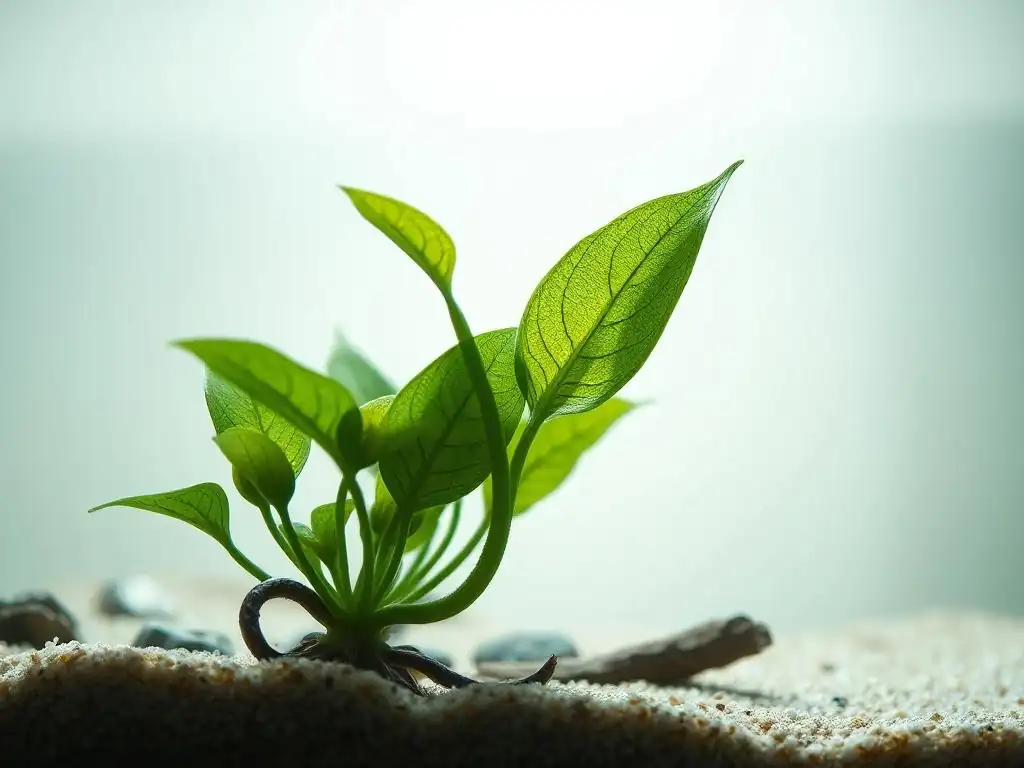
Water Sprite: A Natural Cover for Livebearer Fry
Water Sprite (Ceratopteris thalictroides) is an exceptionally versatile and attractive plant that offers significant benefits to a livebearer tank. Its delicate, feathery leaves form a dense, intricate network that provides outstanding cover for livebearer fry. Whether floating at the surface or rooted in the substrate, the bushy growth habit of Water Sprite creates numerous hiding spots, allowing newborn guppy, molly, or platy fry to escape predation from adult fish. This natural protection dramatically improves fry survival rates, making it an invaluable addition for breeding success.
In addition to shelter, Water Sprite is an excellent nutrient absorber, pulling nitrates and other waste products from the water column. Its rapid growth contributes to maintaining stable water parameters and can help suppress algae growth by outcompeting it for available nutrients. This dual benefit of providing cover and improving water quality makes it a highly recommended choice in a livebearer tank plant guide.
Care Tips for Water Sprite in a Livebearer Tank
Water Sprite is a relatively easy-to-care-for plant, making it suitable for a wide range of aquarists. It can be grown in two primary ways: floating or rooted. When floated, it develops a robust root system that dangles into the water, providing additional hiding places and a large surface area for nutrient absorption. If rooted, it requires a fine to medium-grained substrate, though it can also be tied to driftwood or rocks. It prefers moderate lighting, but can tolerate lower light levels, albeit with slower growth.
This plant thrives in temperatures between 20°C and 28°C (68°F and 82°F) and a pH range of 6.0 to 8.0, aligning well with typical livebearer conditions. Water Sprite is a heavy feeder from the water column, so occasional liquid fertilization with a general aquatic plant fertilizer can promote lusher growth, especially in tanks with lower fish loads. Regular trimming every 3-5 weeks is often necessary to manage its size and prevent it from completely shading the tank surface, ensuring it remains a beneficial and attractive part of your livebearer tank plant ecosystem.
Duckweed: A Controversial but Nutritious Livebearer Food Source
Duckweed: A Natural Food Source for Livebearer Fry and Adults
Duckweed (Lemna minor) is a tiny, free-floating aquatic plant that, despite its controversial reputation, can be a highly beneficial natural food source for livebearer fry and adults alike. Its small size makes it an ideal first food for the minuscule newborn fry, which can easily nibble on the individual fronds. For adult livebearers like guppies, mollies, and platies, duckweed provides a nutritious, high-protein supplement to their diet, often comprising around 35-45% protein on a dry weight basis, along with various vitamins and minerals.
Beyond its dietary benefits, duckweed also acts as a very efficient nutrient absorber, rapidly consuming nitrates and phosphates from the water column. This can significantly help in maintaining excellent water quality, especially in heavily stocked livebearer tanks prone to higher bioloads. Its presence can contribute to a more stable environment, reducing the need for frequent large water changes, solidifying its place in a comprehensive livebearer tank plant guide.
Managing Duckweed Growth in a Livebearer Aquarium
The primary challenge with duckweed is its incredibly rapid proliferation. Under optimal conditions, it can double its biomass in as little as 24-36 hours, quickly covering the entire water surface. While this provides excellent shade and nutrient absorption, it can block light from reaching other submerged plants and reduce gas exchange at the water surface, potentially impacting oxygen levels. Therefore, diligent management is crucial to harness its benefits without it becoming a nuisance.
To manage duckweed growth, regular skimming of the surface, typically daily or every other day, is necessary. A small net or even a piece of paper towel can be used to remove excess duckweed. Some aquarists create a designated "no-duckweed" zone using airline tubing or a floating barrier to ensure some light penetrates. Alternatively, introducing a surface skimmer to your filter system can effectively remove excess duckweed. Despite its maintenance demands, when managed properly, duckweed can be a valuable and natural addition to a livebearer tank plant setup.
Planting and Maintaining Your Livebearer Tank Plants
Substrate Choices for Livebearer Tank Plant Growth
The choice of substrate in a livebearer tank plays a significant role in the health and growth of rooted aquatic plants. While many popular livebearer tank plants, such as Java Moss and Hornwort, are column feeders and do not require a nutrient-rich substrate, others like Anacharis or Water Sprite can benefit from one if planted. For general purposes, an inert substrate like fine gravel or sand is perfectly suitable for most livebearer setups and provides a clean environment for the fish. A particle size of 2-3mm is often ideal, allowing plants to root without compacting too much.
For plants that are heavier root feeders, or if you desire lush growth without constant liquid fertilization, specialized aquatic plant substrates can be beneficial. These substrates, often clay-based or laterite-enriched, release essential nutrients slowly over time. Alternatively, one can cap a layer of nutrient-rich soil (like organic potting soil without perlite/vermiculite) with an inert gravel or sand layer of about 1-2 inches (2.5-5 cm) to prevent nutrient leaching into the water column. This strategic choice helps ensure a thriving livebearer tank plant environment.
Lighting Requirements for Optimal Plant Health in Livebearer Aquariums
Adequate lighting is a fundamental requirement for the photosynthesis and healthy growth of aquatic plants in a livebearer tank. Most of the recommended plants for livebearers, such as Java Moss, Hornwort, Anacharis, and Water Sprite, fall into the low to moderate light category, making them relatively easy to grow without specialized equipment. A general rule of thumb for low-light plants is around 10-20 lumens per liter (or 0.25-0.5 watts per liter with older fluorescent bulbs). Modern LED fixtures are highly efficient and provide excellent light spectrums for plant growth.
The duration of lighting, known as the photoperiod, is equally important. An ideal photoperiod for most planted livebearer tanks is typically 8 to 10 hours per day. Exceeding 10 hours can often lead to excessive algae growth, as algae are more efficient at utilizing light for growth than many slower-growing aquatic plants. Using a timer to ensure a consistent lighting schedule helps prevent algae outbreaks and promotes stable plant health, crucial for a balanced livebearer tank plant ecosystem.
Fertilizing Your Livebearer Tank Plants: A Balanced Approach
Fertilization is often necessary to ensure optimal growth and vibrant health for plants in a livebearer tank, especially as plants deplete available nutrients. However, a balanced approach is crucial, as livebearers, like many fish, can be sensitive to sudden changes in water chemistry or excessive nutrient levels. For plants that primarily absorb nutrients from the water column (like Java Moss, Hornwort, Anacharis, and Water Sprite when floating), liquid fertilizers are the most effective. These "all-in-one" liquid fertilizers provide a comprehensive blend of macronutrients (nitrogen, phosphorus, potassium) and micronutrients (iron, manganese, boron, etc. ).
When using liquid fertilizers, it's generally best to start with a lower dose than recommended on the product label, perhaps 50% of the suggested amount, and observe plant response. Increase gradually if signs of deficiency appear, such as yellowing leaves or stunted growth.
For rooted plants, root tabs, which are slow-release capsules inserted into the substrate near the plant's roots, can provide targeted nutrition without affecting water column parameters as much. Regular water changes, typically 25% weekly, also help to replenish trace elements and dilute any excess nutrients, maintaining a healthy balance for both livebearers and your livebearer tank plant collection.
Plants to Avoid in a Livebearer Tank: Potential Problems
Plants That Can Harm Livebearers or Their Fry
While most aquatic plants are beneficial, a few types or specific conditions related to plant care can pose risks in a livebearer tank. Plants with extremely sharp or rigid leaves, though rare, could potentially injure delicate fins of livebearers or snag small fry.
More commonly, plants that demand very specific or extreme water parameters, such as very soft, acidic water (e.g., some demanding Bucephalandra species or certain Cryptocoryne varieties that prefer lower pH), might not thrive or even survive in the harder, more alkaline water preferred by most livebearers. This mismatch can lead to plant melt and decay, negatively impacting water quality.
Furthermore, plants that require high levels of CO2 injection, like many advanced carpeting plants (e.g., Hemianthus callitrichoides 'Cuba'), can be problematic. While CO2 is essential for plant growth, improper dosing or equipment malfunction can lead to dangerously low oxygen levels for fish, or drastic pH swings that are highly stressful and potentially lethal for livebearers. For a safe livebearer tank plant guide, it's best to stick to plants that are compatible with their preferred water parameters and do not necessitate advanced, potentially risky, setups.
Plants That Are Difficult to Maintain in a Livebearer Setup
Some aquatic plants, while beautiful, are simply too demanding or high-maintenance for a typical livebearer tank setup, which often prioritizes ease of care and fish well-being. Plants requiring very high light intensity (e.g., most red plants or many carpeting plants) will struggle and likely melt in the moderate lighting usually provided for livebearers. This leads to nutrient leaching and potential algae issues. Similarly, plants that demand specific nutrient ratios or constant micro/macro dosing can be challenging to balance with the needs of livebearers, especially given their sensitivity to water parameter fluctuations.
Species that are very slow-growing might also struggle to compete with faster-growing algae in a nutrient-rich livebearer tank, becoming quickly covered and unhealthy. Examples might include some very delicate Cryptocoryne species that are prone to "melt" when conditions change, or certain types of Anubias that, while hardy, grow so slowly they are easily overgrown by algae if light and nutrient balance isn't perfect. For a practical livebearer tank plant guide, focusing on robust, adaptable, and easy-to-grow plants ensures a successful and enjoyable experience for the aquarist and fish alike.
Creating a Balanced Ecosystem: Livebearers and Plants Working Together
Choosing the Right Plant Combination for a Thriving Livebearer Tank
Creating a thriving livebearer tank involves selecting a diverse yet compatible array of plants that cater to both the aesthetic desires of the aquarist and the biological needs of the fish. A well-designed livebearer tank plant layout should include a mix of plant types to maximize benefits. Floating plants like Hornwort or Water Sprite (when floated) offer crucial overhead cover and shade, which reduces stress for livebearers and provides immediate refuge for fry. They also efficiently absorb nitrates directly from the water column.
Mid-ground and background plants, such as rooted Anacharis or larger clumps of Java Moss attached to driftwood, create dense hiding spots and visual barriers. These areas are essential for adult livebearers to establish territories or for less dominant fish to retreat, minimizing aggression.
For instance, a 20-gallon livebearer tank could effectively utilize a floating canopy of Hornwort, a dense thicket of Anacharis planted towards the back, and a few small Java Moss-covered rocks in the foreground. This layered approach ensures that all fish, from the smallest fry to the largest adult, have access to secure areas, contributing to a truly balanced livebearer tank plant ecosystem.
Maintaining Water Parameters for Both Livebearers and Plants
The success of a livebearer tank, particularly one featuring a vibrant plant collection, hinges on maintaining stable and appropriate water parameters that satisfy both fish and flora. Most popular livebearers, including guppies, mollies, and platies, thrive in moderately hard to hard water with a pH typically ranging from 7.0 to 8.0 and temperatures between 22°C and 28°C (72°F to 82°F). Fortunately, many of the recommended livebearer tank plants, such as Java Moss, Hornwort, Anacharis, and Water Sprite, are highly adaptable and flourish within these very same parameters.
Regular water testing for ammonia, nitrite, and nitrate is crucial to ensure water quality remains pristine. While plants absorb nitrates, weekly water changes of 25-30% are still recommended to replenish essential trace elements and remove accumulated organic waste. This consistent maintenance prevents parameter swings that could stress fish or cause plant deficiencies. Maintaining a steady temperature and avoiding sudden fluctuations are also vital, as both livebearers and their companion plants prefer stable conditions for optimal health and growth, underscoring the symbiotic relationship within a well-managed livebearer tank plant environment.
Troubleshooting Common Plant Problems in Livebearer Tanks
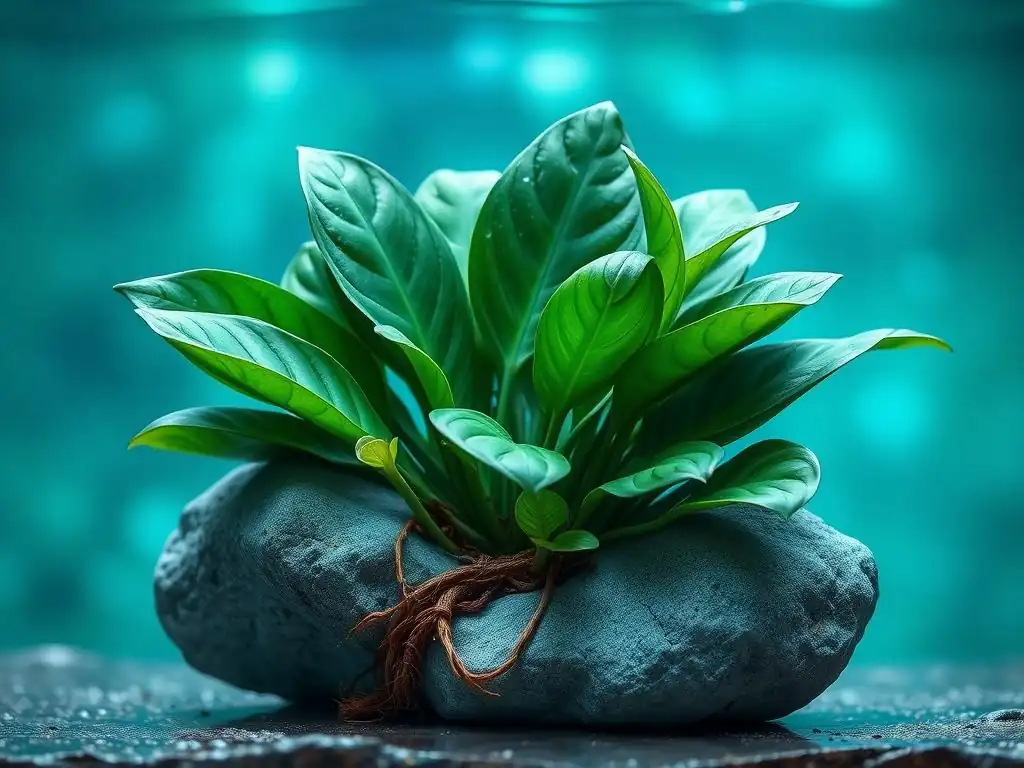
Identifying and Treating Plant Deficiencies in Livebearer Aquariums
Even in a well-maintained livebearer tank, plants can occasionally exhibit signs of nutrient deficiencies, which manifest as specific visual cues. For instance, yellowing or pale leaves, particularly on older growth, often indicate a lack of nitrogen, a vital macronutrient for overall plant health. If new growth appears stunted or leaves are distorted, it might point to a deficiency in micronutrients like iron, which is crucial for chlorophyll production, or potassium, essential for overall plant functions. Holes in leaves or browning edges can also signify potassium deficiency, a common issue in heavily planted tanks.
To address these issues in a livebearer tank plant setup, a systematic approach is best. First, confirm your lighting is adequate and consistent, as insufficient light can mimic nutrient deficiencies. If lighting is optimal, consider supplementing with a comprehensive liquid fertilizer that provides a full spectrum of macro and micronutrients. For specific deficiencies, targeted supplements (e.g., iron supplements for pale leaves) can be used, but always start with a reduced dose to avoid over-fertilization, which can harm fish or trigger algae blooms. Regular testing of water parameters and careful observation of your plants will guide your fertilization strategy.
Dealing with Algae Growth on Plants in a Livebearer Setup
Algae growth on plants is a common issue in livebearer tanks and often signals an imbalance in the aquarium ecosystem, rather than a problem with the plants themselves. Common culprits include excessive light duration or intensity, overfeeding livebearers, or insufficient nutrient uptake by plants due to a lack of plant mass or nutrient deficiencies. Green spot algae, for example, often indicates too much light, while hair algae can point to an imbalance in nitrates and phosphates. Brown diatom algae usually appears in new tanks with high silicates or insufficient light.
To combat algae on your livebearer tank plants, first, evaluate your lighting schedule; reducing it to 8-9 hours per day can often help. Ensure your filter is clean and functioning efficiently to remove organic waste. Increase the density of healthy, fast-growing aquatic plants like Hornwort or Anacharis, as they will outcompete algae for available nutrients.
Manual removal of algae from plant leaves is also effective, using a soft brush or your fingers. Introducing algae-eating invertebrates, such as Nerite snails or Amano shrimp (if compatible with your livebearers), can also provide a natural solution, helping to maintain a clean and healthy livebearer tank plant environment.
Conclusion: Enhancing Your Livebearer Aquarium with the Right Plants
Incorporating the right aquatic plants into your livebearer tank is more than just an aesthetic choice; it's a fundamental step towards creating a vibrant, self-sustaining ecosystem that benefits both your fish and your overall aquarium health. As this livebearer tank plant guide illustrates, plants provide invaluable shelter for prolific livebearer fry, significantly boosting their survival rates. They act as natural filters, improving water quality by absorbing harmful nitrates and phosphates, thereby reducing the workload of your filtration system and the frequency of water changes.
Beyond these practical advantages, plants offer a natural food source for grazing, reduce stress in fish by mimicking their natural habitat, and contribute to the overall beauty and tranquility of your aquarium. By choosing hardy, adaptable species like Java Moss, Hornwort, Anacharis, Water Sprite, and even carefully managed Duckweed, you can establish a thriving planted livebearer tank with relative ease. A well-planted livebearer tank is not just a tank with fish; it's a dynamic, living display that continuously evolves, providing endless fascination and a healthier home for your beloved guppies, mollies, and platies.
Frequently Asked Questions
What are the best plants for a livebearer tank, and why?
The best plants provide shelter for fry, offer aesthetic appeal, and can even be a food source. Java moss, hornwort, and water sprite are excellent choices.
How do plants benefit livebearer fry specifically?
Plants offer crucial hiding places, protecting vulnerable fry from being eaten by adult fish. They also provide a surface for biofilm growth, a valuable food source for young fish.
What water parameters are crucial for plant growth in a livebearer tank?
Maintaining proper lighting, providing CO2 (if needed), and ensuring sufficient nutrients (through fertilizers) are essential for healthy plant growth. Regular water changes also help.
How do I choose plants that are compatible with livebearers?
Opt for plants that are durable and can tolerate the relatively harder water conditions favored by many livebearer species. Avoid delicate or easily uprooted plants.
What are some signs that my plants are not thriving in my livebearer tank, and how can I fix it?
Signs include yellowing leaves, stunted growth, and algae overgrowth. Solutions involve adjusting lighting, adding fertilizers, and improving water circulation.
Final Reflection: Cultivating Life and Harmony
The journey through selecting the right plants for a livebearer tank extends far beyond mere aesthetics; it becomes an act of creating a thriving ecosystem. Understanding the delicate balance required to support these vibrant fish highlights the interconnectedness of all living things within a closed environment, a microcosm reflecting the larger world around us.
This exploration has underscored how profoundly plants shape the aquatic landscape and the lives within it. Witnessing the growth of these underwater gardens, the shelter they provide, and the sustenance they offer, fosters a deeper appreciation for the natural world. The best time to plant a tree was 20 years ago. The second best time is now.
This ancient proverb resonates deeply, reminding us that cultivating life, whether in a tank or beyond, is an investment in the future.
Now, consider the lessons learned. How can you apply this understanding of balance and nurturing to other aspects of your life? Embrace the opportunity to cultivate your own "ecosystem," whether it's a garden, a community, or even your own inner world. Let the principles of providing shelter, sustenance, and beauty guide your actions, creating a more harmonious and flourishing existence for yourself and those around you.
Cultivate Your Livebearer Paradise!
Thank you for exploring the world of livebearer aquariums! We hope you’ve found some inspiring ideas to enhance your underwater world. Now, it's time to bring your vision to life and create a thriving ecosystem for your finned friends.
Here's how you can take the next step:
- Introduce plants from our list into your aquarium. Carefully select plants that match your tank size, lighting, and water parameters. This is the most direct action you can take to replicate the benefits discussed.
- Dive deeper and research companion plants that complement your chosen species, considering factors such as growth rate and nutrient needs.
- Share photos of your aquascape on social media using #AquariumMasteryPlants, and inspire fellow aquarists with your aquatic artistry!
Ready to transform your tank into a vibrant haven for your livebearers?