
The Best Rasboras for Planted Nano Tanks: Tiny Fish, Big Appeal

Welcome to Aquarium Mastery!
Ever wondered how to create a mesmerizing underwater world within the confines of a nano tank? Dive in and discover the secrets to thriving ecosystems starring some of the most captivating inhabitants imaginable. Today, we're exploring the vibrant world of Rasboras planted nano tanks: Which tiny gems are perfectly suited for your miniature Eden, and how can you ensure they flourish? Let's unlock the potential of these captivating creatures and transform your nano tank into a breathtaking aquatic masterpiece.
- Introduction: Why Rasboras Thrive in Planted Nano Aquariums
-
Top Rasbora Species for Planted Nano Tanks: A Detailed Guide
- Chili Rasbora (Boraras brigittae): The Scarlet Gem of Nano Tanks
- Mosquito Rasbora (Boraras maculatus): Tiny Size, Big Personality
- Exclamation Point Rasbora (Boraras urophthalmoides): A Unique Addition
- Phoenix Rasbora (Boraras merah): Fiery Colors for Planted Aquascapes
- Espei Rasbora (Trigonostigma espei): The Lambchop Rasbora
- Setting Up the Perfect Planted Nano Tank for Rasboras
- Plant Selection for Rasbora Nano Tanks: Creating a Balanced Ecosystem
- Feeding Rasboras in Planted Nano Tanks: Ensuring Optimal Nutrition
- Maintaining a Healthy Planted Nano Tank for Rasboras
- Conclusion: Enjoying the Beauty of Rasboras in Your Planted Nano Tank
-
Frequently Asked Questions
- What makes Rasboras a good choice for planted nano tanks?
- Which Rasbora species are best suited for a planted nano tank environment?
- What are the key water parameters to consider when keeping Rasboras in a planted nano tank?
- How many Rasboras should I keep in a planted nano tank?
- What type of plants are most beneficial for Rasboras in a planted nano tank?
- Final Reflection: Tiny Wonders, Enduring Appeal
- Transform Your Nano Tank Today!
Introduction: Why Rasboras Thrive in Planted Nano Aquariums
Exploring the Popularity of Nano Tanks for Aquascaping
The world of aquascaping has seen a significant surge in the popularity of nano tanks over the last decade. These compact aquatic environments, typically ranging from 5 to 20 gallons, offer a unique opportunity to create intricate, miniature underwater landscapes without requiring extensive space. Their appeal lies in their ability to fit into smaller living areas, making them accessible to city dwellers or those with limited room, while still providing a captivating focal point that can be meticulously detailed.
Beyond their space-saving advantage, nano tanks allow aquarists to focus on the artistic elements of aquascaping, from precise plant placement to the careful selection of hardscape materials like driftwood and rocks. This focused approach often leads to stunning, highly detailed setups that can be more easily maintained in terms of aesthetic design than larger tanks. The challenge and reward of balancing a thriving ecosystem in a smaller volume also contribute to their growing allure among enthusiasts.
The Benefits of Choosing Rasboras for Small Planted Setups
When considering inhabitants for a small planted aquarium, Rasboras stand out as an exceptional choice. Their diminutive size, with many species staying under an inch, ensures that even a small school of 6-10 fish can comfortably inhabit a 5 to 10-gallon tank without overcrowding. This minimal bioload is crucial for maintaining stable water parameters in smaller volumes, reducing the frequency of large water changes and making the tank easier to manage for beginners and experienced aquarists alike.
Furthermore, most Rasbora species exhibit a peaceful temperament and strong schooling behavior, which is visually appealing in a planted setup. They are not prone to nipping fins or harassing other tank inhabitants, making them ideal companions for delicate invertebrates like Neocaridina shrimp or other peaceful micro-fish. Their calm demeanor ensures they won't uproot or damage the carefully arranged live plants, preserving the integrity of your aquascape.
Understanding the Compatibility of Rasboras with Live Aquarium Plants
The compatibility of Rasboras with live aquarium plants is one of their most significant advantages for nano tank enthusiasts. Many popular Rasbora species, particularly those from the Boraras genus, originate from blackwater environments in Southeast Asia, characterized by dense vegetation, leaf litter, and slow-moving, tannin-stained waters. Recreating these conditions with a heavily planted tank provides them with a sense of security and numerous hiding spots, which in turn reduces stress and encourages their natural schooling behaviors.
Live plants also play a vital role in maintaining the pristine water quality that Rasboras require. They absorb nitrates, produce oxygen, and provide surfaces for beneficial biofilm to grow, which can serve as a supplemental food source for these tiny omnivores. This symbiotic relationship creates a balanced and thriving ecosystem where both the fish and the plants flourish, making Rasboras a quintessential choice for Rasboras planted nano tanks.
Top Rasbora Species for Planted Nano Tanks: A Detailed Guide
Chili Rasbora (Boraras brigittae): The Scarlet Gem of Nano Tanks
The Chili Rasbora, also known as the Mosquito Rasbora or Brigittae Rasbora, is perhaps the most popular choice for nano planted tanks due to its incredibly vibrant scarlet red coloration and minute size, typically reaching only about 0.7 inches (1.8 cm) in length. Native to the peat swamps and blackwater streams of Borneo, Indonesia, these tiny fish are truly living jewels that add a striking splash of color to any aquascape. Their peaceful nature and tight schooling behavior make them a captivating focal point in a small setup.
Despite their small stature, Chili Rasboras are quite hardy once established in a mature, stable aquarium. They are best kept in schools of at least 8-10 individuals, as this enhances their confidence and allows their natural schooling dynamics to be observed. In a well-designed planted nano tank, their brilliant red hues contrast beautifully with the lush green foliage, creating a visually stunning display that belies the tank's small footprint.
Chili Rasbora Care Requirements for Planted Nano Aquariums
Chili Rasboras thrive in soft, acidic water conditions, mirroring their natural blackwater habitats. Optimal water parameters include a pH range of 4.0-7.0, a general hardness (GH) of 3-10 dGH, and a temperature range of 72-80°F (22-27°C). Stability in these parameters is far more critical than hitting exact numbers, especially in smaller nano tanks where fluctuations can occur rapidly. Regular, small water changes are essential to maintain water quality.
For a thriving environment, a planted nano tank for Chili Rasboras should feature dense planting with fine-leaved plants such as Java Moss, Guppy Grass, or various species of Rotala. A dark substrate, like black sand or aqua soil, not only enhances their coloration but also provides a naturalistic feel. Adding Indian Almond leaves or small pieces of driftwood can introduce beneficial tannins, further mimicking their blackwater origins and providing additional hiding spots and a source of infusoria.
Ideal Tank Mates for Chili Rasboras in a Nano Setting
Given their extremely small size and timid nature, selecting appropriate tank mates for Chili Rasboras is crucial to prevent stress and ensure their well-being. The best companions are other equally peaceful and diminutive species that will not outcompete them for food or intimidate them. Pygmy Corydoras (Corydoras pygmaeus or habrosus), Otocinclus catfish, and various species of Neocaridina shrimp (like Cherry Shrimp) are excellent choices.
It is generally recommended to avoid any fish species larger than 1.5 inches or those known for even slight aggression or boisterous activity. In a nano tank, a larger school of Chili Rasboras (e.g., 12-15 individuals in a 10-gallon tank) is often preferable to a diverse mix of species, as it allows them to exhibit their most natural schooling behaviors and reduces overall stress. This also maintains the low bioload essential for a successful Rasboras planted nano tank.
Enhancing Chili Rasbora Coloration with Planted Environments
The vibrant coloration of Chili Rasboras is significantly influenced by their environment and diet. A densely planted tank with a dark substrate and dim lighting plays a pivotal role in bringing out their most intense scarlet hues. The presence of numerous hiding spots provided by plants makes them feel secure, which reduces stress and allows their natural colors to develop fully. Floating plants, such as Dwarf Water Lettuce or Frogbit, can help diffuse overhead light, creating the subdued environment they prefer.
Furthermore, a high-quality diet rich in carotenoids and varied with live or frozen foods (like daphnia, cyclops, or newly hatched brine shrimp) contributes immensely to their color vibrancy. When these environmental and nutritional factors are met, Chili Rasboras will display their most brilliant red, transforming a simple Rasboras planted nano tank into a living canvas of vibrant life.
Mosquito Rasbora (Boraras maculatus): Tiny Size, Big Personality
The Mosquito Rasbora, Boraras maculatus, is another excellent candidate for planted nano tanks, closely related to the Chili Rasbora but distinguished by its unique pattern. Growing to approximately 0.8 inches (2 cm), these fish typically display a reddish-brown body adorned with distinct black spots, often resembling small, scattered ink blots. They are native to the slow-moving, heavily vegetated waters of Southeast Asia, including parts of Malaysia, Singapore, and Sumatra.
Despite their minuscule size, Mosquito Rasboras possess a surprisingly engaging personality, actively exploring their environment and exhibiting dynamic schooling behaviors. Their subtle yet charming coloration and peaceful demeanor make them a delightful addition to any small, tranquil aquascape. Like other Boraras species, they thrive when kept in groups of at least 8-10 individuals, which encourages their natural social interactions and reduces shyness.
Mosquito Rasbora Temperament and Schooling Behavior in Planted Tanks
Mosquito Rasboras are renowned for their peaceful and somewhat timid temperament. They are dedicated schoolers, often forming tight clusters, especially when they feel insecure or are new to an environment. This schooling behavior is most pronounced and visually appealing in heavily planted tanks, where the abundance of foliage provides ample hiding spots and a sense of security. They will dart in and out of the plants, creating a dynamic display within the aquascape.
Their non-aggressive nature means they will not bother other small, peaceful fish or invertebrates. However, their timidness also means they can easily be stressed by larger, more active, or boisterous tank mates. A dedicated Rasboras planted nano tank or a carefully chosen community of equally small and calm species offers the best environment for Mosquito Rasboras to truly flourish and exhibit their natural behaviors without undue stress.
Optimal Water Parameters for Mosquito Rasboras in Nano Aquariums
Similar to their Boraras cousins, Mosquito Rasboras prefer soft, acidic water conditions that mimic their native blackwater habitats. The ideal pH range for these fish is between 4.5 and 7.0, with a general hardness (GH) of 2-8 dGH. The water temperature should be maintained between 72-80°F (22-27°C). Consistency in these parameters is paramount, as rapid fluctuations can be detrimental, especially in the limited volume of a nano tank.
Maintaining pristine water quality is crucial for the health of Mosquito Rasboras. This involves regular, small water changes (e.g., 20% weekly) to prevent the buildup of nitrates and replenish essential minerals. A gentle filtration system, such as a sponge filter, is highly recommended to avoid strong currents that can stress these small fish, ensuring a calm and stable environment in their Rasboras planted nano tank.
Breeding Mosquito Rasboras in Planted Nano Tanks: A Beginner's Guide
Breeding Mosquito Rasboras in a planted nano tank can be a rewarding experience for beginners, as they are egg scatterers and do not require extensive preparation beyond a suitable environment. To encourage spawning, provide plenty of fine-leaved plants like Java moss, spawning mops, or dense clumps of Riccia fluitans, where the fish can deposit their tiny, non-adhesive eggs. Dim lighting and slightly softer, more acidic water can also stimulate breeding behavior.
Once eggs are observed, it is often best to remove the adult fish to prevent them from consuming the eggs or fry, or to set up a dedicated breeding tank. The fry are extremely small and will initially require infusoria or liquid fry food for the first few days, followed by newly hatched brine shrimp or microworms as they grow. Success rates for breeding Mosquito Rasboras are significantly higher in a well-established, stable planted setup that offers both cover and appropriate food sources.
Exclamation Point Rasbora (Boraras urophthalmoides): A Unique Addition
The Exclamation Point Rasbora, Boraras urophthalmoides, is a captivating and somewhat lesser-known member of the Boraras genus, making it a unique and charming addition to Rasboras planted nano tanks. Growing to a maximum size of about 0.8 inches (2 cm), this species is distinguished by a prominent black spot at the base of its caudal fin, often accompanied by a faint reddish or orange stripe along its body, creating the appearance of an exclamation point. They originate from slow-moving, heavily vegetated waters in Thailand and Cambodia.
While not as intensely red as Chili Rasboras, their subtle coloration and distinctive marking offer a different kind of aesthetic appeal. They are peaceful and active schoolers, providing constant movement and interest within a small aquascape. Their unique appearance makes them a fantastic choice for aquarists looking for something a bit different but equally suitable for compact, planted environments.
Exclamation Point Rasbora's Distinctive Markings and Appearance
The most striking feature of the Exclamation Point Rasbora is undoubtedly the bold, black mark at the base of its tail, which gives the fish its common name. This "exclamation point" is typically oval or tear-drop shaped and contrasts sharply with the fish's body color. The body itself can range from a silvery translucent to a light reddish-brown, depending on the fish's mood, diet, and water parameters. A subtle, iridescent line often runs horizontally along their flanks, catching the light as they swim.
In a well-maintained, blackwater-style planted tank, their colors can become more pronounced, with the reddish hues intensifying and the distinctive marking becoming even more prominent. The interaction of their delicate patterns with the intricate details of a lush planted environment creates a harmonious and visually engaging display.
Feeding and Nutrition for Exclamation Point Rasboras in Planted Setups
Exclamation Point Rasboras are omnivores with a preference for small, live or frozen foods, reflecting their natural diet of tiny invertebrates and zooplankton. In the aquarium, a high-quality diet consisting of micro-pellets or finely crushed flakes should be offered as a staple. To ensure optimal health and coloration, this should be supplemented with a variety of small live or frozen foods such as cyclops, daphnia, newly hatched brine shrimp, and microworms.
Due to their tiny mouths and metabolic rate, it is best to feed them small amounts multiple times a day rather than one large meal. This prevents food from decaying and fouling the water, which is particularly important in a nano tank where water quality can degrade rapidly. Ensuring the food particles are small enough for them to consume easily will promote proper nutrition and reduce waste.
Creating a Suitable Habitat for Exclamation Point Rasboras
To create an ideal habitat for Exclamation Point Rasboras, a minimum 5-gallon tank is recommended for a school of 6-8 individuals. The tank should be densely planted, mimicking their natural environment with plenty of cover and shaded areas. Fine-leaved plants like various mosses (e.g., Java moss, Christmas moss), Rotala species, and stem plants provide excellent hiding spots and foraging grounds.
Incorporating elements like small pieces of driftwood and leaf litter (such as Indian Almond leaves) will help create a blackwater effect, releasing beneficial tannins that can lower pH and provide natural antibacterial properties. This not only enhances their coloration but also creates a more natural and stress-free environment, allowing these unique Rasboras to thrive in their Rasboras planted nano tank.
Phoenix Rasbora (Boraras merah): Fiery Colors for Planted Aquascapes
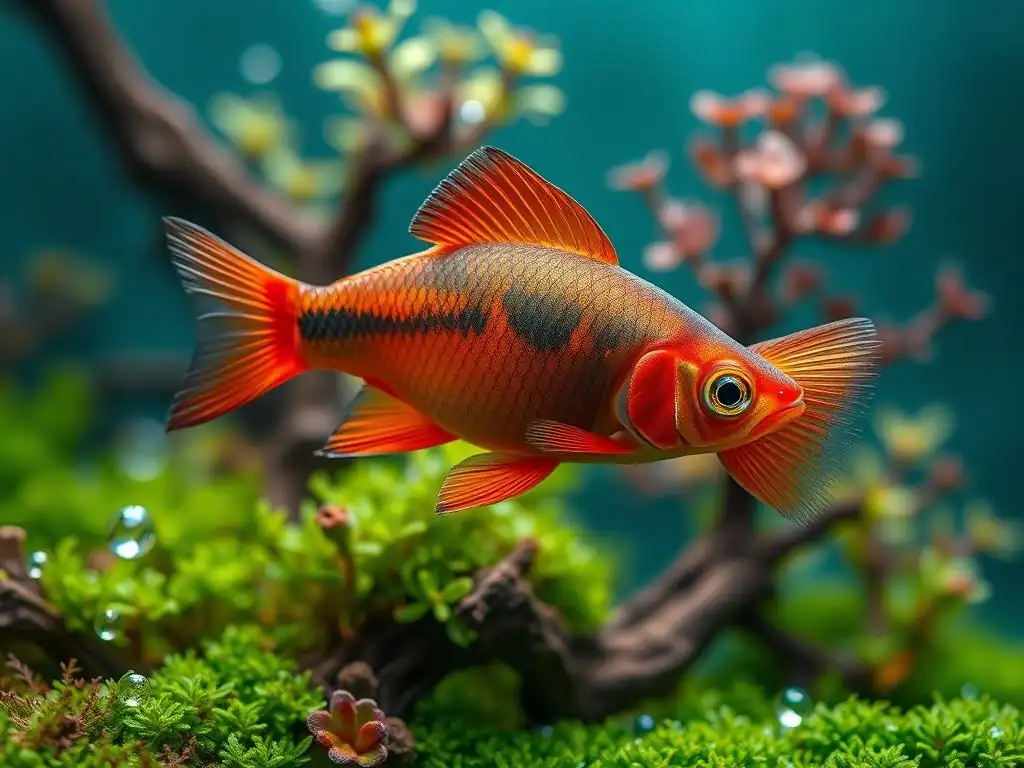
The Phoenix Rasbora, Boraras merah, is a captivating species renowned for its intense orange-red coloration, making it a true "fiery" gem for Rasboras planted nano tanks. Reaching a size of approximately 0.7 inches (1.8 cm), this fish is native to the peat swamp forests and blackwater streams of Kalimantan, Indonesia. While often confused with the Chili Rasbora ( Boraras brigittae), the Phoenix Rasbora typically exhibits a more solid, deeper red body with a distinct, often elongated black spot on its side, whereas the Chili Rasbora often has a more broken lateral line pattern.
Their striking color, combined with their peaceful disposition and active schooling behavior, makes them a highly sought-after species for aquascapers and nano tank enthusiasts. When kept in a well-established planted environment, their vibrant hues truly come alive, adding a dynamic and beautiful element to the miniature underwater landscape.
Phoenix Rasbora Care Tips for Thriving in Planted Nano Tanks
Phoenix Rasboras, like other Boraras species, thrive in soft, acidic water conditions. Ideal parameters include a pH range of 4.0-6.5, a general hardness (GH) of 2-6 dGH, and a temperature of 72-79°F (22-26°C). Maintaining stable water chemistry is paramount, especially in the confined space of a nano tank, as sudden shifts can cause significant stress. Regular, small water changes (e.g., 20% weekly) are crucial for replenishing trace elements and removing nitrates.
A mature, well-planted tank with a dark substrate and plenty of hiding spots is essential for their well-being. The presence of tannins from Indian Almond leaves or driftwood can further mimic their natural blackwater habitat, which not only enhances their color but also provides a beneficial environment. Consideration of reverse osmosis (RO) water remineralized to appropriate parameters can be beneficial for long-term health, particularly in areas with hard tap water.
Plant Selection for Phoenix Rasboras: Creating a Natural Environment
Creating a densely planted environment is key to the health and vibrant coloration of Phoenix Rasboras. Fine-leaved plants are particularly beneficial, as they provide both cover and surfaces for biofilm growth. Excellent choices include various species of mosses (e.g., Java Moss, Christmas Moss), Hornwort, Cabomba, and Rotala. These plants offer numerous hiding spots, making the fish feel secure and encouraging their natural schooling behavior.
Floating plants such as Dwarf Water Lettuce ( Pistia stratiotes) or Frogbit ( Limnobium laevigatum) are highly recommended. They diffuse overhead light, creating the subdued lighting conditions that Phoenix Rasboras prefer, and help to reduce stress. This natural light filtration also helps to enhance their fiery red colors, making them pop against the green backdrop of the plants.
Preventing Common Diseases in Phoenix Rasboras in Small Aquariums
Preventing diseases in Phoenix Rasboras within small aquariums largely revolves around maintaining excellent water quality and providing a stress-free environment. Due to the limited water volume, nano tanks are more susceptible to rapid fluctuations in water parameters and the buildup of toxins. Therefore, consistent weekly water changes of 20-30% are crucial to prevent ammonia and nitrite spikes, which are common precursors to fish illness.
Overfeeding is a significant contributor to poor water quality; feeding small amounts multiple times a day, ensuring all food is consumed within minutes, helps mitigate this risk. A varied, high-quality diet strengthens their immune system. Additionally, avoiding overstocking and quarantining all new fish for 2-4 weeks before introduction are essential steps to prevent the spread of parasitic, bacterial, or fungal infections within your Rasboras planted nano tank.
Espei Rasbora (Trigonostigma espei): The Lambchop Rasbora
The Espei Rasbora, scientifically known as Trigonostigma espei, is a slightly larger but equally stunning choice for Rasboras planted nano tanks, particularly those in the 10-gallon range or larger. Also known as the Lambchop Rasbora due to the distinctive dark, triangular or "lambchop" shaped marking on its side, this species typically reaches about 1 inch (2.5 cm) in length. Its body is a beautiful iridescent orange to coppery-red, which contrasts magnificently with its unique marking. Native to slow-moving streams and flooded forests in Thailand and Cambodia, they are a peaceful and active schooling fish.
Their vibrant coloration and distinctive pattern make them a striking addition to a well-planted aquascape. While slightly larger than the Boraras species, their calm demeanor and strong schooling instinct ensure they integrate seamlessly into a peaceful nano community, providing a captivating display of coordinated swimming.
Espei Rasbora's Peaceful Nature and Schooling Habits
Espei Rasboras are highly regarded for their exceptionally peaceful nature and strong schooling habits, making them ideal inhabitants for community nano tanks. They are rarely aggressive towards tank mates and do not nip fins, preferring to spend their time swimming gracefully in a cohesive group. To truly observe their natural schooling behavior and ensure their comfort, it is recommended to keep them in groups of at least 8-10 individuals. A larger school not only makes them feel more secure but also enhances the visual impact of their coordinated movements.
Their calm disposition allows them to coexist harmoniously with other small, peaceful fish such as Pygmy Corydoras, Otocinclus, and various species of shrimp. The presence of dense planting within the tank provides them with ample cover, which reduces stress and encourages them to display their vibrant colors and natural behaviors more readily.
Planted Tank Design Ideas for Espei Rasboras
Designing a planted tank for Espei Rasboras should focus on creating a naturalistic environment that provides both open swimming spaces and dense areas for cover. Incorporate a variety of plant types to achieve this balance. Broad-leaved plants like Anubias species or Cryptocoryne species can provide excellent resting spots and visual barriers, while fine-leaved stem plants such as Rotala, Ludwigia, or various mosses can create lush background and mid-ground thickets.
Allow for some open swimming areas, especially in the foreground, where the Espei Rasboras can display their schooling behavior without obstruction. Adding natural hardscape elements like driftwood branches and smooth river rocks can further enhance the natural feel, providing additional structure and perching spots. A dark substrate will also help to highlight their beautiful orange and red hues, making for a stunning Rasboras planted nano tank.
Maintaining Water Quality for Espei Rasboras in Nano Tanks
Maintaining consistent and high water quality is crucial for the health and longevity of Espei Rasboras in nano tanks. While they are generally adaptable, they thrive in stable conditions. Optimal water parameters include a pH range of 5.0-7.5, a general hardness (GH) of 5-12 dGH, and a temperature of 72-80°F (22-27°C). They are slightly more tolerant of moderately hard water compared to their Boraras cousins, but soft to medium-hard water is still preferred.
Regular water changes, typically 25-30% weekly, are essential to remove accumulated nitrates and replenish trace elements. A reliable filtration system, such as a small hang-on-back filter with adjustable flow or a sponge filter, will provide adequate biological and mechanical filtration without creating excessive current, which can stress these fish. Consistent monitoring of water parameters with a liquid test kit will help ensure a healthy and stable environment for your Espei Rasboras.
Setting Up the Perfect Planted Nano Tank for Rasboras
Choosing the Right Size Nano Tank for Rasboras
Selecting the appropriate tank size is the foundational step for a successful Rasboras planted nano tank. For the smaller Boraras species like Chili, Mosquito, Exclamation Point, and Phoenix Rasboras, a minimum tank size of 5 gallons is generally recommended for a small school of 6-8 individuals. While some might suggest smaller, a 5-gallon tank offers more stable water parameters and more room for aquascaping, which is crucial for these delicate fish.
For the slightly larger Espei Rasbora, a 10-gallon tank or larger is preferable for a school of 8-10 individuals, providing ample swimming space and greater stability. Larger tanks, even within the nano category, offer several advantages: they are more forgiving of minor parameter fluctuations, allow for larger schools which reduce fish stress, and provide more creative freedom for intricate aquascapes. Always prioritize stability and space over the smallest possible footprint.
Substrate Selection: Optimizing Plant Growth and Rasbora Health
The choice of substrate is critical for both plant growth and the well-being of your Rasboras in a planted nano tank. For optimal plant health, specialized plant substrates such as ADA Aquasoil or Fluval Stratum are highly recommended. These substrates are rich in nutrients, provide an excellent rooting medium, and often help to buffer the water to a slightly acidic pH, which is beneficial for most Rasbora species.
Alternatively, a dark, fine-grained substrate like black sand or fine gravel can be used, often with a layer of nutrient-rich plant substrate underneath. Dark substrates are particularly advantageous as they help to highlight the vibrant colors of Rasboras and provide a natural, non-reflective surface that reduces stress. Fine-grained substrates also allow Rasboras to forage naturally without damaging their delicate barbels or fins.
Lighting Considerations for Planted Nano Tanks with Rasboras
Lighting is a crucial component in any planted tank, as it directly impacts plant growth and influences the comfort of your Rasboras. When setting up a Rasboras planted nano tank, it's important to match the lighting intensity to the specific needs of your chosen plants (low, medium, or high light). However, most Rasbora species, particularly the Boraras genus, prefer dimmer lighting conditions, as they originate from naturally shaded, blackwater environments.
Modern LED lighting systems with adjustable intensity and spectrum are ideal. They allow you to provide sufficient light for plant photosynthesis while still creating a subdued environment that enhances Rasbora coloration and reduces stress. A typical photoperiod of 6-8 hours daily is generally sufficient for most low to medium-light plants and helps prevent excessive algae growth. Incorporating floating plants can also effectively diffuse intense light, providing natural shade.
Filtration and Water Circulation: Maintaining Pristine Conditions
Effective filtration is paramount for maintaining pristine water quality in a nano tank, which is essential for the health of Rasboras. However, strong water currents can stress these small fish, as they naturally inhabit slow-moving waters. Therefore, gentle filtration methods are highly recommended. Sponge filters are an excellent choice for Rasboras planted nano tanks; they provide robust biological filtration, gentle mechanical filtration, and create minimal water flow.
Small hang-on-back (HOB) filters with adjustable flow rates are also suitable, provided the outflow is diffused or aimed towards the tank glass to reduce direct current. Ensuring adequate water turnover without creating turbulent conditions is key. Aim for a filter that processes the tank's volume 3-5 times per hour. Regular cleaning of filter media will prevent detritus buildup and maintain optimal performance, contributing to a stable and healthy aquatic environment.
Plant Selection for Rasbora Nano Tanks: Creating a Balanced Ecosystem
Best Beginner-Friendly Plants for Rasbora Planted Tanks
For those new to Rasboras planted nano tanks, selecting hardy, beginner-friendly plants is crucial for success. These plants are generally forgiving of less-than-perfect conditions and do not require intense lighting, CO2 injection, or complex fertilization routines. Excellent choices include Java Fern ( Microsorum pteropus), which can be attached to driftwood or rocks, and various Anubias species ( Anubias barteri var. nana being a popular choice), known for their robustness and minimal light requirements.
Java Moss ( Taxiphyllum barbieri) is another versatile and easy-to-grow plant that provides excellent cover for tiny Rasboras and fry. Cryptocoryne species (e.g., Cryptocoryne wendtii) are also good options, as they are relatively low-maintenance once established and offer broad leaves for Rasboras to rest on. These plants contribute significantly to water quality by absorbing nitrates and providing oxygen, creating a more stable and healthy environment for your fish.
Low-Maintenance Plants for Nano Aquariums with Rasboras
Beyond the absolute beginners, a variety of low-maintenance plants can further enhance the beauty and ecological balance of Rasboras planted nano tanks. Bucephalandra species are excellent choices; they are slow-growing, require low to medium light, and have attractive, often iridescent foliage. Like Anubias and Java Fern, they can be attached to hardscape, adding texture and visual interest without needing to be rooted in the substrate.
Other great low-maintenance options include various mosses (e.g., Christmas Moss, Flame Moss) which can create lush carpets or be draped over driftwood. Floating plants such as Dwarf Water Lettuce ( Pistia stratiotes) or Frogbit ( Limnobium laevigatum) are also incredibly low-maintenance, thriving on surface nutrients and providing natural shade that Rasboras appreciate, while also helping to control algae by outcompeting it for light and nutrients.
Using Plants to Provide Cover and Reduce Stress for Rasboras
The strategic placement of plants is vital for the well-being of Rasboras in a nano tank, as dense vegetation provides essential cover and significantly reduces stress. Rasboras, particularly the Boraras species, originate from habitats with abundant plant life, and replicating this environment makes them feel secure and encourages them to display their natural behaviors. Without adequate hiding spots, these small, timid fish can become stressed, leading to dull coloration and susceptibility to disease.
Tall background plants, bushy mid-ground plants, and even foreground carpeting plants create layers of visual barriers and safe zones. This allows the fish to retreat when they feel threatened or simply to rest. The presence of ample cover also encourages them to swim out into open areas more confidently, knowing that a safe haven is always nearby. This sense of security is crucial for the vibrant health and natural beauty of your Rasboras planted nano tank.
Achieving a Natural Aquascape with Plants and Rasboras
Achieving a natural aquascape in a Rasboras planted nano tank involves more than just placing plants; it's about creating a harmonious ecosystem that mimics their natural habitat and highlights their beauty. Start by selecting a theme or style, such as a blackwater stream or a lush forest floor. Utilize hardscape elements like driftwood and rocks to create structure and visual interest, positioning them to create natural caves or pathways.
Layering plants of different heights, textures, and colors can add depth and realism. Use tall stem plants in the background, bushy plants in the mid-ground, and carpeting plants or mosses in the foreground. Integrate floating plants to create dappled light effects. The goal is to create an environment where the Rasboras feel at home, their schooling behavior is encouraged, and their vibrant colors are showcased against a natural, green backdrop, transforming your tank into a living piece of art.
Feeding Rasboras in Planted Nano Tanks: Ensuring Optimal Nutrition
Suitable Food Types for Rasboras in Small Planted Aquariums
Ensuring optimal nutrition for Rasboras in small planted aquariums is crucial for their health, coloration, and activity levels. Due to their small mouths, the food must be appropriately sized. High-quality micro-pellets or finely crushed flakes designed for small fish should form the staple of their diet. Look for brands that list fish meal, shrimp, or other aquatic proteins as primary ingredients.
To provide a well-rounded diet and enhance their vibrant colors, these staple foods should be supplemented with a variety of live or frozen options. Excellent choices include daphnia, cyclops, newly hatched brine shrimp, and microworms. These foods are packed with essential nutrients and stimulate their natural hunting instincts. Always ensure any frozen foods are thawed before feeding to avoid digestive issues.
Feeding Frequency and Portion Control for Nano Tank Fish
Given the small volume of nano tanks, precise feeding frequency and portion control are paramount to prevent overfeeding, which can rapidly degrade water quality. For Rasboras, it is generally recommended to feed small amounts 1-2 times per day. The key is to offer only what they can consume within 2-3 minutes. Any uneaten food should be promptly removed to prevent it from decaying and causing ammonia or nitrite spikes.
Overfeeding is a leading cause of water quality issues and algae blooms in small aquariums. For a typical school of 6-8 Rasboras in a 5-gallon tank, a pinch of micro-pellets or a small cube of frozen food might be sufficient for an entire day. Observing your fish's behavior and their reaction to food will help you fine-tune the ideal portion size, ensuring they receive adequate nutrition without compromising the delicate balance of your Rasboras planted nano tank.
Supplementing Rasbora Diets for Enhanced Color and Health
To truly bring out the vibrant colors and ensure the long-term health of your Rasboras, dietary supplementation is highly beneficial. Many of the Boraras species, like Chili and Phoenix Rasboras, possess brilliant red and orange hues that are intensified by foods rich in carotenoids. Look for fish foods that specifically mention color-enhancing ingredients such as spirulina, astaxanthin, or krill.
Beyond specialized flakes or pellets, offering live or frozen foods regularly provides a natural source of these color-enhancing pigments and essential fatty acids. For example, daphnia and cyclops are excellent sources of natural carotenoids. A varied diet not only boosts their coloration but also strengthens their immune system, making them more resilient to diseases and ensuring they remain active and lively in your Rasboras planted nano tank.
Maintaining a Healthy Planted Nano Tank for Rasboras
Regular Water Changes and Testing: Keeping Your Tank Balanced
Maintaining consistent water quality is the single most critical factor for the long-term health of Rasboras in a planted nano tank. Due to their small volume, nano tanks are prone to rapid fluctuations in water parameters and quick accumulation of nitrates. Therefore, regular weekly water changes of 20-30% are essential. These frequent, smaller changes help to dilute nitrates, replenish trace minerals, and remove any accumulated detritus, preventing toxic buildups.
Complementing water changes, consistent water parameter testing is vital. Use a reliable liquid test kit to monitor ammonia, nitrite, nitrate, and pH levels regularly. Ammonia and nitrite should always be at zero. Aim to keep nitrate levels below 20 ppm. Regular testing allows you to detect issues early and make necessary adjustments, ensuring a stable and healthy environment for your Rasboras planted nano tank.
Plant Trimming and Maintenance for a Thriving Aquascape
While plants are beneficial, they also require regular maintenance to ensure a thriving aquascape and prevent issues in a Rasboras planted nano tank. Regular trimming of stem plants and removal of dead or decaying leaves is crucial. Overgrown plants can block light to lower leaves, leading to decay, and can also restrict swimming space for your fish. Trimming encourages bushier growth and maintains the aesthetic design of your aquascape.
Removing decaying plant matter promptly is important as it breaks down, releasing nutrients that can fuel algae growth and contribute to ammonia spikes. Use long-handled aquascaping scissors and tweezers for precision. This routine maintenance not only keeps your tank looking pristine but also contributes to better water circulation and overall water quality, benefiting both the plants and your Rasboras.
Preventing and Treating Common Fish Diseases in Nano Tanks
Preventing common fish diseases in nano tanks largely hinges on maintaining optimal water quality, providing a balanced diet, and avoiding stress factors. Overstocking, inconsistent feeding, and rapid temperature or parameter swings are common stressors that weaken fish immune systems, making them susceptible to illnesses like Ich (white spot disease), fin rot, or bacterial infections. Always quarantine new fish for 2-4 weeks in a separate tank before introducing them to your main Rasboras planted nano tank.
If disease does occur, prompt diagnosis and treatment are critical. Observe your Rasboras daily for any signs of lethargy, clamped fins, unusual spots, or labored breathing. Many common diseases can be treated with over-the-counter aquarium medications, but always follow dosage instructions carefully, as fish in nano tanks can be sensitive to chemicals. Addressing the underlying cause, usually poor water quality or stress, is essential for long-term recovery.
Algae Control Strategies for Planted Nano Aquariums
Algae is a common challenge in planted aquariums, and while a small amount is natural, excessive growth can quickly overwhelm a nano tank and indicate an imbalance. The most effective algae control strategies focus on addressing the root cause rather than just treating the symptoms. Common culprits include too much light, excess nutrients (from overfeeding or insufficient water changes), and imbalances in CO2 or nutrient dosing for plants.
Strategies include: limiting light duration to 6-8 hours daily, performing consistent weekly water changes to export excess nitrates and phosphates, and avoiding overfeeding. Introducing algae-eating invertebrates like Nerite snails or Amano shrimp can also be effective biological controls, though their bioload must be considered in small tanks. Ensuring your plants are healthy and thriving will also help, as they outcompete algae for available nutrients, leading to a balanced and visually appealing Rasboras planted nano tank.
Conclusion: Enjoying the Beauty of Rasboras in Your Planted Nano Tank
The Rewarding Experience of Keeping Rasboras in Planted Setups
Keeping Rasboras in a well-designed planted nano tank offers an incredibly rewarding experience for aquarists of all levels. The vibrant, often fiery colors of species like the Chili or Phoenix Rasbora, combined with their active yet peaceful schooling behavior, create a mesmerizing spectacle in a compact space. Watching a tight school of these tiny fish navigate through a lush, intricate aquascape is a constant source of fascination and tranquility.
Beyond their aesthetic appeal, the process of creating and maintaining a balanced miniature ecosystem where both fish and plants thrive is deeply satisfying. It allows for artistic expression through aquascaping while also fostering a deeper understanding of aquatic biology and the delicate interdependencies within an aquatic environment. This harmonious blend of beauty and ecological balance makes Rasboras planted nano tanks a true joy to behold.
Further Resources for Rasbora and Planted Tank Enthusiasts
The journey of aquarium keeping is one of continuous learning and exploration. For those captivated by the charm of Rasboras and the artistry of planted tanks, a wealth of information is available to deepen your knowledge and refine your skills. Aquarium Mastery provides detailed guides on specific fish profiles, comprehensive plant care instructions, and troubleshooting common tank issues, offering a complete resource for aquarists.
Exploring articles on water chemistry, filtration techniques, and aquascaping principles can further enhance your ability to create and maintain stunning and healthy aquariums. Engaging with the wider aquarium community, whether through forums or local clubs, can also provide invaluable insights and support from experienced enthusiasts, helping you navigate challenges and discover new possibilities within the hobby.
Achieving Aquarium Mastery with Rasboras and Planted Nano Tanks
Successfully maintaining a Rasboras planted nano tank is a testament to achieving a level of aquarium mastery. It requires a nuanced understanding of water chemistry, plant biology, and fish behavior, all within the challenging confines of a small volume. By meticulously selecting the right Rasbora species, designing a suitable planted environment, providing optimal nutrition, and diligently maintaining water quality, you create a thriving, beautiful, and sustainable miniature ecosystem.
This detailed approach ensures that your Rasboras not only survive but truly flourish, displaying their most vibrant colors and natural behaviors. The principles learned in managing a successful planted nano tank with Rasboras are fundamental to all aspects of aquarium keeping, empowering you to confidently tackle larger or more complex setups. With dedication and the right resources, anyone can cultivate a captivating and healthy aquatic display, truly achieving Aquarium Mastery.
Frequently Asked Questions
What makes Rasboras a good choice for planted nano tanks?
Rasboras are excellent for planted nano tanks because of their small size and peaceful temperament. They also add vibrant color and movement to a small aquarium setup.
Which Rasbora species are best suited for a planted nano tank environment?
Species like Chili Rasboras (Boraras brigittae) and Mosquito Rasboras (Boraras maculatus) are ideal. Their tiny size and preference for soft, acidic water make them perfect for these setups.
What are the key water parameters to consider when keeping Rasboras in a planted nano tank?
Maintaining stable water parameters is crucial. Aim for a pH between 6.0 and 7.0, a temperature of 72-78°F, and keep the tank well-filtered to minimize ammonia and nitrite levels.
How many Rasboras should I keep in a planted nano tank?
Rasboras are schooling fish, so keep them in groups of at least 6-8 individuals. A general rule is 1 inch of fish per gallon, but consider the bioload and filtration capacity of your nano tank.
What type of plants are most beneficial for Rasboras in a planted nano tank?
Plants like Java Moss, Anubias, and Cryptocoryne provide excellent cover and help maintain water quality. They also create a natural environment that Rasboras thrive in.
Final Reflection: Tiny Wonders, Enduring Appeal
The allure of the planted nano tank, brimming with life and vibrant greenery, is undeniable, and as we've explored, rasboras are perfectly poised to be the stars of these miniature ecosystems. Their small size, peaceful temperament, and stunning colors make them ideal inhabitants, transforming a simple glass box into a captivating underwater world. This isn't just about aquascaping; it's about creating a harmonious balance where nature's beauty unfolds in miniature.
The impact of these tiny ecosystems extends far beyond the hobbyist community. The growing popularity of planted nano tanks reflects a deeper desire to connect with nature, even in the confines of our modern lives. These miniature worlds offer a therapeutic escape, a chance to nurture life, and a reminder of the delicate beauty that exists all around us. In nature, nothing is perfect and everything is perfect. Trees can be contorted, bent in weird ways, and they're still beautiful.
- Alice Walker. This quote perfectly encapsulates the beauty and resilience we can find, and cultivate, within our own nano tanks.
Now, consider the lessons learned. The careful selection of rasboras, the meticulous planning of the aquascape, and the dedication to maintaining a healthy environment – these are all reflections of a broader commitment to mindful living. Let the vibrant energy of your planted nano tank inspire you to cultivate beauty and balance in all aspects of your life. Embrace the small wonders, for they often hold the greatest lessons and the most profound joy.
Transform Your Nano Tank Today!
Thank you for exploring the captivating world of rasboras with us! We hope you've discovered the perfect tiny companions to elevate your planted nano tank. Now, let's take action and bring your dream aquascape to life:
- Visit your local fish store this weekend to select the perfect rasbora species for your tank. Observe their behavior and choose healthy, vibrant individuals.
- Delve deeper into the art of aquascaping! Research complementary plants and hardscape materials to create a truly stunning underwater environment.
- Share your rasbora nano tank plans or current setup photos in the comments below! Let's inspire each other and build a vibrant community of nano tank enthusiasts.
What exciting new plants are you considering to pair with your rasboras and truly make your nano tank a masterpiece?