
The Art of Choosing Tank Mates for Large, SemiAggressive Cichlids like Oscars & Severums

Welcome to Aquarium Mastery!
Ever wondered which fish can truly thrive alongside the majestic Oscar cichlid in your aquarium? Unlocking the secrets to harmonious tank environments is our passion. Dive into "The Art of Choosing Tank Mates for Large, SemiAggressive Cichlids like Oscars & Severums" and discover proven strategies for creating a balanced and beautiful aquatic world. Prepare to be amazed by the possibilities!
- The Art of Choosing Tank Mates for Oscars & Severums
- Understanding Oscar and Severum Temperament and Tank Mate Compatibility
- Ideal Oscar Cichlid Tank Mates: Species that Thrive
- Severum Cichlid Tank Mates: Peaceful Companions for a Community Tank
- Fish to Avoid as Oscar and Severum Tank Mates: Incompatible Species
- Tank Setup and Maintenance for Oscar and Severum Communities
- Introducing New Fish to an Established Oscar or Severum Tank
- Troubleshooting Common Problems in Oscar and Severum Community Tanks
-
Frequently Asked Questions
- How do I choose suitable tank mates for my Oscar cichlid?
- What size tank is needed to house an Oscar cichlid with tank mates?
- Are there any fish that should absolutely not be kept with Oscars?
- What are some good examples of compatible Oscar cichlid tank mates?
- How do I introduce new tank mates to an established Oscar tank?
- Final Reflection: Harmony in the Aquarium
- Unleash the Perfect Cichlid Community!
The Art of Choosing Tank Mates for Oscars & Severums
Understanding Oscar and Severum Temperament and Tank Mate Compatibility
Oscar Cichlid Behavior: What to Expect
Oscar cichlids ( Astronotus ocellatus) are renowned for their striking appearance, intelligent personalities, and often, their assertive nature. These large South American cichlids can grow quite substantial, typically reaching lengths of 12 to 14 inches (30-35 cm) in a well-maintained aquarium, and have a remarkable lifespan of 10 to 15 years, sometimes even longer. Their predatory instincts are strong, making them opportunistic feeders that will consume any fish small enough to fit into their mouths. This characteristic is paramount when considering Oscar cichlid tank mates.
Beyond their predatory tendencies, Oscars are known for their distinct individual personalities and a surprising level of intelligence. Many aquarists describe them as having "puppy-like" behavior, recognizing their owners and even interacting with them. However, this intelligence also means they can be territorial, especially as they mature or during breeding periods. Their aggression can manifest as fin-nipping, chasing, or even direct attacks on smaller or weaker fish. Therefore, careful selection of Oscar cichlid tank mates is crucial to prevent conflict and ensure a harmonious environment.
Severum Cichlid Temperament: A More Peaceful Option?
Severum cichlids, primarily Heros severus and its variants, offer a generally calmer disposition compared to their Oscar cousins, although they still possess characteristic cichlid traits. Growing to an average size of 8 to 10 inches (20-25 cm) and living for 8 to 12 years, Severums are robust but typically less overtly aggressive than Oscars. They are often considered a good "beginner" large cichlid due to their more manageable temperament and adaptability to a wider range of tank mates.
While Severums are less predatory, they are still cichlids and can exhibit territorial behavior, particularly when breeding or if their personal space is invaded. They are omnivores, and while they primarily consume plant matter and small invertebrates in the wild, very small fish could still be seen as a food source, especially if the Severum is hungry. When selecting Severum cichlid tank mates, it's important to choose species that are robust enough not to be easily intimidated and too large to be considered prey, while also avoiding overly aggressive species that might bully the Severum.
Factors Influencing Oscar and Severum Aggression: Tank Size, Environment, and More
The level of aggression displayed by both Oscars and Severums is not solely inherent but significantly influenced by their environment and care. Tank size is perhaps the most critical factor; a cramped environment, such as a single Oscar in a 55-gallon tank, will inevitably lead to heightened stress and aggression towards any Oscar cichlid tank mates. For a single Oscar, a minimum of 75 gallons is recommended, while a pair or a community with several large Oscar cichlid tank mates ideally requires 125-150 gallons or more to provide adequate swimming space and territories.
Beyond tank volume, the physical layout and maintenance of the aquarium play a vital role. Providing ample hiding spots with driftwood, rocks, and artificial caves can help break up lines of sight and reduce territorial disputes among large cichlids and their companions.
Consistent water parameters and regular, substantial water changes (e.g., 30-50% weekly) are essential to minimize stress and maintain optimal health, as poor water quality can exacerbate aggressive tendencies. Furthermore, consistent and adequate feeding prevents hunger-driven aggression, and introducing all fish simultaneously or less aggressive fish first can sometimes help establish a pecking order with fewer conflicts when considering Oscar cichlid tank mates.
Ideal Oscar Cichlid Tank Mates: Species that Thrive
Large-Bodied Characins as Oscar Companions: Silver Dollars and More
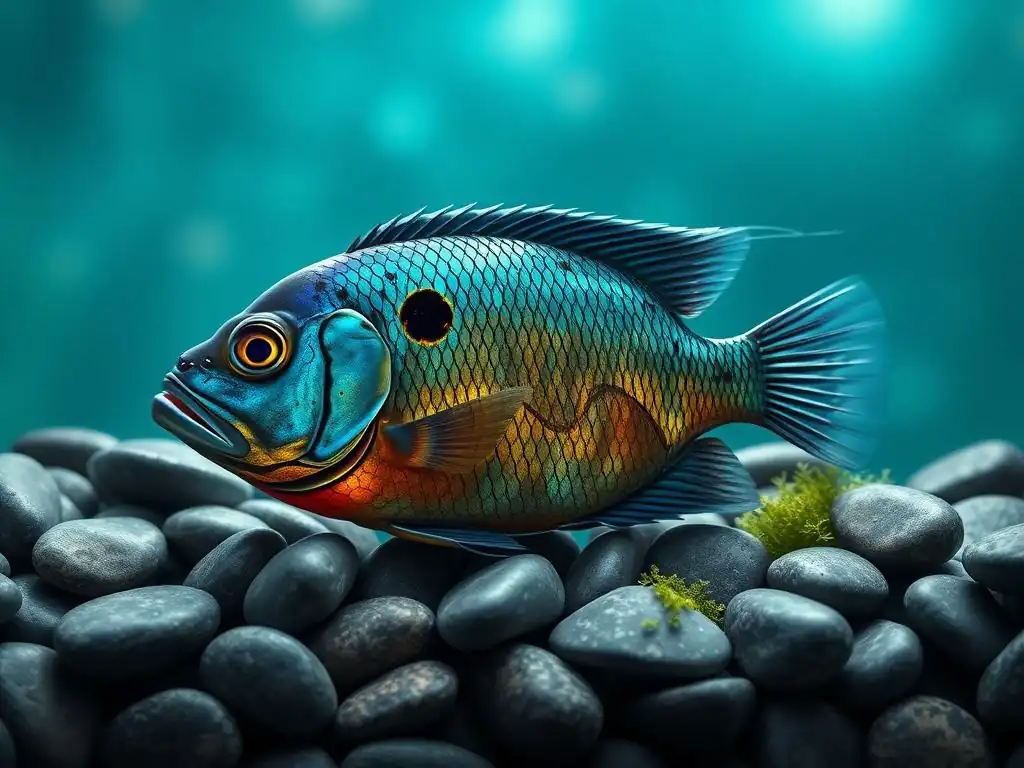
Large-bodied characins are frequently recommended as suitable Oscar cichlid tank mates due to several key characteristics. Their typically robust size, often reaching 6-8 inches or more, makes them too large to be easily consumed by an Oscar. Furthermore, many characins are fast-moving, shoaling fish that occupy the mid to upper water columns, effectively staying out of the primary territories of bottom-dwelling or mid-level Oscars. Their active nature can also serve as a "dither" effect, making the Oscar feel more secure and less prone to territoriality.
These characins, such as various species of Silver Dollars and even certain large Pacu, can thrive alongside Oscars provided the tank is sufficiently large to accommodate the combined bioload and swimming needs of all inhabitants. They often share similar water parameter requirements, making cohabitation straightforward from a water chemistry perspective. However, it's crucial to ensure the Oscar is well-fed, as even large characins can become targets if the Oscar is hungry or particularly aggressive.
Silver Dollar Care and Compatibility with Oscars
Silver Dollars ( Metynnis argenteus and related species like Myleus rubripinnis) are one of the most popular and successful choices for Oscar cichlid tank mates. These disc-shaped, shimmering fish typically grow to 6-8 inches (15-20 cm) in diameter and are known for their rapid swimming and schooling behavior. For optimal well-being and to dilute potential aggression from an Oscar, Silver Dollars should always be kept in groups of at least 5-6 individuals. Their shoaling instinct provides a sense of security, making them less stressed and less likely to be targeted.
While primarily herbivorous, Silver Dollars are not picky eaters and will readily consume flake food, pellets, and various plant matter. Their speed and size make them difficult targets for an Oscar, and their presence in the upper water column can add dynamic movement to the tank without directly competing for space with the Oscar. They thrive in similar water temperatures (75-80°F or 24-27°C) and pH ranges (6.0-7.5) as Oscars, making their care requirements highly compatible.
Other Suitable Characins for Oscar Tanks: Giant Pacu, Red Hook Silver Dollar
Beyond the common Silver Dollar, a few other large characins can serve as Oscar cichlid tank mates, though with significant considerations. The Giant Pacu ( Piaractus brachypomus), while a close relative of the piranha, is primarily herbivorous and can grow to an astonishing size, often exceeding 2 feet (60 cm) in captivity and much larger in the wild.
Due to their immense adult size, Pacu are only suitable for truly massive custom aquariums, typically 500 gallons or more, making them impractical for most home aquarists. Introducing a juvenile Pacu to a standard large tank will quickly lead to overcrowding and health issues.
The Red Hook Silver Dollar ( Myloplus rubripinnis) is another excellent choice, similar in care and temperament to the common Silver Dollar but often slightly more colorful with red markings on their fins. They typically reach 5-7 inches (13-18 cm) and also benefit from being kept in groups of 5 or more. Their robust nature and schooling behavior make them resilient and active Oscar cichlid tank mates, adding visual appeal and aiding in the overall tank dynamics.
Catfish Coexistence: Options for Bottom Dwellers in Oscar Tanks
Catfish species, particularly larger and armored varieties, are often excellent choices for Oscar cichlid tank mates as they occupy a different ecological niche within the aquarium. By staying primarily on the bottom, they avoid direct territorial disputes with mid-water swimming Oscars. Their tough, often armored bodies provide a degree of protection against an Oscar's curious nips or aggressive lunges. However, it is crucial to select catfish that are robust and large enough not to be mistaken for food, and those that can withstand the significant bioload produced by Oscars.
The selection process involves looking for species that can grow to a substantial size, possess a resilient temperament, and are not easily intimidated. Delicate or small catfish, such as Corydoras or Otocinclus, would quickly become prey. Instead, focus on species known for their hardiness and ability to coexist with large, boisterous cichlids.
Plecos: Choosing the Right Pleco for Your Oscar Tank
Plecostomus species (often simply called "Plecos") are popular bottom-dwelling Oscar cichlid tank mates, primarily for their algae-eating habits and robust nature. The Common Pleco ( Pterygoplichthys pardalis or Hypostomus plecostomus) is a widely available option that can grow exceptionally large, often reaching 18-24 inches (45-60 cm) in captivity. Their armored bodies and nocturnal habits allow them to largely ignore or withstand the attention of an Oscar. However, their eventual massive size necessitates a very large tank (150+ gallons) to accommodate them comfortably alongside an Oscar.
Other suitable pleco species include the Sailfin Pleco ( Pterygoplichthys gibbiceps), which also grows very large, and certain species of Bristlenose Plecos ( Ancistrus spp.) if they are introduced at a large enough size (e.g., 4-5 inches). Smaller, more delicate pleco species or those with long, flowing fins should be avoided, as they are vulnerable to an Oscar's aggression. Ensure the pleco has plenty of driftwood to rasp on, as this is essential for their digestion and overall health.
Other Catfish Options for Oscar Tanks: Common Pleco, Rafael Catfish
Beyond the ubiquitous Plecos, several other catfish species can make excellent Oscar cichlid tank mates. As mentioned, the Common Pleco is a hardy choice, but its eventual size cannot be overstated; many aquarists underestimate how large they become, leading to overcrowded conditions. A single adult Common Pleco can produce a bioload comparable to a medium-sized cichlid.
Another excellent option is the Rafael Catfish, specifically the Striped Raphael Catfish ( Platydoras armatulus) or the Spotted Raphael Catfish ( Platydoras costatus). These catfish are characterized by their rigid, armored plates and spines, making them virtually impervious to an Oscar's attacks. They are nocturnal and typically reach 6-8 inches (15-20 cm) in length.
Rafael Catfish are peaceful towards other fish too large to be eaten and spend most of their time foraging on the bottom or hiding in decor during the day. Their armored defense and distinct habits make them a reliable and interesting addition to an Oscar community tank.
Other Cichlids as Potential Oscar Tank Mates: Proceed with Caution
Coexisting with other cichlids as Oscar cichlid tank mates is a challenging endeavor that often requires extensive experience, a very large aquarium, and a willingness to intervene if conflicts arise. The key to success lies in choosing cichlids of comparable size and temperament, ensuring ample space, and providing abundant hiding spots to break up territories. Even then, success is not guaranteed, and continuous monitoring is essential. This approach is generally not recommended for novice aquarists due to the high risk of aggression and stress for all fish involved.
When considering other cichlids, focus on species that are robust, can defend themselves, and ideally occupy different levels of the water column or have distinct territorial preferences. Avoid highly aggressive or overly timid cichlids, as they will either dominate or be dominated, leading to an unstable environment.
Jack Dempsey Cichlids: A Challenging but Possible Combination
Jack Dempsey cichlids ( Rocio octofasciata) are a classic example of a challenging but potentially viable Oscar cichlid tank mate. They are powerful, territorial cichlids themselves, growing up to 8-10 inches (20-25 cm) and possessing a similar robust build to Oscars. Their comparable size and aggressive nature mean they can often hold their own against an Oscar, creating a delicate balance of power. This combination requires a very large tank, at least 150 gallons, to provide sufficient personal space and reduce the likelihood of fatal confrontations.
Success with Jack Dempseys and Oscars often depends on the individual personalities of the fish, the tank's layout, and how they are introduced. Providing numerous caves, driftwood, and rock structures to create clear territories and visual barriers is crucial. Regular feeding and pristine water quality also help reduce stress-induced aggression. Even with these precautions, constant observation is necessary, as sudden shifts in aggression can occur, particularly during breeding periods for either species.
Convict Cichlids: Why They May or May Not Work
Convict cichlids ( Amatitlania nigrofasciata) present a paradoxical option for Oscar cichlid tank mates. While significantly smaller than Oscars, typically reaching 5-6 inches (13-15 cm), they are notoriously aggressive and territorial, especially when breeding. This ferocity means they can sometimes stand their ground against a much larger Oscar, surprising many aquarists. However, the considerable size disparity means a Convict is always at risk of being swallowed or severely injured by a fully grown Oscar if aggression escalates.
The primary issue with Convicts is their intense territoriality, particularly if they pair off and attempt to breed. They will defend their chosen territory with extreme vigor, potentially stressing or injuring an Oscar or other tank mates. While some aquarists have reported success in very large, heavily decorated tanks where the Convicts have ample space to establish their own domain, the risk-to-reward ratio is generally unfavorable. For most hobbyists, combining Convicts with Oscars is not recommended due to the high potential for conflict and harm.
Severum Cichlid Tank Mates: Peaceful Companions for a Community Tank
Compatible Fish Species for Severums: A More Diverse Range
Due to their generally more peaceful disposition compared to Oscars, Severum cichlids offer a broader array of compatible tank mates, making them suitable for a more diverse community aquarium. While they are still large cichlids and can exhibit territoriality, particularly when mature or breeding, their less predatory nature allows for the inclusion of various mid-sized, robust fish. The key is to select species that are not small enough to be considered prey, are not overly aggressive, and can tolerate similar water parameters.
Ideal Severum cichlid tank mates include larger schooling fish, certain robust tetras, rasboras, and other peaceful to semi-aggressive cichlids of similar size. The aim is to create a balanced ecosystem where each species has sufficient space and where potential conflicts are minimized through careful selection and tank management.
Tetras That Can Live with Severums: Cardinal Tetra, Emperor Tetra
While small tetras are generally not recommended for Oscars, some larger and more robust tetra species can coexist with Severums, especially if the Severums are well-fed and introduced as juveniles alongside the tetras. The Cardinal Tetra ( Paracheirodon axelrodi), while relatively small (up to 2 inches or 5 cm), is a fast-moving, schooling fish. In a heavily planted tank with a calm Severum, a large school (10+ individuals) can sometimes thrive. However, there is always a slight risk of predation, particularly if the Severum is hungry.
A safer and often more successful choice for Severum cichlid tank mates among tetras is the Emperor Tetra ( Nematobrycon palmeri). Growing to about 2 inches (5 cm), they are more robust and less delicate than Cardinals. Emperor Tetras are known for their striking coloration and active swimming in the mid-water column, making them less likely to be seen as prey. Keeping them in a school of at least six individuals is recommended to promote their natural behavior and reduce stress.
Rasboras as Severum Tank Mates: Harlequin Rasbora, Scissortail Rasbora
Rasboras, particularly larger species, can also be considered as Severum cichlid tank mates due to their peaceful nature and active schooling behavior. The Harlequin Rasbora ( Trigonostigma heteromorpha), reaching about 1.5-2 inches (4-5 cm), is a popular choice for community tanks. While on the smaller side, a large school (10-15 individuals) in a well-planted tank can sometimes deter a Severum from viewing them as food, especially if the Severum is well-fed. Their preference for the upper water column also helps.
A more robust and often more suitable option is the Scissortail Rasbora ( Rasbora trilineata). These active fish grow larger, typically 3-4 inches (7-10 cm), and are known for their distinctive forked tails and constant movement. Their larger size and speed make them less vulnerable to predation by Severums. Scissortail Rasboras are excellent dither fish, promoting confidence in the Severums and adding dynamic movement to the mid-to-upper levels of the tank. Like all schooling fish, they thrive in groups of at least six or more.
Avoiding Aggression: Ensuring a Harmonious Severum Community
Maintaining a harmonious Severum community largely hinges on proactive measures to mitigate potential aggression. Firstly, providing ample space is paramount; a minimum of 55 gallons for a single Severum, and 75-100 gallons or more for a pair or community setup, allows each fish to establish its territory without constant conflict. Overcrowding is a primary trigger for stress and aggression in most cichlids.
Secondly, the tank's decor plays a crucial role. Incorporate plenty of hiding spots, such as driftwood, large rocks, and sturdy plants, to create visual barriers and retreats for all fish. This helps to break up lines of sight and allows less dominant fish to escape potential harassment. Lastly, consistent water quality, a balanced diet, and avoiding overly aggressive or extremely timid tank mates are essential. Observing the fish's behavior regularly and being prepared to intervene by rearranging decor or, in rare cases, rehoming a particularly aggressive individual, ensures the long-term well-being of the Severum and its companions.
Fish to Avoid as Oscar and Severum Tank Mates: Incompatible Species
Small Fish: A Recipe for Disaster
Introducing small fish into a tank with Oscars or Severums is almost always a recipe for disaster. Both species, being cichlids, are opportunistic feeders and will readily consume any fish that can fit into their mouths. For Oscars, this means virtually any fish under 4-5 inches is at risk. Common examples of fish to avoid include Neon Tetras, Guppies, Mollies, small Danios, and most juvenile fish. Even if an Oscar is well-fed, its predatory instinct can lead it to hunt and devour smaller tank mates, often in a single gulp.
While Severums are generally less predatory than Oscars, they are still capable of preying on very small fish, especially if hungry or if the small fish are introduced into an established Severum tank. The slight risk with Severums is not worth the welfare of the smaller fish. Therefore, regardless of whether you keep Oscars or Severums, any fish that is significantly smaller than the cichlid's mouth should be strictly avoided as Oscar cichlid tank mates or Severum companions.
Fin-Nipping Fish: Causing Stress and Injury
Certain fish species are notorious for their fin-nipping behavior, and these should be avoided as Oscar or Severum tank mates. Fin-nippers, such as Tiger Barbs ( Puntigrus tetrazona), Serpae Tetras ( Hyphessobrycon eques), and some species of Danios, can cause significant stress and physical harm to large cichlids. Oscars and Severums, with their flowing fins, are particularly vulnerable to this type of harassment. Constant fin-nipping can lead to torn fins, secondary bacterial infections, and chronic stress, which compromises the cichlid's immune system and overall health.
Even if the Oscar or Severum is large enough to defend itself, the persistent nipping creates an environment of discomfort and anxiety, preventing the cichlid from thriving. The stress can also trigger aggressive responses from the Oscar or Severum, leading to retaliation against the fin-nippers, which often results in the death of the smaller fish. Therefore, to ensure a peaceful and healthy environment for your large cichlids, avoid any known fin-nipping species as Oscar cichlid tank mates.
Overly Aggressive Fish: Creating Constant Conflict
Pairing Oscars or Severums with overly aggressive fish is highly inadvisable, as it inevitably leads to constant conflict, stress, and potential fatalities for all inhabitants. This category includes many other large cichlid species that are known for extreme territoriality or aggression. For instance, most African Cichlids (e.g., Mbuna, Peacocks) are incompatible not only due to their aggressive nature but also because they require vastly different water parameters (hard, alkaline water) than the soft, acidic to neutral water preferred by Oscars and Severums.
Other highly aggressive South American cichlids, such as Flowerhorns, Red Devils ( Amphilophus labiatus), or Midas Cichlids ( Amphilophus citrinellus), should generally not be kept with Oscars or Severums unless in exceptionally large, species-specific setups (e.g., 300+ gallons) where each fish can establish a massive territory. Even then, success is rare and requires constant vigilance. These fish are often too dominant and territorial, leading to severe bullying, injury, and death of the less aggressive or slightly smaller tank mate. The goal is to create a peaceful, thriving community, not a constant battleground for your Oscar cichlid tank mates.
Tank Setup and Maintenance for Oscar and Severum Communities
Tank Size Requirements for Oscar and Severum Tank Mates
The cornerstone of a successful community tank for Oscars and Severums is adequate tank size. These are large, active fish that produce a substantial amount of waste, and cramped conditions are the primary cause of stress, aggression, and health issues. For a single adult Oscar, a minimum tank size of 75 gallons (approximately 284 liters) is recommended.
However, to truly thrive or to house a pair, a 125-150 gallon (473-568 liters) tank is far more appropriate. When considering Oscar cichlid tank mates, such as Silver Dollars or large plecos, the tank size must increase significantly; a 200-gallon (757 liters) or larger aquarium would be ideal for a diverse community.
Severums, while slightly smaller, also require ample space. A single adult Severum needs at least a 55-gallon (208 liters) tank. For a pair or a community with several Severum cichlid tank mates, a 75-gallon (284 liters) or 100-gallon (378 liters) tank provides sufficient room to establish territories and reduce conflict. It is a universal truth in fishkeeping that bigger is always better, especially for large cichlids, as it dilutes aggression, allows for better water stability, and provides room for growth and natural behavior.
Essential Filtration for Large Cichlid Tanks
Given the significant bioload produced by Oscars and Severums, robust and efficient filtration is not just recommended, but absolutely essential. These fish are messy eaters and produce a large amount of waste, which rapidly degrades water quality if not managed properly. A single hang-on-back filter is rarely sufficient for a large cichlid tank. Instead, a powerful external canister filter is the gold standard, often supplemented by a large sponge filter or an additional powerhead for increased circulation.
When selecting filtration, aim for a system with a high Gallons Per Hour (GPH) rating, ideally turning over the tank's volume 5 to 10 times per hour. For instance, a 125-gallon tank might benefit from a filter rated at 800-1000 GPH. Canister filters like Fluval FX series or Eheim Professional models are popular choices due to their large media capacity for mechanical, biological, and chemical filtration.
Mechanical filtration removes solid waste, biological filtration converts harmful ammonia and nitrite into less toxic nitrate, and chemical filtration (e.g., activated carbon) removes odors and discoloration. Regular cleaning of filter media is also crucial to maintain efficiency.
Water Parameters and Maintenance: Keeping Your Fish Healthy
Maintaining stable and appropriate water parameters is critical for the long-term health and well-being of Oscars, Severums, and their tank mates. Both species thrive in warm, slightly acidic to neutral water. The ideal temperature range is 75-80°F (24-27°C). The pH should ideally be between 6.5 and 7.5, though they can tolerate a slightly broader range if changes are gradual. Water hardness (dGH) should be soft to medium, typically 5-15 dGH.
The most crucial aspect of water maintenance for large cichlid tanks is frequent and substantial water changes. Due to their high bioload, nitrates can accumulate rapidly. Weekly water changes of 30-50% are common practice to keep nitrate levels below 20 ppm, which helps prevent stress and disease. Regular testing for ammonia, nitrite, and nitrate with a reliable liquid test kit is non-negotiable.
Ammonia and nitrite should always be at zero. Any detectable levels indicate a problem with filtration or overfeeding and require immediate large water changes and investigation. Consistent care ensures a healthy environment for your Oscar cichlid tank mates and the cichlids themselves.
Introducing New Fish to an Established Oscar or Severum Tank
Quarantine Procedures: Preventing Disease Outbreaks
Introducing new fish directly into an established Oscar or Severum tank without proper quarantine is one of the most common ways to introduce diseases, potentially wiping out your entire aquarium. A dedicated quarantine tank, typically a simple 10-20 gallon (38-76 liter) setup with a heater, sponge filter, and a few hiding spots, is an indispensable tool for any serious aquarist. New fish should be housed in this tank for a minimum of 2-4 weeks.
During the quarantine period, observe the new fish closely for any signs of illness, such as white spots (Ich), clamped fins, lethargy, loss of appetite, abnormal growths, or unusual swimming patterns. If any symptoms appear, treat the fish in the quarantine tank. This isolation prevents the spread of pathogens to your main display tank, protecting your established Oscar cichlid tank mates and the large cichlids themselves from potentially devastating outbreaks. It's a small investment in time and equipment that pays dividends in long-term tank health.
Acclimation Techniques: Minimizing Stress During Introduction
Once the quarantine period is successfully completed and the new fish are deemed healthy, proper acclimation to the main tank's water parameters is crucial to minimize stress. Drastic changes in temperature, pH, or hardness can shock fish, weakening their immune system and making them susceptible to disease. The drip acclimation method is highly recommended for sensitive fish or when water parameters differ significantly. This involves slowly dripping water from the main tank into a bucket containing the new fish over a period of 30-60 minutes, gradually equalizing the parameters.
After acclimation, turn off the main tank lights for several hours (or even the rest of the day) after introducing the new fish. This reduces visual stress and allows the newcomers to explore their surroundings and find hiding spots without being immediately targeted by established residents. Avoid feeding immediately after introduction; wait a few hours or until the next day to allow them to settle. These steps help ensure a smoother transition and reduce the likelihood of aggression from existing Oscar cichlid tank mates.
Monitoring Fish Behavior After Introduction: Identifying Potential Problems
The period immediately following the introduction of new fish is critical for monitoring behavior and identifying any potential problems. Observe all fish closely for signs of aggression, such as excessive chasing, fin nipping, or bullying, especially from the Oscar or Severum towards the new Oscar cichlid tank mates. Look for signs of stress in the new arrivals, including hiding excessively, clamped fins, rapid breathing, or refusal to eat.
It's normal for there to be some initial jostling as a new pecking order is established, but persistent or severe aggression indicates a problem. Be prepared to intervene if a fish is being severely harassed or injured. This might involve rearranging tank decor to break up territories, adding more hiding spots, or, as a last resort, removing the aggressive fish or the targeted fish. Early detection and intervention are key to preventing serious injury or death and maintaining a peaceful environment for all your Oscar cichlid tank mates.
Troubleshooting Common Problems in Oscar and Severum Community Tanks
Aggression Issues: Identifying and Addressing Bullying
Aggression is a common challenge in Oscar and Severum community tanks, particularly when dealing with Oscar cichlid tank mates. Identifying the source of aggression is the first step. Common causes include insufficient tank size leading to overcrowding, inadequate hiding spots, incorrect tank mate selection, or natural territoriality, especially during breeding. A single Oscar can become highly aggressive if it feels its territory is threatened or if it's stressed.
To address bullying, several strategies can be employed. Increasing the tank size is the most effective long-term solution, as it provides more space for each fish. Rearranging tank decor, such as driftwood and rocks, can disrupt established territories and create new visual barriers, often reducing conflict. Adding more hiding spots or dither fish (if appropriate for the species) can also help. If a specific Oscar cichlid tank mate is consistently being targeted and stressed, it may be necessary to separate the aggressive fish or rehome the victim to ensure its survival and the overall harmony of the tank.
Disease Prevention and Treatment: Maintaining a Healthy Environment
Despite best efforts, diseases can sometimes emerge in Oscar and Severum community tanks. Prevention is always better than cure, and it hinges on excellent water quality, proper nutrition, and minimizing stress. Regular, substantial water changes and robust filtration are paramount to keep harmful ammonia, nitrite, and nitrate levels in check. A balanced diet, rich in essential nutrients, strengthens the fish's immune system. Always quarantine new fish for at least 2-4 weeks to prevent introducing pathogens.
Common diseases in large cichlids include Ich (white spot disease), fin rot, bacterial infections, and Hole-in-the-Head disease (often linked to poor water quality, nutrition, or stress). Early detection is crucial. Observe your Oscar cichlid tank mates daily for changes in behavior, appetite, or physical appearance. If disease is suspected, promptly diagnose the issue and apply the appropriate medication according to dosage instructions. Treating in a separate quarantine tank is often preferred to avoid medicating the main tank and its beneficial bacteria.
Water Quality Problems: Monitoring and Correcting Imbalances
Water quality issues are the most frequent cause of problems in Oscar and Severum tanks due to their high bioload. The primary concerns are ammonia, nitrite, and nitrate. Ammonia and nitrite are highly toxic and should always be at zero parts per million (ppm) in a cycled tank. Any detectable levels indicate a problem with the nitrogen cycle, often due to overfeeding, insufficient filtration, or an uncycled tank. Nitrate, while less toxic, accumulates over time and can cause stress and health issues if levels exceed 20-40 ppm.
Regular water testing using a reliable liquid test kit is non-negotiable for any tank with Oscar cichlid tank mates. If ammonia or nitrite levels are elevated, immediate large partial water changes (50-70%) are required, along with reducing feeding and checking filtration. For high nitrate levels, consistent weekly water changes are the solution. Addressing water quality problems promptly is vital for the health of your fish and ensures a stable and thriving environment for your Oscars, Severums, and their companions.
Frequently Asked Questions
How do I choose suitable tank mates for my Oscar cichlid?
Choosing Oscar cichlid tank mates requires careful consideration of temperament, size compatibility, and water parameter preferences. Opt for fish that are large enough not to be eaten and can hold their own against an Oscar's semi-aggressive nature.
What size tank is needed to house an Oscar cichlid with tank mates?
A larger tank is essential. For an Oscar with tank mates, a minimum of 75 gallons is recommended, but 125 gallons or more is ideal. This ensures adequate space and reduces aggression.
Are there any fish that should absolutely not be kept with Oscars?
Avoid small, docile fish like Neons or Guppies. These will likely become food for the Oscar. Also, avoid overly aggressive fish that will constantly fight with the Oscar.
What are some good examples of compatible Oscar cichlid tank mates?
Some suitable tank mates include larger Plecos, Silver Dollars, and Convict Cichlids. Ensure these tank mates are of comparable size and can tolerate the Oscar's semi-aggressive behavior.
How do I introduce new tank mates to an established Oscar tank?
Introduce new fish gradually and monitor them closely for signs of bullying. Rearranging the aquarium decor before introducing new fish can help disrupt established territories and reduce aggression.
Final Reflection: Harmony in the Aquarium
The delicate balance of an aquarium ecosystem, as we've explored in choosing Oscar cichlid tank mates, mirrors the complexities of social dynamics in our own lives. Understanding compatibility, aggression levels, and environmental needs isn't just about keeping fish alive; it's about fostering a thriving community where each member can flourish. The principles of careful selection and mindful observation extend far beyond the glass walls of a tank.
This journey into the world of cichlid companionship has underscored the profound impact of informed decisions. The responsibility we bear as aquarists, to create a harmonious environment, resonates deeply with our broader responsibility to cultivate understanding and respect in all our interactions. The best way to find out if you can trust somebody is to trust them.
- Ernest Hemingway. This quote, while not directly about fish, speaks to the core of the challenge: understanding and mitigating risk through observation and informed trust, both in the aquarium and beyond.
Now, consider the lessons learned. How can you apply the principles of careful selection and mindful observation to your own relationships and communities? Are you creating environments where everyone can thrive, or are you inadvertently introducing conflict? Take a moment to reflect on your own role in fostering harmony, and strive to build spaces, both literal and metaphorical, where all can flourish.
Unleash the Perfect Cichlid Community!
Thank you for diving into the fascinating world of cichlid companions! We hope this guide has illuminated the path to creating a harmonious aquarium. Now, let's put that knowledge into action and watch your cichlids thrive.
Here are a few ways to keep the cichlid adventure going:
- Start planning your dream tank: Identify potential tank mates for your Oscar or Severum based on the compatibility factors we discussed. Research their specific needs and visualize how they'll interact in your aquarium.
- Share your experience:Comment below with your own success stories (or challenges!) of keeping large cichlids with tank mates. Your insights can help other aquarists create thriving communities.
- Consider the unexpected:Explore unconventional tank mates! Could a school of fast-moving dither fish or a hardy pleco be the key to a balanced ecosystem?
What surprising combination are you most excited to try in your cichlid aquarium, and what makes you think it will work?