
The Vigilant Aquarist: How Daily Observation Becomes Your Disease Early Warning System


Welcome to Aquarium Mastery, where your aquatic ambitions take shape!
Ever wonder how the most successful aquarists keep their tanks thriving, seemingly effortlessly? The secret lies in a simple, yet profoundly effective practice: daily aquarium observation. In this article, "The Vigilant Aquarist," we'll reveal the crucial daily aquarium observation tips that transform casual viewers into proactive problem-solvers, helping you spot subtle signs of trouble before they escalate. Ready to unlock the secrets to a healthier, happier aquarium? Dive in and discover how just a few minutes each day can make all the difference!
- Understanding the Importance of Daily Aquarium Monitoring for Fish Health
- Key Daily Aquarium Observation Tips for Early Disease Detection
- Specific Indicators to Watch For: A Comprehensive Checklist
- Implementing a Daily Aquarium Observation Routine: A Practical Guide
- Taking Action: What to Do When You Spot a Problem
- Long-Term Benefits of Vigilant Aquarium Keeping
-
Frequently Asked Questions
- What are the most important things to look for during daily aquarium observation?
- How can changes in fish behavior indicate a problem in the aquarium?
- What physical signs on fish should I be particularly concerned about during my daily observations?
- How does daily observation help with maintaining optimal water quality in my aquarium?
- What should I do if I notice something concerning during my daily aquarium observation?
- Final Reflection: The Power of Attentive Care
- Transform Your Tank: Become an Aquarium Sentinel!
Understanding the Importance of Daily Aquarium Monitoring for Fish Health
Why Routine Observation is Crucial for Preventing Fish Diseases
Most fish diseases, from common fungal infections to more serious bacterial ailments, are highly treatable if identified and addressed in their nascent stages. Delaying intervention, even by a single day, can allow a localized issue to escalate into a full-blown epidemic within the entire aquarium ecosystem. Proactive daily aquarium observation tips are paramount, as they empower aquarists to spot the subtle shifts that precede overt symptoms, potentially preventing up to 70% of common fish maladies.
Furthermore, consistent observation allows for the early detection of environmental stressors that predispose fish to illness. For instance, a slight but persistent increase in ammonia, though not immediately lethal, can significantly weaken a fish's immune system, making it highly susceptible to opportunistic pathogens. Daily checks provide the opportunity for immediate corrective actions, such as a partial water change or filter maintenance, before these stressors manifest as visible disease.
The Role of the Aquarist as First Line of Defense Against Disease
The aquarist serves as the primary caregiver and the most sophisticated monitoring system for their aquatic environment. While advanced filtration and automated feeders contribute to tank stability, no technology can fully replicate the nuanced vigilance of human observation. It is the aquarist who notices the specific way a Gourami is holding its fins, or the subtle discoloration on a Corydoras, signs that are often the very first indicators of underlying health issues.
Through consistent daily aquarium observation tips, an aquarist develops an intuitive understanding of their fish's normal behaviors, appearances, and the overall rhythm of their tank. This accumulated knowledge allows them to quickly differentiate between a healthy, thriving fish and one experiencing distress. This proactive, informed approach not only saves fish lives and mitigates suffering but also significantly reduces the financial burden and stress associated with treating widespread disease outbreaks or replacing entire populations.
Key Daily Aquarium Observation Tips for Early Disease Detection
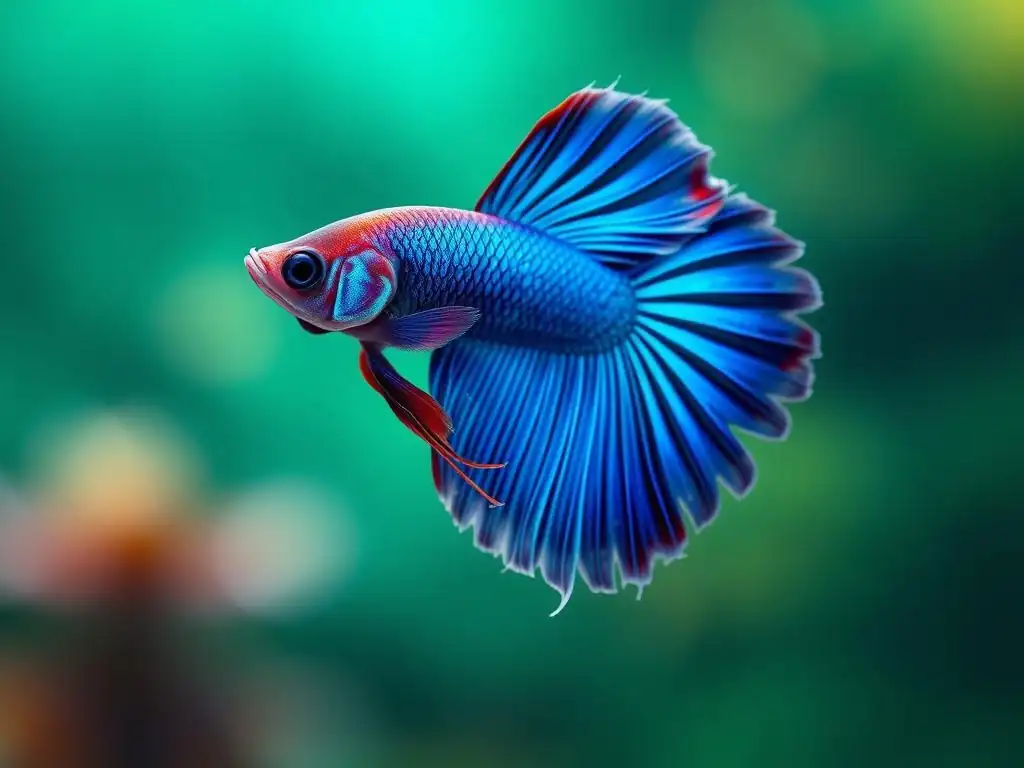
Observing Fish Behavior: Recognizing Signs of Distress
Behavioral changes are frequently the earliest and most telling indicators of stress or illness in aquarium fish, often manifesting even before any physical symptoms become apparent. A fundamental daily aquarium observation tip is to familiarize yourself intimately with the typical swimming patterns, social interactions, and feeding habits of each species within your tank. Any deviation from these established norms warrants immediate investigation.
General signs of distress include increased hiding, lethargy, or a sudden lack of interest in their surroundings or tank mates. Conversely, unusual hyperactivity or erratic movements can also signal a problem. These behavioral anomalies often point towards underlying issues such as poor water quality, internal parasites, or even bullying from aggressive tank mates, all of which can severely compromise a fish's health if left unaddressed.
Identifying Abnormal Swimming Patterns: Circling, Headstanding
Observing unusual swimming patterns is a critical daily aquarium observation tip. Fish exhibiting constant circling, corkscrewing, or spinning motions may be suffering from neurological issues, severe internal infections, or parasitic infestations such as whirling disease, which affects the nervous system. These behaviors indicate a loss of equilibrium and severe discomfort.
Conversely, "headstanding," where a fish floats vertically with its head pointed downwards, or struggling to maintain buoyancy, often points to swim bladder disorders. These can be caused by bacterial infections, internal parasites, or even digestive issues from overfeeding or inappropriate diet. Identifying these specific patterns can help narrow down the potential causes and guide appropriate intervention.
Recognizing Changes in Appetite: Reduced Interest in Food, Increased Grazing on Algae
A significant shift in feeding behavior is a strong indicator of a fish's health status. A common sign of illness is a sudden and sustained reduced interest in food, where a fish may refuse to eat, spit out food after taking it, or show no enthusiasm during feeding time. This can signal internal bacterial infections, parasites, or severe stress.
While less common, an unusual increase in grazing on tank surfaces or décor, particularly if the fish is not typically an herbivore, can also be a subtle sign of underlying issues, potentially indicating a nutritional deficiency or an attempt to consume biofilm that may contain beneficial microorganisms. However, reduced appetite, especially if a fish normally eats within a 2-3 minute window, is a more reliable distress signal.
Spotting Signs of Isolation or Aggression
Changes in social behavior are also key daily aquarium observation tips. Normally social or schooling fish that suddenly isolate themselves from their group, hiding in corners or behind decorations for extended periods, are often experiencing stress or illness. Their withdrawal can be a self-protective mechanism or a sign of weakness.
Conversely, a fish that is typically docile but suddenly becomes unusually aggressive towards tank mates may also be unwell. Discomfort or a compromised immune system can lead to irritability, causing them to lash out. These behavioral shifts often indicate a weakened state, making them either targets for bullying or causing them to behave erratically due to internal distress.
Examining Fish Appearance: Detecting Physical Symptoms of Disease
While behavioral changes often provide the first clues, physical symptoms offer undeniable confirmation of disease. A thorough visual inspection of each fish is an essential daily aquarium observation tip. This involves not only glancing at them from the front but also observing them from above and from the side, utilizing a flashlight if necessary to highlight subtle changes in coloration or texture.
Pay close attention to every part of the fish's body, including the eyes, gills, mouth, fins, and scales. Remember to check all fish, not just the most active or prominent ones, as weaker individuals may hide their symptoms more effectively. Early detection of physical signs can mean the difference between a simple treatment and a devastating outbreak.
Checking for Visible Lesions, Sores, or Ulcers
The presence of visible lesions, sores, or ulcers on a fish's body is a clear indicator of bacterial infection or significant physical trauma. Look for red spots, open wounds, white cotton-like growths (often fungal or Columnaris), or eroded areas around the mouth (mouth rot). These can appear rapidly, sometimes within 24-48 hours.
These external wounds are often caused by opportunistic bacteria like Aeromonas or Pseudomonas, which thrive in tanks with suboptimal water quality or where fish are already stressed. Early detection and treatment with appropriate antibiotics can prevent these lesions from deepening and causing systemic infections that are much harder to cure.
Inspecting Fins for Damage, Clamping, or Rot
Healthy fins should be clear, intact, and fully spread. Any deviation from this is a critical daily aquarium observation tip. Fin rot manifests as frayed, tattered, or receding fins, often with a milky or discolored edge, indicating a bacterial infection. This condition can progress rapidly, sometimes reducing fin length by 10-20% in just a few days if left untreated.
"Fin clamping," where a fish holds its fins tightly against its body, is a very common non-specific sign of stress or discomfort. This behavior suggests the fish is trying to conserve energy or reduce surface area exposure, often due to poor water quality (e.g., pH swings, ammonia spikes), temperature fluctuations, or the initial stages of parasitic infections like Ich.
Identifying Changes in Coloration or Scale Appearance
Subtle changes in a fish's coloration or scale appearance can provide vital clues to its health. Fish that become unusually pale, dark, or develop blotchy patches may be experiencing stress, internal parasites, or specific diseases like Velvet, which can give fish a dusty, yellowish tint. These changes often reflect internal physiological distress.
Perhaps one of the most alarming physical signs is "pineconing," where a fish's scales lift away from its body, resembling a pinecone. This condition, known as dropsy, is usually a symptom of severe internal organ failure, most commonly kidney malfunction, leading to fluid retention. Dropsy is often difficult to treat, highlighting the importance of earlier daily aquarium observation tips to prevent such advanced stages of illness.
Evaluating Water Quality: A Vital Component of Daily Observation
While chemical test kits provide precise numerical data on water parameters, daily visual and olfactory evaluations of your aquarium water offer immediate, qualitative insights into its overall health. Water quality is the cornerstone of fish well-being, and many fish illnesses originate directly from imbalances in their aquatic environment.
A proactive approach to daily water assessment can often preempt the need for extensive chemical testing or, at the very least, indicate when such tests are urgently required. This hands-on, sensory approach is an indispensable part of comprehensive daily aquarium observation tips, allowing aquarists to detect potential issues before they significantly impact fish health.
Monitoring Water Clarity: Recognizing Potential Issues
Water clarity is a primary visual indicator of aquarium health. Clear, sparkling water is the ideal. Any deviation from this, such as cloudy, milky, or green water, signals a potential issue. Cloudy water often indicates a bacterial bloom (common in new tanks or after overfeeding), while green water suggests an algae bloom due to excess nutrients and light. Milky water can also point to new tank syndrome or excessive organic waste.
A sudden change in clarity warrants immediate investigation. For instance, a persistent bacterial bloom can significantly reduce dissolved oxygen levels, sometimes by 10-20%, stressing fish and making them vulnerable to disease. Recognizing these visual cues allows for prompt corrective actions, such as water changes or filter cleaning, before fish show signs of distress.
Checking for Unusual Odors: Musty smell indicating bacterial bloom
The smell of your aquarium water can provide critical clues about its health. Healthy aquarium water typically has a mild, earthy, or almost neutral scent. A strong, unpleasant odor, however, is a significant red flag. A foul, rotten-egg smell indicates anaerobic pockets in the substrate, releasing harmful hydrogen sulfide gas.
A musty or stale odor often signifies excessive organic decay, overfeeding, or a significant bacterial bloom, which consumes oxygen and can stress fish. An unusual smell suggests that the biological filtration might be struggling to cope with the organic load. This olfactory daily aquarium observation tip can alert you to problems even before visible symptoms appear in your fish.
Observing Algae Growth: Identifying Imbalances
While a small amount of green algae is normal and even beneficial in an aquarium, sudden or excessive algae growth can indicate an imbalance in the tank's ecosystem. A rapid proliferation of green algae often points to high nitrate or phosphate levels, coupled with excessive light. The appearance of different types of algae, such as black beard algae or hair algae, also signals specific nutrient imbalances or light issues.
Monitoring algae is an important daily aquarium observation tip because while algae itself isn't directly harmful to fish, its sudden proliferation can indirectly affect them. Algae consumes oxygen at night, potentially lowering levels, and its rapid growth suggests that excess nutrients are available, which could also be fueling harmful bacterial growth. A sudden shift from green to brown algae might signal a drop in light intensity or increased silicates.
Specific Indicators to Watch For: A Comprehensive Checklist
Respiratory Distress: Recognizing Signs of Gill Disease
Respiratory distress in fish is a critical sign that demands immediate attention, as it directly impacts their ability to extract oxygen from the water. The gills are vital for this process, and any compromise due to parasites, bacterial infections, or poor water quality can rapidly lead to severe health decline and mortality.
A fish struggling to breathe is under immense stress, and its energy reserves are quickly depleted. Early detection of respiratory issues through diligent daily aquarium observation tips can provide a crucial window for intervention, potentially saving the fish's life before irreversible damage occurs.
Identifying Rapid or Labored Breathing
One of the most urgent daily aquarium observation tips is to closely monitor fish respiration. Healthy fish exhibit a steady, rhythmic movement of their operculum (gill covers). Rapid or labored breathing, where the gill covers are moving 2-3 times faster than normal, indicates that the fish is struggling to get enough oxygen. This can be caused by ammonia poisoning (even at levels as low as 0.25 ppm), high nitrites, or critically low dissolved oxygen levels in the water.
In severe cases, fish may also flare their gills excessively or hold them partially open, revealing inflamed or discolored gill filaments. This often points to gill parasites (like flukes) or bacterial infections that directly attack the gill tissue, impairing their function.
Observing Fish Gasping at the Surface
Fish gasping or "piping" at the surface of the water, particularly near the filter outflow or air stone, is an unequivocal sign of severe oxygen deprivation. This behavior indicates that the dissolved oxygen levels in the main body of the tank are critically low, forcing the fish to seek the oxygen-rich surface layer.
This is an emergency situation that requires immediate action, such as increasing aeration via an air stone or powerhead, performing a large partial water change, or reducing the tank's temperature if it's excessively warm. For most tropical fish, dissolved oxygen levels below 4 mg/L can induce this behavior and lead to rapid fatalities.
Skin Abnormalities: Detecting Parasites and Infections
The skin and scales of a fish serve as its primary external barrier against pathogens and environmental stressors. Consequently, abnormalities on the skin are often among the most visible and earliest indicators of disease. Incorporating a thorough visual inspection of the skin into your daily aquarium observation tips is therefore essential.
Many common fish diseases, from external parasites to bacterial and fungal infections, manifest directly on the skin's surface. Early detection of these lesions or growths can prevent the infection from spreading rapidly throughout the tank or progressing to more severe internal stages.
Spotting White Spots (Ich/White Spot Disease)
Ichthyophthirius multifiliis, commonly known as Ich or White Spot Disease, is one of the most prevalent parasitic infections in aquariums. It manifests as small, distinct white spots resembling grains of salt scattered across the fish's body, fins, and sometimes gills. These spots are encapsulated parasites feeding on the fish's tissues.
Ich is highly contagious and can spread rapidly, especially in warmer water temperatures where its life cycle accelerates. A single Ich parasite can produce hundreds of free-swimming tomites, quickly infecting an entire tank. Prompt identification through daily aquarium observation tips and immediate treatment are crucial to prevent widespread mortality.
Identifying Velvet Disease (Oodinium)
Velvet disease, caused by the dinoflagellate parasite Oodinium, often appears as a fine, dusty, yellowish-gold or brownish film on the fish's body and fins. It can be particularly challenging to spot without the aid of a flashlight, which often makes the "dust" shimmer. Fish infected with Velvet may also exhibit signs of irritation, such as "flashing" (rubbing against tank objects) or rapid breathing due to gill irritation.
This parasite is highly contagious and, if left untreated, can quickly overwhelm a fish's gills, leading to severe respiratory distress before visible skin signs become prominent. It is often mistaken for Ich but is much finer in texture and color, making careful daily aquarium observation tips vital for accurate diagnosis.
Recognizing Fungal Infections (Saprolegnia)
Fungal infections, commonly caused by Saprolegnia, typically appear as white, cotton-like growths on the fish's skin, fins, mouth, or eyes. These infections are often opportunistic, meaning they primarily attack fish that are already weakened by stress, poor water quality, or have pre-existing injuries or abrasions.
The fungus feeds on dead organic matter, including damaged fish tissue. Approximately 90% of Saprolegnia infections occur on fish with compromised slime coats or open wounds. Identifying these fuzzy growths early through daily aquarium observation tips allows for targeted treatment and addressing underlying stressors before the infection becomes deeply embedded or spreads.
Changes in Fin Condition: Addressing Fin Rot and Other Ailments
The condition of a fish's fins serves as an excellent barometer of its overall health and the quality of its environment. Healthy fins are typically vibrant, fully extended, and free from any tears or discoloration. Any deviation from this norm is a significant indicator that something is amiss in the aquarium.
Regularly inspecting the fins of all fish is an indispensable part of effective daily aquarium observation tips. This close examination can reveal the early stages of bacterial infections, parasitic infestations, or even physical damage from aggression or unsuitable tank decor, allowing for timely intervention.
Observing Fin Shredding or Tattered Fins
Fin shredding or tattered fins, where the edges appear ragged, frayed, or are visibly receding, are strong indicators of fin rot. Fin rot is primarily a bacterial infection, often caused by species like Aeromonas or Pseudomonas, which thrive in tanks with poor water quality, especially high nitrates or ammonia. It can also be exacerbated by stress or physical injury.
It's crucial to differentiate between bacterial fin rot, which progresses steadily and often has a white or reddish inflamed edge, and physical damage from nipping tank mates or sharp decorations, which might appear more suddenly and without the same discoloration. Bacterial fin rot can significantly reduce fin length and impair a fish's ability to swim or balance if left untreated.
Detecting Fin Clamping or Holding Fins Close to the Body
Fin clamping, where a fish holds its dorsal, pectoral, or caudal fins tightly against its body, is a very common, non-specific sign of discomfort, stress, or illness. Fish engage in this behavior to conserve energy, reduce their exposed surface area, or simply because they feel unwell. It is a critical early warning sign that should prompt further investigation.
This behavior can be linked to a wide range of underlying issues, including fluctuating water parameters (e.g., sudden pH shifts, temperature drops), the presence of irritants in the water (e.g., high ammonia or nitrite), or the onset of parasitic infections like Ich or Velvet. Noticing fin clamping during your daily aquarium observation tips should always lead to a thorough check of water parameters and a closer look at the fish for other symptoms.
Implementing a Daily Aquarium Observation Routine: A Practical Guide
Creating a Consistent Observation Schedule
Establishing a consistent daily aquarium observation tips schedule is fundamental to making vigilance a habit rather than a chore. The most effective approach is to integrate observation into an existing routine, such as during feeding time. Fish are typically most active and visible when food is offered, making it an ideal window to assess their behavior and appearance.
Aim for a dedicated 5-10 minutes per tank each day. Consistency builds familiarity; the more regularly you observe, the quicker you will notice subtle deviations from the norm. This routine ensures that minor issues are caught before they escalate, transforming observation into an effortless and integral part of your aquarium maintenance.
Utilizing a Checklist or Log to Track Observations
For beginners, or those managing multiple aquariums, utilizing a simple checklist or log can significantly enhance the effectiveness of daily aquarium observation tips. A basic checklist might include prompts such as: "All fish accounted for? ", "Swimming normally? ", "Eating well? ", "Water clear? ", "No unusual smells? ", and "Any visible spots or growths? ".
A more detailed log allows you to record specific observations, water parameters, and any actions taken. This documentation helps identify patterns, track the progression of symptoms, and correlate issues with recent changes (e.g., new fish, water changes). For instance, noting a slight ammonia increase on a specific date can be invaluable if fish show signs of stress a few days later, providing historical context for diagnosis.
Training Your Eye: Developing Observational Skills
Developing keen observational skills is a continuous process that improves with practice. Start by focusing on one fish at a time, scrutinizing its movements, breathing, and physical condition, then gradually expand your gaze to encompass the entire tank. Learn to differentiate between normal species-specific behaviors and genuine signs of distress.
Patience and attention to detail are key. A betta fish resting on the bottom might be normal, but a schooling tetra doing the same is a red flag. The more regularly you engage in daily aquarium observation tips, the more attuned you will become to the subtle cues your fish provide, transforming you from a casual observer into a highly proficient and proactive aquarist.
Taking Action: What to Do When You Spot a Problem
Isolating Sick Fish: Quarantine Tank Setup and Procedures
Upon identifying a sick fish, the immediate and most crucial action is to isolate it in a dedicated quarantine tank (QT). This measure serves two primary purposes: preventing the potential spread of disease to healthy tank mates and allowing for targeted treatment without exposing the entire main display tank to medications. A simple 10-gallon tank is often sufficient for most sick fish.
A basic QT setup should include a heater to maintain stable temperature, a simple sponge filter (pre-cycled if possible, or run with beneficial bacteria supplements) for biological filtration, and an air stone for aeration. The tank should be bare-bottomed, as substrate can absorb medications. Use water from the main display tank to minimize stress during transfer, and avoid adding any décor that might absorb medication or hinder observation.
Performing Water Tests: Identifying Water Quality Issues
After isolating a sick fish, the very next step should be to perform a comprehensive set of water quality tests on the main display tank. Parameters to check include ammonia, nitrite, nitrate, pH, and temperature. Poor water quality is a primary stressor for fish and is a common underlying cause or exacerbating factor for many diseases, contributing to approximately 60% of common fish ailments.
Specific readings can pinpoint the root cause of the problem. For example, elevated ammonia or nitrite levels indicate an issue with the biological filter (e.g., uncycled tank, overstocking, filter crash), while high nitrates suggest insufficient water changes. Identifying these issues guides corrective actions, such as large partial water changes or filter maintenance, to stabilize the environment for the remaining fish.
Consulting with Experts: Seeking Professional Advice
When faced with complex or persistent health issues that you cannot diagnose or treat effectively on your own, consulting with experts is a prudent course of action. This includes experienced aquarists from local fish clubs, knowledgeable staff at reputable local fish stores, or, for severe cases, an aquatic veterinarian.
When seeking advice, be prepared to provide detailed information from your daily aquarium observation tips: a precise description of the symptoms (behavioral and physical), the duration of the problem, your current water parameters (from recent tests), and any treatments already attempted. Providing this comprehensive data will greatly assist experts in offering accurate diagnoses and effective treatment recommendations, leveraging their collective experience to help your fish.
Long-Term Benefits of Vigilant Aquarium Keeping
Reducing Disease Outbreaks and Mortality Rates
The consistent application of daily aquarium observation tips is the most effective strategy for dramatically reducing the frequency and severity of disease outbreaks within your aquarium. By catching symptoms in their earliest stages, you can often intervene with simple, less invasive treatments, preventing a localized problem from becoming a devastating epidemic.
This proactive approach significantly lowers fish mortality rates, often by 50-75% compared to a reactive stance where diseases are only addressed once they are widespread and advanced. Beyond saving individual fish lives, it also translates into substantial long-term savings by minimizing the need for expensive medications, replacement fish, and the extensive efforts required to restore a compromised ecosystem.
Promoting a Healthy and Thriving Aquarium Ecosystem
Vigilant aquarium keeping extends beyond just fish health; it fosters a robust and thriving overall aquarium ecosystem. When fish are healthy and water parameters are stable due to diligent observation and maintenance, beneficial bacteria populations flourish, live plants grow vigorously, and algae growth remains manageable.
A balanced and healthy ecosystem is more resilient to minor fluctuations and less prone to sudden crashes. This leads to a more visually appealing tank that requires less intensive intervention and troubleshooting, ultimately creating a more enjoyable and rewarding hobby experience for the aquarist. It cultivates an environment where all inhabitants can genuinely flourish.
Enhancing Your Knowledge and Skills as an Aquarist
Engaging in consistent daily aquarium observation tips profoundly deepens an aquarist's understanding of aquatic biology, water chemistry, and the intricate dynamics of their tank's ecosystem. Each observation, whether of a subtle behavioral change or a shift in water clarity, contributes to a growing body of practical knowledge.
This hands-on experience is invaluable. It transforms a novice into a seasoned aquarist capable of identifying subtle cues, proactively addressing potential issues, and preventing problems before they escalate. This continuous learning process not only builds confidence but also converts the hobby from a series of tasks into a truly engaging and rewarding journey of discovery and mastery.
Frequently Asked Questions
What are the most important things to look for during daily aquarium observation?
During your daily checks, prioritize observing your fish's behavior for any changes, examining their physical appearance for signs of illness, and monitoring water clarity for potential issues.
How can changes in fish behavior indicate a problem in the aquarium?
Changes in behavior, like lethargy, hiding, or gasping at the surface, often signal stress or illness. They can be early indicators of problems with water quality or the presence of disease.
What physical signs on fish should I be particularly concerned about during my daily observations?
Look for any abnormal spots, fin rot, or bulging eyes, as these are common symptoms of various fish diseases. Also, check for parasites or any signs of injury.
How does daily observation help with maintaining optimal water quality in my aquarium?
Observing water clarity and testing water parameters regularly allows for early detection of issues like algae blooms or ammonia spikes, enabling timely intervention to maintain a healthy aquatic environment.
What should I do if I notice something concerning during my daily aquarium observation?
Isolate the affected fish if possible, immediately test your water parameters, and research potential causes based on the symptoms. Consult with a veterinarian or experienced aquarist for further guidance if needed.
Final Reflection: The Power of Attentive Care
This exploration of daily aquarium observation has hopefully illuminated the profound impact of proactive vigilance in maintaining a thriving aquatic ecosystem. In a world often characterized by reactive solutions, embracing a daily practice of careful observation transforms the aquarist from a mere caretaker into a proactive guardian, capable of preventing potential disasters before they even begin to manifest. This isn't just about fishkeeping; it's about fostering a deeper connection with the natural world and understanding the delicate balance within our own miniature ecosystems.
The influence of attentive care extends far beyond the confines of a glass tank. It teaches us the value of patience, the importance of detail, and the profound rewards of nurturing life. The ability to anticipate problems and proactively address them, honed through daily aquarium observation, translates into countless other areas of our lives. As the renowned naturalist John Muir once said, When we try to pick out anything by itself, we find it hitched to everything else in the Universe.
This quote perfectly encapsulates the interconnectedness we discover through observing our aquariums, reminding us that even small actions can have significant ripple effects.
Now, consider the lessons you've learned about the power of observation and proactive care. How can you apply this newfound vigilance to other aspects of your life? Take a moment to reflect on the small details you might be overlooking, the potential problems you could anticipate, and the positive impact you could have by simply paying closer attention. Embrace the spirit of the vigilant aquarist, not just in your tank, but in every facet of your existence, and witness the transformative power of attentive care unfold.
Transform Your Tank: Become an Aquarium Sentinel!
Thank you for diving into the world of proactive aquarium care! We hope you've gained valuable insights into the power of daily observation for maintaining a healthy aquatic ecosystem. Now, let's put that knowledge into action!
Here's how you can immediately enhance your aquarium's well-being:
- Prioritize a daily 5-minute observation session. Become intimately familiar with your fish's normal behavior and appearance. This is your first and most critical line of defense against disease.
- Document your observations! Start a simple aquarium journal, even if it's just a note on your phone, to track any changes in fish behavior, plant health, or water clarity.
- Share your newfound vigilance! Encourage other aquarists in your local club or online community to adopt the daily observation habit. You might just save someone's fish!
What subtle change will you be watching for in your aquarium today?