
Zen Tank, Healthy Fish: Mastering Stress Reduction in Your Aquarium

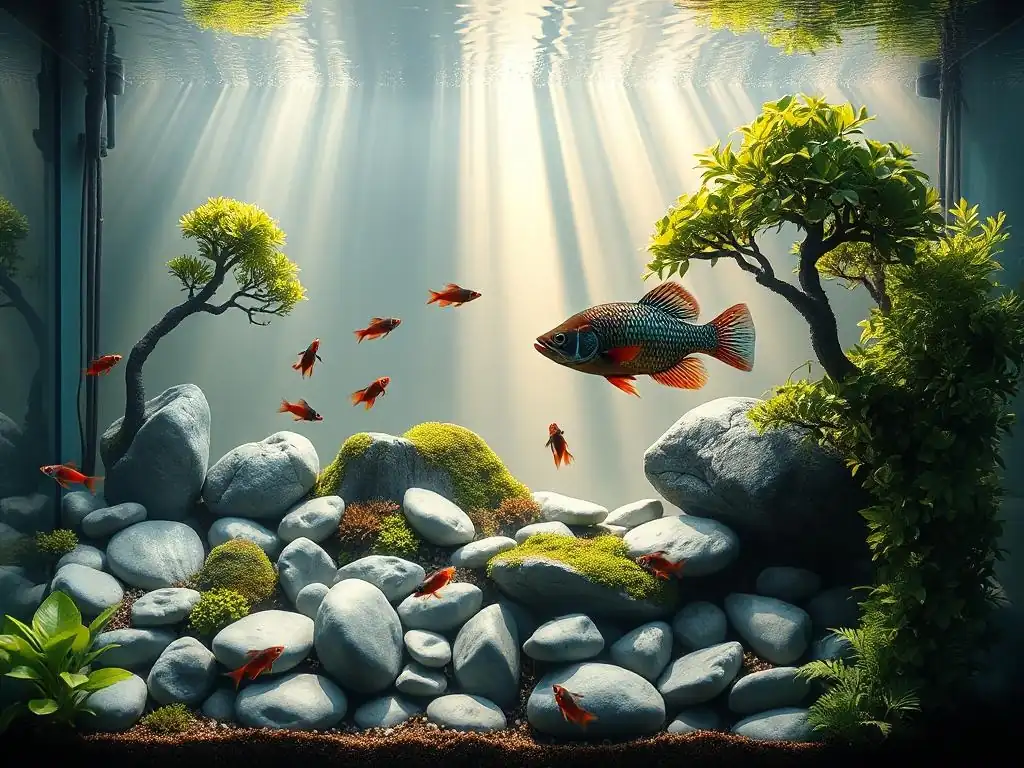
Welcome to Aquarium Mastery!
Ever wondered if your finned friends are feeling the pressure? Dive in and discover the secrets to creating a Zen Tank that not only looks stunning but also significantly reduces stress in your aquarium fish. Unlocking the key to a peaceful underwater environment is easier than you think. Let's explore how!
- Thriving Reef, Happy Fish: Mastering Stress Reduction in Your Marine Aquarium
- Understanding Stress in Marine Aquarium Fish: A Comprehensive Guide
- Creating a Stress-Free Marine Aquarium Environment: Practical Strategies
- Advanced Stress Reduction Techniques for Marine Aquarium Fish
- Preventing Stress-Related Diseases in Your Marine Aquarium
- Case Studies: Successful Stress Reduction Strategies in Marine Aquariums
- Conclusion: A Calm Reef is a Healthy Reef
-
Frequently Asked Questions
- How can an aquarium help with stress reduction?
- What types of fish are best for a stress-reducing aquarium?
- How does water quality affect stress levels in aquarium fish?
- Are live plants important for stress reduction in an aquarium?
- What are some key factors to consider when setting up a stress-reducing aquarium?
- Final Reflection: Cultivating Calm, One Fish at a Time
- Dive Deeper: Create Your Aquarium Sanctuary!
Thriving Reef, Happy Fish: Mastering Stress Reduction in Your Marine Aquarium
Understanding Stress in Marine Aquarium Fish: A Comprehensive Guide
Identifying Stressors in the Marine Aquarium Environment
Marine aquarium fish are susceptible to a range of environmental stressors that can compromise their well-being. Common culprits include fluctuating or improper water parameters, insufficient tank size, lack of adequate hiding places, and aggressive tank mates. External factors such as excessive noise, sudden movements near the tank, and even inconsistent lighting cycles can also contribute significantly to the overall stress reduction aquarium fish challenge. For instance, a persistent ammonia level as low as 0.25 ppm, while seemingly minor, can cause severe gill damage and chronic stress in sensitive species like Tangs within days.
Furthermore, the introduction of new fish or corals without proper acclimation, or the presence of unwanted pests and parasites, can trigger acute stress responses. Overfeeding, which leads to decaying organic matter and subsequent water quality degradation, is another subtle yet potent stressor. Even the continuous presence of a reflection in the tank glass can cause some pelagic species to constantly attempt to swim through it, leading to physical exhaustion and psychological strain. Recognizing and addressing these varied stressors is the first critical step in ensuring the long-term health and vitality of your marine inhabitants.
The Impact of Stress on Fish Health and Immunity
When marine aquarium fish experience stress, their bodies release hormones like cortisol, initiating a "fight or flight" response. While beneficial in short bursts, chronic exposure to these hormones suppresses the immune system, making fish highly vulnerable to diseases they would normally resist. This physiological response significantly increases susceptibility to common marine ailments such as Marine Ich (Cryptocaryon irritans), Marine Velvet (Amyloodinium ocellatum), and various bacterial infections like fin rot or cloudy eye. Studies have shown that fish under constant stress exhibit reduced antibody production and impaired wound healing.
Prolonged stress can also lead to a decline in appetite, weight loss, and stunted growth, ultimately shortening a fish's lifespan. For example, a fish constantly harassed by a tank mate might expend so much energy avoiding conflict that it has insufficient resources for immune function or growth. This weakened state makes them prime targets for opportunistic pathogens. Therefore, effective stress reduction aquarium fish techniques are not merely about comfort; they are a fundamental cornerstone of disease prevention and overall longevity in a captive marine environment.
Recognizing Signs of Stress in Your Fish
Identifying stress in marine aquarium fish requires keen observation of both behavioral and physical cues. Behaviorally, stressed fish often exhibit clamped fins, rapid or labored gilling (respiration rates exceeding 60-80 breaths per minute for many species), darting or erratic swimming, and excessive hiding or unusual shyness. They might also display a loss of appetite, refuse food, or show abnormal aggression towards tank mates they previously tolerated. Some species, like clownfish, may lose their typical host association and become withdrawn.
Physically, stressed fish frequently show faded or dull coloration, which is a common indicator of distress. They might develop cloudy eyes, excessive mucus production, or visible lesions. Early signs of parasitic infections, such as small white spots (Ich) or a dusty, velvet-like coating, often manifest after a period of stress due to a compromised immune system. For example, a normally vibrant Blue Tang turning pale or developing fin erosion within days of a water parameter swing is a clear sign of acute stress requiring immediate intervention for effective stress reduction aquarium fish.
Creating a Stress-Free Marine Aquarium Environment: Practical Strategies
Optimizing Water Parameters for Reef Health
Maintaining Proper Water Temperature and Salinity
Stable water parameters are paramount for the health and stress reduction aquarium fish in a marine environment. For most tropical marine species, the ideal water temperature range is between 75°F and 80°F (24°C to 27°C). Fluctuations of more than 1-2°F within a 24-hour period can cause significant thermal stress, impacting metabolic rates and immune function. Using reliable heaters with appropriate wattage for your tank size, and a secondary thermometer for verification, is crucial to maintaining this stability.
Salinity, measured as specific gravity (SG) or parts per thousand (ppt), should be consistently maintained within a narrow range, typically 1.023 to 1.026 SG (equivalent to 33-35 ppt). Even minor, rapid shifts in salinity – such as a sudden drop of 0.003 SG – can induce osmotic shock in sensitive fish like anthias or cardinalfish, leading to severe stress and potential mortality. Regular use of a calibrated refractometer or high-quality hydrometer for daily top-off water and weekly water changes ensures this vital parameter remains stable, directly contributing to long-term stress reduction aquarium fish.
Ensuring Adequate Water Circulation and Oxygenation
Proper water circulation is essential for distributing oxygen, nutrients, and maintaining consistent temperatures throughout the marine aquarium, while also preventing the build-up of detritus in stagnant areas. For a typical fish-only marine tank, a flow rate equivalent to 10-20 times the tank volume per hour is generally recommended. Reef tanks, with their higher oxygen demands and detritus accumulation, often benefit from significantly higher flow rates, ranging from 20-40 times the tank volume per hour, achieved through powerheads or wavemakers.
Adequate circulation directly impacts dissolved oxygen (DO) levels, which should ideally be above 6 mg/L for optimal fish health. Low oxygen levels, often indicated by fish rapid gilling at the surface, are a major stressor that can lead to organ damage and increased susceptibility to disease. Surface agitation, created by return pumps or powerheads breaking the water surface, facilitates crucial gas exchange, ensuring the water remains well-oxygenated. This continuous exchange of gases and movement of water are vital for effective stress reduction aquarium fish.
Controlling Ammonia, Nitrite, and Nitrate Levels
The nitrogen cycle is fundamental to a healthy marine aquarium, and meticulous control of its byproducts is critical for stress reduction aquarium fish. Ammonia (NH3) and Nitrite (NO2) are highly toxic and should always be undetectable (0 ppm) in a mature, cycled tank. Even concentrations as low as 0.25 ppm ammonia can cause gill damage, internal organ failure, and death in many marine species within hours or days. Nitrite, while less toxic than ammonia, can interfere with oxygen uptake, leading to suffocation.
Nitrate (NO3), the end product of the nitrogen cycle, is less toxic but still harmful in high concentrations. Levels should ideally be kept below 20 ppm for fish-only tanks and under 10 ppm for reef tanks to prevent chronic stress, algae blooms, and coral health issues. Regular partial water changes (e.g., 10-20% weekly or bi-weekly), proper biological filtration (live rock, bio-media), and efficient protein skimming are essential strategies to export nitrates and maintain pristine water quality, thereby minimizing this significant source of fish stress.
Choosing the Right Tank Size and Aquascaping for Stress Reduction
Selecting a Tank Size Appropriate for Your Fish Species
Choosing an appropriately sized tank is a foundational step in stress reduction aquarium fish. Undersized aquariums lead to stunted growth, increased aggression, and rapid deterioration of water quality. For instance, a single Ocellaris Clownfish requires a minimum of 20 gallons to thrive, while a common Yellow Tang needs at least a 75-gallon tank to allow for adequate swimming space and reduce territorial disputes. Larger, more active species like many Surgeonfish (Tangs) or Angelfish often require tanks of 125 gallons or more as adults.
Providing ample space allows fish to establish territories, exhibit natural swimming patterns, and escape from aggressive tank mates without constant confrontation. It also provides a greater volume of water, which dilutes waste products more effectively, making water parameter stability easier to maintain. Ignoring tank size recommendations is a common mistake that guarantees chronic stress, leading to a host of health problems and significantly shortening the lifespan of your marine inhabitants.
Creating Natural Hiding Places and Territories
A well-designed aquascape with abundant hiding places is crucial for stress reduction aquarium fish, particularly for shy, nocturnal, or subordinate species. Live rock structures, caves, overhangs, and crevices provide essential retreats where fish can feel secure, rest, and escape from perceived threats or aggressive tank mates. Aim to incorporate at least 1 pound of live rock per gallon of tank volume to create a complex and diverse environment.
Multiple hiding spots prevent dominant fish from monopolizing all safe zones, allowing subordinate individuals to thrive. For example, a Royal Gramma will exhibit natural behavior and vibrant coloration when provided with a small cave to call its own, whereas in a bare tank, it would likely remain constantly stressed and reclusive. Thoughtful aquascaping mimics natural reef environments, providing both physical and psychological comfort, which is vital for the long-term well-being of your aquarium inhabitants.
Minimizing Reflections and External Disturbances
Reflections on the aquarium glass can be a significant source of stress for many marine fish, as they may perceive their own reflection as a rival or another fish trying to enter their territory. This can lead to constant flaring, aggression towards the glass, and even physical injury from repeatedly attempting to swim through the perceived barrier. Minimizing external light sources that create strong reflections, especially when the main aquarium lights are off, can help alleviate this stress.
Furthermore, sudden movements, loud noises, or vibrations near the aquarium can startle fish, causing them to dart erratically, potentially injuring themselves by colliding with rockwork or the glass. Placing the aquarium in a low-traffic area of the home, avoiding sudden loud sounds like slamming doors, and approaching the tank slowly can significantly reduce these external disturbances. A calm external environment directly translates to a calmer internal environment for your fish, promoting stress reduction aquarium fish and overall health.
Selecting Compatible Tank Mates to Reduce Aggression
Understanding Fish Temperament and Social Behavior
Careful selection of compatible tank mates is one of the most critical factors for stress reduction aquarium fish. Thoroughly research the temperament, adult size, and social behaviors of each species before introduction. Mixing highly aggressive fish, such as some triggerfish or large angelfish, with docile species like cardinalfish or gobies is a recipe for disaster and constant stress for the weaker inhabitants. Similarly, some species are highly territorial, while others thrive in small groups or shoals.
For instance, most Damselfish are known to be highly aggressive and territorial as adults, despite their small size as juveniles, often harassing or even killing other tank mates. Conversely, many species of wrasse can be peaceful additions, though some larger species may prey on smaller invertebrates. Understanding these inherent temperaments and avoiding known incompatible pairings is fundamental to preventing chronic stress, injury, and even death within your aquarium community.
Avoiding Overcrowding and Dominance Issues
Overcrowding is a primary contributor to both poor water quality and heightened aggression, directly impacting stress reduction aquarium fish. A general guideline for marine fish is often cited as one inch of adult fish per five gallons of water, though this rule is highly variable and depends heavily on the species' activity level, adult size, and waste production. Exceeding a reasonable stocking density leads to increased competition for food, space, and hiding spots, fostering a perpetually stressful environment.
In overcrowded tanks, dominance hierarchies become more pronounced, with stronger, more aggressive fish constantly harassing and stressing weaker or subordinate individuals. This can result in suppressed immune systems, refusal to eat, and eventual succumbing to disease for the bullied fish. Providing ample space, sufficient hiding places, and carefully considering the adult size and temperament of each fish you introduce will help prevent overcrowding and mitigate dominance issues, leading to a more harmonious and healthy aquarium.
Implementing Proper Feeding Practices for Optimal Health
Providing a Balanced and Varied Diet
A balanced and varied diet is fundamental for the overall health and stress reduction aquarium fish. Just like humans, fish require a diverse range of nutrients, vitamins, and minerals to maintain a robust immune system and proper physiological function. Relying solely on one type of food, such as a single flake food, can lead to nutritional deficiencies over time, weakening the fish and making them more susceptible to disease.
Offer a mix of high-quality foods, including marine flakes, pellets, frozen foods (e.g., mysis shrimp, brine shrimp, spirulina-enriched formulas, copepods), and specialized foods for herbivores (e.g., nori, marine algae sheets). For example, Tangs are primarily herbivores and require significant amounts of plant-based foods to prevent Head and Lateral Line Erosion (HLLE), a common deficiency-related disease. Varying the diet ensures all nutritional needs are met, supporting strong immunity and resilience against stressors.
Avoiding Overfeeding and Food Waste
While providing a balanced diet is crucial, overfeeding is a common mistake that significantly contributes to water quality degradation and, consequently, fish stress. Uneaten food quickly decomposes, releasing ammonia and nitrites, and contributing to elevated nitrate and phosphate levels. This deterioration in water quality is a major stressor, directly compromising the fish's immune system and making them vulnerable to disease.
It is generally recommended to feed small amounts of food multiple times a day, only what your fish can consume within 2-3 minutes. For most marine aquariums, two to three small feedings daily are more beneficial than one large feeding. Not only does this prevent the accumulation of waste, but it also allows shy or slower-eating fish a better chance to get their share, further promoting stress reduction aquarium fish by reducing competition and ensuring all inhabitants receive adequate nutrition without polluting the tank.
Advanced Stress Reduction Techniques for Marine Aquarium Fish
Utilizing Activated Carbon and Protein Skimmers
Activated carbon is a highly effective chemical filtration media used to remove dissolved organic compounds (DOCs), yellowing discoloration, odors, and certain toxins from the aquarium water. By removing these pollutants before they break down into nitrates and phosphates, activated carbon significantly improves water clarity and reduces the overall chemical load, thereby contributing directly to stress reduction aquarium fish. It should be replaced every 2-4 weeks, as its adsorptive capacity becomes saturated over time.
Protein skimmers are indispensable pieces of equipment for marine aquariums, actively removing DOCs, proteins, and other organic waste before they can decompose and pollute the water. They work by creating fine air bubbles to which organic compounds adhere, forming a foam that is then collected and removed. A well-functioning protein skimmer can remove 30-50% of the organic waste produced in a marine aquarium, leading to consistently lower nitrate levels, higher dissolved oxygen, and clearer water – all critical factors in maintaining a low-stress environment for your fish.
Implementing a Quarantine Protocol for New Fish
Implementing a strict quarantine protocol for all new fish additions is arguably the single most effective advanced technique for stress reduction aquarium fish and preventing disease outbreaks in your display tank. A separate quarantine tank (QT) should be set up with basic filtration, a heater, and PVC pipes or other simple hiding places. New fish should be housed in the QT for a minimum of 4-6 weeks, allowing time to observe them for any signs of illness, parasites, or stress.
During this quarantine period, you can safely administer medications if needed, without risking harm to your main display tank's invertebrates, corals, or beneficial bacterial colonies. This proactive measure prevents the introduction of common and devastating marine diseases like Ich, Marine Velvet, or Brooklynella, which can decimate an entire established fish population and cause immense stress to survivors. A fish that has successfully completed quarantine and is eating well is far less likely to introduce problems when moved to the main aquarium.
Using Coral Dips for Parasite Prevention
While primarily intended for corals, the use of coral dips plays an indirect yet significant role in stress reduction aquarium fish by preventing the introduction of pests that can indirectly impact the entire reef ecosystem. Many common coral pests, such as flatworms, nudibranchs, and Acropora Eating Flatworms (AEFW), can proliferate rapidly and cause severe damage to corals. A stressed or dying coral can release toxins or simply degrade water quality, which in turn stresses fish.
By dipping all new corals in a specialized coral dip solution (following manufacturer instructions precisely for dilution and duration) before introducing them to the display tank, you can significantly reduce the chance of these pests establishing themselves. This preventative measure ensures that the coral environment remains healthy and stable, preventing a source of potential indirect stress to the fish from declining coral health or the presence of irritating pests.
Employing Probiotics for Gut Health
The use of probiotics, beneficial bacteria that support the digestive system, is an emerging advanced technique for stress reduction aquarium fish and enhancing overall health. Probiotics can be administered by soaking fish food in a probiotic solution or by adding them directly to the aquarium water. When ingested, these beneficial bacteria colonize the fish's gut, improving nutrient absorption, strengthening the intestinal barrier, and enhancing the fish's natural immune response.
A healthy gut flora helps fish better resist pathogens and recover more quickly from environmental stressors. For example, fish fed a probiotic-enriched diet may exhibit improved digestion, leading to less waste production and better overall vitality. Some high-quality commercial fish foods are now fortified with probiotics, offering a convenient way to bolster your fish's internal defenses and contribute to their long-term resilience against various forms of stress.
Maintaining a Regular Aquarium Maintenance Schedule
A rigorous and consistent aquarium maintenance schedule is the cornerstone of preventing stress-related diseases and ensuring stress reduction aquarium fish. Daily checks should include observing fish behavior, checking water temperature, and ensuring all equipment is functioning correctly. Weekly tasks should involve testing key water parameters (salinity, ammonia, nitrite, nitrate), cleaning the glass, and topping off evaporated water with RODI water. Bi-weekly or monthly tasks typically include partial water changes (e.g., 10-20%), cleaning filter socks or media, and inspecting equipment for wear.
Adhering to such a schedule prevents the gradual accumulation of stressors like poor water quality, nutrient imbalances, or equipment malfunctions that can silently erode fish health. For instance, consistently cleaning filter socks every 2-3 days prevents detritus from breaking down and releasing harmful compounds into the water, thereby averting a common source of chronic stress and potential disease outbreaks in the system.
Monitoring Fish Behavior and Appearance for Early Signs of Stress
Diligent and daily observation of your fish's behavior and appearance is paramount for early detection of stress and potential disease, allowing for prompt intervention. Learn what constitutes normal behavior for each species in your tank – their typical swimming patterns, social interactions, and feeding habits. Any deviation from these norms, such as a normally active Tang suddenly hiding, a Clownfish refusing to host, or a fish showing unusual shyness, should trigger immediate investigation.
Physical changes like clamped fins, rapid breathing, faded coloration, or the appearance of white spots or lesions, even if subtle, are critical early warning signs. Early detection allows you to address the underlying stressor or disease before it escalates into a widespread problem or causes irreversible damage. This proactive monitoring is a highly effective form of stress reduction aquarium fish management, enabling you to maintain a healthy and resilient marine environment.
Addressing Water Quality Issues Promptly
Water quality issues are among the most common and potent stressors for marine aquarium fish, and addressing them promptly is crucial for disease prevention. If routine water tests reveal undesirable parameters—such as an ammonia spike, elevated nitrites, or a sudden drop in pH or salinity—immediate action is required. The first step in an emergency often involves a significant partial water change (e.g., 25-50%) using properly mixed and temperature-matched saltwater to rapidly dilute pollutants.
Following the emergency water change, it is essential to identify and rectify the root cause of the water quality problem, whether it's overfeeding, a dead fish, a malfunctioning filter, or insufficient maintenance. Rapid response prevents acute stress from becoming chronic, which would inevitably lead to a compromised immune system and susceptibility to various diseases. Proactive management of water quality is a direct and impactful method for stress reduction aquarium fish and maintaining a thriving ecosystem.
Case Studies: Successful Stress Reduction Strategies in Marine Aquariums
Case Study 1: Reducing Aggression in a Tang Community Tank
In a 125-gallon mixed reef aquarium, the owner observed chronic aggression from a dominant Yellow Tang towards a newly introduced Purple Tang. The Purple Tang was constantly chased, displayed faded coloration, and began refusing food, showing classic signs of severe stress reduction aquarium fish challenges and susceptibility to Ich. Water parameters were stable, indicating the stress was primarily behavioral.
To alleviate the aggression, the owner implemented several strategies. First, additional live rock was carefully arranged to create more visual barriers and distinct territories, breaking the line of sight between the two tangs. Second, the owner began feeding smaller amounts of food more frequently (3-4 times a day) to reduce competition during meal times.
Third, a large, non-toxic mirror was placed against the outside of the tank for short periods (15-30 minutes) daily, temporarily distracting the aggressive Yellow Tang. Within two weeks, the Purple Tang’s coloration returned to normal, it resumed eating vigorously, and the aggressive encounters significantly decreased, leading to a more harmonious and stress-free environment for both fish.
Case Study 2: Alleviating Stress During Coral Introduction
A reef hobbyist recently added several new Acropora corals to their established 90-gallon SPS-dominated tank. Within 48 hours, their normally vibrant Ocellaris Clownfish began exhibiting rapid gilling and rubbing itself against the rockwork, highly indicative of acute stress. While water parameters remained pristine, the sudden onset of symptoms after coral introduction suggested a potential irritant or pest introduced with the new additions.
The owner immediately performed a 20% water change to dilute any potential toxins. Recognizing that the new corals were the only recent addition, they decided to implement a more rigorous coral dipping protocol for all future coral introductions. Although the current corals were already in the tank, this incident highlighted the importance of prevention.
For all subsequent corals, they utilized a recommended coral dip solution (e.g., a common pest control product diluted appropriately) for 5 minutes before adding them to the display tank. This proactive measure prevented further introductions of potential irritants or pests that could indirectly stress the fish, demonstrating how comprehensive preventative measures, even for corals, contribute to overall stress reduction aquarium fish. The clownfish recovered fully within 24 hours after the water change, and the tank remained stable thereafter.
Conclusion: A Calm Reef is a Healthy Reef
The Long-Term Benefits of Stress Reduction for Fish
Mastering stress reduction aquarium fish techniques is not merely about preventing immediate illness; it is about cultivating a thriving, dynamic ecosystem where your marine inhabitants can truly flourish. A consistently low-stress environment directly translates to a multitude of long-term benefits: fish exhibit more vibrant colors, display natural and active behaviors, maintain robust appetites, and, most importantly, enjoy significantly extended lifespans. Their immune systems remain strong, making them inherently more resilient to common diseases and less reliant on chemical treatments.
Ultimately, investing time and effort into understanding and mitigating stressors in your marine aquarium transforms it from a mere enclosure into a vibrant, self-sustaining miniature reef. This proactive approach leads to fewer disease outbreaks, less frustration for the aquarist, and a more rewarding hobby experience. By prioritizing comprehensive stress reduction aquarium fish strategies, you are ensuring the health, beauty, and longevity of your aquatic companions, fostering a truly calm and flourishing reef.
Frequently Asked Questions
How can an aquarium help with stress reduction?
Aquariums can be incredibly calming due to the peaceful movements of fish and the soothing visual appeal of the underwater environment. Observing a well-maintained aquarium can lower blood pressure and promote relaxation.
What types of fish are best for a stress-reducing aquarium?
Generally, peaceful and slow-moving fish are ideal. Consider species like Betta fish (in a suitable environment), Tetras, or Corydoras catfish as they contribute to a serene atmosphere.
How does water quality affect stress levels in aquarium fish?
Poor water quality can significantly stress fish. High levels of ammonia, nitrite, or nitrate can weaken their immune systems and make them susceptible to disease, negating any stress-reducing benefits for the owner.
Are live plants important for stress reduction in an aquarium?
Yes, live plants are highly beneficial. They help maintain water quality by absorbing nitrates and providing natural hiding places for fish, which reduces anxiety and promotes a sense of security.
What are some key factors to consider when setting up a stress-reducing aquarium?
Focus on creating a stable and balanced environment. This includes proper filtration, appropriate lighting, a well-thought-out aquascape with hiding spots, and regular water changes to maintain optimal water parameters.
Final Reflection: Cultivating Calm, One Fish at a Time
The principles explored within these pages, connecting the tranquility of a well-maintained aquarium with personal well-being, are more relevant now than ever. In a world increasingly defined by anxiety and relentless demands, the simple act of creating a peaceful environment for our aquatic companions can become a powerful tool for stress reduction in our own lives. This isn't just about healthy fish; it's about cultivating a sanctuary of calm amidst the storm.
The influence of the "Zen Tank" concept extends beyond the glass walls of an aquarium. It serves as a microcosm, a reminder that intentionality and mindful attention to detail can transform any space, and by extension, our own mental state. The best time to plant a tree was 20 years ago. The second best time is now.
This ancient proverb perfectly encapsulates the proactive approach we can take to cultivate inner peace, starting with something as seemingly simple as the care of our fish.
Now, take a moment to consider the lessons learned. How can you apply the principles of mindful observation, careful planning, and consistent maintenance – so crucial for a thriving aquarium – to other areas of your life? Embrace the opportunity to create your own "Zen Tank," whether it's a physical space or a mental practice, and discover the profound impact that cultivating calm can have on your overall well-being. Let the gentle rhythm of your aquarium be a constant reminder to breathe, observe, and find peace in the present moment.
Dive Deeper: Create Your Aquarium Sanctuary!
Thank you for exploring the art of stress reduction in your aquarium! We hope this guide has provided valuable insights into creating a healthier, happier environment for your fish. Now, let's put that knowledge into action:
- Transform your aquarium into a zen retreat: Dedicate time this week to identifying and mitigating potential stressors in your tank. Observe your fish, adjust lighting, optimize water flow, or introduce new hiding spots to encourage a calm atmosphere.
- Share your zen aquarium tips! Inspire other fish keepers by posting a photo of your stress-free tank on social media, tagging Aquarium Mastery and using #AquariumZen.
- Research one lesser-known peaceful fish species and consider if it might be a good addition to your community tank.
What's one small change you can make today to drastically reduce stress in your aquarium?