
Planting Your Shrimp Aquarium: Best Plants for Grazing, Shelter & Oxygen

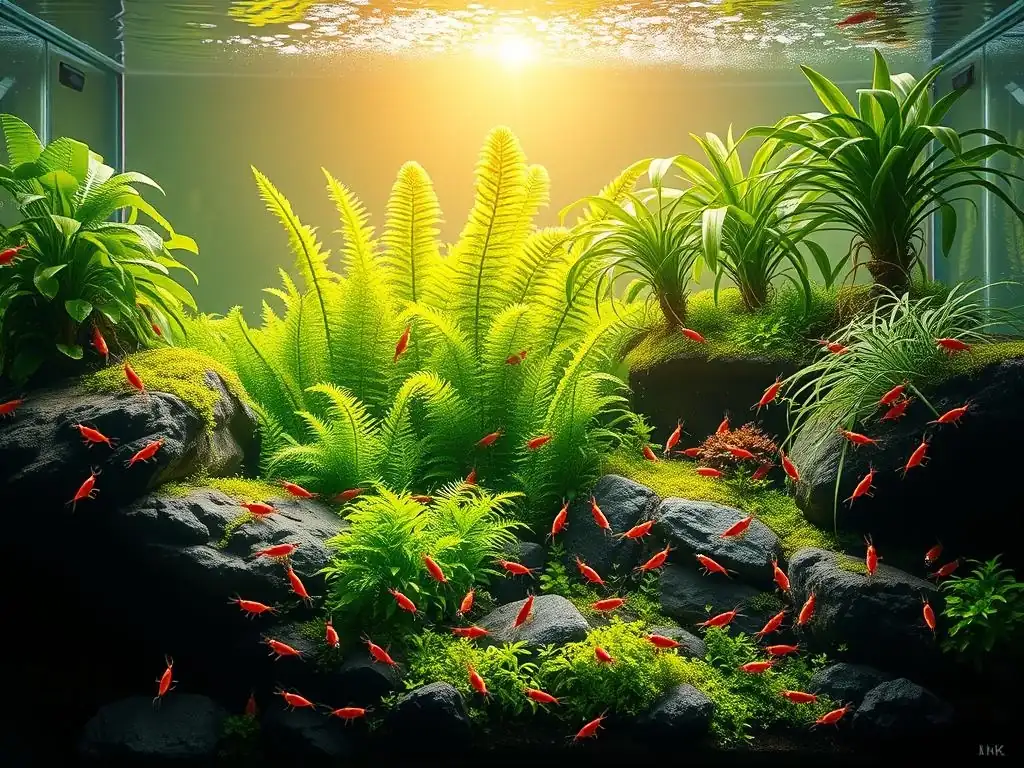
Welcome to Aquarium Mastery!
Intrigued by the miniature ecosystems thriving in shrimp tanks? You've come to the right place! Discover the secrets to creating a lush and vibrant environment for your tiny aquatic friends. Dive in and explore our guide to " Shrimp tank plant selection," uncovering the best plants for grazing, shelter, and oxygenation, and transforming your shrimp aquarium into a captivating underwater paradise. Ready to cultivate a thriving shrimp haven?
- Introduction to Shrimp Tank Plant Selection
- Best Plants for Shrimp Grazing
- Providing Shelter and Security with Aquarium Plants
- Maximizing Oxygen Levels with Aquatic Plants
- Choosing the Right Substrate and Lighting for Plant Growth
- Planting Techniques for a Successful Shrimp Tank
- Maintaining a Healthy Planted Shrimp Tank
- Conclusion: Creating the Perfect Planted Shrimp Paradise
-
Frequently Asked Questions
- How do I choose plants that shrimp will actually graze on?
- What kind of plants offer the best shelter and hiding places for shrimp?
- Can plants help maintain good water quality in my shrimp tank?
- Are there any plants I should avoid in a shrimp tank?
- How do I properly prepare and plant new plants in my shrimp tank?
- Final Reflection: Cultivating Aquatic Harmony
- Cultivate Your Shrimp Paradise!
Introduction to Shrimp Tank Plant Selection
Why Plants are Essential for a Healthy Shrimp Aquarium
Plants are far more than mere decorations in a shrimp aquarium; they are fundamental to creating a thriving and stable ecosystem. Beyond their aesthetic appeal, live aquatic plants play a critical role in maintaining pristine water quality by absorbing harmful nitrates, phosphates, and other waste products produced by shrimp and decaying organic matter. This natural filtration significantly reduces the frequency of water quality issues, providing a more consistent and healthier environment for sensitive invertebrates.
Furthermore, plants contribute to the overall well-being of shrimp by reducing stress and providing essential biological surfaces. Their intricate structures offer vast surface areas for the growth of beneficial bacteria, which are crucial for the nitrogen cycle, converting toxic ammonia and nitrites into less harmful nitrates. This biological activity, coupled with the plants' ability to release oxygen during photosynthesis, creates a balanced and oxygen-rich habitat that is vital for shrimp respiration, molting success, and reproductive health.
Understanding the Needs of Your Shrimp: Grazing, Shelter, and Oxygenation
To successfully implement shrimp tank plant selection, it's crucial to understand the specific needs of your shrimp. Dwarf shrimp species like Neocaridina davidi (Cherry Shrimp) and Caridina cantonensis (Crystal Red Shrimp) are primarily grazers, constantly foraging for biofilm, microalgae, and detritus that accumulate on plant surfaces. Plants act as natural feeding grounds, providing a continuous, readily available food source that supplements their diet and reduces the need for frequent artificial feeding.
Beyond food, plants offer indispensable shelter and security. Shrimp, especially during their vulnerable molting phases or when fry are present, require numerous hiding spots to escape potential predators and reduce stress. Dense plant cover mimics their natural habitats, providing a sense of security that encourages natural behaviors, including successful breeding. Lastly, plants are vital for oxygenation. Through photosynthesis during the day, they release dissolved oxygen into the water, which is critical for shrimp respiration, particularly in warmer tanks or those with a high bioload, thus ensuring a robust and healthy shrimp colony.
Best Plants for Shrimp Grazing
Biofilm Production: Plants that Encourage Algae Growth for Shrimp Food
Biofilm is a complex matrix of microorganisms, including bacteria, fungi, and microalgae, that adheres to surfaces within the aquarium. For many dwarf shrimp species, such as Neocaridina and Caridina, biofilm is a primary and essential food source, providing continuous nutrition. Certain aquatic plants are particularly effective at encouraging the growth of this nutritious layer due to their textured surfaces, intricate structures, or slow growth, making them ideal candidates for shrimp tank plant selection.
These plants essentially become living, self-replenishing feeding stations for your shrimp. By providing ample surface area, they facilitate the colonization of beneficial biofilm, reducing reliance on supplemental feeding and contributing to cleaner water by minimizing uneaten food waste. A tank rich in biofilm-producing plants can support a healthier, more active shrimp population, as shrimp will spend much of their time meticulously grazing on these surfaces.
Java Moss: A Shrimp Grazing Staple
Java Moss ( Taxiphyllum barbieri) is arguably the most popular and versatile plant for shrimp aquariums, earning its reputation as a shrimp grazing staple. Its dense, intricate network of fine, branching stems and small leaves provides an enormous surface area. This vast surface is an ideal substrate for the proliferation of biofilm, microalgae, and small detritus particles, offering a constant, accessible food source that shrimp eagerly graze upon throughout the day.
This hardy moss is incredibly easy to care for, thriving in a wide range of water parameters (pH 6.0-8.0, temperature 68-82°F or 20-28°C) and requiring very low light. It can be attached to driftwood, rocks, or left free-floating, making it adaptable to any tank setup. Its robust nature and ability to grow densely make it an indispensable choice for providing both grazing opportunities and invaluable shelter for shrimp fry.
Marimo Moss Balls: Slow-Growing Algae Balls for Shrimp Tanks
Marimo Moss Balls ( Aegagropila linnaei) are unique, spherical formations of filamentous green algae that are surprisingly beneficial for shrimp tanks. Despite being algae themselves, their dense, felt-like surface provides an excellent habitat for the accumulation of biofilm and microscopic organisms, which shrimp constantly pick at. These slow-growing balls (expanding approximately 5mm per year) offer a consistent and long-lasting food source.
Extremely low maintenance, Marimo Moss Balls do not require planting and can be placed anywhere in the tank, often preferred in cooler temperatures (ideally below 75°F or 24°C). They also contribute to water quality by absorbing nitrates and can live for decades, making them a durable and aesthetically pleasing addition to any shrimp tank plant selection. Their unique texture and constant grazing potential make them a favorite among shrimp enthusiasts.
Subwassertang: A Versatile Shrimp Feeding Ground
Subwassertang ( Lomariopsis lineata) is a fascinating liverwort that resembles a tangled, translucent moss, often referred to as 'Süßwassertang'. Its irregular, branching growth pattern creates an incredibly complex and porous structure, providing myriad crevices and surfaces where biofilm, detritus, and microscopic food particles readily collect. This makes it an exceptional, continuous feeding ground for all sizes of dwarf shrimp.
Highly versatile, Subwassertang can be free-floating, tied to driftwood or rocks, or even spread out to form a loose carpet. It is virtually indestructible and tolerates a wide range of water conditions (pH 6.0-7.5, temperature 68-78°F or 20-26°C) and light levels, from low to medium. Its resilience and ability to provide a constant food source make it an excellent and reliable choice for a dedicated shrimp tank plant selection, promoting healthy grazing behaviors.
Plants with Soft Leaves for Shrimp
Plants with softer leaves offer a different type of grazing opportunity for shrimp. While biofilm is their primary diet, shrimp will also graze directly on the delicate leaf surfaces, particularly on any decaying or shedding plant cells. These softer textures are more accessible for their tiny mouthparts, allowing them to consume minute particles of the plant itself, supplementing their diet with different nutrients.
Beyond direct grazing, soft-leaved plants often grow rapidly or have expansive leaf surfaces, contributing to immediate shelter and water purification. Their delicate nature can also indicate good water quality, as they are often more sensitive to harsh conditions. Integrating these plants into your shrimp tank plant selection provides a varied grazing experience and enhances the overall biodiversity of the micro-ecosystem.
Dwarf Water Lettuce: Floating Plant with Nutritious Roots
Dwarf Water Lettuce ( Pistia stratiotes 'Minima') is a popular floating plant characterized by its velvety, light green leaves and long, feathery roots that dangle into the water column. These extensive root systems are prime real estate for the accumulation of biofilm, detritus, and micro-organisms, all of which are eagerly grazed upon by shrimp. The roots essentially become a dense, nutrient-rich "salad bar" for your aquatic invertebrates.
In addition to providing a food source, Dwarf Water Lettuce offers significant benefits for water quality, effectively absorbing nitrates and other excess nutrients from the water, thus helping to maintain a cleaner environment. Its floating leaves also provide natural shade, which can help reduce nuisance algae growth on the substrate and create a calmer, less stressed environment for shrimp. It grows rapidly, often requiring thinning every 1-2 weeks in a 10-gallon tank to prevent light blockage.
Duckweed: Fast-Growing and Palatable for Shrimp
Duckweed ( Lemna minor) consists of very small, fast-growing floating fronds that can quickly cover the water surface. While often considered a nuisance by some aquarists due to its rapid proliferation, it is an exceptionally beneficial plant for shrimp tanks. Its tiny leaves and rootlets provide an immense surface area for biofilm and microalgae to thrive, offering a continuous, readily available food source that many dwarf shrimp species will graze upon.
Beyond its role as a feeding ground, Duckweed is an unparalleled nutrient absorber, voraciously consuming nitrates, phosphates, and other excess nutrients from the water column. This makes it highly effective at purifying water and inhibiting nuisance algae. Its rapid growth ensures a constant supply of fresh plant material and biofilm, though regular removal (e.g., skimming 30-50% weekly) is necessary to prevent it from completely blocking light to submerged plants and to manage its spread effectively.
Providing Shelter and Security with Aquarium Plants
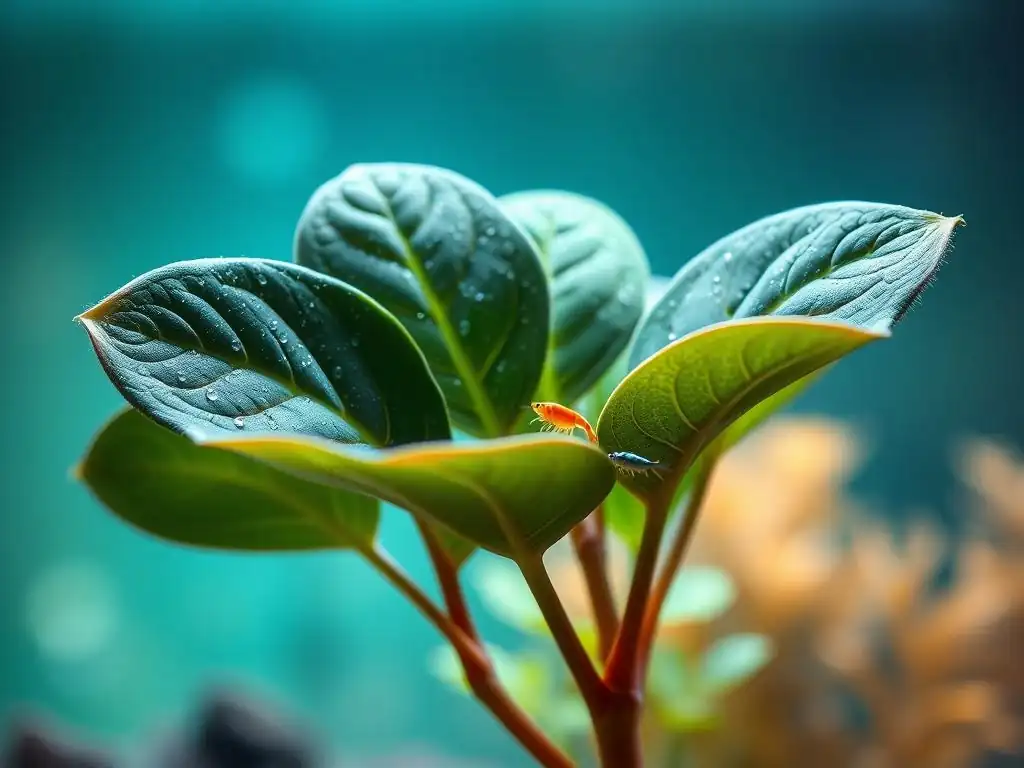
Dense Plant Cover for Shrimp Fry Protection
Dense plant cover is not merely an aesthetic choice in a shrimp aquarium; it is a critical component for the survival and thriving of shrimp, especially the highly vulnerable fry and molting adults. Shrimp fry, often no bigger than a speck of dust when hatched, are extremely susceptible to predation, even from seemingly harmless tankmates like snails or adult shrimp. Thick plant thickets provide countless tiny hiding spots, allowing the fry to grow and develop in safety.
Furthermore, molting is a highly stressful and dangerous period for adult shrimp, as they shed their old exoskeleton and are soft and defenseless. During this time, they seek secluded spots to hide until their new shell hardens. A well-planted tank with ample hiding places reduces stress, minimizes molt-related deaths, and encourages successful reproduction, thereby enhancing the overall stability and growth of the shrimp colony.
Java Fern: Hardy and Provides Excellent Cover
Java Fern ( Microsorum pteropus) is a classic choice for shrimp tanks due to its extreme hardiness and excellent sheltering capabilities. This robust plant features broad, arching leaves that can grow quite large, creating a dense canopy and an intricate root structure. These features provide numerous safe havens and shaded areas where shrimp, especially tiny fry, can hide from potential threats and feel secure.
One of its greatest advantages is its ease of care; it does not require planting in the substrate and can be easily attached to driftwood or rocks using fishing line or super glue gel. Java Fern tolerates a wide range of water parameters (pH 6.0-7.5, temperature 68-82°F or 20-28°C) and very low light, making it suitable for almost any shrimp setup. Its slow growth means minimal maintenance, yet it consistently offers reliable, long-lasting cover.
Hornwort: Fast-Growing and Offers Refuge
Hornwort ( Ceratophyllum demersum) is a highly adaptable and fast-growing plant that excels at providing immediate and dense refuge for shrimp. Its needle-like leaves are arranged in whorls along the stem, creating a bushy, almost feathery appearance. This thick growth forms an intricate labyrinth of hiding spots, making it an ideal choice for protecting shrimp fry and providing a sense of security for molting adults.
Hornwort can be floated at the surface, where it provides excellent shade and deters algae, or it can be loosely planted in the substrate. It is incredibly tolerant of various water conditions and light levels, making it a robust and forgiving option for beginners. Its rapid growth also means it quickly establishes a significant biomass, contributing to oxygenation and nitrate absorption, while simultaneously offering extensive, natural hiding places.
Water Sprite: Floating Plant for Shade and Security
Water Sprite ( Ceratopteris thalictroides) is a beautiful, fast-growing fern that can be utilized as a floating or planted specimen. When floated, its delicate, lacy leaves and extensive, feathery root system create a sprawling network of shelter just below the water surface. This provides an invaluable refuge for shrimp fry, particularly those that tend to stay near the top, and offers security for adult shrimp seeking calm areas.
Beyond its sheltering capabilities, Water Sprite is a powerful natural filter, efficiently absorbing excess nitrates and phosphates from the water column, contributing significantly to water purification. Its rapid growth and adaptability to various water parameters (pH 6.0-8.0, temperature 72-82°F or 22-28°C) make it a popular and functional choice. The shade it casts can also help moderate light levels in the tank, reducing algae growth on the substrate and creating a more tranquil environment for shrimp.
Creating a Natural Habitat: Plants for Breeding and Molting
Creating a natural habitat with appropriate plants is paramount for the successful breeding and molting of dwarf shrimp. Plants provide stable, secure surfaces for shrimp to carry out these critical life stages without undue stress. While dwarf shrimp typically carry their eggs on their pleopods (swimmerets) until hatching, the presence of dense foliage still offers a secluded environment for berried females, protecting them from harassment and ensuring their eggs develop safely.
For molting, which is arguably the most vulnerable period in a shrimp's life, plants offer essential hiding spots where the shrimp can shed their old exoskeleton and allow their new, soft shell to harden in peace. A naturalistic, plant-rich environment signals security and abundant resources to shrimp, which in turn encourages them to breed more readily and reduces the likelihood of molt-related complications. This holistic approach to shrimp tank plant selection significantly boosts the productivity and health of the colony.
Anubias Nana: Durable and Shrimp-Friendly
Anubias Nana ( Anubias barteri var. nana) is a highly favored plant for shrimp tanks due to its extreme durability, slow growth, and shrimp-friendly attributes. Its broad, tough leaves provide stable, flat surfaces that shrimp love to perch on, graze for biofilm, or use as a secure resting spot during molting. The plant's hardy nature means it is resistant to damage from shrimp or light grazing.
Crucially, Anubias Nana is an epiphyte, meaning its rhizome (the thick stem from which leaves and roots grow) must not be buried in the substrate, as this will cause it to rot. Instead, it should be attached to driftwood, rocks, or other decor using fishing line or super glue gel. It thrives in low light conditions and tolerates a wide range of water parameters, making it a low-maintenance yet highly effective plant for providing consistent cover and a natural feel in any shrimp tank.
Cryptocoryne Parva: Adaptable to Various Tank Conditions
Cryptocoryne Parva ( Cryptocoryne parva) is one of the smallest Cryptocoryne species, known for its ability to form a dense, lush foreground carpet under optimal conditions. Its compact size and tendency to grow in tight clusters create excellent ground-level cover and security, which is particularly beneficial for tiny shrimp fry and molting adults seeking discreet hiding spots at the substrate level.
While it is a slow-growing plant and prefers stable water conditions, Cryptocoryne parva is remarkably adaptable and can thrive in a range of light levels from low to medium. Once established, its robust root system helps stabilize the substrate, and its dense foliage offers perfect, secluded retreats. Its natural, understated beauty contributes to a naturalistic habitat, encouraging shrimp to explore and feel secure, making it a valuable addition to shrimp tank plant selection.
Maximizing Oxygen Levels with Aquatic Plants
Oxygenating Plants for a Thriving Shrimp Ecosystem
Oxygen is a non-negotiable requirement for all aquatic life, and shrimp are particularly sensitive to fluctuations in dissolved oxygen levels. Low oxygen can lead to stress, lethargy, and even death, especially in warmer water or tanks with a high bioload. Aquatic plants are natural oxygen producers through the process of photosynthesis. During the day, as they absorb light and carbon dioxide, they release oxygen as a byproduct directly into the water column.
A well-planted tank, therefore, significantly contributes to maintaining high and stable dissolved oxygen levels, which is crucial for healthy shrimp respiration, efficient biological filtration (beneficial bacteria are aerobic), and overall ecosystem stability. While air stones can provide surface agitation for gas exchange, vigorous plant growth offers a more natural and continuous oxygen supply, reducing the reliance on mechanical aeration and creating a more self-sustaining shrimp environment.
Elodea Densa: A Classic Oxygenator
Elodea Densa ( Egeria densa), commonly known as Anacharis, is a highly popular and exceptionally fast-growing stem plant renowned for its superior oxygenating capabilities. Its rapid growth rate means it photosynthesizes vigorously, releasing a substantial amount of oxygen into the water, often visible as tiny bubbles clinging to its leaves, a phenomenon known as "pearling." This makes it an excellent choice for quickly boosting dissolved oxygen levels in a shrimp tank.
This hardy plant is very easy to care for, tolerating a wide range of temperatures (60-78°F or 15-26°C) and light levels, from low to medium, making it suitable for beginners. It can be floated or planted in the substrate, and its dense foliage also provides excellent cover and hiding spots for shrimp and fry, serving a dual purpose in shrimp tank plant selection by offering both oxygen and security.
Pearlweed (Hemianthus micranthemoides): Colorful and Oxygen-Rich
Pearlweed ( Hemianthus micranthemoides) is a versatile, small-leaved stem plant that can be grown as a lush carpet, a dense mid-ground bush, or a tall background plant, depending on lighting and pruning. Under good lighting and with adequate CO2, Pearlweed is a prolific oxygen producer, often displaying significant "pearling," where visible streams of oxygen bubbles rise from its leaves, indicating robust photosynthesis.
Beyond its oxygenating prowess, Pearlweed's fine, dense foliage provides excellent hiding spots for shrimp and fry, making it an ideal choice for a breeding tank. It thrives in medium to high light and benefits significantly from CO2 injection for optimal growth and pearling, but it can still grow well in lower-tech setups, contributing to oxygenation and creating a vibrant, appealing landscape in the shrimp aquarium.
Balancing CO2 and Plant Growth for Optimal Oxygenation
Achieving optimal oxygenation through aquatic plants involves a delicate balance, particularly concerning carbon dioxide (CO2). Plants require CO2 as a primary raw material for photosynthesis. When CO2 levels are adequate alongside sufficient light, plants grow vigorously, maximizing their oxygen output. Conversely, insufficient CO2 can limit plant growth, leading to stunted plants and reduced oxygen production, regardless of light intensity.
It's also important to remember that while plants produce oxygen during the day, they consume oxygen during respiration at night. Therefore, a truly balanced system ensures that the net gain of oxygen during the day is substantial enough to maintain healthy levels around the clock. This balance is crucial for a stable shrimp environment, as consistently high dissolved oxygen levels reduce stress and support robust biological processes.
CO2 Injection Considerations for Shrimp Tanks
CO2 injection can dramatically boost plant growth and, consequently, oxygen production, leading to a vibrant, pearling aquarium. However, for shrimp tanks, CO2 injection must be approached with extreme caution. Shrimp are highly sensitive to rapid fluctuations in water parameters, especially pH and dissolved CO2 levels. High CO2 concentrations can cause a sharp drop in pH, leading to "pH shock," and can directly suffocate shrimp by reducing their ability to absorb oxygen, even if overall dissolved oxygen levels are high.
Therefore, if considering CO2 injection for a shrimp tank, precise dosing and continuous monitoring are absolutely essential. A drop checker is invaluable for visual CO2 level assessment, typically aiming for a light green color indicating 15-25 ppm CO2. It is crucial to start with very low doses and gradually increase, always observing shrimp behavior for any signs of distress. A stable CO2 level is far more important than achieving maximum plant growth at the risk of shrimp health.
Liquid Carbon Alternatives to CO2 Injection
For aquarists seeking to enhance plant growth and oxygen production without the complexity and risk of pressurized CO2 injection, liquid carbon supplements offer a viable alternative. Products containing glutaraldehyde (e.g., Seachem Flourish Excel) provide a bioavailable carbon source that plants can utilize for photosynthesis. While generally less potent than pressurized CO2 for achieving explosive plant growth, they still significantly promote plant health and, by extension, oxygen output.
These liquid carbon alternatives are easier to dose, more affordable, and generally safer for shrimp compared to improperly managed CO2 systems. They can also inhibit the growth of certain types of nuisance algae, offering an additional benefit. However, it is vital to adhere strictly to recommended dosages, as overdosing can still be harmful to sensitive shrimp. Liquid carbon is an excellent option for low to medium-tech shrimp tanks aiming for robust plant growth and improved oxygenation without high-tech complexity.
Choosing the Right Substrate and Lighting for Plant Growth
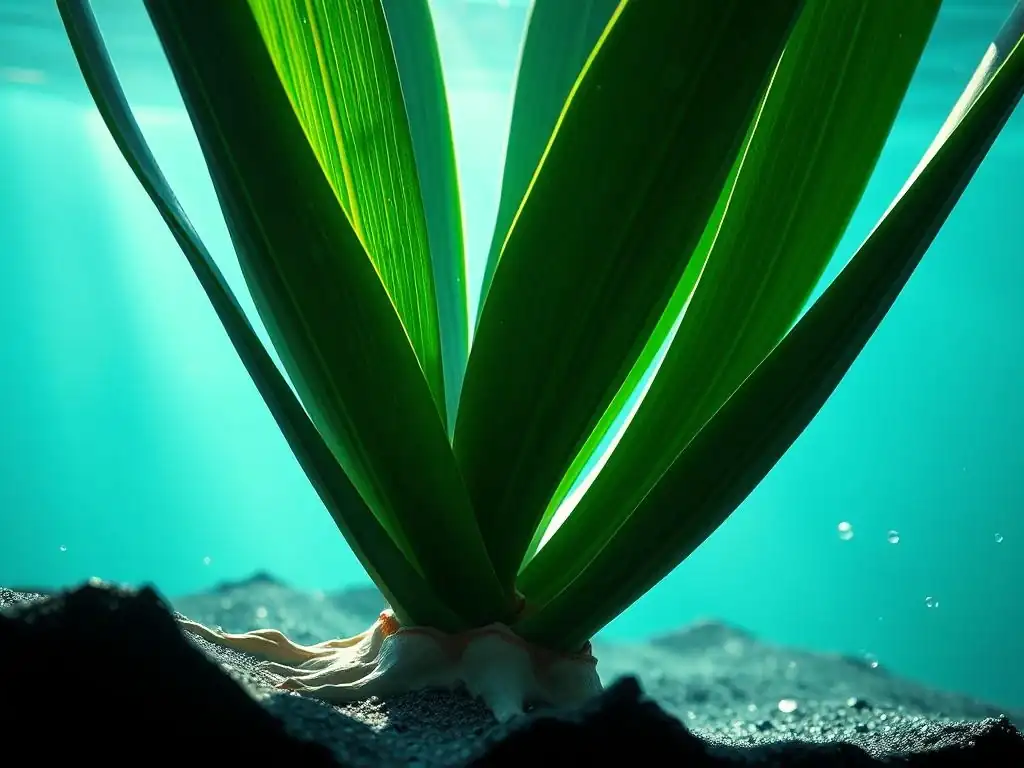
Substrate Considerations for Shrimp and Plant Health
The substrate forms the foundation of your planted shrimp tank, serving as an anchor for plant roots, a nutrient reservoir, and a critical habitat for beneficial bacteria. Its selection directly impacts water parameters, nutrient availability for plants, and ultimately, the health and well-being of your shrimp. An appropriate substrate ensures plants can thrive, leading to better water quality and more abundant grazing surfaces for shrimp.
Crucially, the chosen substrate must be safe for shrimp, meaning it should not leach harmful chemicals, buffer water parameters too drastically, or contain sharp edges that could injure delicate shrimp. For sensitive species like Caridina, a substrate that helps maintain stable, specific water parameters is often preferred. The right substrate choice is a cornerstone of successful shrimp tank plant selection.
Inert vs. Active Substrates
Substrates can be broadly categorized into inert and active types. Inert substrates, such as fine-grain sand or smooth gravel (e.g., ADA La Plata Sand or CaribSea Super Naturals), do not significantly alter water chemistry. They primarily provide physical support for plants, and any necessary nutrients must be supplied via root tabs or liquid fertilizers. Inert substrates are generally the safest option for Neocaridina shrimp, as they do not buffer pH or GH, allowing the aquarist complete control over water parameters.
Active substrates, often referred to as aquasoil (e.g., ADA Aqua Soil Amazonia, Fluval Stratum), are specifically designed to buffer pH, usually lowering it to an acidic range (pH 5.5-6.5), and release nutrients over time. These are excellent for supporting vigorous plant growth, particularly for root feeders, and are ideal for Caridina species that thrive in softer, acidic water. However, their buffering capacity can be detrimental to Neocaridina shrimp which prefer harder, more alkaline water, necessitating careful consideration during shrimp tank plant selection.
Substrate Depth and Nutrient Content
Optimal substrate depth is generally 2-3 inches (5-7.5 cm) for most planted tanks. This depth provides sufficient space for plant root development and allows for the establishment of anaerobic zones beneficial for denitrification (the conversion of nitrates to nitrogen gas). Nutrient-rich substrates, or the strategic placement of root tabs beneath heavy root feeders, ensure that plants have a steady supply of essential macro and micronutrients like nitrogen, phosphorus, potassium, and iron.
A healthy, nutrient-rich substrate promotes robust plant growth, which in turn leads to better water quality through efficient nutrient absorption and increased oxygen production. However, it's important to exercise caution: frequently disturbing nutrient-rich substrates can release ammonia or other compounds that are highly toxic to shrimp. Therefore, once established, minimize disruption to maintain a stable and safe environment.
Lighting Requirements for Different Plant Species
Light is the fundamental energy source for aquatic plants, driving the process of photosynthesis. The intensity, spectrum, and duration of light directly impact plant growth rates, overall health, and their capacity to produce oxygen and absorb nutrients. Different plant species have varying light requirements, ranging from low-light tolerant mosses to high-light demanding stem plants and carpeting species.
Appropriate lighting ensures that plants grow vigorously, efficiently consuming nitrates and producing oxygen, which directly benefits the shrimp population by maintaining superior water quality and a well-oxygenated environment. Conversely, inadequate lighting will stunt plant growth, leading to nutrient imbalances and potential algae issues. Excessive lighting, without adequate CO2 and nutrients, can also trigger severe algae outbreaks, which can be detrimental to a shrimp tank.
Low-Tech vs. High-Tech Lighting Options
For shrimp tank plant selection, lighting can be categorized into low-tech and high-tech options. Low-tech lighting typically involves lower intensity LEDs (e.g., 0.25-0.5 watts per liter or 5-15 PAR at the substrate level) suitable for undemanding plants such as Java Moss, Anubias, and Cryptocorynes. These setups generally do not require CO2 injection and are simpler to manage, making them ideal for beginners and those prioritizing shrimp safety and stability.
High-tech lighting, conversely, uses higher intensity LEDs (e.g., 0.5-1.0+ watts per liter or 30-80+ PAR at the substrate) designed for demanding plants that benefit significantly from CO2 injection. While allowing for a wider variety of plant species and much faster growth, high-tech setups require precise balancing of light, CO2, and nutrient dosing to prevent aggressive algae outbreaks and ensure shrimp safety, demanding more advanced husbandry skills.
Photoperiod and Light Intensity Recommendations
The photoperiod, or the duration of light exposure per day, is a critical factor for plant health and algae control. For most planted shrimp tanks, a consistent photoperiod of 6-8 hours is recommended. This duration is generally sufficient to encourage healthy plant growth while minimizing the risk of excessive nuisance algae, which often thrives under longer light exposures without proportional benefits to the plants.
Light intensity must be matched to the specific plant species chosen. Too little light will stunt plant growth, leading to pale leaves and poor nutrient absorption. Too much light, especially without adequate CO2 and nutrients, can trigger rapid algae blooms that outcompete plants and stress shrimp. Finding the right balance for your specific shrimp tank plant selection is crucial for a thriving, algae-controlled ecosystem. For example, Neocaridina tanks often benefit from lower light levels to encourage biofilm growth without overwhelming the tank with nuisance algae.
Planting Techniques for a Successful Shrimp Tank
Preparing Plants Before Introduction
Proper preparation of new plants before introducing them to a shrimp aquarium is a crucial step that cannot be overlooked. Shrimp are highly sensitive to pests, diseases, and chemical residues, making thorough preparation essential to prevent the introduction of unwanted organisms like pest snails, planaria, or hydra, and to eliminate any pesticides or algaecides that might have been used in the plant's cultivation. Even trace amounts of certain chemicals, particularly copper, can be lethal to shrimp.
Therefore, meticulous rinsing and disinfection procedures are vital. Taking the time for these preparatory steps significantly reduces the risk of contaminating your established shrimp tank, ensuring a healthy and safe environment for your delicate invertebrates. This due diligence is a hallmark of successful shrimp tank plant selection.
Quarantine Procedures to Prevent Pests and Diseases
Implementing a quarantine procedure for all new plants is the most effective way to prevent the introduction of pests and diseases into your main shrimp tank. Quarantining plants in a separate container for 2-4 weeks allows time for any hidden hitchhikers, such as pest snails, hydra, or planaria, to become visible and be dealt with before they can infest your primary aquarium. It also provides a buffer for any residual pesticides or chemicals to dissipate.
A simple quarantine setup can be a small plastic container or bucket with aged tank water, a low-wattage light, and optionally a small air stone for circulation. Regular water changes (e.g., every 2-3 days) during this period further help flush out any remaining chemicals. This proactive approach ensures that only clean, safe plants are introduced, providing peace of mind for the shrimp keeper and safeguarding the delicate ecosystem.
Trimming and Root Preparation
Before planting, proper trimming and root preparation are essential for the health and establishment of your new plants. For stem plants, gently trim the bottom few inches of the stem to remove any damaged leaves and create clean cuts. This encourages healthy new root growth from the nodes when planted. For rhizome plants like Anubias or Java Fern, inspect for and remove any yellowing, decaying, or damaged leaves with sharp scissors.
For potted plants, carefully remove all rock wool or foam surrounding the roots. This material can compact roots and potentially leach unwanted substances. Gently untangle the roots and trim any excessively long, rotting, or damaged roots. This encourages the plant to put energy into developing a strong, healthy new root system once it's introduced to the substrate, promoting better nutrient uptake and overall plant vigor.
Planting Methods for Different Plant Types
Different aquatic plant types require specific planting methods to ensure their survival and healthy growth in a shrimp aquarium. Incorrect planting can lead to plants floating up, rotting, or failing to establish, which impacts not only the aesthetic of the tank but also the functional benefits they provide to the shrimp. Understanding these distinct methods is crucial for successful shrimp tank plant selection.
The general principle across all planting methods is to handle plants gently to minimize damage to roots or delicate stems. Also, ensure that the "crown" (the point where the roots meet the stem or leaves) is not buried too deeply for most species, as this can lead to rot and plant death. Proper planting encourages robust growth, leading to better water quality and more abundant grazing surfaces and shelter for shrimp.
Attaching Plants to Rocks and Wood
Epiphytic plants, such as Anubias species, Java Fern, and Bucephalandra, should never have their rhizomes buried in the substrate. Burying the rhizome will cause it to rot and the plant to die. Instead, these plants thrive when their rhizomes are attached to hardscape elements like driftwood, rocks, or even decor. This method mimics their natural growth habit and allows their roots to anchor securely over time.
Attachment techniques include using fishing line or cotton thread (which will eventually degrade and disappear) to gently tie the rhizome to the chosen hardscape. Alternatively, a small dab of cyanoacrylate super glue gel can be used to quickly adhere the plant. For example, a 2-inch piece of Java Fern rhizome can be gently tied to a small lava rock, allowing its roots to eventually anchor it naturally, providing a new grazing and hiding spot for shrimp.
Planting in Substrate
For stem plants (e.g., Rotala, Ludwigia, Elodea) and rooted plants (e.g., Cryptocorynes, Swords), the correct method involves planting them directly into the substrate. The goal is to firmly but gently anchor the roots without crushing them, ensuring the stem or crown is not buried too deeply. This allows the plant to access nutrients from the substrate and establish a strong root system.
A common technique involves using planting tweezers. Hold the plant near its base and insert the roots into the substrate at an angle, pushing them down firmly. Then, gently pull the plant upright slightly to ensure the roots are spread out rather than bunched together. For carpeting plants like Dwarf Hairgrass, plant them in small clumps (approximately 1-2 inches apart) to encourage horizontal runners and eventually form a dense carpet. This method ensures optimal nutrient uptake and stable growth for a thriving planted shrimp tank.
Maintaining a Healthy Planted Shrimp Tank
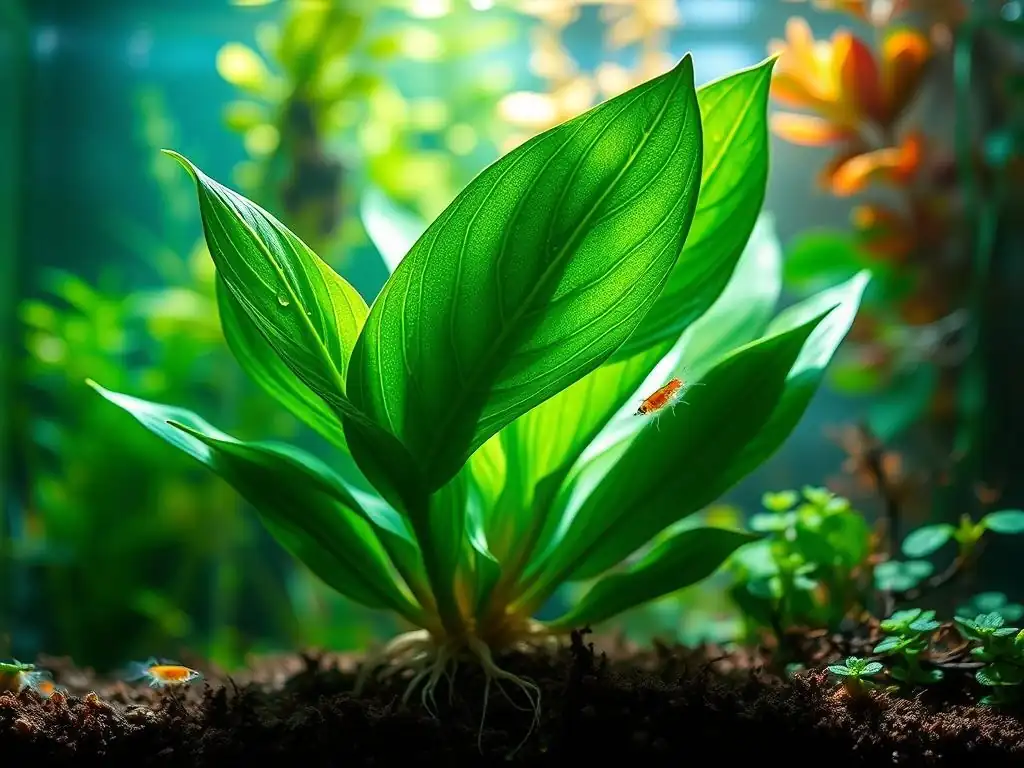
Regular Water Changes and Fertilization
Maintaining a healthy planted shrimp tank requires a consistent regimen of regular water changes and appropriate fertilization. Regular water changes, typically 10-20% weekly, are crucial for removing accumulated nitrates, phosphates, and other waste products that plants might not fully absorb, while also replenishing essential minerals that are consumed by both plants and shrimp. This practice is vital for ensuring stable water parameters, which are paramount for the health and longevity of sensitive shrimp.
While shrimp waste does provide some nutrients, it is generally insufficient to support robust plant growth in a densely planted aquarium. Fertilization ensures that plants receive all necessary macro (nitrogen, phosphorus, potassium) and micronutrients (iron, manganese, zinc) for optimal health. Healthy, thriving plants, in turn, contribute significantly to water quality by consuming excess nutrients and producing oxygen, directly benefiting the shrimp by creating a cleaner, more stable environment.
Fertilizer Types and Dosage
When choosing fertilizers for a shrimp tank, it is paramount to select shrimp-safe products, specifically avoiding any with high copper content, as copper is highly toxic to shrimp even in trace amounts (e.g., above 0.05 ppm). Liquid fertilizers are excellent for water column feeders and general supplementation, providing a comprehensive blend of nutrients. Root tabs, on the other hand, are ideal for heavy root feeders like Cryptocorynes and Sword plants, delivering nutrients directly to their root systems.
Careful dosing is essential. Always start with a lower dose than recommended on the product label, especially in shrimp tanks, and observe both plant and shrimp responses. Over-fertilization can lead to severe algae blooms, nutrient imbalances, or even direct harm to shrimp. For instance, a 10-gallon shrimp tank with moderate planting might only require 1-2 ml of a shrimp-safe comprehensive liquid fertilizer once a week, adjusted based on plant growth and water test results.
Water Parameter Monitoring
Consistent and accurate water parameter monitoring is a critical aspect of maintaining a healthy planted shrimp tank. Regular testing for pH, General Hardness (GH), Carbonate Hardness (KH), nitrates, ammonia, and nitrites allows aquarists to track the stability of the environment and detect any potential issues early. Stable water parameters are crucial for reducing stress on shrimp, which are highly sensitive to sudden changes, and for allowing plants to thrive.
Specific target ranges vary by shrimp species: for Neocaridina shrimp, aim for pH 6.5-7.8, GH 6-10 dGH, and KH 3-8 dKH. For Caridina shrimp (e.g., Crystal Red, Bee Shrimp), ideal parameters are typically pH 5.5-6.5, GH 4-6 dGH, and KH 0-1 dKH. Weekly testing (or more frequently if issues arise) enables timely adjustments, such as small water changes or mineral supplementation, ensuring the long-term success and vitality of your shrimp and their planted habitat.
Algae Control in Planted Shrimp Tanks
While a certain amount of biofilm and soft algae is beneficial and even desired in a shrimp tank as a natural food source, excessive nuisance algae indicates an imbalance in the ecosystem. This imbalance could stem from too much light, an excess of nutrients, insufficient CO2, or a combination thereof. Uncontrolled algae can outcompete desirable plants for nutrients and light, making the tank unsightly and potentially unhealthy for shrimp.
The goal of algae control in a planted shrimp tank is to manage its growth, not to eliminate it entirely. The focus should always be on addressing the root cause of the imbalance rather than relying solely on chemical algaecides, which can be highly toxic to sensitive shrimp and beneficial bacteria. A holistic approach combining natural grazers, manual removal, and parameter adjustments is most effective for successful shrimp tank plant selection.
Natural Algae Eaters (Shrimp-Safe)
Utilizing natural algae eaters is an excellent, chemical-free strategy for algae control in shrimp tanks. While dwarf shrimp species themselves (such as Amano shrimp, Caridina multidentata, or various Neocaridina color forms) are superb at consuming biofilm and some soft, hair-like algae, they are not typically effective against tougher or more stubborn forms like Green Spot Algae or Black Beard Algae.
For more comprehensive algae control, other shrimp-safe options include Nerite snails ( Neritina natalensis). These snails are highly efficient algae grazers that consume various types of algae from glass, plants, and decor without reproducing excessively in freshwater. Small, peaceful fish like Otocinclus catfish ( Otocinclus affinis) are also excellent at grazing on soft algae, provided the tank size is appropriate and their care requirements are met, ensuring compatibility with your shrimp species.
Manual Algae Removal Techniques
Manual algae removal is the safest, most immediate, and often most effective way to control localized algae outbreaks in a planted shrimp tank. This technique involves physically removing algae from tank surfaces and plants without the use of potentially harmful chemicals. It allows for targeted intervention and helps maintain the aesthetic appeal of the aquarium.
Specific techniques include using an aquarium-safe algae scraper or magnetic cleaner for glass surfaces. For plants and decor, gently rubbing leaves between fingers can dislodge soft algae. A soft toothbrush can be effective for twisting hair algae off decorations or hardier plant leaves. For plants severely covered in algae, trimming off the affected leaves might be necessary to prevent further spread. Regular manual removal, combined with addressing the underlying causes of algae growth, is crucial for maintaining a clean and healthy environment for your shrimp.
Conclusion: Creating the Perfect Planted Shrimp Paradise
Creating a thriving planted shrimp paradise is an immensely rewarding endeavor, transforming a simple aquarium into a vibrant, self-sustaining ecosystem. Through careful shrimp tank plant selection, you provide far more than just aesthetics; you offer essential grazing surfaces, secure shelter for vulnerable fry and molting adults, and a continuous supply of life-sustaining oxygen. These plants act as natural filters, diligently absorbing harmful nitrates and contributing to pristine water quality, which is paramount for the delicate health of dwarf shrimp.
The journey involves understanding the symbiotic relationship between shrimp and plants, choosing the right species that cater to your shrimp's needs and your tank's conditions, and implementing proper planting techniques. Consistent maintenance, including mindful water changes, precise fertilization, and diligent algae control, ensures the long-term stability and beauty of this miniature aquatic world. By embracing a well-planted approach, you foster an environment where your shrimp not only survive but truly flourish, displaying their natural behaviors, breeding successfully, and creating a miniature ecosystem that is both captivating and harmonious.
Frequently Asked Questions
How do I choose plants that shrimp will actually graze on?
Look for plants with soft, edible leaves and a large surface area like Java Moss or Marimo Moss Balls. These provide ample grazing opportunities for your shrimp and support biofilm growth.
What kind of plants offer the best shelter and hiding places for shrimp?
Plants with dense foliage, like Java Fern or Hornwort, offer excellent shelter for shrimplets and molting shrimp. These hiding places reduce stress and improve survival rates.
Can plants help maintain good water quality in my shrimp tank?
Yes, plants like Anacharis (Elodea) and Water Sprite are highly effective at absorbing nitrates and producing oxygen. This helps maintain a healthy and stable environment for your shrimp.
Are there any plants I should avoid in a shrimp tank?
Avoid plants that require high CO2 levels or strong lighting, as these can be difficult to maintain in a typical shrimp tank. Additionally, some plants may release toxins harmful to shrimp.
How do I properly prepare and plant new plants in my shrimp tank?
Rinse new plants thoroughly to remove any potential pesticides or snails. Consider a plant dip to further disinfect them before introducing them to your aquarium to protect your shrimp.
Final Reflection: Cultivating Aquatic Harmony
The journey of establishing a thriving shrimp aquarium, as we've explored, is more than just assembling a tank; it's about creating a balanced ecosystem where life flourishes. The careful selection of plants, as we've detailed, is paramount to this success, providing not only aesthetic beauty but also essential resources for our tiny aquatic companions. This understanding is particularly relevant today, as the popularity of shrimp keeping surges and hobbyists seek sustainable and enriching environments for their invertebrates.
This intricate dance between plant life and shrimp life has profoundly influenced the way we perceive aquascaping, moving beyond mere decoration to embrace a holistic approach to aquatic husbandry. Witnessing the vibrant colors of shrimp grazing on algae-covered leaves, finding shelter amongst dense foliage, and thriving in oxygen-rich water is a testament to the power of thoughtful plant selection. The best aquarium is not just a display, but a miniature world where every element plays a vital role in the health and happiness of its inhabitants.
This philosophy underscores the importance of understanding the symbiotic relationship between plants and shrimp, and its impact on the overall well-being of the aquarium.
As you embark on, or continue, your shrimp keeping journey, I invite you to reflect on the profound impact of your choices. Consider how each plant you introduce contributes to the delicate balance of your miniature ecosystem. Let the principles of grazing, shelter, and oxygen guide your selections, and remember that by cultivating aquatic harmony, you're not just creating a beautiful tank, but a thriving haven for life.
Cultivate Your Shrimp Paradise!
Thank you for diving into the world of shrimp aquariums with us. We hope you've found inspiration and valuable insights to create a thriving underwater ecosystem. Now, let's turn that knowledge into action!
Here are a few ways to continue your shrimp-keeping journey:
- Start Planning: Sketch out your ideal aquascape, incorporating plants from this article that will provide optimal grazing, shelter, and oxygen for your shrimp.
- Research different substrate options to maximize plant growth and benefit your shrimp.
- Share your favorite shrimp tank plant combinations on social media using #AquariumMasteryShrimp and inspire fellow aquarists!
What's the first plant you're most excited to add to your shrimp tank, and why?