
Maximizing Molly Fry Survival: Tips and Tricks for Aquarists

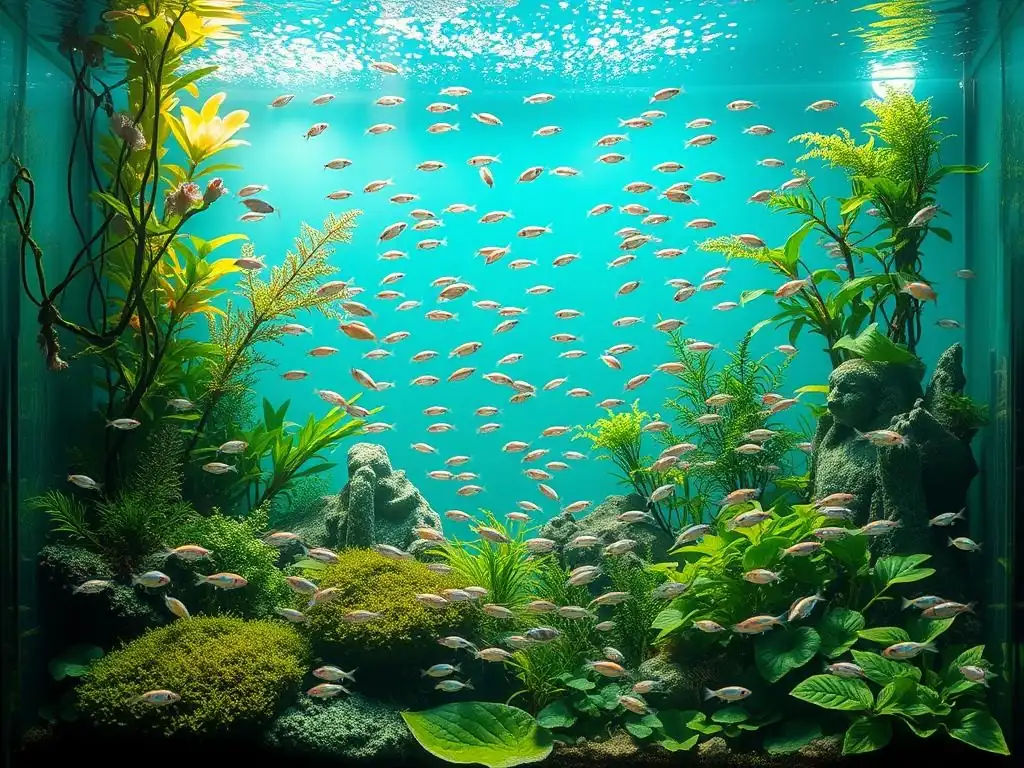
Welcome to Aquarium Mastery!
Ever wondered how to dramatically increase the survival rate of your Molly fry? You're in the right place! Dive into our comprehensive guide packed with essential Molly fry survival tips and tricks, designed to transform you from a curious beginner into a confident breeder. Uncover the secrets to creating the perfect nursery environment and learn the crucial steps to ensure your tiny swimmers thrive. Let's unlock the potential of your Molly fry together!
- Raising Molly Fry: A Guide to Successful Fry Rearing
- Introduction: Achieving High Molly Fry Survival
- Understanding Molly Fry: From Birth to Development
- Essential Survival Strategies: Creating a Safe Environment
- Nutritional Requirements: Feeding for Optimal Growth
- Maintaining Water Quality: A Critical Factor for Fry Health
- Protecting Fry from Predators: Strategies for Community Tanks
- Common Health Issues: Prevention and Treatment
- Advanced Techniques: Optimizing Fry Production
- Conclusion: Achieving Success in Raising Molly Fry
-
Frequently Asked Questions
- What are the most crucial factors for Molly fry survival?
- How often should I feed Molly fry, and what type of food is best?
- How can I protect Molly fry from being eaten by adult fish in the aquarium?
- What are the ideal water parameters for Molly fry development?
- What are some common signs of illness in Molly fry, and how can I address them?
- Final Reflection: Nurturing New Life in Our Aquariums
- Nurture Your Next Generation: Give Your Molly Fry a Head Start!
Raising Molly Fry: A Guide to Successful Fry Rearing
Introduction: Achieving High Molly Fry Survival
Molly fish (Poecilia sp.) are among the most popular livebearers in the aquarium hobby, cherished for their vibrant colors, active nature, and ease of care. Their prolific breeding habits mean that aquarists often find themselves with numerous tiny fry. While the birth of new molly fry can be exciting, ensuring their survival in a community tank presents significant challenges due as adult fish, including the parents, often view them as a food source.
Achieving high molly fry survival rates requires a proactive approach and dedicated care. From setting up a protective environment to providing optimal nutrition and maintaining pristine water quality, each step is crucial. This guide provides comprehensive molly fry survival tips, offering practical strategies and detailed insights to help aquarists successfully raise these delicate newborns into thriving juvenile fish.
Understanding Molly Fry: From Birth to Development
Recognizing Gestation: Identifying Pregnant Mollies
Identifying a pregnant molly is the first crucial step in preparing for molly fry survival. Female mollies, like other livebearers, display several distinct signs as their gestation progresses, which typically lasts between 30 to 45 days. One of the most noticeable indicators is the development of a dark, triangular or teardrop-shaped "gravid spot" near the anal fin; this spot becomes more pronounced and darker as the fry develop internally, especially in lighter-colored mollies where it's more visible.
Beyond the gravid spot, a pregnant molly's abdomen will gradually swell and become noticeably boxier, particularly in the days leading up to birth. This square appearance, often referred to as "squaring off," is a strong indicator that birth is imminent, usually within 24 to 48 hours. Observing these physical changes, coupled with behavioral shifts such as increased reclusiveness or seeking out dense plant cover, allows aquarists to anticipate the arrival of molly fry and implement necessary molly fry survival tips to protect them.
Fry Development: Stages of Growth and Changes
Molly fry are born fully formed and capable of swimming freely immediately after birth, a characteristic trait of livebearers. At birth, they are typically very small, often measuring only about 4 to 5 millimeters (approximately 0.16 to 0.20 inches) in length. Their initial days are spent primarily hiding among plants or decor, conserving energy and avoiding predation. During this initial stage, their digestive systems are still developing, and they require extremely fine, nutritious foods to support their rapid growth.
Over the next few weeks, molly fry undergo significant growth and development. Within the first week, they can often double in size if fed appropriately and kept in optimal conditions.
Their fins will become more defined, and their body shape will gradually transition from a fragile, elongated form to a more robust, miniature version of the adult fish. Depending on diet and water quality, they can reach a size where they are safe from most adult fish (around 1.5 to 2 cm or 0.6 to 0.8 inches) within 4 to 6 weeks, at which point they can often be introduced to a larger, safer community tank.
Natural Predation: Risks for Molly Fry in the Aquarium
In a typical community aquarium, molly fry face an extremely high risk of predation, even from their own parents. Most adult fish, regardless of species, will instinctively view tiny fry as a readily available food source. Common tank mates such as larger tetras, gouramis, cichlids, and even other livebearers like guppies and platies, are all potential predators. The small size and lack of developed swimming skills make newborn molly fry particularly vulnerable during their first few days and weeks.
The instinct to consume fry is deeply ingrained in fish behavior, as it serves to control population numbers in natural environments. Without adequate hiding places or a dedicated nursery setup, molly fry survival rates in a community tank are often less than 5-10%, with many batches yielding no survivors. Therefore, understanding these predatory behaviors is essential for aquarists to implement effective molly fry survival tips, such as providing dense cover or isolating the fry, to significantly increase their chances of reaching maturity.
Essential Survival Strategies: Creating a Safe Environment
Dedicated Fry Tank: Setting Up a Nursery
For aquarists serious about maximizing molly fry survival, a dedicated fry tank, or nursery tank, is the most effective solution. A tank size of 5 to 10 gallons (approximately 19 to 38 liters) is typically sufficient for a batch of molly fry, providing enough space for growth without becoming unwieldy for maintenance. This isolated environment eliminates the threat of predation from adult fish, allowing the delicate fry to grow without constant stress.
Essential equipment for a fry tank includes a reliable heater to maintain a stable temperature between 75-82°F (24-28°C), which promotes healthy metabolism and growth. A sponge filter is highly recommended as it provides gentle biological filtration without creating strong currents that can overwhelm tiny fry or suck them in. An air stone connected to an air pump can further enhance oxygenation and circulation. Crucially, the nursery tank should be fully cycled before introducing fry to ensure stable water parameters and prevent ammonia or nitrite spikes, which are fatal to young fish.
Live Plants: Essential for Fry Protection and Well-being
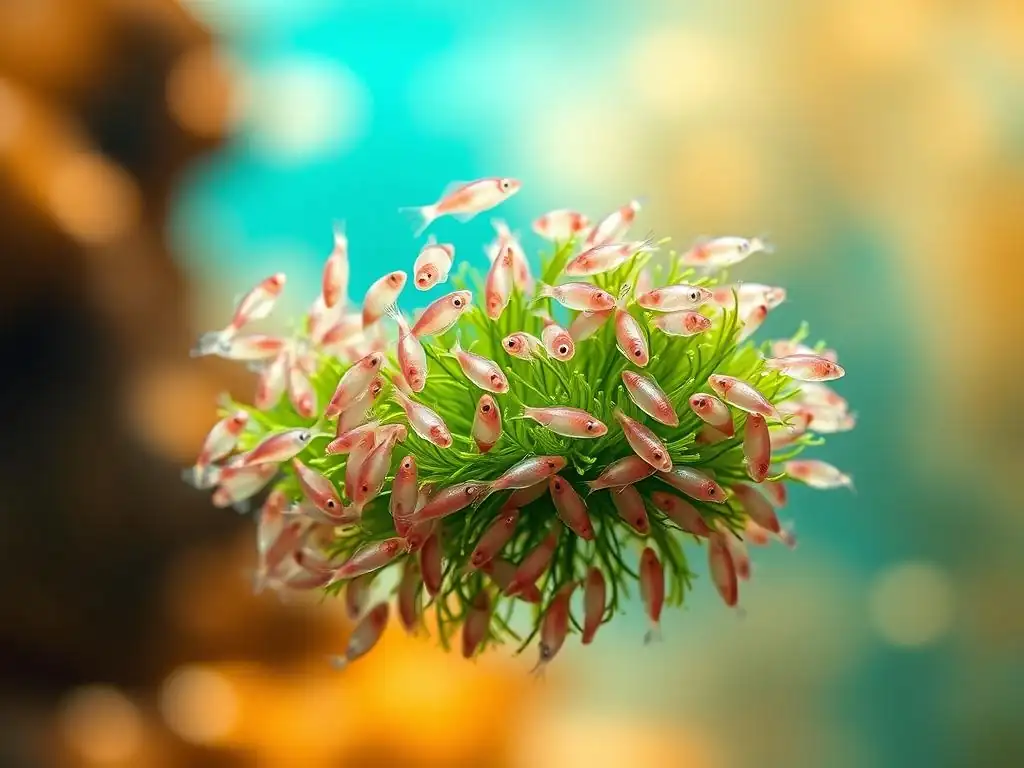
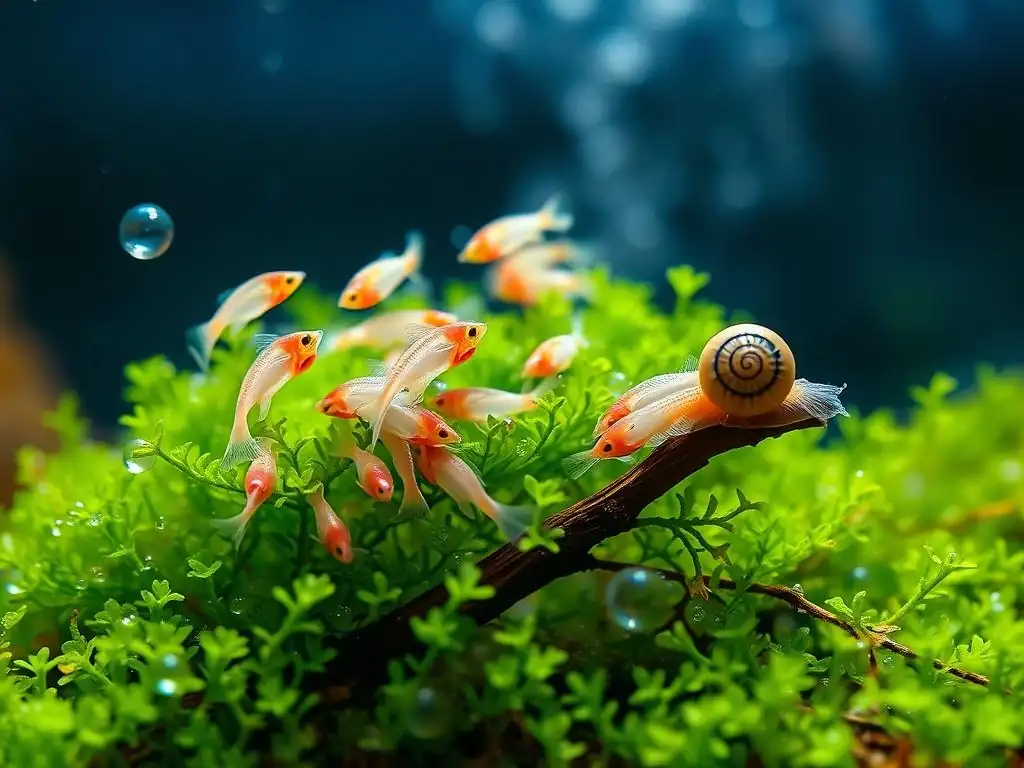
Live plants are indispensable for increasing molly fry survival, whether in a community tank or a dedicated nursery. Species like Java Moss ( Taxiphyllum barbieri), Hornwort ( Ceratophyllum demersum), and Guppy Grass ( Najas guadalupensis) are particularly suitable due to their dense, fine foliage that provides excellent hiding places. These plants create a natural labyrinth where newly born molly fry can retreat from predators, significantly reducing their visibility to larger fish.
Beyond providing physical protection, live plants offer numerous water quality benefits that are crucial for delicate fry. They absorb nitrates, a harmful byproduct of the nitrogen cycle, helping to maintain cleaner, more stable water parameters. Additionally, live plants can harbor infusoria and other microscopic organisms, which serve as an excellent natural food source for the smallest fry during their initial days. Creating dense plant cover, especially floating plants or those anchored to decor, is a simple yet highly effective molly fry survival tip.
Breeding Boxes: Benefits and Drawbacks for Fry Rearing
Breeding boxes, also known as breeder nets or traps, offer a convenient temporary solution for separating pregnant mollies and protecting newborn fry. These devices come in various types, including hang-on-tank plastic boxes and in-tank net breeders, designed to isolate the mother during birth and allow the fry to drop through a grate into a separate, lower compartment, safe from the mother. They are particularly useful for aquarists who do not have the space for a dedicated fry tank and wish to observe the birth process closely.
However, breeding boxes also present several drawbacks that can impact molly fry survival. Confinement in a small breeding box can be highly stressful for the mother molly, potentially leading to premature births, stillbirths, or even death due to stress and poor water quality if not managed carefully. The limited water circulation within these boxes can also lead to rapid ammonia buildup.
It is crucial to monitor the mother closely and remove her promptly once she has given birth, typically within 12-24 hours, to allow her to recover in the main tank. Fry should then be transferred to a larger, cycled nursery tank or a heavily planted community tank as soon as possible to ensure optimal growth and minimize stress.
Nutritional Requirements: Feeding for Optimal Growth
First Foods: A Guide to Feeding Newly Hatched Fry
Providing the correct first foods is paramount for the healthy growth and high molly fry survival rates. Newly hatched molly fry have very small mouths and require microscopic or finely powdered foods that they can easily consume. Infusoria, a culture of microscopic organisms, is an ideal first food for the tiniest fry, especially in their first 24-48 hours. Following this, newly hatched baby brine shrimp (Artemia nauplii) are an excellent next step, packed with protein and essential nutrients that promote rapid growth and vibrant coloration.
Microworms are another highly nutritious live food option, rich in protein and easily cultured at home. For convenience, high-quality prepared fry foods specifically designed for livebearers are also available in fine powder or liquid forms. When feeding, it's crucial to provide small amounts multiple times a day (3-5 times) to ensure constant access to food without overfeeding, which can quickly foul the water. Observe the fry to ensure they are actively eating and adjust portion sizes accordingly; uneaten food should be siphoned out promptly to maintain water quality.
Live Food Cultures: A Sustainable Food Source
Culturing live foods at home offers a sustainable, cost-effective, and highly nutritious food source that significantly boosts molly fry survival and growth. Microworms are one of the easiest live cultures to maintain; they thrive on a simple oat-based medium and can be harvested daily by scraping them from the sides of the culture container. Their small size and high protein content make them perfect for growing fry.
Hatching baby brine shrimp is another popular option, requiring brine shrimp eggs, saltwater, and an air pump. A simple DIY brine shrimp hatchery can yield thousands of nutritious nauplii within 24-36 hours. For the very smallest fry, creating an infusoria culture from decaying plant matter or a starter culture provides a microscopic food source until they are large enough for other foods. These live food options are far superior to most dry foods in terms of nutritional value and palatability, leading to faster growth and more robust fry.
Preventing Overfeeding: Maintaining Water Quality
While regular feeding is essential for molly fry growth, overfeeding is one of the most common pitfalls that can drastically reduce molly fry survival. Excess food quickly decomposes, releasing ammonia, nitrite, and nitrate into the water, leading to toxic spikes that are lethal to delicate fry. Their small size and undeveloped immune systems make them particularly susceptible to poor water quality.
To prevent overfeeding, feed only what the fry can consume within 2-3 minutes. It is better to feed smaller amounts more frequently (e.g., 3-5 times a day) than large amounts infrequently. After each feeding, observe the tank for uneaten food and use a small gravel vacuum or turkey baster to promptly remove any residue. This diligent removal of waste, combined with regular water changes, is critical for maintaining the pristine water conditions necessary for healthy fry development and preventing the onset of stress and disease.
Maintaining Water Quality: A Critical Factor for Fry Health
Regular Water Changes: Frequency and Water Replacement
Maintaining pristine water quality is arguably the most critical factor for high molly fry survival rates. Due to their rapid metabolism and the frequent feeding required, fry tanks accumulate waste quickly. Regular water changes are therefore indispensable. For a dedicated fry tank, performing small, daily water changes of 10-20% is often recommended, especially during the first few weeks of rapid growth and heavy feeding.
When performing water changes, it is crucial to use dechlorinated water that matches the temperature and general parameters (pH, hardness) of the tank water as closely as possible to avoid shocking the delicate fry. A small siphon or airline tubing can be used to gently remove water from the bottom, where waste tends to accumulate, being careful not to siphon up any fry. This consistent routine flushes out nitrates, replenishes essential minerals, and significantly reduces the risk of disease outbreaks, contributing directly to robust molly fry survival.
Monitoring Water Parameters: Ammonia, Nitrite, and Nitrate
Diligent monitoring of water parameters is non-negotiable for successful molly fry rearing. Ammonia and nitrite are highly toxic to fish, particularly to vulnerable fry, and even small concentrations can be lethal. Nitrate, while less toxic, can still stress fry and inhibit growth if levels become too high. Regular testing with a reliable liquid test kit should be performed, ideally daily for the first few weeks in a new fry tank, then several times a week.
Target parameters for molly fry include: ammonia 0 ppm, nitrite 0 ppm, and nitrate below 20 ppm (ideally below 10 ppm). Mollies thrive in slightly alkaline water with a pH range of 7.0-8.5 and moderately hard to hard water (GH 10-25 dGH, KH 10-15 dKH). Any detectable levels of ammonia or nitrite indicate a problem with filtration or overfeeding and require immediate action, such as a large water change. Maintaining these optimal parameters is a cornerstone of effective molly fry survival tips.
Filtration: Choosing the Right Filter for Fry
Selecting the appropriate filtration system is vital for a fry tank to ensure gentle water movement while effectively removing waste. Strong currents from power filters or hang-on-back filters can easily overwhelm, injure, or even suck in tiny molly fry, making them unsuitable for a nursery setup. The best choice for delicate fry is almost universally a sponge filter.
Sponge filters operate by drawing water through a porous sponge using an air pump, providing gentle mechanical filtration by trapping debris and excellent biological filtration by housing beneficial bacteria. They create minimal water flow, ensuring the fry are not stressed or harmed. Regular rinsing of the sponge in old tank water (never tap water, which can kill beneficial bacteria) is necessary to prevent clogging and maintain efficient filtration, thereby supporting the clean water conditions essential for molly fry survival.
Protecting Fry from Predators: Strategies for Community Tanks
Identifying Predators: Fish and Invertebrates in the Aquarium
In a community aquarium, almost any fish larger than molly fry can be a potential predator, including the adult mollies themselves. Common culprits include larger tetras (e.g., Black Skirt Tetras, Serpae Tetras), gouramis, barbs, cichlids, and even other livebearers like guppies and platies if the fry are small enough. Even seemingly peaceful bottom dwellers might opportunistically consume fry if they are within reach. Furthermore, certain invertebrates such as large snails (e.g., Assassin Snails) or predatory shrimp (though less common in freshwater community tanks) could pose a minor threat, though fish are the primary concern.
It's crucial for aquarists to understand that this predatory behavior is natural and not a sign of aggression. Fish simply see anything small enough to fit in their mouths as a potential food source. Therefore, relying solely on tank mates' "peaceful" temperament is insufficient for ensuring molly fry survival. Proactive measures, such as creating abundant hiding spots or isolating the fry, are essential to mitigate these risks.
Natural Barriers: Creating Hiding Places and Refuges
If isolating molly fry in a dedicated tank isn't feasible, creating an abundance of natural barriers and hiding places within the community tank is the next best molly fry survival tip. Dense thickets of live plants are the most effective solution. Species like Java Moss, Hornwort, Guppy Grass, and Anacharis provide intricate structures where fry can seek refuge from hungry adults. Floating plants such as Water Sprite or Frogbit also offer excellent overhead cover, breaking up sightlines and providing a safe zone near the surface.
Beyond plants, strategically placed aquarium decor like caves, driftwood, and rock formations with small crevices can also offer sanctuary. The goal is to create areas that are too small for adult fish to enter but large enough for fry to navigate and hide. While this method will not guarantee 100% molly fry survival, it significantly increases the chances of a few individuals making it to a size where they are less vulnerable. The more complex and dense the environment, the better the fry's chances of evading predation.
Compatible Tank Mates: Selecting Safe Tank Mates for Adult Mollies and Fry (e.g., Otocinclus, Corydoras)
While many fish species will prey on molly fry, careful selection of tank mates for adult mollies can help reduce the overall predatory pressure in a community tank. Fish that are strictly herbivorous or too small to consume even newborn fry are generally safer choices. For instance, Otocinclus catfish ( Otocinclus affinis or similar species) are small, peaceful algae eaters that pose no threat to molly fry. They are bottom-dwellers and primarily consume biofilm and algae.
Similarly, Corydoras catfish (e.g., Corydoras paleatus, Corydoras aeneus) are peaceful, schooling bottom-dwellers that are unlikely to actively hunt molly fry. While they might accidentally ingest a fry while sifting through the substrate for food, they are not predatory towards them.
Other suitable tank mates might include certain types of peaceful, smaller rasboras or some species of dwarf suckermouth catfish (e.g., Bristlenose Plecos) that focus on algae and do not have mouths large enough to consume fry. The key is to avoid any fish with a mouth large enough to swallow a molly fry, or any species known for predatory behavior.
Common Health Issues: Prevention and Treatment
Preventing Fry Diseases: Maintaining Optimal Conditions
Preventing diseases in molly fry is far more effective than treating them, as young fish are highly susceptible to medications and stress. The cornerstone of disease prevention lies in maintaining consistently optimal water quality parameters: zero ammonia, zero nitrite, low nitrates, stable temperature (75-82°F or 24-28°C), and appropriate pH and hardness for mollies. Regular, small water changes are crucial for this. Overfeeding must be avoided, as uneaten food rapidly degrades water quality and fosters bacterial growth.
Stress is a major contributor to disease outbreaks in fry. Providing ample hiding places, whether in a dedicated fry tank or a heavily planted community tank, reduces stress levels. A nutritious and varied diet, including live foods, strengthens their immune systems. Cleanliness, stable conditions, and a balanced diet are the best molly fry survival tips for warding off common ailments like Ich and bacterial infections.
Ich (white spot disease) in molly fry: identification and treatment
Ichthyophthirius multifiliis, commonly known as Ich or white spot disease, is a highly contagious parasitic infection that can decimate a batch of molly fry rapidly. It manifests as small, white, salt-like spots on the body and fins of the fish. Fry are particularly vulnerable due to their underdeveloped immune systems and fragile slime coats. Early identification is critical: look for rapid breathing, clamped fins, and scratching against decor, in addition to the visible white spots.
Treating Ich in fry requires caution, as many common Ich medications contain copper or strong chemicals that can be toxic to young fish. A safer, often effective, approach involves gradually raising the water temperature to 82-86°F (28-30°C) over 24 hours, while simultaneously increasing aeration. This accelerates the Ich parasite's life cycle, making it more vulnerable to treatment.
Adding aquarium salt (non-iodized) at a concentration of 1-2 teaspoons per gallon can also be beneficial, as mollies are tolerant of brackish conditions. Maintain elevated temperature and salt for at least 10-14 days to ensure all parasites are eradicated, performing daily water changes to remove dead parasites and replenish salt.
Fin rot and bacterial infections: early detection and medication
Fin rot and other bacterial infections are common ailments in molly fry, often stemming from poor water quality, overcrowding, or stress. Fin rot presents as frayed, ragged, or disintegrating fins, sometimes with white or reddish edges. Other bacterial infections might manifest as cloudy eyes, body sores, or general lethargy. Early detection is key to successful treatment and preventing widespread loss among fry.
Treatment for bacterial infections in fry should be approached cautiously. Improving water quality through daily small water changes is the first and most critical step. For mild cases of fin rot, pristine water conditions alone, combined with a slight increase in temperature (to about 80°F or 27°C), can often facilitate recovery.
If the infection is severe, a broad-spectrum antibiotic medication specifically formulated for aquarium use might be necessary. Always follow dosage instructions carefully, and consider using half the recommended dose for fry or opting for gentler medications like Melafix or Pimafix, which are natural antibacterial/antifungal remedies, though their efficacy varies.
Recognizing Stress: Identifying Signs of Distress in Fry
Recognizing signs of stress in molly fry is crucial for preventing more serious health issues and ensuring their molly fry survival. Stressed fry are more susceptible to disease and often fail to thrive. Common indicators of distress include clamped fins (held close to the body), rapid or labored breathing, darting erratically, or conversely, lying motionless at the bottom or surface of the tank. They might also exhibit faded coloration or appear emaciated even if food is available.
Other signs of stress can be behavioral, such as constant hiding or a complete lack of interest in food, even when offered their preferred live options. If multiple fry are showing these symptoms, it often points to a systemic issue in their environment, such as poor water quality (ammonia/nitrite spikes), incorrect temperature, overcrowding, or a lack of adequate hiding places. Promptly identifying and addressing the underlying cause of stress is essential for their recovery and long-term well-being.
Swim Bladder Issues: Addressing Common Problems in Fry
Swim bladder issues in molly fry can manifest as difficulty maintaining buoyancy, causing them to float uncontrollably to the surface, sink to the bottom, or swim with an unusual head-up or head-down posture. While often linked to genetics in adult fish, in fry, these issues are more commonly attributed to rapid growth, overfeeding (especially with dry foods that can cause internal blockages), or poor water quality leading to organ stress.
Addressing swim bladder problems in fry requires a gentle approach. First, ensure water quality is impeccable by performing a small water change. Then, consider reducing the amount of dry food and increasing the frequency of feeding with easily digestible live foods like baby brine shrimp or microworms.
In some cases, feeding blanched, deshelled peas (very finely mashed) can help clear blockages. Isolate the affected fry if possible to reduce competition and stress. For persistent issues, a very mild Epsom salt bath (1 teaspoon per 5 gallons) in a separate container for 15-20 minutes can sometimes help reduce swelling and improve buoyancy, but this should be done with extreme caution for delicate fry.
Advanced Techniques: Optimizing Fry Production
Selective Breeding: Enhancing Desirable Traits in Mollies
For aquarists aiming to optimize molly production beyond basic molly fry survival, selective breeding is an advanced technique used to enhance desirable traits such as specific colors, fin shapes, or body patterns. This involves carefully choosing parent mollies that exhibit the traits you wish to perpetuate in their offspring. For example, if an aquarist wants to develop a line of heavily marbled mollies, they would select the most marbled individuals from each generation to breed.
The process typically involves setting up a dedicated breeding pair or trio (one male, two females) in a separate tank. Once the fry are born and grow, the aquarist would then identify the best examples that display the desired traits and use them as the parents for the next generation, culling or separating those that do not meet the criteria. This systematic approach, over several generations, can lead to the development of stable lines with enhanced aesthetic or genetic characteristics, moving beyond simply raising fry to actively shaping the future of the species in their care.
Water Hardness and pH: Optimizing Parameters for Fry Growth
While mollies are relatively adaptable, optimizing water hardness and pH can significantly impact molly fry survival and growth rates. Mollies naturally prefer hard, alkaline water, often found in coastal or brackish environments. For optimal health and development, molly fry thrive in water with a pH range of 7.5 to 8.5 and a general hardness (GH) between 150-300 ppm (8-17 dGH) and carbonate hardness (KH) between 100-200 ppm (5-11 dKH).
Maintaining these parameters helps in the proper development of their skeletal structure and overall osmoregulation. If your tap water is soft or acidic, you may need to supplement it with buffering agents like crushed coral, aragonite, or commercial pH/GH boosters designed for hard water fish. Consistent water parameters reduce stress, improve nutrient absorption, and fortify the fry's natural defenses, all of which are critical molly fry survival tips for long-term health and robust growth.
Supplements and Vitamins: Enhancing Fry Health and Development
While a high-quality, varied diet of live and prepared foods is the primary source of nutrition for molly fry, certain supplements and vitamins can further enhance their health and development. Specialized liquid vitamin supplements, designed for aquarium use, can be added to the water or used to soak dry foods. These supplements often contain essential vitamins (like A, C, D, E, and B-complex) and trace minerals that might be deficient in a standard diet or water source.
For instance, Vitamin C is crucial for immune function and stress reduction, while Vitamin D and calcium are vital for bone and fin development in rapidly growing fry. Some aquarists also use spirulina powder or chlorella as a supplement, which are rich in proteins, vitamins, and carotenoids, promoting vibrant coloration and overall vitality. While not strictly necessary if a diverse diet is provided, targeted supplementation can give molly fry an extra edge, leading to stronger, more resilient fish and improved molly fry survival rates.
Conclusion: Achieving Success in Raising Molly Fry
Successfully raising molly fry from birth to maturity is a rewarding aspect of aquarium keeping that requires diligence, knowledge, and patience. The key molly fry survival tips revolve around creating a safe, stable environment, providing optimal nutrition, and maintaining impeccable water quality. From understanding the signs of pregnancy and setting up a dedicated nursery tank to offering appropriate first foods and diligently monitoring water parameters, each step contributes significantly to their well-term survival.
Aquarists who commit to these detailed practices will not only achieve higher molly fry survival rates but also gain a deeper understanding of livebearer biology and tank management. By continuously learning and refining their techniques, hobbyists can transform the challenge of prolific breeding into an opportunity to nurture healthy, vibrant molly populations, enriching their aquarium experience and fostering a thriving aquatic ecosystem.
Frequently Asked Questions
What are the most crucial factors for Molly fry survival?
The most crucial factors are water quality, adequate feeding, and protection from adult fish. Maintaining these will dramatically improve their survival rate.
How often should I feed Molly fry, and what type of food is best?
Molly fry should be fed small amounts several times a day. Infusoria, baby brine shrimp, and finely crushed flake food are excellent choices.
How can I protect Molly fry from being eaten by adult fish in the aquarium?
You can use a breeding box, a separate nursery tank, or dense planting within the main tank to provide hiding places and protection.
What are the ideal water parameters for Molly fry development?
Maintain stable water parameters similar to the adult mollies, including a temperature of 72-78°F and a pH of 7.0-8.0. Regular water changes are also essential.
What are some common signs of illness in Molly fry, and how can I address them?
Signs include lethargy, clamped fins, and a lack of appetite. Address these with clean water, proper feeding, and potentially medication, if necessary after diagnosis.
Final Reflection: Nurturing New Life in Our Aquariums
The insights shared throughout this article, focusing on molly fry survival tips, are more relevant than ever as aquarists increasingly seek sustainable and ethical practices within the hobby. The ability to successfully raise molly fry not only contributes to a thriving aquarium ecosystem but also reduces reliance on commercially bred fish, fostering a deeper connection with the natural world within our own homes.
This journey of understanding and nurturing new life has profoundly influenced the way we perceive our aquariums. It's a constant reminder that even within a contained environment, life flourishes with the right care and attention. The best way to observe a fish is to become a fish.
- Jacques Cousteau. This quote encapsulates the empathy and understanding required to truly master the art of raising molly fry, and indeed, all aquatic life.
Now, armed with these insights and practical tips, I encourage you to reflect on your own aquarium practices. Consider how you can further optimize your environment to support the delicate lives of molly fry and contribute to a more sustainable and enriching aquarium experience. Embrace the challenge, observe with patience, and revel in the joy of witnessing new life thrive under your care.
Nurture Your Next Generation: Give Your Molly Fry a Head Start!
Thanks for diving into the world of molly fry care! We hope you've gained some valuable insights into ensuring their survival and growth. Now, it's time to put that knowledge into action and watch your tiny fish thrive.
Ready to create a thriving molly community? Here's how:
- Immediately implement the feeding strategy we discussed, providing high-quality, powdered fry food several times daily to maximize their growth potential.
- Share your unique tips and tricks for raising molly fry in the comments below and learn from fellow aquarists.
- Consider setting up a separate, well-planted "fry sanctuary" within your aquarium to provide extra protection and a sense of security.
What's one specific thing you'll change in your fry care routine today to improve their chances of survival?