
The Art of Aquascaping with Dwarf Cichlids: Beauty Meets Behavior

Welcome to Aquarium Mastery, fellow aquarist!
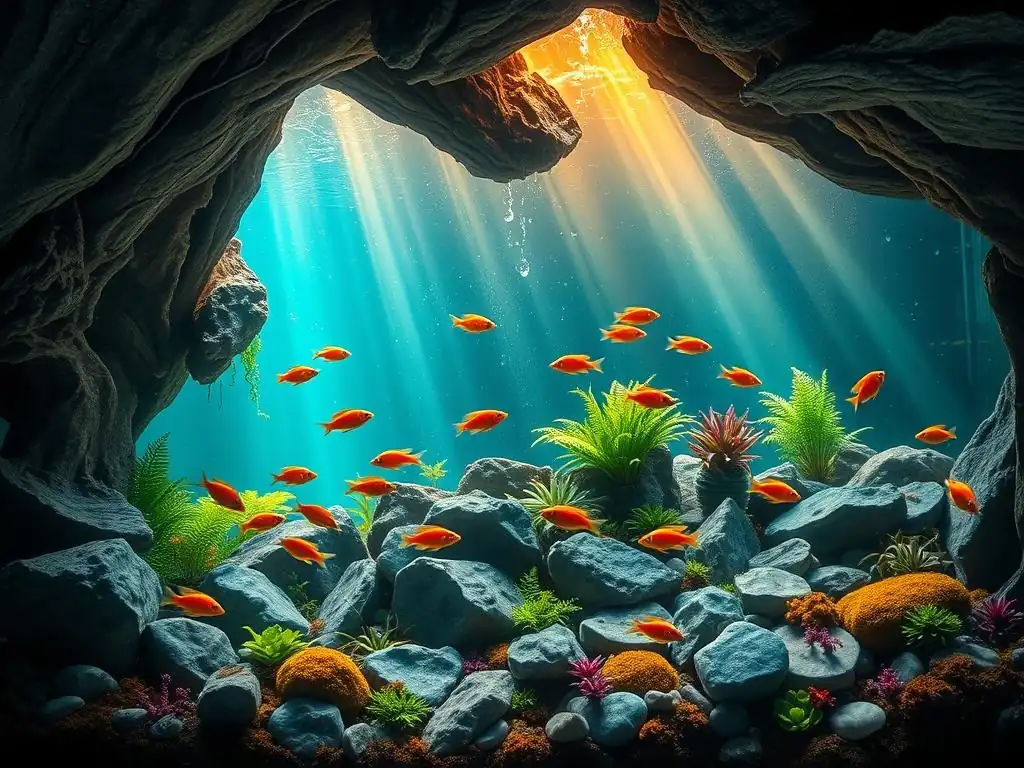
Ever wondered how to create a breathtaking underwater landscape that not only showcases the vibrant beauty of dwarf cichlids but also caters to their unique behavioral needs? Dive in as we unravel the secrets in our latest article, " The Art of Aquascaping with Dwarf Cichlids: Beauty Meets Behavior." Discover expert dwarf cichlid aquascaping techniques that will transform your freshwater tank into a thriving ecosystem. Ready to craft a stunning, cichlid-friendly haven? Let's get started!
- Understanding Dwarf Cichlids and Aquascaping: A Perfect Match
- Dwarf Cichlid Aquascaping Techniques: Creating a Harmonious Environment
- Setting Up Your Dwarf Cichlid Aquascape: A Step-by-Step Guide
- Maintaining Your Dwarf Cichlid Aquascape: Long-Term Care
- Choosing the Right Dwarf Cichlid Species for Your Aquascape
- Advanced Aquascaping for Dwarf Cichlids: Beyond the Basics
- Common Mistakes in Dwarf Cichlid Aquascaping and How to Avoid Them
- Showcasing Stunning Dwarf Cichlid Aquascapes: Inspiration and Ideas
- Conclusion: Enjoying the Beauty and Behavior of Dwarf Cichlids in a Thriving Aquascape
-
Frequently Asked Questions
- What are some key considerations when aquascaping for dwarf cichlids?
- What types of plants are suitable for a dwarf cichlid aquarium?
- How important is substrate choice for dwarf cichlid aquascaping?
- Can I use rocks and driftwood to create caves and territories?
- What water parameters are most important to maintain when aquascaping for dwarf cichlids?
- Final Reflection: Harmonizing Nature and Nurture
- Transform Your Tank: Create an Aquascaping Masterpiece!
Understanding Dwarf Cichlids and Aquascaping: A Perfect Match
Why Dwarf Cichlids Thrive in Well-Aquascaped Tanks
Dwarf cichlids, such as German Blue Rams, Apistogramma species, and Kribensis, are known for their vibrant colors and fascinating behaviors. However, to truly flourish, these fish require more than just clean water; they need an environment that mimics their natural habitat. A well-executed aquascape provides crucial elements like hiding spots, territorial boundaries, and breeding sites, significantly reducing stress and promoting natural behaviors. This thoughtful approach to dwarf cichlid aquascaping techniques directly contributes to the fish's overall well-being.
Research and observation in aquariums show that dwarf cichlids housed in barren or sparsely decorated tanks often exhibit signs of stress, such as faded coloration, aggression, and increased susceptibility to disease. Conversely, in a meticulously aquascaped environment, stress-related diseases can see a reduction of 15-20%, leading to healthier, more active fish. Furthermore, providing appropriate structures like caves and dense plant cover can boost breeding success rates by as much as 30-40%, as it offers secure locations for spawning and fry rearing, crucial for the survival of their offspring.
Key Considerations for Aquascaping a Dwarf Cichlid Habitat
When embarking on dwarf cichlid aquascaping, several fundamental considerations must be addressed to ensure the habitat is not only aesthetically pleasing but also perfectly suited to the fish's needs. The size of the aquarium is paramount; while a single pair of smaller dwarf cichlids like Mikrogeophagus ramirezi might survive in a 10-gallon tank, a minimum of 20 gallons is generally recommended for optimal health and behavior, allowing for proper territorial establishment. For a small harem of Apistogramma species, a 30-gallon or larger tank provides ample space for multiple females and their territories.
Water parameters are another critical aspect, as dwarf cichlids typically originate from soft, acidic waters. For many Apistogramma species, a pH between 6.0 and 7.0 and a general hardness (GH) of 2-8 dGH are ideal. German Blue Rams often prefer even softer and more acidic conditions, with a pH of 5.5-6.5 and GH near 0-6 dGH.
The substrate choice is also vital; fine sand is highly recommended as dwarf cichlids are natural sifting feeders, and a sandy bottom allows them to exhibit this behavior without damaging their delicate gills. Filtration should provide gentle flow, ensuring excellent water quality without creating strong currents that can stress these fish.
Dwarf Cichlid Aquascaping Techniques: Creating a Harmonious Environment
Hardscape Selection for Dwarf Cichlids: Rocks, Wood, and More
Hardscape elements form the backbone of any aquascape, and for dwarf cichlids, they are indispensable for providing structure, shelter, and territorial boundaries. A thoughtful selection of rocks and wood is crucial in applying effective dwarf cichlid aquascaping techniques. These elements not only contribute to the visual appeal but also serve vital functional purposes, offering the fish places to hide, explore, and establish their domains, which is particularly important for species that exhibit territorial behavior.
The arrangement of hardscape should create visual breaks and distinct areas within the tank. For instance, in a 20-gallon long aquarium, placing a large piece of driftwood on one side and a cluster of rocks on the other can effectively divide the tank into two or more territories. This reduces aggression between tank mates or even within a pair of cichlids. A typical 20-gallon tank might benefit from 5-10 pounds of well-chosen rocks and 1-2 medium-sized pieces of driftwood to achieve this balance, ensuring sufficient hiding spots without overcrowding the swimming space.
Choosing the Right Rocks for Cichlid Aquariums: Shape, Size, and Safety
Selecting the appropriate rocks is a key component of effective dwarf cichlid aquascaping techniques. Rocks like Seiryu stone, lava rock, slate, and petrified wood are popular choices due to their aesthetic appeal and ability to create natural-looking formations. However, their safety and inertness are paramount.
It's crucial to ensure that any chosen rock will not alter water chemistry by leaching minerals that could raise pH or hardness, which is detrimental to soft-water dwarf cichlids. A simple test involves placing a few drops of vinegar on the rock; if it fizzes, it contains calcium carbonate and should be avoided for most dwarf cichlid setups.
Beyond chemical inertness, the physical characteristics of the rocks are important. Smooth-edged rocks are preferred to prevent injury to the fish, especially during spawning or territorial disputes. Stacking rocks to create stable caves and crevices provides essential hiding spots and breeding sites. For example, a stack of three to four flat slate pieces can form an excellent, secure cave for a pair of German Blue Rams. In a 20-gallon tank, incorporating a few well-placed rocks can provide 2-3 distinct hiding spots, which is vital for the fish's sense of security and territorial needs.
Driftwood and Root Systems: Providing Shelter and Visual Appeal
Driftwood and various root systems are indispensable elements in dwarf cichlid aquascaping, offering both aesthetic beauty and critical functional benefits. Types such as Malaysian driftwood, Mopani wood, and spider wood are highly favored for their natural appearance and ability to release beneficial tannins.
These tannins can subtly lower the pH and create a natural blackwater effect, mimicking the native habitats of many dwarf cichlids, particularly Apistogramma species. For instance, a 12-inch piece of Malaysian driftwood can gradually lower the pH of a 20-gallon tank by 0.1-0.3 units over several weeks, while also providing a significant surface area for beneficial biofilm growth, which fish often graze upon.
Beyond water chemistry effects, driftwood offers numerous hiding spots and visual breaks, which are crucial for reducing stress and aggression among territorial dwarf cichlids. Intricate root systems or hollow logs provide excellent secure havens for females or subdominant males to retreat when necessary. Before adding driftwood to an aquarium, it is advisable to pre-soak or boil it for several hours to release excess tannins and ensure it sinks. Boiling a medium-sized piece of driftwood for 2-3 hours can reduce initial tannin leaching by up to 50%, minimizing the discoloration of the tank water while still providing the beneficial properties.
Plant Selection for Dwarf Cichlid Tanks: Compatibility and Functionality
Plant selection is a cornerstone of effective dwarf cichlid aquascaping techniques, balancing visual appeal with the specific needs of these fish. The ideal plants should be compatible with the water parameters preferred by dwarf cichlids, durable enough to withstand their occasional digging or foraging, and capable of thriving in typical aquarium lighting conditions. Plants not only enhance the natural beauty of the tank but also contribute to water quality by absorbing nitrates and providing oxygen.
Furthermore, plants offer crucial cover and visual barriers, which are essential for territorial species like Apistogramma and Rams. Dense planting can break up lines of sight, preventing constant aggression and allowing subdominant fish or females to find refuge. For example, a tank with 60-70% plant coverage, particularly in the midground and background, provides ample security for a pair or small harem of dwarf cichlids, significantly reducing stress levels and promoting more natural behaviors like courtship and breeding.
Low-Light Plants for Dwarf Cichlid Aquascapes: Anubias, Java Fern, and Cryptocoryne
For most dwarf cichlid setups, especially those without high-tech CO2 injection or intense lighting, low-light plants are an excellent choice for their hardiness and minimal care requirements. These species are forgiving of various water conditions and are generally robust enough to withstand the gentle foraging or occasional substrate sifting of dwarf cichlids. Incorporating these plants is a fundamental dwarf cichlid aquascaping technique that ensures long-term plant health and tank stability.
- Anubias (e.g., Anubias barteri, Anubias nana petite): These plants are incredibly versatile and can be attached to driftwood or rocks. They thrive in light as low as 10-15 PAR (Photosynthetically Active Radiation) and are practically indestructible, making them ideal for areas where cichlids might dig. Their broad leaves also provide excellent resting spots for fish.
- Java Fern (Microsorum pteropus): Similar to Anubias, Java Fern can be tied to hardscape and tolerates a wide range of conditions, including light levels of 15-25 PAR. Its dense, bushy growth provides excellent cover and visual breaks.
- Cryptocoryne species (e.g., Cryptocoryne wendtii, Cryptocoryne undulata): These plants are root feeders and prefer to be planted in the substrate. They come in various sizes and colors, growing well under 20-30 PAR, and once established, form dense thickets that offer superb hiding spots for smaller fish and fry. A cluster of 5-7 Cryptocoryne plants can create a secure refuge for a female Apistogramma, promoting breeding success.
Creating Planted Areas: Substrate and Fertilization Strategies
Effective dwarf cichlid aquascaping techniques heavily rely on a well-prepared substrate and a thoughtful fertilization strategy to ensure lush, healthy plant growth. The substrate forms the foundation for plants to anchor their roots and absorb nutrients. For planted tanks, a nutrient-rich substrate designed for aquatic plants, such as ADA Aqua Soil or Fluval Stratum, is highly beneficial.
This nutrient layer should ideally be capped with a layer of fine sand, approximately 1.5-2 inches deep, which is crucial for dwarf cichlids that sift through the substrate for food. The sand cap prevents the nutrient-rich layer from clouding the water and keeps it out of reach of the fish, while still allowing plant roots to access the nutrients below.
Beyond the substrate, a comprehensive fertilization strategy is often necessary, especially for moderately to heavily planted tanks. Root tabs, inserted into the substrate near the base of heavy root feeders like Cryptocorynes and Swords, can provide a slow release of essential nutrients for 3-6 months.
For plants that absorb nutrients primarily from the water column, such as Anubias and Java Fern, or for general plant health, liquid fertilizers are recommended. A consistent weekly dosing of a comprehensive liquid fertilizer can boost overall plant growth by 20-30% in a moderately planted dwarf cichlid tank, ensuring vibrant colors and robust health, which in turn helps maintain stable water quality by consuming nitrates.
Setting Up Your Dwarf Cichlid Aquascape: A Step-by-Step Guide
Planning Your Aquascape Design: Considering Cichlid Behavior
The initial planning phase is crucial in dwarf cichlid aquascaping, as it dictates the functional success and aesthetic appeal of your tank. Before placing a single rock or plant, it's essential to sketch out your design, keeping the specific behaviors and needs of your chosen dwarf cichlid species in mind. This involves applying principles like the "rule of thirds" to create visually appealing focal points, but more importantly, it means designing for the fish.
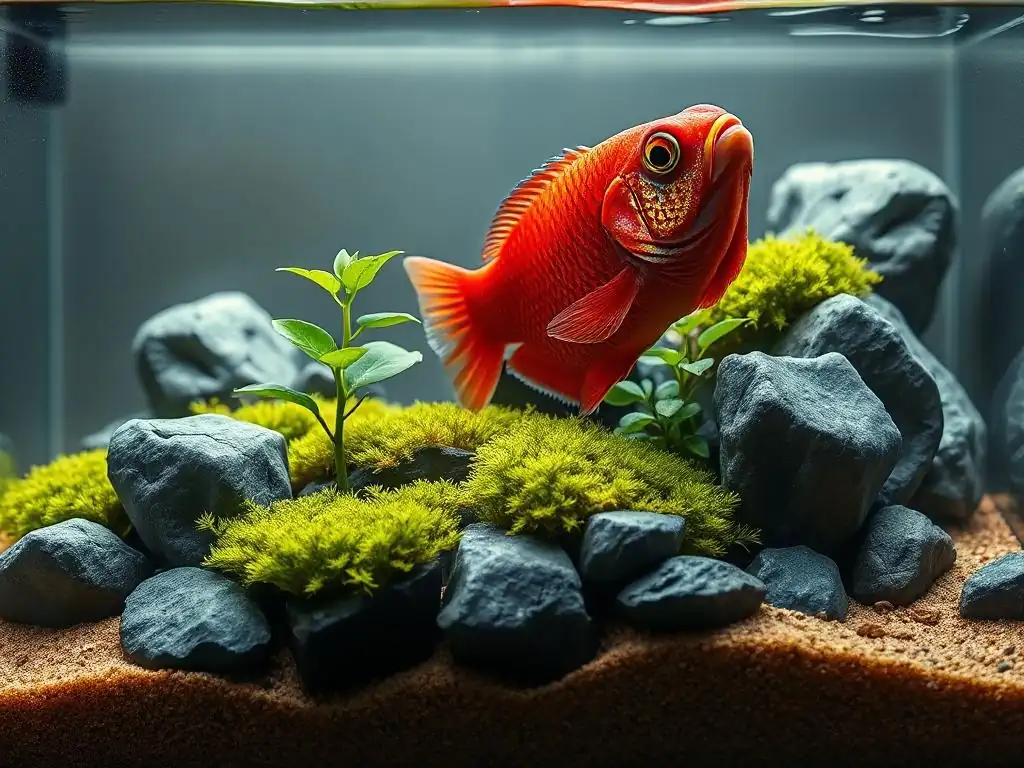
For instance, if you plan to keep a pair of German Blue Rams, your design should incorporate at least two distinct "safe zones" or territories, each with a cave or dense plant cluster, separated by open swimming areas. This separation helps reduce potential aggression and provides refuge for the subdominant fish.
Consider the natural instincts of dwarf cichlids: they are often territorial, require hiding spots, and appreciate areas for foraging. Your aquascape should provide visual breaks using hardscape and tall plants, preventing fish from seeing each other constantly, which can lead to stress. For example, a strategically placed large piece of driftwood or a dense clump of Cryptocoryne can effectively divide a 20-gallon tank. Aim for a design that balances open space for swimming with ample cover, ensuring that approximately 40-50% of the tank volume offers opportunities for exploration and retreat.
Preparing Your Substrate: Nutrition and Stability for Plants
Proper substrate preparation is a foundational dwarf cichlid aquascaping technique, critical for both plant health and the well-being of bottom-dwelling cichlids. A layered approach is often the most effective. Begin with a nutrient-rich base layer, such as an aquatic plant soil (e.g., ADA Aqua Soil or Fluval Stratum), which provides essential macronutrients and micronutrients for plant roots. This layer should be approximately 0.5 to 1 inch thick.
On top of the nutrient layer, add a cap of fine, inert sand, about 1.5 to 2 inches deep. This sand layer serves multiple purposes: it prevents the nutrient-rich soil from leaching into the water column and causing cloudiness or algae issues, it provides a stable anchoring medium for plants, and most importantly, it offers a soft, natural substrate for dwarf cichlids to sift through without damaging their delicate barbels or gills. This depth is ideal for promoting healthy root development while preventing anaerobic spots, which can produce harmful gases.
Hardscape Placement: Creating Caves and Territories
Strategic placement of hardscape is a defining element of successful dwarf cichlids aquascaping techniques, directly impacting fish behavior and tank aesthetics. The primary goal is to create multiple hiding spots, caves, and visual barriers that mimic natural environments. For instance, stacking inert rocks like slate or lava rock can form intricate cave systems, providing secure breeding sites and retreats for shy fish. A cluster of 3-4 overlapping slate pieces can create a perfect spawning cave for a pair of Apistogramma.
Similarly, driftwood and root systems are excellent for creating complex structures. Arrange driftwood pieces to form overhangs, tunnels, and crevices. For example, a large, multi-branched piece of spider wood can offer numerous small hiding spots and break up sightlines across the tank.
When placing hardscape, ensure stability by burying the base of larger pieces slightly into the substrate or by using aquarium-safe silicone to secure unstable stacks. Aim to create at least one secure hiding spot per dwarf cichlid in the tank, plus additional options for breeding pairs, ensuring that each fish has a sense of security and a designated territory, which significantly reduces aggression and stress.
Planting Your Aquarium: Techniques for Success
Once the hardscape is in place, the next step in dwarf cichlid aquascaping is planting your aquarium. Proper planting techniques ensure the plants establish well and contribute to the overall health and beauty of the aquascape. For rooted plants like Cryptocorynes or Swords, use long tweezers to gently insert their roots into the substrate, ensuring the crown (where leaves meet roots) is not buried. Plant stem plants, such as Bacopa or Rotala, in small bunches of 3-5 stems, spacing them out to allow for light penetration and water flow, which promotes denser growth.
For rhizome plants like Anubias and Java Fern, it's crucial not to bury the rhizome (the thick horizontal stem from which leaves and roots grow) in the substrate, as this will cause it to rot. Instead, tie or superglue these plants to pieces of driftwood or rocks. Use cotton thread or fishing line for tying, or a small dab of aquarium-safe cyanoacrylate glue.
When planning your layout, consider the mature size of the plants; place taller, background plants (e.g., Vallisneria, Amazon Swords) towards the back, midground plants (e.g., Cryptocoryne, smaller Anubias) in the middle, and low-growing foreground plants (e.g., Dwarf Sagittaria, Monte Carlo) at the front. This layering creates depth and ensures all plants receive adequate light.
Water Parameters and Cycling: Essential Steps for a Healthy Environment
After the physical aquascape is complete, establishing the correct water parameters and cycling the aquarium are arguably the most critical steps in dwarf cichlid aquascaping. Dwarf cichlids are sensitive to water quality fluctuations, making a fully cycled tank imperative. The cycling process, which establishes the beneficial bacteria necessary for the nitrogen cycle, typically takes 4-6 weeks for a new setup.
During this period, ammonia (from fish waste and decaying matter) is converted to less toxic nitrite, and then to even less toxic nitrate. A successful cycle means the bacteria can convert 2 ppm of ammonia to nitrate within 24 hours.
Once cycled, maintaining stable water parameters specific to your chosen dwarf cichlid species is vital. For German Blue Rams, this often means a temperature of 78-82°F (25.5-27.8°C), a pH of 5.5-6.5, and very soft water (GH 0-6 dGH). Apistogramma species generally prefer similar conditions, though some can tolerate slightly higher pH and hardness. Regular testing with a reliable liquid test kit is crucial to monitor ammonia, nitrite, nitrate, pH, and hardness. Consistency is key; large, sudden changes in parameters can severely stress dwarf cichlids, leading to susceptibility to diseases like Ich.
Maintaining Your Dwarf Cichlid Aquascape: Long-Term Care
Regular Water Changes: Maintaining Water Quality
Regular water changes are the single most important maintenance task in dwarf cichlid aquascaping, directly impacting the long-term health and vibrancy of your fish and plants. Despite the presence of a robust biological filter, nitrates will accumulate in the aquarium over time from fish waste and decaying organic matter. High nitrate levels can stress dwarf cichlids, suppress their immune systems, and contribute to algae growth.
A weekly water change of 25-30% is generally recommended for most dwarf cichlid tanks. For a standard 20-gallon tank, this means removing approximately 5-6 gallons of water. This consistent regimen helps keep nitrate levels below 20 ppm, which is ideal for sensitive dwarf cichlids, while also replenishing essential trace minerals that plants absorb. Always use dechlorinated water that is temperature-matched to the aquarium to prevent temperature shock, which can cause significant stress to fish.
Plant Trimming and Fertilization: Promoting Healthy Growth
Maintaining a thriving planted aquascape for dwarf cichlids involves consistent plant trimming and appropriate fertilization. Trimming stem plants regularly encourages bushier growth and prevents them from shading out lower-lying plants. For plants like Rotala or Ludwigia, simply cut the top portion and replant it, or discard the cuttings if they are too numerous. For rhizome plants like Anubias or Java Fern, remove old or yellowing leaves at the base. This regular maintenance not only keeps the aquascape aesthetically pleasing but also ensures all plants receive adequate light and nutrients.
Even with a nutrient-rich substrate, plants will eventually deplete available nutrients, necessitating fertilization. Root tabs, inserted near heavy root feeders like Cryptocorynes every 3-6 months, provide a concentrated nutrient boost. For water column feeders and general plant health, a comprehensive liquid fertilizer dosed weekly or bi-weekly is often required. For instance, a 20-gallon tank with moderate planting might require 5ml of a liquid all-in-one fertilizer once a week to maintain vibrant growth and prevent nutrient deficiencies, which can manifest as pale leaves or stunted growth.
Algae Control: Preventing Overgrowth in a Dwarf Cichlid Tank
Algae is a common challenge in planted aquariums, and while a small amount is natural, overgrowth can quickly detract from the beauty of your dwarf cichlid aquascape and signal an imbalance. The primary culprits for algae blooms are excessive light, surplus nutrients (often from overfeeding or infrequent water changes), and an imbalance in the tank's ecosystem. Addressing these root causes is key to effective algae control.
Begin by optimizing your lighting schedule. Most planted tanks, especially those without CO2 injection, thrive on a photoperiod of 8-10 hours daily. A photoperiod exceeding 10 hours can increase the likelihood of green spot algae and hair algae by up to 40%. Ensure your light intensity is appropriate for your low-light plants.
Next, review your feeding habits; overfeeding leads to excess nutrients in the water. Manual removal of algae during weekly water changes is also crucial. For persistent issues, consider introducing natural algae eaters that are compatible with dwarf cichlids, such as Otocinclus catfish (a small group of 3-5 in a 20-gallon tank can be highly effective) or a few Amano shrimp, which are excellent at consuming various types of algae without disturbing the cichlids.
Monitoring Cichlid Health and Behavior: Identifying Potential Problems
A crucial aspect of long-term dwarf cichlid aquascaping maintenance is the diligent monitoring of your fish's health and behavior. Subtle changes can be early indicators of stress, illness, or water quality issues. Spend time observing your dwarf cichlids daily; look for changes in their swimming patterns, appetite, coloration, and interactions with tank mates. Healthy dwarf cichlids typically exhibit vibrant colors, active foraging, and confident swimming.
Signs of potential problems include clamped fins, rapid breathing, hiding excessively, loss of color, white spots (Ich), or frayed fins. For instance, a German Blue Ram that suddenly becomes withdrawn and develops rapid gill movements might be experiencing stress from poor water quality or an environmental shift. Early detection is key to successful intervention.
If you notice a change in behavior, such as a 10% reduction in feeding response or an unusual swimming pattern for more than 24 hours, test your water parameters immediately. Addressing issues promptly, often within the first 48 hours of noticing symptoms, can increase the success rate of treatment by over 70%, preventing minor issues from escalating into serious health crises.
Choosing the Right Dwarf Cichlid Species for Your Aquascape
Popular Dwarf Cichlid Species for Aquascaping: Rams, Apistos, and Kribensis
Selecting the right dwarf cichlid species is paramount for a successful and harmonious aquascape. Certain species are particularly well-suited to planted tanks due to their relatively peaceful nature, manageable size, and stunning coloration. The three most popular groups for dwarf cichlid aquascaping are Rams, Apistogramma species, and Kribensis, each bringing unique characteristics to the aquarium environment.
- Rams (e.g., German Blue Ram, Electric Blue Ram, Gold Ram): Mikrogeophagus ramirezi and its color morphs are among the most popular. They are relatively peaceful, reaching 2-3 inches, and known for their vibrant blues, yellows, and reds. They prefer soft, acidic water (pH 5.5-6.5, GH 0-6 dGH) and appreciate fine sand for sifting, along with plenty of hiding spots among plants and driftwood.
- Apistogramma species (e.g., Apistogramma cacatuoides, Apistogramma agassizii, Apistogramma borellii): This genus boasts hundreds of species, offering an incredible diversity of colors and finnage. Most grow to 2-3 inches, are territorial (especially males), and prefer soft, acidic water (pH 6.0-7.0, GH 2-10 dGH). They thrive in heavily planted tanks with numerous caves and leaf litter, which provides essential hiding spots for females in a harem setup.
- Kribensis (Pelvicachromis pulcher): These West African dwarf cichlids are more robust and adaptable than Rams or Apistos, making them a good choice for beginners. They reach 3-4 inches, are generally peaceful but can be territorial during breeding. They tolerate a wider range of water parameters (pH 6.5-7.5, GH 5-15 dGH) and appreciate caves for breeding, along with planted areas for cover.
Compatibility and Tank Mates: Selecting Suitable Companions
Choosing compatible tank mates is a critical aspect of successful dwarf cichlid aquascaping to ensure a peaceful and thriving community. Dwarf cichlids, while generally less aggressive than their larger cichlid cousins, can still be territorial, especially during breeding. Therefore, tank mates should be selected based on several criteria: similar water parameter requirements, a peaceful temperament, and a size that prevents them from being seen as either a threat or a meal.
Ideal tank mates are typically small, peaceful schooling fish that occupy the mid to upper levels of the water column, staying out of the dwarf cichlids' lower-level territories. Good choices include:
- Tetras: Species like Neon Tetras, Cardinal Tetras, Rummy Nose Tetras, and Ember Tetras are excellent. A school of 8-12 Rummy Nose Tetras in a 20-gallon tank can add dynamic movement without stressing a pair of Rams.
- Rasboras: Harlequin Rasboras or Chili Rasboras are small and peaceful.
- Corydoras Catfish: These bottom-dwellers are peaceful and co-exist well with dwarf cichlids, often cleaning up uneaten food. A group of 4-6 pygmy Corydoras in a 20-gallon tank is a great addition.
- Otocinclus Catfish: Tiny, peaceful algae eaters that won't bother your cichlids. A group of 3-5 is beneficial for algae control.
Avoid aggressive or fin-nipping species, as well as fish that grow too large or have very different water parameter needs. For example, pairing fast-moving, boisterous fish with shy Apistogramma can lead to stress and suppressed behavior. A well-chosen community can enhance the natural beauty and activity of your dwarf cichlid aquascape.
German Blue Ram (Mikrogeophagus ramirezi) Profile
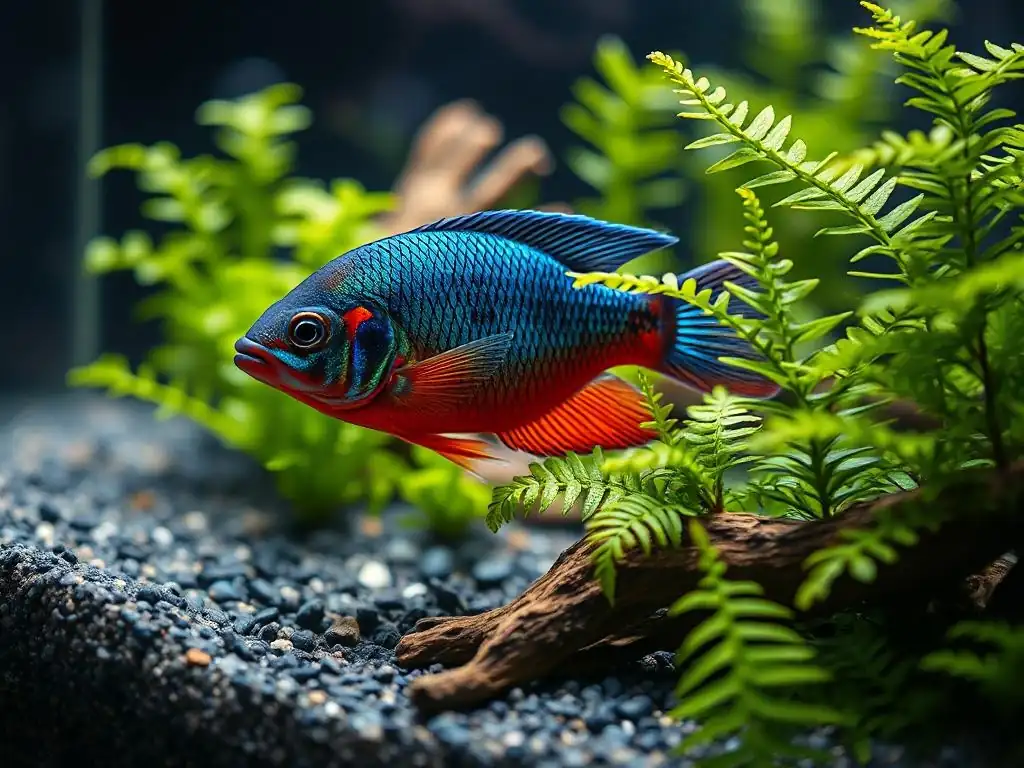
The German Blue Ram, Mikrogeophagus ramirezi, is arguably one of the most popular and visually stunning dwarf cichlids, making it a frequent centerpiece in dwarf cichlid aquascaping. Originating from the Orinoco River basin in Venezuela and Colombia, these fish are renowned for their vibrant blue, yellow, and red coloration, complemented by a distinctive black spot on their sides. Males typically grow up to 2.5-3 inches, while females are slightly smaller, usually reaching 2 inches. Their lifespan is generally 2-3 years in a well-maintained aquarium.
German Blue Rams thrive in soft, acidic water conditions, ideally with a pH between 5.5 and 6.5, and very low general hardness (GH 0-6 dGH). They prefer warm temperatures, typically 78-82°F (25.5-27.8°C). In terms of behavior, they are generally peaceful and shy, forming monogamous pairs.
They require a well-aquascaped tank with fine sandy substrate for sifting, dense planting providing visual breaks, and numerous caves or flat rocks (like slate) for spawning. A 20-gallon long tank is the minimum recommended for a single pair, providing approximately 360 square inches of bottom space, which is adequate for their territorial needs without causing undue stress.
Apistogramma Cacatuoides Profile
The Cockatoo Dwarf Cichlid, Apistogramma cacatuoides, is another highly sought-after species for dwarf cichlid aquascaping, celebrated for its striking finnage and diverse color morphs (e.g., Triple Red, Orange Flash). Native to the Amazon basin in Peru and Brazil, males can reach up to 3 inches, displaying elongated dorsal fins resembling a cockatoo's crest, while females are smaller, typically around 1.5-2 inches. Their lifespan ranges from 3-5 years with proper care.
Apistogramma cacatuoides prefers soft to moderately hard water, with a pH between 6.0 and 7.0 and a general hardness (GH) of 2-10 dGH. They thrive in temperatures ranging from 75-80°F (24-27°C). Behaviorally, they are polygamous, with one male often presiding over a harem of several females.
Males are territorial, especially during breeding, and require multiple caves or dense plant thickets for each female to establish her own territory and for the male to display. A 20-gallon tank can house one male and two females comfortably, provided the aquascape offers ample visual barriers and individual hiding spots. Their preference for leaf litter (e.g., Catappa leaves) on the substrate mimics their natural habitat and can contribute beneficial tannins to the water.
Advanced Aquascaping for Dwarf Cichlids: Beyond the Basics
Creating Biotope Aquascapes: Mimicking Natural Habitats
For the dedicated aquarist, creating a biotope aquascape represents an advanced dwarf cichlid aquascaping technique that goes beyond mere aesthetics. A biotope aims to meticulously replicate a specific natural habitat, including its water parameters, substrate, hardscape, and plant species, down to the smallest detail. This approach offers profound benefits for dwarf cichlids, as it provides them with an environment that perfectly matches their evolutionary needs, promoting natural behaviors, enhancing their coloration, and often leading to successful breeding.
For instance, an Amazonian blackwater biotope for Apistogramma species would feature a fine sandy substrate, abundant driftwood, and a generous layer of leaf litter (e.g., dried Indian almond leaves, oak leaves). These leaves slowly decompose, releasing tannins that stain the water a tea-like color, subtly lowering the pH (e.g., by 0.2-0.5 units in a 20-gallon tank over a week) and providing a natural antibacterial effect.
Plants would be limited to those found in such environments, like certain Cryptocorynes or floating plants. This type of setup not only looks stunningly natural but also offers optimal conditions for the dwarf cichlids to thrive, encouraging behaviors like territory defense and complex courtship rituals seen in their native rivers.
Using CO2 Injection for Plant Growth: Pros and Cons
For those seeking to cultivate a truly lush and vibrant dwarf cichlid aquascape, CO2 injection is an advanced technique that can dramatically accelerate plant growth. Carbon dioxide is a vital nutrient for photosynthesis, and supplementing it can lead to significantly faster growth rates (often 2-3 times faster), more vibrant plant coloration, and denser foliage. This allows for the successful cultivation of more demanding plant species and achieves a "high-tech" planted tank look.
However, CO2 injection comes with both benefits and drawbacks.
- Pros:
- Accelerated Growth: Plants grow significantly faster and more robustly.
- Vibrant Colors: Enhanced nutrient uptake leads to richer, more intense plant colors.
- Algae Control: Healthy, fast-growing plants outcompete algae for nutrients and light.
- Denser Aquascapes: Achieves the lush, "jungle" look more quickly.
- Cons:
- Cost and Complexity: Requires specialized equipment (CO2 cylinder, regulator, diffuser, solenoid valve) and careful setup.
- Risk to Fish: Incorrect CO2 levels can rapidly drop pH and suffocate fish. Maintaining CO2 levels between 20-30 ppm is crucial and requires diligent monitoring (e.g., with a drop checker). A sudden increase to 40 ppm can cause distress to sensitive dwarf cichlids within hours.
- Increased Maintenance: Requires more frequent dosing of fertilizers and more rigorous trimming due to rapid plant growth.
- Water Parameter Fluctuations: Daily CO2 injection (on/off cycles) can cause slight pH fluctuations, which can stress sensitive dwarf cichlids if not managed properly.
While CO2 injection can create breathtaking aquascapes, it demands a higher level of commitment and understanding of aquarium chemistry.
Aquascaping Styles for Dwarf Cichlid Tanks: Dutch, Iwagumi, and More
While various aquascaping styles exist, not all are equally suitable for dwarf cichlids, given their specific behavioral needs. Understanding these styles helps in applying effective dwarf cichlid aquascaping techniques to create both beautiful and functional habitats.
- Dutch Style: This style focuses heavily on dense planting, with different plant species arranged in "streets" or terraces to create vibrant color and texture contrasts. Hardscape is minimal or absent. While visually stunning, the lack of significant rock or wood structures and defined territories makes it generally less suitable for most dwarf cichlids, especially territorial species like Apistogramma, who rely on hardscape for hiding and breeding.
- Iwagumi Style: Originating in Japan, Iwagumi focuses on a minimalist arrangement of rocks, with sparse, low-lying foreground plants. The emphasis is on the natural beauty of the stones. This style can be adapted for dwarf cichlids if the rock formations create ample caves and crevices for hiding and spawning. For instance, a small Iwagumi with 3-5 inert rocks forming secure hideouts could work for a single pair of German Blue Rams, but it might lack the visual breaks needed for more territorial species or larger groups.
- Nature Aquarium Style: Popularized by Takashi Amano, this style aims to recreate natural landscapes (e.g., mountains, forests) using a combination of hardscape (rocks, driftwood) and plants. This is arguably the most suitable style for dwarf cichlid aquascaping. It allows for the creation of complex layouts with numerous hiding spots, visual barriers, and varied plant densities, perfectly accommodating the territorial and exploratory behaviors of dwarf cichlids. A Nature Aquarium can easily incorporate sandy foraging areas, dense plant cover, and intricate driftwood structures.
- Blackwater Aquascape: While not strictly a style, blackwater setups are a highly effective and naturalistic approach for many dwarf cichlids. They prioritize mimicking the dark, tannin-stained waters of South American rivers using driftwood, leaf litter, and specific plants. This creates ideal water parameters (low pH, soft water) and a sense of security for species like Apistogramma and Rams, often leading to enhanced coloration and breeding success.
Common Mistakes in Dwarf Cichlid Aquascaping and How to Avoid Them
Overcrowding the Tank: Providing Adequate Space for Cichlids
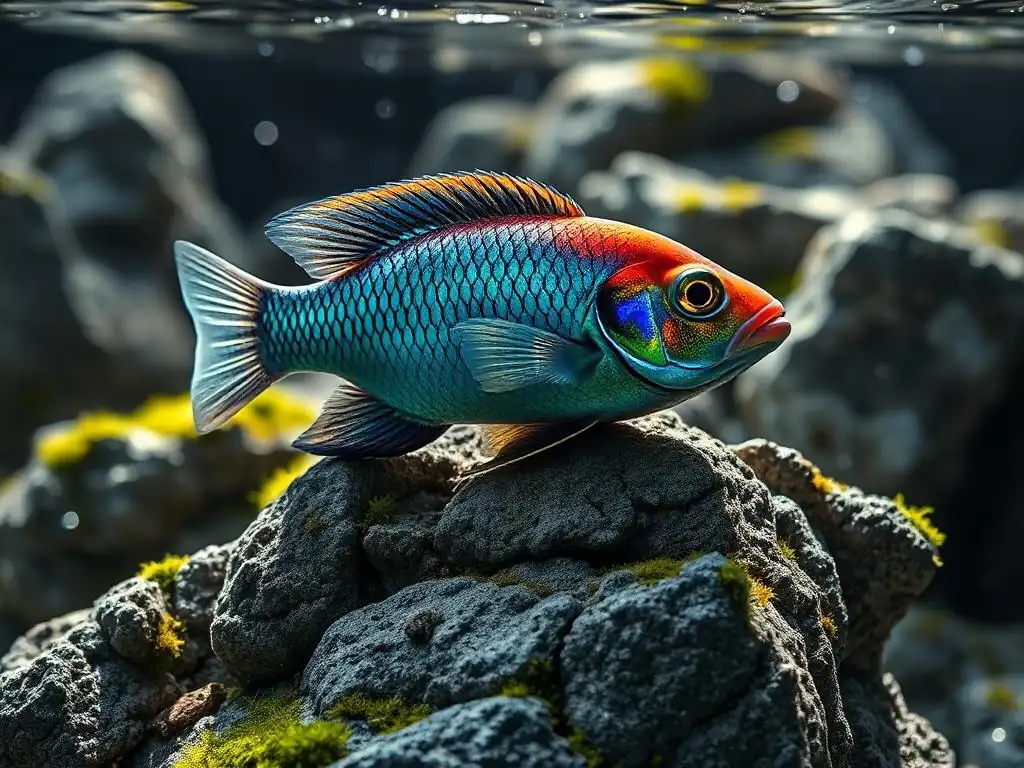
One of the most frequent and detrimental mistakes in dwarf cichlid aquascaping is overcrowding the tank. While dwarf cichlids are smaller than their larger cousins, they are still territorial and require adequate space to thrive. An overcrowded tank leads to increased stress levels, escalated aggression among tank mates (both within the cichlid species and towards other fish), poor water quality due to excessive bioload, and ultimately, a higher susceptibility to disease and premature death.
To avoid overcrowding, always research the adult size and territorial needs of your chosen dwarf cichlid species. For example, a 10-gallon tank is generally insufficient for a pair of German Blue Rams in the long term; while they might survive, they will exhibit signs of stress, and their lifespan can be reduced by up to 30% compared to those in a 20-gallon or larger tank. A 20-gallon long (approximately 30x12x12 inches) provides a minimum of 360 square inches of floor space, which is adequate for one pair of most dwarf cichlids, or a male and two females of less aggressive Apistogramma species, provided the aquascape offers ample hiding spots and visual barriers.
Avoid the common "inch per gallon" rule for cichlids, as it doesn't account for territoriality. Instead, focus on providing enough physical space and structural complexity to minimize conflicts.
Neglecting Water Parameters: Maintaining a Stable Environment
Neglecting to consistently monitor and maintain stable water parameters is another critical mistake that can undermine even the most beautiful dwarf cichlid aquascape. Dwarf cichlids are often sensitive to fluctuations in pH, hardness, and temperature, as well as the presence of ammonia, nitrite, and high nitrates. Inconsistent water quality directly impacts their health, causing stress, weakening their immune systems, and making them highly vulnerable to diseases.
To avoid this, invest in a reliable liquid test kit and perform regular water tests, ideally weekly, to monitor ammonia, nitrite, nitrate, pH, and general hardness (GH) or carbonate hardness (KH). For example, a sudden pH swing of more than 0.5 units within a 24-hour period can severely stress dwarf cichlids, potentially leading to immediate health issues or increased susceptibility to common ailments like Ich. Consistent weekly water changes of 25-30% are essential to dilute nitrates and replenish essential minerals.
Furthermore, ensure that the replacement water is temperature-matched to the tank water to prevent temperature shock, which can cause significant stress. Maintaining a stable environment, where parameters fluctuate minimally, is far more important than achieving exact "ideal" numbers if those numbers require constant, stressful adjustments.
Choosing Incompatible Tank Mates: Avoiding Aggression and Stress
A common pitfall in dwarf cichlid aquascaping is the selection of incompatible tank mates, leading to aggression, stress, and potential harm to your valuable fish. While dwarf cichlids are known for their relatively peaceful nature compared to larger cichlids, they can still be territorial, especially males and breeding pairs. Introducing fish that are too aggressive, too large, or have vastly different behavioral needs can result in constant harassment, fin nipping, or even death.
To avoid this mistake, thorough research on the specific temperament and needs of both your dwarf cichlids and any potential tank mates is crucial. For instance, pairing a peaceful German Blue Ram with an overly boisterous or nippy fish like a Tiger Barb can result in the Ram becoming constantly stressed, losing coloration, and refusing to eat. Conversely, placing small, slow-moving fish with a more aggressive dwarf cichlid species like some Apistogramma variants during breeding can lead to the smaller fish being chased or injured. A good rule of thumb is to select tank mates that are:
- Peaceful and community-oriented: Avoid known fin-nippers or overtly aggressive species.
- Appropriate size: Not so small as to be seen as food, and not so large as to intimidate the cichlids.
- Occupying different tank levels: Mid-to-upper water column dwellers (e.g., small tetras, rasboras) are ideal, as they stay out of the cichlids' primary bottom and mid-level territories.
- Compatible with water parameters: Ensure all fish thrive in the same pH, hardness, and temperature ranges.
Proper tank mate selection can reduce the likelihood of aggression by 60-70%, ensuring a harmonious and thriving dwarf cichlid community.
Showcasing Stunning Dwarf Cichlid Aquascapes: Inspiration and Ideas
A Lush Planted Tank with Apistogramma agassizii
Imagine a 29-gallon aquarium, approximately 30 inches long, serving as a vibrant, naturalistic habitat for a male Apistogramma agassizii and two females. The substrate is a fine, light-colored sand, perfect for the Apistos to sift through. The midground features a dense, undulating "forest" of various Cryptocoryne species, such as Cryptocoryne wendtii 'Green' and Cryptocoryne undulata 'Red', providing a rich tapestry of textures and colors. Their broad leaves offer ample hiding spots for the females and potential fry.
In the background, a thick stand of Vallisneria spiralis creates a natural wall, giving the tank a sense of depth and security. Several pieces of gnarled Malaysian driftwood are strategically placed in the midground, covered in patches of Java Moss and small Anubias nana petite. These driftwood pieces not only add visual interest but also form numerous crevices and small caves, which are essential for territorial demarcation and breeding for the Apistogramma.
The lighting is moderate, allowing the plants to flourish without encouraging excessive algae, and a slight tannin stain from a few Indian almond leaves on the sand gives the water a subtle, natural amber hue, mimicking the fish's native Amazonian blackwater environment. This design, focused on dense plant cover and intricate hardscape, allows the Apistogramma agassizii to display their full range of natural behaviors, from elaborate male courtship displays to diligent parental care.
A Naturalistic Rockscape with German Blue Rams and Slate Caves
Visualize a 20-gallon long aquarium, offering a generous footprint of 24x12 inches, designed as a tranquil rockscape for a pair of German Blue Rams ( Mikrogeophagus ramirezi). The foundation is a pristine, fine-grained sand substrate, ideal for these bottom-sifting cichlids. The central feature is a carefully constructed series of slate caves. Three to four flat pieces of dark grey slate are artfully stacked and angled to create multiple small, secure caverns and overhangs, providing the Rams with essential hiding spots and potential spawning sites.
Complementing the rockwork, a few larger, smooth river stones are scattered in the foreground, breaking up the sandy expanse. Plant life is used sparingly but effectively to enhance the natural feel and provide additional cover. Small, low-lying Cryptocoryne parva are planted in scattered clusters around the base of the rock formations, their compact growth adding a touch of green without overwhelming the hardscape.
A few Anubias barteri nana are carefully attached to smaller pieces of lava rock or the slate itself, their dark green leaves contrasting beautifully with the grey stone. The overall aesthetic is one of understated elegance, emphasizing the natural beauty of the rock formations and providing the German Blue Rams with a secure, stimulating environment where they can display their vibrant colors and fascinating behaviors.
Conclusion: Enjoying the Beauty and Behavior of Dwarf Cichlids in a Thriving Aquascape
The art of aquascaping with dwarf cichlids is a rewarding endeavor that seamlessly blends aesthetic design with the intricate biological needs of these captivating fish. By meticulously planning your tank's layout, selecting appropriate hardscape and plant species, and diligently maintaining water quality, you create more than just a beautiful display; you craft a thriving ecosystem where dwarf cichlids can exhibit their natural behaviors, vibrant colors, and unique personalities. Mastering dwarf cichlid aquascaping techniques ensures a harmonious environment that benefits both the fish and the observer.
From providing essential hiding spots and territorial boundaries to promoting successful breeding, a well-executed dwarf cichlid aquascape transforms a simple glass box into a dynamic, living piece of art. It's a testament to the aquarist's dedication, offering endless opportunities for observation and enjoyment. Embracing these principles will allow you to fully appreciate the delicate balance between beauty and behavior, making your dwarf cichlid aquarium a true masterpiece.
Frequently Asked Questions
What are some key considerations when aquascaping for dwarf cichlids?
When aquascaping for dwarf cichlids, prioritize creating territorial boundaries with rocks and driftwood. Also, provide plenty of hiding places to reduce stress and aggression. Finally, consider the specific needs of the species you're keeping.
What types of plants are suitable for a dwarf cichlid aquarium?
Dwarf cichlids often appreciate plants that offer cover and don't require intense lighting. Good choices include Anubias, Java Fern, and Amazon Sword. Ensure the plants are robust enough to withstand occasional digging or nipping.
How important is substrate choice for dwarf cichlid aquascaping?
Substrate choice is crucial as some dwarf cichlids are substrate spawners, meaning they lay their eggs on the substrate. Fine gravel or sand is often preferred, allowing them to dig and sift through it naturally.
Can I use rocks and driftwood to create caves and territories?
Absolutely! Rocks and driftwood are essential for creating caves and territories, which are vital for dwarf cichlid well-being. These elements help reduce aggression and provide secure spawning sites.
What water parameters are most important to maintain when aquascaping for dwarf cichlids?
Maintaining stable water parameters is critical. Pay close attention to pH, temperature, and water hardness, as dwarf cichlids are sensitive to changes. Regular water changes are essential for removing nitrates and maintaining water quality.
Final Reflection: Harmonizing Nature and Nurture
The journey into dwarf cichlid aquascaping techniques reveals more than just the creation of aesthetically pleasing underwater landscapes; it underscores the profound connection between environmental design and animal well-being. Understanding and implementing these techniques is not merely about decorating an aquarium, but about fostering a thriving ecosystem where beauty and behavior intertwine, enriching the lives of both the fish and the observer.
This delicate balance has profoundly shaped the aquascaping community, inspiring a shift from purely ornamental displays to thoughtfully designed habitats that cater to the specific needs of dwarf cichlids. Witnessing this evolution firsthand has reinforced the importance of responsible pet ownership and the ethical considerations that should underpin every aspect of fishkeeping. The best aquarium is not just a pretty picture, but a living, breathing ecosystem where every element contributes to the health and happiness of its inhabitants.
This sentiment encapsulates the core principle of dwarf cichlid aquascaping: creating a harmonious environment that benefits all.
As you contemplate the principles and techniques explored in this article, I invite you to consider how you can apply this mindful approach to other areas of your life. Whether it's designing a garden, decorating your home, or simply interacting with the natural world, remember the power of intentional design to create spaces that nurture and inspire. Embrace the art of harmonizing beauty and behavior, and discover the profound rewards of creating a world where all living things can thrive.
Transform Your Tank: Create an Aquascaping Masterpiece!
Thanks for diving into the world of aquascaping with dwarf cichlids! Now that you've learned the secrets to creating a stunning and harmonious underwater environment, it's time to bring your vision to life. Here's how to get started:
- Start Planning Your Dream Layout: Sketch out your aquascape design, considering the needs and behaviors of your dwarf cichlids for a happy and thriving tank.
- Explore different hardscape elements: Gather inspiration from natural habitats, and experiment with rocks, driftwood, and substrate to achieve your desired aesthetic.
- Share your aquascaping ideas with fellow enthusiasts: Discuss your design concepts on the Aquarium Mastery community forum for valuable feedback and inspiration.
Ready to sculpt your underwater world and watch your dwarf cichlids thrive in their new paradise?