
Eureka Red Peacock: The Science Behind its Stunning Coloration

Welcome to Aquarium Mastery!
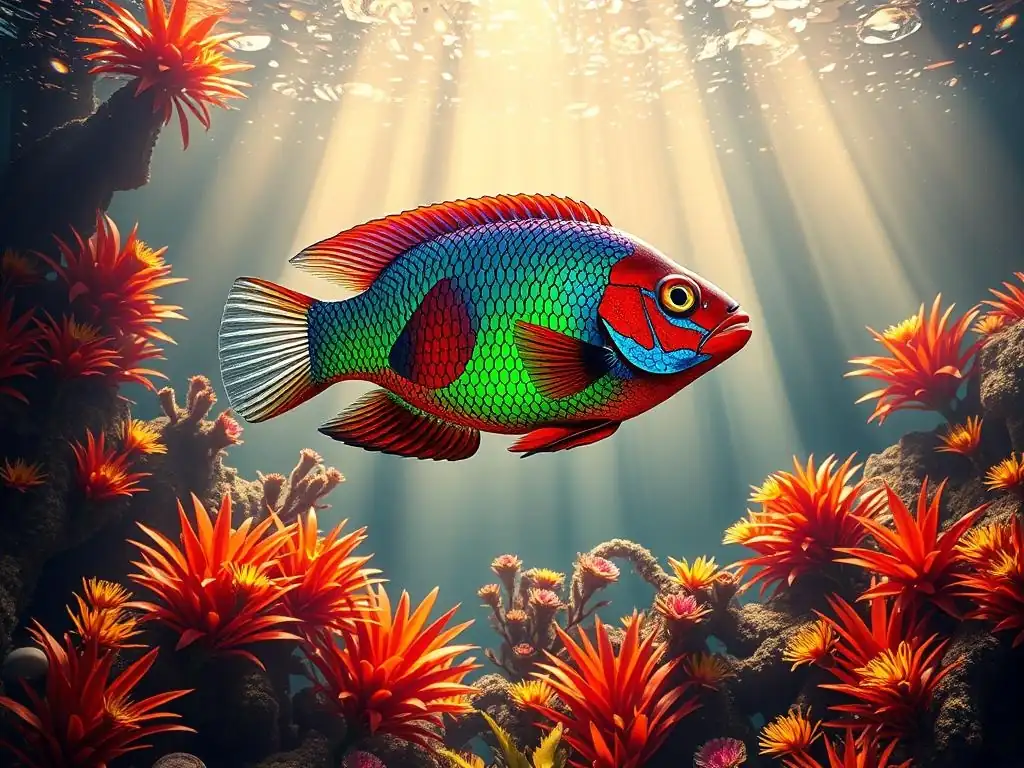
Ever been mesmerized by the vibrant hues of a Eureka Red Peacock Cichlid? Dive deep with us as we unravel the fascinating science behind its dazzling coloration. Discover the secrets of Peacock Cichlid Color Genetics and gain a newfound appreciation for these underwater jewels. What factors truly influence their breathtaking appearance, and how can you enhance their natural beauty? Let's explore!
- Understanding the Allure of the Eureka Red Peacock Cichlid
- Decoding Peacock Cichlid Color Genetics: The Foundation of the Eureka Red
- The Science of Red: Pigmentation in Eureka Red Peacocks
- Exploring the Genetic Mechanisms Behind Eureka Red Coloration
- Comparing Eureka Red Peacock Color Genetics to Other Peacock Cichlids
- Maintaining Optimal Coloration in Your Eureka Red Peacock: A Guide for Aquarists
- The Future of Peacock Cichlid Color Genetics Research
- Conclusion: Appreciating the Scientific Marvel of the Eureka Red Peacock's Color
-
Frequently Asked Questions
- How does genetics influence the coloration of Eureka Red Peacock Cichlids?
- What are the key pigments responsible for the red coloration in Eureka Red Peacock Cichlids?
- Can environmental factors affect the color intensity of Eureka Red Peacock Cichlids?
- Are there different genetic variations within Eureka Red Peacock Cichlids that affect their coloration?
- How does selective breeding play a role in enhancing the color of Eureka Red Peacock Cichlids?
- Final Reflection: Unlocking the Secrets of Color
- Unveil the Secrets of Your Own Vibrant Aquarium!
Understanding the Allure of the Eureka Red Peacock Cichlid
The Eureka Red Peacock: A Jewel of Lake Malawi
The Eureka Red Peacock cichlid, scientifically known as Aulonocara jacobfreibergi "Eureka Red," is a highly esteemed freshwater fish originating from the rocky shores and sandy stretches of Lake Malawi in East Africa. Males of this captivating species typically reach an adult size of 5 to 6 inches, while females remain slightly smaller, usually around 3 to 4 inches. Its natural habitat, characterized by clear, alkaline waters, has shaped its robust physiology, but its striking coloration is largely a result of selective breeding.
This particular Aulonocara variant is a testament to the beauty that can be cultivated within the aquarium hobby. Unlike some wild Aulonocara species that exhibit more subdued hues, the Eureka Red Peacock has been meticulously bred over generations to enhance its vibrant red and contrasting blue patterns. This makes it a popular choice among aquarists seeking a centerpiece fish that combines vivid aesthetics with a relatively manageable temperament for a cichlid.
Why the Eureka Red Peacock's Coloration Captivates Aquarists
The male Eureka Red Peacock is renowned for its intense, fiery red body, which dramatically contrasts with metallic blue on its face, dorsal fin, and pelvic fins. This distinctive coloration is not merely bright; it often possesses a deep, almost iridescent quality that shimmers under proper aquarium lighting. The intensity of this red, combined with the electric blue, creates a visual spectacle rarely matched by other freshwater species, making it a highly sought-after addition to any cichlid enthusiast's tank.
This captivating display of color is a primary reason for the Eureka Red's widespread appeal. Aquarists are drawn not only to the immediate beauty but also to the challenge and reward of maintaining conditions that allow these fish to express their full chromatic potential. Understanding the underlying Peacock Cichlid Color Genetics is key to appreciating and optimizing this stunning visual characteristic, transforming a simple observation into a deeper scientific appreciation.
Decoding Peacock Cichlid Color Genetics: The Foundation of the Eureka Red
The Role of Genetics in Cichlid Color Expression
At the core of any fish's coloration lies its genetic blueprint. For cichlids, including the diverse Aulonocara genus, specific genes dictate the production, distribution, and type of pigments that ultimately determine their vibrant hues. These genes code for enzymes and proteins involved in various metabolic pathways that synthesize pigments like carotenoids, pterins, and melanins, or influence the structure of specialized color cells called chromatophores.
The wide array of color patterns observed in Aulonocara species, from brilliant blues to fiery reds and complex marbled patterns, is a direct result of inherited genetic variations. While some color traits might appear to follow simple Mendelian inheritance patterns (dominant and recessive alleles), many of the most striking colorations, especially those involving intensity and coverage, are influenced by multiple genes acting in concert, a phenomenon known as polygenic inheritance, which is central to Peacock Cichlid Color Genetics.
Chromosomes and Color Traits in Aulonocara Species
While the complete genetic map for Aulonocara color traits is still an active area of research, it is understood that various genes located on different chromosomes contribute to the expression of specific colors. For instance, genes might control the efficiency of carotenoid uptake from the diet, the density of red pigment-containing cells (erythrophores), or the presence and arrangement of iridescent cells (guanophores) that produce blue and green iridescence.
Through generations of selective breeding, breeders have effectively concentrated alleles (gene variants) associated with intensified red pigmentation in the Eureka Red Peacock. This process involves identifying individuals with the most desirable red hues and breeding them, thereby increasing the frequency of these specific "red-enhancing" genes within the population. This deliberate manipulation of genetic frequencies showcases a practical application of Peacock Cichlid Color Genetics to achieve specific aesthetic outcomes.
The Science of Red: Pigmentation in Eureka Red Peacocks
Carotenoids: The Source of Red Pigments in Fish
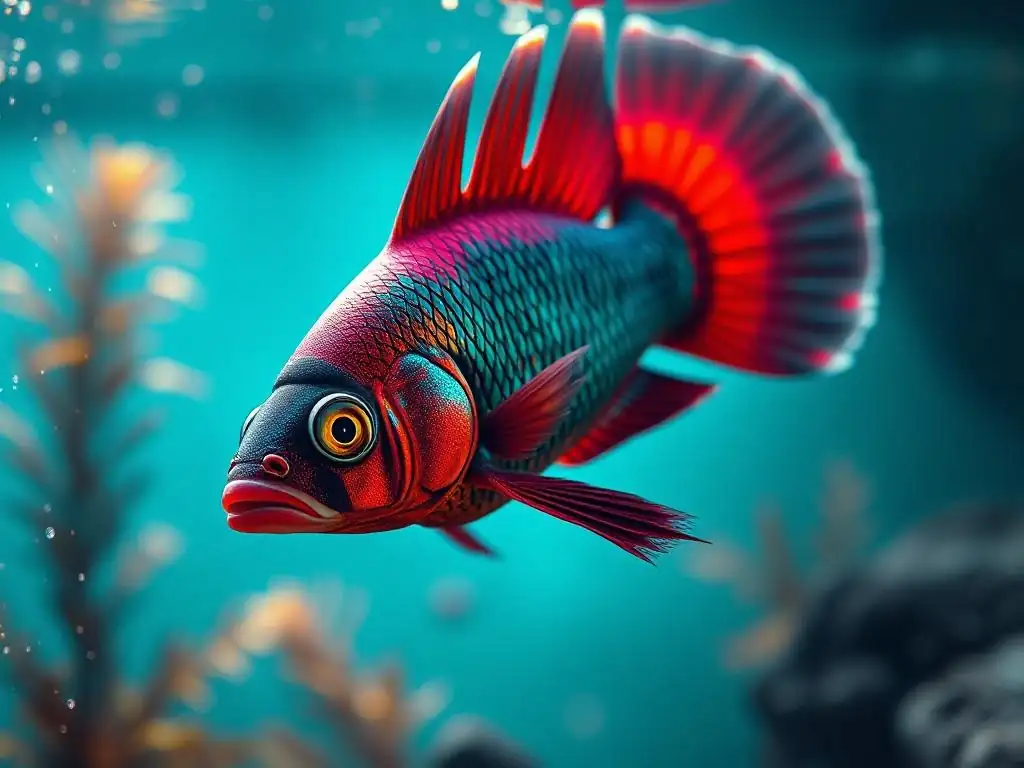
The brilliant red, orange, and yellow colors observed in many fish species, including the Eureka Red Peacock, are primarily attributed to a class of organic pigments known as carotenoids. These complex molecules are responsible for a wide spectrum of hues in the natural world, from the vibrant colors of autumn leaves to the rich reds of crustaceans. Crucially, fish, unlike plants and some microorganisms, cannot synthesize carotenoids themselves; they must obtain these vital pigments directly from their diet.
Once ingested, these carotenoids are absorbed and transported to specialized pigment cells called chromatophores, specifically erythrophores for red and orange colors, and xanthophores for yellow. The type and quantity of carotenoids consumed directly dictate the intensity and richness of the red coloration. A fish deprived of carotenoid-rich foods will exhibit duller, less vibrant colors, regardless of its genetic potential.
How Diet Influences the Red Coloration of Eureka Red Peacocks
Given that Eureka Red Peacocks cannot produce their own carotenoids, their diet becomes the paramount factor in achieving and maintaining their iconic red coloration. A diet consistently deficient in these essential pigments will inevitably lead to a noticeable fading or dulling of their vibrant red hues over time. This nutritional requirement highlights the immediate link between dietary intake and the visual expression of Peacock Cichlid Color Genetics.
For optimal color enhancement, it is imperative to feed Eureka Red Peacocks a high-quality diet rich in natural carotenoid sources. Premium commercial cichlid pellets or flakes often include ingredients like spirulina, krill meal, and various algae, all known for their high carotenoid content. Supplementing their diet with frozen foods such such as Mysis shrimp or brine shrimp, which are naturally loaded with these pigments, further ensures a robust supply for maximum color development.
Astaxanthin and Canthaxanthin: Impact on Color Intensity
Among the various carotenoids, astaxanthin stands out as one of the most effective and widely utilized pigments for promoting intense red and orange coloration in fish. It is a powerful antioxidant and is particularly efficient in being absorbed and deposited into fish tissues. Natural sources of astaxanthin include microalgae ( Haematococcus pluvialis), krill, and various crustaceans, which form part of the natural diet of many cichlids.
Canthaxanthin is another significant carotenoid frequently incorporated into commercial fish feeds to enhance red pigmentation. While both astaxanthin and canthaxanthin contribute to vibrant red hues, astaxanthin is generally considered to be more bioavailable and thus more potent in producing deep, rich reds. The careful inclusion and balance of these specific carotenoids in the Eureka Red Peacock's diet are fundamental to unlocking its full Peacock Cichlid Color Genetics potential and achieving its stunning color intensity.
Exploring the Genetic Mechanisms Behind Eureka Red Coloration
Selective Breeding and the Intensification of Red Pigmentation
The Eureka Red Peacock, as we know it today, is not a naturally occurring wild variant but rather a magnificent product of intensive selective breeding by aquarists and professional breeders. This process involves systematically choosing individuals that exhibit the most desirable traits—in this case, the most vibrant and extensive red pigmentation—and breeding them together over successive generations. Through this meticulous selection, the frequency of genes responsible for producing and depositing red pigments is amplified within the breeding line.
Unlike natural selection, which favors traits that enhance survival and reproduction in the wild, selective breeding focuses on specific aesthetic qualities. This human intervention has significantly intensified the red coloration of the Eureka Red Peacock far beyond what is typically observed in its wild Aulonocara jacobfreibergi ancestors. This exemplifies how applied Peacock Cichlid Color Genetics can dramatically alter phenotypes to meet human preferences, leading to the creation of truly unique and beautiful strains.
Polygenic Inheritance and Red Pigment Production
The vibrant red coloration of the Eureka Red Peacock is not controlled by a single gene but is a complex trait governed by polygenic inheritance, meaning multiple genes collectively influence its expression. These genes can impact various aspects of pigment production and deposition. For instance, one set of genes might regulate the efficiency with which dietary carotenoids are absorbed from the gut, while another set might control the conversion of these carotenoids into the specific red pigments like astaxanthin within the fish's metabolic pathways.
Furthermore, other genes could influence the number, size, and distribution of erythrophores—the specialized pigment cells that contain red carotenoids—in the fish's skin. The intricate interplay and cumulative effect of these numerous genes determine the overall intensity, saturation, and pattern of the red color. Understanding this polygenic nature is crucial for advanced Peacock Cichlid Color Genetics research and for breeders aiming to consistently produce high-quality Eureka Red specimens.
The Influence of Environmental Factors on Gene Expression
While genetics provides the foundational blueprint for the Eureka Red Peacock's coloration, environmental factors play a significant role in how these genes are expressed. Even a fish with superior genetic potential for brilliant red can appear dull and faded if kept in suboptimal conditions. Stress, whether from poor water quality, overcrowding, an inadequate diet, or aggressive tank mates, can directly suppress a fish's ability to express its full color vibrancy.
Conversely, an optimal environment allows the fish to thrive, directing its metabolic energy towards growth, health, and the full expression of its genetic traits. Stable water parameters, a stress-free social environment, and a consistently nutritious diet are all critical environmental factors that enable the Eureka Red Peacock to display its stunning red coloration to its fullest extent. This demonstrates that Peacock Cichlid Color Genetics are always interacting with their surrounding environment.
Comparing Eureka Red Peacock Color Genetics to Other Peacock Cichlids
Contrasting Genetic Pathways in Different Aulonocara Color Variants
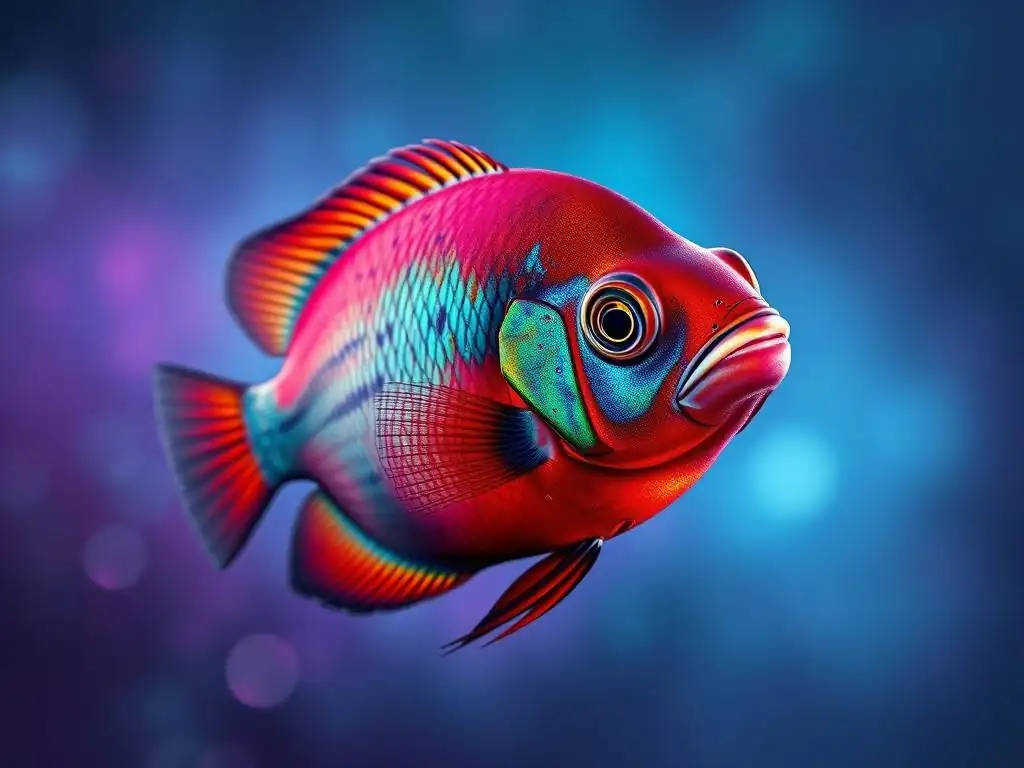
The diverse palette of Aulonocara peacock cichlids, ranging from deep blues and iridescent golds to the striking reds of the Eureka Red, is a testament to varied genetic pathways and pigment combinations. For example, blue and iridescent colors in peacock cichlids often involve the presence and arrangement of guanophores, specialized cells containing reflective guanine crystals, which scatter light to produce metallic or iridescent effects. Melanin patterns, controlled by melanophores, also contribute to the overall visual pattern, creating stripes, spots, or contributing to darker base colors.
In contrast, the intense red of the Eureka Red Peacock is primarily driven by the genetic capacity to efficiently absorb, metabolize, and deposit carotenoid pigments, predominantly within erythrophores. While all Aulonocara species possess the basic genetic machinery for various pigments, specific selective breeding efforts or natural mutations have amplified different pigment types. This means that while a 'Blue Neon' Aulonocara focuses on maximizing iridescence and blue hues, the Eureka Red's Peacock Cichlid Color Genetics are tuned towards carotenoid-based red production, showcasing the incredible diversity within the genus.
Genetic Similarities and Differences Between Eureka Red and Ruby Red Peacock Strains
When comparing the Eureka Red Peacock to the Ruby Red Peacock, both are celebrated for their exceptional red coloration, suggesting a significant overlap in their underlying Peacock Cichlid Color Genetics. Both strains likely possess a high frequency of genes that promote efficient carotenoid uptake and deposition, leading to their intense red hues. This common genetic foundation points to shared ancestral genes that have been selectively enhanced.
However, subtle differences exist. The Eureka Red often maintains a distinct metallic blue on its face, dorsal fin, and pelvic fins, providing a sharp contrast to its fiery red body. The Ruby Red, on the other hand, typically exhibits a more uniform, often deeper, and broader red coverage across its entire body, with less pronounced blue accents. These variations suggest that while they share many "red-enhancing" genes, there might be differences in modifier genes that influence pigment distribution or the precise intensity of red versus blue areas, offering a nuanced perspective on Peacock Cichlid Color Genetics.
Maintaining Optimal Coloration in Your Eureka Red Peacock: A Guide for Aquarists
Water Chemistry and its Impact on Color Development
Maintaining pristine and stable water chemistry is paramount for the health and vibrant coloration of Eureka Red Peacocks. Poor water quality, characterized by elevated levels of ammonia, nitrite, or nitrate, induces stress in fish, which directly inhibits their ability to express their full color potential. Stressed fish divert energy away from color production towards combating environmental challenges, resulting in dull, faded hues.
For optimal color development, it is recommended to perform regular water changes, typically 25-30% weekly, to keep nitrate levels low (ideally below 20 ppm). Eureka Reds thrive in hard, alkaline water, mirroring their Lake Malawi origins. Maintaining a pH range of 7.8 to 8.6, a general hardness (GH) between 10 and 20 dGH, and a carbonate hardness (KH) between 10 and 18 dKH will significantly reduce stress and allow their inherent Peacock Cichlid Color Genetics to shine through.
Proper Diet for Enhancing Red Pigmentation
As previously discussed, diet is a cornerstone for enhancing the red pigmentation of Eureka Red Peacocks. Since these fish cannot synthesize carotenoids, their diet must be consistently rich in these color-enhancing compounds. High-quality commercial cichlid pellets or flakes specifically formulated for color enhancement are excellent staple foods, often containing ingredients like spirulina, krill meal, and added astaxanthin.
To further intensify their red hues, supplementing their diet with frozen foods known for high carotenoid content is highly beneficial. Examples include frozen Mysis shrimp, which are naturally rich in astaxanthin, and krill. Feeding small amounts two to three times a day, rather than a single large meal, ensures a consistent supply of nutrients and pigments, supporting continuous color development and optimal expression of their Peacock Cichlid Color Genetics.
The Importance of Lighting for Color Display
While lighting does not directly create pigments, it plays a crucial role in how the vibrant colors of the Eureka Red Peacock are perceived by the human eye and can indirectly influence fish well-being. Full-spectrum LED lighting designed for freshwater aquariums can significantly enhance the reds and blues, making the fish appear more striking and allowing their true genetic coloration to be fully appreciated. Lights with a color temperature around 6500K often bring out the best in cichlid colors.
Furthermore, appropriate lighting contributes to a healthy aquarium environment, supporting the growth of beneficial algae (if desired) and mimicking natural daylight cycles, which can reduce stress for the fish. Inadequate or overly dim lighting can make even the most brilliantly colored Eureka Red Peacock appear dull and lackluster, effectively masking the stunning results of their Peacock Cichlid Color Genetics.
The Future of Peacock Cichlid Color Genetics Research
Advancements in Genetic Mapping and Selective Breeding Techniques
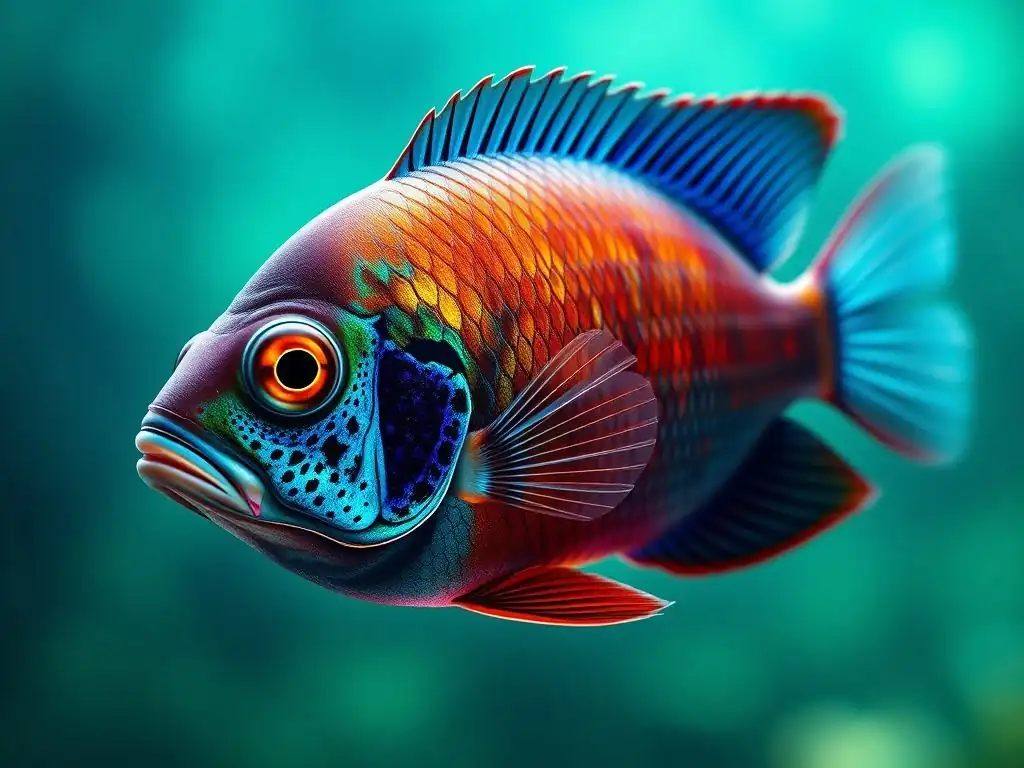
The field of fish genetics is continuously evolving, with significant advancements in genomic sequencing and molecular biology techniques. These breakthroughs hold immense promise for unraveling the intricate Peacock Cichlid Color Genetics responsible for the stunning array of colors seen in Aulonocara species. Future research may utilize high-throughput sequencing to precisely map the genes and even specific DNA markers associated with red pigment production and distribution in Eureka Red Peacocks.
Such detailed genetic mapping could revolutionize selective breeding programs. Breeders might be able to use marker-assisted selection, identifying desirable genetic traits in young fish without waiting for full color development, thereby accelerating the breeding process and increasing the efficiency of producing high-quality, consistently colored strains. This precision breeding could lead to even more vibrant and stable color morphs than currently available.
Potential for Discovering New Genes and Color Variations in Aulonocara**
As genetic research progresses, there is significant potential for the discovery of novel genes or gene complexes that influence pigment synthesis, transport, or cellular deposition in Aulonocara. Understanding these new genetic components could unlock entirely new possibilities for enhancing existing color variations or even creating previously unseen color morphs within the peacock cichlid family. This ongoing exploration of Peacock Cichlid Color Genetics may reveal the mechanisms behind subtle nuances in hue, saturation, and pattern.
Furthermore, a deeper understanding of gene-environment interactions could reveal specific dietary components or environmental triggers that, when combined with particular genetic predispositions, maximize color expression. This could lead to specialized feeding regimens or water parameter adjustments tailored to specific genetic lines, allowing aquarists to push the boundaries of color intensity and diversity in their Eureka Red Peacocks and other Aulonocara species.
Conclusion: Appreciating the Scientific Marvel of the Eureka Red Peacock's Color
The Interplay of Genetics, Diet, and Environment
The extraordinary coloration of the Eureka Red Peacock stands as a testament to a complex and fascinating interplay of biological factors. Its brilliant red and contrasting blue hues are not merely random occurrences but are meticulously orchestrated by its inherent Peacock Cichlid Color Genetics. This genetic blueprint determines the potential for color expression, dictating the types of pigments produced and the cells in which they are stored.
However, this genetic potential can only be fully realized when supported by a carotenoid-rich diet, which provides the essential building blocks for red pigments, and an optimal, stress-free aquarium environment. Each of these three pillars—genetics, diet, and environment—is indispensable. A deficiency in any one area will compromise the fish's ability to display its full chromatic splendor, underscoring the holistic approach required for truly vibrant Eureka Red Peacocks.
Eureka Red Peacock: A Testament to the Wonders of Natural Selection and Selective Breeding
The Eureka Red Peacock is a magnificent example of how both natural evolutionary processes and human intervention have shaped the aesthetic qualities of aquatic life. While the diverse gene pool of Aulonocara species was forged through millions of years of natural selection in Lake Malawi, the specific, intensified red of the Eureka Red is a direct result of decades of dedicated selective breeding by aquarists. This human endeavor has meticulously amplified desirable color traits, pushing the boundaries of natural variation.
Ultimately, the Eureka Red Peacock represents a living canvas where science, art, and dedicated husbandry converge. Appreciating its stunning colors is not just about visual enjoyment; it's about understanding the intricate Peacock Cichlid Color Genetics that make it possible, the biological processes that produce its pigments, and the care required to foster such breathtaking beauty in our home aquariums.
Frequently Asked Questions
How does genetics influence the coloration of Eureka Red Peacock Cichlids?
The color of Eureka Red Peacocks is primarily determined by genes inherited from their parents. These genes control the production and distribution of pigments, leading to their vibrant red hues. Environmental factors can also play a role, but genetics are the foundation.
What are the key pigments responsible for the red coloration in Eureka Red Peacock Cichlids?
The red coloration is largely due to carotenoids, pigments obtained through their diet. These pigments are then processed and deposited in the skin, creating the intense red color that defines the Eureka Red Peacock.
Can environmental factors affect the color intensity of Eureka Red Peacock Cichlids?
Yes, environmental factors such as diet, water quality, and lighting can influence color intensity. A diet rich in carotenoids and optimal water parameters can enhance the red vibrancy.
Are there different genetic variations within Eureka Red Peacock Cichlids that affect their coloration?
Absolutely, there can be genetic variations that lead to differences in color intensity and patterns. Selective breeding can also reinforce desirable color traits, creating fish with more intense and uniform coloration.
How does selective breeding play a role in enhancing the color of Eureka Red Peacock Cichlids?
Selective breeding involves choosing individuals with the most desirable traits, like intense red coloration, and breeding them together. Over generations, this process can lead to a population with enhanced color and consistent characteristics.
Okay, here's a final reflection designed to close your article "Eureka Red Peacock: The Science Behind its Stunning Coloration," optimized for the keyword "Peacock Cichlid Color Genetics," and following the structure you provided:
Final Reflection: Unlocking the Secrets of Color
The journey into the vibrant world of the Eureka Red Peacock Cichlid has revealed the intricate dance of Peacock Cichlid Color Genetics at play. What began as an exploration of a single fish's stunning hues has blossomed into a deeper understanding of the biological mechanisms that paint our world with such breathtaking diversity. The relevance of this research extends far beyond the aquarium, offering valuable insights into broader principles of genetics, evolution, and the very nature of beauty itself.
The enduring allure of the Eureka Red Peacock, and indeed all Peacock Cichlids, lies in their ability to captivate and inspire. Their vibrant colors are not merely aesthetic; they are a testament to the power of natural selection and the intricate interplay of genes. This fascination has fueled countless hours of research and observation, leading to a greater appreciation for the complexity of life. The beauty of living things is not accidental. The appearance of any given organism is the product of a long history of interactions between genes and environment.
This quote underscores the profound connection between genetics and the visual splendor we observe in nature, a connection vividly illustrated by the Eureka Red Peacock.
Now, as we conclude this exploration of Peacock Cichlid Color Genetics, I invite you to reflect on the power of scientific curiosity. Let the Eureka Red Peacock serve as a reminder that even the most seemingly simple observations can lead to profound discoveries. Consider how the principles of genetics, revealed through the study of this remarkable fish, might apply to other areas of your life. Embrace the wonder of the natural world, and continue to seek knowledge, for within it lies the potential to unlock even more of life's beautiful secrets.
Unveil the Secrets of Your Own Vibrant Aquarium!
Thanks for diving deep into the mesmerizing world of the Eureka Red Peacock and its stunning coloration! Now that you understand the science behind its beauty, let's bring that brilliance into your own aquarium. Here are a few actionable steps you can take:
- Experiment with different lighting setups to enhance the natural colors of your fish. Pay close attention to spectrum and intensity, and document your observations!
- Research and consider incorporating color-enhancing foods into your fish's diet to further boost their vibrancy. Look for ingredients like spirulina and astaxanthin.
- Share your newfound knowledge! Teach a friend or fellow aquarist about the science of fish coloration and inspire them to appreciate the wonders of the underwater world.
Ready to transform your aquarium into a kaleidoscope of color?