
Dwarf Gourami Color Morphs: From Powder Blue to Fiery Flame Red

Welcome to Aquarium Mastery!
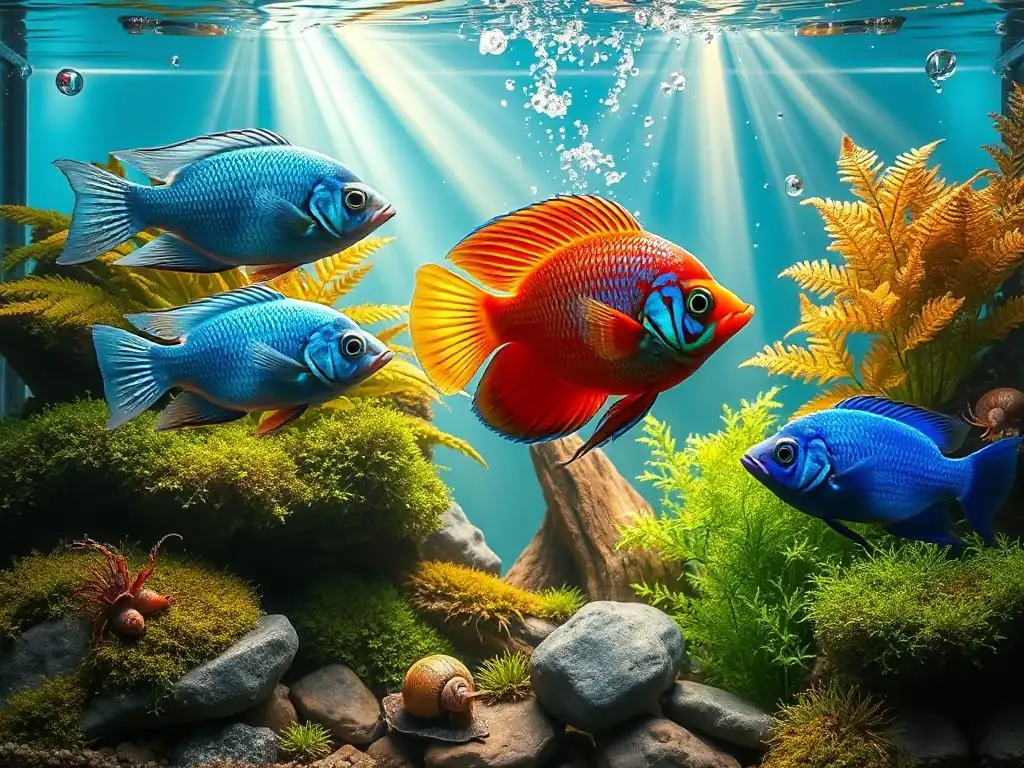
Ever wondered how to unlock the vibrant secrets behind the Dwarf Gourami's dazzling color morphs? From the serene Powder Blue to the fiery Flame Red, these little gems offer a stunning spectrum of beauty for your freshwater tank. Dive in and discover the essential care tips to keep your Dwarf Gourami color morphs thriving and truly showcasing their spectacular hues. Curious to learn more? Let's explore!
- Understanding Dwarf Gourami Coloration: A Guide for Aquarium Keepers
- Exploring Popular Dwarf Gourami Color Variations
- Dwarf Gourami Color Morph Care: Essential Guidelines
- Enhancing Dwarf Gourami Color: Advanced Techniques
- Health Considerations for Dwarf Gourami Color Morphs
- Breeding Dwarf Gourami Color Morphs: A Challenging but Rewarding Endeavor
- Selecting the Right Dwarf Gourami Color Morph for Your Aquarium
- Troubleshooting Color Loss in Dwarf Gouramis
- Dwarf Gourami Color Morph Care: A Summary of Best Practices
-
Frequently Asked Questions
- What are the different color morphs available for Dwarf Gouramis?
- Are the care requirements the same for all Dwarf Gourami color morphs?
- What size tank is recommended for Dwarf Gourami color morphs?
- What are some common health issues that can affect Dwarf Gourami color morphs?
- What is the ideal diet for Dwarf Gourami color morphs to maintain their vibrant colors?
- Final Reflection: The Vibrant Tapestry of Dwarf Gourami
- Unleash the Beauty: Transform Your Aquarium Today!
Understanding Dwarf Gourami Coloration: A Guide for Aquarium Keepers
The Appeal of Color Morphs in Dwarf Gouramis
Dwarf Gouramis (Trichogaster lalius, formerly Colisa lalia) are among the most popular freshwater fish for home aquariums, largely due to their captivating array of vibrant colors. Unlike many other small aquarium fish, Dwarf Gouramis exhibit a remarkable diversity in their color patterns, which has been selectively bred over decades to produce distinct morphs.
This genetic manipulation has resulted in a palette ranging from cool blues and electric neons to fiery reds and warm golden hues, making them a focal point in any community tank. Their relatively peaceful nature and modest size, typically reaching about 2 to 2.5 inches (5-6 cm), further contribute to their widespread appeal among aquarists of all experience levels.
The allure of these color morphs extends beyond mere aesthetics; it offers aquarists the opportunity to create visually stunning and themed aquascapes. For instance, a tank featuring lush green plants might be perfectly complemented by the striking contrast of a Flame Red Dwarf Gourami, while a more serene setup could benefit from the calming presence of a Powder Blue morph.
Understanding the nuances of each color variation and the specific Dwarf Gourami color morph care required for them is crucial for maintaining their health and ensuring their colors remain as vibrant as possible. This appeal is a significant driver for hobbyists, pushing the demand for healthy, brightly colored specimens in the ornamental fish trade.
Genetic Basis of Dwarf Gourami Colors
The stunning diversity in Dwarf Gourami coloration is primarily the result of selective breeding, which manipulates the expression of various pigment cells within the fish's skin. Fish coloration is governed by specialized cells called chromatophores, which include melanophores (black/brown pigments), xanthophores (yellow/orange pigments), erythrophores (red pigments), and iridophores (reflective, iridescent pigments).
Through generations of careful breeding, specific genes that enhance or suppress the production and distribution of these chromatophores have been isolated and amplified, leading to the distinct color morphs we observe today. For example, the intense blue of a Neon Blue Dwarf Gourami is due to a combination of iridophores reflecting blue light and the reduction of other pigment types.
While environmental factors such as diet, water quality, and stress play a significant role in the expression of these colors, the underlying potential for a specific color morph is genetically determined. Breeders often select for traits like intensity, pattern consistency, and overall brilliance. This genetic foundation means that even with perfect Dwarf Gourami color morph care, a fish will only display colors within its genetic predisposition.
However, suboptimal conditions can drastically dull even the most genetically vibrant specimen. Understanding this genetic basis helps aquarists appreciate the artistry of breeding and reinforces the importance of providing pristine conditions to allow a fish to reach its full chromatic potential.
Exploring Popular Dwarf Gourami Color Variations
Powder Blue Dwarf Gourami: A Gentle Hue
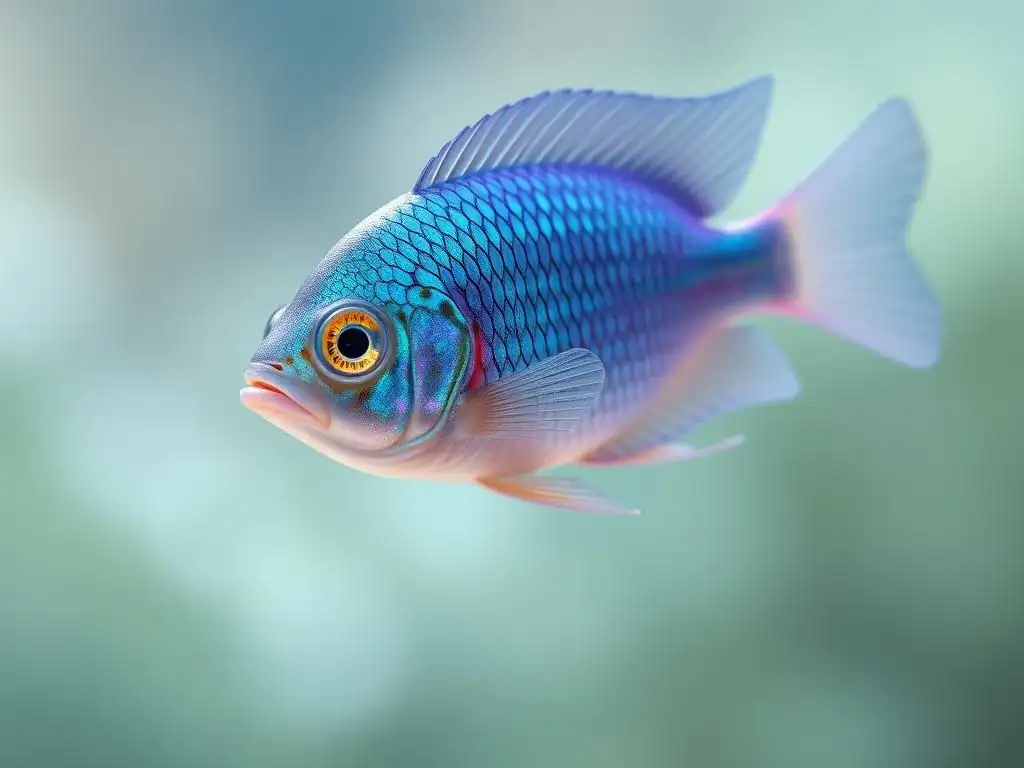
The Powder Blue Dwarf Gourami is perhaps one of the most recognizable and widely available color morphs, celebrated for its soft, pastel blue body adorned with subtle red or orange markings on its fins. This gentle hue gives it a serene appearance, making it a popular choice for tranquil community aquariums. The blue coloration typically covers the entire body, from head to tail, with the intensity varying slightly between individual specimens. This morph often exhibits a delicate, almost ethereal glow under proper lighting, highlighting its iridescent scales.
Caring for the Powder Blue Dwarf Gourami involves the same fundamental principles as other Dwarf Gourami color morphs. They thrive in well-maintained tanks with stable water parameters: a pH between 6.0 and 7.5, and a temperature range of 75-82°F (24-28°C). A minimum tank size of 10 gallons is recommended for a single male, with larger tanks (20 gallons or more) preferred for pairs or small groups.
Providing plenty of hiding spots among live plants and driftwood helps reduce stress, which is crucial for maintaining their delicate blue coloration. Owners often report that under ideal conditions, the blue becomes even more pronounced, captivating onlookers with its subtle beauty.
Neon Blue Dwarf Gourami: Vibrant and Electric
The Neon Blue Dwarf Gourami stands out with its exceptionally vibrant and electric blue coloration, often appearing to glow from within. This morph typically features a more intense, almost metallic blue across its body, with fewer red markings compared to the Powder Blue, or sometimes none at all. The blue is deep and saturated, making it a striking addition to any aquarium. The iridescence of their scales is particularly pronounced in this morph, creating a dazzling display as light catches their bodies.
Maintaining the intense coloration of the Neon Blue Dwarf Gourami largely depends on excellent Dwarf Gourami color morph care. A diet rich in color-enhancing foods, particularly those high in carotenoids like spirulina flakes or krill, can significantly boost their blue hues.
Consistent water quality is paramount; sudden fluctuations in temperature or pH, or the presence of high nitrates (above 20 ppm), can quickly lead to faded colors and increased susceptibility to disease. Providing a calm environment with peaceful tank mates and ample space (a 15-gallon tank for a single male is a good start) will help ensure these electric blue beauties remain a vibrant centerpiece in your aquatic display.
Flame Red Dwarf Gourami: A Fiery Display
The Flame Red Dwarf Gourami is a true showstopper, boasting an intense, fiery red coloration that often covers most of its body and fins. This morph is characterized by its deep, vibrant red, which can range from a brilliant orange-red to a dark, almost blood-red hue. Some specimens may retain faint blue or iridescent stripes, but the dominant feature is undeniably the striking red, making them appear like living embers in the aquarium. Their bold color makes them an instant focal point and a favorite among aquarists looking for a dramatic splash of color.
To ensure the Flame Red Dwarf Gourami maintains its fiery display, focused Dwarf Gourami color morph care is essential. A diet specifically formulated for color enhancement, often containing natural astaxanthin or other red-pigment boosting ingredients, is highly recommended. For example, high-quality flake foods or pellets designed for cichlids or gouramis, supplemented with bloodworms or brine shrimp, can help intensify their red.
Maintaining pristine water conditions, with ammonia and nitrite at 0 ppm and nitrates below 10 ppm, is critical. Any environmental stressor, such as bullying from aggressive tank mates or poor water quality, can quickly dull their vibrant red, turning it into a muted orange or even a pale pink.
Honey Dwarf Gourami: A Golden Delight
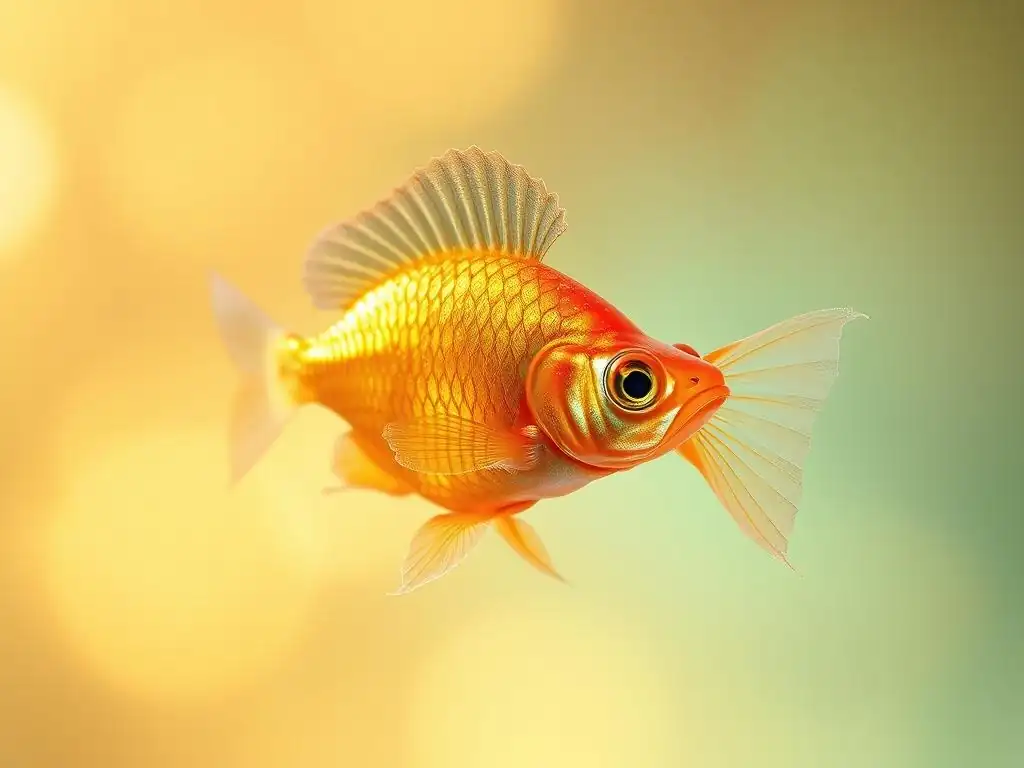
The Honey Dwarf Gourami (Trichogaster chuna, often confused with Dwarf Gouramis but a distinct species) is celebrated for its warm, golden-yellow to orange coloration, which gives it a soft, inviting appearance. Unlike the more flamboyant blues and reds, the Honey Gourami offers a subtle elegance. Their bodies are typically a uniform honey-gold, sometimes with a slightly darker stripe running horizontally. They are generally smaller and even more peaceful than their Dwarf Gourami cousins, making them excellent choices for nano tanks or very serene community setups.
While technically a separate species, the care principles for the Honey Gourami align closely with Dwarf Gourami color morph care. They thrive in well-planted aquariums with gentle water flow and stable parameters, ideally a pH between 6.0 and 7.5 and temperatures from 72-80°F (22-27°C). Their coloration is best maintained through a balanced diet, including quality flake foods, small pellets, and occasional live or frozen foods like daphnia or cyclops.
Stress can cause their golden hue to fade to a pale yellow or even white, so providing a secure environment with plenty of cover is paramount. A 5-gallon tank can suffice for a single Honey Gourami, though 10 gallons is preferred for a pair.
Sunset Dwarf Gourami: A Blend of Colors
The Sunset Dwarf Gourami is aptly named for its beautiful gradient of colors, reminiscent of a setting sun. This morph typically features a blend of bright orange, red, and yellow hues, often transitioning smoothly across its body. The head area might be more yellow or orange, gradually deepening into a fiery red towards the tail and fins. This striking combination offers a dynamic visual appeal, making each specimen a unique piece of living art. The interplay of these warm colors provides a vibrant splash without being overwhelmingly monochromatic.
To keep the Sunset Dwarf Gourami's colors as brilliant as a sunset, dedicated Dwarf Gourami color morph care is vital. Their diet should be rich in carotenoids to support both red and yellow pigments; consider using foods like spirulina flakes, color-enhancing pellets, and occasional treats of bloodworms or brine shrimp. Maintaining excellent water quality is non-negotiable; consistent weekly water changes of 25-30% are recommended to keep nitrates low and provide a stable environment.
An aquarium of at least 10-15 gallons for a single fish, with numerous plants and driftwood, will help reduce stress and allow their colors to truly flourish. Any sign of stress, such as aggressive tank mates or fluctuating water parameters, can cause their beautiful gradient to dull and their colors to become muted.
Rainbow Dwarf Gourami: A Multicolored Marvel
The Rainbow Dwarf Gourami is perhaps the most visually complex of the color morphs, living up to its name with a captivating display of multiple colors across its body. This morph typically exhibits a combination of blue, red, and yellow or orange stripes and patches, often with iridescent scales that shimmer under the light. The patterns can vary significantly between individuals, with some showing distinct horizontal bands of color, while others have a more mottled or speckled appearance. The overall effect is a kaleidoscope of vibrant hues, making them a highly sought-after addition to a diverse community tank.
Ensuring the Rainbow Dwarf Gourami maintains its spectacular array of colors requires comprehensive Dwarf Gourami color morph care. A varied and high-quality diet is crucial, incorporating foods rich in both red/orange and blue/yellow enhancing pigments. This includes a mix of high-quality flakes, pellets, and frozen or live foods such such as daphnia, mosquito larvae, and spirulina-enriched brine shrimp.
Stable and pristine water conditions (pH 6.0-7.5, temperature 75-82°F) are paramount, as these fish are sensitive to poor water quality. Providing a well-decorated tank with ample hiding spots and peaceful tank mates will minimize stress, which can cause their vibrant "rainbow" to fade into duller, less distinct patterns.
Dwarf Gourami Color Morph Care: Essential Guidelines
Maintaining Optimal Water Parameters for Color Enhancement
Optimal water parameters are the cornerstone of vibrant Dwarf Gourami color morph care. These fish thrive in soft to moderately hard water with a slightly acidic to neutral pH. Specifically, a pH range of 6.0 to 7.5 is ideal, with 6.5-7.0 often bringing out the best colors.
The water temperature should be consistently maintained between 75-82°F (24-28°C). Deviations from these parameters, even slight ones, can cause stress, leading to faded colors and increased susceptibility to disease. Regular testing of ammonia, nitrite, and nitrate levels is critical; ammonia and nitrite should always be 0 ppm, while nitrates should be kept below 10-20 ppm through consistent weekly water changes of 25-30%.
Beyond just the numbers, consistency is key. Sudden fluctuations in temperature or pH are far more detrimental than stable conditions slightly outside the "ideal" range. For instance, a Powder Blue Dwarf Gourami kept in water with a stable pH of 7.8 might show better coloration than one subjected to daily pH swings between 6.5 and 7.5.
Using a reliable heater to maintain temperature and avoiding large, infrequent water changes are vital practices. Furthermore, ensuring adequate filtration, such as a hang-on-back filter or internal filter suitable for the tank size, helps maintain water clarity and reduces organic waste, contributing to overall fish health and color vibrancy.
Proper Diet and Nutrition for Vibrant Gourami Colors
A proper diet is fundamental to achieving and maintaining vibrant Dwarf Gourami colors. These omnivorous fish require a balanced diet that includes both protein and plant-based matter. High-quality flake or pellet foods specifically formulated for tropical fish should form the staple of their diet, but these must be supplemented with a variety of live or frozen foods. For instance, brine shrimp, daphnia, bloodworms, and mosquito larvae are excellent protein sources.
To enhance specific colors, look for foods enriched with natural color enhancers. For reds and oranges, ingredients like astaxanthin and canthaxanthin are effective, often found in foods like krill or spirulina flakes. For blues and yellows, spirulina and certain carotenoids are beneficial.
Feeding small amounts two to three times a day is preferable to one large feeding, as this mimics their natural feeding behavior and prevents overfeeding, which can lead to poor water quality. For example, a Flame Red Dwarf Gourami fed daily with a high-quality color-enhancing flake and supplemented twice a week with frozen bloodworms will likely display much more intense coloration than one fed only generic flakes.
Overfeeding can lead to digestive issues and internal fat deposits, which not only dull colors but also shorten the fish's lifespan. Remember that a healthy gut biome and efficient nutrient absorption are directly linked to a fish's outward appearance and the intensity of its colors.
Choosing the Right Tank Mates to Minimize Stress and Maximize Color
Selecting appropriate tank mates is a critical aspect of Dwarf Gourami color morph care, as stress from incompatible companions can severely dull their colors and compromise their health. Dwarf Gouramis are generally peaceful but can be shy or even territorial, especially males towards other anabantoids or fish with long, flowing fins. Ideal tank mates are peaceful, similarly sized fish that occupy different parts of the water column. Good choices include:
- Small Tetras: Neon Tetras, Cardinal Tetras, Rummy-nose Tetras (e.g., a school of 6-10 Neons in a 20-gallon tank).
- Rasboras: Harlequin Rasboras, Chili Rasboras.
- Corydoras Catfish: Peaceful bottom dwellers (e.g., 3-5 Corydoras in a 15-gallon tank).
- Oto Catfish: Excellent algae eaters.
- Small, peaceful livebearers: Endler's Livebearers, Guppies (ensure males are not fin-nipped).
Avoid aggressive or fin-nipping species such as Tiger Barbs, larger cichlids, or overly boisterous fish that might outcompete them for food or stress them with constant chasing. Similarly, avoid housing multiple male Dwarf Gouramis in tanks smaller than 40 gallons, as they can become highly territorial, leading to fights that result in torn fins, injuries, and severe color loss due.
A single male or a male/female pair is generally recommended for tanks under 30 gallons. A stressed Powder Blue Dwarf Gourami constantly harassed by a larger tank mate will quickly lose its vibrant blue, turning pale and exhibiting clamped fins, demonstrating the direct link between environment and color.
Avoiding Stress Factors That Dull Dwarf Gourami Colors
Stress is one of the most significant contributors to color fading in Dwarf Gouramis. When a fish is stressed, its body diverts energy from non-essential functions, such as vibrant coloration, to survival mechanisms. Several factors can induce stress:
- Poor Water Quality: High ammonia, nitrite, or nitrate levels, or sudden pH/temperature swings.
- Overcrowding: Too many fish in a tank leads to increased waste, competition for resources, and aggression. A 10-gallon tank for a single Dwarf Gourami is a minimum; a 20-gallon tank for a pair provides ample space.
- Incompatible Tank Mates: Aggressive fish or those that chase/harass the gourami.
- Lack of Hiding Spots: Dwarf Gouramis appreciate cover. Without plants, caves, or driftwood, they feel exposed and vulnerable.
- Improper Lighting: Too bright or inconsistent lighting can be stressful.
- Sudden Changes: Drastic changes in tank decor, water parameters, or introducing many new fish at once.
To prevent color dulling and ensure optimal Dwarf Gourami color morph care, consistently maintain stable, pristine water conditions. Provide a well-aquascaped environment with plenty of live plants like Java Fern, Anubias, or floating plants that offer shade and security.
Ensure tank mates are peaceful and that the tank is not overstocked. For example, a Neon Blue Dwarf Gourami in a 20-gallon tank with a school of 8 Neon Tetras and plenty of Amazon Sword plants will likely display stunning, consistent color, whereas the same fish in a bare, crowded 10-gallon tank might appear washed out and lethargic due to chronic stress.
Enhancing Dwarf Gourami Color: Advanced Techniques
The Role of Lighting in Dwarf Gourami Coloration
Lighting plays a crucial, yet often underestimated, role in enhancing Dwarf Gourami coloration. While light doesn't directly create pigments, it significantly influences how we perceive the fish's colors and can even impact their overall well-being, which in turn reflects on their vibrancy.
Full-spectrum LED lights with a color temperature around 6500K are often recommended as they mimic natural sunlight and provide a balanced spectrum that makes both red and blue pigments pop. For instance, a high-quality LED light can make the iridescence of a Rainbow Dwarf Gourami truly sparkle, revealing hidden nuances in its blues and greens that might be muted under standard fluorescent lighting.
However, too much or too little light can be detrimental. Excessive brightness can stress Dwarf Gouramis, leading them to hide more and potentially dull their colors. They prefer subdued lighting, so consider using floating plants like frogbit or dwarf water lettuce to diffuse intense light and create shaded areas.
A photoperiod of 8-10 hours per day is generally sufficient for both fish health and plant growth (if applicable). Utilizing a timer ensures consistent lighting cycles, reducing stress from unpredictable light changes. An ideal lighting setup for optimal Dwarf Gourami color morph care provides a gentle, consistent glow that highlights their natural beauty without overwhelming them.
Utilizing Substrates and Decorations to Accentuate Colors
The choice of substrate and decorations can dramatically influence how vibrant your Dwarf Gourami's colors appear. While these elements don't directly change the fish's physiology, they create a visual contrast that makes the colors stand out.
Darker substrates, such as black or dark brown gravel or sand, are often recommended because they provide a strong backdrop against which the bright colors of Dwarf Gouramis, especially the blues, reds, and yellows, become more pronounced. For example, a Flame Red Dwarf Gourami placed against a dark substrate will look significantly more striking than against a light-colored substrate, where its colors might blend in or appear washed out.
Beyond color, the type and arrangement of decorations contribute to the fish's comfort and, consequently, its color vibrancy. Dwarf Gouramis appreciate plenty of hiding spots and visual breaks. Driftwood, rocks, and artificial caves provide shelter and territories.
These elements, combined with live plants, create a naturalistic environment where the fish feel secure. A secure fish is a less stressed fish, and less stress directly translates to more intense and stable coloration. When arranging decorations, ensure there are clear swimming paths but also ample areas for retreat, enhancing the overall Dwarf Gourami color morph care strategy by providing both aesthetic appeal and environmental enrichment.
Live Plants and Their Impact on Gourami Well-being
Live plants are an invaluable asset for enhancing Dwarf Gourami well-being and, by extension, their color vibrancy. Plants contribute to a healthier aquarium ecosystem in multiple ways. They absorb nitrates, a harmful byproduct of fish waste, thus helping to maintain pristine water quality which is crucial for intense coloration. A tank with thriving plants will generally have lower nitrate levels than a bare tank, directly benefiting the health and color of a Powder Blue Dwarf Gourami, for instance. Plants also oxygenate the water during the day, further improving water conditions.
Moreover, live plants provide essential cover and a sense of security for Dwarf Gouramis. Species like Anubias, Java Fern, or Cryptocoryne offer broad leaves for resting or hiding, while stem plants like Cabomba or Hornwort create dense thickets for exploration and retreat.
Floating plants such as water lettuce or frogbit are particularly beneficial as they diffuse overhead light, creating a more subdued environment that Dwarf Gouramis prefer, reducing stress. A Rainbow Dwarf Gourami exploring a lush, planted tank will display more active behavior and brighter colors than one in a sparsely decorated environment, underscoring the vital role of live plants in comprehensive Dwarf Gourami color morph care.
Health Considerations for Dwarf Gourami Color Morphs
Identifying and Treating Diseases That Affect Color
Disease can significantly impact the vibrant coloration of Dwarf Gourami color morphs, often serving as one of the first visible indicators of illness. When a Dwarf Gourami falls ill, its colors typically fade, becoming dull, pale, or even patchy. This color loss is often accompanied by other symptoms such as clamped fins, lethargy, loss of appetite, abnormal swimming patterns, or visible lesions. For example, a once-fiery Flame Red Dwarf Gourami turning pale orange with ragged fins might be suffering from bacterial fin rot, while a dull Powder Blue Gourami with white spots could indicate Ich (white spot disease).
Prompt identification and treatment are crucial for restoring both health and color. Common diseases affecting Dwarf Gouramis include:
- Ich (White Spot Disease): Small white spots resembling salt grains. Treat with elevated temperatures (to 82-84°F, if no sensitive tank mates) and Ich medications containing malachite green or formalin, following manufacturer instructions carefully.
- Bacterial Infections (Fin Rot, Body Ulcers): Ragged fins, red streaks, or open sores. Treat with broad-spectrum antibacterial medications.
- Fungal Infections: Cotton-like growths on body or fins. Treat with antifungal medications.
- Dwarf Gourami Disease (DGD) / Iridovirus: A highly contagious and often fatal viral disease. Symptoms include lethargy, loss of appetite, swelling, and severe color loss. There is no cure, and affected fish should be humanely euthanized to prevent spread.
Regular observation is a key component of Dwarf Gourami color morph care. Daily checks for changes in color, behavior, and physical appearance can help catch diseases early, improving the chances of successful treatment and preserving their beautiful hues. Always quarantine new fish for 2-4 weeks to prevent introducing pathogens to your main tank.
Preventing Common Health Issues in Colorful Dwarf Gouramis
Prevention is paramount in maintaining the health and vibrant colors of Dwarf Gourami color morphs. A robust preventative strategy focuses on providing optimal living conditions and minimizing stress, as a healthy fish is naturally more resistant to disease. Key preventative measures include:
- Maintain Pristine Water Quality: This is the single most important factor. Perform consistent weekly water changes of 25-30% to keep nitrates low (below 10-20 ppm). Use a reliable test kit to regularly monitor ammonia (0 ppm), nitrite (0 ppm), and nitrate levels. Ensure stable pH (6.0-7.5) and temperature (75-82°F). For instance, a Rainbow Dwarf Gourami kept in water with consistently low nitrates will maintain its vibrant stripes much better than one in a tank with fluctuating or high nitrate levels.
- Provide a Balanced and Nutritious Diet: Feed high-quality, varied foods rich in vitamins and color enhancers. Avoid overfeeding, which can lead to poor water quality and digestive issues.
- Ensure Proper Tank Size and Stocking: Avoid overcrowding. A minimum of 10 gallons for a single Dwarf Gourami, or 20 gallons for a pair, provides adequate space. Choose peaceful and compatible tank mates to minimize aggression and stress.
- Create a Stress-Free Environment: Offer plenty of hiding spots with live plants, driftwood, and decorations. Maintain consistent lighting cycles.
- Quarantine New Fish: Always quarantine new Dwarf Gouramis or any new additions to your tank for at least 2-4 weeks in a separate tank. This allows you to observe them for signs of disease and treat them if necessary before introducing them to your main display tank, preventing potential outbreaks. This proactive approach to Dwarf Gourami color morph care significantly reduces the risk of illness spreading and helps preserve the long-term vibrancy of your fish.
Breeding Dwarf Gourami Color Morphs: A Challenging but Rewarding Endeavor
Setting Up a Breeding Tank for Dwarf Gouramis
Breeding Dwarf Gourami color morphs can be a challenging yet highly rewarding experience, allowing aquarists to observe fascinating behaviors and potentially produce new generations of vibrant fish. A dedicated breeding tank is essential, typically a 10-20 gallon aquarium, set up specifically for this purpose. The water should be soft (GH 5-8 dGH) and slightly acidic (pH 6.5-7.0), with a temperature maintained at the higher end of their comfort range, around 80-82°F (27-28°C), to stimulate spawning. The tank should have minimal water flow and be equipped with a gentle sponge filter to prevent harm to delicate fry.
Crucially, the breeding tank needs ample floating plants, such as Water Sprite, Hornwort, or even plastic leaves, as male Dwarf Gouramis are bubble nest builders and require these plants to anchor their nests. Providing flat surfaces like a broad leaf or a piece of styrofoam can also encourage nest building. Feeding the breeding pair a high-protein diet of live or frozen foods (e.g., bloodworms, brine shrimp) for a week or two prior to introduction will condition them for spawning.
Once the male builds a nest and lures the female, she will lay hundreds of tiny, buoyant eggs, which the male will then guard diligently. The female should be removed after spawning to prevent her from being harassed by the male.
Understanding Color Inheritance in Dwarf Gourami Breeding
Understanding color inheritance in Dwarf Gourami breeding is a complex but fascinating aspect of producing specific color morphs. While the exact genetic mechanisms for all morphs are not fully documented in a simple Mendelian fashion, breeders rely on selective pairing to achieve desired outcomes. For instance, breeding two Powder Blue Dwarf Gouramis will predominantly yield Powder Blue offspring, as this morph is largely stable. However, breeding two Flame Red Dwarf Gouramis might occasionally produce offspring with less intense red or even some blue coloration if there are recessive genes for other morphs present in their lineage.
To reliably produce a specific color morph, breeders often use a process of line breeding, where individuals with the most desirable traits (e.g., the most vibrant blue, the most intense red) are selectively bred over generations. This process helps to fix the genes responsible for those particular colors. For example, if you breed a particularly vibrant Neon Blue Dwarf Gourami male with a similarly colored female, the chances of their offspring inheriting that intense blue are significantly higher.
Conversely, cross-breeding different color morphs, such as a Flame Red with a Powder Blue, will likely result in a mix of phenotypes, potentially including "wild-type" coloration (more muted stripes) or intermediate blends like the Sunset or Rainbow morphs, depending on the underlying genetics of the parent fish. This selective breeding is a key part of advancing Dwarf Gourami color morph care from a breeder's perspective.
Selecting the Right Dwarf Gourami Color Morph for Your Aquarium
Considering Tank Size and Compatibility
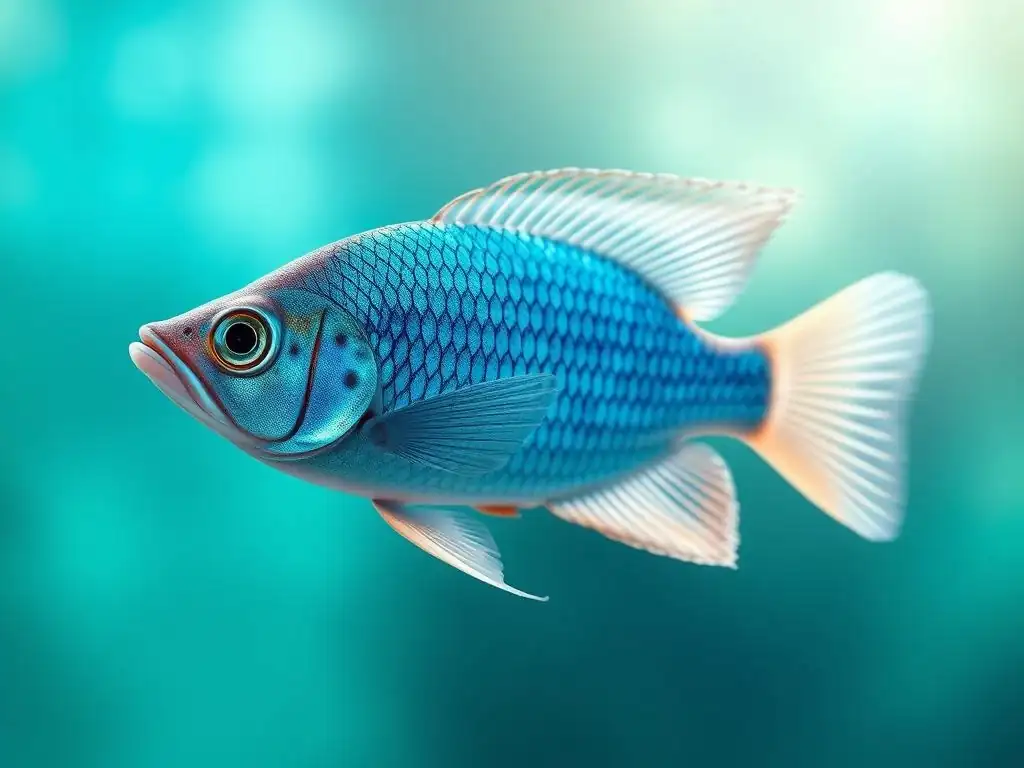
When selecting a Dwarf Gourami color morph, tank size and compatibility are paramount considerations that directly impact the long-term success of your Dwarf Gourami color morph care. While Dwarf Gouramis are relatively small, typically reaching 2 to 2.5 inches (5-6 cm), they require adequate space to thrive. A minimum tank size of 10 gallons is recommended for a single male Dwarf Gourami.
For a male-female pair, a 20-gallon tank is more suitable to provide enough territory and reduce potential aggression. Housing multiple males in tanks smaller than 40 gallons is generally not advisable due to their territorial nature, which can lead to significant stress and fighting, dulling their colors.
Compatibility with other tank inhabitants is equally crucial. Dwarf Gouramis are generally peaceful but can be shy and easily stressed by overly boisterous or aggressive tank mates. Avoid housing them with known fin-nippers like Tiger Barbs or larger, more aggressive cichlids.
Instead, opt for peaceful, similarly sized community fish that occupy different swimming levels, such as Neon Tetras, Harlequin Rasboras, or Corydoras catfish. For example, a 20-gallon tank with a single Sunset Dwarf Gourami, a school of 6-8 Neon Tetras, and 3-4 Corydoras catfish offers a balanced and harmonious environment where the gourami can display its full spectrum of colors without stress.
Matching Colors to Your Aquarium Theme
Matching Dwarf Gourami color morphs to your aquarium's theme is an aesthetic choice that can significantly enhance the visual appeal of your setup. With the wide array of colors available—from the cool blues of the Powder Blue and Neon Blue to the fiery reds of the Flame Red and the warm golds of the Honey Gourami—you can select a fish that complements or provides a striking contrast to your aquascape.
For instance, in a heavily planted "nature aquarium" with lush green foliage, a Flame Red or Sunset Dwarf Gourami can provide a vibrant focal point, creating a dramatic visual contrast against the green.
Alternatively, if your aquarium theme is serene and minimalist, perhaps with light sand and driftwood, a Powder Blue or Honey Dwarf Gourami might be a more fitting choice, adding a subtle touch of color without overpowering the minimalist aesthetic. For a "rainbow" or diverse community tank, a Rainbow Dwarf Gourami can tie together various colors from other fish species.
Consider the existing colors of your substrate, background, and other fish. A thoughtful selection not only enhances the beauty of your tank but also makes the chosen Dwarf Gourami color morph a true highlight, demonstrating comprehensive Dwarf Gourami color morph care that extends beyond just health to visual harmony.
Troubleshooting Color Loss in Dwarf Gouramis
Identifying Potential Causes of Color Fading
Color fading in Dwarf Gouramis is a common and often alarming symptom for aquarists, serving as a key indicator that something is amiss in their environment or health. Identifying the potential causes is the first step in effective Dwarf Gourami color morph care. The most frequent culprits include:
- Stress: This is the primary reason for color loss. Stress can stem from a variety of factors:
- Poor water quality: Elevated ammonia, nitrite, or nitrate levels, or sudden fluctuations in pH or temperature. A Powder Blue Dwarf Gourami exposed to ammonia spikes will quickly turn pale.
- Incompatible tank mates: Constant harassment or bullying from aggressive fish.
- Overcrowding: Too many fish in a tank leads to increased competition and stress.
- Lack of hiding spots: Feeling exposed makes them anxious.
- Improper lighting: Too bright or inconsistent lighting.
- Poor Diet/Malnutrition: A diet lacking essential nutrients, particularly carotenoids and vitamins, will directly impact pigment production. A Flame Red Dwarf Gourami fed only low-quality flakes will lose its intensity over time.
- Disease: Many illnesses, both parasitic and bacterial, manifest with color loss as an early symptom. Examples include Ich, fin rot, or internal infections.
- Aging: As Dwarf Gouramis age, their colors may naturally dull slightly, though this is a gradual process.
- Natural Variation/Genetics: Some individuals may simply have a weaker genetic predisposition for intense color.
Observing accompanying symptoms (e.g., clamped fins, lethargy, loss of appetite) can help pinpoint the exact cause, guiding you towards the appropriate solution to restore their vibrant hues.
Implementing Solutions to Restore Vibrant Colors
Once the cause of color fading in your Dwarf Gourami is identified, implementing targeted solutions is crucial for restoring their vibrant colors and ensuring effective Dwarf Gourami color morph care.
- Address Water Quality Issues:
- Perform immediate partial water changes (25-50%) to reduce ammonia, nitrite, and nitrate levels.
- Test water parameters daily until they stabilize within optimal ranges (Ammonia/Nitrite 0 ppm, Nitrates < 20 ppm, pH 6.0-7.5, Temp 75-82°F).
- Increase frequency of regular water changes (e.g., 25% twice a week instead of once).
- Ensure proper filtration and maintenance of filter media. For instance, a Neon Blue Dwarf Gourami that has faded due to high nitrates will often regain its electric blue within days of consistent water changes.
- Optimize Diet:
- Switch to a high-quality, color-enhancing flake or pellet food.
- Supplement with a variety of live or frozen foods (e.g., brine shrimp, bloodworms, daphnia) 2-3 times per week. For a Sunset Dwarf Gourami, incorporating foods rich in astaxanthin will help restore its orange and red hues.
- Reduce Stress Factors:
- Re-evaluate tank mates; remove any aggressive or overly boisterous fish.
- Ensure the tank is not overcrowded.
- Add more hiding spots using live plants, driftwood, or ceramic caves.
- Adjust lighting to be more subdued if it's too bright, perhaps by adding floating plants.
- Treat Diseases:
- If disease is suspected, quarantine the affected fish if possible and administer appropriate medication according to dosage instructions. For example, a Rainbow Dwarf Gourami showing white spots and faded colors due to Ich will need Ich treatment.
- Monitor and Observe:
- Continuously observe your Dwarf Gourami's behavior and coloration. Recovery can take days to weeks, depending on the severity and duration of the stressor or illness. Patience and consistent adherence to best practices are key to success.
Dwarf Gourami Color Morph Care: A Summary of Best Practices
Key Takeaways for Keeping Your Dwarf Gouramis Colorful and Healthy
To ensure your Dwarf Gourami color morphs not only survive but truly thrive and display their most vibrant hues, a consistent and proactive approach to Dwarf Gourami color morph care is essential. The health and happiness of these beautiful fish are directly reflected in their coloration.
Here are the key takeaways for maintaining colorful and healthy Dwarf Gouramis:
- Pristine Water Quality is Non-Negotiable:
- Maintain stable parameters: pH 6.0-7.5, Temperature 75-82°F (24-28°C).
- Keep ammonia and nitrite at 0 ppm, nitrates below 10-20 ppm.
- Perform regular 25-30% weekly water changes.
- Utilize reliable filtration and conduct routine filter maintenance.
- Provide a Superior and Varied Diet:
- Feed high-quality flake or pellet foods as a staple.
- Supplement frequently with live or frozen foods (e.g., brine shrimp, bloodworms, daphnia).
- Incorporate color-enhancing foods rich in carotenoids to boost specific pigments.
- Create a Stress-Free Environment:
- Ensure adequate tank size (10 gallons minimum for one, 20 gallons for a pair).
- Select peaceful and compatible tank mates; avoid aggressive or fin-nipping species.
- Furnish the tank with ample hiding spots using live plants (like Anubias, Java Fern, or floating plants), driftwood, and decorations.
- Maintain consistent and appropriate lighting (8-10 hours per day).
- Proactive Health Management:
- Observe your fish daily for any changes in color, behavior, or physical appearance.
- Quarantine new fish for 2-4 weeks before introduction to the main tank.
- Act promptly to diagnose and treat any signs of disease.
By diligently following these best practices, you can ensure your Powder Blue, Neon Blue, Flame Red, Honey, Sunset, or Rainbow Dwarf Gourami will flourish, providing years of captivating color and enjoyment in your home aquarium.
Frequently Asked Questions
What are the different color morphs available for Dwarf Gouramis?
Dwarf Gouramis come in a stunning array of colors, including Powder Blue, Flame Red, Neon Blue, and Sunset variations. These color morphs are selectively bred to enhance their aesthetic appeal.
Are the care requirements the same for all Dwarf Gourami color morphs?
Yes, generally the care requirements are the same for all color morphs of Dwarf Gouramis. They all need similar water parameters, tank size, and diet. However, always research the specific needs of any fish you acquire.
What size tank is recommended for Dwarf Gourami color morphs?
A minimum tank size of 10 gallons is recommended for a single Dwarf Gourami or a pair. Larger tanks are always better to provide ample swimming space and reduce stress.
What are some common health issues that can affect Dwarf Gourami color morphs?
Dwarf Gouramis are susceptible to Dwarf Gourami Iridovirus (DGIV), which is often fatal. Maintaining excellent water quality and quarantining new fish are crucial for prevention.
What is the ideal diet for Dwarf Gourami color morphs to maintain their vibrant colors?
A varied diet consisting of high-quality flake food, live or frozen foods like bloodworms and daphnia, and vegetable matter is best. This will help maintain their health and vibrant coloration.
Final Reflection: The Vibrant Tapestry of Dwarf Gourami
The exploration of Dwarf Gourami color morphs, from the serene Powder Blue to the intense Fiery Flame Red, reveals more than just aesthetic variations; it underscores the dynamic interplay between genetics, environment, and responsible aquarium keeping. These vibrant fish, each a miniature masterpiece, remind us that beauty in nature often hinges on our understanding and commitment to their well-being.
The enduring popularity of Dwarf Gouramis, and the increasing demand for specific color morphs, highlights their significant influence on the aquascaping hobby. This fascination speaks to our innate desire to connect with nature and curate miniature ecosystems within our homes. The beauty of the natural world lies in the details, and the Dwarf Gourami, in all its colorful variations, is a testament to this truth.
This ongoing interest compels us to continually refine our understanding of their specific needs and ensure their continued thriving in captivity.
As we conclude this journey through the spectrum of Dwarf Gourami color morphs, I invite you to reflect on your own role in preserving the beauty and health of these captivating creatures. Consider the impact of your choices, from selecting reputable breeders to meticulously maintaining their aquatic environment.
By embracing responsible care practices, you not only enhance the lives of these fish but also contribute to the long-term sustainability of the aquascaping hobby. Let us all strive to be mindful stewards of these living jewels, ensuring that future generations can marvel at the vibrant tapestry of Dwarf Gourami color morphs.
Unleash the Beauty: Transform Your Aquarium Today!
Thank you for exploring the vibrant world of Dwarf Gourami color morphs with us. We hope you've discovered new inspiration to elevate your aquascaping journey. Now, let's bring that inspiration to life!
Here are a few actions you can take right now:
- Boldly introduce a new, captivating color morph to your aquarium and observe the stunning visual transformation.
- Share your newfound knowledge! Post a picture of your favorite Dwarf Gourami morph on social media and tag us to spark conversation within the aquarium community.
- Try something unexpected: research compatible tank mates and add a fascinating species that complements your Gourami's vibrant colors and tranquil nature.
What unique color morph are you most excited to add to your aquarium, and what inspired your choice?