
Choosing Your Shells: The Secret to a Thriving Shell Dweller Aquarium

Welcome to Aquarium Mastery!
Ever wondered how to create a truly thriving shell dweller aquarium? Uncover the secrets to a captivating underwater world in our latest article, " Choosing Your Shells: The Secret to a Thriving Shell Dweller Aquarium." Dive in and discover how the right shells can be the key to a happy and healthy habitat for your fascinating shell-dwelling fish. Ready to unlock the potential of your freshwater aquarium?
- Choosing Shells for a Thriving Shell Dweller Aquarium
- Understanding Shell Dweller Needs
- Selecting the Right Shells
- Preparing Shells for the Tank
- Maintaining a Thriving Environment
- Troubleshooting Common Issues
- Species Spotlight: Matching Shells to Fish
- Enhancing the Aquarium with Decor
- Conclusion: The Perfect Shell Dwelling Environment
-
Frequently Asked Questions
- How do I choose the right type of shells for my shell dweller aquarium?
- How many shells should I include in my shell dweller aquarium?
- What materials should I avoid when selecting shells for my aquarium?
- How do I prepare shells before adding them to my aquarium?
- How do shells contribute to a thriving shell dweller aquarium setup?
- Final Reflection: Embracing the Ecosystem Within
- Unleash Your Inner Aquarist!
Choosing Shells for a Thriving Shell Dweller Aquarium
Understanding Shell Dweller Needs
The Importance of Shells
Shells are not merely decorative elements in a shell dweller aquarium; they are the cornerstone of a successful and Shells thriving aquarium setup. For these unique cichlids, primarily from Lake Tanganyika, shells serve as indispensable shelters, secure breeding sites, and vital psychological anchors. Without an adequate supply of suitable shells, these fish cannot exhibit their natural behaviors, leading to stress, reduced vitality, and often, a complete halt in breeding activity.
The presence of appropriate shells provides a sense of security that is paramount to the well-being of shell dwellers. In their natural environment, these fish constantly seek refuge from predators, and a readily available shell offers an immediate sanctuary. This constant access to shelter significantly reduces stress levels, allowing the fish to thrive, display vibrant coloration, and engage in complex social interactions that are characteristic of a truly Shells thriving aquarium setup.
Mimicking Natural Habitats
Replicating the natural habitat is crucial for the long-term health and behavioral expression of Tanganyikan shell dwellers. In Lake Tanganyika, these cichlids inhabit vast stretches of sandy substrate, often littered with thousands of empty snail shells, primarily from the Neothauma tanganyicense snail. This unique environment dictates their entire lifestyle, from their burrowing tendencies to their breeding strategies.
A well-mimicked habitat, complete with an abundance of appropriate shells and fine sand, stimulates the shell dwellers' innate behaviors. Fish will actively burrow, re-arrange shells, establish intricate territories, and engage in elaborate courtship rituals. For instance, a male Neolamprologus multifasciatus might claim a cluster of 5-7 shells as his territory, meticulously cleaning and defending them. This accurate replication is key to achieving a truly Shells thriving aquarium setup, where fish feel secure enough to breed consistently.
Shells and Territory
Shells are the focal point of territorial establishment for shell dwelling cichlids. Each individual, or a breeding pair, will claim one or more shells as their personal dwelling and a central point for their territory. This territoriality is essential for their social structure and breeding success, but it also means that insufficient shells can lead to intense aggression and stress among tank inhabitants.
The number and strategic placement of shells directly impact the social dynamics within the aquarium. For colonial species like Neolamprologus multifasciatus, providing a dense "shell bed" with 1.5 to 2 shells per fish allows multiple individuals to establish distinct territories without excessive conflict. Conversely, for more solitary species like Lamprologus ocellatus, a few well-spaced shells are sufficient, with each fish typically claiming a single, preferred shell. Understanding this interplay is vital for maintaining a peaceful and Shells thriving aquarium setup.
Selecting the Right Shells
Shell Size and Shape Preferences
The size and shape of the shells are critical factors in ensuring their acceptance and utility by your shell dwellers. The shell's opening must be large enough for the fish to easily enter and exit, but the interior should be snug enough to provide a sense of security. For smaller species like Neolamprologus multifasciatus, shells typically 2-4 cm (0.8-1.6 inches) in length with a wide opening are ideal. Larger species, such as Lamprologus ocellatus, might prefer shells in the 4-6 cm (1.6-2.4 inches) range.
Beyond size, the shape of the shell significantly influences its suitability. Shells with a relatively flat base and a wide, easily accessible opening are generally preferred. Avoid shells with narrow, convoluted openings or sharp edges that could injure the fish. The goal is to provide a comfortable, safe, and functional dwelling that promotes natural behavior, contributing to a Shells thriving aquarium setup.
Material Safety
When selecting shells, material safety is paramount. All shells introduced into the aquarium must be natural, untreated, and free from any chemicals, paints, or glazes. Shells collected from beaches or purchased from craft stores may contain residues from bleaching, varnishing, or other treatments that are highly toxic to fish. Always source shells specifically intended for aquarium use or ensure they are raw, natural specimens.
Most natural shells are composed primarily of calcium carbonate, which is beneficial for Tanganyikan cichlids. These fish thrive in hard, alkaline water with a pH typically ranging from 7.8 to 9.0 and a general hardness (GH) between 10-20 dGH. The calcium carbonate in the shells can contribute to the buffering capacity of the water, helping to maintain these desired parameters, thereby supporting a stable and Shells thriving aquarium setup.
Recommended Shell Types
Escargot Shells
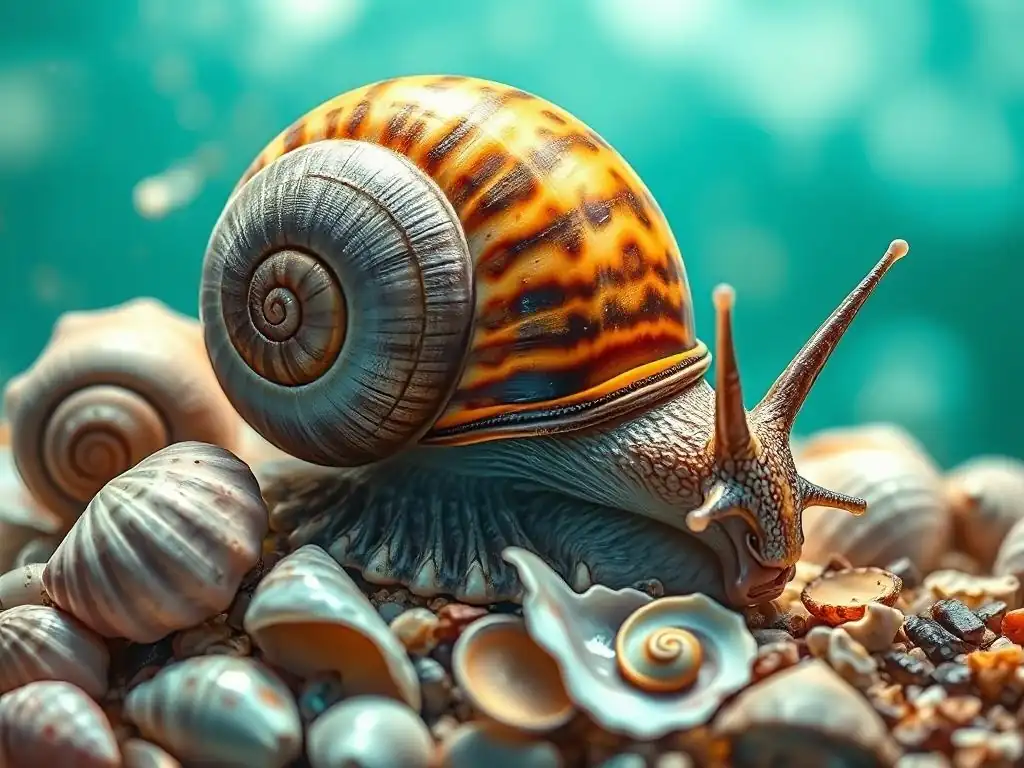
Escargot shells, typically from species like Helix aspersa or Pomatia spp., are by far the most popular and widely recommended choice for shell dwelling cichlids. Their uniform size, generally 3-5 cm (1.2-2 inches) in diameter, and open, rounded shape make them highly suitable for a wide range of shell dweller species, especially the smaller ones like Neolamprologus multifasciatus and Neolamprologus brevis.
These shells are readily available, often sold cleaned and ready for aquarium use, and are quite robust, withstanding the fish's burrowing activities. Their natural, earthy tones also blend seamlessly with a sandy substrate, creating an aesthetically pleasing and functional component of a Shells thriving aquarium setup.
Conch Shells
Smaller conch shells, such as those from the Strombus genus, can also be used, particularly for larger shell dweller species or as a varied aesthetic element. While visually appealing, it's crucial to ensure the specific conch shell has an opening wide enough for the fish to comfortably enter and exit. Some conch shells have very narrow or elongated openings that are not practical for daily use by cichlids.
When using conch shells, prioritize those with a more open, accessible aperture. They can add a unique visual dimension to the tank and offer alternative dwelling options, especially for species that might grow slightly larger than average shell dwellers. However, escargot shells generally remain the more practical and widely utilized option for a dedicated Shells thriving aquarium setup.
Nerite Snail Shells
For the absolute smallest shell dwellers, such as the dwarf species of Neolamprologus brevis or juvenile multi-species, spent Nerite snail shells ( Neritina spp.) can be an excellent, naturally sourced option. These shells are typically 1-2.5 cm (0.4-1 inch) in size, making them perfectly proportioned for the tiniest cichlids.
Nerite snail shells are naturally sturdy and, being from freshwater snails, are inherently safe for freshwater aquariums once cleaned. Their small size makes them ideal for creating very dense shell beds in smaller tanks, maximizing the habitat for dwarf shell dweller colonies and contributing to a compact yet Shells thriving aquarium setup.
Preparing Shells for the Tank
Cleaning and Disinfecting
Before introducing any shells into your aquarium, thorough cleaning and disinfection are absolutely essential. Begin by scrubbing the shells vigorously with a stiff brush to remove any lingering organic matter, dirt, or debris. Avoid using any soaps, detergents, or chemical cleaners, as these can leave harmful residues that are toxic to fish.
After scrubbing, the most effective method for disinfection is boiling. Place the clean shells in a pot of plain water and bring it to a rolling boil for at least 15-20 minutes. This process effectively kills any bacteria, algae, or parasites that might be present on or within the shells. Allow the shells to cool completely before adding them to the tank to prevent thermal shock to your aquarium water, ensuring a safe and Shells thriving aquarium setup.
Positioning for Optimal Behavior
Strategic placement of shells significantly influences the behavior and dynamics within a shell dweller tank. While some shells can be scattered randomly, it's generally beneficial to create clusters or "shell beds" in certain areas. Provide a generous quantity, aiming for at least 1.5 to 2 shells per fish, or even more for colonial species like N. multifasciatus. This abundance reduces competition and provides ample choice.
Experiment with different orientations: some shells fully exposed, some partially buried, and others with their openings facing different directions. This variety caters to individual preferences and encourages exploration and natural burrowing behaviors. For instance, a male might prefer a shell partially buried, allowing him to create a deeper burrow, while a female might choose one more exposed for easier access for her fry. Thoughtful positioning is key to a functional and Shells thriving aquarium setup.
Creating Shell Beds
Creating dedicated "shell beds" is a highly effective technique for shell dweller aquariums, especially for colonial species. This involves grouping a significant number of shells together, often partially burying them in the sand substrate so that only their openings are visible. This mimics the natural accumulation of shells in depressions on the Lake Tanganyika floor.
Shell beds provide both security and a concentrated area for breeding activity. For species such as Neolamprologus multifasciatus, a dense shell bed allows a colony to establish multiple, closely knit territories within a defined space, fostering natural social interactions and facilitating breeding. A typical shell bed might occupy a footprint of 20x20 cm (8x8 inches) and contain 20-30 shells, making it a cornerstone for a truly Shells thriving aquarium setup.
Maintaining a Thriving Environment
Water Parameters and Shell Health
Maintaining stable and appropriate water parameters is paramount for the long-term health of shell dwellers and, by extension, the integrity of their shells. Tanganyikan cichlids require hard, alkaline water with a pH typically between 7.8 and 9.0, a general hardness (GH) of 10-20 dGH, and a carbonate hardness (KH) of 10-18 dKH. Consistent parameters prevent stress and protect the calcium carbonate shells from erosion.
Regular partial water changes, typically 20-30% weekly, are crucial for replenishing essential minerals, removing nitrates, and maintaining water quality. While shells themselves contribute some buffering, relying solely on them is insufficient. Consistent monitoring with a reliable test kit ensures the water remains within the ideal range, which is fundamental for a healthy and Shells thriving aquarium setup.
Feeding Strategies
Shell dwellers are primarily micro-predators in their natural habitat, feeding on small invertebrates. In the aquarium, a high-quality diet is essential for their vitality and breeding success. Offer a varied diet consisting of premium flake foods or small pellets formulated for cichlids, supplemented with frozen foods such as brine shrimp, cyclops, daphnia, or mysis shrimp.
Feed small amounts two to three times a day, ensuring all food is consumed within a few minutes to avoid polluting the water. A well-nourished fish is more resilient to stress, exhibits vibrant coloration, and is more likely to engage in breeding behaviors within their shells. Proper nutrition directly supports the overall health and productivity of a Shells thriving aquarium setup.
Monitoring Behavior and Tank Dynamics
Consistent observation of your shell dwellers' behavior and the overall tank dynamics is a key aspect of successful long-term care. Pay attention to how fish interact with each other and their shells: are they actively using the shells for shelter and breeding? Are there signs of excessive aggression, stress, or illness?
Changes in shell usage, such as fish abandoning their shells or increased territorial disputes, can be indicators of underlying issues. These might include insufficient shells, overcrowding, declining water quality, or an imbalanced male-to-female ratio. Proactive monitoring allows for timely adjustments to the environment, ensuring the continued success of your Shells thriving aquarium setup.
Troubleshooting Common Issues
Shell Abandonment
Shell abandonment, where fish inexplicably stop using their shells, can be a frustrating issue. Common reasons include incorrect shell size (too small or too large), unsuitable placement (e.g., in a high-traffic area, or too exposed), or elevated stress levels in the tank. Fish may also abandon shells if they perceive a better, more secure option elsewhere.
To address this, first, verify that the shells are of appropriate size and type for your specific species. Experiment with repositioning shells, offering a variety of sizes and orientations. Ensure there are enough shells to reduce competition (at least 1.5-2 shells per fish). If stress is suspected, check water parameters, reduce lighting, or add more visual breaks with decor. Resolving shell abandonment is crucial for maintaining a truly Shells thriving aquarium setup.
Aggression and Territory Disputes
Aggression and territory disputes are common in shell dweller tanks, particularly among males, and usually stem from insufficient territory, overcrowding, or an imbalanced male-to-female ratio. While some sparring is normal, persistent aggression leading to injury or extreme stress indicates a problem.
The primary solution is to increase the number of shells available, providing more individual territories. For example, a 20-gallon long tank housing a colony of N. multifasciatus benefits from 30-40 shells, allowing each male to claim multiple shells and establish a clear boundary. Adding visual barriers with rockwork or tall plants can help break up lines of sight. If aggression persists, increasing tank size or adjusting the male-to-female ratio may be necessary to restore peace to your Shells thriving aquarium setup.
Controlling Algae on Shells
Algae growth on shells is a common aesthetic issue, typically green spot algae or diatoms (brown algae). While a small amount of algae is natural and harmless, excessive growth can obscure the shells and indicate an imbalance in tank nutrients or lighting.
To control algae, reduce the duration of your aquarium lighting (e.g., to 8-10 hours daily). Perform regular water changes more diligently to reduce nitrates and phosphates, which fuel algae growth. Ensure your filtration system is robust and efficient. Manual cleaning of shells during water changes by gently scrubbing them with an old toothbrush can also be effective. For a long-term solution, addressing the root cause of nutrient imbalance is key to maintaining a clean and Shells thriving aquarium setup.
Species Spotlight: Matching Shells to Fish
Neolamprologus multifasciatus
Neolamprologus multifasciatus, often affectionately called "Multies," are among the most popular and smallest shell dwellers, reaching an adult size of approximately 4-5 cm (1.6-2 inches). They are renowned for their colonial behavior, forming large, active communities that require numerous shells to thrive.
For Multies, small escargot shells or larger nerite snail shells, typically 2-4 cm (0.8-1.6 inches) in length, are ideal. They prefer shells with a wide opening that they can easily burrow around and manipulate. A 20-gallon long aquarium can comfortably house a colony of 10-15 Multies if provided with 30-40 shells, allowing them ample space to establish individual territories within the larger colony, making it a truly Shells thriving aquarium setup.
Lamprologus ocellatus
Lamprologus ocellatus, or "Ocellatus," are slightly larger shell dwellers, growing up to 6 cm (2.4 inches), characterized by a prominent black spot on their gill cover. Unlike Multies, Ocellatus are more solitary and fiercely territorial, with a single fish or a breeding pair typically claiming one primary shell as their home.
They prefer slightly larger escargot shells or small conch shells, generally 4-6 cm (1.6-2.4 inches) in length, with a wide, accessible opening. While they need fewer shells than colonial species, the quality and placement of their chosen shell are paramount. A 10-gallon tank can house a single pair, provided with 5-10 suitable shells to choose from, ensuring a secure and Shells thriving aquarium setup.
Telmatochromis vittatus
Telmatochromis vittatus is a more elongated shell dweller, reaching up to 8 cm (3.1 inches), and is unique in its adaptability to both shell and rock habitats. While they will utilize shells for breeding and shelter, they are often found in areas with mixed rock and sand substrates in Lake Tanganyika.
For Telmatochromis vittatus, larger escargot shells or small conch shells (5-7 cm / 2-2.8 inches) are suitable for breeding and primary shelter. However, incorporating rockwork that creates crevices and small caves will also be appreciated, offering varied hiding spots. A tank of at least 20 gallons is recommended for a pair, allowing for a diverse hardscape that supports a versatile Shells thriving aquarium setup.
Enhancing the Aquarium with Decor
Substrate Selection
The choice of substrate is paramount for a Shells thriving aquarium setup. Fine sand, such as play sand, pool filter sand, or specialized aquarium sand, is the only suitable option. Shell dwellers are natural burrowers; they meticulously dig, sift, and rearrange the sand to create their burrows and position their shells to their liking. Gravel or coarser substrates can injure their delicate mouths and gills and prevent natural burrowing behaviors.
A substrate depth of at least 5-7 cm (2-3 inches) is recommended to allow for adequate burrowing and shell manipulation. This depth provides enough material for the fish to create secure, custom-fit homes around their chosen shells, which is crucial for their well-being and breeding success.
Rockwork and Hardscape
While shells are the primary decor, incorporating stable rockwork and other hardscape elements can significantly enhance a shell dweller aquarium. Rocks, especially limestone or inert river stones, can be used to create visual barriers, break up lines of sight, and provide additional hiding spots, which can help reduce aggression in larger tanks or among more territorial species.
Ensure any rockwork is stable and placed directly on the tank bottom before adding sand, to prevent collapses from the fish's digging. Larger, flat rocks can also serve as additional territorial markers or provide shaded areas. Thoughtful integration of rockwork with shell clusters creates a more complex and enriching environment for a truly Shells thriving aquarium setup.
Plant Compatibility
Plant compatibility with shell dwellers can be challenging due to their enthusiastic digging habits. Most rooted plants will be uprooted or buried. However, certain hardy, robust plant species can be successfully incorporated to add aesthetic appeal and some biological filtration.
Recommended plants include Anubias species and Java Fern, which can be attached to rocks or driftwood and do not require planting in the substrate. Vallisneria can also work if deeply rooted and robust enough to withstand digging. Floating plants like Frogbit or Dwarf Water Lettuce can provide additional shade and security. While not essential for a Shells thriving aquarium setup, compatible plants can enhance the overall beauty and natural feel of the environment.
Conclusion: The Perfect Shell Dwelling Environment
Key Takeaways
Creating a Shells thriving aquarium setup for Tanganyikan cichlids hinges on understanding and replicating their natural habitat. The selection, preparation, and strategic placement of appropriate shells are paramount, as these provide essential shelter, breeding sites, and territorial anchors. Providing an abundance of correctly sized and safe shells is not merely decorative; it is fundamental to the fish's psychological well-being and biological success.
Beyond shells, maintaining stable water parameters, providing a fine sandy substrate for burrowing, and offering a high-quality, varied diet are crucial. Constant observation of fish behavior and proactive troubleshooting of common issues like aggression or shell abandonment will ensure a harmonious and productive environment. By focusing on these core elements, aquarists can cultivate a truly Shells thriving aquarium setup where these fascinating cichlids flourish.
Further Resources
For continued success with your shell dweller aquarium, we encourage ongoing research and engagement with the broader aquarist community. Exploring detailed species profiles, joining online forums, and consulting specialized books on Lake Tanganyika cichlids can provide invaluable insights into advanced care techniques, breeding nuances, and troubleshooting complex issues. Continuous learning is key to maintaining an optimal and truly Shells thriving aquarium setup for these captivating fish.
Frequently Asked Questions
How do I choose the right type of shells for my shell dweller aquarium?
The best shells are those that are appropriately sized for your specific shell dweller species. Consider the shell opening size and the overall shell shape for ease of access and defense.
How many shells should I include in my shell dweller aquarium?
A good rule of thumb is to provide at least two to three shells per fish. This allows them to choose their preferred shell and establish territories.
What materials should I avoid when selecting shells for my aquarium?
Avoid using shells that are painted, varnished, or treated with chemicals, as these can leach harmful substances into the water. Stick to natural, untreated shells that are safe for aquarium use.
How do I prepare shells before adding them to my aquarium?
Thoroughly rinse the shells in dechlorinated water to remove any debris or potential contaminants. You can also boil them briefly to sanitize them before adding them to the tank.
How do shells contribute to a thriving shell dweller aquarium setup?
Shells provide essential shelter and breeding sites for shell dwellers, allowing them to exhibit natural behaviors. A good shell selection creates a stimulating and enriching environment vital for their well-being.
Final Reflection: Embracing the Ecosystem Within
The journey into creating a thriving shell dweller aquarium, as we've explored, is more than just setting up a tank; it's about fostering a miniature ecosystem. The principles of careful selection, thoughtful design, and patient observation are not merely aquarium tips, but rather a reflection of the broader need for harmonious coexistence in any environment we create, whether it's a physical space or a social one. The success of a shell dweller aquarium hinges on understanding and respecting the delicate balance of life within, a lesson profoundly relevant in our increasingly interconnected world.
This deep dive into the world of shell dwellers has underscored the profound impact even seemingly small choices can have on the well-being of an entire community. Witnessing these tiny creatures flourish in a carefully curated environment reminds us of the power we hold to shape the world around us, for better or worse. The best way to find yourself is to lose yourself in the service of others.
This quote, often attributed to Mahatma Gandhi, resonates deeply when considering the dedication required to create and maintain a thriving shell dweller aquarium – a microcosm where the well-being of others is paramount.
Now, as you consider the insights shared in this article, I invite you to reflect on the "shells" in your own life. What environments are you creating, and are they truly conducive to thriving? Are you providing the necessary resources, the right balance, and the space for growth? Just as the shell dweller aquarium requires careful attention and thoughtful design, so too does your own life, your relationships, and your community. Embrace the principles of mindful creation, and watch as your own ecosystem flourishes, mirroring the vibrant life within a thriving shell dweller aquarium.
Unleash Your Inner Aquarist!
Thanks for diving into the world of shell dwellers with us! We hope this guide has illuminated the path to creating a thriving underwater haven for these fascinating fish. Now, it's time to take the plunge and bring your vision to life.
Ready to create your dream shell dweller tank? Here's how to get started:
- Dive In! Commit to setting up your shell dweller aquarium this weekend. Don't just read about it – do it!
- Explore local aquarium clubs or online forums to connect with experienced shell dweller keepers and share your progress.
- Share a photo of your setup on social media, and challenge three friends to start their own shell dweller adventure.
What unique shell arrangement will you create for your shell dwellers to call home?