
Breeding Congo Tetras: Unlocking the Secrets of These Larger, Iridescent Jewels

Welcome to Aquarium Mastery!
Ever wondered how to unlock the secrets of breeding those shimmering, larger-than-life jewels of the aquarium world? Dive in and discover our comprehensive Congo Tetra Breeding Guide, a step-by-step journey into successfully propagating these iridescent beauties. Get ready to transform your freshwater tank from a simple display into a thriving ecosystem, and let's unravel the mysteries together!
- Understanding Congo Tetras Before Breeding
- Setting Up a Dedicated Congo Tetra Breeding Tank
- The Congo Tetra Breeding Process: A Step-by-Step Guide
- Caring for Congo Tetra Eggs and Fry
- Troubleshooting Common Congo Tetra Breeding Problems
- Advanced Congo Tetra Breeding Techniques
- Congo Tetra Breeding Success: Tips and Best Practices
- Conclusion: Mastering Congo Tetra Reproduction in Your Aquarium
- Frequently Asked Questions
- Final Reflection: The Enduring Allure of Congo Tetra Breeding
- Ignite Your Congo Tetra Breeding Journey!
Understanding Congo Tetras Before Breeding
Congo Tetra Characteristics: A Quick Overview
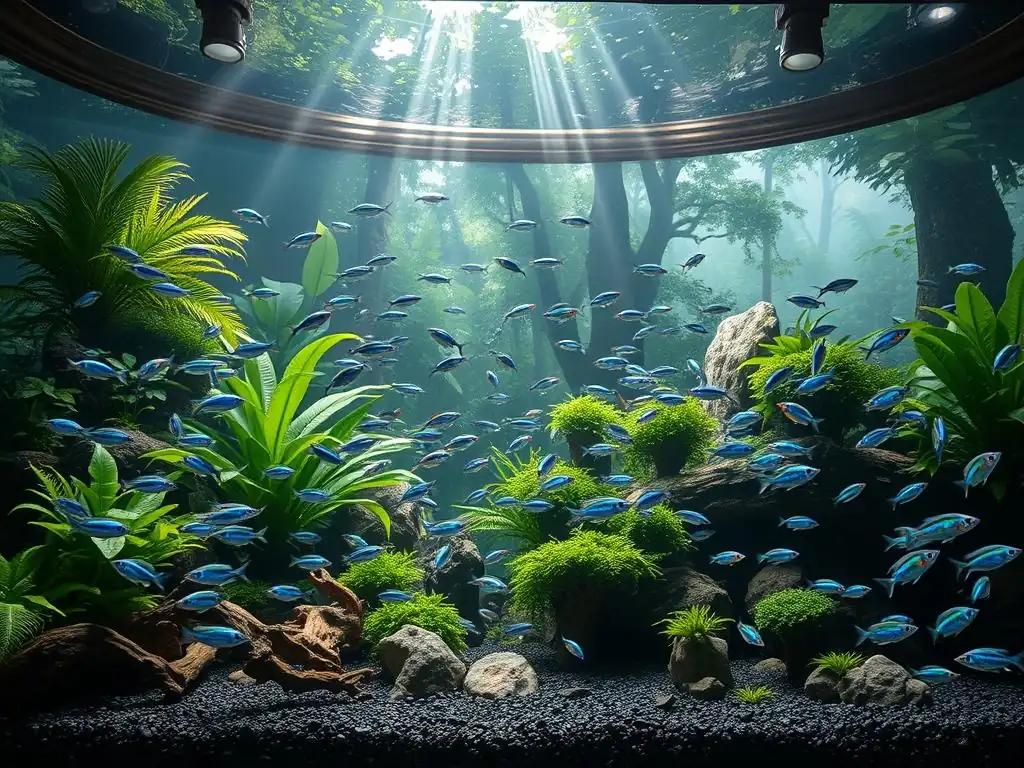
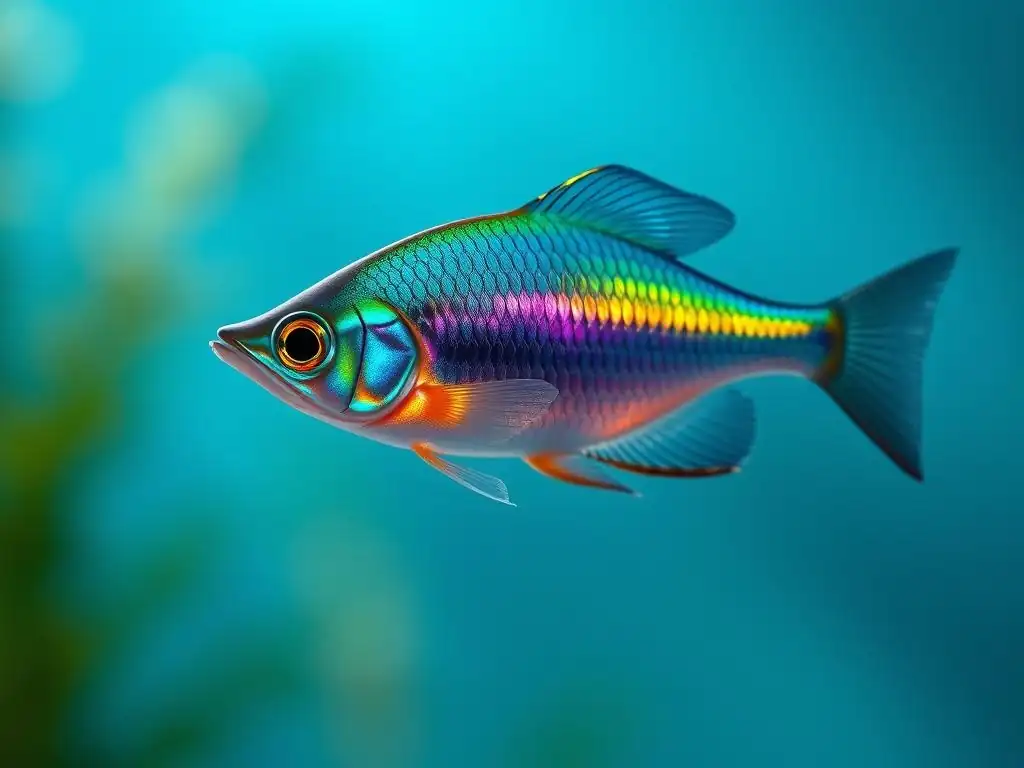
Congo tetras (Phenacogrammus interruptus) are captivating freshwater fish known for their striking iridescence and flowing fins, particularly in males. Originating from the Congo River basin in Central Africa, these schooling fish can reach an impressive size of 3 to 4 inches (7.5 to 10 cm) in a well-maintained aquarium. Their scales shimmer with a spectrum of blues, greens, and yellows, making them a focal point in any community tank.
While generally peaceful, their active nature and potential for fin-nipping, especially if kept in too small a group or with very slow-moving, long-finned tank mates, should be considered. With proper care, including a spacious aquarium of at least 30 gallons for a healthy school of six or more, Congo tetras can live for 3 to 5 years, providing a vibrant and dynamic display. Understanding these fundamental characteristics is the first step in a successful Congo tetra breeding guide.
Identifying Male and Female Congo Tetras for Breeding
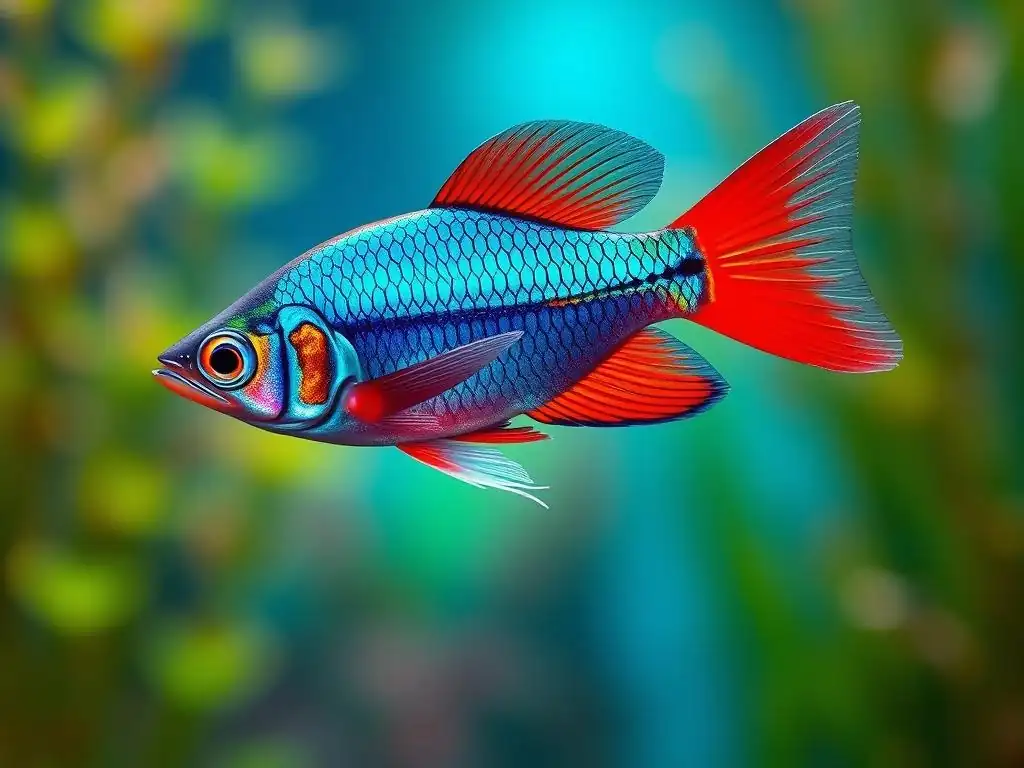
Distinguishing between male and female Congo tetras is relatively straightforward once they reach maturity, which is crucial for successful Congo tetra breeding. Males are typically larger and significantly more colorful, displaying a more pronounced iridescence across their bodies. Their fins, especially the dorsal and caudal fins, are more elongated and elaborate, often with a distinct lyre shape in the caudal fin.
Females, on the other hand, are generally smaller and plumper, particularly when conditioned for spawning and carrying eggs. Their coloration is less intense, and their fins are shorter and less ornate compared to the males. Observing these differences in size, coloration, and fin morphology will help you select the best candidates for your Congo tetra breeding efforts.
Creating the Ideal Congo Tetra Breeding Environment: Key Parameters
Establishing the correct water parameters is paramount for encouraging Congo tetras to spawn. They thrive in soft to moderately hard water, ideally with a general hardness (GH) ranging from 4 to 10 dGH. The pH should be slightly acidic to neutral, typically between 6.0 and 7.0. Maintaining a stable temperature between 75-80°F (24-27°C) is also important for their overall health and readiness to breed.
Beyond specific parameters, the general tank environment plays a significant role. A well-planted aquarium with areas of open swimming space provides both security and activity. Subdued lighting can also help reduce stress and encourage natural behavior. While these parameters are for general health, fine-tuning them in a dedicated breeding tank will significantly boost your Congo tetra breeding guide's success.
Setting Up a Dedicated Congo Tetra Breeding Tank
Tank Size and Substrate for Congo Tetra Spawning
For effective Congo tetra breeding, a dedicated spawning tank is highly recommended. A tank size of 10 to 20 gallons (38 to 76 liters) is generally sufficient for a single breeding pair or a trio (one male and two females). A separate tank is crucial because adult Congo tetras are known to be egg eaters, and a bare-bottom tank or one with a protective substrate makes egg collection and protection much simpler.
When considering substrate, a bare bottom is often preferred for ease of cleaning and egg retrieval. Alternatively, a thin layer of glass marbles or a mesh screen can be used to allow eggs to fall through, protecting them from the parents. Spawning mops made of nylon yarn are also excellent choices, providing a surface for the fish to deposit eggs that can be easily removed.
Water Parameters: Mimicking the Congo Tetra's Natural Habitat
To mimic the conditions that induce spawning in their natural habitat, the water in the breeding tank should be very soft and acidic. Aim for a general hardness (GH) of 2-6 dGH and a pH between 5.5 and 6.5. This can often be achieved by using reverse osmosis (RO) water mixed with a small amount of tap water for buffering, or by incorporating aquarium-grade peat filtration.
The temperature in the breeding tank should be slightly elevated, ideally between 78-82°F (25.5-27.8°C). This warmer temperature, combined with the soft, acidic water, signals to the fish that conditions are optimal for reproduction. Consistency in these parameters is key; sudden fluctuations can stress the fish and inhibit spawning, making precise water chemistry a cornerstone of any successful Congo tetra breeding guide.
Essential Equipment: Filtration, Lighting, and Heating for Breeding Congo Tetras
For filtration in a Congo tetra breeding tank, a gentle air-driven sponge filter is ideal. This type of filter provides biological filtration without creating strong currents that could harm delicate eggs or newly hatched fry. Strong power filters should be avoided as they can suck up or damage the tiny eggs and fry.
Lighting should be dim and subdued, replicating the shaded, vegetated areas where Congo tetras typically spawn in the wild. A small, low-wattage LED light fixture is usually sufficient. A reliable heater, such as a 50-watt heater for a 10-gallon tank, is essential to maintain the precise and stable temperature required to encourage spawning and ensure optimal egg development.
The Congo Tetra Breeding Process: A Step-by-Step Guide
Conditioning Congo Tetras for Spawning
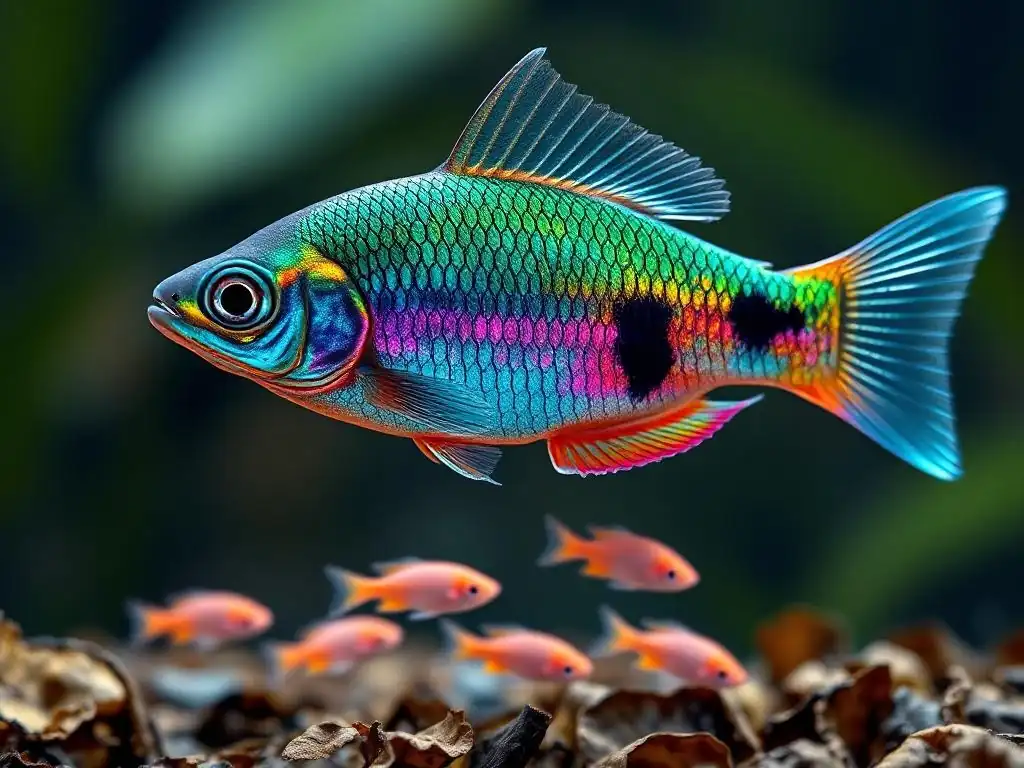
Successful Congo tetra breeding begins with proper conditioning of the parent fish. For 1-2 weeks prior to introducing them to the breeding tank, feed your chosen male and female (or trio) a high-quality, varied diet. This should include a generous amount of live foods such as bloodworms, brine shrimp, and daphnia, supplemented with high-protein frozen foods and premium flakes.
Feeding 2-3 times daily ensures the fish are in peak physical condition, which is vital for egg and milt production. Additionally, some breeders find it beneficial to separate the sexes for a few days to a week before introducing them to the breeding tank. This separation can increase their readiness to spawn by building anticipation.
Introducing the Breeding Pair to the Spawning Tank
Once the breeding tank is set up with optimal water parameters and the parent fish are well-conditioned, introduce the chosen breeding pair (or one male and two females). It is often best to introduce them in the evening or early morning, allowing them to acclimate to the new environment in subdued light, which minimizes stress.
Observe their behavior closely over the next 24-48 hours. If the conditions are right and the fish are ready for Congo tetra breeding, you should begin to see courtship displays, with the male becoming more vibrant in color and actively pursuing the female. Patience is key, as some pairs may take a little longer to settle in.
Spawning Behavior: What to Expect from Breeding Congo Tetras
Congo tetra spawning typically occurs in the morning, often at dawn. The male will intensify his coloration and engage in an elaborate courtship dance, chasing the female through fine-leaved plants or over spawning mops. During this process, he will nudge and coax her to release her eggs.
The female will scatter numerous small, clear, adhesive eggs, usually between 200 and 500 per spawn, depositing them individually or in small clusters on plants, spawning mops, or even the tank bottom. The male will immediately follow, fertilizing the eggs. This process can last for several hours, with multiple spawning passes.
Removing the Parents After Spawning: Protecting the Eggs
Congo tetras, like many other tetra species, are oophagous, meaning they will readily consume their own eggs if given the opportunity. Therefore, as soon as spawning is complete, it is crucial to carefully remove the adult fish from the breeding tank.
You can usually tell spawning is finished when the female appears noticeably thinner and the male's intense courtship behavior subsides. Failure to remove the parents promptly will result in most, if not all, of the eggs being eaten, significantly impacting the success rate of your Congo tetra breeding guide.
Caring for Congo Tetra Eggs and Fry
Incubation Period and Hatching of Congo Tetra Eggs
After successful spawning, Congo tetra eggs typically have a relatively short incubation period. Depending on the water temperature, the eggs will hatch within 24 to 72 hours (1 to 3 days). Warmer temperatures, such as those around 80°F (26.7°C), tend to accelerate the hatching process.
Newly hatched fry are incredibly tiny and almost transparent. They will initially remain attached to tank surfaces, such as the glass or spawning substrate, for a few days. During this time, they are absorbing the last of their yolk sac for nourishment and are not yet free-swimming.
First Foods for Congo Tetra Fry: Getting Them Started
Once Congo tetra fry become free-swimming, usually around 3 to 5 days post-hatch, they require microscopic food due to their minuscule size. Infusoria, which are microscopic organisms, are an ideal first food for the initial few days. Infusoria can be cultured at home using decaying plant matter or purchased as a starter culture.
After approximately 5 to 7 days, as the fry grow slightly, they can be transitioned to larger, live foods such as newly hatched brine shrimp nauplii or microworms. It's crucial to feed small amounts multiple times a day (3-5 times) to ensure constant access to food, as their tiny stomachs require frequent replenishment.
Maintaining Water Quality for Congo Tetra Fry Development
Maintaining pristine water quality is absolutely critical for the survival and healthy development of Congo tetra fry. Their delicate systems are extremely sensitive to even trace amounts of ammonia and nitrite. Small, frequent water changes are essential, typically 10-15% daily or every other day.
Always use aged, temperature-matched water with the precise parameters established for the breeding tank. A gentle air-driven sponge filter will provide necessary filtration without harming the fry. Additionally, carefully siphon out any uneaten food or waste from the tank bottom using a small airline tubing to prevent the buildup of harmful toxins.
Growing Out Congo Tetra Fry: From Fry to Juvenile
As Congo tetra fry grow, their dietary needs will change. After a few weeks on brine shrimp and microworms, you can gradually introduce finely crushed high-quality flake food or small, powdered pellets. Continue to provide live foods regularly, as they promote faster growth and better health.
Monitor their growth rates; Congo tetra fry grow relatively slowly. They typically reach a juvenile size of about 1 inch (2.5 cm) in 6-8 weeks. As they grow, you may need to consider moving them to a larger "grow-out" tank to prevent overcrowding and ensure adequate space for development, which is a key step in a successful Congo tetra breeding guide.
Troubleshooting Common Congo Tetra Breeding Problems
Egg Fungus: Prevention and Treatment
Egg fungus is a common problem in fish breeding, often appearing as a white, fuzzy growth on eggs. It typically affects unfertilized eggs or eggs in tanks with poor water quality. Prevention is key: ensure optimal water parameters, remove any unfertilized (opaque white) eggs promptly, and maintain pristine tank hygiene.
For treatment, some aquarists use a very mild fungicidal treatment, such as a highly diluted methylene blue solution, or specific commercial egg fungus treatments according to directions. Adding a few Indian almond leaves to the breeding tank can also help, as their tannins possess mild antifungal properties and are natural conditioners for soft-water fish.
Infertile Eggs: Identifying and Addressing the Issue
Infertile eggs are a frequent frustration in Congo tetra breeding. They can be identified within 24 hours of spawning as they turn opaque white, contrasting with the clear, viable eggs. Common causes include immature breeding fish, inadequate conditioning, or an incompatibility between the male and female.
To address this, ensure your breeding fish are fully mature, typically 8-12 months old, and have been conditioned with a high-protein diet for at least two weeks. If infertility persists with a specific pair, consider trying a different male or female. Sometimes, simply giving the fish more time in the breeding tank can also lead to successful fertilization.
Fry Mortality: Common Causes and Solutions
High fry mortality rates can be disheartening. The most common causes include poor water quality, insufficient or inappropriate food, drastic temperature or pH swings, and the presence of predatory invertebrates like hydra or planaria. Fry are extremely delicate and sensitive to environmental changes.
Solutions involve strict adherence to water quality protocols: perform small, frequent water changes with temperature-matched, conditioned water. Ensure a consistent supply of appropriate first foods (infusoria, then brine shrimp nauplii). Acclimate fry slowly to any changes, and meticulously check for and remove any potential predators from the breeding tank before introducing eggs or fry.
Failure to Spawn: Identifying and Addressing Environmental or Health Issues
If your Congo tetras are not spawning, despite appearing healthy, the issue often lies with environmental conditions or subtle health problems. Common culprits include incorrect water parameters (water that is too hard, pH too high, or temperature not ideal), high stress levels, or insufficient conditioning.
To encourage spawning, double-check all water parameters against the ideal ranges for Congo tetra breeding (soft, acidic water, 78-82°F). Increase the frequency and variety of live and frozen food offerings. Ensure the breeding tank is in a quiet, undisturbed location with dim lighting to reduce stress. Occasionally, a partial water change with slightly cooler water can simulate a rain event and trigger spawning behavior.
Swim Bladder Issues in Fry: Causes and Prevention
Swim bladder issues in fry can manifest as difficulty maintaining buoyancy, causing them to float uncontrollably at the surface or sink to the bottom. These issues are often linked to poor water quality, bacterial infections, or sometimes, genetic predispositions. Overfeeding can also contribute by leading to digestive problems that impact the swim bladder.
Prevention is paramount as treatment for fry is often difficult. Maintain impeccable water quality through diligent water changes and gentle filtration. Avoid overfeeding, providing only what the fry can consume within a few minutes. Ensure a stable temperature to prevent stress and support healthy development, thereby minimizing the risk of swim bladder problems in your Congo tetra breeding efforts.
Advanced Congo Tetra Breeding Techniques
Implementing Spawning Mops for Egg Collection
Spawning mops are an invaluable tool for advanced Congo tetra breeding, providing a convenient and safe substrate for egg deposition. Typically made from nylon yarn, these mops offer a finely textured surface where the fish can easily attach their adhesive eggs. Their primary advantage is that they can be easily removed from the breeding tank after spawning, along with the eggs.
To use them, simply place the mop at the bottom of the breeding tank or allow it to float. Once spawning is complete, carefully lift the mop and transfer it to a separate hatching tank containing water with identical parameters. This method significantly increases the survival rate of the eggs by protecting them from opportunistic parents and simplifying the egg collection process.
Water Changes and Their Impact on Spawning
Strategic water changes can be a powerful trigger for stimulating spawning in Congo tetras, mimicking natural environmental cues. A significant water change, typically 25-30% of the tank volume, with water that is slightly cooler (2-3°F lower) than the tank's current temperature, can simulate a tropical rain event. In the wild, such events often signal ideal conditions for fish to breed.
This technique is particularly effective when combined with a slight drop in pH, which further replicates the influx of soft, acidic rainwater into their natural habitats. Observing the fish's response to such changes can help fine-tune your Congo tetra breeding guide, as a well-timed water change can often encourage reluctant pairs to spawn.
Using Peat Filtration to Soften Water and Lower pH
Peat filtration is an excellent natural method for achieving the very soft, acidic water conditions preferred for Congo tetra breeding. Aquarium-grade peat moss can be placed in a media bag and added to a filter chamber or simply allowed to float in the breeding tank. As water passes through the peat, it releases humic acids, which naturally lower the pH and reduce water hardness.
While effective, it's crucial to monitor the pH carefully when using peat, as it can cause significant drops. Start with a small amount and observe the changes. Replace the peat regularly, typically every 2-4 weeks, as its beneficial properties are gradually exhausted. This method provides a stable and natural way to create the precise water chemistry required for successful Congo tetra reproduction.
Selective Breeding for Enhanced Coloration
Selective breeding is an advanced technique for dedicated hobbyists looking to enhance specific traits, such as the vibrant coloration, in successive generations of Congo tetras. This process involves carefully choosing the most healthy, robust, and visually appealing individuals with the most desirable color patterns to be your breeding stock.
By consistently breeding only the best examples, you can gradually improve the intensity, brilliance, and range of colors within your Congo tetra line over several generations. This requires meticulous observation, careful record-keeping of parentage and offspring traits, and a long-term commitment. It's a rewarding aspect of the Congo tetra breeding guide for those aiming to contribute to the hobby by developing exceptional strains.
Congo Tetra Breeding Success: Tips and Best Practices
Maintaining Optimal Water Quality for Successful Spawning
The single most critical factor for successful Congo tetra breeding is the unwavering maintenance of optimal water quality. Stable, pristine water parameters are non-negotiable for both the health of the adult breeders and the delicate eggs and fry. Regular and accurate testing for ammonia, nitrite, nitrate, pH, and general hardness (GH) is paramount.
Consistency is key; avoid sudden fluctuations in temperature or chemistry. Perform small, frequent water changes in the breeding tank, ensuring the replacement water is properly conditioned, temperature-matched, and meets the specific soft, acidic parameters required for spawning. This meticulous approach minimizes stress and maximizes the chances of successful reproduction.
Providing a Stress-Free Environment for Congo Tetras
Stress can significantly inhibit spawning in fish, including Congo tetras. To encourage successful Congo tetra breeding, ensure the breeding tank is located in a quiet, low-traffic area of your home, free from sudden movements, loud noises, or vibrations. Dim lighting in the breeding tank also helps create a more natural and secure environment, reducing anxiety for the fish.
Avoid unnecessary handling or chasing of the fish, which can cause undue stress. Providing adequate hiding spots, such as dense live plants or spawning mops, allows the fish to feel secure and can encourage them to engage in natural breeding behaviors. A calm and secure environment is fundamental to the entire Congo tetra breeding guide.
Consistent Feeding Schedule for Conditioned Breeders
A consistent and high-quality feeding schedule is crucial for conditioning Congo tetra breeders and ensuring they are in prime reproductive health. Feed your potential breeding stock 2-3 times a day at roughly the same times each day to establish a routine. This consistency helps to reduce stress and signals a stable environment.
Varying their diet with a rich mix of live foods (like bloodworms, brine shrimp, and daphnia), high-protein frozen foods, and premium flakes provides all the essential nutrients needed for robust egg and milt production. Well-fed and conditioned fish are far more likely to spawn successfully and produce healthier, more viable eggs and fry.
Conclusion: Mastering Congo Tetra Reproduction in Your Aquarium
Breeding Congo tetras is a truly rewarding endeavor that allows aquarists to witness the full life cycle of these magnificent iridescent jewels. While it demands dedication, precise attention to water parameters, and meticulous care, the satisfaction of successfully raising a new generation of these beautiful fish is immense. This comprehensive Congo tetra breeding guide outlines the essential steps from understanding their characteristics to troubleshooting common issues.
With patience, consistent effort, and adherence to the detailed steps provided, you can unlock the secrets to Congo tetra reproduction in your aquarium. Successfully breeding Congo tetras not only enriches your personal aquarium experience but also contributes to the sustainability of these captivating fish within the hobby, allowing more enthusiasts to appreciate their unique beauty and charm.
Frequently Asked Questions
How difficult is it to breed Congo Tetras?
Breeding Congo Tetras can be challenging due to their specific requirements. It requires a dedicated breeding tank with soft, acidic water and careful monitoring of water parameters.
What are the key water parameters for Congo Tetra breeding?
The key parameters include soft water with a low pH (around 6.0-6.5) and a low general hardness (GH). Maintaining a stable temperature around 78-82°F (25-28°C) is also crucial.
What kind of breeding tank setup is recommended for Congo Tetras?
A separate breeding tank is essential, ideally with soft, acidic water and a spawning mop or fine-leaved plants. Include a sponge filter to maintain water quality without harming the fry.
How can I tell if my Congo Tetras are ready to spawn?
Female Congo Tetras will appear plumper with eggs, while males will display intensified colors and engage in more active courtship behavior.
What should I do after the Congo Tetras have spawned?
Remove the parent fish immediately after spawning to prevent them from eating the eggs or fry. Maintain excellent water quality and feed the fry infusoria or commercially available fry food.
Final Reflection: The Enduring Allure of Congo Tetra Breeding
The journey into understanding and mastering Congo tetra breeding, as we've explored, is more than just a technical exercise; it's a testament to our enduring fascination with the natural world and our ability to unlock the secrets of life itself. The iridescent shimmer of these fish, once a distant dream for many aquarists, is now within reach, thanks to dedicated research and shared knowledge.
This pursuit of knowledge, this desire to nurture and propagate life, has profoundly influenced the aquascaping community. It fosters a deeper appreciation for the delicate balance of ecosystems and our responsibility to protect them. In the end, we will conserve only what we love; we will love only what we understand; and we will understand only what we are taught.
- Baba Dioum. This quote perfectly encapsulates the essence of Congo tetra breeding: understanding their needs leads to love, and that love inspires conservation.
Now, as you close this guide, consider the lessons learned. The patience, the observation, the dedication required to successfully breed Congo tetras are qualities that extend far beyond the aquarium. Embrace the challenge, share your knowledge, and contribute to the ongoing story of these magnificent fish. Let the iridescent glow of your success inspire you to cultivate beauty and understanding in all aspects of your life.
Ignite Your Congo Tetra Breeding Journey!
Thanks for diving into the captivating world of Congo Tetras! Hopefully, you now feel empowered with the knowledge to potentially breed these stunning fish. Ready to take the plunge?
Here's how to get started:
- Set up a dedicated breeding tank: This is your primary mission. Ensure the water parameters are perfect, and include plenty of fine-leaved plants for spawning.
- Explore the aquarium communities online! Share your Congo Tetra setup photos and insights with other hobbyists.
- Experiment with different spawning triggers. Try slight temperature changes or variations in lighting to encourage breeding behavior.
What specific setup modification are you most excited to try with your Congo Tetras?