
Swordtail Tank Mates: Crafting a Peaceful Community Aquarium

Welcome to Aquarium Mastery!
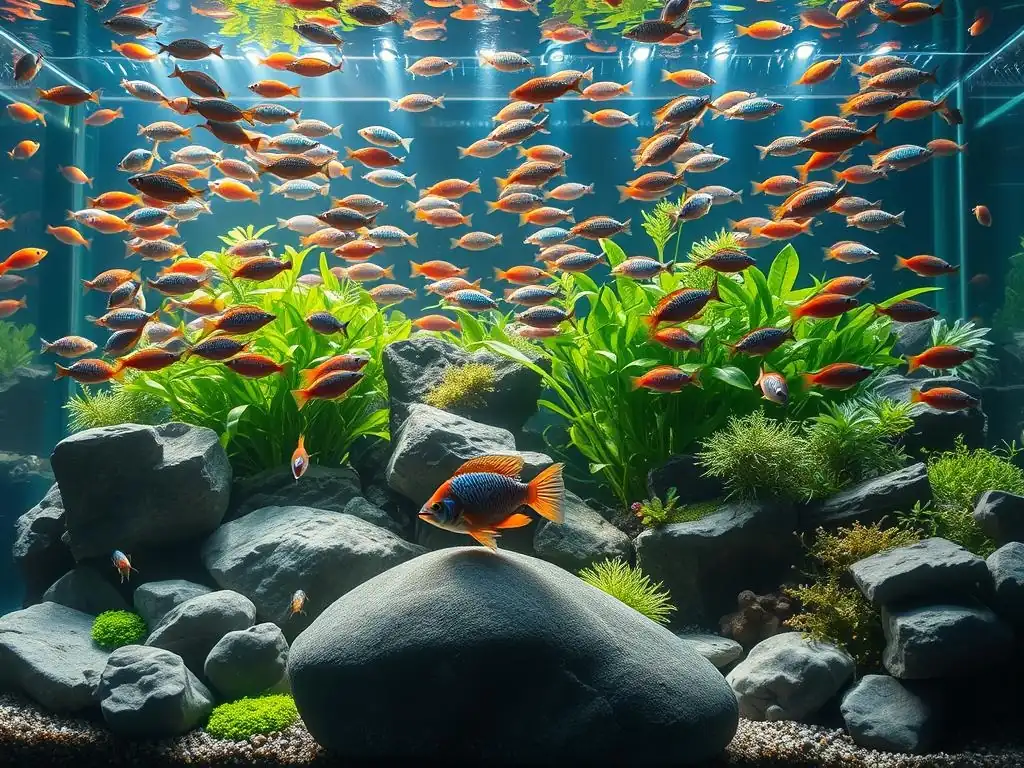
Ever wondered which fish can truly thrive alongside your vibrant Swordtails in a community aquarium? Unlocking the secret to harmonious tank mates is easier than you think. Dive in and discover the perfect companions to create a peaceful and flourishing underwater world! Let's explore the fascinating world of Swordtail fish tank mates and build the aquarium of your dreams.
- Understanding Swordtail Fish and Their Temperament
- Ideal Swordtail Fish Tank Mates: Creating Harmony
- Setting Up Your Swordtail Community Tank for Success
- Feeding Your Swordtail Community Aquarium
- Monitoring Your Swordtail Community Tank
- Troubleshooting Common Issues in Swordtail Community Tanks
- Conclusion: Enjoying a Peaceful and Vibrant Swordtail Community
-
Frequently Asked Questions
- What are some ideal Swordtail fish tank mates for a peaceful community aquarium?
- What types of fish should I absolutely avoid keeping with Swordtails?
- What factors should I consider when selecting Swordtail fish tank mates besides temperament?
- How many Swordtails should I keep in a community aquarium with other fish?
- What is the ideal tank size for a community aquarium housing Swordtails and their tank mates?
- Final Reflection: Harmony in the Aquatic Realm
- Forge Your Dream Swordtail Community!
Understanding Swordtail Fish and Their Temperament
Swordtail Fish Overview: A Popular Aquarium Choice
Swordtail fish, scientifically known as Xiphophorus hellerii, are among the most popular choices for freshwater aquariums, cherished for their vibrant colors and the distinctive elongated caudal fin (the "sword") found on males. Originating from rivers and streams in Central America, specifically Mexico, Guatemala, and Belize, these active livebearers can grow to a considerable size for a community fish, with males typically reaching up to 4 inches (10 cm) and females often larger, sometimes up to 5-6 inches (13-15 cm).
Their ease of care and dynamic presence make them a favorite for both novice and experienced aquarists looking to add a splash of color and activity.
Their appeal is further enhanced by the wide array of color morphs developed through selective breeding, including striking reds, greens, pineapple variations, and tuxedo patterns. Swordtails are highly adaptable to various water conditions, contributing to their widespread popularity. As livebearers, they give birth to free-swimming fry, adding an exciting dimension for hobbyists interested in breeding. Incorporating appropriate swordtail fish tank mates is crucial to creating a thriving and harmonious aquatic environment that showcases their natural beauty and behavior.
Swordtail Behavior: What to Expect in a Community Tank
Swordtails are generally peaceful fish, but their temperament can vary, especially among males. Male swordtails can exhibit territorial behavior, particularly towards other males of their species or similar-looking fish, often engaging in displays of dominance that can sometimes escalate to fin nipping or chasing. To mitigate this, it's highly recommended to keep a ratio of at least two to three females per male; for example, in a 20-gallon long tank, one male and three females can often coexist peacefully. This numerical advantage diffuses aggression and reduces stress on individual females.
These active swimmers typically occupy the middle to upper levels of the aquarium, constantly exploring their surroundings. They are curious and generally interact well with other species, making them excellent candidates for a community tank when paired with suitable swordtail fish tank mates. However, their energetic nature means they require ample swimming space. It's also worth noting their propensity to jump, so a secure, tightly fitting lid is essential to prevent escapes, especially when they are startled or during initial acclimation to a new environment.
Assessing Swordtail Compatibility: Key Considerations
When selecting swordtail fish tank mates, several critical factors must be considered to ensure a peaceful and healthy coexistence. First, size compatibility is paramount; avoid pairing swordtails with fish that are either significantly larger and potentially predatory, or much smaller and likely to be bullied. Temperament is another crucial aspect; species known for aggression, fin nipping, or extreme shyness are generally poor choices. The goal is to select fish with similar activity levels and non-aggressive tendencies.
Secondly, matching water parameters is vital for the long-term health of all inhabitants. Swordtails thrive in slightly alkaline water with a pH range of 7.0-8.0, a general hardness (GH) of 10-20 dGH (180-360 ppm), and a temperature range of 72-79°F (22-26°C). Any chosen swordtail fish tank mates should ideally have similar requirements to avoid stressing any species. Finally, consider feeding habits and tank occupation. Selecting species that occupy different levels of the tank (bottom, middle, top) and have varied feeding behaviors can reduce competition for resources and promote a more balanced ecosystem within the aquarium.
Ideal Swordtail Fish Tank Mates: Creating Harmony
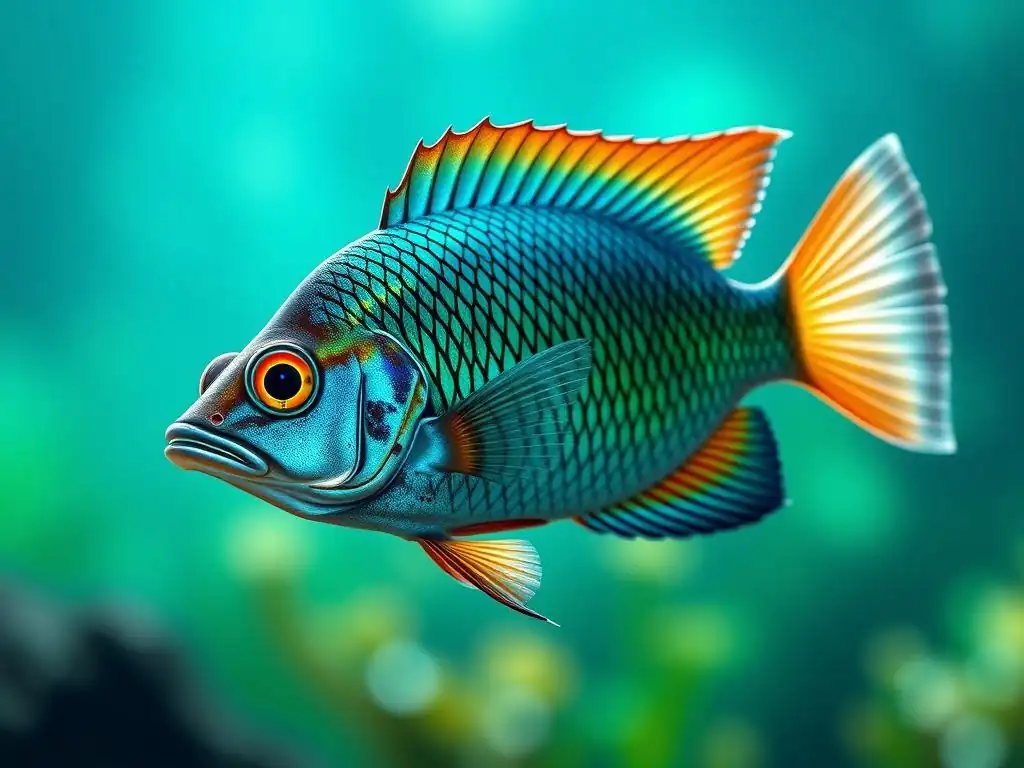
Top Picks for Peaceful Swordtail Companions
Guppies: A Colorful and Compatible Choice
Guppies ( Poecilia reticulata) are an excellent choice for swordtail fish tank mates due to their remarkably similar care requirements and peaceful temperament. Both species are livebearers, sharing preferences for slightly alkaline water (pH 7.0-8.0) and temperatures in the 72-79°F (22-26°C) range, which simplifies tank maintenance. Guppies, with their kaleidoscope of colors and flowing fins, add vibrant activity to the upper and middle sections of the tank, complementing the swordtails' mid-to-upper water column presence without direct competition for space.
Their similar size, typically 1.5-2.5 inches (4-6 cm), ensures that neither species perceives the other as a threat or food source. While both are prolific breeders, their fry are generally small and can serve as a natural food source for adult swordtails, or they can be protected with dense planting if you wish to raise them. Guppies' calm demeanor and shared dietary needs make them one of the most harmonious and visually appealing swordtail fish tank mates, contributing to a dynamic and balanced community aquarium.
Platies: Another Livebearer Friend for Swordtails
Platies ( Xiphophorus maculatus and Xiphophorus variatus) are closely related to swordtails and are arguably one of the most ideal swordtail fish tank mates. They share nearly identical water parameter preferences, thriving in pH 7.0-8.0 and temperatures between 72-79°F (22-26°C), and are also livebearers, making their care largely interchangeable with swordtails. Platies are known for their robust health, peaceful nature, and an incredible variety of colors and patterns, from vibrant reds and oranges to spotted and marbled designs.
Their similar adult size, typically 1.5-2.5 inches (4-6 cm), ensures they pose no threat to swordtails and vice-versa. Platies are active swimmers, occupying the middle and upper tank levels, much like swordtails, but their generally docile interaction prevents territorial disputes. They readily accept various flake and pellet foods, and their omnivorous diet aligns perfectly with swordtails, simplifying feeding routines. Including platies as swordtail fish tank mates enhances the visual diversity and overall vibrancy of a community aquarium while maintaining a peaceful environment.
Corydoras Catfish: Bottom-Dwelling Peacekeepers
Corydoras catfish, such as the Bronze Cory ( Corydoras aeneus) or Peppered Cory ( Corydoras paleatus), are quintessential bottom-dwelling swordtail fish tank mates. These peaceful, armored catfish are highly sought after for their industrious scavenging habits, which help keep the substrate clean by consuming leftover food and detritus. Growing to an average size of 2-3 inches (5-8 cm), they are entirely non-aggressive and spend their time sifting through the substrate, completely avoiding direct interaction or competition with swordtails that inhabit the middle and upper water columns.
Corydoras are schooling fish, and for their well-being and natural behavior, it is crucial to keep them in groups of at least six individuals. They prefer soft, sandy substrates to protect their delicate barbels, which they use for foraging. Their ideal water parameters, including a pH range of 6.5-7.5 and temperatures of 72-78°F (22-26°C), are generally compatible with swordtails, provided the tank is kept within the overlapping range. Their unique role as bottom-feeders makes them invaluable swordtail fish tank mates, contributing to tank hygiene and adding a fascinating dynamic to the lower levels of the aquarium.
Harlequin Rasboras: Active and Non-Aggressive Mid-Tank Swimmers
Harlequin Rasboras ( Trigonostigma heteromorpha) are small, schooling fish that make excellent swordtail fish tank mates for the mid-level of the aquarium. Known for their distinctive triangular black patch and shimmering copper-orange bodies, these fish typically grow to about 1.5-2 inches (4-5 cm). They are incredibly peaceful and spend their time gracefully schooling, adding a sense of natural harmony to the tank without exhibiting any aggressive tendencies towards swordtails or other inhabitants.
While Harlequin Rasboras generally prefer slightly softer, more acidic water (pH 6.0-7.0) than swordtails, they are quite adaptable and can thrive in the neutral to slightly alkaline conditions (pH 7.0-7.5) that swordtails prefer, especially if the water parameters are stable. Keeping them in schools of at least six to eight individuals is essential for their comfort and to showcase their natural schooling behavior. Their non-competitive nature for food and distinct swimming level ensures they coexist harmoniously, making them a visually appealing and stress-free addition as swordtail fish tank mates.
White Cloud Mountain Minnows: Coldwater Companions for Swordtails
White Cloud Mountain Minnows ( Tanichthys albonubes) are a unique option for swordtail fish tank mates, particularly for aquarists who maintain their tanks at the cooler end of the swordtail's preferred temperature range. While swordtails prefer temperatures up to 79°F (26°C), White Clouds can comfortably live in temperatures as low as 64°F (18°C) and up to 72°F (22°C), meaning they can coexist in a tank maintained around 72°F (22°C). These small, active schooling fish grow to about 1.5 inches (4 cm) and are known for their peaceful disposition and hardiness.
Their vibrant, iridescent bodies and active schooling behavior add a lively element to the mid-to-upper water column. White Clouds are not fin-nippers and do not compete aggressively for food, making them safe and amiable companions. They are very adaptable to a range of water parameters, including the pH and hardness levels suitable for swordtails. For tanks maintained at a consistent, slightly cooler temperature, White Cloud Mountain Minnows can be excellent swordtail fish tank mates, offering a unique aesthetic and a different behavioral dynamic compared to other warm-water species.
Fish to Avoid: Incompatible Tank Mates for Swordtails
Aggressive Fish Species: Steer Clear of Tiger Barbs and Cichlids
When selecting swordtail fish tank mates, it is crucial to avoid any species known for aggression or territorial behavior, as they can cause significant stress and harm to swordtails. Tiger Barbs ( Puntius tetrazona), for instance, are notorious fin-nippers. Their boisterous nature and tendency to nip at the long, flowing fins of swordtails can lead to constant harassment, stress-induced diseases, and severe fin damage, making them highly unsuitable companions. Even in large schools, Tiger Barbs often exhibit this behavior towards other species.
Similarly, most Cichlid species are poor choices for swordtail fish tank mates. Many Cichlids, such as Convict Cichlids ( Amatitlania nigrofasciata) or larger African Cichlids, are highly territorial, aggressive, and can grow large enough to view swordtails as prey. Their aggressive nature can lead to relentless chasing, injuries, and even fatalities among the more peaceful swordtails. Maintaining a peaceful and safe environment for swordtails is paramount, and introducing aggressive species fundamentally compromises this goal, leading to a perpetually stressed and unhealthy aquarium.
Fin-Nipping Fish: Protecting Swordtail Fins
The distinctive long sword of male swordtails makes them particularly vulnerable to fin-nipping fish, which can cause chronic stress, injury, and susceptibility to secondary infections. Beyond the aforementioned Tiger Barbs, other species commonly implicated in fin-nipping include certain types of Tetras, such as Serpae Tetras ( Hyphessobrycon eques), if not kept in sufficiently large schools of 8-10 or more, and some species of Gouramis, particularly if multiple males are kept in an undersized tank. These fish can persistently nip at the delicate fins of swordtails, leading to ragged edges and open wounds.
Constant fin damage not only detracts from the swordtail's aesthetic appeal but also compromises their health. Open wounds are gateways for bacterial and fungal infections, which can rapidly spread and become life-threatening. The stress induced by continuous harassment also weakens the swordtail's immune system, making them more prone to other diseases. Therefore, carefully researching the behavior of potential swordtail fish tank mates and avoiding any known fin-nippers is a critical step in ensuring the long-term well-being and health of your swordtails.
Overly Competitive Feeders: Ensuring Swordtails Get Enough Food
While not inherently aggressive, some fish species are extremely fast and competitive eaters, which can pose a significant challenge for swordtails in a community tank. Highly energetic and quick-moving fish like certain species of Danios or large schools of active tetras can quickly consume all available food before swordtails, especially shyer or slower individuals, have a chance to eat adequately. This can lead to chronic underfeeding for the swordtails, even if the tank appears to be receiving sufficient food overall.
Chronic underfeeding results in malnutrition, stunted growth, and a weakened immune system, making swordtails more susceptible to disease and reducing their lifespan. It's crucial to observe feeding behaviors closely after introducing new swordtail fish tank mates to ensure all inhabitants are receiving proper nutrition. If competitive feeding is observed, strategies such as distributing food across a wider area of the tank, using sinking pellets for mid-water and bottom feeders, or feeding at multiple points simultaneously may be necessary to ensure all fish get their share.
Setting Up Your Swordtail Community Tank for Success
Tank Size Considerations for Multiple Species
The size of your aquarium is a foundational element for the success of a swordtail community tank. Swordtails are active, robust fish that require ample swimming space, especially given the potential for male territoriality. A minimum of a 20-gallon long tank is recommended for a small group of swordtails (e.g., one male and three females).
However, for a diverse community tank that includes swordtail fish tank mates, a 30-gallon or, even better, a 40-gallon breeder tank provides significantly more room. This larger footprint offers greater horizontal swimming space, which swordtails prefer, and allows for the establishment of multiple territories and hiding spots, reducing potential aggression.
While the "one inch of fish per gallon" rule is a common guideline, it's an oversimplification and often leads to overstocking. It fails to account for a fish's adult size, width, activity level, and waste production. Instead, focus on the needs of your largest fish and the total bioload of the chosen species. Overstocking not only restricts swimming space but also rapidly degrades water quality, leading to increased stress, disease susceptibility, and a generally unhealthy environment for swordtails and their companions. A larger tank provides stability and a buffer against minor fluctuations in water parameters.
Maintaining Optimal Water Parameters for Swordtails and Tank Mates
Maintaining stable and optimal water parameters is critical for the health and longevity of swordtails and their swordtail fish tank mates. Swordtails thrive in slightly alkaline water with a pH range of 7.0-8.0, a general hardness (GH) of 10-20 dGH (180-360 ppm), and a carbonate hardness (KH) of 10-15 dKH (180-270 ppm), which helps buffer the pH. The ideal temperature range is 72-79°F (22-26°C). Consistency is more important than hitting exact numbers; sudden fluctuations in pH or temperature can be highly stressful to fish.
Regular water testing using a reliable liquid test kit is essential to monitor levels of ammonia, nitrite, and nitrate. Ammonia and nitrite should always be undetectable (0 ppm), as even small amounts are highly toxic. Nitrates, the end product of the nitrogen cycle, should be kept below 20 ppm through consistent partial water changes, typically 25-30% weekly, depending on the tank's bioload and filtration efficiency. These regular water changes replenish essential minerals, remove accumulated nitrates, and maintain the clean, stable environment necessary for a thriving swordtail community.
Providing Adequate Hiding Places and Decorations
A well-decorated aquarium with ample hiding places and visual barriers is crucial for reducing stress and aggression in a swordtail community tank. Hiding spots such as caves, driftwood, rock formations, and dense plant groupings provide refuge for submissive male swordtails, stressed females, or any swordtail fish tank mates that feel threatened. These elements allow fish to retreat when necessary, preventing constant harassment and fostering a sense of security within the tank.
Varied decor also helps to break up lines of sight, preventing dominant fish from constantly seeing and chasing weaker ones. By creating distinct territories, you can minimize disputes over space. Ensure all decorations are aquarium-safe, meaning they are non-toxic, have no sharp edges that could injure fish, and are securely placed to prevent collapse. A thoughtfully aquascaped tank not only enhances the aesthetic appeal but also significantly contributes to the psychological well-being and natural behavior of swordtails and their diverse companions.
Plant Selection for a Thriving Community Aquarium
Live plants are an invaluable addition to any swordtail community aquarium, offering numerous benefits beyond just aesthetics. They act as natural filters by absorbing nitrates, a common byproduct of fish waste, which helps maintain excellent water quality and reduces the frequency of large water changes. Plants also oxygenate the water during daylight hours, contributing to a healthier environment for swordtails and their swordtail fish tank mates. Furthermore, they provide essential hiding places and visual barriers, which are particularly beneficial for livebearers like swordtails, offering refuge for fry and reducing aggression among adults by breaking up lines of sight.
Suitable plant species for a swordtail tank, which generally prefer moderate lighting and a neutral to slightly alkaline pH, include hardy options like Java Fern ( Microsorum pteropus), Anubias species ( Anubias barteri), Amazon Swords ( Echinodorus amazonicus), and various Cryptocoryne species. Densely planted areas, especially along the back and sides of the tank, create a naturalistic habitat that encourages natural behaviors and significantly contributes to the overall stability and beauty of the community.
Feeding Your Swordtail Community Aquarium
Balanced Diet for Swordtails and Their Tank Mates
Providing a balanced and varied diet is fundamental for the health, vitality, and vibrant coloration of swordtails and their diverse swordtail fish tank mates. Swordtails are omnivores, meaning their diet should consist of both plant and animal matter. A high-quality flake or pellet food formulated for community tropical fish should serve as the staple, providing essential vitamins and minerals. This base diet should be regularly supplemented with a variety of live or frozen foods such as bloodworms, brine shrimp, and daphnia, which offer crucial protein and enhance natural foraging instincts.
Additionally, incorporating vegetable matter is important for swordtails. This can be achieved through spirulina flakes, blanched zucchini, or specialized algae wafers. A varied diet ensures that all necessary nutrients are supplied, supporting strong immune systems, promoting healthy growth, and intensifying the natural colors of all fish in the community. Different fish species have varying dietary preferences, so offering a mix of floating and sinking foods can ensure that all swordtail fish tank mates, from surface dwellers to bottom feeders, receive adequate nutrition.
Preventing Overfeeding and Maintaining Water Quality
Overfeeding is one of the most common pitfalls in aquarium keeping and can rapidly degrade water quality, posing a significant threat to swordtails and their swordtail fish tank mates. Excess food that is not consumed quickly sinks and decays, leading to an increase in ammonia and nitrite levels, cloudy water, and a buildup of nitrates. This creates a toxic environment that stresses fish, weakens their immune systems, and makes them highly susceptible to various diseases.
To prevent overfeeding, feed small amounts of food two to three times a day, only what the fish can consume entirely within 2-3 minutes. Observe your fish during feeding; if food remains after this short period, you are feeding too much. This practice not only maintains pristine water quality but also encourages active foraging behavior. Proper feeding habits are crucial for the long-term health of your aquarium, reducing the likelihood of algae blooms, bacterial infections, and other common issues in a community tank.
Addressing Potential Food Competition
In a community aquarium with diverse swordtail fish tank mates, food competition can become an issue, especially if some species are more aggressive or faster eaters than others. Shyer swordtails, or slower-moving bottom-dwellers like Corydoras, might not get enough to eat if food is monopolized by more dominant or quick species. This can lead to nutritional deficiencies, stunted growth, and increased stress for the less competitive fish.
To address potential food competition, observe your fish during feeding times to identify any individuals or species that are consistently missing out. Strategies to ensure equitable distribution include scattering food widely across the surface of the tank, which forces faster eaters to spread out, allowing shyer fish a chance. For bottom feeders, sinking pellets or wafers can be added after the initial feeding, ensuring they receive their share without competition from mid-water or surface dwellers. In some cases, feeding small amounts at multiple points simultaneously can also be effective.
Monitoring Your Swordtail Community Tank
Observing Fish Behavior for Signs of Stress or Aggression
Daily observation of your swordtail community tank is paramount for early detection of stress, aggression, or illness among your swordtails and their swordtail fish tank mates. Look for changes in normal behavior: fish that are usually active becoming lethargic or hiding excessively, clamped fins, rapid gill movement (indicating poor water quality or respiratory distress), or visible signs of injury such. Aggression can manifest as constant chasing, nipping, or bullying of weaker individuals.
Early identification of these signs allows for prompt intervention. For instance, if a male swordtail is constantly harassing females, it might indicate an imbalanced male-to-female ratio or insufficient hiding spots. If a swordtail fish tank mate is exhibiting unusual behavior, it could be a sign of illness, prompting isolation and treatment. A healthy community tank is characterized by active, vibrant fish exhibiting natural behaviors, and consistent monitoring is your best tool for maintaining this balance.
Regular Water Testing and Maintenance
Consistent water testing and maintenance are the cornerstones of a healthy swordtail community tank. At least once a week, use a reliable liquid test kit to monitor key parameters: ammonia, nitrite, nitrate, pH, and temperature. Ammonia and nitrite should always be at 0 ppm, as they are highly toxic. Nitrates should be kept below 20 ppm through regular partial water changes, typically 25-30% of the tank volume weekly. These consistent water changes remove accumulated toxins, replenish essential minerals, and maintain the stable environment crucial for all swordtail fish tank mates.
Beyond water changes, regular maintenance includes gravel vacuuming to remove uneaten food and fish waste from the substrate, which helps prevent nitrate buildup. Filter media should be rinsed in old tank water (never tap water, which can kill beneficial bacteria) to maintain efficiency without destroying the beneficial bacterial colony. Wiping down the inside of the tank glass prevents algae buildup and allows for clear viewing of your vibrant swordtail community. Adhering to a strict maintenance schedule prevents most common aquarium problems.
Quarantine Procedures for New Additions to the Tank
Implementing a strict quarantine procedure for all new fish, including potential swordtail fish tank mates, is a non-negotiable best practice for protecting your established community. A separate, fully cycled quarantine tank (typically 10-20 gallons) should be used for at least 2-4 weeks before introducing any new fish to the main display aquarium. This crucial step prevents the introduction of diseases, parasites, or aggressive behaviors that could decimate your existing fish population.
During the quarantine period, observe the new fish closely for any signs of illness such as Ich (white spots), Fin Rot, Velvet, or unusual swimming patterns. If any symptoms appear, treat the fish in the quarantine tank with appropriate aquarium-safe medications, following dosage instructions carefully. This proactive measure significantly reduces the risk of widespread outbreaks in your main tank, saving you considerable stress, expense, and potential loss of your beloved swordtails and their companions.
Troubleshooting Common Issues in Swordtail Community Tanks
Addressing Aggression Between Tank Mates
Aggression can occasionally arise in a swordtail community tank, even with carefully selected swordtail fish tank mates. Common causes include overcrowding, insufficient hiding places, an imbalanced male-to-female ratio (especially with swordtails), or the presence of an unexpectedly aggressive individual. If a male swordtail is persistently harassing females, consider adding more females to dilute his attention (aim for 1 male to 3-4 females) or increasing the tank size to provide more territory.
If aggression persists or if a specific swordtail fish tank mate is the aggressor, strategies include rearranging the tank decor. This can disrupt established territories and create new visual barriers, often reducing confrontations. If overcrowding is an issue, reducing the total fish population or upgrading to a larger tank is necessary. In severe cases, where a particular fish consistently causes harm or extreme stress, rehoming that individual may be the only solution to restore peace to the community.
Managing Disease Outbreaks
Disease outbreaks in a swordtail community tank are often triggered by underlying stressors such as poor water quality, inconsistent water parameters, overstocking, or the introduction of unquarantined fish. Common ailments include Ich (Ichthyophthirius multifiliis), characterized by small white spots; Fin Rot, where fins appear frayed and discolored; and Velvet, a yellowish or brownish dust-like coating. Early detection is crucial for successful treatment.
Upon noticing signs of disease, first confirm that water parameters (ammonia, nitrite, nitrate, pH, temperature) are optimal, as poor water quality often exacerbates or causes illness. Isolate affected fish in a hospital tank if possible to prevent spread and allow for targeted treatment. Treat with appropriate aquarium-safe medications, strictly following the manufacturer's instructions. During treatment, increase aeration and perform small, frequent partial water changes to maintain water quality. Maintaining a stable, clean environment and proper quarantine procedures are the best preventative measures for your swordtails and their swordtail fish tank mates.
Controlling Algae Growth in a Community Aquarium
Algae growth is a natural part of an aquarium ecosystem, but excessive or persistent blooms in a swordtail community tank usually indicate an imbalance. Common culprits include excessive light (either too intense or on for too long, typically more than 8-10 hours daily), overfeeding (leading to excess nutrients), and high nitrate or phosphate levels. While a small amount of green algae is harmless and even beneficial, widespread unsightly algae can outcompete plants and signal underlying water quality issues.
To control algae, first address the root cause. Reduce lighting duration and intensity if necessary. Strictly adhere to proper feeding practices, ensuring no uneaten food remains. Perform regular partial water changes and gravel vacuuming to reduce nitrates and phosphates. For stubborn cases, consider adding algae-eating swordtail fish tank mates such as Otocinclus catfish, which are small and peaceful, or Nerite snails, which are excellent algae grazers and do not reproduce excessively in freshwater. Live plants also help by competing with algae for available nutrients.
Conclusion: Enjoying a Peaceful and Vibrant Swordtail Community
Frequently Asked Questions
What are some ideal Swordtail fish tank mates for a peaceful community aquarium?
Good choices include peaceful community fish like tetras, corydoras catfish, and harlequin rasboras. Avoid aggressive or fin-nipping species.
What types of fish should I absolutely avoid keeping with Swordtails?
Avoid aggressive fish like cichlids or fin-nippers like tiger barbs. These can stress or injure your Swordtails.
What factors should I consider when selecting Swordtail fish tank mates besides temperament?
Consider similar water parameters (temperature, pH, hardness) and tank size requirements. Ensure all fish have enough space to thrive.
How many Swordtails should I keep in a community aquarium with other fish?
Keep at least one male to several females to reduce aggression. Avoid having multiple males without enough females.
What is the ideal tank size for a community aquarium housing Swordtails and their tank mates?
A minimum of a 20-gallon tank is recommended for a small group of Swordtails and compatible tank mates. Larger tanks are always better for community stability.
Final Reflection: Harmony in the Aquatic Realm
The delicate balance of a community aquarium, as we've explored, hinges on understanding the specific needs and temperaments of its inhabitants. Today, creating a thriving ecosystem for Swordtail fish tank mates is more than just a hobby; it's a microcosm of the interconnectedness we strive for in our own world, demanding careful consideration and responsible stewardship.
This journey into the world of compatible tank mates has highlighted the importance of mindful planning and observation. The success of any community aquarium, and indeed, any community, relies on empathy and understanding the unique needs of each individual. The best way to find yourself is to lose yourself in the service of others.
– Mahatma Gandhi. This quote resonates deeply when considering the needs of our aquatic companions, reminding us that their well-being is inextricably linked to our own actions.
Now, armed with this knowledge, I invite you to reflect on the principles of compatibility and harmony we've discussed. Consider how these lessons extend beyond the glass walls of an aquarium. How can you cultivate a more peaceful and balanced environment in your own life, fostering understanding and respect for the diverse individuals around you? Let the vibrant community of your Swordtail tank serve as a constant reminder of the beauty and potential that arises when different elements come together in perfect harmony.
Forge Your Dream Swordtail Community!
Thank you for diving into the world of swordtail tank mates! We hope this article has equipped you with the knowledge to create a thriving and peaceful aquarium. Now, it's time to put that knowledge into action and build the community you've always envisioned.
Here are some actions you can take right now:
- Strategically plan your tank with compatible species to ensure a harmonious environment. This is the most crucial step!
- Delve deeper! Explore local aquarium groups or online forums to gather first-hand experiences from fellow swordtail enthusiasts and discover uncommon companion fish.
- Share your newfound wisdom! Forward this article to a friend who might also be interested in creating a beautiful community aquarium.
What surprising tank mate combination are you considering for your swordtails, and why do you think it could work?