
Yellowtail Tamarin Wrasse (Anampses meleagrides): A Spotted Beauty with Specific Needs

Welcome to Aquarium Mastery!
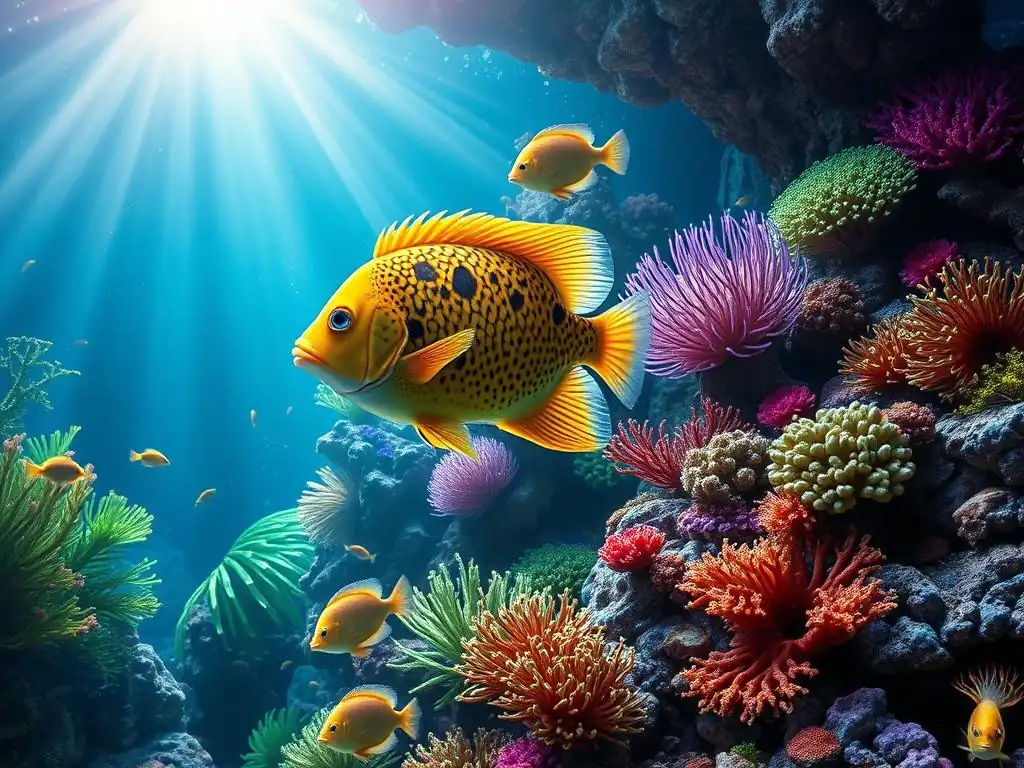
Ever been captivated by a fish that looks like it belongs in a living art piece? The Yellowtail Tamarin Wrasse is just that – a stunning addition to any saltwater aquarium, but one that demands specific care. Dive in and discover everything you need to know about keeping this spotted beauty thriving, from ideal tank conditions to diet and compatible tank mates. Are you ready to master the art of Yellowtail Tamarin Wrasse care? Let's get started!
- Introduction to the Yellowtail Tamarin Wrasse
- Yellowtail Tamarin Wrasse Care: Essential Guidelines
- Diet and Feeding Habits of the Yellowtail Tamarin Wrasse
- Yellowtail Tamarin Wrasse Temperament and Tank Mates
- Identifying and Treating Common Yellowtail Tamarin Wrasse Diseases
- Yellowtail Tamarin Wrasse: Reef Compatibility Considerations
- Yellowtail Tamarin Wrasse Appearance and Identification
- Yellowtail Tamarin Wrasse: Expert Tips for Successful Keeping
- Conclusion: The Rewarding Challenge of Yellowtail Tamarin Wrasse Keeping
-
Frequently Asked Questions
- What are the specific tank requirements for a Yellowtail Tamarin Wrasse?
- What is the ideal diet for a Yellowtail Tamarin Wrasse?
- What water parameters are crucial for Yellowtail Tamarin Wrasse care?
- Are Yellowtail Tamarin Wrasses reef safe?
- What are some common health issues to watch out for with Yellowtail Tamarin Wrasses?
- Final Reflection: Appreciating the Delicate Balance of Marine Life
- Dive Deeper: Transform Your Tank into a Tamarin Wrasse Paradise!
Introduction to the Yellowtail Tamarin Wrasse
A Striking Addition to the Saltwater Aquarium: Overview of Anampses meleagrides
The Yellowtail Tamarin Wrasse, scientifically known as Anampses meleagrides, is a captivating and highly sought-after species among saltwater aquarium enthusiasts. Native to the Indo-Pacific region, spanning from the Red Sea to the Great Barrier Reef, this fish is celebrated for its distinctive coloration and active swimming patterns. In its juvenile phase, it exhibits a striking dark body adorned with numerous bright white spots, transitioning to a more muted, yet still beautiful, adult coloration featuring an iridescent blue or green body with the characteristic white spots and a vibrant yellow tail, which gives it its common name.
This species typically inhabits clear, shallow reef environments, often found near coral rubble or sandy areas where it can quickly burrow for safety. Its natural behavior includes actively foraging for small invertebrates among the substrate and rockwork. Understanding these natural tendencies is crucial for successful Yellowtail tamarin wrasse care, as replicating their native environment helps in reducing stress and promoting their overall well-being in a captive setting. Their unique appearance and active nature make them a focal point in any suitable display tank.
Benefits and Challenges of Keeping Yellowtail Tamarin Wrasses
Keeping a Yellowtail Tamarin Wrasse offers several benefits, primarily their undeniable aesthetic appeal and engaging behavior. Their constant movement and vibrant colors add dynamic energy to a reef or fish-only aquarium. Furthermore, they can help control populations of unwanted small invertebrates, acting as a natural pest control agent for certain types of worms or small crustaceans that might proliferate in a tank. Their relatively peaceful disposition towards most other fish species also makes them a good candidate for community tanks, provided their specific needs are met.
However, the Yellowtail Tamarin Wrasse presents unique challenges that require dedicated Yellowtail tamarin wrasse care. They are known for being quite delicate, especially during acclimation and in the initial weeks in a new environment. Their diet can be particular, often requiring a consistent supply of live or specialized frozen foods, and they can be finicky eaters, sometimes refusing prepared foods. Moreover, they are highly susceptible to stress, which can lead to common marine diseases like Ich. Their propensity to jump out of open-top aquariums is also a significant concern, necessitating a secure, covered tank setup.
Yellowtail Tamarin Wrasse Care: Essential Guidelines
Water Parameters: Maintaining a Stable and Healthy Environment
Maintaining precise and stable water parameters is paramount for successful Yellowtail tamarin wrasse care. These fish thrive in conditions that mimic their natural tropical reef habitat. The ideal temperature range should be consistently maintained between 72-78°F (22-26°C), with minimal fluctuations. Salinity levels are best kept within 1.020-1.025 specific gravity, and pH should be stable between 8.1 and 8.4. Regular testing is essential to monitor these parameters, along with alkalinity (8-12 dKH), calcium (400-450 ppm), and magnesium (1200-1350 ppm), which contribute to overall water stability, especially in a reef environment.
Beyond these core parameters, excellent water quality is crucial. This includes keeping nitrates as low as possible, ideally below 10-20 ppm, and ammonia and nitrites at undetectable levels (0 ppm). A robust filtration system, including a protein skimmer, live rock, and potentially a refugium, is highly recommended to process waste and maintain pristine conditions. Consistent weekly water changes, typically 10-20% of the tank volume, will help replenish essential trace elements and dilute accumulating nitrates, providing the clean and stable environment vital for the long-term health of your Yellowtail Tamarin Wrasse.
Ideal Tank Size and Setup: Mimicking the Natural Habitat
For optimal Yellowtail tamarin wrasse care, a minimum tank size of 75 gallons is recommended for a single adult specimen, though a 100-gallon or larger tank is preferable to allow ample swimming space and greater water volume stability. These active swimmers appreciate horizontal swimming room. The aquarium setup should closely mimic their natural reef environment. This includes a substantial amount of live rockwork with numerous crevices and caves, providing both hiding spots and foraging opportunities.
A critical aspect of their setup is the substrate. Yellowtail Tamarin Wrasses are known for their habit of burrowing into the sand at night or when startled, effectively burying themselves completely for protection. Therefore, a deep sand bed of at least 3-4 inches (7-10 cm) of fine, soft sand (e.g., aragonite sugar-fine sand) is absolutely essential. Coarse substrates can damage their delicate skin as they burrow. Furthermore, due to their impressive jumping ability, a tightly fitting lid or mesh cover is non-negotiable to prevent them from leaping out of the aquarium, a common cause of mortality for this species.
Acclimation Process: Reducing Stress During Introduction
The acclimation process is a critical phase in Yellowtail tamarin wrasse care, as these fish are notoriously sensitive to stress and sudden changes in water parameters. A slow, gentle drip acclimation method is highly recommended over a simple float-and-dump approach.
This involves slowly introducing tank water into the bag or container where the fish is held, over a period of at least 1-2 hours, allowing the fish to gradually adjust to the new temperature, pH, and salinity. A general guideline is to match the temperature within the first 15-20 minutes, then slowly drip acclimate the water, aiming for approximately one drip per second.
During acclimation, it's beneficial to keep the aquarium lights off or dim for several hours after introducing the new wrasse. This reduces visual stress and allows the fish to explore its new surroundings without feeling exposed or threatened. Providing ample hiding spots immediately upon introduction will also help the Yellowtail Tamarin Wrasse feel secure.
Observing the fish closely for signs of stress, such as rapid breathing, clamped fins, or hiding excessively, is important. A successful acclimation sets the foundation for the wrasse's long-term health and adaptation to its new home, preventing common issues that arise from osmotic shock or stress-induced illness.
Diet and Feeding Habits of the Yellowtail Tamarin Wrasse
Natural Diet: What They Eat in the Wild
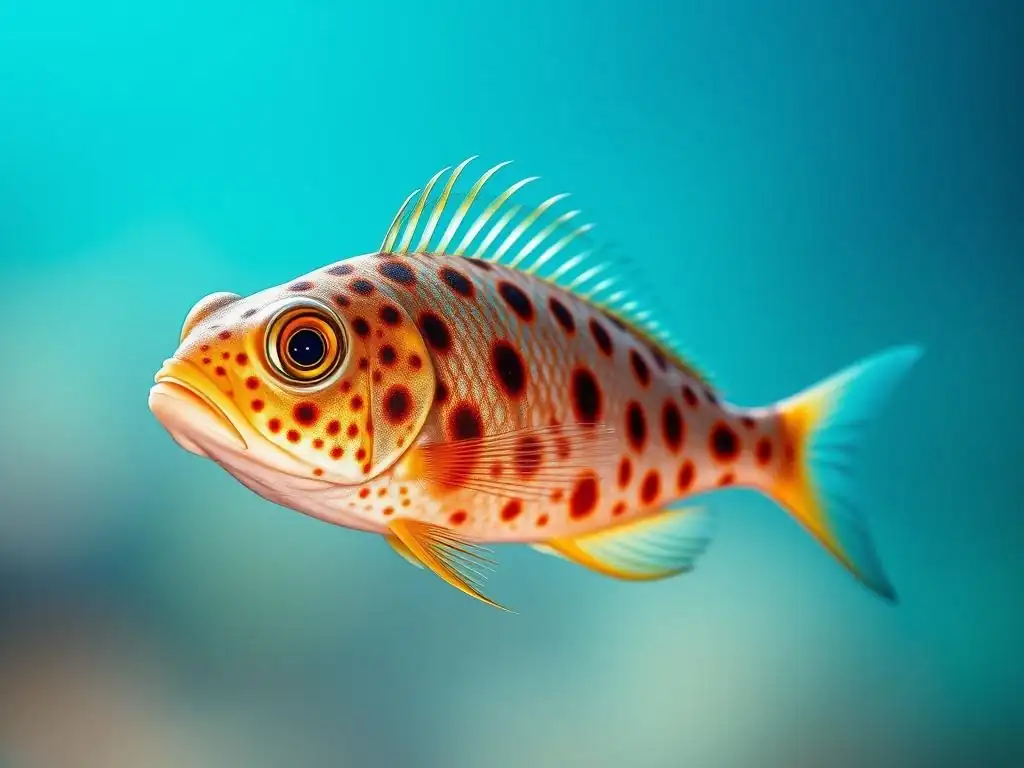
In their natural habitat on coral reefs, Yellowtail Tamarin Wrasses are micro-predators, primarily foraging for small invertebrates within the sand and rockwork. Their diet largely consists of a variety of benthic organisms, including copepods, amphipods, small worms, and other tiny crustaceans. They are constantly on the move, sifting through sand and picking at live rock surfaces with their specialized teeth to extract these minute food sources. This continuous feeding behavior is crucial to their metabolism and overall health, highlighting the importance of replicating this in captivity for proper Yellowtail tamarin wrasse care.
Their natural foraging behavior also means they require a diverse diet to meet their nutritional needs. They are not typically piscivorous (fish-eating) but rather invertivores, focusing on the small, often unseen creatures that inhabit the reef ecosystem. Understanding this natural feeding preference is key to selecting appropriate foods in the aquarium, as a diet lacking in these essential components can lead to nutritional deficiencies and health problems over time.
Recommended Foods: Ensuring Nutritional Needs are Met
Providing a varied and nutritious diet is a cornerstone of effective Yellowtail tamarin wrasse care. While they may initially be hesitant to accept prepared foods, a consistent offering of high-quality frozen foods is essential. Excellent choices include enriched frozen mysis shrimp, cyclop-eeze, finely chopped clam, copepods, and various types of enriched brine shrimp. Live foods, such as blackworms or brine shrimp, can be used to entice finicky eaters and stimulate their natural hunting instincts, especially during the initial acclimation period.
It is also beneficial to try offering small amounts of high-quality marine flakes or pellets, though these may be less readily accepted. Some aquarists have success with nutrient-rich gel foods designed for marine carnivores. The key is variety and persistence. Regularly rotating different food types ensures a broad spectrum of nutrients. For example, feeding mysis shrimp on Monday, cyclop-eeze on Tuesday, and a mix on Wednesday can provide comprehensive nutrition.
Feeding Schedule: Promoting Healthy Growth and Coloration
Due to their active metabolism and continuous foraging nature in the wild, Yellowtail Tamarin Wrasses benefit from a frequent feeding schedule in the aquarium. Instead of one or two large meals, it is best to offer small portions of food multiple times a day, ideally 3-4 times. This mimics their natural grazing behavior and ensures they receive a consistent supply of energy and nutrients throughout the day, which is vital for their health and vibrant coloration.
Overfeeding should be avoided, as uneaten food can degrade water quality, but providing sufficient small meals will prevent them from becoming emaciated. Observing their feeding response will help gauge the appropriate quantity; all food should ideally be consumed within a few minutes to minimize waste. A consistent feeding routine, combined with a high-quality, varied diet, is fundamental for successful Yellowtail tamarin wrasse care, promoting robust growth, strong immunity, and their characteristic vivid colors.
Yellowtail Tamarin Wrasse Temperament and Tank Mates
Yellowtail Tamarin Wrasses are generally considered peaceful fish, though their social behavior can vary. They are typically solitary in their natural habitat, and this preference often carries over into the aquarium. While they are usually tolerant of other fish species, they can become territorial towards other wrasses, especially those of similar size, shape, or coloration, or even other Anampses species. Introducing multiple Anampses wrasses into a single tank is often not recommended unless the tank is exceptionally large (e.g., 200+ gallons) and offers abundant hiding places and visual barriers.
When housed with other fish, they tend to keep to themselves, actively exploring the rockwork and sand for food. They are not known to be aggressive towards non-wrasse species, but their quick movements can sometimes startle slower, more docile tank mates. Understanding their independent nature is important for Yellowtail tamarin wrasse care, as forcing social interaction with conspecifics in a confined space can lead to stress and aggression.
Compatible Tank Mates: Creating a Harmonious Community
Selecting appropriate tank mates is crucial for maintaining a harmonious environment and ensuring successful Yellowtail tamarin wrasse care. Ideal companions are peaceful to semi-aggressive fish that occupy different swimming levels and do not compete directly for food or territory. Good choices include most species of tangs (e.g., Yellow Tang, Kole Tang), dottybacks (with caution), larger gobies (e.g., Diamond Watchman Goby), peaceful angelfish (e.g., Flame Angelfish), and clownfish.
Other suitable tank mates might include certain blennies, chromis, and even some smaller, more docile triggers like the Bluejaw Triggerfish, provided they are well-fed and introduced carefully. The key is to avoid highly aggressive species that might bully the wrasse, or overly shy species that might be outcompeted for food. Always introduce the Yellowtail Tamarin Wrasse into an established tank where it can settle without immediate threats.
Incompatible Tank Mates: Avoiding Aggression and Predation
To prevent aggression and predation, certain tank mates should be strictly avoided when planning Yellowtail tamarin wrasse care. Highly aggressive or predatory fish, such as large moray eels, lionfish, or very large and boisterous triggers (e.g., Clown Triggerfish), pose a significant threat. These species might view the wrasse as a food source or relentlessly harass it, leading to stress, injury, or death.
Furthermore, extremely small or delicate invertebrates, such as tiny ornamental shrimp (e.g., sexy shrimp), very small snails, or slow-moving crustaceans, might be seen as food by the wrasse. While they are generally considered "reef-safe with caution," their natural instinct to forage for small invertebrates means they might occasionally pick at these smaller tank inhabitants. Aggressive wrasses from other genera or even other Anampses species should also be avoided to prevent territorial disputes and severe stress.
Identifying and Treating Common Yellowtail Tamarin Wrasse Diseases
Recognizing Symptoms: Early Detection for Effective Treatment
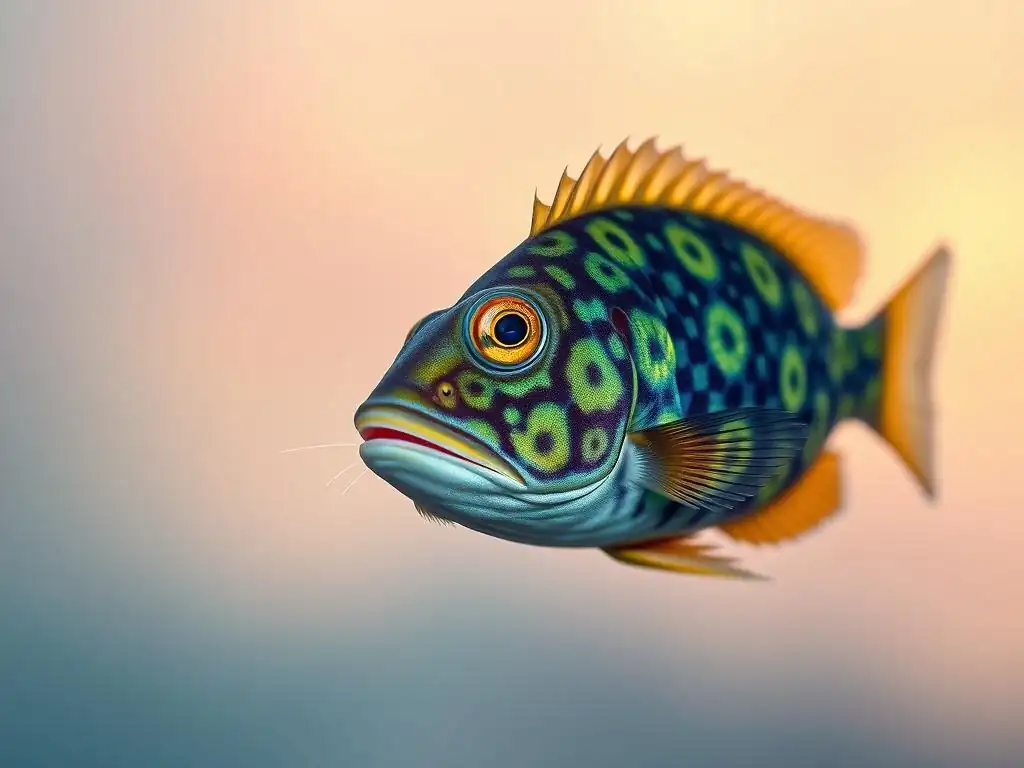
Early detection of disease symptoms is vital for effective Yellowtail tamarin wrasse care and successful treatment outcomes. These fish, like many wrasses, can be susceptible to common marine ailments, especially if stressed by poor water quality, inadequate diet, or improper acclimation. Key symptoms to watch for include: white spots resembling salt grains on the body and fins (Ich), a dusty or velvet-like coating (Velvet disease), rapid breathing, scratching against rocks or substrate ("flashing"), clamped fins, loss of appetite, lethargy, or unusual swimming patterns.
Any deviation from their normal active behavior, such as prolonged hiding, refusal to eat for more than a day, or noticeable changes in coloration, should prompt immediate investigation. A healthy Yellowtail Tamarin Wrasse is typically vibrant, alert, and actively foraging. Regular observation during feeding times and general tank maintenance can help aquarists spot these subtle signs early, allowing for prompt intervention before the disease progresses significantly.
Common Diseases: Prevention and Treatment Strategies
Several common diseases can affect Yellowtail Tamarin Wrasses, with Marine Ich (Cryptocaryon irritans) and Marine Velvet (Amyloodinium ocellatum) being among the most prevalent, often triggered by stress. Prevention is always the best strategy for Yellowtail tamarin wrasse care: maintaining stable, pristine water parameters, providing a nutritious and varied diet, minimizing stress during acclimation, and ensuring a secure, spacious environment. A robust quarantine protocol for all new arrivals is also critical to prevent introducing pathogens into the main display tank.
If a disease is suspected, prompt action is necessary. For Ich, common treatments include hyposalinity (gradually reducing specific gravity to 1.009-1.010 for several weeks) or copper-based medications in a hospital tank. Marine Velvet is more aggressive and requires immediate treatment, often with copper or formalin-based medications, also in a separate hospital tank, as it can be rapidly fatal.
Nutritional deficiencies can lead to problems like Head and Lateral Line Erosion (HLLE), which can be mitigated by a varied diet rich in vitamins, especially Vitamin C, and good water quality. Always consult a knowledgeable marine aquarist or veterinarian for specific treatment advice.
Quarantine Procedures: Protecting Your Existing Fish
Quarantine procedures are an indispensable part of responsible Yellowtail tamarin wrasse care, serving as the most effective defense against introducing diseases into your established display tank. Every new fish, including the Yellowtail Tamarin Wrasse, should spend a minimum of 4-6 weeks in a dedicated quarantine tank (QT) before being introduced to the main system. This allows for observation, pre-emptive treatment for common parasites like Ich and Velvet, and recovery from the stress of shipping.
A typical QT setup is simpler than a display tank, consisting of a bare-bottom tank (e.g., 10-20 gallons), an air stone, a heater, and a simple sponge filter. Plastic PVC pipes can serve as temporary hiding places. During the quarantine period, the fish can be treated with broad-spectrum antiparasitic medications (e.g., copper or chloroquine phosphate) and observed for any signs of illness. This proactive approach significantly reduces the risk of an outbreak in your main aquarium, protecting your existing fish and saving you considerable time, effort, and expense in the long run.
Yellowtail Tamarin Wrasse: Reef Compatibility Considerations
Impact on Reef Invertebrates: Potential Risks and Mitigation
When considering Yellowtail tamarin wrasse care in a reef aquarium, their impact on reef invertebrates is a primary concern. While generally considered "reef-safe with caution," their natural diet of small benthic invertebrates means they might occasionally pick at certain desirable organisms in the tank. This includes small ornamental shrimp (like Cleaner Shrimp are usually safe, but smaller species like sexy shrimp or peppermint shrimp could be at risk), small snails (e.g., Nassarius snails), feather dusters, and possibly some small crabs.
To mitigate this risk, ensure the wrasse is consistently well-fed with appropriate frozen and live foods, reducing its motivation to forage excessively on tank inhabitants. Introducing the wrasse to an established reef tank with larger, more robust invertebrates can also help. While they aren't typically destructive, aquarists should be aware of the potential for them to consume small, slow-moving invertebrates, and should monitor their behavior closely in a mixed reef environment.
Coral Protection: Minimizing Potential Damage
The good news for reef enthusiasts is that Yellowtail Tamarin Wrasses are generally considered safe with most corals. They are not known to consume or pick at stony corals (SPS or LPS) or soft corals. Their diet consists of small invertebrates, not coral polyps. This makes them a more suitable choice for a dedicated reef tank compared to some other wrasse species that are notorious coral nippers.
However, anecdotal reports exist of some individuals occasionally nipping at very delicate or fleshy corals, perhaps mistaking small organisms on the coral for food. This behavior is rare and not typical for the species. To minimize any potential for damage, ensure the wrasse has ample alternative food sources and a well-established tank. Most aquarists find that the Yellowtail Tamarin Wrasse coexists peacefully with a wide variety of corals, making it a viable option for many reef systems.
Maintaining Reef Balance: Ensuring a Thriving Ecosystem
Integrating a Yellowtail Tamarin Wrasse into a reef tank requires careful consideration of the overall ecosystem balance. Their constant sifting of the sand bed can benefit the substrate by aerating it and preventing anaerobic spots, which is a positive contribution to reef balance. However, this activity can also stir up detritus, requiring robust filtration to maintain water clarity and quality.
Their contribution to pest control, by consuming unwanted small worms or copepods, can also be beneficial, but it's important not to rely solely on the wrasse for this. Maintaining excellent water quality, appropriate lighting, and stable parameters for corals and other inhabitants remain paramount. The Yellowtail Tamarin Wrasse, with proper Yellowtail tamarin wrasse care, can be a vibrant and beneficial addition to a thriving reef ecosystem, enhancing its biodiversity and visual appeal without significant disruption.
Yellowtail Tamarin Wrasse Appearance and Identification
Distinguishing Features: A Visual Guide to Identification
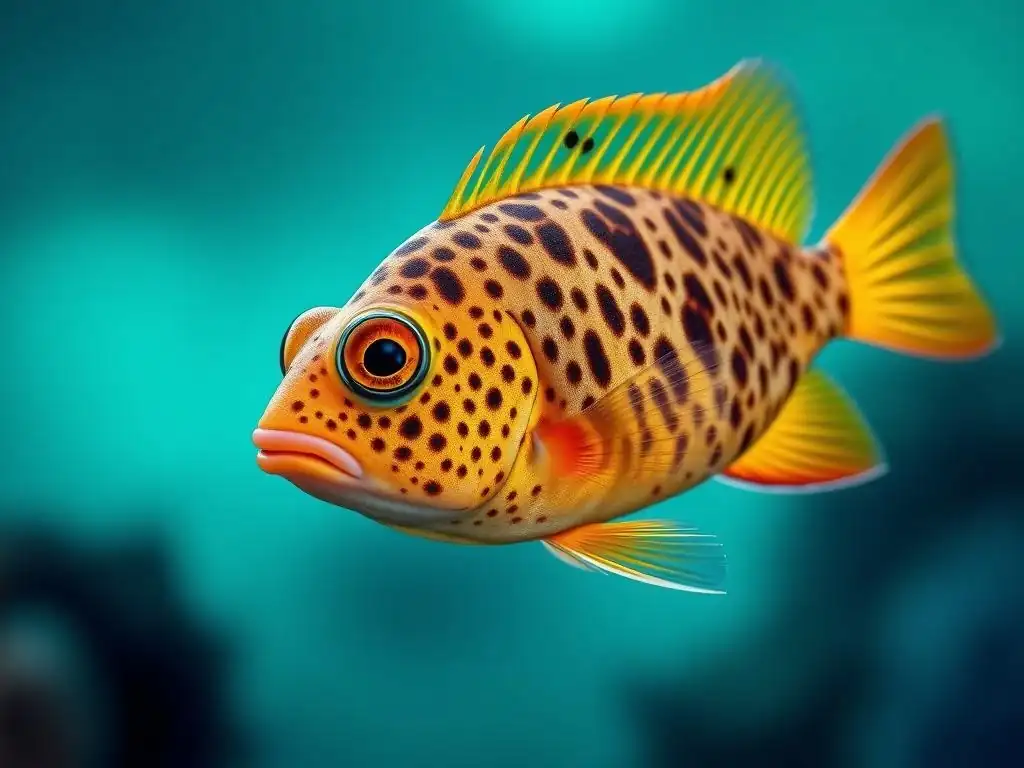
The Yellowtail Tamarin Wrasse ( Anampses meleagrides) is renowned for its striking and distinct appearance, which changes significantly from its juvenile to adult stages. Juveniles are particularly eye-catching, featuring a dark brown to black body densely covered with bright white, circular spots, giving them a "starry night" or "polka dot" appearance. Their fins are typically dark with white margins. This distinct pattern makes them easily identifiable even at a young age, and this juvenile coloration is often what initially attracts aquarists.
As they mature into adults, their coloration undergoes a fascinating transformation. The body color shifts to an iridescent blue, green, or purplish hue, while the white spots become more subdued and may appear as lighter speckles or streaks. The most prominent adult feature, and the origin of its common name, is the vibrant yellow caudal fin (tail). The head often retains some spotting or develops intricate blue and green markings. Males may develop more intense coloration and slightly more elongated fin rays compared to females, but the yellow tail remains a consistent and defining characteristic for both sexes.
Color Variations: Understanding Natural Differences
While the general pattern of dark body with white spots (juvenile) and iridescent body with yellow tail (adult) is consistent, there can be subtle color variations within the species, influenced by geographic origin, individual genetics, and even mood or stress levels. Some individuals may exhibit a more pronounced blue tint, while others lean towards a greener or deeper purple. The intensity and size of the white spots can also vary, with some fish having larger, more distinct spots and others presenting a finer speckling.
Environmental factors in the aquarium, such as diet and water quality, can also influence the vibrancy of their colors. A well-fed, healthy Yellowtail Tamarin Wrasse in pristine water conditions will typically display its most brilliant hues. Conversely, stressed or malnourished fish may appear duller or faded. Understanding these natural variations helps aquarists appreciate the unique beauty of each individual Anampses meleagrides and recognize signs of health or stress based on their coloration.
Size and Growth: Factors Affecting Development in Captivity
The Yellowtail Tamarin Wrasse can reach a considerable size, typically growing up to 8-10 inches (20-25 cm) in length in the wild. In captivity, their growth rate and ultimate size are influenced by several factors, including tank size, diet, water quality, and overall Yellowtail tamarin wrasse care. While they may not always reach their maximum wild size in an aquarium, well-cared-for individuals can still become quite large, often reaching 6-8 inches (15-20 cm).
Providing a sufficiently large tank (75 gallons or more), a consistently nutritious and varied diet, and maintaining stable, pristine water parameters are crucial for promoting healthy growth. Stress, poor nutrition, or cramped conditions can stunt growth and prevent the fish from reaching its full potential size and coloration. Patience is also key, as these wrasses may take several years to reach their adult size and display their full mature coloration.
Yellowtail Tamarin Wrasse: Expert Tips for Successful Keeping
Maintaining Water Quality: Key Strategies for Success
Maintaining impeccable water quality is perhaps the single most critical aspect of successful Yellowtail tamarin wrasse care. These fish are highly sensitive to fluctuating parameters and accumulating nitrates. Implement a robust filtration system that includes a high-quality protein skimmer, ample live rock for biological filtration, and potentially a refugium. Regularly test water parameters (ammonia, nitrite, nitrate, pH, salinity, alkalinity, calcium, magnesium) to catch deviations early.
Perform consistent weekly or bi-weekly partial water changes, typically 10-20% of the tank volume, using high-quality salt mix and RODI water. This replenishes essential trace elements and dilutes pollutants. Consider using activated carbon or other chemical filtration media to maintain water clarity and remove dissolved organic compounds. A stable, clean environment significantly reduces stress and susceptibility to disease, ensuring the long-term health and vibrancy of your Yellowtail Tamarin Wrasse.
Providing Hiding Places: Reducing Stress and Encouraging Natural Behavior
Providing abundant hiding places is essential for optimal Yellowtail tamarin wrasse care, directly contributing to their comfort and stress reduction. These fish are naturally shy when first introduced and require secure spots to retreat to when feeling threatened or for their nightly rest. A well-structured aquascape with ample live rockwork featuring numerous caves, crevices, and overhangs will give them the security they need.
Beyond rockwork, a deep sand bed of at least 3-4 inches (7-10 cm) of fine, soft sand is absolutely crucial. The Yellowtail Tamarin Wrasse will bury itself completely in the sand at night or when startled, a natural behavior that provides protection and allows them to rest undisturbed. Without this essential sand bed, they can become highly stressed, leading to health issues and a reluctance to thrive. Ensure the sand is fine enough to prevent injury as they burrow.
Overcoming Feeding Challenges: Encouraging Acceptance of Prepared Foods
One of the more common challenges in Yellowtail tamarin wrasse care is encouraging them to accept prepared foods. Many individuals arrive finicky and may initially refuse anything but live foods. To overcome this, start by offering high-quality live foods like copepods or blackworms for the first few days to get them feeding and comfortable. Gradually introduce small amounts of frozen foods, such as enriched mysis shrimp, cyclop-eeze, or finely chopped clam.
Consistency and patience are key. Offer small portions multiple times a day. You might try "target feeding" using a turkey baster to direct food near the wrasse. Some aquarists have success by mixing a small amount of live food with frozen food to entice them. Ensure the food particles are appropriately sized for their mouth. Once they start accepting frozen foods, continue to offer a varied diet to ensure complete nutrition and maintain their vibrant colors and health.
Conclusion: The Rewarding Challenge of Yellowtail Tamarin Wrasse Keeping
Is a Yellowtail Tamarin Wrasse Right for Your Aquarium?
The Yellowtail Tamarin Wrasse ( Anampses meleagrides) is undoubtedly a magnificent and captivating fish, offering unparalleled beauty and active behavior to the dedicated saltwater aquarist. However, their specific and somewhat demanding Yellowtail tamarin wrasse care requirements mean they are not suitable for every tank or every hobbyist. They thrive best in established, mature aquariums of 75 gallons or more, with pristine and stable water parameters, a deep fine sand bed, and a secure lid.
If you are an experienced aquarist willing to commit to their specialized dietary needs, precise water quality maintenance, and careful acclimation, the Yellowtail Tamarin Wrasse can be an incredibly rewarding addition. Their peaceful nature with most other fish and general reef compatibility, combined with their striking appearance, makes the effort worthwhile for those prepared to provide the optimal environment and attentive Yellowtail tamarin wrasse care they require.
Resources for Further Learning About Anampses meleagrides.
For aquarists seeking to deepen their understanding of Anampses meleagrides and enhance their Yellowtail tamarin wrasse care practices, a wealth of information is available. Consulting reputable marine aquarium forums and communities can provide practical insights from other hobbyists who have successfully kept this species. These platforms often host detailed discussions on feeding strategies, disease prevention, and tank mate compatibility specific to the Yellowtail Tamarin Wrasse.
Additionally, academic journals and specialized marine biology websites offer scientific data on the natural habitat, behavior, and dietary preferences of Anampses meleagrides in the wild, which can inform captive care. Comprehensive marine fish identification guides and dedicated wrasse-specific resources are also invaluable for understanding their unique biology and ensuring the best possible Yellowtail tamarin wrasse care. Continuously learning and adapting your approach based on new information will contribute significantly to the long-term success and well-being of this beautiful fish.
Frequently Asked Questions
What are the specific tank requirements for a Yellowtail Tamarin Wrasse?
Yellowtail Tamarin Wrasses need a mature aquarium with plenty of live rock for hiding and foraging. A minimum tank size of 75 gallons is recommended due to their active swimming habits.
What is the ideal diet for a Yellowtail Tamarin Wrasse?
These wrasses require a varied diet consisting of small meaty foods like mysis shrimp, brine shrimp, and finely chopped seafood. Supplementing with high-quality marine flakes is also beneficial.
What water parameters are crucial for Yellowtail Tamarin Wrasse care?
Maintaining stable water parameters is vital. Key parameters include a specific gravity of 1.024-1.026, a pH of 8.1-8.4, and a temperature of 72-78°F (22-26°C).
Are Yellowtail Tamarin Wrasses reef safe?
Yellowtail Tamarin Wrasses are generally considered reef safe with caution. They may pick at small invertebrates like ornamental shrimp, so careful observation is required.
What are some common health issues to watch out for with Yellowtail Tamarin Wrasses?
These wrasses can be susceptible to diseases like ich (marine white spot disease) and other parasites. Proper quarantine and maintaining excellent water quality are essential for prevention.
Final Reflection: Appreciating the Delicate Balance of Marine Life
The detailed exploration of the Yellowtail Tamarin Wrasse's specific needs underscores a crucial point: responsible aquarium keeping demands a deep understanding of the creatures we bring into our care. These vibrant, spotted fish are more than just aesthetic additions to a tank; they are complex beings with intricate dietary and environmental requirements that must be met for them to thrive.
This journey into the world of Anampses meleagrides highlights the interconnectedness of our actions and the well-being of marine ecosystems. Understanding and respecting the needs of even one species, like the Yellowtail Tamarin Wrasse, contributes to a broader appreciation for the fragility and beauty of the ocean. In the end, we will conserve only what we love; we will love only what we understand; and we will understand only what we are taught.
- Baba Dioum. This quote serves as a reminder that education and awareness are the cornerstones of effective conservation.
As you consider the information shared in this article, I invite you to reflect on your own role in the aquarium hobby and the larger world. Let this knowledge inspire you to make informed choices, to prioritize the well-being of the animals in your care, and to advocate for responsible practices that protect the delicate balance of our oceans. By embracing a mindful approach, we can ensure that the beauty and wonder of species like the Yellowtail Tamarin Wrasse continue to enrich our lives and the lives of generations to come.
Dive Deeper: Transform Your Tank into a Tamarin Wrasse Paradise!
Thank you for exploring the fascinating world of the Yellowtail Tamarin Wrasse with us! We hope you've gained valuable insights into this stunning fish and its unique requirements. Now, let's turn that knowledge into action!
- Take the plunge and begin planning a biotope-inspired aquarium tailored to the Yellowtail Tamarin Wrasse, focusing on abundant live rock and a deep sand bed.
- Explore local fish stores and online vendors for reputable breeders or suppliers committed to sustainable collection practices.
- Share this article with fellow reef enthusiasts to spread awareness about the needs of this captivating species!
What steps will you take this week to create a more enriching environment for your current or future aquarium inhabitants?