
Swim Bladder Inflation: Mastering This Crucial Milestone for Saltwater Larvae

Welcome to Aquarium Mastery!
Ever wonder how to give tiny saltwater larvae the best possible start in life? The secret often lies in successful swim bladder inflation. Dive into our in-depth guide to unravel the mysteries of Saltwater Larvae Swim Bladder Inflation and unlock the secrets to raising healthy, thriving saltwater fish. Ready to master this crucial milestone? Let's get started!
- Understanding the Critical Role of Swim Bladder Inflation in Saltwater Larval Development
- Identifying the Stages of Swim Bladder Development in Saltwater Fish Larvae
- Factors Influencing Swim Bladder Inflation Success in Saltwater Larvae
- Troubleshooting Swim Bladder Inflation Issues in Saltwater Larvae
- Advanced Techniques to Promote Swim Bladder Inflation in Saltwater Larvae
- Monitoring and Evaluating Swim Bladder Inflation Success
- Best Practices for Ensuring Healthy Saltwater Larvae with Functional Swim Bladders
-
Frequently Asked Questions
- What is swim bladder inflation and why is it important for saltwater larvae?
- What are the common causes of swim bladder inflation failure in saltwater larvae?
- How can I tell if my saltwater larvae are successfully inflating their swim bladders?
- What are some key environmental factors to consider when trying to promote swim bladder inflation?
- What types of food are best for saltwater larvae to promote successful swim bladder inflation?
- Final Reflection: The Breath of Life for Future Oceans
- Unlock Your Larval Rearing Success
Understanding the Critical Role of Swim Bladder Inflation in Saltwater Larval Development
Why Swim Bladder Inflation is Essential for Saltwater Larvae Survival
Swim bladder inflation is a pivotal developmental event for saltwater larvae, directly impacting their immediate survival and long-term health. Without a properly inflated swim bladder, larvae cannot achieve neutral buoyancy, forcing them to expend significant energy constantly swimming upwards to avoid sinking.
This continuous expenditure of energy, often up to 50% or more of their metabolic budget, leaves little for growth, development, and feeding, leading to starvation and significantly increased mortality rates. In many commercial aquaculture settings, failure in saltwater larvae swim bladder inflation can result in catastrophic losses, with some species experiencing over 80-90% mortality if this milestone is not successfully achieved.
Furthermore, larvae unable to properly inflate their swim bladder are often less agile, making them inefficient hunters for live prey and more susceptible to predation in natural environments or competition in rearing tanks. Their abnormal swimming patterns, such as resting on the bottom or swimming with a "tail-up" posture, are clear indicators of distress and developmental failure. This critical process determines whether a larval fish can transition successfully into a free-swimming, feeding juvenile, making optimal conditions for saltwater larvae swim bladder inflation a top priority for aquarists and breeders.
The Importance of Proper Swim Bladder Function in Saltwater Fish
Beyond the initial survival of saltwater larvae, the proper function of the swim bladder is indispensable for the entire life cycle of a saltwater fish. It acts as a hydrostatic organ, allowing the fish to precisely control its buoyancy and maintain its position in the water column with minimal energy output. This control is vital for efficient foraging, escaping predators, and even social interactions within a school. A well-functioning swim bladder enables vertical migration, allowing fish to access different depths for feeding or thermoregulation.
In adult saltwater fish, the swim bladder also plays a role in sound production and reception, contributing to communication and environmental awareness. Any chronic dysfunction stemming from early developmental issues, such as incomplete or malformed swim bladder inflation, can lead to lifelong health problems, including skeletal deformities, chronic stress, and reduced reproductive capacity. Therefore, ensuring successful saltwater larvae swim bladder inflation lays the foundation for robust, healthy, and productive adult fish.
Identifying the Stages of Swim Bladder Development in Saltwater Fish Larvae
Stage 1: Initial Formation of the Swim Bladder in Saltwater Larvae
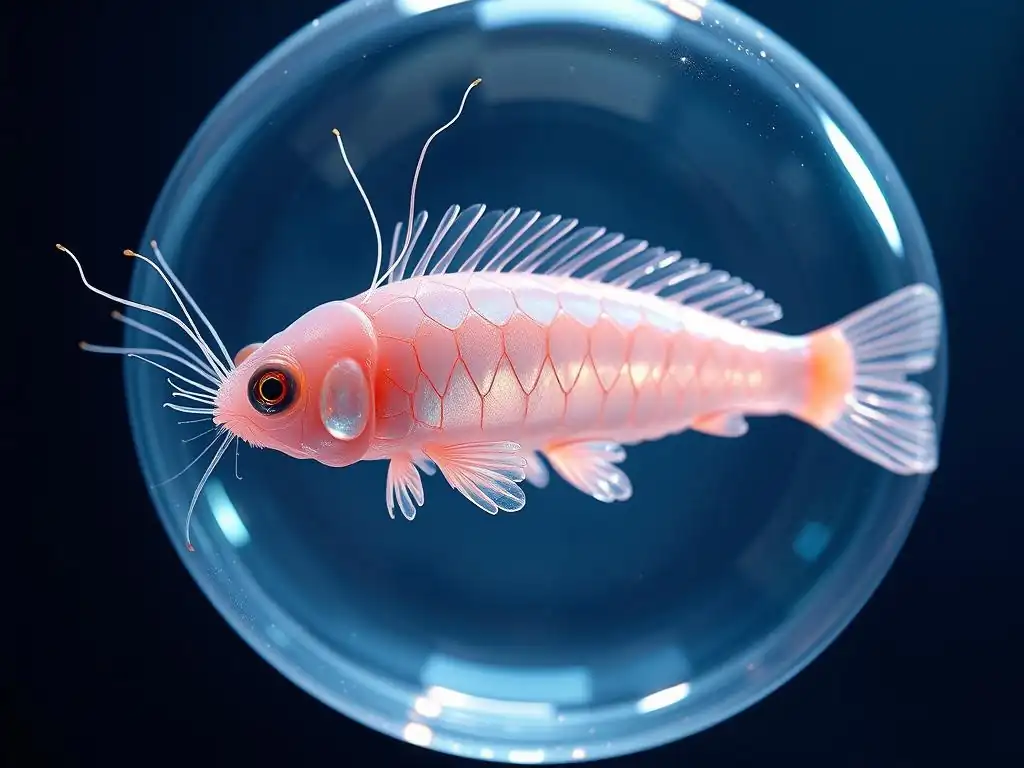
The initial formation of the swim bladder in saltwater larvae typically begins as a small diverticulum, or outgrowth, from the dorsal wall of the foregut during early embryonic development. This rudimentary structure, often visible within the first 24-48 hours post-hatch in fast-developing species like clownfish or damselfish, is known as the pneumatic duct. At this stage, the swim bladder is a simple, undifferentiated sac, not yet filled with gas, and thus provides no buoyant support. Its development is highly dependent on genetic programming and the physiological readiness of the larva.
During this formative period, the larva is still primarily reliant on its yolk sac for nutrition and displays limited swimming capabilities, often sinking to the bottom or moving erratically. The integrity of this initial structure is paramount, as any developmental anomalies here can predispose the larva to future inflation failures. Research in species like the Asian seabass ( Lates calcarifer) shows that environmental stressors during this early phase can disrupt cell differentiation, leading to a compromised swim bladder structure even before inflation attempts begin.
Stage 2: The Critical Period of Swim Bladder Inflation for Saltwater Fish
The critical period for saltwater larvae swim bladder inflation is characterized by the larva's first successful gulp of atmospheric air or gas from the water surface, which then fills the developing swim bladder. This event typically occurs between 3 to 7 days post-hatch for many common marine species, such as clownfish, marine angelfish, and dottybacks, often coinciding with the onset of exogenous feeding and the complete absorption of the yolk sac.
For some species, like certain gobies or blennies, this window might extend slightly later. The presence of a patent (open) pneumatic duct is essential during this phase, as it provides the pathway for gas entry.
Once the initial gas gulp occurs, the pneumatic duct usually closes shortly thereafter in physoclistous fish (the vast majority of marine teleosts), trapping the gas within the bladder. This initial inflation is a rapid process, often completed within hours, and marks a dramatic shift in larval behavior from bottom-dwelling or erratic swimming to more controlled, buoyant movement. If larvae fail to access the surface or if environmental conditions prevent this crucial gulp, the pneumatic duct may close prematurely, rendering subsequent inflation impossible and leading to irreversible swim bladder dysfunction.
Stage 3: Maturation and Functionality of the Swim Bladder in Juvenile Saltwater Fish
Following the initial gulp and successful saltwater larvae swim bladder inflation, the swim bladder undergoes further maturation and differentiation, transforming into a fully functional hydrostatic organ. This involves the development of specialized tissues, including the gas gland and the rete mirabile.
The gas gland is responsible for secreting gas (primarily oxygen) into the bladder from the bloodstream, while the rete mirabile facilitates the reabsorption of gas, allowing the fish to precisely adjust its buoyancy. This complex physiological mechanism enables the fish to ascend, descend, or hover at various depths with minimal effort, adapting to changes in pressure as it moves through the water column.
As the saltwater fish larva grows into a juvenile and then an adult, the swim bladder continues to grow in proportion to the body, maintaining its critical role in buoyancy regulation. A properly developed and functional swim bladder ensures efficient swimming, reduces energy expenditure, and contributes significantly to the overall health and well-being of the fish. Any early developmental issues, even if the initial inflation seemed successful, can manifest as reduced buoyancy control, stress, and susceptibility to disease later in life.
Factors Influencing Swim Bladder Inflation Success in Saltwater Larvae
Water Quality Parameters and Their Impact on Swim Bladder Inflation
Temperature's Role in Saltwater Larval Swim Bladder Development
Temperature is a critical environmental factor influencing the rate of larval development and, consequently, the timing and success of saltwater larvae swim bladder inflation. Optimal temperature ranges, typically between 26-29°C (79-84°F) for many tropical marine species like clownfish or damselfish, accelerate metabolic processes, ensuring that larvae reach the critical inflation stage within the appropriate window. Deviations from this range can have significant negative impacts.
If temperatures are too low, larval development slows considerably, potentially causing them to miss the narrow window during which the pneumatic duct is open for gas gulping. Conversely, excessively high temperatures can induce stress, increase oxygen demand beyond availability, or even lead to developmental abnormalities, all of which can hinder successful swim bladder inflation. Maintaining a stable temperature, with fluctuations kept within ±0.5°C, is paramount for consistent larval development and optimal inflation rates.
Salinity and Swim Bladder Functionality in Saltwater Fish Larvae
Salinity, the concentration of dissolved salts in the water, plays a crucial role in the osmoregulation of saltwater larvae and indirectly affects swim bladder inflation. While most marine species thrive in salinities between 30-35 parts per thousand (ppt), which mimics natural oceanic conditions, significant deviations can impose osmotic stress. When larvae are under osmotic stress, their limited energy reserves are diverted towards maintaining internal fluid balance, leaving less energy for critical developmental processes, including swim bladder formation and inflation.
Extremely low or high salinities can also impact the physical properties of water, such as surface tension, which might affect the larvae's ability to break the surface for their initial air gulp. For example, some studies suggest that slight reductions in salinity (e.g., to 28 ppt) might sometimes reduce osmotic stress in certain larval stages, potentially aiding overall development, but drastic changes are almost always detrimental. Consistent, stable salinity within the species-specific optimal range is essential for minimizing stress and promoting successful saltwater larvae swim bladder inflation.
The Importance of pH and Ammonia Levels
The pH level of the water, representing its acidity or alkalinity, must be maintained within a narrow, stable range for optimal saltwater larvae swim bladder inflation, typically between 8.0 and 8.4. Fluctuations outside this range can cause significant physiological stress, impairing cellular functions and metabolic processes vital for development. A pH that is too low (acidic) or too high (alkaline) can directly impact the larvae's ability to absorb nutrients and maintain their internal balance, making them weaker and less likely to successfully inflate their swim bladder.
Ammonia, a toxic byproduct of fish metabolism and uneaten food, is particularly lethal to delicate saltwater larvae, even at very low concentrations. Un-ionized ammonia (NH3) levels exceeding 0.05 mg/L can cause severe gill damage, neurological impairment, and general debilitation, directly preventing the larvae from reaching the surface or having the energy to gulp air for swim bladder inflation. Regular, small water changes and efficient filtration are crucial to keep ammonia and other nitrogenous wastes (nitrite, nitrate) at undetectable or minimal levels, ensuring a pristine environment conducive to successful larval development.
Nutritional Considerations for Successful Swim Bladder Inflation
The Role of Lipids and Fatty Acids in Swim Bladder Development
Proper nutrition is foundational for successful saltwater larvae swim bladder inflation, with lipids and essential fatty acids being particularly critical. Highly Unsaturated Fatty Acids (HUFA), especially Docosahexaenoic Acid (DHA) and Eicosapentaenoic Acid (EPA), are vital for the development of cell membranes, nervous tissue, and energy metabolism in rapidly growing larvae. These fatty acids are precursors for prostaglandins and other signaling molecules that regulate physiological processes, including those involved in organogenesis.
Larvae obtain these crucial nutrients primarily through their live feed, such as rotifers ( Brachionus plicatilis) and Artemia nauplii, which must themselves be enriched with lipid-rich microalgae or commercial enrichment products. A common target ratio for DHA/EPA in enriched live feeds is often around 2:1 to 3:1 for optimal larval development. Deficiencies in these essential lipids can lead to underdeveloped tissues, including the delicate structures of the swim bladder and its associated pneumatic duct, significantly reducing the chances of successful inflation.
Optimal Feed Size and Frequency for Saltwater Larvae During Inflation
Beyond nutritional composition, the size and frequency of feeding are paramount for successful saltwater larvae swim bladder inflation. Larvae have very small mouth gapes upon first feeding, typically around 50-100 microns, meaning their initial diet must consist of appropriately sized live feeds like rotifers. If the feed particles are too large, the larvae cannot ingest them, leading to starvation despite the presence of food. Conversely, feed that is too small may not provide sufficient nutritional density.
Feeding frequency is also critical. Due to their high metabolic rates and underdeveloped digestive systems, saltwater larvae require a near-constant supply of food. This often translates to continuous feeding or multiple small meals throughout the day (e.g., 4-6 times per day or even drip-feeding live feeds) to ensure adequate intake without fouling the water. Underfeeding leads to weakness and insufficient energy reserves, making the physically demanding process of gulping air for swim bladder inflation unlikely to succeed. Overfeeding, however, can quickly degrade water quality, indirectly hindering inflation.
Environmental Factors Affecting Swim Bladder Inflation in Saltwater Larvae
Light Intensity and Photoperiod Considerations
Light intensity and photoperiod (the duration of light and dark cycles) are crucial environmental factors impacting saltwater larvae swim bladder inflation. A photoperiod of 24 hours of continuous light or a very long light cycle (e.g., 23 hours light, 1 hour dark) is often recommended during the critical inflation period. This extended light exposure maximizes the opportunities for larvae to locate and consume live feed, which in turn provides the energy necessary for growth and the physical act of gulping air at the surface.
The intensity of the light also matters. While sufficient light is needed for feeding, overly bright illumination can cause stress and inhibit normal larval behavior. A gentle, ambient light level, often achieved with dim, indirect lighting or by positioning the rearing tank in a moderately lit room, is usually preferred. This prevents larvae from being startled or disoriented, ensuring they can calmly approach the water surface to perform the vital air gulp that initiates swim bladder inflation.
Tank Design and Water Flow for Optimal Larval Development
Tank design and water flow are instrumental in creating an environment conducive to successful saltwater larvae swim bladder inflation. For the critical air gulp to occur, the water surface must be calm and accessible. Strong surface agitation from skimmers, vigorous aeration, or excessive water flow can create turbulence that prevents larvae from breaking the surface tension or disorients them, making the initial inflation impossible. Therefore, larval rearing tanks often employ very gentle aeration, if any, during this period, with air stones positioned deep in the tank to minimize surface disturbance.
The shape of the larval rearing tank also plays a role. Conical or round-bottomed tanks are often preferred over square tanks as they prevent larvae from becoming trapped in corners, which can lead to stress or starvation. Furthermore, gentle, laminar water flow is desirable to keep live feeds suspended in the water column where larvae can easily access them, without creating currents strong enough to exhaust the delicate larvae. Optimal tank design ensures that larvae have unhindered access to the surface and sufficient food, directly supporting successful saltwater larvae swim bladder inflation.
Troubleshooting Swim Bladder Inflation Issues in Saltwater Larvae
Identifying Signs of Swim Bladder Dysfunction in Saltwater Larvae
Abnormal Swimming Behavior as an Indicator
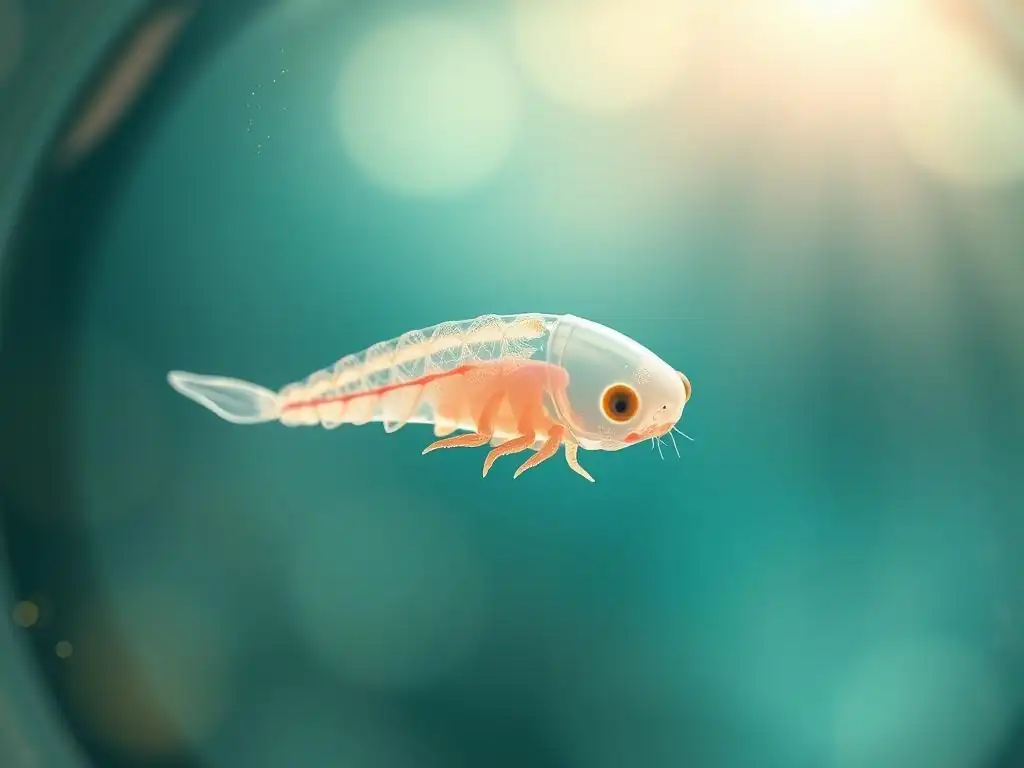
One of the most immediate and telling signs of swim bladder dysfunction in saltwater larvae is abnormal swimming behavior. Healthy, properly inflated larvae will exhibit controlled, buoyant swimming, able to hover effortlessly in the water column and navigate actively to pursue prey. In contrast, larvae with swim bladder issues will often struggle to maintain their position. Common abnormal behaviors include resting on the bottom of the tank, sinking rapidly when they stop swimming, or constantly struggling to swim upwards against gravity.
Another characteristic sign is the "tail-up, head-down" posture, where the posterior part of the body floats towards the surface while the head points downwards. This is often observed in larvae that have failed to inflate their swim bladder or have only partially inflated it. Other indicators might include erratic, jerky movements, inability to feed effectively due to constant struggle, or a general lack of vigor compared to their healthy siblings. These behavioral cues are critical for early detection of problems with saltwater larvae swim bladder inflation.
Visual Inspection of the Swim Bladder
While behavioral observations are the first line of defense, a direct visual inspection of the swim bladder provides definitive confirmation of inflation status. Under magnification, a healthy, successfully inflated swim bladder will appear as a clear, distinct, gas-filled sac located dorsally within the larval body cavity. Its size should be proportionate to the larva's body, and it should be clearly visible and transparent.
Conversely, larvae with swim bladder dysfunction will show a collapsed, absent, or abnormally small swim bladder. In some rare cases, over-inflation might occur, causing the larva to float uncontrollably at the surface. Any deviation from the expected clear, inflated sac indicates a problem with saltwater larvae swim bladder inflation. Careful, regular visual checks of a representative sample of larvae are essential for monitoring success rates and identifying issues early before widespread mortality occurs.
Common Causes of Swim Bladder Inflation Failure in Saltwater Fish Larvae
Water Quality Problems Leading to Swim Bladder Issues
Poor water quality is a leading cause of swim bladder inflation failure in saltwater fish larvae. High levels of ammonia, nitrite, or un-ionized hydrogen sulfide can be directly toxic, leading to physiological stress, organ damage, and a general weakening of the larvae, making them unable to perform the critical air gulp. Even sub-lethal concentrations of these toxins can inhibit development and energy reserves. Additionally, low dissolved oxygen levels, often a consequence of high organic loads or insufficient aeration, can severely compromise larval health and prevent them from successfully inflating their swim bladder.
Furthermore, the presence of a persistent oily film or excessive bacterial biofilm on the water surface can act as a physical barrier, preventing larvae from breaking through to access atmospheric air for their initial gulp. Unstable water parameters, such as rapid or extreme fluctuations in temperature or pH, also induce significant stress, diverting energy away from developmental processes and directly contributing to the failure of saltwater larvae swim bladder inflation.
Nutritional Deficiencies Affecting Swim Bladder Development
Nutritional deficiencies are a significant contributor to swim bladder inflation failure. Larvae require a precise balance of essential nutrients, particularly highly unsaturated fatty acids (HUFA like DHA and EPA), proteins, and vitamins (e.g., Vitamin C, Vitamin A), for proper development. If the live feeds (rotifers, Artemia) are not adequately enriched, or if the larvae are underfed, they will lack the energy and building blocks necessary for healthy tissue formation, including the delicate pneumatic duct and swim bladder wall.
Insufficient food quantity leads to starvation and weakness, making the physical effort of gulping air impossible. For instance, a lack of dietary lipids can impair the development of the gas gland and rete mirabile, even if initial inflation occurs, leading to long-term dysfunction. Ensuring that live feeds are consistently cultured and enriched to meet the specific nutritional demands of the target species is paramount for successful saltwater larvae swim bladder inflation.
Disease and Parasites Impacting Swim Bladder Function
While often less prominent in early larval stages within controlled hatchery environments compared to water quality or nutrition issues, disease and parasites can still impact swim bladder function. Bacterial infections, particularly those caused by opportunistic pathogens like Vibrio species, can lead to systemic disease, inflammation, and direct damage to internal organs, including the pneumatic duct or the swim bladder itself. Such infections can weaken the larvae to the point where they are unable to perform the necessary surface gulp, or they can cause internal lesions that prevent the swim bladder from holding gas.
Although less common, some protozoan parasites or fungal infections could also occur if hygiene is poor or if broodstock are not properly quarantined. The stress induced by any infection, regardless of its direct impact on the swim bladder, can compromise the larvae's overall vitality and metabolic processes, significantly reducing their chances of successful saltwater larvae swim bladder inflation. Proactive hygiene and broodstock health management are critical preventative measures.
Solutions and Preventative Measures for Swim Bladder Problems
Implementing Strict Water Quality Control
Implementing strict water quality control is the cornerstone of preventing swim bladder inflation issues. This involves daily monitoring of key parameters such as ammonia, nitrite, nitrate, pH, temperature, and salinity. Regular, small volume water changes (e.g., 10-20% daily or even more frequently via drip systems) using aged, aerated, and temperature-matched saltwater are essential to dilute waste products and maintain stable conditions. For instance, maintaining ammonia below 0.02 mg/L and nitrite below 0.01 mg/L is crucial for sensitive larvae.
Ensuring adequate dissolved oxygen levels (typically above 6 mg/L) through gentle aeration is also vital. Critically, any surface film that could impede the larvae's access to atmospheric air for gulping must be removed. This can be achieved through gentle surface skimming, careful water changes, or even by placing a piece of absorbent paper on the surface to wick away oily residue. Consistent, pristine water conditions significantly reduce stress and enhance the likelihood of successful saltwater larvae swim bladder inflation.
Optimizing Larval Nutrition and Feeding Strategies
Optimizing larval nutrition and feeding strategies is paramount for healthy swim bladder development. This begins with sourcing or culturing high-quality live feeds, primarily rotifers and Artemia nauplii, and ensuring they are consistently enriched with essential fatty acids (especially DHA and EPA) and vitamins. Commercial enrichment products specifically formulated for marine larvae are widely available and should be used according to manufacturer guidelines to achieve target nutritional profiles. For example, rotifers enriched for 12-24 hours with a DHA-rich product are significantly more nutritious than unenriched ones.
Beyond nutritional content, the feeding regime must be meticulously managed. Larvae require frequent, often near-constant, access to food due to their high metabolic rates and small digestive systems. This can involve maintaining a specific density of live feeds in the rearing tank (e.g., 10-15 rotifers/mL for first-feeding clownfish larvae) and replenishing them multiple times throughout the day or using continuous drip feeding systems. Providing appropriately sized feed at the correct density ensures larvae have the energy and building blocks required for successful saltwater larvae swim bladder inflation.
Proactive Disease Prevention and Treatment
Proactive disease prevention is far more effective than treatment when dealing with delicate saltwater larvae, as they are highly susceptible to pathogens and often do not respond well to medications. The primary strategy involves rigorous hygiene and biosecurity protocols. All larval rearing equipment, tanks, and water lines must be thoroughly cleaned and sterilized (e.g., with bleach or hydrogen peroxide followed by thorough rinsing) between batches to eliminate potential pathogens.
Maintaining optimal water quality and nutrition, as discussed, significantly strengthens the larvae's immune systems, making them more resilient to opportunistic infections. The use of beneficial probiotics, either incorporated into live feeds or added directly to the rearing water, can help establish a healthy microbial environment, outcompeting pathogenic bacteria and supporting gut health. While specific treatments for larval diseases are limited, identifying and isolating affected individuals early can help prevent widespread outbreaks and protect the overall population, indirectly contributing to higher rates of successful saltwater larvae swim bladder inflation.
Advanced Techniques to Promote Swim Bladder Inflation in Saltwater Larvae
Using Air Stones and Diffusers to Enhance Oxygen Availability
While excessive surface agitation can hinder swim bladder inflation, the strategic use of air stones and diffusers can significantly enhance oxygen availability without detrimental effects. Larvae, especially in dense rearing conditions, have high metabolic demands for oxygen. Gentle, fine-bubble aeration, positioned deep in the tank and away from the water surface where larvae gulp air, ensures a high dissolved oxygen concentration throughout the water column. This reduces physiological stress on the larvae, allowing them to allocate more energy towards growth and development, including the critical process of saltwater larvae swim bladder inflation.
Moreover, a well-oxygenated environment supports the aerobic decomposition of organic waste, helping to maintain pristine water quality. Specialized diffusers that produce micro-bubbles can be particularly effective, as they maximize gas exchange without creating strong currents that might exhaust the delicate larvae. The goal is to provide ample oxygen (aiming for near saturation, e.g., >6 mg/L) while ensuring the water surface remains calm and easily accessible for the essential initial air gulp.
Implementing Water Changes to Maintain Optimal Water Quality
Beyond routine daily water changes, advanced techniques involve implementing more frequent and precise water exchanges to maintain exceptionally stable and optimal water quality, which is crucial for saltwater larvae swim bladder inflation. Instead of a single large daily water change, some advanced setups utilize continuous drip systems or multiple small changes throughout the day (e.g., 5-10% every 4-6 hours). This constant replenishment of fresh, treated saltwater minimizes the accumulation of metabolic waste products (ammonia, nitrite) and helps stabilize pH and alkalinity, preventing sudden fluctuations that can stress larvae.
Automated dosing systems can precisely add new water while simultaneously removing old water, ensuring a consistent environment. This approach is particularly beneficial for highly sensitive species or during the critical period of swim bladder inflation when larvae are most vulnerable to environmental stressors. By maintaining an ultra-clean and stable rearing environment, larvae can dedicate their energy to development, significantly increasing the success rate of saltwater larvae swim bladder inflation.
Utilizing Probiotics to Support Gut Health and Nutrient Absorption
The strategic utilization of probiotics is an advanced technique that can indirectly but significantly promote saltwater larvae swim bladder inflation by supporting overall larval health. Probiotics, beneficial microorganisms such as Bacillus strains, can be introduced into the larval rearing system either by fortifying live feeds or by adding them directly to the culture water. Once established, these beneficial bacteria colonize the larval gut, improving digestion and nutrient absorption. A healthier gut microbiome enhances the larvae's ability to extract essential nutrients from their diet, providing the necessary energy and building blocks for robust development.
Furthermore, probiotics can competitively exclude or inhibit the growth of pathogenic bacteria in the water column and the larval gut, reducing the incidence of disease. By improving nutrient assimilation and reducing disease burden, probiotics contribute to more vigorous, less stressed larvae. Healthier larvae are better equipped to navigate the challenges of early development, including the physical act of gulping air and the physiological processes involved in successful saltwater larvae swim bladder inflation.
Monitoring and Evaluating Swim Bladder Inflation Success
Tracking Larval Survival Rates and Growth
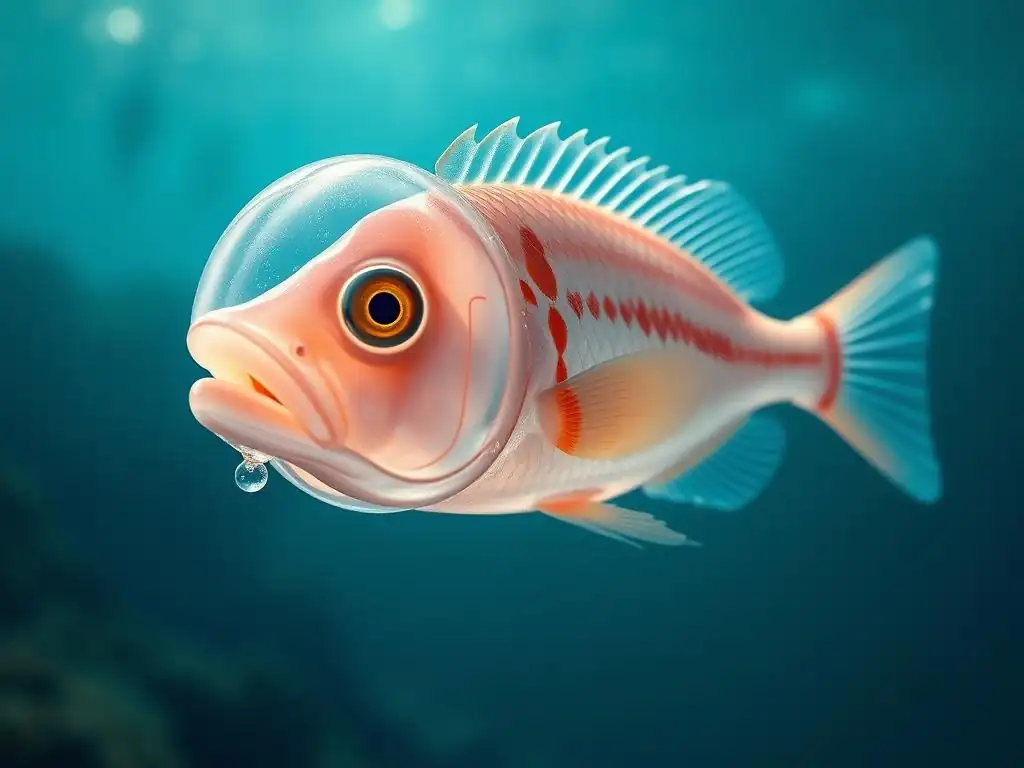
Tracking larval survival rates and growth is a fundamental method for monitoring the overall success of a larval rearing protocol, with direct implications for evaluating saltwater larvae swim bladder inflation. Daily or twice-daily counts of live larvae provide a clear picture of mortality trends. A sudden increase in mortality during the critical inflation period (typically 3-7 days post-hatch for many species) often points to issues with swim bladder development. For example, if survival rates drop from 80% to 30% within a 24-hour window, it's a strong indicator of widespread inflation failure.
Concurrently, regular assessment of larval growth, through visual observation or occasional sampling for length measurements, provides further insight. Larvae that successfully inflate their swim bladders typically exhibit faster growth rates and more uniform size distribution compared to their non-inflated counterparts, which often remain stunted or succumb to starvation. High survival and robust growth are direct consequences of successful saltwater larvae swim bladder inflation and overall healthy development.
Assessing Swim Bladder Functionality in Juvenile Fish
Assessing swim bladder functionality extends beyond the initial inflation phase into the juvenile stage, providing a long-term evaluation of success. This involves continuous behavioral observation of the growing fish. Juveniles with properly functioning swim bladders will exhibit natural, effortless swimming patterns, capable of hovering at various depths without constant effort. They will demonstrate good agility and responsiveness to stimuli, indicative of overall health and efficient energy use.
Conversely, juvenile fish that struggled with saltwater larvae swim bladder inflation, even if they survived, may display chronic buoyancy issues, such as swimming with an upward-tilted body, resting on the bottom for prolonged periods, or struggling to maintain their position against water currents. While direct visual inspection of the swim bladder becomes more challenging as fish grow, these persistent behavioral anomalies are clear indicators of underlying functional deficiencies stemming from early developmental problems.
Adjusting Protocols Based on Observation and Data Analysis
The success of saltwater larvae swim bladder inflation is an iterative process that requires continuous adjustment of protocols based on observation and data analysis. Detailed record-keeping of water parameters, feeding regimes, larval behavior, and survival rates for each batch provides invaluable data. When observations indicate a low inflation success rate (e.g., less than 70-80% of larvae successfully inflating), a systematic review of the entire rearing protocol is necessary.
This involves analyzing the collected data to identify potential correlations between specific parameters (e.g., a dip in pH, a change in feed enrichment, or a new batch of broodstock) and the observed inflation failures. For instance, if a consistent surface film is noted during a period of low inflation, adjusting aeration or surface skimming might be the next step. This data-driven approach allows aquarists to fine-tune their methods, ensuring that conditions are consistently optimized for future batches, ultimately leading to higher rates of successful saltwater larvae swim bladder inflation.
Best Practices for Ensuring Healthy Saltwater Larvae with Functional Swim Bladders
Creating a Stable and Supportive Environment for Larval Development
Creating a stable and supportive environment is the fundamental best practice for ensuring healthy saltwater larvae with functional swim bladders. This involves minimizing any fluctuations in critical environmental parameters. Temperature should be maintained within the optimal species-specific range, with daily variations kept to less than ±0.5°C. Salinity should be stable, typically between 30-35 ppt, and pH should be consistently within 8.0-8.4. Any sudden changes in these parameters can induce severe stress, directly hindering the delicate process of saltwater larvae swim bladder inflation.
Furthermore, the rearing environment must be meticulously clean. This means rigorous sterilization of all equipment, using only high-quality, aged saltwater, and implementing frequent, small water changes to keep ammonia and nitrite at undetectable levels. Providing gentle aeration to maintain high dissolved oxygen without creating surface turbulence is also key. A low-stress, pristine environment allows larvae to channel their energy into growth and development, significantly increasing their chances of successful swim bladder formation.
Continuous Monitoring and Adjustment of Key Parameters
Continuous monitoring and proactive adjustment of key parameters are essential best practices for maximizing the success of saltwater larvae swim bladder inflation. This goes beyond daily checks and involves a vigilant, hands-on approach. Water quality parameters (temperature, salinity, pH, ammonia, nitrite, dissolved oxygen) should be measured consistently, sometimes multiple times a day during critical developmental windows. Beyond chemical parameters, constant observation of larval behavior, feeding activity, and general vigor is crucial.
If any deviation from optimal conditions is noted, immediate, small, corrective adjustments should be made rather than waiting for problems to escalate. For example, if ammonia levels begin to creep up, a small, immediate water change might be initiated. If larvae appear sluggish, confirming dissolved oxygen levels might be necessary. This proactive, adaptive management style allows aquarists to maintain the precise conditions necessary for delicate larval development, significantly improving the rates of successful saltwater larvae swim bladder inflation.
Long-Term Strategies for Maintaining Healthy Saltwater Fish Populations
Long-term strategies for maintaining healthy saltwater fish populations ultimately trace back to the success of early larval development, including robust swim bladder inflation. This begins with ensuring the health and genetic diversity of the broodstock. Healthy, well-nourished broodstock produce higher quality eggs and larvae that are inherently more resilient and genetically predisposed to successful development. Avoiding inbreeding over generations helps maintain genetic vigor, which can influence larval robustness and developmental normalcy.
Furthermore, continuous learning and knowledge sharing within the aquaculture community are invaluable. Staying updated on new research, feed formulations, and rearing techniques can significantly refine protocols for optimal saltwater larvae swim bladder inflation. By prioritizing optimal conditions from broodstock conditioning through larval rearing and beyond, aquarists can ensure the long-term viability and health of their saltwater fish populations, with functional swim bladders being a hallmark of success.
Frequently Asked Questions
What is swim bladder inflation and why is it important for saltwater larvae?
Swim bladder inflation is the process where a larval fish fills its swim bladder with gas, allowing for buoyancy control. Without proper inflation, larvae struggle to swim and feed, leading to high mortality rates.
What are the common causes of swim bladder inflation failure in saltwater larvae?
Common causes include poor water quality, especially issues with dissolved oxygen, and inappropriate first feeding strategies or inadequate food particle size. Environmental factors like temperature and light can also play a role.
How can I tell if my saltwater larvae are successfully inflating their swim bladders?
Observe the larvae carefully. A successfully inflated swim bladder will appear as a clear, visible bubble within the body cavity, usually near the head. Larvae will also exhibit improved swimming posture.
What are some key environmental factors to consider when trying to promote swim bladder inflation?
Maintaining pristine water quality with stable temperature, salinity, and pH is crucial. Additionally, providing adequate lighting and ensuring proper dissolved oxygen levels are essential.
What types of food are best for saltwater larvae to promote successful swim bladder inflation?
Offer highly nutritious, appropriately sized live feeds, such as rotifers or copepods, enriched with essential fatty acids. Proper nutrition helps develop the necessary physiological processes for successful inflation.
Final Reflection: The Breath of Life for Future Oceans
The journey from microscopic egg to thriving fish hinges on a single, crucial moment: the successful inflation of the swim bladder. What might seem like a simple physiological process is, in reality, a gateway to survival, a testament to the resilience of life in our oceans, and a critical factor in the success of aquaculture efforts aimed at replenishing and sustaining marine populations. Understanding and mastering this process is not just an academic exercise; it's an investment in the future health and biodiversity of our planet.
This intricate dance between environment and biology has profoundly shaped, and continues to shape, the success of countless species. Witnessing the delicate balance required for swim bladder inflation underscores the interconnectedness of all life, reminding us of our responsibility to protect the fragile ecosystems that nurture these nascent lives. In the end, we will conserve only what we love; we will love only what we understand; and we will understand only what we are taught.
- Baba Dioum. This quote resonates deeply, urging us to continue learning, teaching, and advocating for the well-being of these vulnerable creatures.
As you reflect on the complexities of saltwater larvae swim bladder inflation, consider the broader implications for conservation and sustainable aquaculture. What small steps can you take, in your own life, to support research, promote responsible practices, and contribute to a future where these tiny lives have the best possible chance to thrive? Let us all strive to be stewards of the ocean, ensuring that the breath of life continues to fill the swim bladders of generations to come.
Unlock Your Larval Rearing Success
Thanks for diving deep into the world of swim bladder inflation! We hope this article equipped you with the knowledge to navigate this critical stage in saltwater larvae development. Now, let's put that knowledge into action.
Here are a few things you can do right now:
- Immediately review your current larval rearing protocols, focusing on adjusting light intensity and water surface agitation to promote optimal inflation.
- Share this article with fellow aquarists and hatcheries facing similar challenges. Collaborative learning is key!
- Document your next larval rearing attempt, paying close attention to inflation rates. Consider experimenting with different techniques and share your findings with the Aquarium Mastery community.
What specific adjustments will you make to your larval rearing setup today to improve swim bladder inflation success?