
Sand or Gravel for Corydoras? Protecting Their Delicate Barbels

Welcome to Aquarium Mastery!
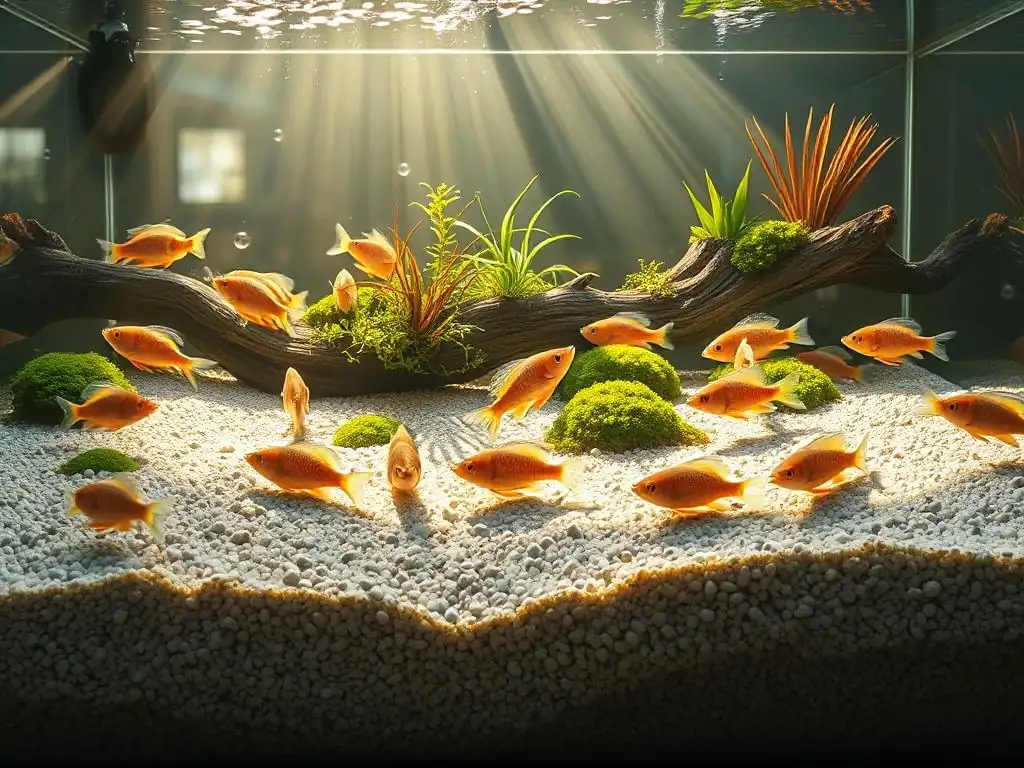
Ever wondered if your Corydoras are really thriving on that gravel? The Corydoras sand gravel debate is one of the most discussed topics in the aquarium hobby, and for good reason. Their delicate barbels are key to their well-being, but are you providing the best substrate for them to flourish? Let's dive in and uncover the truth, ensuring your Corydoras live their best, most natural lives. Intrigued? Keep reading to discover the secrets to a happy and healthy Corydoras tank!
- Substrate Choice for Corydoras: Protecting Their Barbels
- Understanding Substrate and Corydoras Welfare
- Gravel vs. Sand: A Detailed Comparison
- Risks of Coarse or Sharp Gravel
- Choosing the Right Sand
- Setting Up a Sand Substrate Tank
- Maintaining a Sand Substrate
- Alternative Substrates
- Real-World Examples: Corydoras in Sand Tanks
- Conclusion: Prioritizing Barbel Health Through Substrate
-
Frequently Asked Questions
- Why is the substrate important for Corydoras?
- What are the main concerns about using gravel with Corydoras?
- What are the benefits of using sand as a substrate for Corydoras?
- Are there any specific types of sand that are recommended for Corydoras?
- How can I maintain a healthy substrate environment for my Corydoras, regardless of whether I choose sand or gravel?
- Final Reflection: Protecting Corydoras, Preserving Ecosystems
- Unearth a Thriving Corydoras Habitat!
Substrate Choice for Corydoras: Protecting Their Barbels
Understanding Substrate and Corydoras Welfare
The Importance of Substrate for Corydoras Health
The choice of substrate is paramount to the long-term health and well-being of Corydoras catfish. These peaceful bottom-dwellers are naturally adapted to sift through soft substrates in search of food, a behavior that is fundamental to their physical and psychological health. An unsuitable substrate can not only hinder this essential foraging but also lead to chronic stress, malnutrition, and increased susceptibility to disease. Providing the correct substrate directly supports their natural instincts and contributes significantly to a thriving aquarium environment for these beloved fish.
Corydoras spend a significant portion of their active time exploring and sifting the substrate – often exceeding 80% of their waking hours. This constant interaction means that the texture and composition of the tank bottom have a profound impact on their delicate sensory organs and overall physical condition. Without the ability to perform these natural behaviors, Corydoras can become lethargic, refuse to eat properly, and exhibit signs of stress, ultimately shortening their lifespan and diminishing their quality of life in captivity.
Corydoras Barbels: Delicate Sensory Organs
Corydoras possess highly sensitive barbels, which are whisker-like appendages located around their mouths. These barbels are not merely decorative; they are vital sensory organs equipped with thousands of chemoreceptors and touch receptors. They primarily use these barbels to detect food particles hidden within the substrate, navigate their environment, and even communicate with other fish. The precision and sensitivity of these organs are critical for their survival, allowing them to locate sustenance in murky waters and dark conditions.
Given their constant use in foraging, Corydoras barbels are exceptionally delicate and highly susceptible to damage. Any abrasive or sharp material in the substrate can cause irritation, cuts, or gradual erosion of these sensitive organs. Healthy, intact barbels are a clear indicator of a well-maintained environment and a happy Corydoras. Conversely, damaged or eroded barbels signify an underlying environmental issue, most commonly related to an inappropriate substrate, highlighting the critical nature of the Corydoras sand gravel debate.
Gravel vs. Sand: A Detailed Comparison
Gravel Substrate: Pros and Cons
Gravel has long been a traditional substrate choice for many aquarists due to its availability and ease of cleaning. It comes in various sizes and colors, offering aesthetic versatility. However, when considering Corydoras, the potential downsides often outweigh the perceived benefits, making it a central point of contention in the Corydoras sand gravel debate.
Potential Benefits of Gravel: Water Circulation
One often-cited advantage of gravel, particularly coarser varieties with particle sizes of 3-5mm, is its ability to allow for better water circulation through the substrate bed. This increased flow can theoretically help prevent the formation of anaerobic pockets, areas where oxygen is depleted and harmful gases like hydrogen sulfide can accumulate. Additionally, detritus and uneaten food tend to settle on top of larger gravel pieces, making them seemingly easier to spot and vacuum during routine maintenance.
Drawbacks of Gravel: Barbel Damage and Food Trapping
Despite some perceived benefits, the drawbacks of gravel for Corydoras are significant and often severe. The primary concern is the potential for barbel damage. The sharp edges and rough surfaces of many gravel types can abrade, cut, or even completely erode the delicate barbels as Corydoras constantly sift through it.
This physical trauma leaves them vulnerable to secondary bacterial infections. Furthermore, food particles frequently fall between gravel pieces, becoming inaccessible to the Corydoras and often decaying, leading to poor water quality and an increased bioload. Studies have indicated that Corydoras kept on gravel are up to 70% more likely to exhibit barbel erosion compared to those maintained on fine sand.
Sand Substrate: The Preferred Choice
Sand is overwhelmingly recommended by experienced aquarists and experts for tanks housing Corydoras, largely resolving the Corydoras sand gravel debate in favor of sand. Its fine, smooth texture is ideal for their natural behaviors and protects their sensitive barbels.
Advantages of Sand: Gentle on Barbels and Natural Behavior
The most significant advantage of sand is its non-abrasive nature. Fine sand, with particle sizes typically ranging from 0.1mm to 2mm, is soft and smooth, posing no threat to the delicate barbels of Corydoras. This allows them to engage in their essential natural behavior of sifting through the substrate, using their barbels to search for food particles.
Observing Corydoras actively digging and sifting through sand is a clear sign of a healthy and content fish, as this behavior is crucial for their psychological well-being. They can sift through fine sand at a rate of 5-10 times per minute, demonstrating the importance of this activity. Sand also mimics their natural riverbed habitats more closely, contributing to a more natural and less stressful environment.
Potential Disadvantages of Sand: Anaerobic Pocket Formation
While sand is superior for Corydoras, it does have a potential drawback: the risk of anaerobic pocket formation. If the sand bed is too deep (e.g., over 2 inches) and not regularly disturbed, areas of low oxygen can develop. These anaerobic zones can produce harmful gases like hydrogen sulfide, which are toxic to fish. However, this risk is largely mitigated by choosing an appropriate depth for the sand (1-2 inches), keeping Corydoras (whose constant sifting naturally aerates the substrate), and performing gentle, regular maintenance such as surface vacuuming.
Risks of Coarse or Sharp Gravel
How Sharp Gravel Damages Barbels
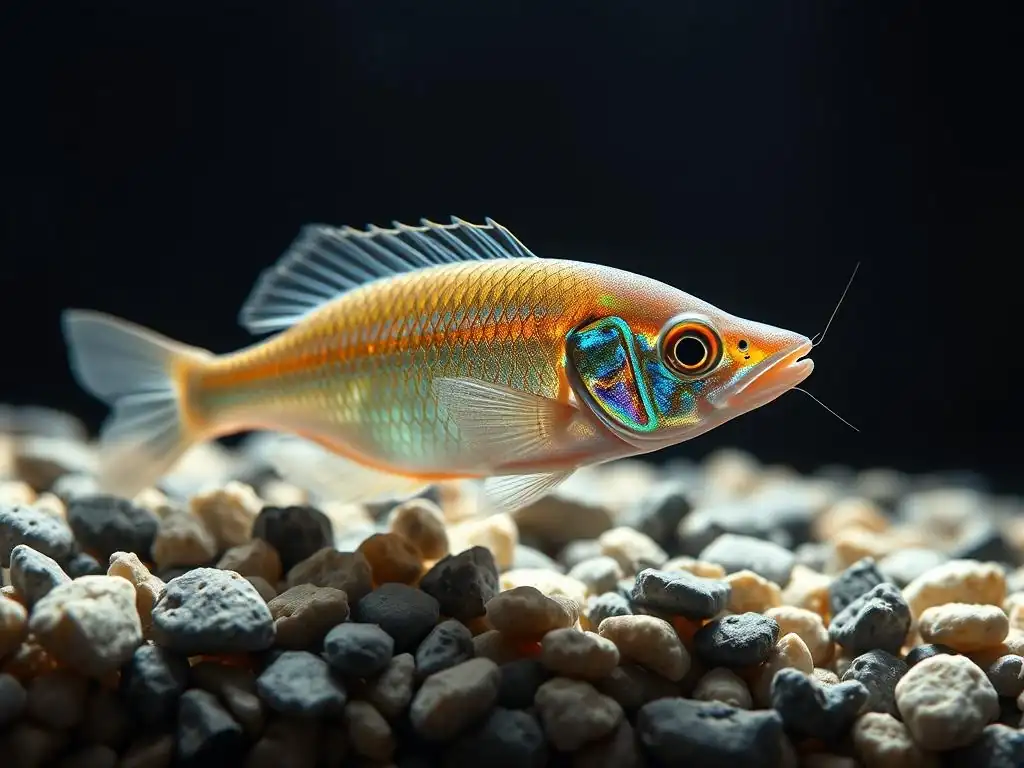
The danger posed by coarse or sharp gravel to Corydoras barbels cannot be overstated. Even gravel that appears smooth to the human eye can have microscopic sharp edges and abrasive surfaces. As Corydoras repeatedly push their sensitive barbels through such material in their ceaseless search for food, these edges cause cumulative physical trauma.
This can manifest as minor abrasions initially, progressing to more severe cuts, fraying, and eventually the complete erosion of the barbel tissue. This constant irritation and damage compromises the integrity of these vital sensory organs, impairing the fish's ability to locate food and navigate its environment effectively.
Bacterial Infections and Barbel Erosion
Once barbels are damaged by rough substrate, the risk of secondary bacterial and fungal infections skyrockets. Open wounds on the barbels provide an easy entry point for pathogenic bacteria and fungi present in the aquarium water. These infections can lead to severe barbel erosion, where the barbels progressively shorten and disappear.
Barbel erosion, often initiated by physical trauma from gravel, can lead to secondary bacterial infections in over 60% of affected Corydoras, requiring specific antibiotic treatment. In advanced stages, this condition can be irreversible, leading to permanent disfigurement, chronic pain, and a significantly reduced quality of life for the fish, often culminating in starvation due to their inability to find food.
Choosing the Right Sand
Suitable Sand Types: River Sand, Play Sand, Pool Filter Sand
When selecting sand for a Corydoras aquarium, the primary criteria are fineness, smoothness, and inertness. Several types of sand are highly suitable. River sand is a natural choice, often available in varying shades of brown and tan, and is generally smooth due to natural erosion.
Play sand, commonly found in hardware stores, is another excellent and economical option; it's typically very fine and smooth, designed for children's sandboxes. Pool filter sand is perhaps the most popular choice among aquarists for its uniformity in grain size (typically 0.4-0.8mm) and its inert nature, meaning it won't alter water chemistry. All these options provide a soft, safe substrate for Corydoras barbels.
Avoiding Abrasive Sand Varieties
While most sands are suitable, it's crucial to avoid certain abrasive types that could still pose a risk to delicate barbels, even if they are labeled "aquarium safe." This includes some decorative sands that might contain crushed glass or very sharp, angular silica particles. These varieties, despite their fine appearance, can still cause micro-abrasions over time.
Always feel the sand between your fingers; if it feels gritty, sharp, or anything less than smooth, it's best to avoid it. Specific industrial sands or those marketed for very specialized uses might also contain additives or sharp components that are detrimental to sensitive fish like Corydoras.
Preparing Sand: Washing and Cleaning
Before adding any new sand to your aquarium, thorough washing is absolutely essential. New sand, regardless of its type, contains fine dust and impurities that will severely cloud your aquarium water if not removed. To wash sand, place small batches (e.g., 2-3 cups at a time) in a clean bucket. Fill the bucket with water, agitate the sand vigorously with your hands or a stirring stick, and then carefully pour off the cloudy water.
Repeat this process multiple times, refilling and pouring until the water runs clear. This can often take 10-15 rinses per batch to adequately clean new sand. This meticulous cleaning prevents prolonged cloudiness in the tank and ensures a healthier environment from the start.
Setting Up a Sand Substrate Tank
Step 1: Preparing the Aquarium
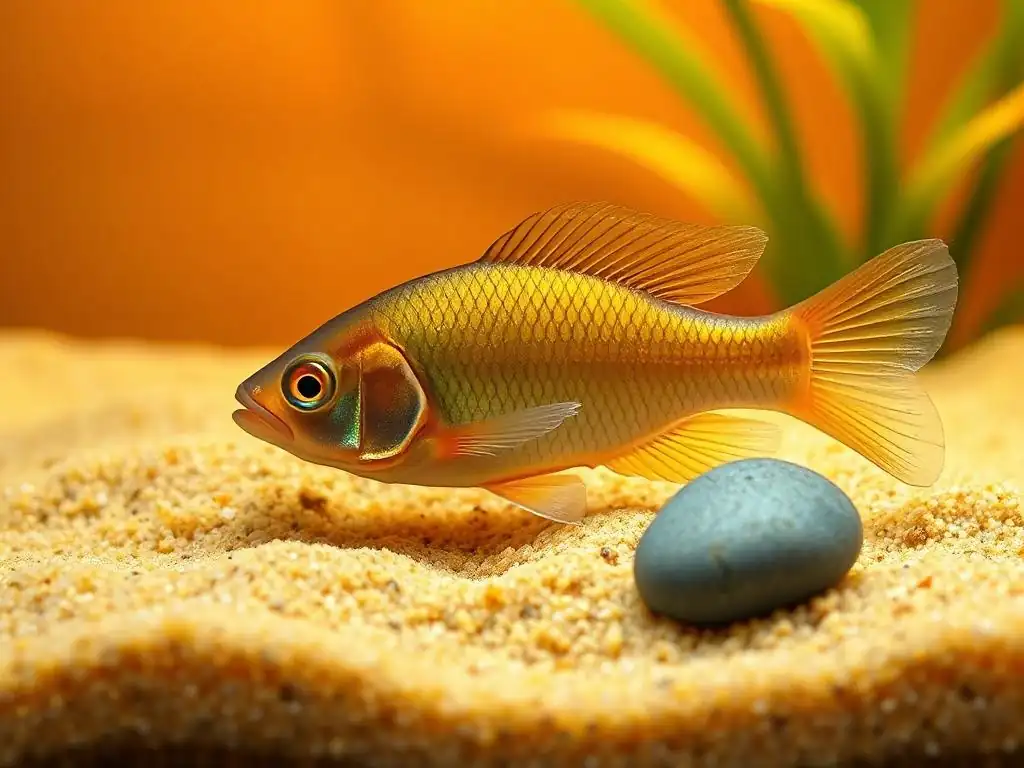
Before adding sand, ensure your aquarium is thoroughly cleaned and positioned on a level, sturdy surface. It's often easier to place any large hardscape elements, such as driftwood or rocks, directly on the bottom glass before adding the sand. This prevents the hardscape from shifting and potentially burying your Corydoras or causing substrate instability later. Use only water for cleaning the tank; avoid any soaps or detergents, as their residues can be toxic to fish. Planning your hardscape layout at this stage will help create a visually appealing and functional environment that complements the sand substrate.
Step 2: Adding the Sand Substrate
Once your aquarium is clean and hardscape is in place, you can carefully add the washed sand. To prevent excessive cloudiness and displacement, it's recommended to place a clean plate or plastic bag on the bottom of the tank and pour the sand onto it. This disperses the sand gently, minimizing disturbance.
For Corydoras, a substrate depth of 1.5 to 2 inches (approximately 4-5 cm) is generally ideal. This depth allows for ample sifting without being so deep that it becomes prone to significant anaerobic pocket formation. Distribute the sand evenly across the bottom, sloping it slightly towards the back for aesthetic depth if desired.
Step 3: Cycling the Tank
After adding the sand and filling the aquarium with water, the next crucial step is to cycle the tank. The nitrogen cycle is a biological process where beneficial bacteria establish themselves in the filter media and, to a lesser extent, in the substrate, converting toxic ammonia and nitrite into less harmful nitrate. This process, which typically takes 4-6 weeks to complete, is essential before introducing any fish, including Corydoras.
A fully cycled tank ensures stable water parameters and a safe environment for your new inhabitants, preventing ammonia or nitrite poisoning. Regularly test your water parameters (ammonia, nitrite, nitrate) throughout the cycling process to monitor its progression.
Maintaining a Sand Substrate
Regular Vacuuming for Anaerobic Pocket Prevention
Maintaining a sand substrate for Corydoras involves specific techniques to prevent issues like anaerobic pockets and detritus buildup. Gentle surface vacuuming is key. Instead of plunging a gravel vacuum deep into the sand, hover it just above the surface, allowing it to suction up uneaten food, fish waste, and other debris that settles on top.
This method removes organic waste without excessively disturbing the beneficial bacterial colonies within the sand bed. Performing this gentle vacuuming 1-2 times per week helps maintain pristine conditions and prevents the accumulation of material that could lead to anaerobic zones, while the Corydoras' natural sifting activity also contributes to aeration.
The Importance of Water Changes
Regular water changes are fundamental to maintaining overall water quality, which directly impacts the health of both your fish and your substrate. Performing 25-30% weekly water changes helps dilute nitrates, replenish essential minerals, and remove dissolved organic compounds that contribute to the bioload. Clean water reduces the amount of organic matter that can settle into the sand, thereby lessening the risk of anaerobic pockets and maintaining a healthier environment for your Corydoras. Consistent water changes are a non-negotiable aspect of successful aquarium husbandry.
Recognizing and Addressing Potential Issues
Even with proper maintenance, it's important to be vigilant for potential issues in a sand substrate. The primary concern is the formation of anaerobic pockets, which can appear as black spots in the sand or manifest as tiny bubbles rising from the substrate when disturbed, often accompanied by a sulfurous (rotten egg) smell. If you observe these signs, gently stir the affected area with a gravel vacuum, chopstick, or long plant tweezers to release any trapped gases and introduce oxygen.
If the issue persists, consider reducing the sand depth or increasing the frequency of light substrate stirring during maintenance. Promptly addressing these issues is vital for the long-term health of your Corydoras.
Alternative Substrates
Planted Tank Substrates
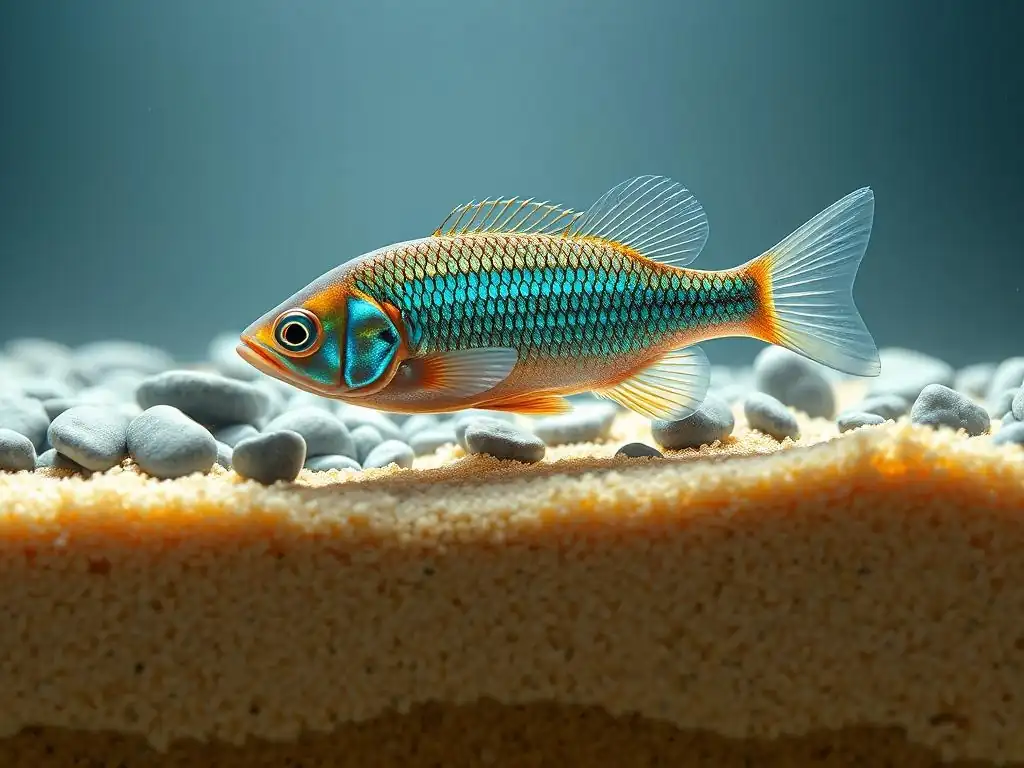
For aquarists aiming for heavily planted tanks, specialized planted tank substrates like Aquasoil or similar nutrient-rich clays are popular. These substrates are designed to provide essential nutrients to aquatic plants through their root systems. While highly effective for plant growth, their granular structure can sometimes be a concern for Corydoras barbels.
Many planted tank substrates are composed of baked clay or volcanic ash, which can be somewhat abrasive. While generally less damaging than sharp gravel, they are not as soft as fine sand. Aquasoil, for example, often has a particle size of 2-5mm, which, while beneficial for plant roots, may still pose a slight risk to the delicate barbels of Corydoras.
Clay-Based Substrates
Beyond dedicated planted tank soils, other clay-based substrates exist, such as certain types of baked clay granules or akadama (a specific type of Japanese granular clay used in bonsai). These can sometimes offer a compromise between plant support and Corydoras safety. Many porous clay-based substrates are relatively soft and less abrasive than typical aquarium gravel, making them a more viable alternative for Corydoras than sharp stones.
However, it's crucial to research the specific product's texture and composition. While some clay substrates can be gentle, they still may not allow for the same natural sifting behavior as fine sand, which is a key advantage in the Corydoras sand gravel debate.
Real-World Examples: Corydoras in Sand Tanks
Case Study 1: Corydoras aeneus in a Planted Sand Tank
A well-documented example involves a 20-gallon long community aquarium housing a group of six Corydoras aeneus (Bronze Corydoras). The substrate consisted of 1.5 inches of fine, inert river sand, complemented by live plants such as Cryptocoryne and Anubias, which were rooted directly in the sand. For over two years, this group of Corydoras aeneus exhibited robust health, consistently active foraging, and showed no signs of barbel erosion.
Their natural behavior of sifting through the sand to find sinking pellets and leftover flakes was observed daily, indicating a low-stress environment. Furthermore, the tank periodically saw successful, albeit unassisted, spawning events, a strong indicator of optimal conditions and the clear advantages of sand in the Corydoras sand gravel debate.
Case Study 2: Corydoras habrosus in a Biotope Sand Tank
Another compelling case study features a 10-gallon biotope setup specifically designed for a breeding group of eight Corydoras habrosus (Salt and Pepper Corydoras). This tank utilized a thin layer, approximately 1 inch, of ultra-fine pool filter sand as its primary substrate. The sand was supplemented with a scattering of dried oak leaves and a small piece of driftwood, mimicking their natural South American microhabitat.
For over a year, these dwarf corys thrived, actively displaying their full range of natural digging and sifting behaviors. Their barbels remained pristine and healthy, and the group produced multiple successful spawns, contributing to a self-sustaining population. This setup underscored how fine sand facilitates not just physical health but also the expression of innate behaviors crucial for the well-being of these delicate fish.
Conclusion: Prioritizing Barbel Health Through Substrate
The ongoing Corydoras sand gravel debate ultimately finds its resolution in prioritizing the welfare of these unique bottom-dwelling catfish. While gravel may offer certain aesthetic or maintenance conveniences for other fish, it poses a significant and often irreparable threat to the delicate barbels of Corydoras. These vital sensory organs are crucial for their foraging, navigation, and overall survival, and their damage can lead to severe health complications, including bacterial infections and starvation.
Therefore, the clear consensus among experienced aquarists and experts is that fine, smooth sand is the unequivocally superior substrate choice for any aquarium housing Corydoras. Sand allows them to engage in their natural sifting behaviors without risk of injury, promoting their physical health, psychological well-being, and longevity. By selecting and maintaining a sand substrate, aquarists not only prevent barbel damage but also create an environment that truly caters to the specific needs of these fascinating and beloved fish.
Frequently Asked Questions
Why is the substrate important for Corydoras?
The substrate is critical because Corydoras are bottom-dwelling fish that forage for food in the substrate. A suitable substrate helps protect their delicate barbels from damage, which are essential for finding food.
What are the main concerns about using gravel with Corydoras?
Gravel can have sharp edges that can injure Corydoras' sensitive barbels, leading to infections. Uneaten food can also get trapped in gravel, contributing to poor water quality.
What are the benefits of using sand as a substrate for Corydoras?
Sand is generally considered the ideal substrate for Corydoras as it is soft and allows them to forage naturally without damaging their barbels. It also prevents food from becoming deeply embedded, making it easier to maintain clean water conditions.
Are there any specific types of sand that are recommended for Corydoras?
Yes, fine, smooth sand is recommended. Avoid coarse sand or sand with sharp edges. Aquarium-specific sand is often the best choice as it is pre-cleaned and safe for aquatic life.
How can I maintain a healthy substrate environment for my Corydoras, regardless of whether I choose sand or gravel?
Regular vacuuming of the substrate during water changes is crucial to remove debris and uneaten food. Ensure proper water parameters are maintained to prevent algae growth and other issues that can affect the substrate's health.
Final Reflection: Protecting Corydoras, Preserving Ecosystems
The preceding discussion on the Corydoras sand gravel debate underscores a vital principle often overlooked in aquarium keeping: the profound impact of our choices on the well-being of the creatures in our care. Beyond aesthetics and convenience, the substrate we select directly affects the health and happiness of these fascinating bottom-dwellers, highlighting the responsibility we bear as custodians of their miniature aquatic worlds.
This seemingly simple decision – sand or gravel – ripples outwards, influencing not only the lives of our Corydoras but also reflecting our broader understanding of ecological balance. My own journey into aquarium keeping has taught me that responsible pet ownership is inextricably linked to environmental awareness. We are tied to the ocean. And when we go back to the sea, whether it is to sail or to watch it, we are going back from whence we came.
- John F. Kennedy. This quote, though about the ocean, resonates deeply with the aquarium hobby; we are recreating a piece of the natural world, and our success depends on understanding and respecting its delicate intricacies.
Now, as you consider the information presented, I urge you to reflect on your own practices and future choices. Are you providing the optimal environment for your Corydoras, or are there adjustments you can make to enhance their quality of life? Let this article serve as a catalyst for mindful decision-making, inspiring you to create thriving aquatic ecosystems that prioritize the health and happiness of all their inhabitants. Embrace the opportunity to learn, adapt, and contribute to a more compassionate and sustainable approach to aquarium keeping.
Unearth a Thriving Corydoras Habitat!
Thank you for exploring the nuances of Corydoras substrate! We hope you found valuable insights to create the best possible environment for your whiskered companions. Now, let's put that knowledge into action.
Here are a few ways to further enhance your Corydoras' well-being:
- Replace sharp gravel with smooth sand in your aquarium to protect their sensitive barbels and encourage natural foraging behavior. Make sure to rinse the sand thoroughly before adding it!
- Share this article with fellow Corydoras enthusiasts to spread awareness about proper substrate choices and help more aquarists keep their Corydoras healthy and happy.
- Observe your Corydoras closely after making substrate changes. Are you noticing any improvements in their behavior or barbel health? Share your observations in the comments below!